
Ostia feels like Rome without crowds. This small-group walk through Ostia Antica is a smart way to see a Roman port city, with skip-the-line access and an expert guide pointing out what you’d miss on your own. One heads-up: the site has uneven ground, so wear grippy shoes and take your time.
What makes this outing especially worth your energy is the setting. Ostia Antica was Rome’s ancient harbor world on the Mediterranean, so you get trade, daily life, and public buildings in one place—far from the usual center-city stops.
You’ll also want to plan your transport, since train tickets to and from Rome aren’t included. The tour starts at 10:00 am and wraps back around the same meeting spot at Viale dei Romagnoli, 717.
In This Review
- Key reasons this Ostia Antica tour is worth your time
- Why Ostia Antica beats another Rome half-day
- Getting to the meeting point (and handling trains the easy way)
- Skip-the-line entry at Parco Archeologico di Ostia Antica
- Baths of Neptune: Roman plumbing you can actually picture
- Forum of Corporations: where port money met everyday life
- The theatre and amphitheatre: crowds, acoustics, and Roman entertainment
- Necropolis and Piazza della Minerva: Rome’s afterlife, in stone
- The ancient bakery and latrines: the details that make it real
- Timing, pace, and what to wear for uneven ruins
- Small-group format: better attention and less chaos
- Price and value: is $152.97 worth it?
- Should you book this Ostia Antica tour?
- FAQ
- How long is the Ostia Antica tour?
- What’s included in the ticket price?
- Do I need to buy admission separately?
- Are train tickets to and from Rome included?
- What time does the tour start?
- What group size is this tour?
- Is the tour suitable for people with mobility issues?
Key reasons this Ostia Antica tour is worth your time
- Skip-the-line entry saves you time at Parco Archeologico di Ostia Antica
- Max 6 people keeps the pace human and the questions actually answerable
- Baths of Neptune gives you a first real look at Roman engineering in everyday life
- Forum of Corporations and storefront areas show the port’s money-making rhythm
- Ancient theatre plus necropolis connect public gatherings with what came after
- Guide-led commentary helps you read the ruins instead of just looking at them
Why Ostia Antica beats another Rome half-day
If you only do big-ticket Rome sights, you can end up seeing the capital without its lifelines. Ostia Antica shows how Rome functioned when the empire’s wealth moved through ports, warehouses, and consumer spaces. It’s the kind of place where you notice Roman life wasn’t only temples and statues.
I like that this tour focuses on the parts that explain how the city worked. You’ll stand in and around spaces such as the Forum of Corporations, the ancient bakery, and the ancient latrines, and the guide helps you connect those dots. That makes the ruins feel practical, not just archaeological.
The best payoff is mental. After a guided tour here, you tend to stop thinking of ruins as random piles and start seeing systems—water, crowds, trade, and even daily habits.
The other ancient city, out at Ostia
- Ancient Ostia Antica Semi-Private Day Trip from Rome by Train with Guide
★ 4.5 · 579 reviews - From Rome: Ostia Antica Guided Half-Day Trip by Train
★ 4.8 · 486 reviews - Horse Sanctuary & Trail Ride in Ostia Antica
★ 4.5 · 276 reviews - Ostia Antica Semi Private Tour from Rome
★ 5.0 · 238 reviews
Getting to the meeting point (and handling trains the easy way)
The meeting point is Viale dei Romagnoli, 717, 00119 Roma RM, Italy, and the tour starts at 10:00 am. It’s listed as near public transportation, so you’re not stuck in the middle of nowhere. Still, build in a little buffer time—Rome timing can be spicy.
Your train rides to and from Rome are not included, so you’ll want to handle those on your own. If you’re the type who hates last-minute logistics, I’d map the route the evening before and aim to arrive early enough to settle your ticket plan.
Also, this is a mobile ticket experience. That’s handy, but make sure your phone battery is healthy and your ticket is accessible offline if you can.
Skip-the-line entry at Parco Archeologico di Ostia Antica
The tour’s first moment matters: you meet right in front of the entrance to Ostia’s archaeological park and get skip-the-line access. That’s the difference between starting the visit relaxed and starting it with that restless feeling that you’re already late.
Once inside, the guide sets you up with a mental map fast. You’ll be shown the most impressive, story-rich parts of the site—places you could technically reach on your own, but would probably wander through without getting the meaning.
This is also where the small group size helps. With up to 6 people, you’re less likely to get separated or stuck behind faster walkers. You can keep your eyes on the details that make Ostia click.
Baths of Neptune: Roman plumbing you can actually picture
One of the standout stops is the Baths of Neptune. Baths weren’t just for washing; they were social infrastructure and a place to spend time. What makes this stop extra good for visitors is the way the tour highlights water systems, including how buildings handled both hot and cold water.
You’ll get a feel for Roman engineering without needing a technical degree. As you move through the bath area, the guide’s commentary helps you see the logic behind the layout—heat where it was needed, cooling where it mattered, and circulation across spaces.
A possible drawback: if you’re expecting a fully restored, carpet-clean museum experience, you might find the setting more exposed and weather-dependent. That’s normal here. Bring patience and let the guide explain what you’re seeing, rather than trying to read everything by yourself.
Worth a look next to this Rome booking:



Forum of Corporations: where port money met everyday life
Next comes the Forum of Corporations, and this is where the trip starts feeling unique compared with the usual Rome itinerary. This was a commercial zone tied to the city’s maritime economy, and you’ll learn how groups connected to trade and crafts organized themselves.
The tour description also mentions “ancient storefronts,” plus a focus on places tied to commerce. You’ll hear about the Square of the corporations, and you’ll get a clearer sense of what a bustling port community looked like when it worked day to day.
I like that the guide doesn’t treat this as generic history. You’re learning how commerce and daily life overlapped—who gathered where, what spaces were designed for, and why the forum mattered to people beyond the elite.
The theatre and amphitheatre: crowds, acoustics, and Roman entertainment
Ostia’s entertainment spaces help you understand the empire as more than paperwork and trade. You’ll visit the ancient theatre of Ostia and also see the larger Ostia Antica Amphitheatre, which once held up to 3,500 onlookers.
This is one of those stops where context makes a big difference. Without a guide, you might clock the architecture and move on. With the commentary, you start imagining crowd flow: where people entered, how seating shaped sightlines, and how the space functioned as a social magnet.
If you enjoy anything about architecture, public spaces, or crowd design, this is a strong moment. The ruins give you just enough structure to picture the energy—even though nothing about it feels modern.
Necropolis and Piazza della Minerva: Rome’s afterlife, in stone
The tour also includes the Ostia necropolis, plus Piazza della minerva. Necropoleis can feel heavy on any itinerary, and that’s true here too, but it’s important context. In Rome, the relationship between the living city and the afterlife was built into the landscape.
I like that the tour keeps it part of the story rather than a rushed stop. You’re shown the necropolis area and guided to see how this space fit into the broader city—especially meaningful in a place shaped by movement, trade, and visitors.
Piazza della minerva is the kind of “in-between” area that can help you regroup your understanding. It gives you a pause from the big architectural anchors and lets you absorb the site’s layout as a real town, not just a collection of attractions.
The ancient bakery and latrines: the details that make it real
Two stops people often remember are the ancient bakery and the ancient latrines. These sound small, but they’re exactly what turn ruins into lived experience.
The bakery connects to how Rome fed people, including workers tied to the port economy. When you picture a harbor city, food supply is one of the first needs you should imagine—and this stop helps you do that.
The latrines bring a surprising level of humanity. The tour description notes systems bringing hot and cold water into buildings, and latrines are the kind of place where sanitation and infrastructure become visible. It also helps you appreciate that Roman planning reached into everyday routines.
If you’re squeamish about bodily history, you can still enjoy this stop from a “how it worked” angle. The guide’s explanations keep it grounded in function rather than shock value.
Timing, pace, and what to wear for uneven ruins
The tour runs about 2 hours 30 minutes. That’s a sweet spot: long enough to learn and wander through multiple major areas, but short enough that you won’t feel like you’ve been dropped into a full-day grind.
The site itself has uneven surfaces, and the tour notes it isn’t recommended for those with physical disabilities. Even if you’re fine on your feet, you’ll still want stable shoes with grip. This is not the time for slick soles or thin sandals.
Bring water if you can, and plan for sun or shade depending on the day. The ruins can be exposed, and you’ll walk between areas at a steady pace.
Small-group format: better attention and less chaos
A maximum group size of 6 people is one of the biggest practical wins here. You get a calmer visit and you can usually hear the guide without leaning into everyone’s personal space.
This format also tends to improve your experience at the “choose the best viewpoints” moments. A good guide helps you understand what to look at first—so you don’t waste time trying to find the story inside the stones.
If you like asking questions, this is where the small-group setup earns its keep. It’s also easier to keep your bearings when you’re not forced into a herd.
Price and value: is $152.97 worth it?
At $152.97 per person, this isn’t the cheapest way to see Ostia Antica. But it includes key items that push value in the right direction: entrance tickets, a fully guided experience, and access to a packed set of highlights such as the necropolis, Baths of Neptune, ancient theatre, Square of the corporations, ancient bakery, Ostia forum, and ancient latrines.
You’re also paying for something less visible: interpretation. Roman ruins can be impressive but hard to read without help. Here, the guide builds a narrative—how the port economy worked, how public life unfolded, and how infrastructure supported daily habits. For many people, that’s what makes the price feel fair.
The main extra cost is transportation to the site via train, since train tickets aren’t included. If you’re already comfortable planning transit, this tour stays a strong value. If you hate transit planning, check your route in advance so the day stays smooth.
Should you book this Ostia Antica tour?
I’d book if you want a Rome day-trip that feels different from the standard checklist. Ostia Antica is where you see Roman life tied to commerce, plumbing, crowds, and routine. And the small-group setup with skip-the-line access makes it easier to enjoy the ruins instead of managing hassle.
You should also book if you prefer guided interpretation. A recurring theme in strong experiences here is that the guide helps you find the right corners and understand what you’re looking at—so you leave with a real sense of how the city functioned.
I wouldn’t book if you’re sensitive to uneven ground or need a highly accessible route. The tour notes that uneven surfaces make it not recommended for those with physical disabilities.
If you’re flexible, this is also a good candidate for last-minute peace of mind: it offers free cancellation up to 24 hours in advance for a full refund.
FAQ
How long is the Ostia Antica tour?
It lasts about 2 hours 30 minutes.
What’s included in the ticket price?
The tour includes entrance tickets for Ostia Antica and a fully guided experience, plus visits to sites such as the necropolis, Baths of Neptune, ancient theatre, Square of the corporations, ancient bakery, Ostia forum, and ancient latrines.
Do I need to buy admission separately?
No. Entrance tickets for Ostia Antica are included.
Are train tickets to and from Rome included?
No. Train tickets are not included.
What time does the tour start?
The start time is 10:00 am.
What group size is this tour?
It’s a small group with a maximum of 6 people.
Is the tour suitable for people with mobility issues?
It’s not recommended for those with physical disabilities due to uneven surfaces.
If you want, tell me your travel dates and whether you prefer mornings or afternoons, and I’ll help you choose the best way to pair Ostia Antica with the rest of your Rome plan.
More Tours in Rome
- Vatican Museums, Sistine Chapel & St. Peter’s Basilica Tour
★ 4.3 · 73,970 reviews - Vatican Museums, Sistine Chapel & St Peter’s Basilica Guided Tour
★ 4.5 · 39,149 reviews - Rome: Colosseum, Palatine Hill and Roman Forum Guided Tour
★ 4.8 · 32,814 reviews - Rome: Guided Tour of Colosseum, Roman Forum & Palatine Hill
★ 4.7 · 27,897 reviews - Rome: Colosseum, Roman Forum and Palatine Hill Guided Tour
★ 4.5 · 23,903 reviews - Rome: Colosseum Arena Floor, Palatine & Forum Guided Tour
★ 4.5 · 20,180 reviews
More Tour Reviews in Rome
- Vatican Museums, Sistine Chapel & St. Peter’s Basilica Tour
★ 4.3 · 73,970 reviews - Vatican Museums, Sistine Chapel & St Peter’s Basilica Guided Tour
★ 4.5 · 39,149 reviews - Rome: Colosseum, Palatine Hill and Roman Forum Guided Tour
★ 4.8 · 32,814 reviews - Rome: Guided Tour of Colosseum, Roman Forum & Palatine Hill
★ 4.7 · 27,897 reviews - Rome: Colosseum & Forum with Audio Guide App -Optional Arena
★ 4.2 · 24,770 reviews - Rome: Colosseum, Roman Forum and Palatine Hill Guided Tour
★ 4.5 · 23,903 reviews
More Out at Ostia Antica
- Ancient Ostia Antica Semi-Private Day Trip from Rome by Train with Guide
★ 4.5 · 579 reviews - From Rome: Ostia Antica Guided Half-Day Trip by Train
★ 4.8 · 486 reviews - Horse Sanctuary & Trail Ride in Ostia Antica
★ 4.5 · 276 reviews - Ostia Antica Semi Private Tour from Rome
★ 5.0 · 238 reviews - Rome: Ostia Antica Archaeological Park Ticket & Audio App
★ 4.6 · 146 reviews - Rome: Ostia Antica Tour From Rome
★ 4.9 · 73 reviews
Just added to our Rome reviews





Ostia Antica Tours, compared.
 ★ 4.5Ancient Ostia Antica Semi-Private Day Trip from Rome by Train with GuideFrom $59579 reviews
 ★ 4.8From Rome: Ostia Antica Guided Half-Day Trip by TrainFrom $58486 reviews
 ★ 4.5Horse Sanctuary & Trail Ride in Ostia AnticaFrom $106276 reviews
 ★ 5.0Ostia Antica Semi Private Tour from RomeFrom $95238 reviews
 ★ 4.6Ostia Antica Archaeological Park Ticket & Audio AppFrom $27146 reviews
 ★ 4.9Ostia Antica Tour From RomeFrom $7773 reviews
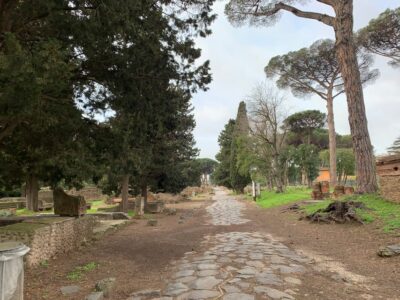 ★ 4.0Archeological Area of Ostia Antica Entry TicketFrom $4069 reviews
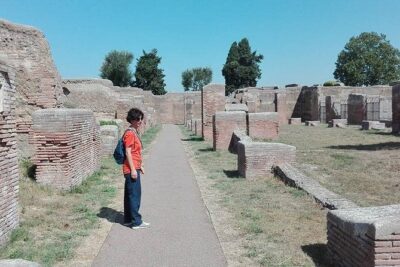 ★ 5.0Daily life in Ostia Antica (private tour)From $18754 reviews
Browse the lists this tour appears in