
Reviewed · OSTIA ANTICA TOURS
Archeological Area of Ostia Antica Entry Ticket
Ostia Antica feels like Rome’s past left the room. I love that you can roam a best-preserved Roman city at your own speed, and I also like the practical time-saver of fast-track entry. One catch: the experience leans on an app-style audio guide, and if you want lots of backstory in every corner, it may feel thin.
You’re looking at a 2.5 to 5 hour visit built for flexible pacing, not a strict group tour. Depending on your ticket, you can add an audio guide, a golf cart ride, and even an Italian aperitivo on-site. The main consideration for your expectations: this isn’t a live-guided walkthrough.
In This Review
- Key things I’d bank on before you go
- Ostia Antica’s big idea: a Roman port city you can actually walk
- Tickets and value: what you’re really paying for
- What the 2.5 to 5 hours feels like in real life
- Entering with fast-track: how to keep your momentum
- Walking the ruins: Decumanus Maximus as your navigation backbone
- Baths of Neptune: why a public complex is more than a photo stop
- Mosaics and houses: how to spot what matters
- Audio guide app: useful structure, but not always deep context
- Golf cart ride: faster coverage, different feel
- Golf cart plus aperitivo: when a break makes the day better
- Practical “bring this, wear that” checklist
- Who should book this Ostia Antica ticket
- Should you book? My decision shortcut
Key things I’d bank on before you go
- Skip-the-line entry with express security, so you lose less time at the gate
- Self-paced ruins that work well whether you’re a fast walker or you like stopping often
- Audio guide via smartphone app (English, Italian, French, Spanish, German) with 170+ points of interest
- Mosaics, Baths of Neptune, and Decumanus Maximus are core sights you can actually plan around
- Optional golf cart ride and aperitivo are there if you want comfort without giving up exploring
Ostia Antica’s big idea: a Roman port city you can actually walk
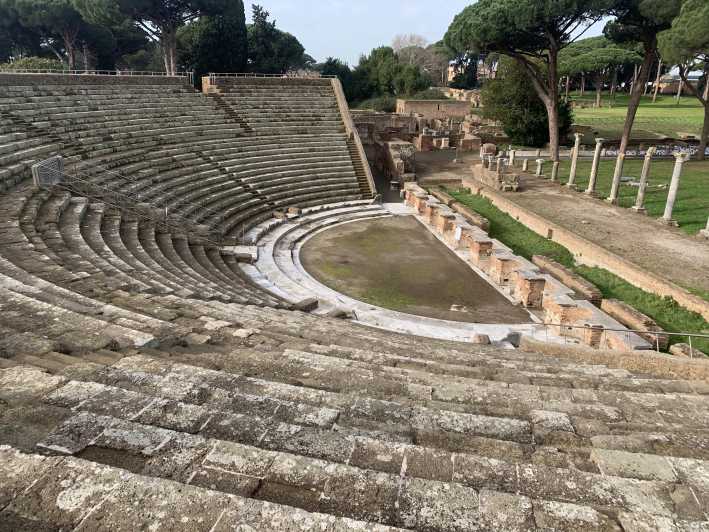
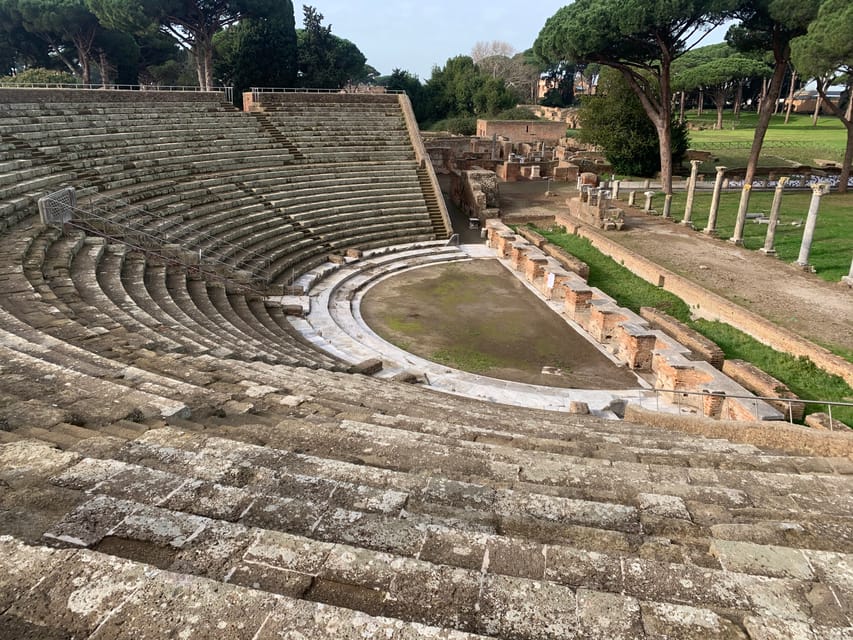
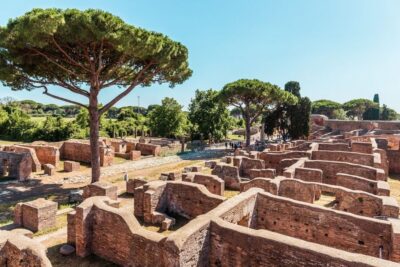
Ostia Antica is one of those places where the scale hits you quickly. You’re not just looking at a few columns; you’re moving through the bones of an ancient town built in the Roman Empire, with street layouts and building remains that help you form a mental map fast.
I like that the visit style matches the setting. You’re not rushed through a script. With the ticket options, you can either treat it as a free-form walk with entry only, or add audio so you get more context while you go.
Tickets and value: what you’re really paying for
The price you’ll see is about $40 per person, and it’s worth understanding what’s included versus what’s added. The info you’re given breaks down the actual archaeological admission as €18 for adults (and €0 for minors 0–17), while the price difference comes from the services in the offer.
So what do you get for that extra amount? Most importantly, you get fast-track entry and a skip-the-line through express security. If you’ve visited major sites before, you know the real pain isn’t the ruins. It’s the queue. Here, the ticket is designed to help you start seeing sooner.
You also get a smartphone audio option: the Rome City audio guide app with more than 170 points of interest. If you choose it, the app acts like your on-site companion while you roam, with language options including English, Italian, French, Spanish, and German.
If you choose the upgraded versions, you add more comfort: a golf cart ride to cover more ground with less walking fatigue. One step further includes an Italian aperitivo, which can turn your visit into something a little more “day out” and less “just sightseeing.”
What the 2.5 to 5 hours feels like in real life
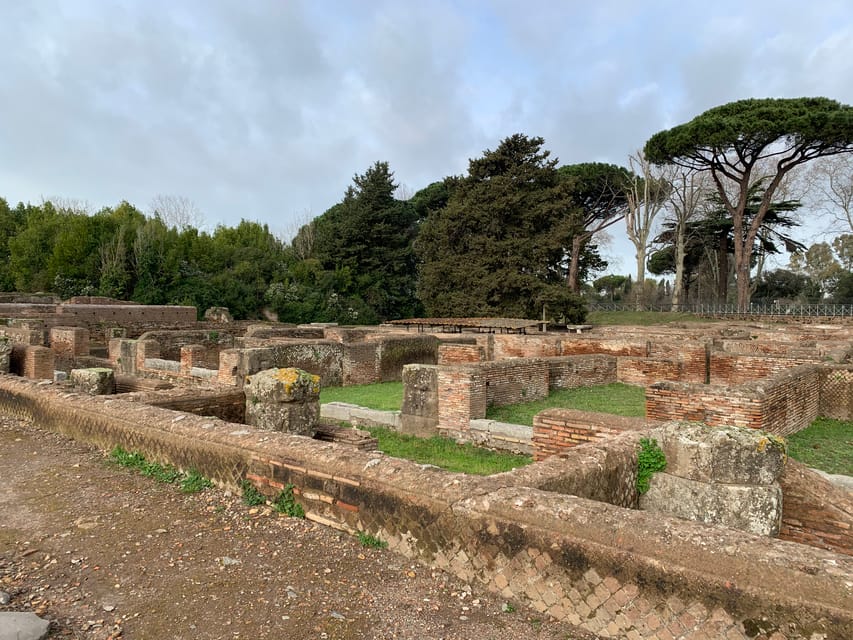
Your time window is 2.5 to 5 hours, depending on the ticket and how you move. With self-paced ruins, this range matters because Ostia Antica rewards slow looking. The more time you give yourself, the more you’ll notice the smaller details: mosaic fragments, building plans, and how streets connect.
Here’s a practical way to use the time: spend your early hour finding the big street-and-building spine (so you don’t feel lost), then slow down for mosaics and the major public-structure areas. If you’re adding a golf cart ride, you can use it to get oriented and then switch back to walking for the close-up moments.
Entering with fast-track: how to keep your momentum
This ticket is set up for skip-the-line entry with express security. That’s the main logistical win, and it’s the kind of benefit that pays off immediately. You’re not stuck waiting while everyone else files in.
One important detail: the voucher you receive is not the entry ticket. After booking, an operator contacts you with instructions so you can coordinate your entry. So don’t treat the voucher code like your final pass. Make sure you follow the instructions you get directly from the operator.
Walking the ruins: Decumanus Maximus as your navigation backbone
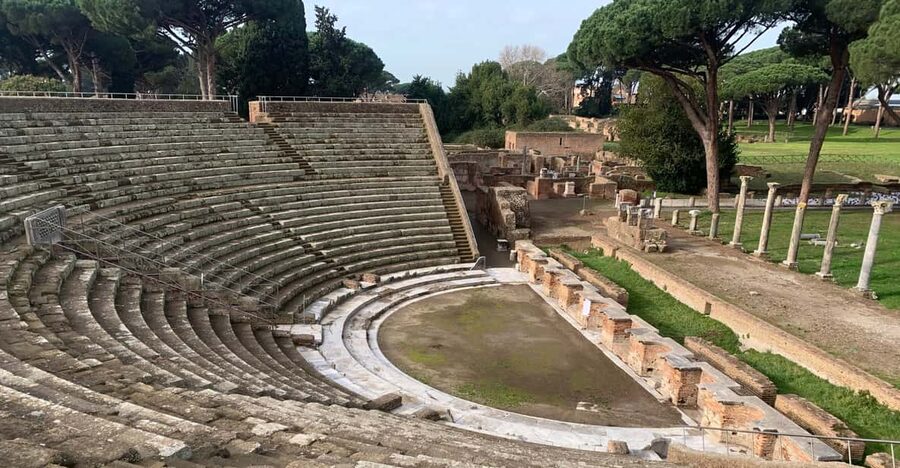
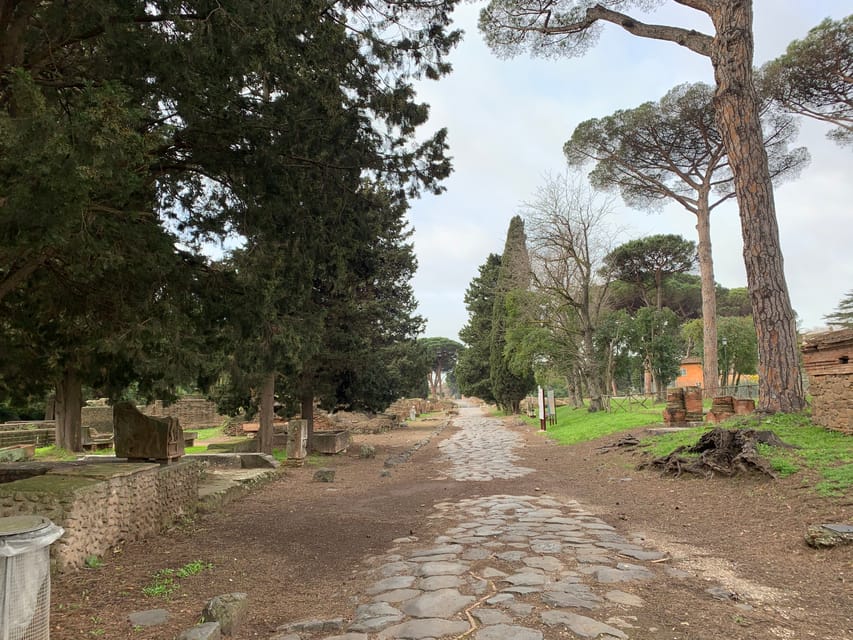
One of the biggest “I can make sense of this place” sights is Decumanus Maximus. Even if you don’t know Roman street terminology, you’ll feel what it is: a main thoroughfare. It’s the kind of landmark that helps you orient yourself because it gives you a long, straight reference point.
When you’re on the right axis, the city starts to click. Side streets and building remains stop looking random. You can start connecting what you see: public space near major routes, domestic areas set back from the street, and the way movement through the town would have worked.
Practical advice: don’t just walk it once. If you have the time, walk past it, pause at a couple of points, then come back later. Early on, you’re learning the layout. Later, you’re reading it.
Baths of Neptune: why a public complex is more than a photo stop
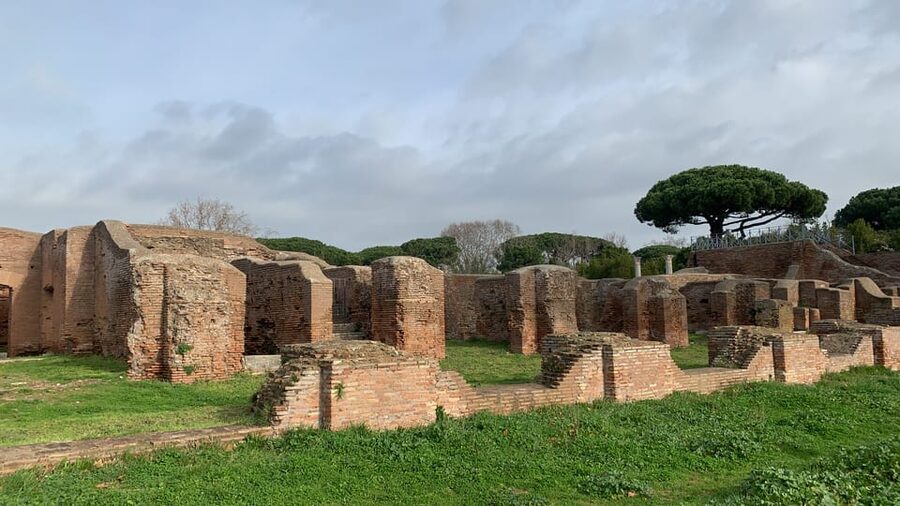
The Baths of Neptune are one of the anchor sights mentioned in the experience. Large bath complexes tend to be where Roman life feels most tangible because they were social, not just functional.
At Ostia Antica, the value here is scale and structure. You’re not only seeing stones; you’re looking at a place built for routines: circulating through rooms, moving between wetter and drier areas, and spending time with other people. That’s often what makes ruins feel less like abstract history and more like a lived day.
If you’re choosing the audio option, this is the kind of place where an app can be useful because you can match what you’re seeing to short explanations. If you’re not getting audio, you might still enjoy this stop most if you slow down and look for room patterns and circulation paths.
Mosaics and houses: how to spot what matters
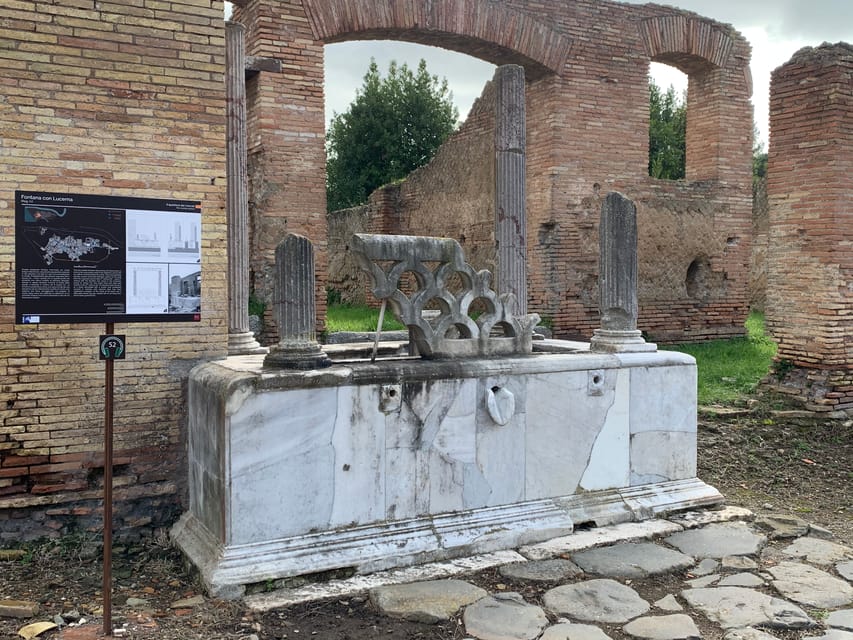
The highlights point to mosaic marvels and ancient houses. This is where Ostia Antica can surprise you, because mosaics aren’t only decorative. They show how people wanted their spaces to feel.
What to do with this in your visit: when you find mosaic panels (or fragments), stop long enough to study the layout rather than just snapping a few pictures. Look for how the floor design relates to the room shape. Even without a guide, the geometry can tell you a lot about the space.
If you’ve chosen the app audio option, use it as a prompt. When you see a mosaic area, switch on the audio and let it tell you what you’re looking at. If the story sounds brief, that’s your cue to spend more time just observing—Roman mosaics can reward patience.
Audio guide app: useful structure, but not always deep context
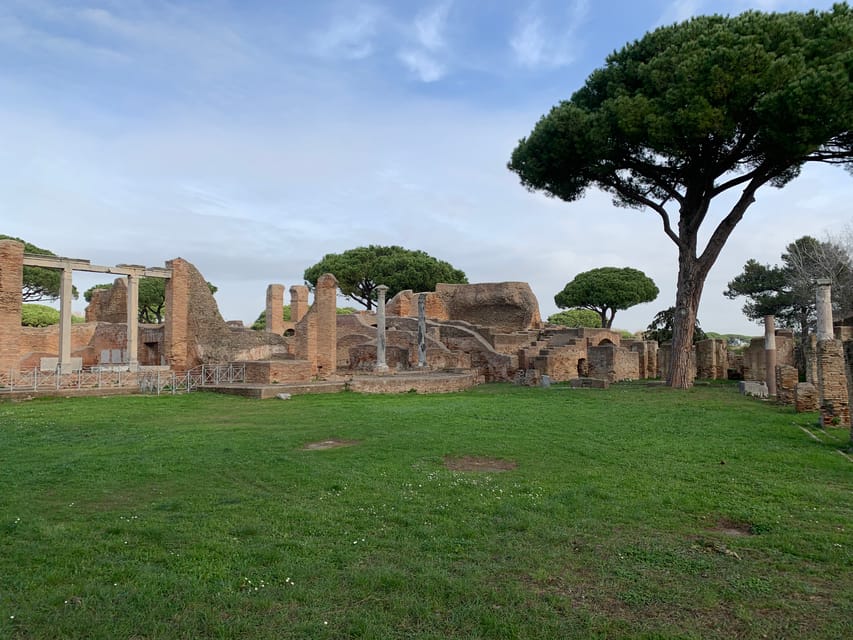
Your ticket can include an optional audio guide delivered through a smartphone app. It offers multiple languages and gives you access to more than 170 points of interest.
I like audio in ruins for one big reason: it keeps you from drifting into “I see stones” mode. Instead, you get cues for what to pay attention to as you walk.
That said, there’s a real caution to manage expectations. One disappointment that pops up with app-based guides is when the explanations feel too short for the level of detail you’re hoping for. If your priority is heavy context about specific areas—like the portside story of Ostia—an app might not satisfy in every spot. In that case, you’ll have the best experience if you treat the visit as a mix of audio prompts plus your own observation.
Tip: if you’re an information-first person, consider arriving with at least a rough mental outline of what Ostia Antica was. Then the app becomes a refresher instead of your only source.
Golf cart ride: faster coverage, different feel
If you choose the ticket that includes a golf cart ride, you’ll get an easier way to cover the broader site. This option is especially attractive when you want to see more without feeling like your legs are the limit.
The trade-off is subtle. Golf carts can make the visit more comfortable and efficient, but they can also reduce the feeling of wandering from one discovery to the next. So I’d use the cart to get your bearings, then walk the bits you care about most—like mosaic areas and major monuments.
Golf cart plus aperitivo: when a break makes the day better
There’s also a premium option that combines the golf cart ride with an Italian aperitivo. In practice, an aperitivo can shift the tone of your visit from pure sightseeing to a more relaxed break in the middle of the ruins.
This is a good fit if you’re doing Ostia Antica as part of a longer day out from Rome and you want something more than another hour of walking. If you tend to get hungry and slow down anyway, having a planned refresh point can help you avoid that late-afternoon slump.
Practical “bring this, wear that” checklist
Ostia Antica is outdoors and you’ll be on your feet. The experience info is clear on what helps:
- Comfortable shoes
- Sunglasses, sun hat, sunscreen
- Water
- Passport or ID card (a copy is accepted)
Also remember what’s not allowed: pets, weapons or sharp objects, baby strollers, luggage or large bags, drones, and alcohol or drugs. If you’re traveling light, you’ll have an easier time moving around.
If you’re tempted to pack a big bag anyway, don’t. The restrictions are meant to keep security and walkways manageable, and you’ll save yourself stress by planning for carry-on sized items only.
Who should book this Ostia Antica ticket
This experience fits best if you want control over your pace and you’re okay with a self-guided format.
Choose the basic skip-the-line entry if:
- you like wandering and you don’t need constant explanations
- you plan to spend your time on the sights you care about most
Choose an audio guide option if:
- you want prompts while you walk
- you like short, stop-by-stop info and you can handle app-based guidance
Choose golf cart and/or aperitivo if:
- you want to cover more ground with less walking strain
- you’d appreciate a planned comfort feature during the day
And one more filter: this visit is not suitable for people with mobility impairments or wheelchair users. If that’s you or someone in your group, you’ll want a different plan.
Should you book? My decision shortcut
Book this if your top goal is to see Ostia Antica efficiently and explore at your own speed. The combination of fast-track entry and the option for audio (170+ points) is a strong value setup, especially if you want to minimize waiting and maximize ruin time.
Skip or reconsider if you strongly prefer a detailed, live, question-friendly guide for every major area. The app is helpful for orientation and highlights, but it may not give the richer context you might want in every nook—especially for more specific stories like the port-related angle.
If you’re flexible and ready to mix audio cues with your own looking, this is a very satisfying way to experience one of Rome’s best-preserved ancient city settings.
Ostia Antica Tours, compared.
 ★ 4.5Ancient Ostia Antica Semi-Private Day Trip from Rome by Train with GuideFrom $59579 reviews
 ★ 4.8From Rome: Ostia Antica Guided Half-Day Trip by TrainFrom $58486 reviews
 ★ 4.5Horse Sanctuary & Trail Ride in Ostia AnticaFrom $106276 reviews
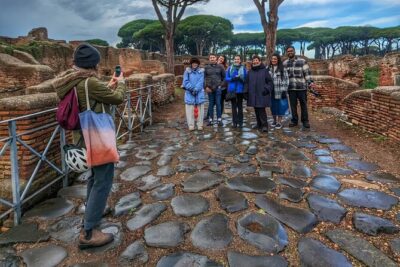 ★ 5.0Ostia Antica Semi Private Tour from RomeFrom $95238 reviews
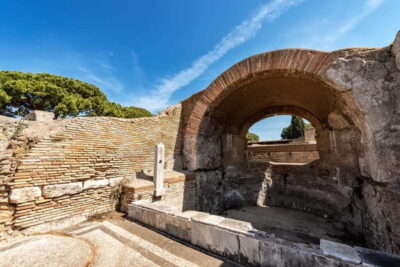 ★ 4.6Ostia Antica Archaeological Park Ticket & Audio AppFrom $27146 reviews
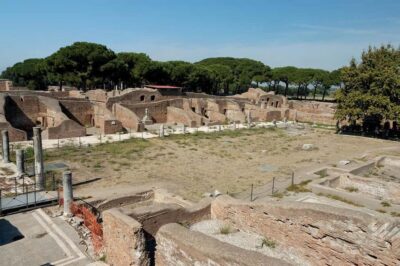 ★ 4.9Ostia Antica Tour From RomeFrom $7773 reviews
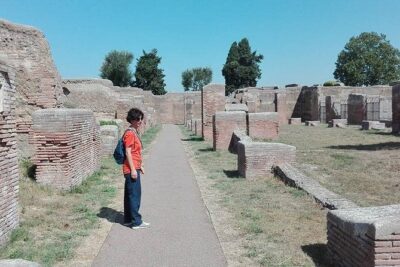 ★ 5.0Daily life in Ostia Antica (private tour)From $18754 reviews
 ★ 4.8Ostia Antica Small Group TourFrom $9449 reviews
Browse the lists this tour appears in