
Reviewed · OSTIA ANTICA TOURS
Rome: Ostia Antica Archaeological Park Ticket & Audio App
Ancient Rome feels uncomfortably close here. Ostia Antica’s coastal streets and homes were preserved under river silt, so the mosaics and frescoed walls can feel startlingly present. You’re not rushing between stops with a group—you wander at your own pace with a digital audio app.
I love how the site moves from everyday apartment blocks to the more luxurious seaside life at Procoio, where villas include a bath complex and even an amphitheater lined with stone theatrical masks. The one real drawback: the ruins are extensive, and the walking route isn’t always obvious, so you may need to slow down, check your bearings, and plan a loop.
In This Review
- Key highlights at a glance
- Why Ostia Antica’s ruins feel different from most
- Price and what you actually get for it
- How the ticket’s 7–8 day window changes your planning
- Exchange point and entry basics (so you don’t waste time)
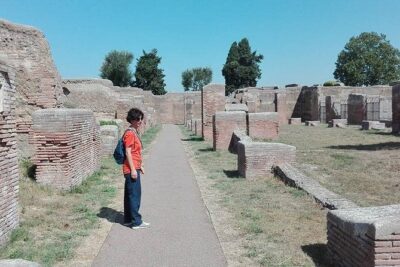
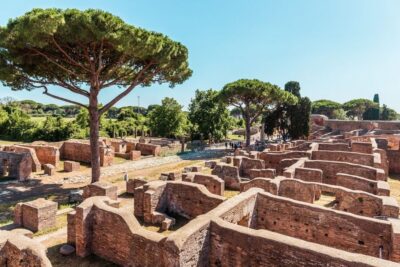
- Entering Ostia Antica: streets, houses, and the silt-preserved story
- The mosaics and frescoes you’ll keep thinking about
- Apartment blocks: the everyday Rome factor
- Procoio villas: the bath complex and stone theater masks
- From Julius II to ships and ports: the coastal story continues
- Necropolis on Isola Sacra: where the story turns
- Using the digital audioguide without getting lost
- A photo postcard you can actually send
- Practicalities: shoes, water, and how to pace it
- Who this is best for (and who might want something else)
- Should you book this Ostia Antica ticket and audio app?
- FAQ
- What’s included with this Ostia Antica admission?
- How long is the ticket valid after I activate it?
- Where do I exchange my voucher to enter?
- What do I need to bring with me?
- Do I need to show an ID?
- Can I create a postcard from my own photos?
- Is transportation included?
Key highlights at a glance
- Silt-preserved streets and buildings that make the past feel concrete
- Mosaics and frescoes you can take in without museum crowds breathing down your neck
- Two-story apartment blocks that help you picture daily Roman life
- Procoio villas and a bath-and-theater setup featuring stone masks
- Integrated admission across multiple coastal sites and museums
- Turn your own photo into a postcard to send home
Why Ostia Antica’s ruins feel different from most
Most ancient sites give you fragments. Ostia Antica is more like a whole neighborhood with the lights turned off. The big reason is the way the Tiber’s silt covered the town over time. That burial is exactly what helped preserve buildings, painted surfaces, and decorative floors, instead of leaving you with just scattered columns.
The result is that you can walk through spaces that still look like rooms. You’ll find corners that feel domestic. You’ll stand in spots where you can imagine someone sweeping a floor or running down a corridor. It’s not only impressive. It’s oddly human.
And since this is a self-paced visit with a digital audioguide, you control the tempo. If you’re the type who likes to linger over details, this format works well. If you want to move fast, you can still keep it efficient.
The other ancient city, out at Ostia
- Ancient Ostia Antica Semi-Private Day Trip from Rome by Train with Guide
★ 4.5 · 579 reviews - From Rome: Ostia Antica Guided Half-Day Trip by Train
★ 4.8 · 486 reviews - Horse Sanctuary & Trail Ride in Ostia Antica
★ 4.5 · 276 reviews - Ostia Antica Semi Private Tour from Rome
★ 5.0 · 238 reviews
Price and what you actually get for it
The ticket price is about $27 per person, and what matters is what’s wrapped inside that admission. You’re not only paying for the main archaeological park. Your entry includes multiple sites in the wider Ostia/Fiumicino area: the Castle of Julius II, the Museum of Ships in Fiumicino, the Imperial Ports of Claudius and Trajan, and the Necropolis of Porto on Isola Sacra.
That matters for value because Ostia Antica is only part of the story. The ports and the necropolis help you understand what this coastal city was for and what happened to people when life ended. If you’d otherwise pay separate admissions and keep stopping at random viewpoints, this bundled approach can feel like a smarter spend.
One more value point: you’re also included with a digital audioguide. That turns the ruins from “pretty rocks” into “I get what I’m looking at,” especially when you’re surrounded by structures that don’t come with an obvious sign for every wall.
How the ticket’s 7–8 day window changes your planning
Your ticket is valid for about a week: the summary lists 8 days from first activation, while the details say 7 days from the first admission. Either way, you’re not trapped into one single day.
That flexibility is useful because this area rewards a slow approach. Ostia Antica is extensive, and it can turn into an all-day walk if you do it properly. With a multi-day window, you can split the visit: ruins first, then the coastal sites on another day when you’re less rushed.
If you’re combining this with other Rome plans, I suggest you treat Ostia Antica as its own anchor day (or half-day plus a second site day). Trying to squeeze it in at the end of your trip often leads to a tired shuffle, where you miss the details that make the place special.
Exchange point and entry basics (so you don’t waste time)
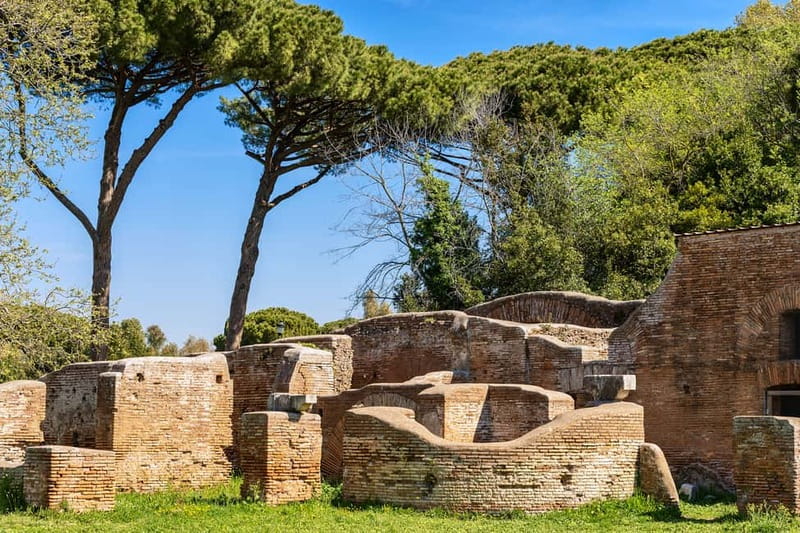
You’ll exchange your voucher at the Ostia Antica ticket office. That’s your starting move before you head into the archaeological park.
The other practical must-do: plan to bring passport or an ID card. A valid ID is required for entry. Also bring a charged smartphone, because the experience relies on your digital access.
Once you’re in, wear comfortable shoes. The paths at the site are uneven, and you’ll be on them for a while. This is not a flip-flops kind of day.
Worth a look next to this Rome booking:




Entering Ostia Antica: streets, houses, and the silt-preserved story
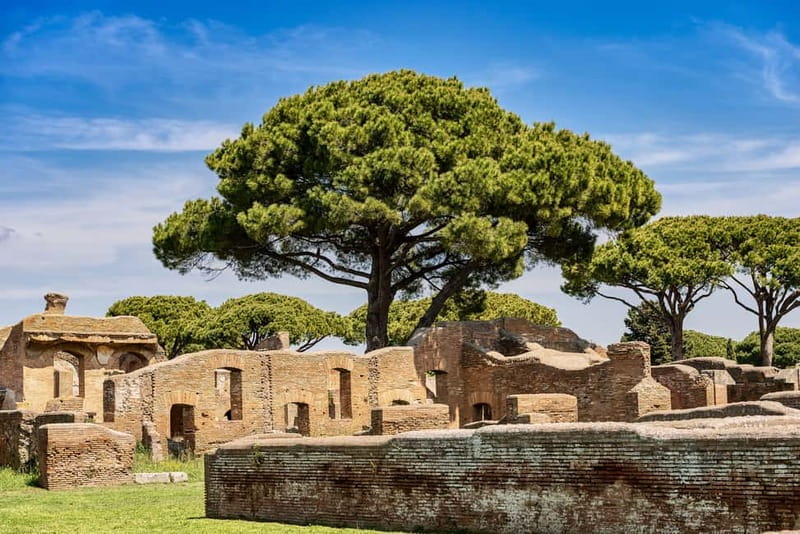
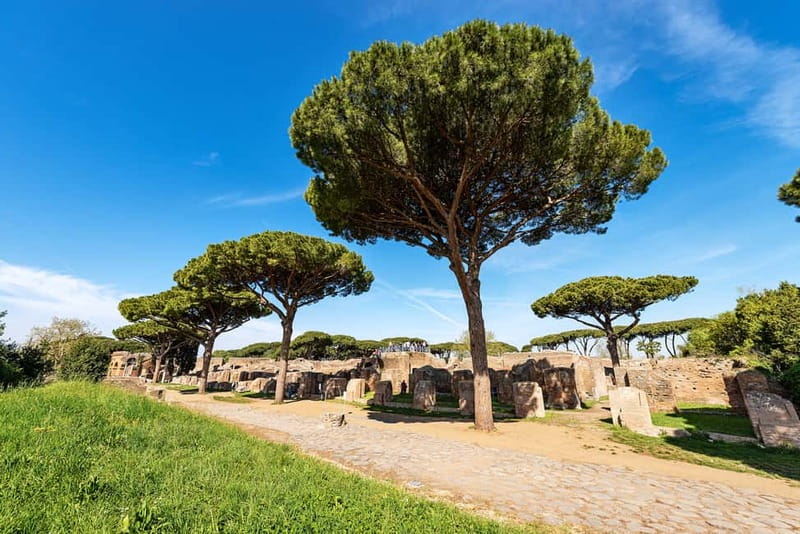
Start with the feeling of place. Ostia Antica was a Roman colony at the mouth of the Tiber, and there’s even a legend that King Ancus Marcius founded it in 620 BC. You don’t need a full lecture to enjoy that. What you notice is the geography: this was a coastal city built around connection to the river and sea.
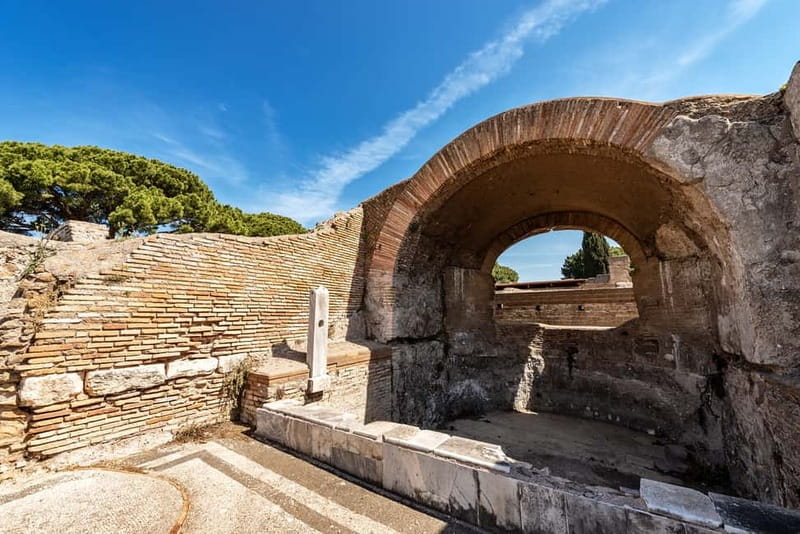
As you walk, the preserved layout is what sinks in. You’ll see spaces that read like daily life—streets, building fronts, and residential areas that feel close enough to imagine normal conversation. And the silt story becomes more than trivia once you see how well some decorations hold up.
A good tip: don’t try to cover everything in a straight line. Pick a direction, explore the blocks you come across, and then return when you’re ready. The site is extensive, and the best experience comes from letting your eyes do the work.
The mosaics and frescoes you’ll keep thinking about
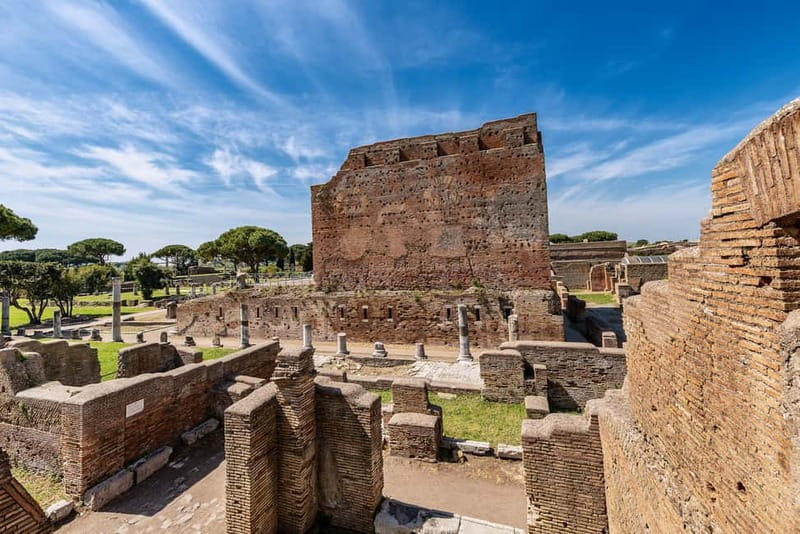
The highlights most people rave about are the mosaics and frescoes. And you can see why. Instead of decorative bits that get lost, these works act like room markers. Floors guide your attention. Wall paintings help define the mood of what used to be inside.
If you like art, you’ll enjoy how integrated it feels. The decoration isn’t stuck in a separate building. It’s part of everyday spaces—almost like the ancient residents expected beauty to be normal.
One helpful thing: your audioguide can help you understand what you’re seeing without turning the visit into a strict checklist. Still, keep in mind that there’s a practical limit to self-guided interpretation. On a large site, it can be hard to pinpoint exactly where a specific stop is, especially if signage is subtle.
Apartment blocks: the everyday Rome factor
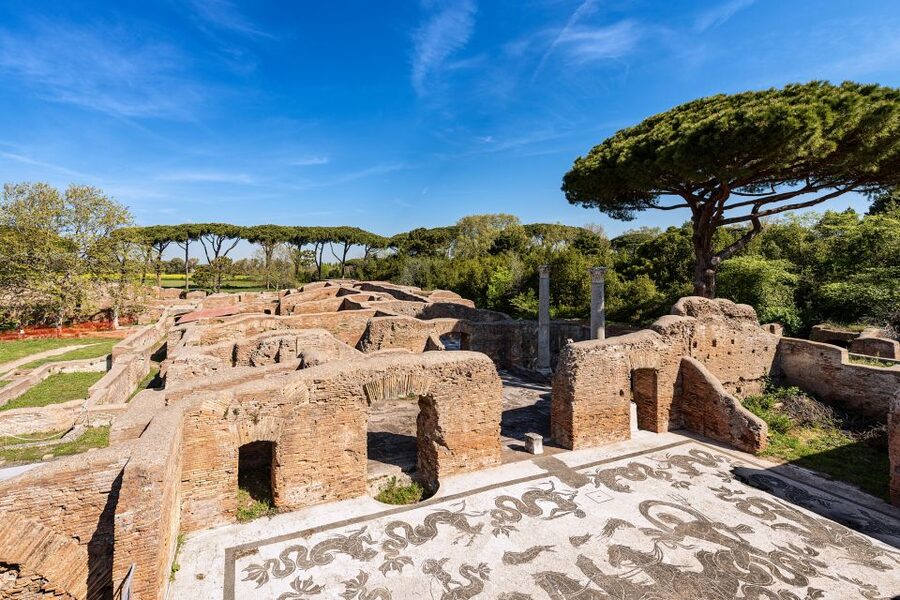
One of the most valuable parts of Ostia Antica is that it doesn’t only show big, dramatic monuments. You get a clear look at two-story Roman apartment blocks, which help you picture housing and crowding in a way that feels real.
Standing in or near these spaces changes your mental scale. Rome is often remembered for emperors and coliseums. Here, you’re confronted with the fact that most life was domestic. People worked, lived, and negotiated cramped realities that didn’t make it into grand statues.
If you’re going with kids, this is also where curiosity can click. These apartment layouts feel more recognizable than some temples or formal civic buildings. It becomes easier to talk about who lived where and what the rooms might have been used for.
Procoio villas: the bath complex and stone theater masks
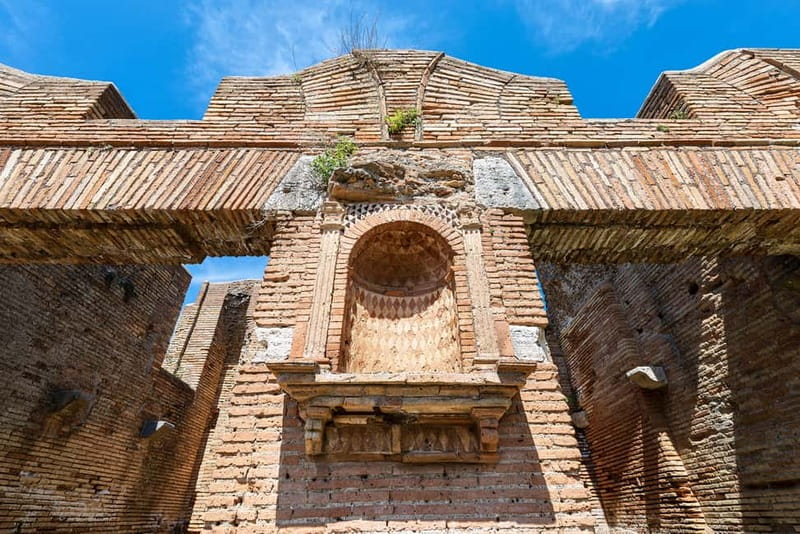
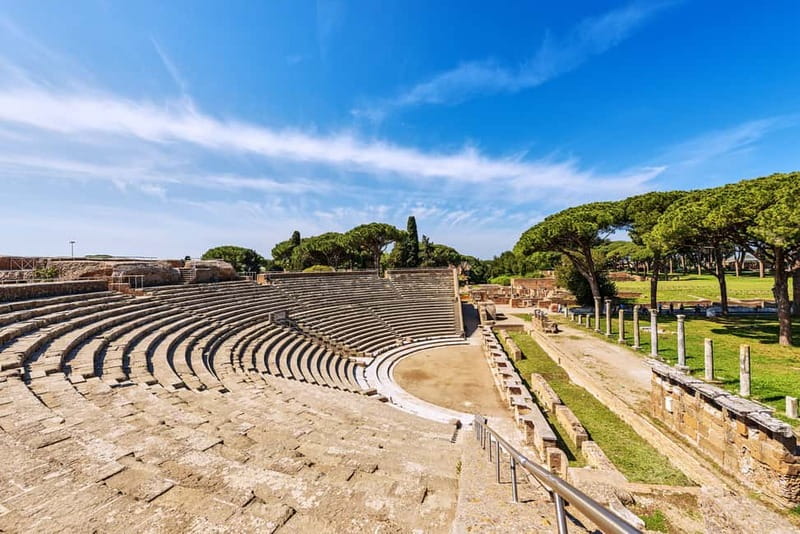
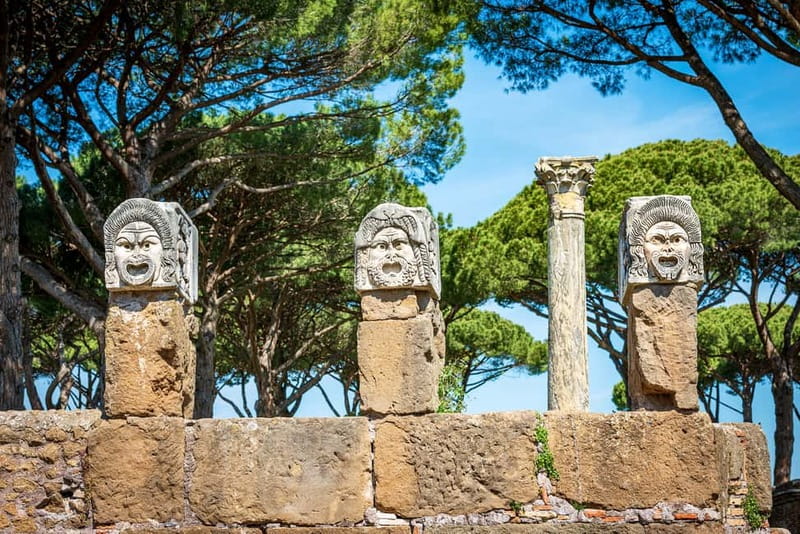
Procoio is where the site gets extra fun. These are seaside villas, and they come with a few standouts: a large bath complex and an amphitheater lined with striking theatrical masks made from stone.
The bath complex matters because it shows how leisure and status worked. Baths weren’t only about cleanliness. They were social and architectural—places where daily routines could become entertainment. If you’ve ever visited a ruin and wondered where people actually spent their time, this is the kind of feature that answers that question.
Then there are the stone masks. It’s not the kind of detail you expect to see preserved so clearly. It turns a ruin into something theatrical. Even if you can’t fully picture a performance, you can sense the intention: making the experience memorable.
From Julius II to ships and ports: the coastal story continues
After you’ve built your picture of life inside the city, the included coastal sites help you connect the dots.
Castle of Julius II gives you a different kind of backdrop—less about Roman daily interiors and more about the region’s later layers. It’s a good contrast stop, especially if you’ve been walking through ruins for hours and want a change of pace.
Then come the Museum of Ships in Fiumicino and the Imperial Ports of Claudius and Trajan. Together, these help explain why Ostia Antica mattered. The city wasn’t just a place to live. It was tied to shipping, trade, and movement through the Tiber corridor.
You don’t need deep technical knowledge to appreciate the logic of the layout. When you pair the homes and streets with the ports, you start to feel the full system. Rome wasn’t only built with stone. It was powered by logistics.
Necropolis on Isola Sacra: where the story turns
One of the most meaningful included stops is the Necropolis of Porto on Isola Sacra. The name alone tells you what to expect: this is a burial landscape tied to the coastal world.
This is the kind of site that gives your visit emotional balance. Ruins of homes can feel bright and alive. Necropoleis do the opposite in a quiet, respectful way. They remind you that daily life, public work, and private family stories all ended here.
It also rounds out the “why” of the trip. Seeing only the living spaces can make the place feel like a theme park for the past. Adding the necropolis gives it weight.
Using the digital audioguide without getting lost
The audioguide is included with your ticket, and it’s genuinely useful for making sense of what you’re seeing. The key is to treat it like a tool, not a GPS replacement.
The park is huge, and at times it can be tricky to track where you are in the guide. When that happens, don’t fight it. Use landmarks: building outlines, street intersections, and the general layout of what you’ve already covered.
My strategy for self-guided ruins is simple:
- Start with one main area.
- Pause often to listen.
- When navigation feels uncertain, choose a nearby landmark route back.
Also, because this is a walk-heavy experience, plan for breaks. One practical note from real on-site experience: the cafe can be hard to spot, so don’t assume you’ll find a convenient stop every time you need water.
A photo postcard you can actually send
One of the more charming parts here is that you can turn one of your own digital photos into a unique postcard to send to friends or family anywhere in the world.
That’s a small thing, but it’s high value in a different way than another souvenir shop stop. It turns your visit into something shareable that looks personal, not mass-produced. And it makes a good fallback activity on the days you don’t feel like powering through every corner of the park.
Practicalities: shoes, water, and how to pace it
If you remember just one thing, make it this: wear sturdy shoes. Paths are uneven. You’ll be moving for a long time, and you want your feet to be able to handle it.
In warm months, bring lots of water. The site is outdoors, and walking pace matters. If you get dehydrated, everything else—mosaics included—starts to feel like work.
Also plan for an all-day feel. The ruins are extensive. Even when you don’t mean to stay all day, you can end up doing it once you realize how much is worth slowing down for.
If you like structured days, consider splitting your time across the included sites. For example, one day can be mainly Ostia Antica ruins. Another day can handle the coastal set: ship museum, ports, and the necropolis.
Who this is best for (and who might want something else)
This ticket and audio experience is ideal if you:
- Want self-paced ruins with guidance you control
- Love visual detail like mosaics and frescoes
- Prefer a broader story than just “one monument”
- Appreciate practical history you can see in real spaces
It may be less ideal if you:
- Hate long walking distances
- Want an extremely clear, guided route at every turn
- Rely on an audioguide that is perfectly pinpointed at every moment (because location tracking can be tricky on such a large site)
Should you book this Ostia Antica ticket and audio app?
Book it if you want one solid value purchase that covers more than a single ruin walk. The price makes sense because you get admission to Ostia Antica plus several coastal sites that complete the story—from city life to ports to a necropolis. Add in the audioguide and the photo postcard feature, and it becomes more than a ticket. It’s a flexible way to spend a full day (or a week) understanding how this Roman world worked.
Skip it only if you’re looking for a tightly choreographed tour with a guide leading you turn-by-turn. This experience is at its best when you’re willing to wander a bit, take pauses, and use your phone thoughtfully while you explore uneven paths and a large layout.
If that sounds like your style, Ostia Antica is the kind of stop you’ll remember for the floors—because once you’ve seen mosaics in real buildings, it’s hard to go back to “just ruins.”
FAQ
What’s included with this Ostia Antica admission?
The integrated admission includes Ostia Antica Archaeological Park, the Castle of Julius II, the Museum of Ships in Fiumicino, the Imperial Ports of Claudius and Trajan, and the Necropolis of Porto on Isola Sacra. It also includes a digital audioguide.
How long is the ticket valid after I activate it?
It’s valid for 8 days from the first activation. Some details state it’s valid for 7 days from the first admission, so plan for about a week of use.
Where do I exchange my voucher to enter?
You exchange your voucher at the Ostia Antica ticket office.
What do I need to bring with me?
Bring a passport or ID card, comfortable shoes, and a charged smartphone.
Do I need to show an ID?
Yes. You will need to present a valid ID.
Can I create a postcard from my own photos?
Yes. You can turn one of your own digital photos into a unique postcard to send to friends or family.
Is transportation included?
No. Transportation is not included.
More Tickets in Rome
- Rome: Hop-On Hop-Off Panoramic Bus Ticket – Access 3 Routes
★ 4.0 · 18,145 reviews - Vatican Museums & Sistine Chapel Skip-the-Line Entry Ticket
★ 4.4 · 13,838 reviews - Vatican Museums & Sistine Chapel Skip-the-Ticket-Line Tour
★ 4.3 · 10,486 reviews - Rome: Vatican Museums & Sistine Chapel Skip-the-Line Ticket
★ 4.3 · 8,103 reviews - Rome: St. Peter’s Basilica & Dome Entry Ticket & Audio Tour
★ 4.2 · 7,537 reviews - Vatican & Sistine Chapel Ticket with Optional Audio Guide
★ 4.1 · 5,405 reviews
More Tour Reviews in Rome
- Vatican Museums, Sistine Chapel & St. Peter’s Basilica Tour
★ 4.3 · 73,970 reviews - Vatican Museums, Sistine Chapel & St Peter’s Basilica Guided Tour
★ 4.5 · 39,149 reviews - Rome: Colosseum, Palatine Hill and Roman Forum Guided Tour
★ 4.8 · 32,814 reviews - Rome: Guided Tour of Colosseum, Roman Forum & Palatine Hill
★ 4.7 · 27,897 reviews - Rome: Colosseum & Forum with Audio Guide App -Optional Arena
★ 4.2 · 24,770 reviews - Rome: Colosseum, Roman Forum and Palatine Hill Guided Tour
★ 4.5 · 23,903 reviews
More Out at Ostia Antica
- Ancient Ostia Antica Semi-Private Day Trip from Rome by Train with Guide
★ 4.5 · 579 reviews - From Rome: Ostia Antica Guided Half-Day Trip by Train
★ 4.8 · 486 reviews - Horse Sanctuary & Trail Ride in Ostia Antica
★ 4.5 · 276 reviews - Ostia Antica Semi Private Tour from Rome
★ 5.0 · 238 reviews - Rome: Ostia Antica Tour From Rome
★ 4.9 · 73 reviews - Daily life in Ostia Antica (private tour)
★ 5.0 · 54 reviews
Just added to our Rome reviews





Ostia Antica Tours, compared.
 ★ 4.5Ancient Ostia Antica Semi-Private Day Trip from Rome by Train with GuideFrom $59579 reviews
 ★ 4.8From Rome: Ostia Antica Guided Half-Day Trip by TrainFrom $58486 reviews
 ★ 4.5Horse Sanctuary & Trail Ride in Ostia AnticaFrom $106276 reviews
 ★ 5.0Ostia Antica Semi Private Tour from RomeFrom $95238 reviews
 ★ 4.9Ostia Antica Tour From RomeFrom $7773 reviews
 ★ 4.0Archeological Area of Ostia Antica Entry TicketFrom $4069 reviews
 ★ 5.0Daily life in Ostia Antica (private tour)From $18754 reviews
 ★ 4.8Ostia Antica Small Group TourFrom $9449 reviews
Browse the lists this tour appears in