
Reviewed · ROMA PASS & CITY CARDS
Roma Pass: Official City Card with Transportation
Rome runs on tickets and lines. This card fights both, with 72-hour transport and skip-the-line site entry rolled together. I like the simple rhythm: tap for transit, then use the pass for your biggest museums and archaeological stops. My other favorite part is the added perks like the free map and access to the P.Stop public toilet network, which sounds small until you need it. One drawback to plan around: the pass only turns into full value if you front-load your top choices early—especially because some key sites, like Borghese Gallery, require advance reservation.
If you’re the kind of traveler who hates last-minute ticket math, Roma Pass can feel like relief. I also like that the card is valid for 72 hours from first use, so you can start it when you’re ready instead of on some rigid clock. The main consideration is logistics: you’ll need to pick up your card at a PIT (Tourist Information Point) and then be ready for occasional tap-in quirks at metro barriers.
Key things to know before you commit
- Two free skip-the-line attractions: you choose 1 or 2, and the fast entry benefit applies to your first selected sites.
- Unlimited ATAC public transport for 72 hours: metro (A, B, B1, C), buses, trams, plus specific urban rail lines in Rome.
- Discounts after that: reduced admission for 40+ additional museums and sites (up to 30% off).
- Borghese Gallery is reservation-only: book online immediately after you pick up the card.
- Where you get the card matters: pickup is at specific PITs and airport locations with stated opening hours.
- Plan for lines, not surprises: some entrances may still require timed entry or small add-ons depending on the site.
In This Review
- Roma Pass in Plain English: what you actually get
- Price and Value Math for 72 hours
- Picking Your Two Free Attractions (and why you should choose early)
- Entering the Colosseum and the Roman Forum with fewer headaches
- Borghese Gallery: a world-class art hour you must pre-book
- Castel Sant’Angelo and the art of picking a second day stop
- Other high-value sites under the Roma Pass discounts
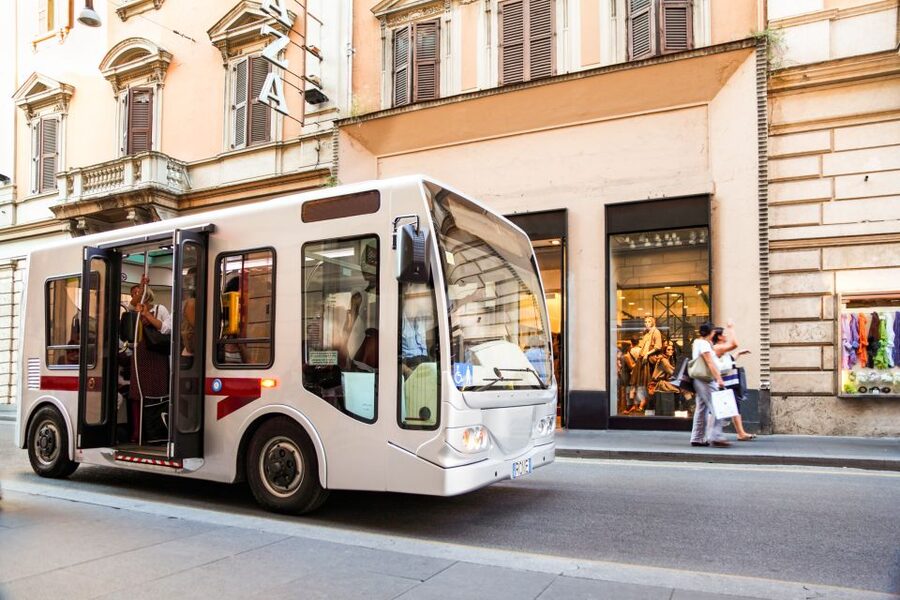
- Using the Metro, buses, and trams: the real win
- Where to pick up the Roma Pass card (PIT points that matter)
- A practical 3-day Rome plan built for the Roma Pass
- Day 1: Colosseum and the Forum zone
- Day 2: Borghese Gallery on reservation mode, then add a view
- Day 3: Discount museums to match your curiosity
- Card quirks and small fixes that save time
- The Main Trade-offs: when Roma Pass might not pay off
- Should you book the Roma Pass 72-hour card?
- FAQ
- How long is the Roma Pass valid?
- Does the Roma Pass include unlimited public transportation?
- What attractions are included with the Roma Pass?
- Do I need to book Borghese Gallery in advance?
- Where do I pick up the Roma Pass card?
- What should I bring for pickup?
- Is the Colosseum underground included?
- Are children covered under the Roma Pass?
- Is the Roma Pass wheelchair accessible?
Roma Pass in Plain English: what you actually get
Roma Pass is an official city card built for doing a lot inside a short window. For 3 days (72 hours), you get two main benefits:
1) Unlimited public transport across Rome, covering the metro lines (A/B/B1/C) plus urban buses and trams, and several urban train routes within the municipality.
2) Museum and site access perks, including skip-the-line entry for your first 1–2 chosen attractions, then discounted tickets for additional participating sites afterward.
It’s not a guided tour. No headset. No planned group pace. You’re free to roam, which is exactly why the pass works best: you can stitch together neighborhoods using transit instead of banking on walking everywhere.
And yes, there’s also the practical stuff you’ll feel day-to-day: a free city map and P.Stop toilets access. Rome is famous for being beautiful; it’s also famous for not always being convenient. Having that toilet network connected to your pass is one of those “I’m glad I had it” perks.
Price and Value Math for 72 hours
The price is $59 per person for the 3-day card. That’s the easy part. The real question is whether your plans match how the card pays you back.
Here’s the value logic I’d use:
- If you’ll ride transit a lot, the unlimited 72-hour transport alone can be a win. One traveler did a quick comparison and noted a standalone 72-hour transport card at 18€ in their check.
- If you’ll hit at least one or two of Rome’s most time-consuming, most booked sights, the skip-the-line value can be bigger than the discount percentage.
- If you’ll stack additional museum visits after those first choices, the reduced admission for 40+ sites helps the pass keep pulling its weight.
A balanced takeaway from the info you have: Roma Pass can be close to a wash if your museum plan is light and you’re mostly sightseeing casually. But if you’re planning a “museum-heavy plus transit everywhere” trip, it often becomes one of the more efficient ways to do Rome in a short burst.
And don’t forget: activation starts on first use. If you delay tapping the card, you delay your 72 hours. Start it when your days truly begin.
Other passes worth doing the maths on
- Rome: Vatican Pass, Top Attractions and Free Transport
★ 3.8 · 4,433 reviews - Vatican City: 24-Hour City Card
★ 3.5 · 361 reviews - Vatican: Vatican City Pass with St. Peter’s Basilica
★ 4.1 · 57 reviews - Vatican Pass: Gardens, Museums, Sistine Chapel and Basilica Entry
★ 4.5 · 19 reviews
Picking Your Two Free Attractions (and why you should choose early)
You get admission to 1 or 2 museum or archaeological sites of your choice. The main rule: the skip-the-line benefit is tied to your first selected museum or site. After that, you get reduced prices for other participating sites you visit.
That means you should choose two attractions that do two things:
- They’re in demand (lines can be nasty).
- They’re worth building around timing (timed entry, reservations, or peak hours).
Two big examples from the pass’s listed highlights:
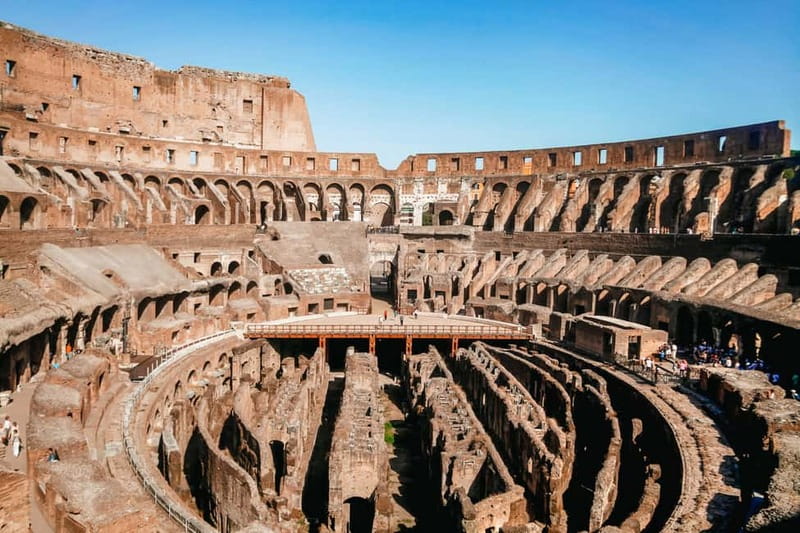
- Colosseum, Roman Forum & Palatine Hill: this is the classic first-morning target. If you don’t want Rome to eat your day with ticket lines, this is where the pass tends to shine.
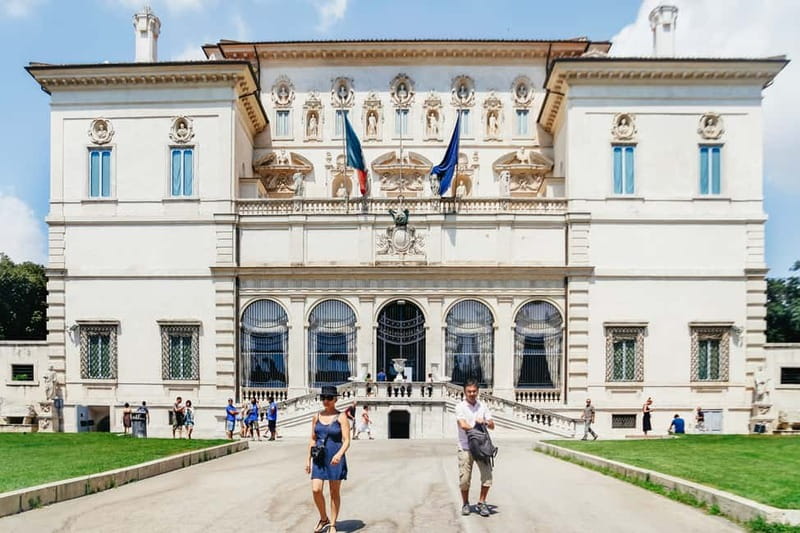
- Borghese Gallery: stunning art in a villa setting, but it’s booking-heavy. You’ll need advance online reservation, and slots can move fast.
Here’s the drawback side, too: some sites have their own timing rules. The pass helps with entry, but it won’t replace the need to follow a site’s reservation system. If you’re stubbornly spontaneous, you’ll pay for that freedom with stress.
Entering the Colosseum and the Roman Forum with fewer headaches
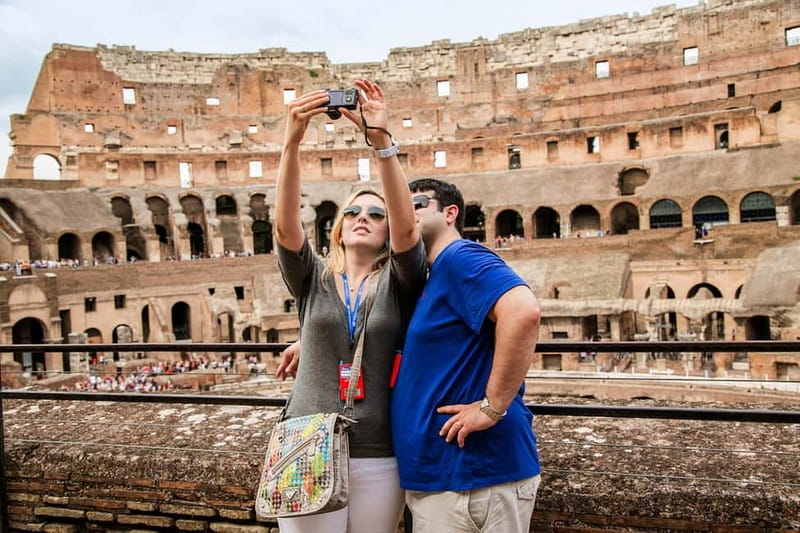
If you choose the Colosseum + Roman Forum + Palatine Hill as one of your included sites, treat it like a “morning mission.” This is where the skip-the-ticket-line idea is most valuable, because waiting can steal hours in a place this popular.
What to expect at the ground level:
- You’ll be stepping into the Roman heart in a big way: the Colosseum first, then the Forum and Palatine area nearby.
- You should plan for the fact that the Forum and Palatine don’t feel like one quick stop. They’re the kind of ruins that make you slow down and look up.
One practical note from the pass description: access to underground areas of the Colosseum is not included. So if your ideal Colosseum visit includes those underground sections, you’ll want to plan for that separately.
How to make it smoother:
- Go early enough that your energy matches your expectations. With Rome, the “walk time” is real time.
- If you’re trying to compress this with other museums the same day, keep your second stop closer by transit.
Borghese Gallery: a world-class art hour you must pre-book
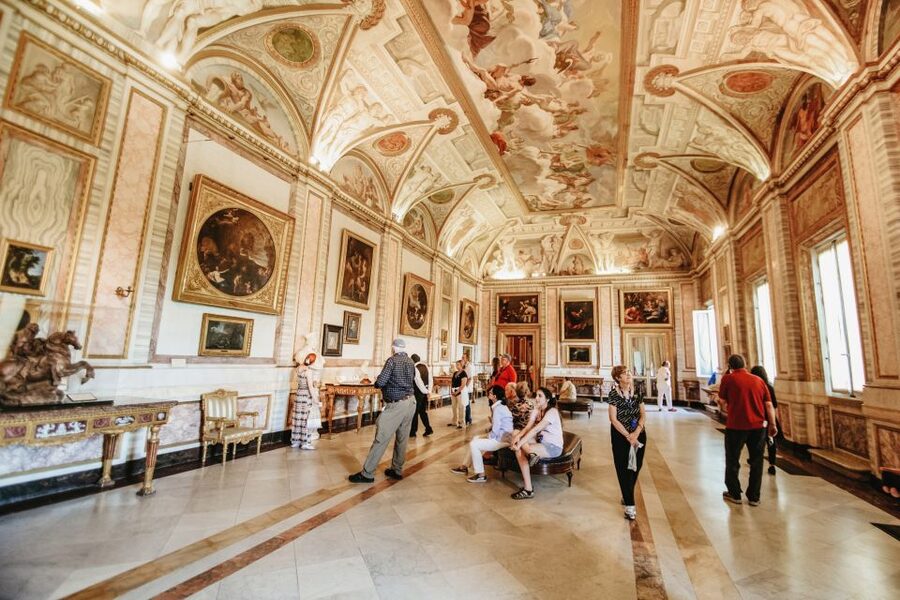
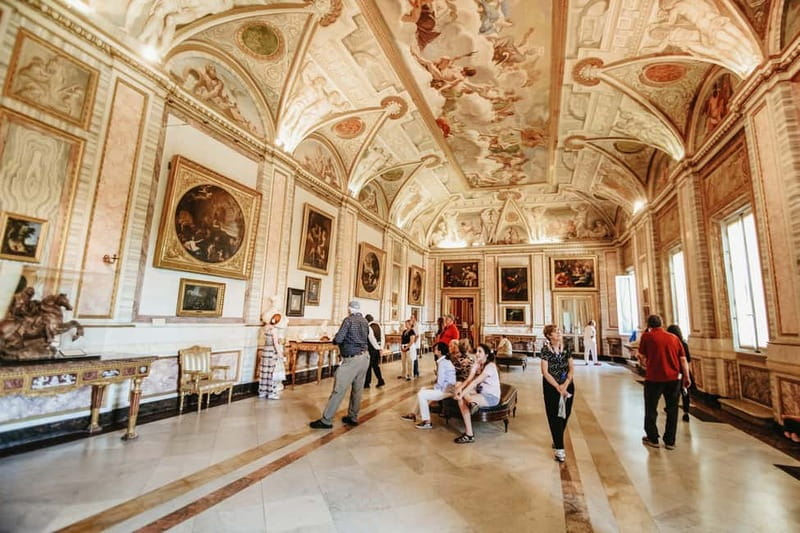
The pass lists Borghese Gallery as one of its top museum options, with a key catch: advance online reservation is required and availability is limited.
This is where Roma Pass changes from “nice idea” to “smart planning.” If Borghese is on your list, treat it like a timed appointment, not a casual museum.
What makes it special:
- You’re not just seeing paintings in a warehouse. It’s art presented inside a remarkable villa setting.
- Since the pass offers you a free or reduced entry path depending on your selection, it’s one of the best ways to spend your saved money on a high-demand site rather than a random discount museum.
Your best move:
- Book as soon as you pick up the card. The information you have specifically flags Borghese reservation timing and limited availability, so don’t wait for inspiration.
The drawback:
- If you miss the reservation window, you may lose the whole “value magic” of Borghese with the pass. Plan around it, not around luck.
Worth a look next to this Rome booking:



Castel Sant’Angelo and the art of picking a second day stop
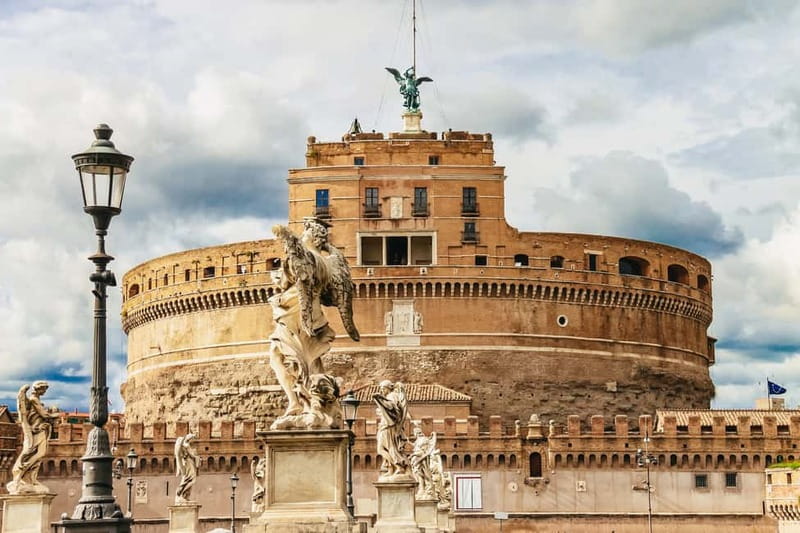
Even though your Roma Pass gives you skip-the-line benefits for your first chosen attraction(s), you can still use the card effectively for other major sights on later days through discounted entry.
Castel Sant’Angelo is a great example because it’s both iconic and practical. It also matters for logistics: one of the official pickup points is the PIT at Castel Sant’Angelo (Piazza Pia), so if you’re staying nearby or want an easy redemption point, this can simplify your start.
What to expect:
- You’re moving from ancient Rome’s scale into a fortress viewpoint with big city views.
- It’s a good match for an afternoon when you want architecture and panorama more than another long ruin field.
Why this fits the pass:
- It’s the kind of stop that pairs well with Rome’s transit grid. If you’re not staying in walking distance, the unlimited transport helps you connect neighborhoods without turning your day into a boot-strap exercise.
Other high-value sites under the Roma Pass discounts
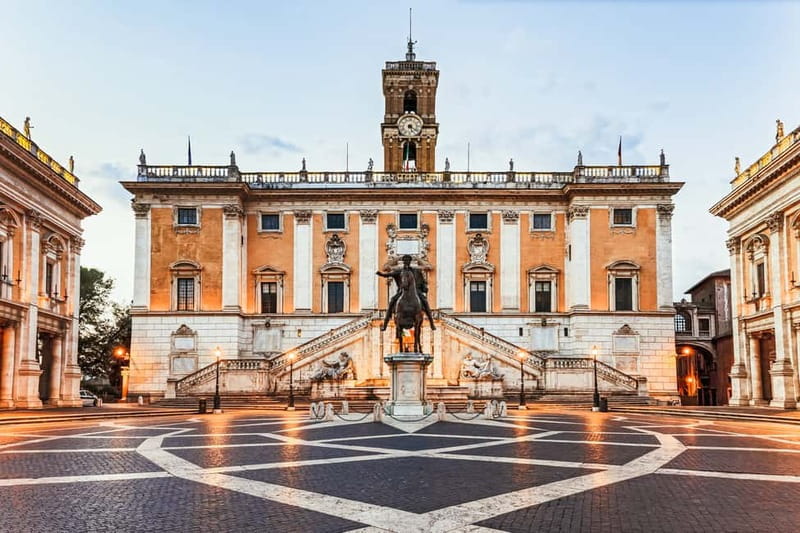
After your first free selections, the Roma Pass shifts to a “pay less” mode. You still have a lot of choices because the pass includes discounted entry (up to 30% off) at 40+ additional museums and sites.
The pass highlights several worth targeting:
- Capitoline Museums: ancient Roman masterpieces in a museum setting that’s built for people who like to compare periods side by side.
- Caracalla Baths: a strong pick if you want something different from the Colosseum orbit, and you like the feeling of stepping into Rome’s daily-life scale.
- Ara Pacis (Augustus’s altar of peace): Augustus’ grand statement, useful if you want to connect monuments to the political messaging of the empire.
- Trajan’s Market & Imperial Forums: commercial and imperial layers of the city that don’t always get as much spotlight as the Colosseum.
- National Roman Museums (4 locations): a cluster idea—choose based on what you’re already curious about, and use transit to avoid backtracking.
A smart strategy:
- Pick your first two “musts” for free/skip-the-line.
- Use your discounted entries for “nice-to-haves” that are close to your route for that day.
- This keeps you from crisscrossing Rome just to chase a discount.
Using the Metro, buses, and trams: the real win
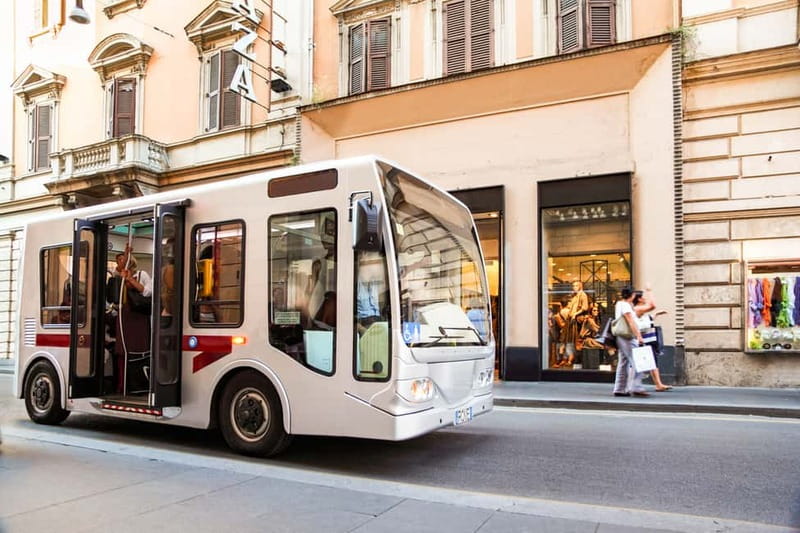
Roma Pass isn’t only about museums. It’s about how fast you can move between them without buying separate tickets every time.
The card covers:
- All ATAC buses
- Metro lines A, B, B1, and C
- Urban trains including the Roma-Lido, Roma Flaminio–Piazza del Popolo–Viterbo, and Roma-Giardinetti routes
- Plus the rule that it’s within the territory of the Municipality of Rome
Why this matters:
- Rome is spread out enough that one “small” decision—like where you have lunch—can impact your ability to fit in museums later.
- With unlimited transit, you can change your plan without doing new ticket arithmetic.
One small caution: Rome’s transit can be busy. If your card fails at a barrier, you’re not stuck forever. The pass info includes a troubleshooting note: if a red light appears, note the time/date from the card back and inform the driver or inspector. It’s a rare moment, but it’s good you have instructions for it.
Also, I’d keep an eye on late-night plans. Metro hours can vary by schedule and season. One person’s experience in the provided info mentioned a late shutdown around 9pm, so if you’re planning a night of sightseeing, check local opening times rather than trusting memory.
Where to pick up the Roma Pass card (PIT points that matter)
You redeem your voucher and pick up your card at official Tourist Information Points (PITs). The locations you have listed are:
- PIT Fori Imperiali, Visitor Center, Via dei Fori Imperiali (10:30 AM–8:00 PM)
- PIT Minghetti, Via Marco Minghetti corner of Via del Corso (9:30 AM–7:00 PM)
- PIT Castel Sant’Angelo, Piazza Pia (9:30 AM–7:00 PM)
- Ciampino, G. B. Pastine Airport – External area International Arrivals
- Fiumicino, Leonardo Da Vinci Airport – International Arrivals, Terminal T3
Two practical takeaways from the info you have:
- Airport pickup can be harder to locate, especially if signs or instructions don’t match your route. Plan a little buffer time if you’re arriving late.
- One provided experience noted that the instructions around the airport pickup weren’t great, but the help they received after finding the right person made the start smooth. In other words: don’t panic, and ask once you’re at the counter.
Bring passport or ID, since the pass rules reference ID for children entry and general pickup requirements.
A practical 3-day Rome plan built for the Roma Pass
Roma Pass works best when you treat the first day like the foundation. After that, you can add museums based on energy and proximity.
Day 1: Colosseum and the Forum zone
Start with your included big-name site:
- Colosseum + Roman Forum + Palatine Hill as your skip-the-line anchor.
- Give yourself enough time to move slowly through the Forum/P signposts. This area isn’t just ruins you glance at. It’s scale and layout.
Why this day works:
- It’s a central cluster, and transit makes the rest of your day flexible.
- You’ll tap the card, ride, and keep the day moving without re-buying tickets.
Possible drawback:
- If you try to add multiple far-away museums right after, you may run out of steam. Plan for at least one “buffer hour” for breaks.
Day 2: Borghese Gallery on reservation mode, then add a view
Your second day is where you use Roma Pass planning skills:
- Borghese Gallery (advance reservation required). This can become your most memorable indoor stop.
- Pair it with Castel Sant’Angelo later in the day if you want a panorama and a change of pace.
This combo works because:
- One day is high-demand indoor art.
- The other adds outdoor views and Roman skyline energy, without committing to another timed reservation.
Day 3: Discount museums to match your curiosity
Your third day is your choose-your-own-adventure day using discounted admissions:
- Look at Capitoline Museums, Ara Pacis, or Trajan’s Market & Imperial Forums depending on what you’ve already noticed.
- If you’re tired of moving, choose one museum and linger.
The trick for day three:
- Don’t chase every discounted option. Chasing is how you end up spending more time traveling than seeing.
- Use the unlimited transit to correct course mid-day.
Card quirks and small fixes that save time
A couple practical points can save your day from turning into a minor headache:
- Activation timing: your 72 hours starts at first use. If your first tap happens later than you expected, your end time slips too.
- Tap success: the card uses a chip tap system. Some people reported occasional issues at metro barriers. If that happens, follow the official trouble steps (note time/date and ask an inspector/driver).
- Booking discipline: Borghese is reservation-only. Make it a top priority right after pickup.
- Check opening hours: the information you have explicitly says to verify attraction opening hours on official websites.
Also, remember the pass doesn’t include everything:
- Guided tours are not included.
- Underground areas of the Colosseum are not included.
The Main Trade-offs: when Roma Pass might not pay off
Roma Pass is a strong deal for the right traveler, but it’s not magic.
You may not get full value if:
- Your plan is only one or two museums total.
- You hate booking ahead. The pass nudges you toward key reservations, especially Borghese.
- You’ll avoid public transit and mainly walk (or rely on taxis).
There’s also a mild “price realism” note. One verified booking called it a bit expensive. If you don’t stack your major sights, the pass can feel pricey compared with buying a couple single tickets and calling it done.
Should you book the Roma Pass 72-hour card?
I’d book Roma Pass if your Rome plan looks like this:
- You want unlimited transit so you can move quickly between neighborhoods.
- You’re aiming for at least two big attractions in a short window.
- You’re willing to do one key booking step (Borghese reservation) and check opening hours.
I’d skip it or consider a lighter option if:
- Your museum plan is small.
- You’re likely to avoid public transport.
- You’re traveling so late in the trip that timed reservations might be hard to secure.
For many people doing a first visit in three days, the combination of skip-the-line entry on your first picks plus unlimited transit is exactly the kind of structure that keeps Rome from eating your schedule.
FAQ
How long is the Roma Pass valid?
The Roma Pass is valid for 3 days, starting from the moment you first activate or tap the pass.
Does the Roma Pass include unlimited public transportation?
Yes. It includes free use of the public transport network within Rome’s municipality, including urban buses and trains and metro lines A, B, B1, and C, plus specific urban railway lines.
What attractions are included with the Roma Pass?
You get admission to 1 or 2 museum or archaeological sites of your choice. The pass also provides discounted entry for additional participating museums and sites afterward.
Do I need to book Borghese Gallery in advance?
Yes. Borghese Gallery requires advance online reservation, and availability is limited.
Where do I pick up the Roma Pass card?
You can redeem your voucher and pick up the card at one of the listed Tourist Information Points (PITs) in Rome or at airport locations at Ciampino and Fiumicino.
What should I bring for pickup?
You should bring your passport or ID card.
Is the Colosseum underground included?
No. Access to the underground areas of the Colosseum is not included.
Are children covered under the Roma Pass?
The information provided says children under 18 get free entry at most attractions with ID, and children under 6 get free entry at Rome Civic Museums.
Is the Roma Pass wheelchair accessible?
Yes, the pass is listed as wheelchair accessible.
More City Tours in Rome
- Rome: City Sightseeing Hop-on Hop-off Bus with Audioguide
★ 4.0 · 16,045 reviews - City Sightseeing Rome Hop-On Hop-Off Bus Tour
★ 3.5 · 5,446 reviews - Rome: Fettuccine Pasta Cooking Class in Rome’s City Center
★ 4.8 · 2,414 reviews - Rome: City Highlights Open-Top Bus Night Tour
★ 4.1 · 2,038 reviews - Rome City Small Group Bike Tour with quality Cannondale EBike
★ 5.0 · 1,380 reviews - Rome: Explore the City by Vespa with an Optional Photoshoot
★ 5.0 · 1,103 reviews
More Tour Reviews in Rome
- Vatican Museums, Sistine Chapel & St. Peter’s Basilica Tour
★ 4.3 · 73,970 reviews - Vatican Museums, Sistine Chapel & St Peter’s Basilica Guided Tour
★ 4.5 · 39,149 reviews - Rome: Colosseum, Palatine Hill and Roman Forum Guided Tour
★ 4.8 · 32,814 reviews - Rome: Guided Tour of Colosseum, Roman Forum & Palatine Hill
★ 4.7 · 27,897 reviews - Rome: Colosseum & Forum with Audio Guide App -Optional Arena
★ 4.2 · 24,770 reviews - Rome: Colosseum, Roman Forum and Palatine Hill Guided Tour
★ 4.5 · 23,903 reviews
Passes and City Cards, Compared
- Rome: Vatican Pass, Top Attractions and Free Transport
★ 3.8 · 4,433 reviews - Vatican City: 24-Hour City Card
★ 3.5 · 361 reviews - Vatican: Vatican City Pass with St. Peter’s Basilica
★ 4.1 · 57 reviews - Vatican Pass: Gardens, Museums, Sistine Chapel and Basilica Entry
★ 4.5 · 19 reviews
Just added to our Rome reviews



Roma Pass & City Cards, compared.
 ★ 3.8Vatican Pass, Top Attractions and Free TransportFrom $1684,433 reviews
 ★ 3.5Vatican Pass plus Top Attractions and TransportFrom $1791,242 reviews
 ★ 3.5Vatican City: 24-Hour City CardFrom $81361 reviews
 ★ 4.1Vatican: Vatican City Pass with St. Peter’s BasilicaFrom $12957 reviews
 ★ 4.5Vatican Pass: Gardens, Museums, Sistine Chapel and Basilica EntryFrom $13419 reviews
Browse the lists this tour appears in