
Ostia Antica feels like Rome, minus the crush. I love that you get a private pace with time to ask questions, and I love how the guide helps you read the ancient harbor city layout instead of just staring at stone. The main drawback is the site requires a moderate walking level, so plan shoes and take breaks if your legs get tired.
If you want Roman history with fewer people and more meaning, Ostia Antica is a smart choice. This tour focuses on how the harbor and trade network supported life around Rome, plus why the remains are so well preserved. You’ll be back in the city center the afternoon, with time to keep your day going on your own terms.
This is also built for easy logistics: entry tickets are pre-arranged, you get a mobile ticket, and the tour ends back at the meeting point. It’s offered in English, and it runs as a private experience for just your group—no waiting for stragglers, no guessing what you missed.
In This Review
- Key highlights at a glance
- Ostia Antica’s ancient harbor city: what makes it worth your time
- Private 2.5-hour timing: how the pace keeps the experience enjoyable
- Where you start and how the logistics stay easy
- Stop at Ostia Antica: what your guide will help you see
- What makes the ruins feel different from other Roman sites
- Guides and human touch: why these tours get such strong praise
- Price and value: is $240.96 per person fair for a private harbor-city tour?
- Who this Ostia Antica tour is best for
- Should you book LivTours’ Ostia Antica private tour?
- FAQ
- How long is the Ostia Antica private tour?
- Is this a private tour or a group tour?
- What’s included in the price?
- Will I need to buy tickets ahead of time?
- Where do we meet for the tour?
- What language is the tour offered in?
- Is the walking moderate or intense?
- Can I cancel for a full refund?
- Are service animals allowed?
Key highlights at a glance
- Pre-booked entry tickets so you spend more time inside and less time sorting logistics
- Private format with relaxed pacing and room for questions
- Fewer crowds than central Rome, since Ostia Antica sits on the outskirts
- A guide-led explanation of the layout so the remains make sense
- English-speaking local guide with strong focus on interpreting the ruins
- Family-friendly energy, with guides who help kids ask plenty of questions
Ostia Antica’s ancient harbor city: what makes it worth your time
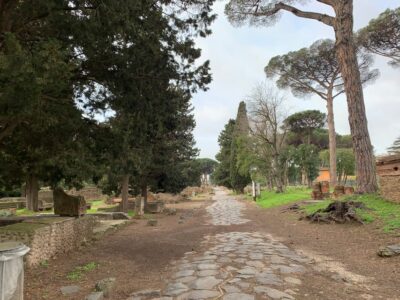
Ostia Antica is one of those Rome-area sites that can quietly steal the spotlight. You’re visiting a preserved ancient Roman city that once functioned as a major harbor community on the outskirts of Rome. It’s often described as the better Pompeii, and after learning how the place worked, you can see why that comparison sticks.
Here’s what I like about this tour’s angle: it doesn’t treat the ruins like random cool rocks. It’s framed as the story of a cosmopolitan port city—trade, neighbors, and the flow of goods that helped Rome grow. And that “why it mattered” mindset changes how you walk through the site. Instead of checking off buildings, you start mapping cause and effect: supply roads, trade routes, and everyday life tied to the harbor.
You also get the emotional punch that ruins sometimes bring without being overly dramatic. In reviews, people describe being amazed at the advanced life residents built and then remembering how quickly civilizations fade. That kind of perspective tends to land harder when you’re not packed shoulder-to-shoulder with everyone else in Rome.
The other ancient city, out at Ostia
- Ancient Ostia Antica Semi-Private Day Trip from Rome by Train with Guide
★ 4.5 · 579 reviews - From Rome: Ostia Antica Guided Half-Day Trip by Train
★ 4.8 · 486 reviews - Horse Sanctuary & Trail Ride in Ostia Antica
★ 4.5 · 276 reviews - Ostia Antica Semi Private Tour from Rome
★ 5.0 · 238 reviews
Private 2.5-hour timing: how the pace keeps the experience enjoyable
This tour runs about 2 hours 30 minutes, and that time window is a real strength. It’s long enough for a guided walkthrough and thoughtful explanations, but short enough that you’re not stuck in a full-day grind if you want an afternoon open afterward. The tour description also notes you’ll return to the city center in the afternoon with plenty of time for the rest of your day.
The private format matters more than people expect. When it’s just your group, you can move at a comfortable speed, ask questions as they pop up, and get answers that actually fit what you’re looking at. Multiple reviews praise guides for adapting to different walking paces—one guide was especially thoughtful about a slower walking rhythm during the tour.
If you’re traveling with kids, the private pacing becomes even more useful. Reviews specifically mention families and kids who had lots of questions. That’s the difference between a rushed group tour and a guided conversation where children don’t feel like they’re constantly interrupting.
Where you start and how the logistics stay easy
The meeting point is Viale dei Romagnoli, 717, 00119 Roma RM, Italy. Your tour ends back at the same meeting point. That “same start and end” detail is handy because you’re not scrambling to coordinate transport right at the end while you’re tired and sunburned.
It also helps that the location is near public transportation, so you’re not locked into only one travel method. The tour uses a mobile ticket, and you receive confirmation at the time of booking—small details, but they reduce the usual day-trip stress.
The tour is offered in English, which is a big practical win if you’re trying to understand the site without relying on guesswork or app translations. And since it’s a private activity, you’re not juggling schedules with strangers.
Stop at Ostia Antica: what your guide will help you see
This is a one-stop tour: Ostia Antica. The key value is what the guide does with the complex remains. The tour is designed to help you interpret what you’re seeing, and that makes a huge difference at a large site where it’s easy to get lost in details.
Ostia Antica was once a thriving harbor city. The experience explains how trade and neighboring communities supported the growth and wealth of the Roman Empire. In plain terms: Rome didn’t just “have greatness” on its own. It depended on systems that moved goods and fed a growing population.
As you walk, your guide connects the dots between the harbor role and everyday life. One theme that comes through strongly in reviews is the guide’s ability to explain the layout of the settlement—helping you understand where things fit together and what purpose different areas served. People describe being amazed by the residents’ advanced life, and then feeling the contrast of how abandoned the city is now.
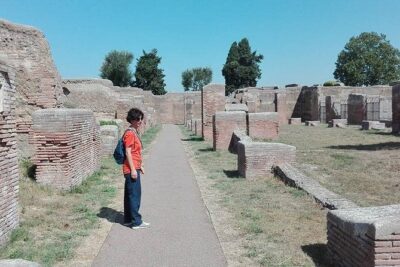
You should expect a real walking route, but the pacing is flexible. Since the tour notes moderate physical fitness is recommended, you’ll want sturdy shoes and a willingness to move over uneven ground typical of archaeological sites. If your group has mobility concerns, tell your guide at the start so they can adapt breaks and route pacing.
Worth a look next to this Rome booking:



What makes the ruins feel different from other Roman sites
Central Rome can be loud and crowded, and the stories you hear can blur together. Ostia Antica gives you a different vibe because the site is preserved in a way that supports real understanding. You’re not just looking at ruins like punctuation. You’re tracing how a functional port community worked.
This is also why the guide-led approach matters. Without help, you might walk past structures and think, That’s a wall. With a guide, you start thinking, This connected to the way people lived and worked. Reviews consistently highlight that guides explain the layout and answer questions clearly, which helps you leave feeling like you gained a mental map—not just photos.
Guides and human touch: why these tours get such strong praise
The most praised aspect across reviews is not just history—it’s the way guides teach. Different guides bring different styles, but the common thread is clarity, patience, and real engagement with questions.
- Massimo gets called out for informative explanations and for helping people understand the complex layout of the large former settlement.
- Valentina is described as an archaeologist/tour guide who brought the ancient port city to life, with clear passion and an especially good fit for families and kids.
- Andy earns praise for being thorough and for adjusting to a slower walking pace, keeping the tour comfortable for others in the group.
- Xander shows up in reviews as patient, engaging, and great for families with kids who want to ask lots of questions.
- Michela is noted for extensive knowledge and visible passion, plus for taking visitors through areas people might not find on their own.
What I take from all of this as a practical traveler: good guides don’t just “tell facts.” They help you build a structure for what you’re seeing. That’s how you turn a preserved archaeological site into an experience you remember.
Also, pay attention to the tone in reviews: people highlight how guides make the day feel relaxed and comfortable. That matches the tour description’s emphasis on a private format and relaxed pacing. If you hate feeling rushed, that’s a big reason to consider this tour.
Price and value: is $240.96 per person fair for a private harbor-city tour?
The listed price is $240.96 per person for the private experience. That’s not a budget fare. But for Rome, the value can make sense when you consider what you’re paying for:
- Private time with a local guide (not a mixed group where you have to compete for attention)
- Entry tickets included and pre-booked, which reduces friction on the day
- A guided interpretation focus, which is the whole point of this site visit
One more detail to weigh: this tour is often booked about 21 days in advance on average. That can be a sign of solid demand, which usually means the most popular time slots go first. If you’re traveling in peak seasons, it’s smart to book earlier rather than later.
If you’re a solo traveler, the cost might feel steep compared with self-guided options. But if you want a guided explanation and you don’t enjoy wandering without context, this kind of private format can feel like money well spent. It’s especially valuable if your group includes kids, older relatives, or anyone who benefits from a slower, question-friendly pace.
If you’re traveling as a pair and you genuinely want the guide’s interpretation, the per-person price can start to feel more reasonable. If you’re traveling in a larger group, the tour also mentions group discounts, which could improve the deal.
Who this Ostia Antica tour is best for
This is the right kind of tour for you if you:
- Want a day trip feel without the hassle, with an afternoon still available
- Prefer fewer crowds compared with central Rome
- Like walking with a guide who helps you understand the layout and meaning of ruins
- Are traveling with kids who will ask questions (and who do better with interactive explanations)
- Appreciate guides who adapt to different walking paces
It may be less ideal if:
- You’re looking for a completely self-paced, purely at-your-own-speed visit with no guide input
- Your group has limited ability to handle moderate walking, since the tour recommends a moderate physical fitness level
Should you book LivTours’ Ostia Antica private tour?
I’d book this tour if your goal is understanding, not just sightseeing. Ostia Antica can be a lot more rewarding when you have someone helping you interpret the remains, especially if you care about how trade supported life around Rome. The private format is the other big reason: it gives your group a calmer rhythm and time for questions.
I’d skip it if you’re mainly chasing the cheapest possible day trip or you prefer to explore on your own with minimal structure. In that case, you might not get enough value from the guide-led interpretation.
One final tip: plan comfortable footwear and treat it like an actual walking museum day. Then take advantage of the private setting to ask questions as you go. That’s where the best reviews clearly come from—and where you’ll get your money’s worth.
FAQ
How long is the Ostia Antica private tour?
It lasts about 2 hours 30 minutes.
Is this a private tour or a group tour?
This is a private tour/activity. Only your group participates.
What’s included in the price?
Entry tickets and a local guide are included.
Will I need to buy tickets ahead of time?
No—entry tickets are pre-booked for easier logistics. You’ll also receive a mobile ticket.
Where do we meet for the tour?
The meeting point is Viale dei Romagnoli, 717, 00119 Roma RM, Italy.
What language is the tour offered in?
The tour is offered in English.
Is the walking moderate or intense?
The tour recommends a moderate physical fitness level.
Can I cancel for a full refund?
Yes. You can cancel for a full refund up to 24 hours before the experience’s start time.
Are service animals allowed?
Yes, service animals are allowed.
More Tours in Rome
- Vatican Museums, Sistine Chapel & St. Peter’s Basilica Tour
★ 4.3 · 73,970 reviews - Vatican Museums, Sistine Chapel & St Peter’s Basilica Guided Tour
★ 4.5 · 39,149 reviews - Rome: Colosseum, Palatine Hill and Roman Forum Guided Tour
★ 4.8 · 32,814 reviews - Rome: Guided Tour of Colosseum, Roman Forum & Palatine Hill
★ 4.7 · 27,897 reviews - Rome: Colosseum, Roman Forum and Palatine Hill Guided Tour
★ 4.5 · 23,903 reviews - Rome: Colosseum Arena Floor, Palatine & Forum Guided Tour
★ 4.5 · 20,180 reviews
More Tour Reviews in Rome
- Vatican Museums, Sistine Chapel & St. Peter’s Basilica Tour
★ 4.3 · 73,970 reviews - Vatican Museums, Sistine Chapel & St Peter’s Basilica Guided Tour
★ 4.5 · 39,149 reviews - Rome: Colosseum, Palatine Hill and Roman Forum Guided Tour
★ 4.8 · 32,814 reviews - Rome: Guided Tour of Colosseum, Roman Forum & Palatine Hill
★ 4.7 · 27,897 reviews - Rome: Colosseum & Forum with Audio Guide App -Optional Arena
★ 4.2 · 24,770 reviews - Rome: Colosseum, Roman Forum and Palatine Hill Guided Tour
★ 4.5 · 23,903 reviews
More Out at Ostia Antica
- Ancient Ostia Antica Semi-Private Day Trip from Rome by Train with Guide
★ 4.5 · 579 reviews - From Rome: Ostia Antica Guided Half-Day Trip by Train
★ 4.8 · 486 reviews - Horse Sanctuary & Trail Ride in Ostia Antica
★ 4.5 · 276 reviews - Ostia Antica Semi Private Tour from Rome
★ 5.0 · 238 reviews - Rome: Ostia Antica Archaeological Park Ticket & Audio App
★ 4.6 · 146 reviews - Rome: Ostia Antica Tour From Rome
★ 4.9 · 73 reviews
Just added to our Rome reviews





Ostia Antica Tours, compared.
 ★ 4.5Ancient Ostia Antica Semi-Private Day Trip from Rome by Train with GuideFrom $59579 reviews
 ★ 4.8From Rome: Ostia Antica Guided Half-Day Trip by TrainFrom $58486 reviews
 ★ 4.5Horse Sanctuary & Trail Ride in Ostia AnticaFrom $106276 reviews
 ★ 5.0Ostia Antica Semi Private Tour from RomeFrom $95238 reviews
 ★ 4.6Ostia Antica Archaeological Park Ticket & Audio AppFrom $27146 reviews
 ★ 4.9Ostia Antica Tour From RomeFrom $7773 reviews
 ★ 4.0Archeological Area of Ostia Antica Entry TicketFrom $4069 reviews
 ★ 5.0Daily life in Ostia Antica (private tour)From $18754 reviews
Browse the lists this tour appears in