
Reviewed · CASTEL SANT'ANGELO TOURS
Rome: Castel Sant’Angelo Entry Ticket & Audio App
Rome looks different from a fortress rooftop. This self-guided Castel Sant’Angelo visit pairs a timed entry setup with a digital audio guide on your phone, so you can go at your pace through 5 floors of Roman and Papal power. I like the contrast between Emperor Hadrian’s original mausoleum and the later Papal fortress makeover, and you’ll also love the upper-level Papal rooms—including the steam baths attributed to Leo X and Clemente VII—plus the weapons galleries that underline why this place mattered.
One thing to consider: expect lots of walking and stairs, especially if you move slowly or want extra photo stops. Also, the audio experience can depend on how smoothly your phone and headphones cooperate once you’re inside.
In This Review
- Key highlights
- Castel Sant’Angelo in plain terms: a mausoleum that became a fortress
- What’s included (and what’s not): ticket + phone audio, no guide required
- Skip-the-line entry: how to make it actually pay off
- The 5 floors route: what to focus on as you climb
- Ground-to-upper floors: the fortress logic takes over
- Weapons collection: the defensive importance is obvious
- Papal rooms on the upper levels: where decoration tells stories
- Prison history: tragic, but part of the place
- Audio guide on your phone: great when it works, annoying when it doesn’t
- The terrace: where the views turn Rome into a skyline map
- Timing and pacing: how long to plan for a satisfying visit
- Getting your money’s worth: ticket price, value, and who it suits
- Practical tips for a smoother visit
- Should you book this Castel Sant’Angelo entry ticket with audio?
- FAQ
- What’s included with the Rome Castel Sant’Angelo ticket?
- Is this experience guided by a live tour guide?
- How long can I spend inside Castel Sant’Angelo?
- Can I choose a specific time slot?
- Where do I go to enter Castel Sant’Angelo?
- How much is the entry ticket for adults?
- Is the ticket refundable?
- Is Castel Sant’Angelo wheelchair accessible?
- How quickly will I receive confirmation after booking?
- Is there a cancellation or change option if plans change?
Key highlights
- Hadrian to the Papacy: Built as Hadrian’s mausoleum (135–139 AD), then transformed into a Papal defensive stronghold from the 1300s onward
- 5 floors, big stories: Prison history, Renaissance frescoes, and the castle’s shifting role over centuries
- Steam papal baths: Look for the painted baths of Leo X and Clemente VII on the upper levels
- Weapons on display: A serious collection that explains the fortress vibe fast
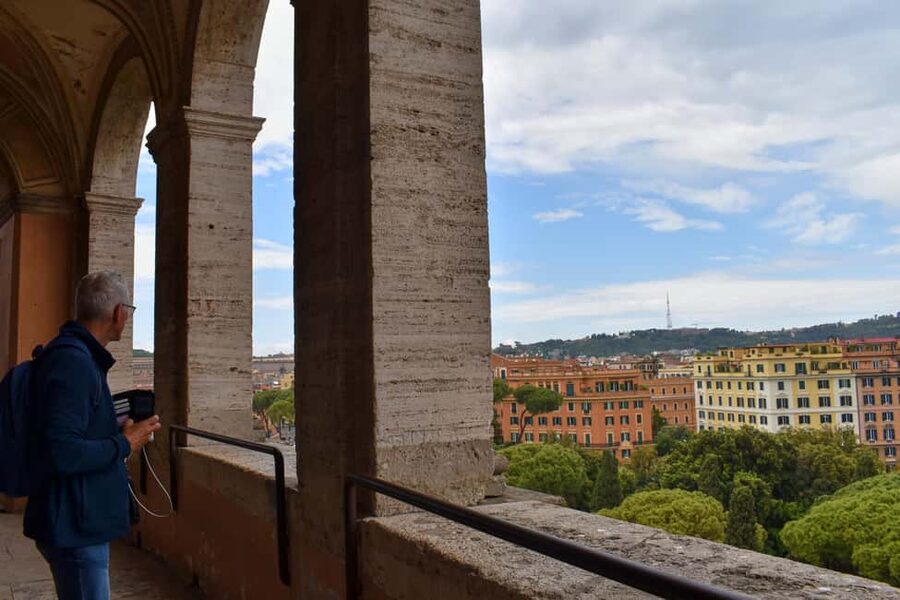
- Terrace views: Panoramas that frame Rome’s skyline and St. Peter’s area
- Best timing: Going late for sunset can make the experience feel extra cinematic
Castel Sant’Angelo in plain terms: a mausoleum that became a fortress
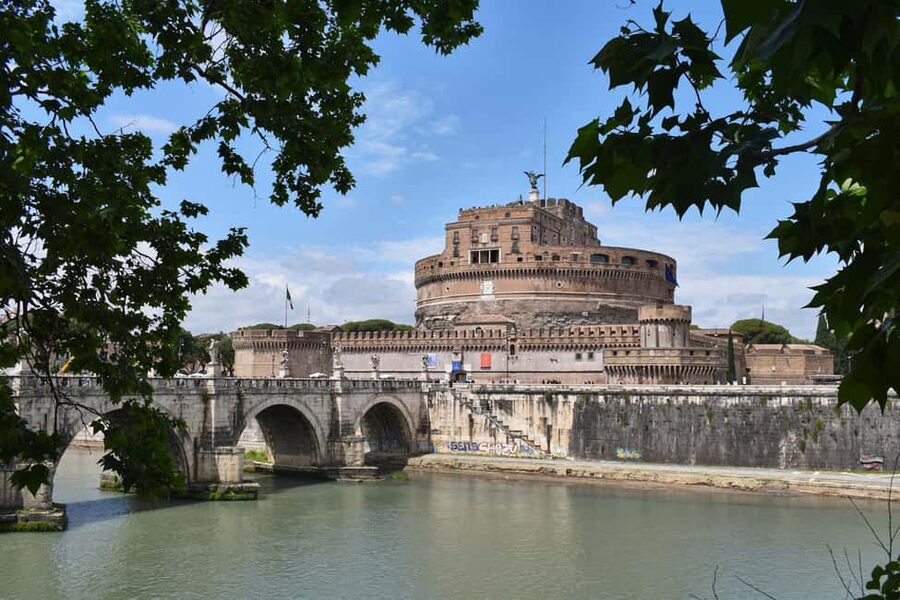
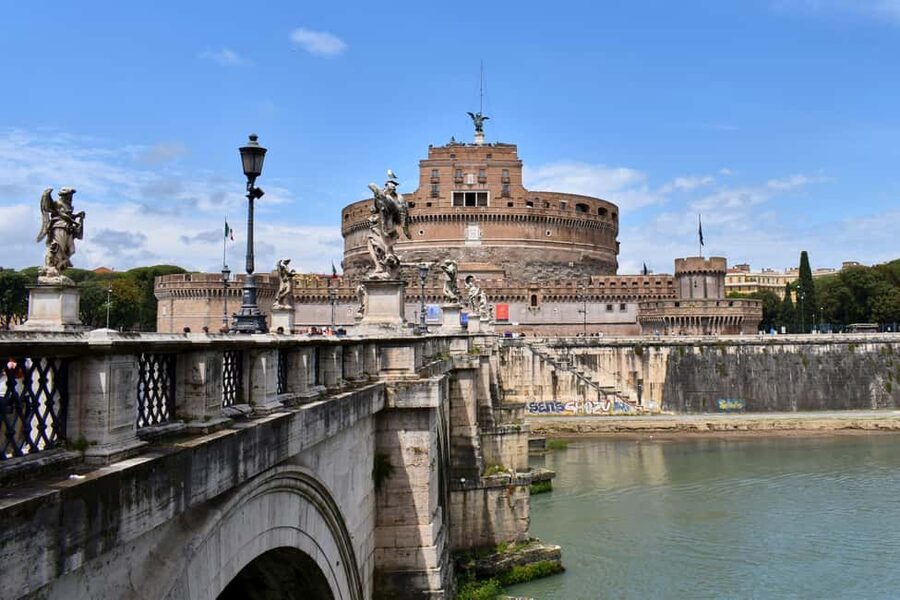
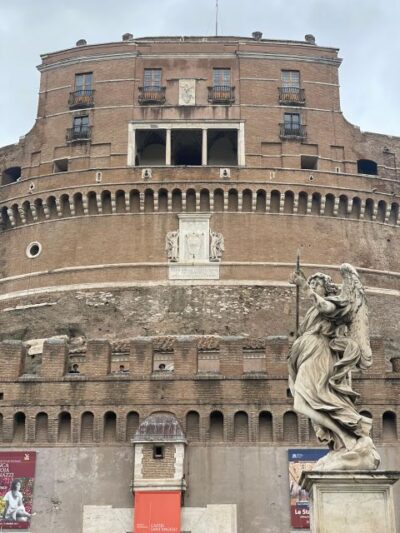
Castel Sant’Angelo is one of those Rome sites that’s easy to recognize from the outside, but much more rewarding once you’re inside. The building’s core identity goes back to Emperor Hadrian. Construction dates to the period 135–139 AD, when it started life as a grand mausoleum—built for power, permanence, and control.
Then the centuries do what they do in Rome: they change the purpose. From the 14th century onward, the Papal state turned the site into a fortified structure meant to protect popes. That shift is the magic. Instead of seeing just “old stones,” you see a place engineered for security, with rooms and corridors that make sense when you understand what it was built to do.
And yes, you’ll still get the fun part: the castle is packed with visual rewards—painted rooms, Renaissance decoration, and the kind of weapon displays that are hard to ignore once you’re standing in them.
Around the old riverside fortress
- Rome: Castel Sant’Angelo Entry Ticket & Digital Audioguide
★ 4.7 · 5,347 reviews - Rome: Castel Sant’Angelo Entry Ticket & Audio App
★ 4.3 · 4,952 reviews - Rome: Castel Sant’Angelo Entry Ticket with Audio guide
★ 4.4 · 3,646 reviews - Castel Sant’Angelo: Ticket with optional Vatican or Pantheon
★ 4.4 · 3,088 reviews
What’s included (and what’s not): ticket + phone audio, no guide required
This experience is basically entry ticket + digital audio guide on your smartphone. There’s no guided tour included, so you control the pace and the order you linger on.
That’s a big deal for value. A guided tour can be great, but it also locks you into a group rhythm. Here, you can do:
- a quick circuit if you’re short on time
- a slower “read-and-stare” visit if you like details
- an evening visit when Rome’s light makes St. Peter’s area pop
What’s not included is human guidance. The audio does the heavy lifting. If you’re the type who likes talking with a person, you may miss the back-and-forth. But if you enjoy thinking quietly while you walk, it works well.
Skip-the-line entry: how to make it actually pay off
The headline benefit is simple: a ticket setup designed to help you avoid the worst of the ticket office queues.
In practice, it means you should arrive ready to use your phone. Some visitors find the QR-code step can be a little unclear at first, especially if there’s little staff assistance right where the QR process starts. My advice: give yourself extra minutes. Don’t show up exactly at your booked time and then panic.
If you go at a busy hour, skipping the line can feel like a gift. Even when the line isn’t disastrous, it still saves mental energy. You spend less time shuffling, and more time looking up at ceilings, weapon displays, and the stairways leading higher.
The 5 floors route: what to focus on as you climb
This isn’t a museum where everything feels equally important. The castle is layered. So the best approach is to treat it like a sequence of chapters.
Worth a look next to this Rome booking:


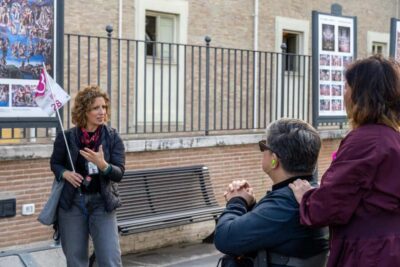

Ground-to-upper floors: the fortress logic takes over
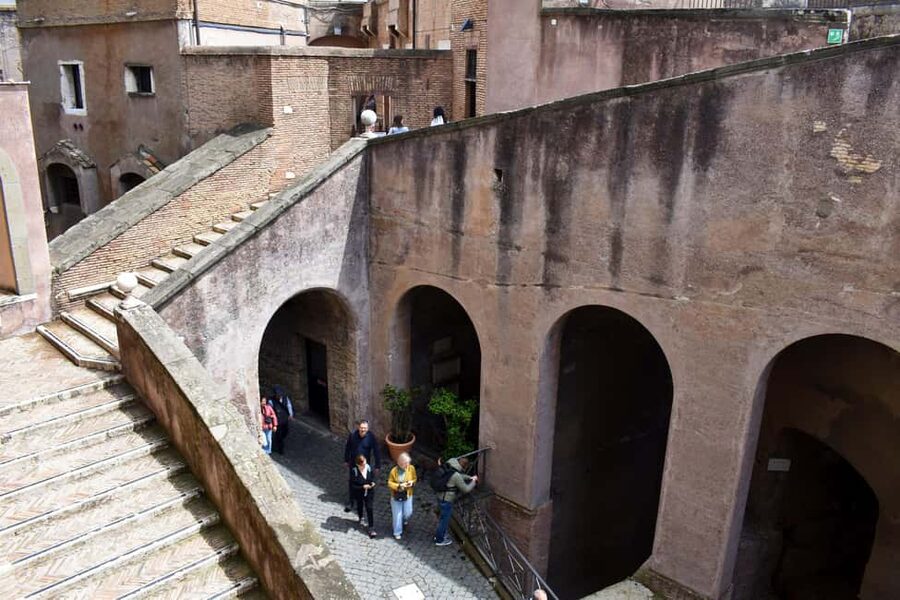
Early on, you get the feeling of defense—thick structure, strategic pathways, and the general “this place wasn’t built for postcards” attitude. That matters because the castle’s history isn’t just decorative. It’s practical.
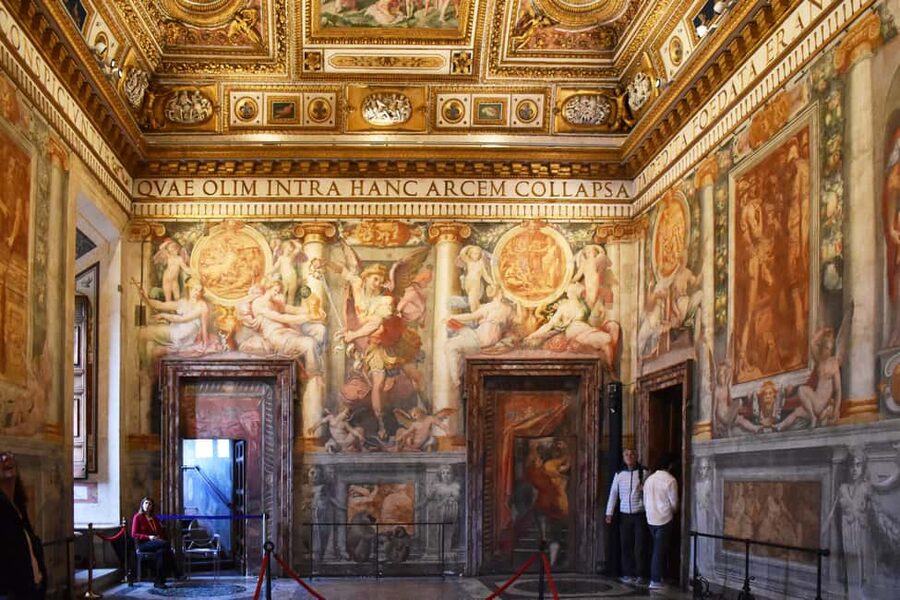
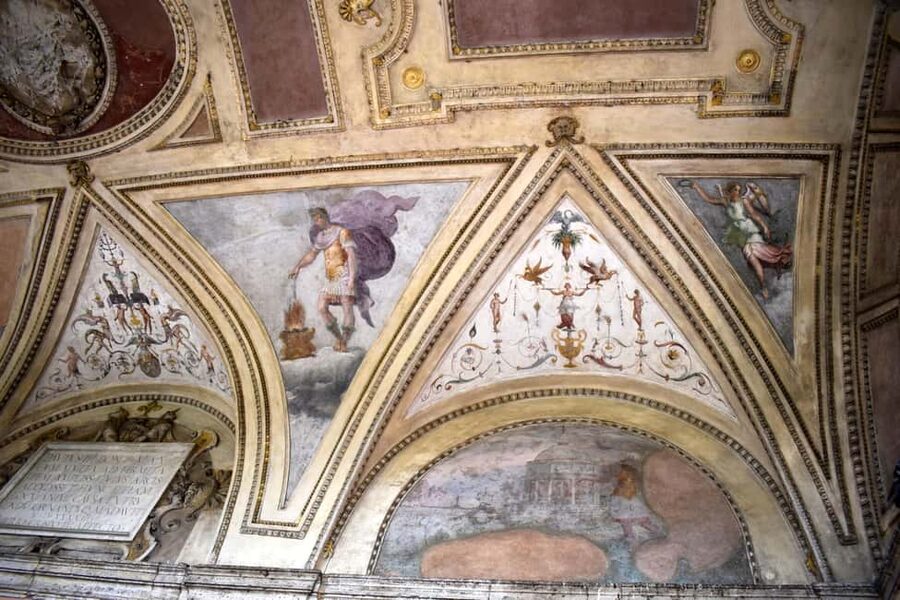
You’ll also encounter frescoes from the Renaissance period. These help balance the fortress theme. Instead of only imagining soldiers and sieges, you get hints of ceremony and status—the Papal world had to project authority too.
Weapons collection: the defensive importance is obvious
A standout theme is the vast collection of weapons. Whether you know your historical armaments or you only recognize a few shapes, seeing the display in context makes the site’s military purpose click quickly. It’s not abstract history anymore; it’s a physical reminder of why the Papacy cared about this location.
If you usually skip “stuff behind glass,” don’t here. Spend at least a few minutes. The displays help you read the castle as a working defensive machine.
Papal rooms on the upper levels: where decoration tells stories
As you rise, you’ll reach the more beautifully decorated Papal rooms. This is where you can slow down. Look for the painted steam papal baths attributed to Leo X and Clemente VII—the kind of detail that makes the castle feel human, even in a building tied to imprisonment and power.
This is also where the audio guide can be especially useful. The audio can explain why certain spaces were used the way they were, so the artwork and room layout feel less random.
Prison history: tragic, but part of the place
Castel Sant’Angelo also holds stories of prisoners kept within its walls. That theme is not “nice background music.” It’s part of the castle’s reality after it became a Papal fortress.
You don’t need to get morbid to appreciate it. The key is to let the tone shift: when you’re moving through these spaces, the architecture now carries a different meaning. The audio makes it easier to connect the dots.
Audio guide on your phone: great when it works, annoying when it doesn’t
The audio guide is the core of this experience. In general, it’s easy to navigate, and it can turn a self-guided walk into something structured.
Here’s the practical part. The audio is tied to the rooms. So:
- download any needed content before you go (don’t rely on spotty connections)
- bring your own headphones if you like cleaner sound
- keep an eye out for signs that help match audio tracks to the right area
Some visitors have reported that the audio experience can be a little disorganized—like matching the audio to the room layout takes a moment, or some areas don’t feel fully covered. If you run into that, don’t waste time hunting. Shift to what’s visible in front of you and use the audio as a support, not a strict requirement.
If you want the audio experience to be as smooth as possible, plan on using a charged phone and comfortable headphones. Rome’s walking schedule will humble even the most organized person.
The terrace: where the views turn Rome into a skyline map

If you only care about one thing at Castel Sant’Angelo, make it the views. The castle’s famous terrace is where the experience pays off.
You get panoramic Rome scenery, and on a good timing choice, you can catch the dramatic light over St. Peter’s area. Many people aim for late afternoon or early evening. A sunset view can make the fortress feel less like a cold structure and more like a front-row seat.
You might also notice visual aids like skyline-style maps pointing out key buildings. That’s useful, especially if you’re not sure what you’re looking at beyond the big names.
And yes, it can be worth the extra effort even if you think “I can see St. Peter’s from other places.” Castel Sant’Angelo gives you a different angle, and the terrace frames the city in a way you can’t replicate from street level.
Timing and pacing: how long to plan for a satisfying visit
The ticket is valid for 1 day, and you can access the castle during the day and explore at your own pace. So the real question is: how much time do you personally need?
A good rule:
- If you want the highlights (rooms + weapons + terrace), plan a couple of hours.
- If you like reading labels and taking your time with the upper levels, plan closer to half a day.
Some visitors end up spending 3 hours or more, especially when they stop for viewpoints. If you’re visiting with kids, the terrace and the “things on display” (weapons, rooms, panoramas) make it easier to keep attention.
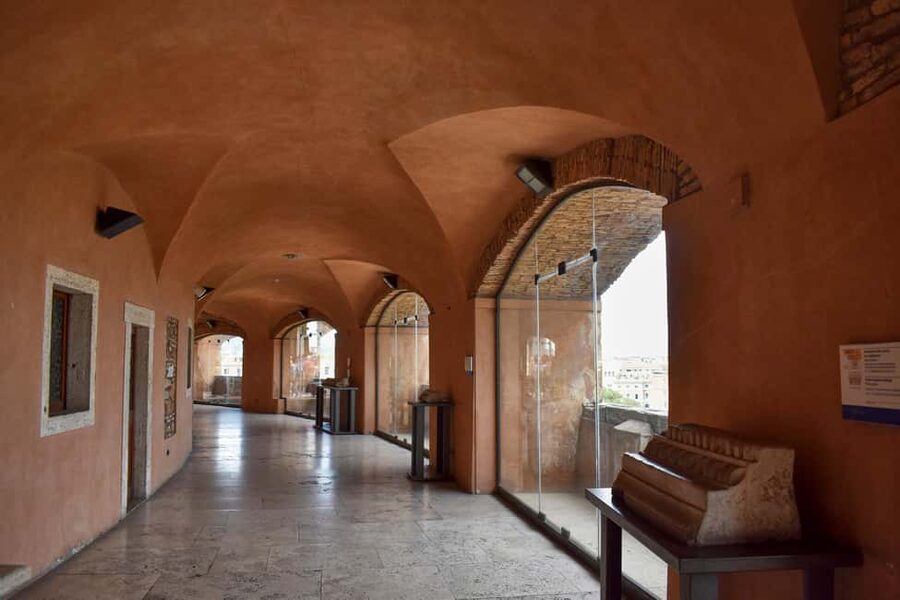
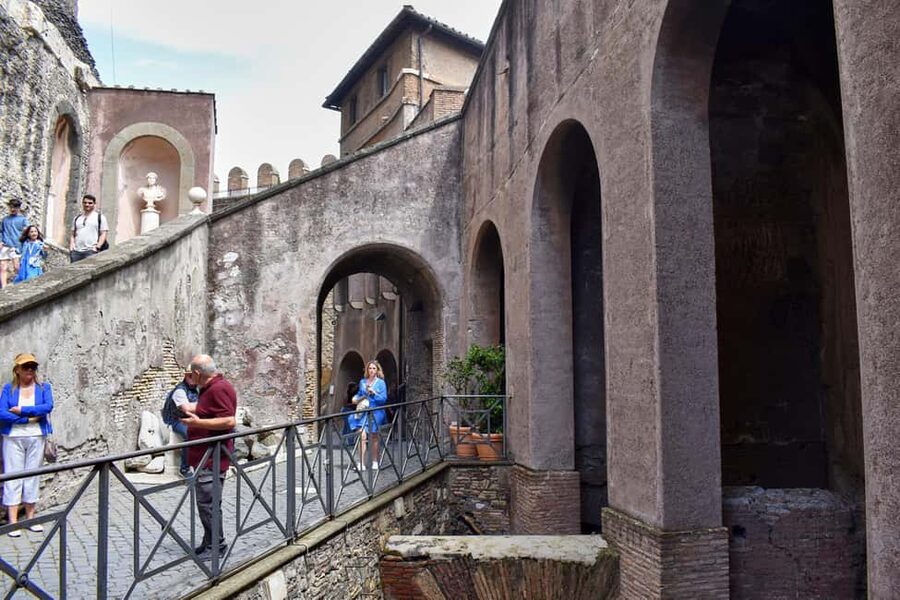
Also note: the visit involves climbing. If you know you’ll stop for breaks, build that into your timing. Rome is not a flat city. This castle is even less flat.
Getting your money’s worth: ticket price, value, and who it suits
The adult ticket is listed at €16. There are reduced and free categories (for example, reduced pricing for eligible EU citizens aged 18–25 and free entry for children under 18 and eligible persons). The overall “per person” cost you’ll see when booking can vary slightly by the seller’s display currency, but the base entry price is consistent with the official ticketing structure.
So is it worth it? For most people, yes—because you’re paying for:
- a self-guided path through a rare Roman-to-Papal time warp
- 5 floors with major themes: defense, decoration, and prisons
- a terrace view that’s hard to beat in Rome
This ticket is especially good if you:
- want freedom (no group timing)
- like pairing your visit with a phone-based audio narration
- are doing other nearby sights and want a flexible slot
If you’re the type who struggles with self-guided audio experiences—or you strongly prefer a human guide to explain context—then a guided tour might feel more satisfying. But if you’re comfortable reading signage and letting the audio guide fill in gaps, this is a strong value.
Practical tips for a smoother visit
A few small moves can save you time and frustration:
- Arrive with a little buffer before your chosen entry time so you can handle the phone/QR steps without stress.
- Download or prep the audio guide before you step inside, especially if you tend to rely on data.
- Wear shoes that handle stairs. Castel Sant’Angelo is not a stroll.
- If you’re going for sunset, plan your climb so you reach the terrace with enough time to actually enjoy the view.
- If the audio feels out of sync at first, don’t panic—use the room layout and signs to reorient.
Should you book this Castel Sant’Angelo entry ticket with audio?
Book it if you want maximum flexibility with a history-heavy site, and you’re happy to use a phone audio guide rather than a live guide. The combination of 5 floors, weapons displays, Papal room decoration, and the terrace views makes this a Rome “do it once” classic—especially if you time it well for evening light.
Skip it only if you know you dislike self-guided audio visits or you want a structured live explanation throughout. In that case, you’ll probably enjoy a guided option more.
If you’re on the fence, here’s the deciding question: do you want to spend your money on getting into the building easily and exploring on your own schedule? If yes, this is a solid pick.
FAQ
What’s included with the Rome Castel Sant’Angelo ticket?
Your ticket includes entry to Castel Sant’Angelo plus a digital audio guide on your smartphone.
Is this experience guided by a live tour guide?
No. It’s a self-guided entry ticket with the audio guide. A guided tour is not included.
How long can I spend inside Castel Sant’Angelo?
The experience is listed for 1 day, and you can explore at your own pace during your visit.
Can I choose a specific time slot?
Yes. You can choose your preferred timeslot according to availability.
Where do I go to enter Castel Sant’Angelo?
Meet at the main entrance at Lungotevere Castello, 50.
How much is the entry ticket for adults?
The adult ticket price is listed as €16.00.
Is the ticket refundable?
No. This activity is non-refundable.
Is Castel Sant’Angelo wheelchair accessible?
Yes. The activity is listed as wheelchair accessible.
How quickly will I receive confirmation after booking?
After you purchase, ticket confirmation is provided within 48 hours.
Is there a cancellation or change option if plans change?
The information provided says the ticket is non-refundable, so you should treat it as fixed once you book.
More Tickets in Rome
- Rome: Hop-On Hop-Off Panoramic Bus Ticket – Access 3 Routes
★ 4.0 · 18,145 reviews - Vatican Museums & Sistine Chapel Skip-the-Line Entry Ticket
★ 4.4 · 13,838 reviews - Vatican Museums & Sistine Chapel Skip-the-Ticket-Line Tour
★ 4.3 · 10,486 reviews - Rome: Vatican Museums & Sistine Chapel Skip-the-Line Ticket
★ 4.3 · 8,103 reviews - Rome: St. Peter’s Basilica & Dome Entry Ticket & Audio Tour
★ 4.2 · 7,537 reviews - Vatican & Sistine Chapel Ticket with Optional Audio Guide
★ 4.1 · 5,405 reviews
More Tour Reviews in Rome
- Vatican Museums, Sistine Chapel & St. Peter’s Basilica Tour
★ 4.3 · 73,970 reviews - Vatican Museums, Sistine Chapel & St Peter’s Basilica Guided Tour
★ 4.5 · 39,149 reviews - Rome: Colosseum, Palatine Hill and Roman Forum Guided Tour
★ 4.8 · 32,814 reviews - Rome: Guided Tour of Colosseum, Roman Forum & Palatine Hill
★ 4.7 · 27,897 reviews - Rome: Colosseum & Forum with Audio Guide App -Optional Arena
★ 4.2 · 24,770 reviews - Rome: Colosseum, Roman Forum and Palatine Hill Guided Tour
★ 4.5 · 23,903 reviews
Castel Sant'Angelo, Revisited
- Rome: Castel Sant’Angelo Entry Ticket & Digital Audioguide
★ 4.7 · 5,347 reviews - Rome: Castel Sant’Angelo Entry Ticket with Audio guide
★ 4.4 · 3,646 reviews - Castel Sant’Angelo: Ticket with optional Vatican or Pantheon
★ 4.4 · 3,088 reviews - Rome: Castel Sant’Angelo Guided Tour
★ 4.7 · 1,779 reviews - Castel Sant’Angelo Tour with Panoramic Views
★ 4.5 · 1,103 reviews - Rome: Castel Sant’ Angelo Ticket and Audio Guide
★ 4.1 · 524 reviews
Just added to our Rome reviews




Castel Sant'Angelo Tours, compared.
 ★ 4.7Castel Sant’Angelo Entry Ticket & Digital AudioguideFrom $185,347 reviews
 ★ 4.4Castel Sant’Angelo Entry Ticket with Audio guideFrom $313,646 reviews
 ★ 4.4Castel Sant’Angelo: Ticket with optional Vatican or PantheonFrom $183,088 reviews
 ★ 4.7Castel Sant’Angelo Guided TourFrom $641,779 reviews
 ★ 4.5Castel Sant’Angelo Tour with Panoramic ViewsFrom $421,103 reviews
 ★ 4.1Castel Sant’ Angelo Ticket and Audio GuideFrom $31524 reviews
 ★ 4.1Castel Sant’Angelo Ticket & Audio GuideFrom $30236 reviews
 ★ 4.8Small Group Guided Tour of Castel Sant’AngeloFrom $75215 reviews
Browse the lists this tour appears in