
Reviewed · CASTEL SANT'ANGELO TOURS
Rome: Small Group Guided Tour of Castel Sant’Angelo
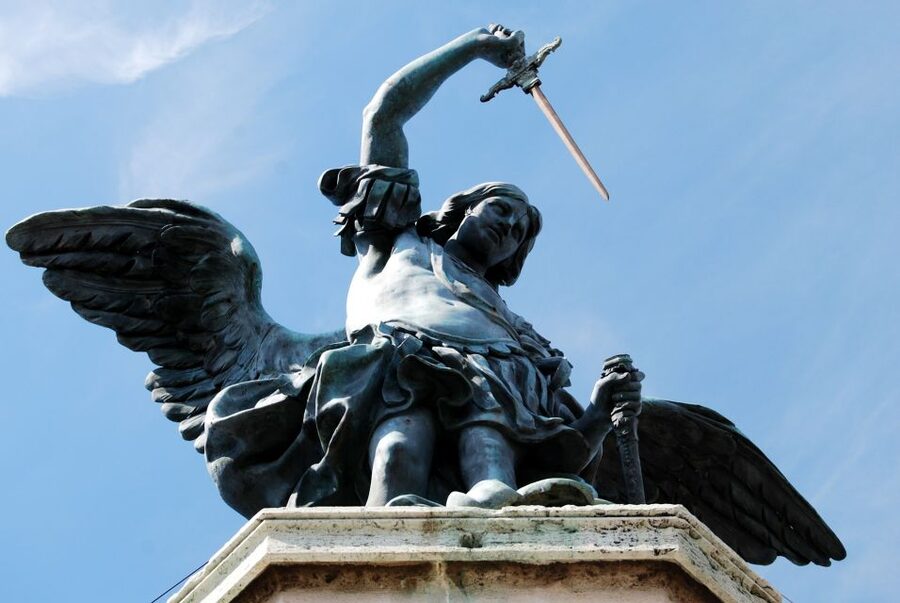
Spiral stairs, serious stories. This Castel Sant’Angelo tour makes Rome’s power shifts feel real as you move from Emperor Hadrian’s tomb to later prison and papal life. The small-group format also helps your guide keep explanations clear without rushing you through the rooms.
Two things I really like: the guided pacing that turns confusing floors and corridors into a story you can follow, and the terrace viewpoint where Rome finally opens up for photos. Many guides, including Alec/Alex and Barbara, are praised for clear English and for answering questions without a quick shrug-and-move-on.
One consideration: the visit is not for everyone with mobility limits. You’ll be walking and using internal ramps/stairs, so if mobility is an issue, plan carefully before booking.
In This Review
- Key Things You’ll Notice on This Castel Sant’Angelo Tour
- Castel Sant’Angelo Has a Built-In Plot Twist
- Meeting Up: Find the City Walkers Sign and Go Straight In
- Hadrian’s Tomb Corridors: Start With the Emperor’s Body and Power
- Five Floors in Motion: How the Spiral Ramp Shapes the Experience
- The Ashes Chamber and Prison Cells: Where the Castle Turns Dark
- Papal Residence Rooms and Renaissance Frescoes You Can Actually Notice
- The Terrace View: Rome’s Skyline, Framed by Castle Walls
- Price and Value: What You’re Really Buying for $75
- Who Should Book This Castel Sant’Angelo Tour?
- Practical Tips That Make the Tour Smoother
- Should You Book This Tour?
- FAQ
- FAQ
- How long is the Castel Sant’Angelo small group guided tour?
- What is included in the price?
- Where do I meet the guide?
- What languages are available?
- What should I bring for entry?
- Is the tour offered rain or shine?
- Is the tour suitable for people with mobility impairments?
- Are food and drinks included?
Key Things You’ll Notice on This Castel Sant’Angelo Tour
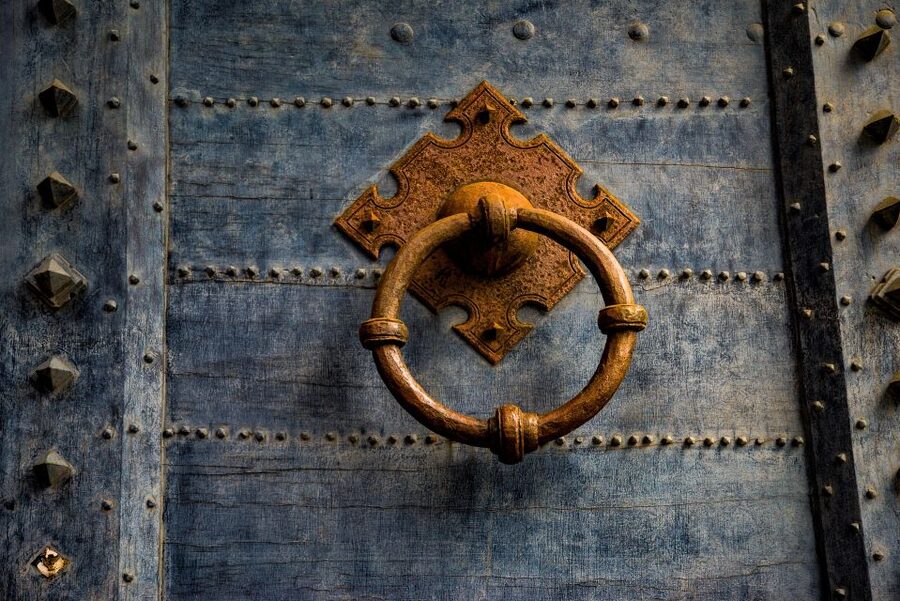
- Swift access so you spend more time inside the monument and less time waiting
- Five floors of stops, from Hadrian’s tomb spaces to upper-level papal rooms
- Ash chamber and prison cells that explain why this place earned its fearsome reputation
- Renaissance frescoes that are described as exceptionally well preserved
- An included headsets option if you need help hearing your guide
- A top-terrace photo moment with wide skyline views over Rome
Castel Sant’Angelo Has a Built-In Plot Twist
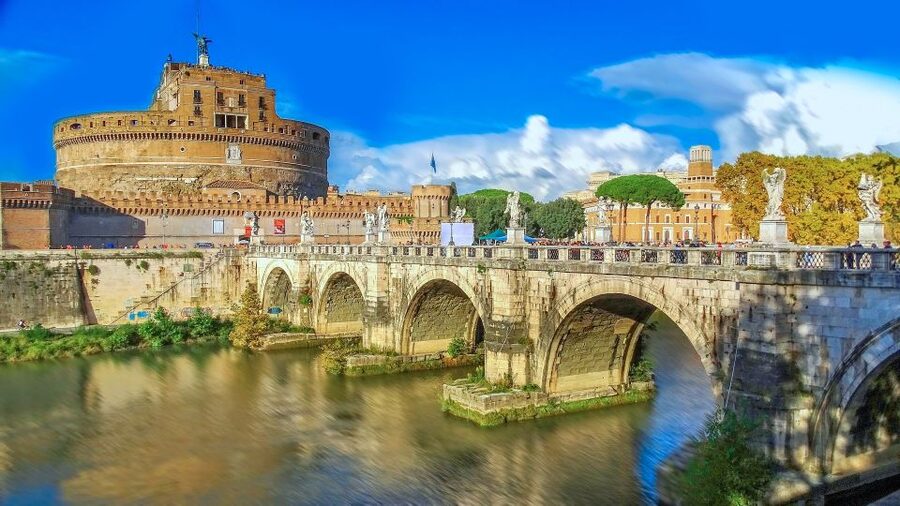
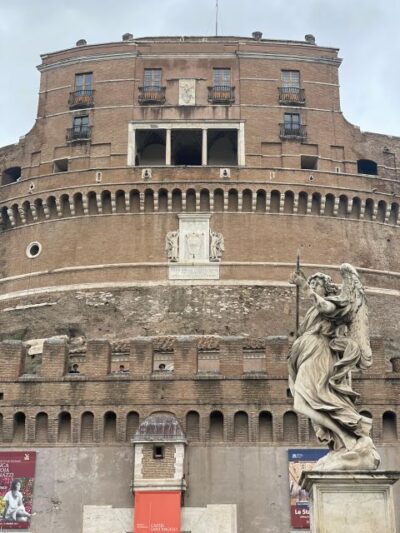
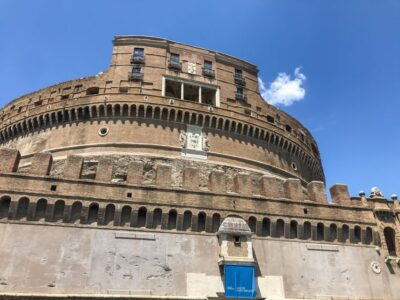
Most Roman sights are either ancient ruins or grand churches. Castel Sant’Angelo is different. It’s a single monument that keeps changing jobs: imperial tomb, fortress, prison, papal residence, and museum site in one compact structure.
That history is also what makes the guided approach feel worth it. Without a guide, the building can seem like a maze of corridors and floors. With a good storyteller, it turns into a timeline you can walk through.
And yes, you end with the view. Not a quick peek from a doorway, but a proper terrace moment where Rome looks wide and cinematic.
Around the old riverside fortress
- Rome: Castel Sant’Angelo Entry Ticket & Digital Audioguide
★ 4.7 · 5,347 reviews - Rome: Castel Sant’Angelo Entry Ticket & Audio App
★ 4.3 · 4,952 reviews - Rome: Castel Sant’Angelo Entry Ticket with Audio guide
★ 4.4 · 3,646 reviews - Castel Sant’Angelo: Ticket with optional Vatican or Pantheon
★ 4.4 · 3,088 reviews
Meeting Up: Find the City Walkers Sign and Go Straight In
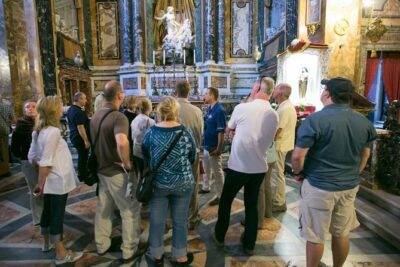
You meet your guide in front of the entrance, with a City Walkers sign. This is one of those small details that matters. When you’re standing outside a big site, the difference between organized entry and chaotic wandering is huge, especially in peak hours.
The tour also includes swift access, which means you’re not stuck waiting through the slowest parts of entry. You’ll still go through the museum’s checks, but you’re less likely to lose your limited sightseeing time.
Also, bring passport or an ID card. The tickets are nominal and the museum staff checks participant names at the entrance, so your booking details need to match your ID.
Hadrian’s Tomb Corridors: Start With the Emperor’s Body and Power

The visit begins with the site at the core of its legend: Emperor Hadrian’s Tomb. Your route starts where you can feel the fortress logic immediately—fortified corridors and enclosed passageways instead of open courtyards.
This section is where the guide’s narration matters most. You’re not just looking at stone. You’re learning how this place connected imperial authority to Rome’s changing fate. Expect explanations that go beyond dates and names, focusing on how the building itself was used and reused.
It’s also the best time to ask questions, because later floors get more visually packed. Once you climb toward the upper levels, it’s harder to pause and reset your understanding.
Five Floors in Motion: How the Spiral Ramp Shapes the Experience
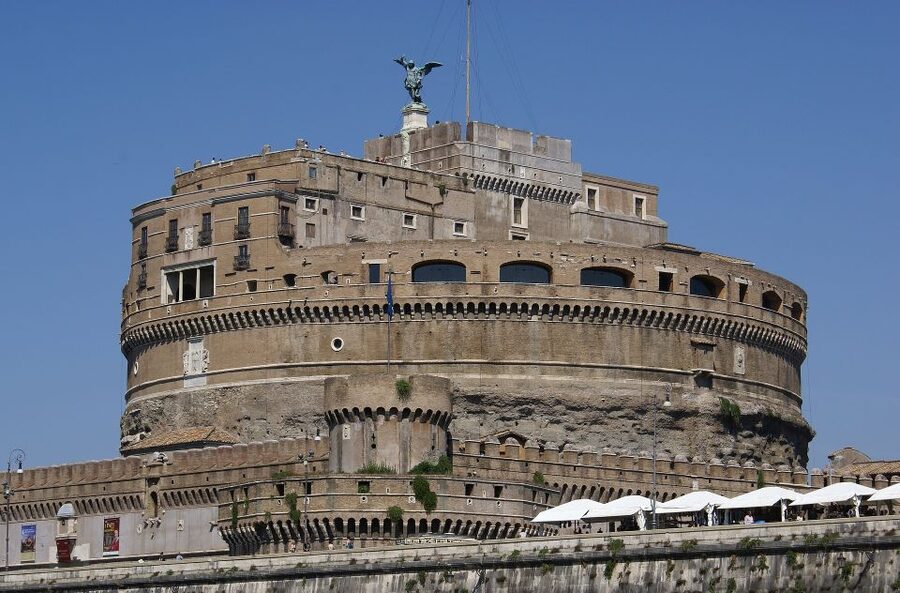
One of the reasons this tour gets high marks is that it’s structured around movement through the structure: a spiral ramp to reach the five floors. That physical layout actually helps the storytelling. Each level feels like a chapter, not a random stop.
You’ll hear about different people connected to the castle and why the place mattered to them. The tour’s pacing aims to keep you from feeling overloaded—especially because Castel Sant’Angelo has lots of rooms and details you could easily miss if you’re walking on your own.
Practical note: this isn’t a sit-down museum experience. Expect to keep walking and keep your attention switched on, particularly when the guide points out specific spaces tied to the castle’s role as a prison.
Worth a look next to this Rome booking:


The Ashes Chamber and Prison Cells: Where the Castle Turns Dark
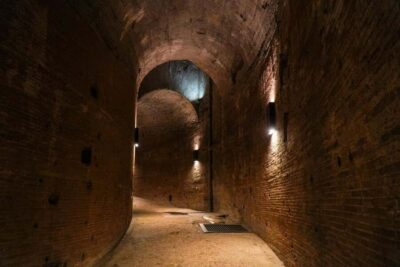
The middle of the tour gets more intense. You’ll reach the chamber of ashes and the cells where many historical figures were imprisoned.
This is one of the most memorable parts because it changes the vibe. You go from empire and architecture into consequences—what happened to people when politics turned harsh. A good guide helps you understand that these weren’t just dramatic “history scenes,” but spaces designed for confinement and control.
If you like Rome where the stories are messy and uncomfortable, this is your payoff. If you prefer only the glossy highlights, you might find this section heavy—but it’s also essential for understanding why Castel Sant’Angelo is treated as a major monument, museum, and archaeological site all at once.
Papal Residence Rooms and Renaissance Frescoes You Can Actually Notice
After the prison spaces, the tour climbs into the upper parts where the castle served as a papal residence. This is where the building changes character again. The tone becomes more about status, ceremony, and the visual language of power.
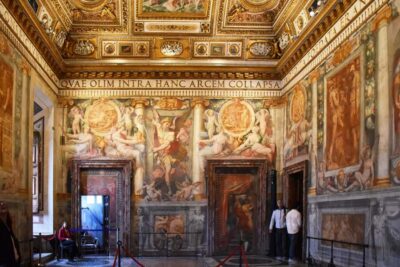
One highlight is the Renaissance frescoes described as perfectly preserved. That phrasing matters. Frescoes can be faded or damaged elsewhere, so when they’re well kept, you’ll have an easier time seeing details and appreciating the artistry instead of squinting at ghosts of paint.
You’ll also see an extensive collection of weaponry. This isn’t just a random display. It fits the castle’s identity as a fortified stronghold—built to defend, built to threaten, and later built to manage who had access to freedom.
If you tend to skip art sections in guided tours, keep an open mind here. Your guide’s framing helps you see frescoes and objects as part of the same story: power, protection, and control.
The Terrace View: Rome’s Skyline, Framed by Castle Walls
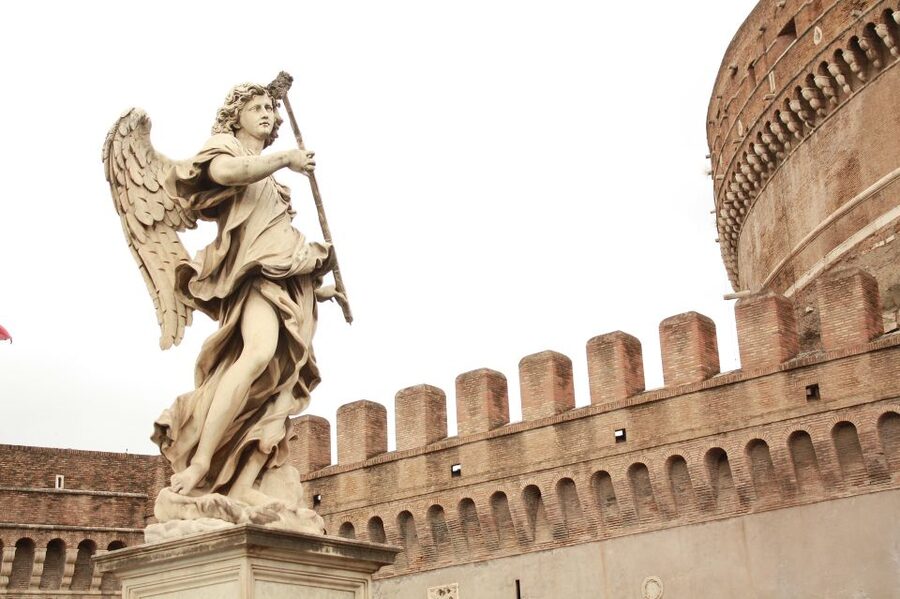
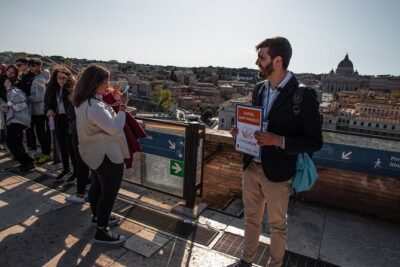
The end of the tour is the reward: reaching the top terrace and looking out over Rome. The skyline view is what makes this site popular for photos, but the guide role still matters.
Why? Because you’re not just taking a picture—you’re placing what you saw earlier into a real-world geography lesson. The castle isn’t isolated. It watches the city, and once you’re up high, the monument’s location makes instant sense.
Bring your camera and plan to linger for a minute. The terrace is the one place where you’ll likely want more time to enjoy the view than to listen.
Price and Value: What You’re Really Buying for $75
The published price is $75 per person for a 2-hour guided tour. That sounds straightforward, but here’s how I’d judge the value: you’re paying for (1) guided time, (2) organized entry, and (3) access to a ticketed monument.
The tour price includes the cost of the museum ticket for adults: 16€. You’re not just buying a walk-by; you’re buying a guided circuit through the building’s key levels—Hadrian’s tomb, prison spaces, papal areas, and the terrace.
You also get headsets if needed, which is a small detail that can make a big difference when you’re inside and sound carries. And the group is designed to stay small, which often means less waiting and more chances to ask follow-ups.
If you already know Rome’s basic timeline and you want a “skip the guesswork” visit, this is a solid value. If you love reading alone and hate guided narration, you might find the cost less satisfying—Castel Sant’Angelo is visually impressive enough that you can tour it independently. But the guided story is what makes the structure feel coherent.
Who Should Book This Castel Sant’Angelo Tour?
I think this tour is ideal if you want Rome history that feels physical. You’re walking through the spaces where power changed hands.
You’ll also enjoy it if:
- You like castles and forts, not just churches and ruins
- You want someone to explain what you’re seeing before you move on
- You care about the prison and political side of Rome, not only the “pretty” side
- You want a reliable photo ending with enough time to actually take pictures
It’s less ideal if you have mobility impairments. Since the route involves moving through the castle’s levels, plan for that physical side of the visit.
Practical Tips That Make the Tour Smoother
Castel Sant’Angelo is rain or shine, so bring a light rain layer. Inside, you’ll be moving through enclosed spaces where conditions can feel cooler. Wear shoes you trust on ramps and stone floors.
Also, keep baggage expectations in mind. The tour info says no luggage or large bags, and no weapons or sharp objects. If you’re traveling with lots of gear, plan to travel light for this stop.
Finally, double-check your ID match. Since tickets are nominal and checked at the entrance with your birthdates and correct names at booking time, sloppy details can turn a smooth visit into a stress-fest.
Should You Book This Tour?
If you want a guided walk that turns Castel Sant’Angelo from a confusing building into a clear story, I’d book it. The tour’s structure—tomb corridors, prison spaces, papal rooms, then terrace views—maps history in a way that’s hard to replicate alone in the same time.
I’d especially consider it if you’re looking for strong guiding performance. Lots of praise centers on guides like Alec/Alex, Barbara, Maria, Silvia Rossetti, Oleg, and Lorenzo for explanations that are easy to follow and paced so you don’t feel rushed.
Skip booking only if mobility is a concern or if you strongly prefer self-guided visits where you control every stop with no narration.
FAQ
FAQ
How long is the Castel Sant’Angelo small group guided tour?
The tour lasts 2 hours.
What is included in the price?
You get swift access with your guide, a 2-hour guided walking tour, the guide, and headsets if needed. The museum ticket cost is included as well (adult ticket is 16€; children under 18 are free).
Where do I meet the guide?
Meet your guide in front of the entrance. They will be waiting with a City Walkers sign.
What languages are available?
The live guide is available in English, French, Italian, and Spanish.
What should I bring for entry?
Bring your passport or ID card. Your booking details (names and birthdates) are checked against IDs at the entrance.
Is the tour offered rain or shine?
Yes. The tour takes place rain or shine.
Is the tour suitable for people with mobility impairments?
No. It is listed as not suitable for people with mobility impairments.
Are food and drinks included?
No. Food and drinks are not included.
More Tours in Rome
- Vatican Museums, Sistine Chapel & St. Peter’s Basilica Tour
★ 4.3 · 73,970 reviews - Vatican Museums, Sistine Chapel & St Peter’s Basilica Guided Tour
★ 4.5 · 39,149 reviews - Rome: Colosseum, Palatine Hill and Roman Forum Guided Tour
★ 4.8 · 32,814 reviews - Rome: Guided Tour of Colosseum, Roman Forum & Palatine Hill
★ 4.7 · 27,897 reviews - Rome: Colosseum, Roman Forum and Palatine Hill Guided Tour
★ 4.5 · 23,903 reviews - Rome: Colosseum Arena Floor, Palatine & Forum Guided Tour
★ 4.5 · 20,180 reviews
More Tour Reviews in Rome
- Vatican Museums, Sistine Chapel & St. Peter’s Basilica Tour
★ 4.3 · 73,970 reviews - Vatican Museums, Sistine Chapel & St Peter’s Basilica Guided Tour
★ 4.5 · 39,149 reviews - Rome: Colosseum, Palatine Hill and Roman Forum Guided Tour
★ 4.8 · 32,814 reviews - Rome: Guided Tour of Colosseum, Roman Forum & Palatine Hill
★ 4.7 · 27,897 reviews - Rome: Colosseum & Forum with Audio Guide App -Optional Arena
★ 4.2 · 24,770 reviews - Rome: Colosseum, Roman Forum and Palatine Hill Guided Tour
★ 4.5 · 23,903 reviews
Castel Sant'Angelo, Revisited
- Rome: Castel Sant’Angelo Entry Ticket & Digital Audioguide
★ 4.7 · 5,347 reviews - Rome: Castel Sant’Angelo Entry Ticket & Audio App
★ 4.3 · 4,952 reviews - Rome: Castel Sant’Angelo Entry Ticket with Audio guide
★ 4.4 · 3,646 reviews - Castel Sant’Angelo: Ticket with optional Vatican or Pantheon
★ 4.4 · 3,088 reviews - Rome: Castel Sant’Angelo Guided Tour
★ 4.7 · 1,779 reviews - Castel Sant’Angelo Tour with Panoramic Views
★ 4.5 · 1,103 reviews
Just added to our Rome reviews





Castel Sant'Angelo Tours, compared.
 ★ 4.7Castel Sant’Angelo Entry Ticket & Digital AudioguideFrom $185,347 reviews
 ★ 4.3Castel Sant’Angelo Entry Ticket & Audio AppFrom $234,952 reviews
 ★ 4.4Castel Sant’Angelo Entry Ticket with Audio guideFrom $313,646 reviews
 ★ 4.4Castel Sant’Angelo: Ticket with optional Vatican or PantheonFrom $183,088 reviews
 ★ 4.7Castel Sant’Angelo Guided TourFrom $641,779 reviews
 ★ 4.5Castel Sant’Angelo Tour with Panoramic ViewsFrom $421,103 reviews
 ★ 4.1Castel Sant’ Angelo Ticket and Audio GuideFrom $31524 reviews
 ★ 4.1Castel Sant’Angelo Ticket & Audio GuideFrom $30236 reviews
Browse the lists this tour appears in