
Reviewed · CASTEL SANT'ANGELO TOURS
Rome: Castel Sant’Angelo Guided Tour
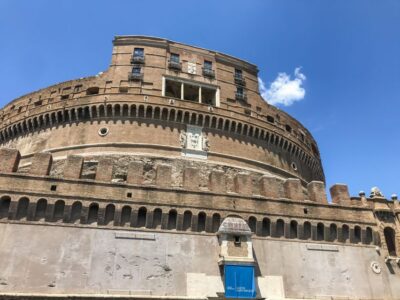
Rome’s fortress turns into a story machine. This Loving Rome guided tour takes you through parts of Castel Sant’Angelo that are usually closed, so you see the castle as something more than another stop with walls. I especially love how the tour brings you into the castle’s working spaces, including the Olearie, not just the big-ticket rooms.
Second, I like the way the tour connects every era into one clear timeline: Hadrian’s tomb, the papal residence, the state treasury, and even the darker moments tied to imprisonment and executions. The terrace finale adds a practical reward too: city orientation that helps you understand where everything sits along the Tiber.
One thing to plan for: you’ll climb a series of stairs to reach the panoramic terrace, and the tour is not suitable for wheelchair users. If stairs are a problem for you, this is the main consideration.
In This Review
- Key highlights you should actually care about
- Why Castel Sant’Angelo feels different with a guide
- Hadrian’s tomb, then popes and power: the main story in plain English
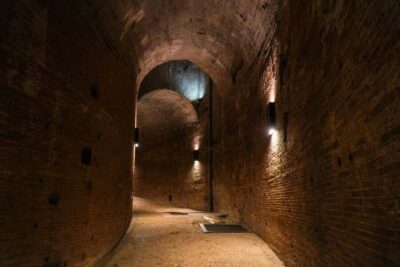
- Olearie: the castle’s practical side most people miss
- Prisons and the theater of Clemente VII: where art meets control
- Sculptures, paintings, and Catholic symbolism: what to look for on your walk
- Terrace views: your best photos and your Rome orientation
- Price and value: what you’re paying for beyond entry
- Meeting point and what to prepare so you don’t lose time
- Who this guided tour suits best
- Should you book this Castel Sant’Angelo tour?
- FAQ
- How long is the Castel Sant’Angelo guided tour?
- What languages are offered?
- Is the tour wheelchair accessible?
- What should I wear and bring?
- Are food, drinks, or bags allowed?
- What happens if I’m late or miss my time slot?
Key highlights you should actually care about
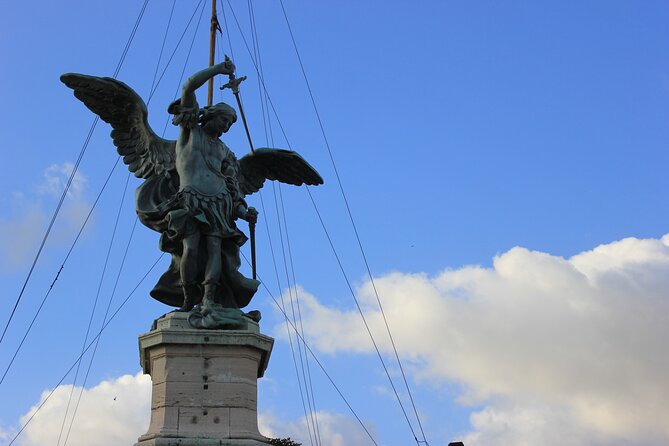
- Rare access to closed areas: You’ll visit spaces that are generally not open to the public, including the Olearie and historical prisons.
- A clear historical storyline: You’ll follow the castle’s use from Hadrian’s tomb to popes, treasury functions, and public execution history.
- Clement VII’s theater stop: The tour includes the theater of Clemente VII, which gives you a surprising look at how power mixed with art.
- Art you can read with a guide: You’ll see sculptures and paintings, with help on what details mean.
- Terrace views with a purpose: You get panoramic sightlines plus guidance that helps you place Rome in your mental map.
- Optional audio and headsets if needed: You’ll have support for hearing the guide clearly, including headsets if required.
Why Castel Sant’Angelo feels different with a guide
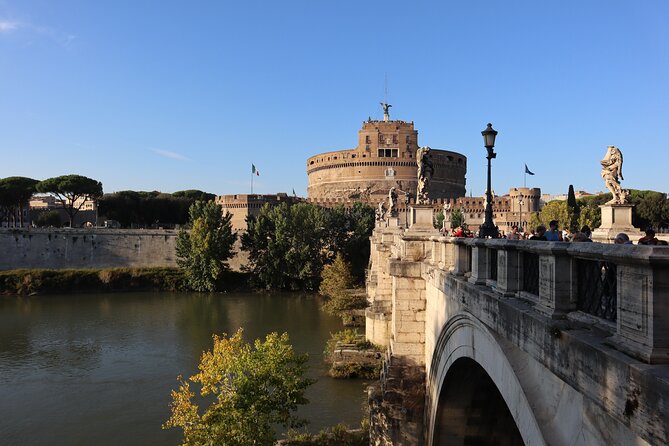
Castel Sant’Angelo is one of those Roman sites that can look straightforward until someone slows you down and points out what you’re actually standing in. With a guided visit, the fortress stops being just impressive and becomes understandable. You get context for why parts were built, repurposed, and decorated the way they were.
I like that the tour targets the castle’s full range of identities. This is not only a tomb and not only a museum. It’s a structure that repeatedly answered new political needs: shelter for elites, a storage center, a place of confinement, and a stage for public punishment. When you get the full arc, the building feels less random and more intentional.
The guides also tend to treat the group like a shared experience, not a one-way lecture. Some, including guide names that show up repeatedly like Alec, Donatella, Elenora, Evi, Claudia, Alex, and Zanda, use interactive questions to keep you alert. You may even get visual aids that make symbols and architectural choices easier to see in the moment. And if the group gets crowded, a good guide helps you move away at the right times so you can actually look.
Around the old riverside fortress
- Rome: Castel Sant’Angelo Entry Ticket & Digital Audioguide
★ 4.7 · 5,347 reviews - Rome: Castel Sant’Angelo Entry Ticket & Audio App
★ 4.3 · 4,952 reviews - Rome: Castel Sant’Angelo Entry Ticket with Audio guide
★ 4.4 · 3,646 reviews - Castel Sant’Angelo: Ticket with optional Vatican or Pantheon
★ 4.4 · 3,088 reviews
Hadrian’s tomb, then popes and power: the main story in plain English
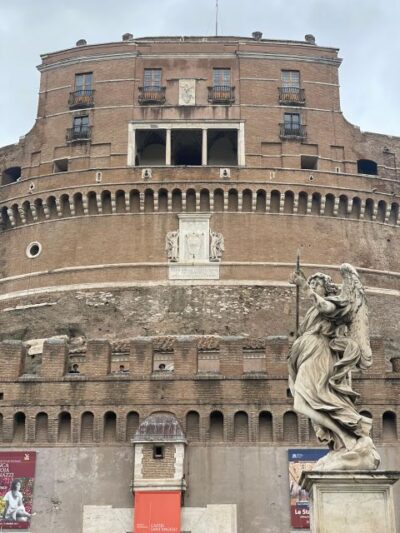
The tour begins with the castle’s origin: it was built by Roman emperor Hadrian as his tomb. Even if you’ve read the headline version before, a guide’s walkthrough makes it click. You learn where the burial concept fits into the fortress layout and how that initial purpose set the tone for later changes.
From there, you’ll move through the castle’s repeated reinventions. The fortress later served as:
- a private residence for popes
- a state treasury
- a prison
- and a public execution site
This sequence matters because it turns a stone shell into a living political tool. You start noticing what the castle would need for each role: spaces for control, areas suited to confinement, and rooms designed for authority and display. Without that guide, it’s easy to wander and see a lot of impressive surfaces while missing the logic.
You’ll also hear about major areas tied to that storyline. The tour includes stops connected to Hadrian’s burial place, the pope’s apartment, and the treasury room. That means your visit doesn’t stay at the surface level. You’re shown how the castle’s function shaped the way it was organized.
Olearie: the castle’s practical side most people miss
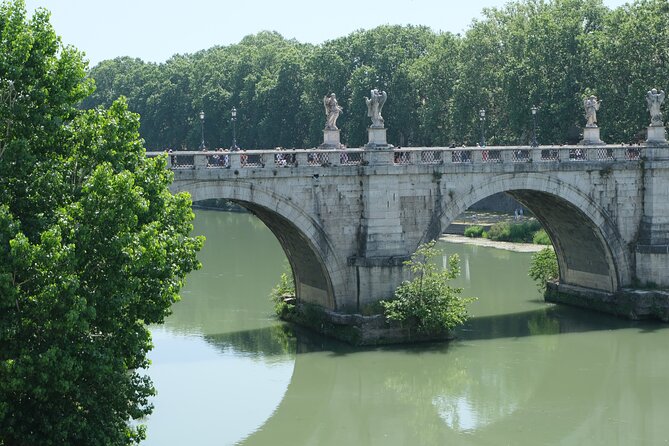
One of the most interesting parts of this tour is the Olearie. It sounds like a niche detail, but that’s exactly why it’s memorable. You get a window into the castle as a working institution, not just a dramatic backdrop.
Olearie spaces relate to oil storage and related processing. When you see them in context, you start to grasp how fortified buildings worked like logistics hubs. Rome wasn’t only about marble and ceremonies. Fortresses also had to store supplies, manage resources, and keep order during uncertain times.
A good guide will point out features you might otherwise overlook: the layout choices that suggest practical use, and the way the castle’s fabric adapted over time. If you like history that explains how people lived and operated day to day, this is where the tour often feels most satisfying.
Prisons and the theater of Clemente VII: where art meets control
Castel Sant’Angelo’s prison history is the emotional counterweight to the ornate parts. Your guide takes you through historical prisons, and this changes how you experience the fortress. Instead of treating everything like a backdrop for photos, you feel the reality of confinement in a place designed to contain.
This section also does something important for the rest of the visit: it makes the later art and decorative elements feel less random. When the guide frames the castle as a tool of power, you begin to understand why authorities cared about spectacle, messaging, and symbolism as much as walls.
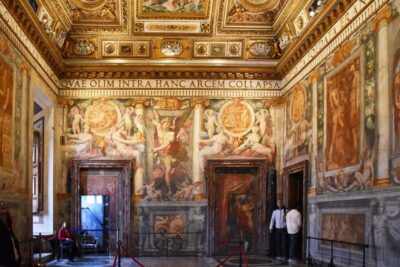
Then comes a standout stop: the theater of Clemente VII. It’s not the first place most people expect in a fortress. But seeing this “theater” in the castle context helps you understand how popes and rulers used performance, space, and presentation to strengthen their position. The result is a tour that keeps surprising you in the best way.
Worth a look next to this Rome booking:


Sculptures, paintings, and Catholic symbolism: what to look for on your walk
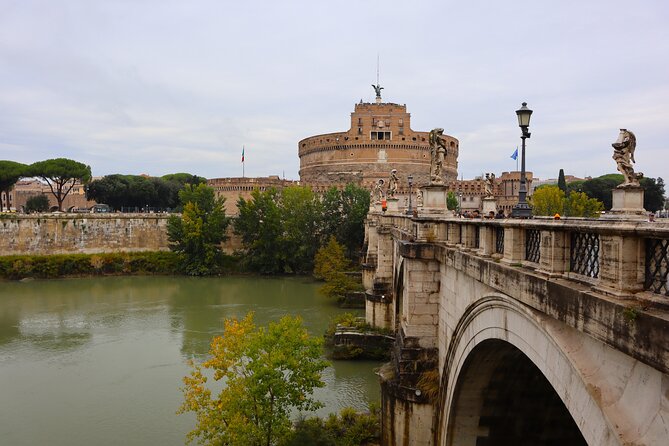
The tour also includes a focus on art—sculptures and paintings—and what they were communicating. The goal isn’t to throw art terms at you. It’s to give you a way to look.
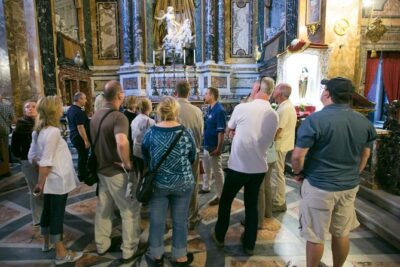
Some guides, like Alec and Alex (names that show up often), are especially good at explaining the symbolism tied to Catholic themes. You’ll often get cues about how to read details you’d likely miss: where emphasis is placed, how stories are represented, and how visual design supports the castle’s roles across centuries.
This is valuable because Castel Sant’Angelo can be visually impressive without being easy to interpret. With a guide, you learn to notice patterns. You stop asking where to look and start knowing what you’re seeing.
Terrace views: your best photos and your Rome orientation
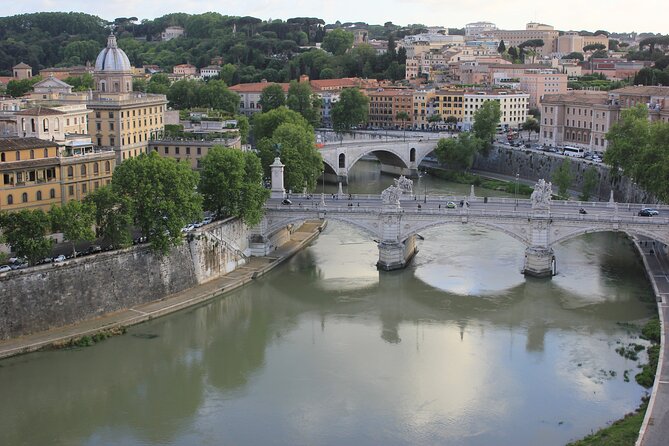
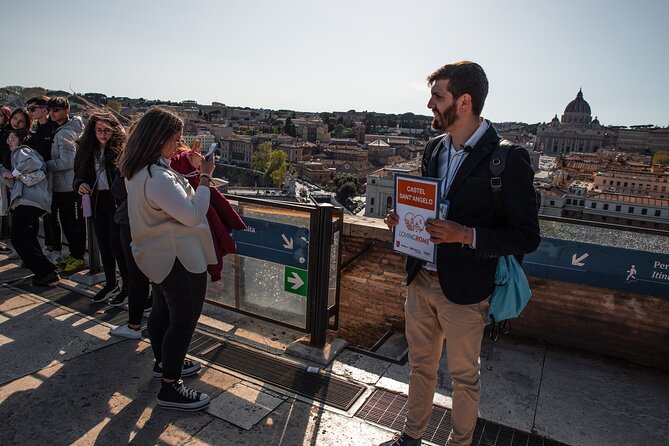
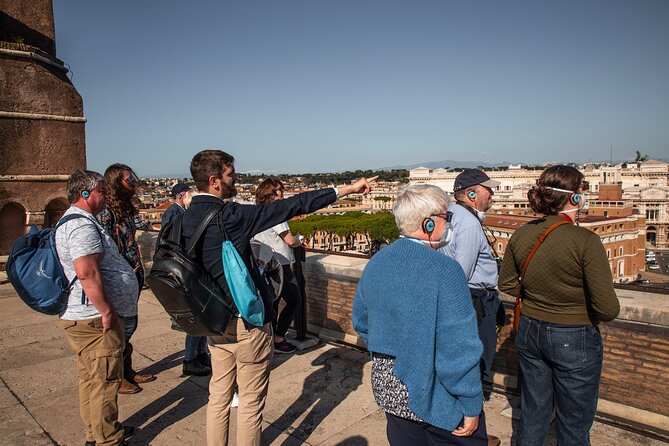
The terrace is the big payoff, but it’s also where you should apply a little strategy. The tour includes panoramic views from the terrace, and you’ll climb stairs to reach it. That means you’ll want comfortable shoes and a realistic pace.
Once you’re up there, the guide’s job becomes incredibly practical. The views aren’t only pretty; they help you orient yourself in the city. You can spot how the Tiber connects areas of Rome and how the fortress sits like a sentinel over the river corridor.
For photos, go in with two expectations:
- You’ll have better results if you pause and look for a minute before taking every picture.
- You may need to manage angles if the terrace gets busy, so it helps to follow your guide’s timing.
If you time the last segment well, you’ll finish with a mental map that makes your next stops easier to understand.
Price and value: what you’re paying for beyond entry
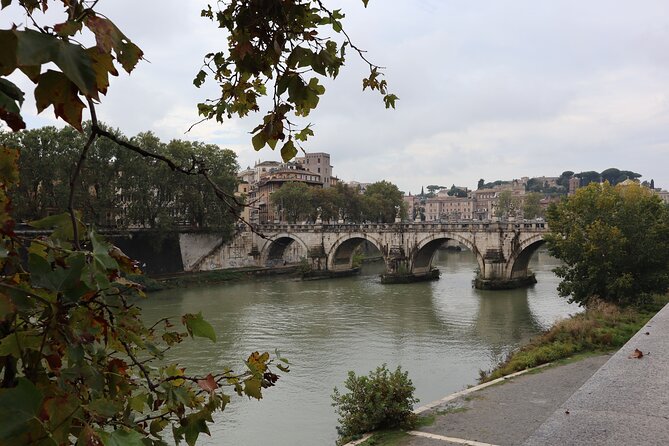
The listed price is $64 per person for a 1–2 hour guided experience. The official adult ticket price information given for entry is €16 for adults (18+) and free entry for under 18.
So what’s the real value in the $64? It’s not just admission to the castle. This tour includes Castel Sant’Angelo access plus a guide, and it includes support like headsets if needed. More importantly, it’s designed around areas that are generally not accessible on standard visits. That rare access is the core reason the price makes sense.
If your priority is a self-guided stroll, you can always use general entry options. But if you want to understand why the castle changed hands, why different rooms existed, and what the artwork was doing in its political environment, the guided format saves you from guessing. It also helps you avoid spending time stuck at the wrong spots trying to figure out what matters.
From a value perspective, this is a good fit if you care about interpretation, not just visuals. It tends to feel like a smart use of limited time in Rome.
Meeting point and what to prepare so you don’t lose time
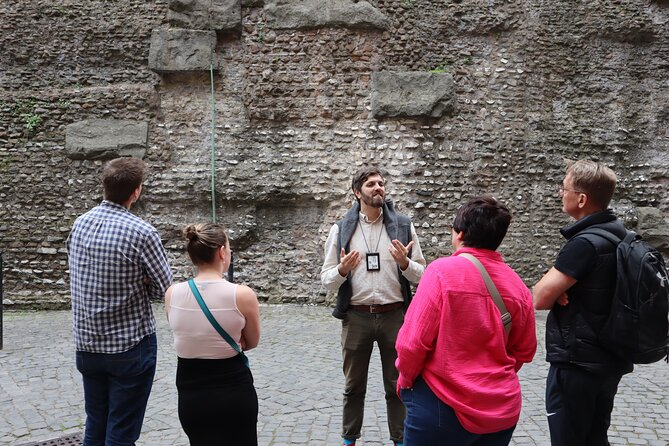
You meet in front of the main entrance of the Lungotevere Castello, where staff will be waiting holding a Loving Rome flag. The biggest practical tip: arrive a little early and treat the flag like your north star.
You’ll need your passport or valid ID for verification. Also, tickets are valid only for your selected date and time slot, and late arrivals or no-shows are not accommodated and not refunded. In other words, show up on time, not on hope.
What to bring:
- Comfortable shoes (this is not a flat walk)
- Your ID/passport
What not to bring:
- Food and drinks
- Luggage or large bags
- Unaccompanied minors
And one accessibility note: this tour is not suitable for wheelchair users, mainly because of the stair climbs.
Who this guided tour suits best
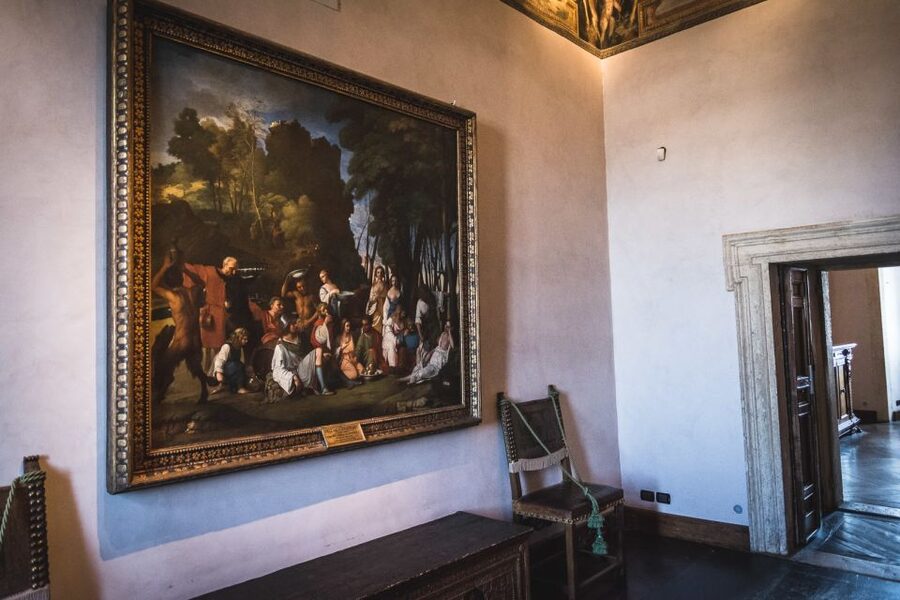
This tour fits best if you want a guided interpretation of one of Rome’s most layered fortress sites. You’ll likely enjoy it most if you care about:
- how buildings change roles across centuries
- how art and symbolism connect to power
- and getting panoramic views with context, not just a skyline snapshot
It can also work well for families if everyone can handle stairs and wants a structured visit. Some groups may run small, depending on the departure, which often makes it easier to hear the guide and ask questions.
If you hate stairs or you want a totally low-effort visit with no moving around, you may find this less comfortable than other castle options.
Should you book this Castel Sant’Angelo tour?
Book it if you want the fortress explained like a timeline, with stops that go beyond the obvious rooms. The strongest reason to choose this one is the focus on exclusive areas like the Olearie, historical prisons, and the theater of Clemente VII, plus the story that ties Hadrian’s tomb to papal use and public punishment. Add the terrace views, and you get both meaning and a classic Rome view.
Skip it if you:
- can’t do stairs comfortably
- want to wander at your own pace with no structure
- or prefer a visit focused only on the most famous viewpoints and surfaces
If you’re aiming to understand Castel Sant’Angelo in a way that actually sticks, this is a solid use of time in Rome—and the kind of tour that turns a fortress into a readable place.
FAQ
How long is the Castel Sant’Angelo guided tour?
The duration is listed as 1 to 2 hours. You should check the available start times for your selected date.
What languages are offered?
The live tour guide is in English. An optional audio guide in English is also available.
Is the tour wheelchair accessible?
No. This tour is not suitable for wheelchair users.
What should I wear and bring?
Wear comfortable shoes. Bring your passport or valid ID, since it’s needed for verification.
Are food, drinks, or bags allowed?
Food and drinks are not allowed. Luggage or large bags are not allowed as well.
What happens if I’m late or miss my time slot?
Late arrivals or no-shows will not be accommodated and will not be refunded. Tickets are only valid for the selected date and time slot.
More Tours in Rome
- Vatican Museums, Sistine Chapel & St. Peter’s Basilica Tour
★ 4.3 · 73,970 reviews - Vatican Museums, Sistine Chapel & St Peter’s Basilica Guided Tour
★ 4.5 · 39,149 reviews - Rome: Colosseum, Palatine Hill and Roman Forum Guided Tour
★ 4.8 · 32,814 reviews - Rome: Guided Tour of Colosseum, Roman Forum & Palatine Hill
★ 4.7 · 27,897 reviews - Rome: Colosseum, Roman Forum and Palatine Hill Guided Tour
★ 4.5 · 23,903 reviews - Rome: Colosseum Arena Floor, Palatine & Forum Guided Tour
★ 4.5 · 20,180 reviews
More Tour Reviews in Rome
- Vatican Museums, Sistine Chapel & St. Peter’s Basilica Tour
★ 4.3 · 73,970 reviews - Vatican Museums, Sistine Chapel & St Peter’s Basilica Guided Tour
★ 4.5 · 39,149 reviews - Rome: Colosseum, Palatine Hill and Roman Forum Guided Tour
★ 4.8 · 32,814 reviews - Rome: Guided Tour of Colosseum, Roman Forum & Palatine Hill
★ 4.7 · 27,897 reviews - Rome: Colosseum & Forum with Audio Guide App -Optional Arena
★ 4.2 · 24,770 reviews - Rome: Colosseum, Roman Forum and Palatine Hill Guided Tour
★ 4.5 · 23,903 reviews
Castel Sant'Angelo, Revisited
- Rome: Castel Sant’Angelo Entry Ticket & Digital Audioguide
★ 4.7 · 5,347 reviews - Rome: Castel Sant’Angelo Entry Ticket & Audio App
★ 4.3 · 4,952 reviews - Rome: Castel Sant’Angelo Entry Ticket with Audio guide
★ 4.4 · 3,646 reviews - Castel Sant’Angelo: Ticket with optional Vatican or Pantheon
★ 4.4 · 3,088 reviews - Castel Sant’Angelo Tour with Panoramic Views
★ 4.5 · 1,103 reviews - Rome: Castel Sant’ Angelo Ticket and Audio Guide
★ 4.1 · 524 reviews
Just added to our Rome reviews




Castel Sant'Angelo Tours, compared.
 ★ 4.7Castel Sant’Angelo Entry Ticket & Digital AudioguideFrom $185,347 reviews
 ★ 4.3Castel Sant’Angelo Entry Ticket & Audio AppFrom $234,952 reviews
 ★ 4.4Castel Sant’Angelo Entry Ticket with Audio guideFrom $313,646 reviews
 ★ 4.4Castel Sant’Angelo: Ticket with optional Vatican or PantheonFrom $183,088 reviews
 ★ 4.5Castel Sant’Angelo Tour with Panoramic ViewsFrom $421,103 reviews
 ★ 4.1Castel Sant’ Angelo Ticket and Audio GuideFrom $31524 reviews
 ★ 4.1Castel Sant’Angelo Ticket & Audio GuideFrom $30236 reviews
 ★ 4.8Small Group Guided Tour of Castel Sant’AngeloFrom $75215 reviews
Browse the lists this tour appears in