
Reviewed · JEWISH GHETTO TOURS
Rome: Traditional Cooking Class in the Jewish Ghetto
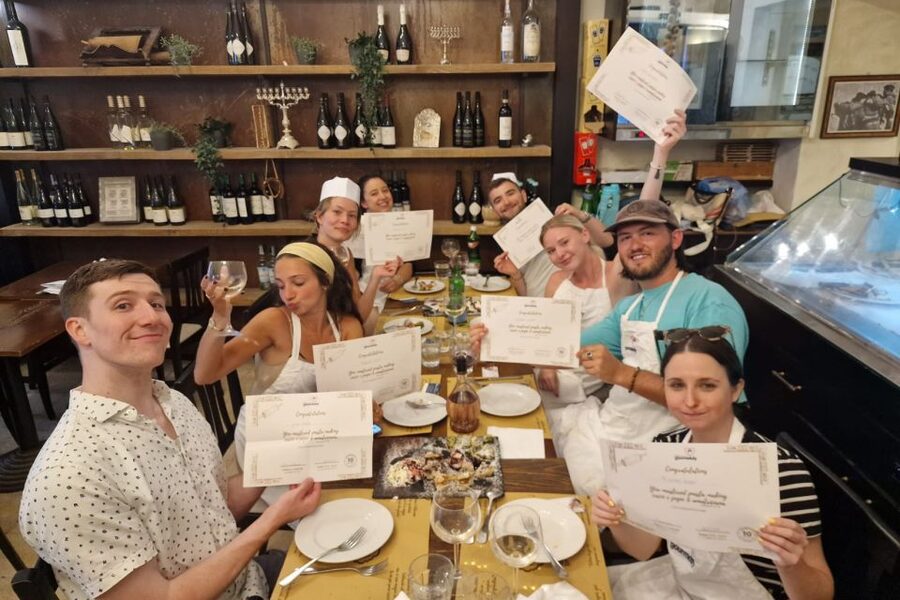
Pasta dough meets neighborhood history. In Rome’s Jewish Ghetto, you learn fresh pasta from scratch while your host ties the meal to the area’s Jewish Ghetto history and food traditions. I also like that it is taught in an easy-going way by people such as Lili, Lisa, Clelia, Livia, and their translators like Asia/Azia, with chef time that feels practical, not lecture-y. One drawback to plan around: the restaurant is not kosher, and the class is not gluten-free by default.
If you want a break from museum mode, this is a friendly small-group class (up to 10) where you cook, eat, and get take-home recipes plus next-days tips in about 3 hours. You can be fully hands-on, or you can watch the chef work with a glass of wine if you prefer.
In This Review
- Key things to know before you go
- Why the Jewish Ghetto is the right place to learn pasta
- The 3-course Roman menu: what you’ll learn to cook
- Pasta first: fresh dough, shaping, and techniques
- Seasonal main: vegetables in Roman style
- Dessert finish: torta di ricotta e visciola
- What the class feels like in the kitchen (hands-on pacing, not a lecture)
- You’ll choose: cook or watch
- Expect guidance on frying and timing
- The chef’s role: Gabriel style
- Wine, conversation, and eating like you belong for a night
- Wine and beverages are part of the evening
- Eating together is the real payoff
- Price and value: is $94 worth it?
- Who should book this class (and who might not love it)
- You’ll likely enjoy it if you want…
- You may want to think twice if…
- Small details that matter: gluten, allergies, and kosher rules
- Gluten reality
- Allergens to consider
- Kosher status
- Not wheelchair accessible, no pets
- Where you meet and what to plan for timing-wise
- Should you book this Rome pasta class?
Key things to know before you go
- Hands-on Roman pasta made from scratch in a real restaurant setting
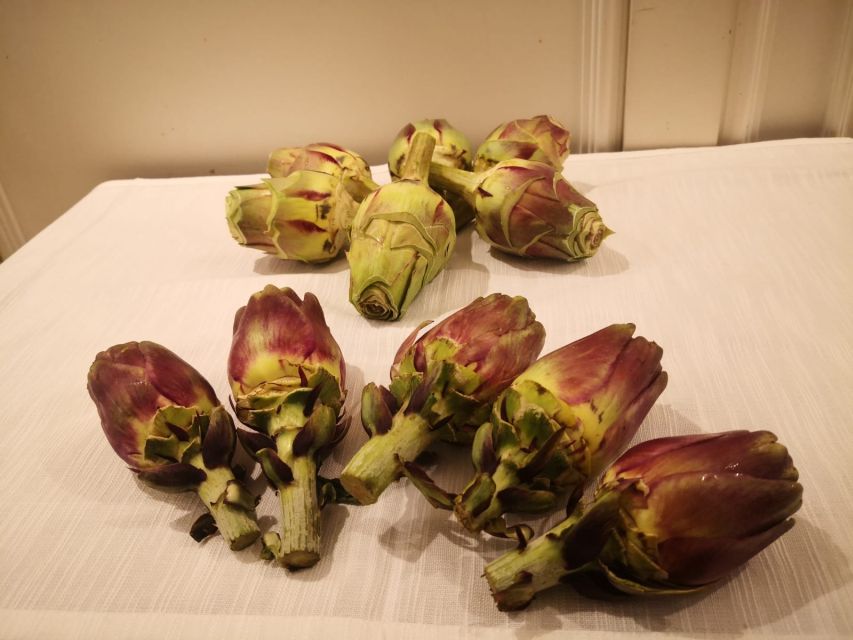
- Seasonal menu choices such as artichokes in winter or zucchini flowers for fritto romano in summer
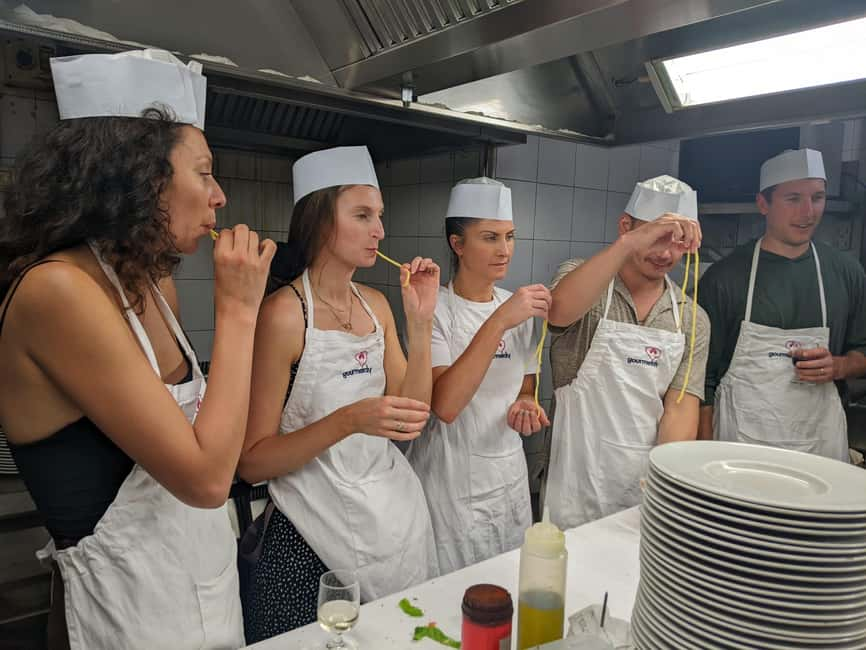
- A small group (up to 10) that keeps attention on your dough and your questions
- History mixed in with cooking in the Jewish Ghetto, taught by local foodie hosts
- Chef-host team teaching with names like Gabriel, plus guides and translators (Lili, Lisa, Clelia, Andy, Asia/Azia)
- Not kosher and not gluten-free by default, though gluten-free pasta may be packaged for you if you can handle flour
Why the Jewish Ghetto is the right place to learn pasta
Rome has plenty of cooking classes, but the Jewish Quarter adds something you cannot buy in a cookbook: context. Here, food is tied to a community and a way of life, not just to techniques. So when you learn how to roll dough or shape gnocchi, it feels like you are picking up a local habit.
I like that the class starts with getting oriented in the neighborhood, then moves into dinner-making right away. You are not just watching hands at a counter; you’re learning why certain dishes show up, how seasonal ingredients matter, and how Roman comfort food got its identity. Hosts such as Clelia and Lili (and translators like Asia/Azia) are known for blending the story with practical directions.
One more smart reason this area works: it is a short walk from where you are likely already spending time in Rome’s central sightseeing orbit. After a few days of crowds and monuments, this gives you a quieter, more human pace.
More of the Ghetto's quiet corners
- Rome Food Tour: Campo de’ Fiori, Ghetto, Trastevere Winner 2024
★ 5.0 · 3,205 reviews - Jewish Ghetto and Trastevere Tour Rome
★ 4.5 · 1,729 reviews - Rome: Eat Like a Roman Ghetto & Campo de’ Fiori Food Tour
★ 5.0 · 1,037 reviews - Jewish Ghetto and Synagogues with Jewish Roman Guide 3 Hours
★ 5.0 · 907 reviews
The 3-course Roman menu: what you’ll learn to cook
The promise here is a traditional Roman dinner in three parts. You’ll learn a pasta base from scratch, you’ll prep and cook a seasonal main that fits Roman style, and you’ll finish with a dessert that is simple but very satisfying.
Pasta first: fresh dough, shaping, and techniques
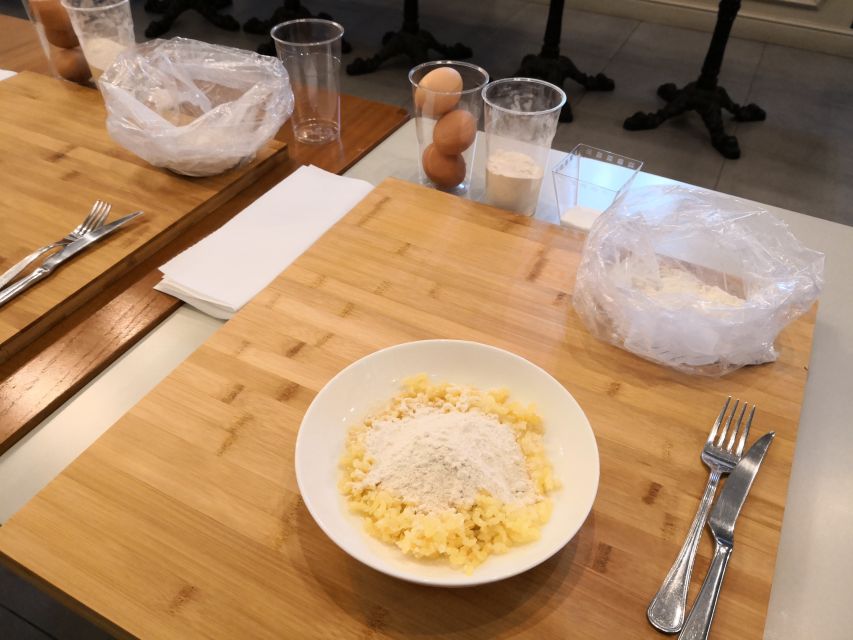
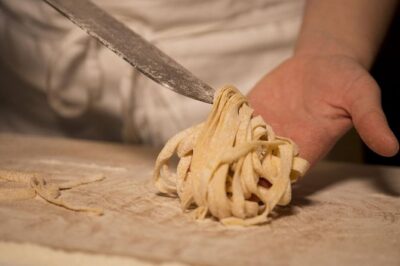
Expect to make pasta dough and then roll and work it until it becomes something you can cook and eat. Depending on the season and class flow, you may work with pasta shapes like what Romans commonly serve at home, and some sessions include gnocchi-style work. One detail I really like: you often use classic equipment, like a crank pasta machine, so the process feels old-school and real.
Also, you’ll get guidance on basics that matter at home later: flour choice, dough feel, and how to keep your work surface from turning into a floury battlefield. And yes, you eat what you make.
Seasonal main: vegetables in Roman style
This is where the neighborhood and the season connect. The class emphasizes seasonal food, so your main course changes depending on timing. In winter, that can mean peeling and prepping artichokes the Jewish-style way. In warmer months, it may mean working with zucchini flowers and learning how to turn them into something like fritto romano.
Even if you think you are not a vegetable person, the technique focus helps. You learn how to clean and prep, then how to fry or cook so the flavors stay Roman and not heavy.
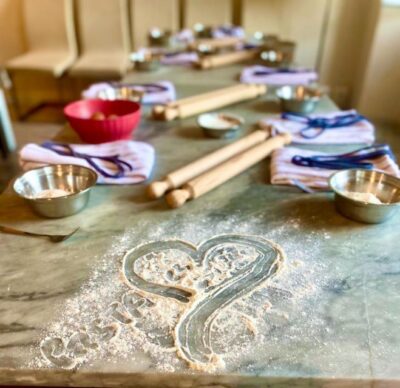
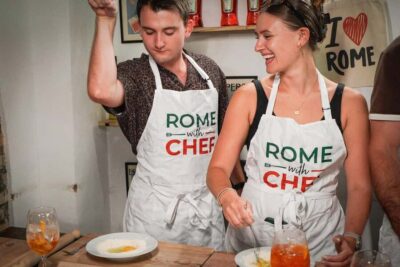
More aprons-on time in a Roman kitchen

Dessert finish: torta di ricotta e visciola
Dessert is not an afterthought. The class ends with torta di ricotta e visciola, a ricotta-based cheesecake-style treat made with straightforward ingredients. It’s the kind of finish that makes you understand why families keep making the same recipes over and over.
If you have a sweet tooth, plan to slow down at the end. The meal portion is filling, and you’ll likely feel it after wine and pasta.
What the class feels like in the kitchen (hands-on pacing, not a lecture)
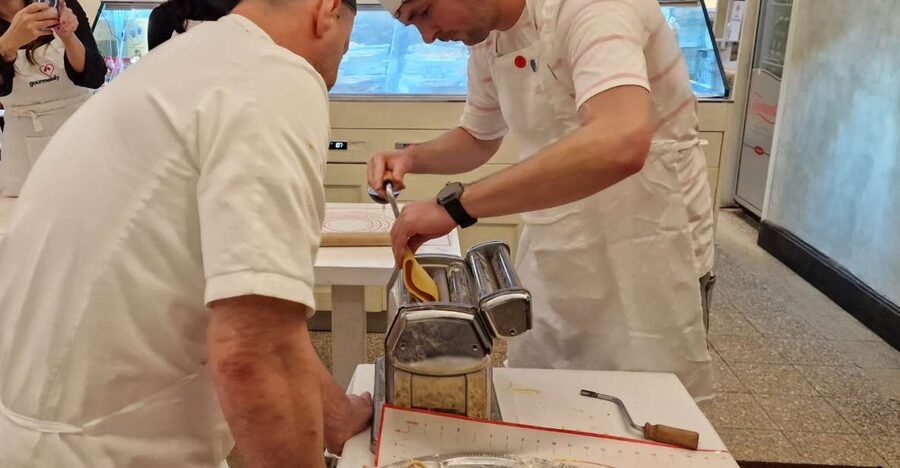
This is hands-on in the best way: you do real tasks, but the rhythm is relaxed. You are not expected to be a trained cook before you arrive. That said, it’s still a small kitchen process, so the pacing matters.
You’ll choose: cook or watch
If you’d rather not plunge your hands into flour every moment, you can relax and watch the chef work while sipping wine. That matters if you want the experience without the mess, or if you’re traveling with kids who might need breaks. When you do participate, the process is guided step by step.
Expect guidance on frying and timing
Some people love the hands-on balance; a few also note they wanted a bit more direct participation in certain steps, like frying. So go in with the right expectation: you’ll cook enough to learn, but you’re also sharing limited kitchen space with a group of up to 10.
The chef’s role: Gabriel style
Chef Gabriel shows up in many sessions, and that is a big part of why this works. People describe him as funny and generous with feedback, plus willing to explain what matters for taste and timing. If your session includes a kitchen tour after the main service, you might also see how the restaurant handles dishes like cacio e pepe. The goal is to help you connect the classroom steps to real restaurant routines.
Wine, conversation, and eating like you belong for a night
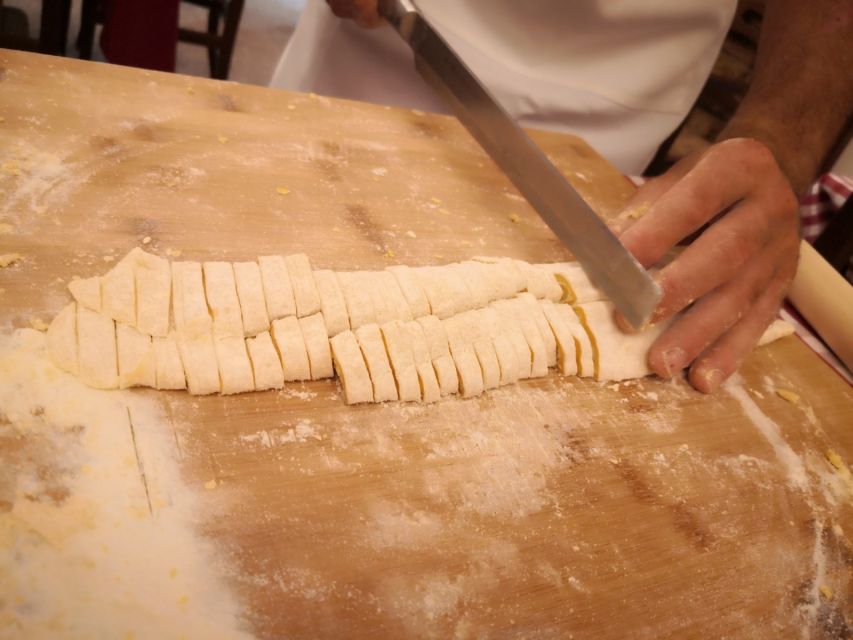
Cooking is only half the story. The other half is sitting down and actually eating what you made, in the same setting where the chef works.
Wine and beverages are part of the evening
Italian wine and bottled water are included. Some groups report the wine flow is generous, and either way, it helps keep the vibe loose. If you enjoy social dinners while you travel, this format usually delivers.
Eating together is the real payoff
Once the cooking is done, you enjoy a meal that includes your fresh pasta, the seasonal main, and dessert. The biggest value here is that you learn what worked and what you might adjust next time, because you taste the result right away.
Conversations are part of it too. Hosts and translators such as Andy and Asia/Azia are often the link that makes the table feel friendly, not awkward. You also tend to leave with practical tips, not just a recipe card.
Price and value: is $94 worth it?
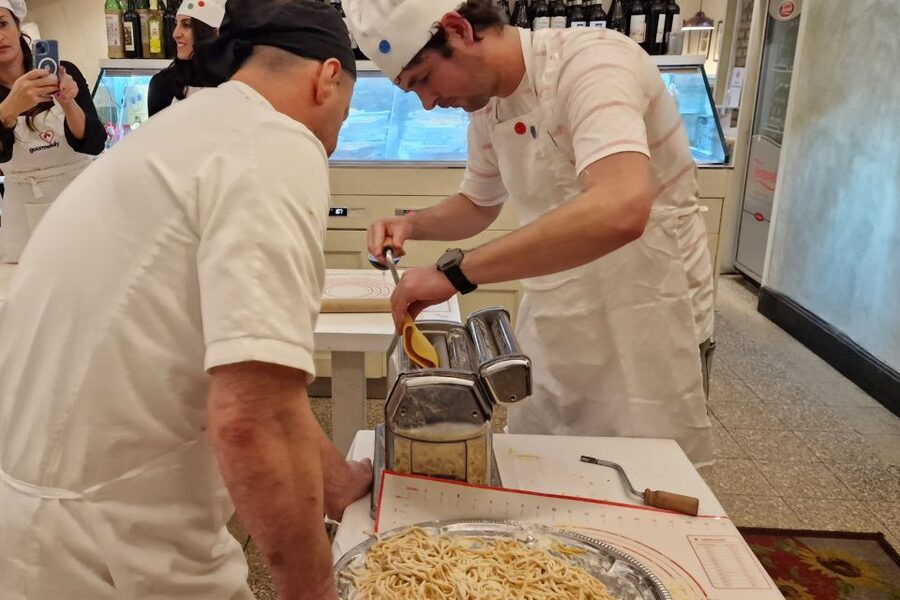
At $94 per person for about 3 hours, you’re paying for three things at once: instruction, ingredients, and a full dinner experience in a real Rome kitchen.
Here’s why I think it’s decent value if your goal is more than entertainment:
- You’re not just watching. You make fresh pasta from scratch and you learn seasonal techniques.
- You’re not just snacking. The class includes a 3-course meal plus wine and water.
- You leave with recipes and a list of tips and recommendations for what to do next in Rome or at home.
If your main goal is to eat well without cooking, you might decide this is too hands-on. If your goal is to take home an actual skill you can repeat, it usually feels like a strong use of a travel evening.
Who should book this class (and who might not love it)
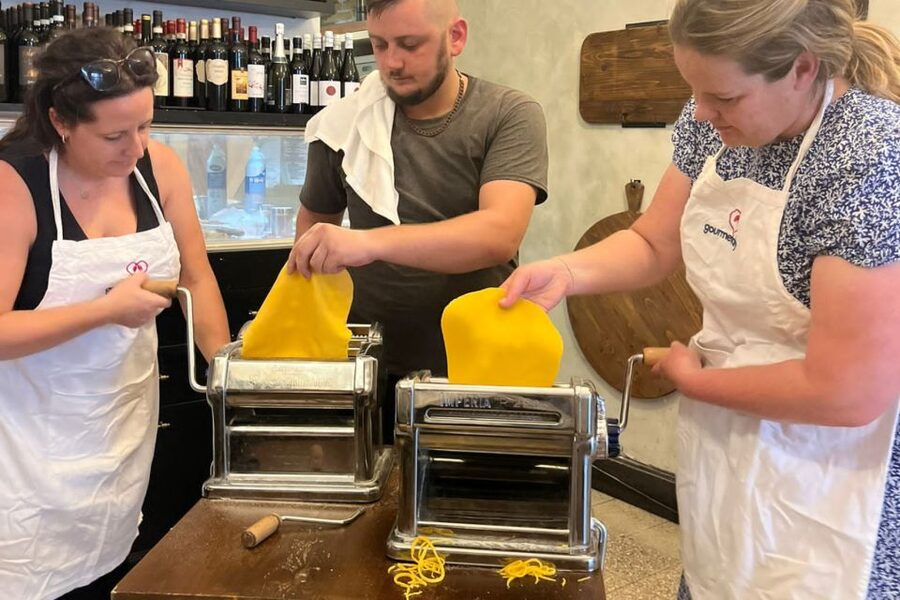
This is a great fit if you want an authentic-feeling, local-style dinner. It also works well for families and teens, because it’s interactive and social rather than stiff.
It’s also stated as suitable for kids and for vegan and vegetarian travelers. That said, the class includes allergens in tastings such as milk, eggs, soya, mustard, nuts, and gluten, so you’ll want to confirm specifics for your dietary needs.
You’ll likely enjoy it if you want…
- A break from sightseeing lines
- A hands-on meal you can repeat later
- A social evening with food-history context
- A small group setting with real feedback
You may want to think twice if…
- You need wheelchair access (this activity is not suitable for wheelchair users)
- You require a kosher kitchen (the restaurant is not kosher)
- You must avoid gluten completely (it’s not gluten-free by default)
Small details that matter: gluten, allergies, and kosher rules
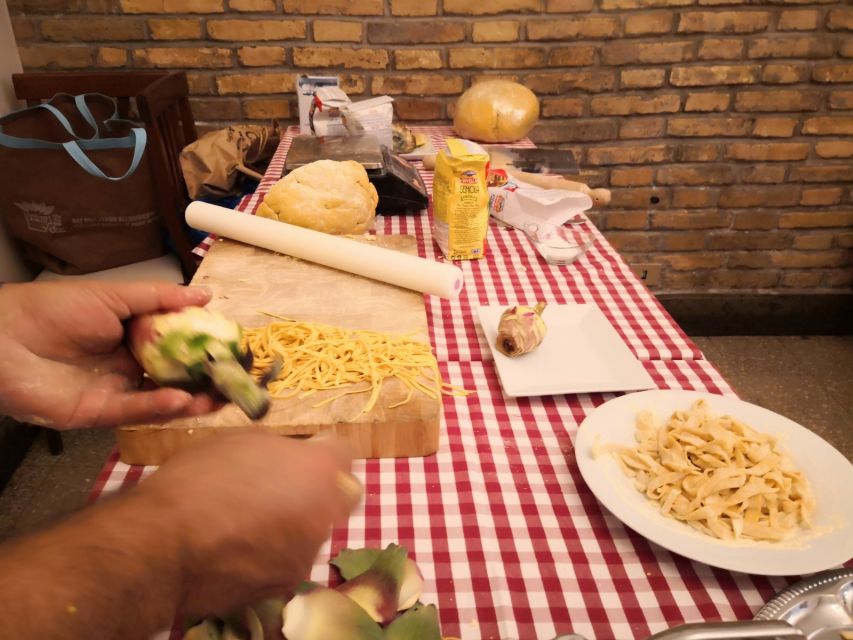
Let’s make the food rules clear before you fall in love with the menu idea.
Gluten reality
The pasta made in class is not gluten-free. However, if you want gluten-free, there may be packaged gluten-free pasta for you, as long as you can handle touching flour. So if gluten is a medical issue, you’ll want to plan carefully and ask before you go.
Allergens to consider
Allergens that can be present in tastings include milk, eggs, soya, mustard, nuts, and gluten. That’s a lot of possible triggers, so if you have allergies, this is not the right activity to assume will be fully adapted without checking.
Kosher status
This cooking class is not kosher. So if kosher rules are important to you, you should know this upfront rather than hoping for a workaround.
Not wheelchair accessible, no pets
It’s not suitable for wheelchair users, and pets are not allowed.
Where you meet and what to plan for timing-wise
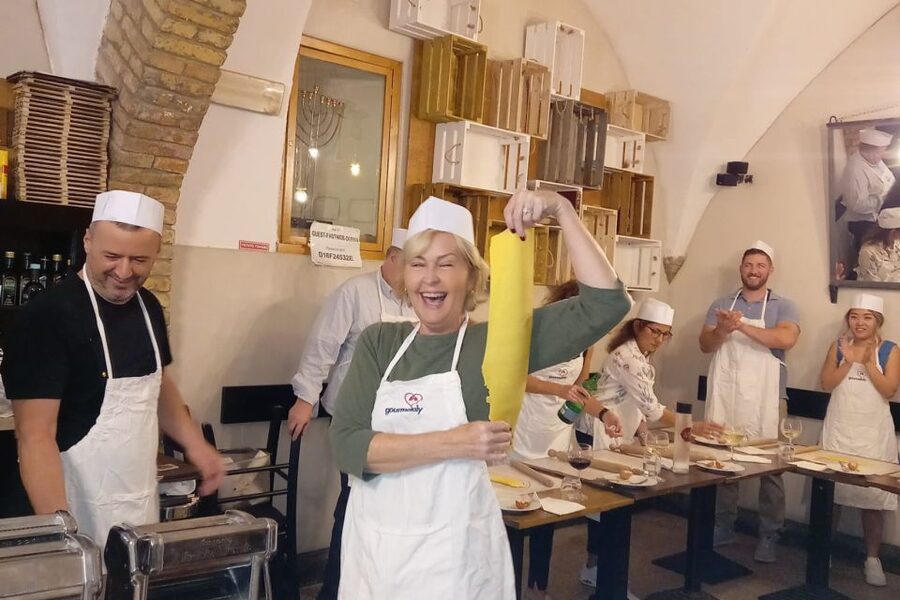
You meet your foodie guide at Restaurant Taverna del Ghetto, outside the door. It’s a straightforward meeting point, and the neighborhood location is part of the fun because you’re stepping into the area before you cook.
The class lasts about 3 hours. That’s enough time to learn, cook, eat, and still feel like the evening has a clear start and finish—useful if you have a busy Rome schedule.
Should you book this Rome pasta class?
Yes, book it if you want a hands-on Rome experience that mixes real cooking with real neighborhood context. The best sign is simple: you want to leave with a skill, a filled stomach, and recipes you can actually use.
I’d say skip it or ask extra questions if kosher rules matter to you, you need strict gluten-free safety, or you require wheelchair access. Also consider your comfort level with flour and frying steps—some people love being very hands-on, while others prefer a watch-and-learn pace.
If you’re doing Rome in a week packed with highlights, this class is a smart counterweight. It trades another monument stop for a dinner you can recreate, plus stories that make the Jewish Ghetto feel personal—not just historical.
More Tour Reviews in Rome
- Vatican Museums, Sistine Chapel & St. Peter’s Basilica Tour
★ 4.3 · 73,970 reviews - Vatican Museums, Sistine Chapel & St Peter’s Basilica Guided Tour
★ 4.5 · 39,149 reviews - Rome: Colosseum, Palatine Hill and Roman Forum Guided Tour
★ 4.8 · 32,814 reviews - Rome: Guided Tour of Colosseum, Roman Forum & Palatine Hill
★ 4.7 · 27,897 reviews - Rome: Colosseum & Forum with Audio Guide App -Optional Arena
★ 4.2 · 24,770 reviews - Rome: Colosseum, Roman Forum and Palatine Hill Guided Tour
★ 4.5 · 23,903 reviews
Learn Another Roman Dish
- 3 in 1 Cooking Class near Navona: Fettuccine, Ravioli & Tiramisu
★ 5.0 · 7,376 reviews - Rome: Pasta & Tiramisu Class with Fine Wine by the Vatican
★ 4.9 · 4,852 reviews - Rome: Pasta Making Class with Wine, Limoncello, and Dessert
★ 4.9 · 3,177 reviews - Rome Cooking Class: Make Pasta and 3 Spritz Cocktails
★ 5.0 · 2,937 reviews - Rome: 3-in-1 Fettuccine, Ravioli, and Tiramisu Cooking Class
★ 4.9 · 2,704 reviews - Rome: Fettuccine Pasta Cooking Class in Rome’s City Center
★ 4.8 · 2,414 reviews
More Around the Jewish Ghetto
- Rome Food Tour: Campo de’ Fiori, Ghetto, Trastevere Winner 2024
★ 5.0 · 3,205 reviews - Jewish Ghetto and Trastevere Tour Rome
★ 4.5 · 1,729 reviews - Rome: Eat Like a Roman Ghetto & Campo de’ Fiori Food Tour
★ 5.0 · 1,037 reviews - Jewish Ghetto and Synagogues with Jewish Roman Guide 3 Hours
★ 5.0 · 907 reviews - Jewish Ghetto & Piazza Navona: Food, Wine & Sightseeing Rome Tour
★ 5.0 · 460 reviews - Rome: Food & Wine Tour of Campo de Fiori, Ghetto, Trastevere
★ 4.8 · 413 reviews
Just added to our Rome reviews





Jewish Ghetto Tours, compared.
 ★ 5.0Rome Food Tour: Campo de’ Fiori, Ghetto, Trastevere Winner 2024From $883,205 reviews
 ★ 4.5Jewish Ghetto and Trastevere Tour RomeFrom $41,729 reviews
 ★ 5.0Eat Like a Roman Ghetto & Campo de’ Fiori Food TourFrom $501,037 reviews
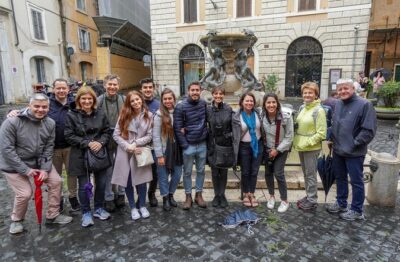 ★ 5.0Jewish Ghetto and Synagogues with Jewish Roman Guide 3 HoursFrom $193907 reviews
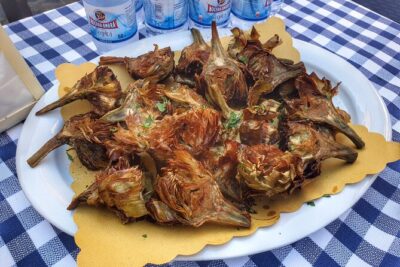 ★ 5.0Jewish Ghetto & Piazza Navona: Food, Wine & Sightseeing Rome TourFrom $107460 reviews
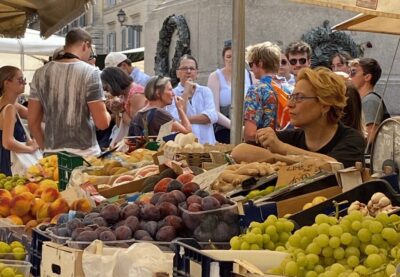 ★ 4.8Food & Wine Tour of Campo de Fiori, Ghetto, TrastevereFrom $81413 reviews
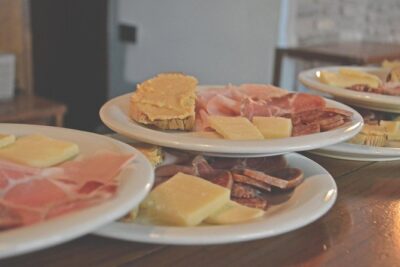 ★ 5.0Jewish Ghetto and Campo Dè Fiori By Night Food, Wine and Sightseeing TourFrom $107302 reviews
 ★ 4.5Trastevere and Rome’s Jewish Ghetto Half-Day Walking TourFrom $66282 reviews
Browse the lists this tour appears in