
Reviewed · ROME COOKING CLASSES
Rome Cooking Class: Make Pasta and 3 Spritz Cocktails
Spritz plus pasta sounds like a Roman dream. I like the hands-on pasta lesson (you knead, cut, and boil) and the spritz coaching (Aperol, Hugo, and Limoncello) that keeps the energy up from start to finish. One drawback to note: the class includes gluten and dairy in the menu, and the spritzes mean there’s alcohol in the mix.
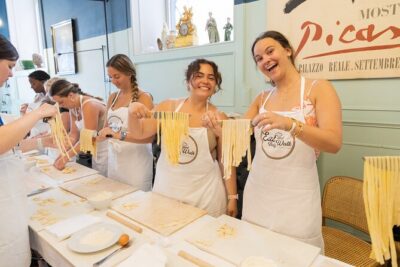
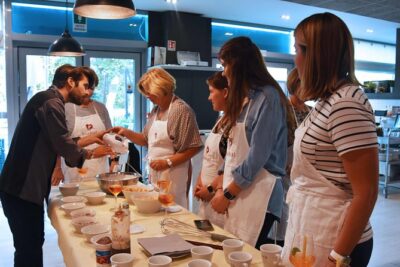
This is also a great “small-group break” from nonstop sightseeing. The format is intimate, with no more than 14 people, so you get real attention instead of standing at the edge and watching.
It’s near the Colosseum area, and the vibe is relaxed and social. Just make sure you’re comfortable with a kitchen setting, a tight schedule, and the fact that it’s not designed for gluten-free, lactose-free, or vegan needs.
In This Review
- Key things to know before you go
- Spritz in One Hand, Fresh Pasta in the Other
- Finding Via Cesare Balbo 19 and Timing Your Arrival
- What the Class Includes (and What That Means for Your Money)
- The Spritz Lesson: Aperol, Hugo, and Limoncello
- Making Roman Pasta: From Dough to Shape
- Carbonara vs. Cacio e Pepe: Choosing Your Sauce
- The Social Meal Moment: Eat What You Made
- The Instructor Team: What the Best Sessions Get Right
- Who This Class Is Perfect For
- Who Should Skip It (or Pick a Different Option)
- Practical Tips to Get the Most Out of Your 3 Hours
- Price and Value: Is $99 Fair for What You Get?
- Should You Book This Pasta and Spritz Class?
- FAQ
- How long is the Rome pasta and spritz class?
- Where is the meeting point?
- What spritz cocktails are included?
- What pasta do I make and what sauces can I choose?
- How many people are in the class?
- Is the class taught in English?
- Are vegetarian options available?
- Can they accommodate gluten-free, vegan, or dairy-free diets?
- Is it suitable for infants or small children?
- Is a private group available?
Key things to know before you go
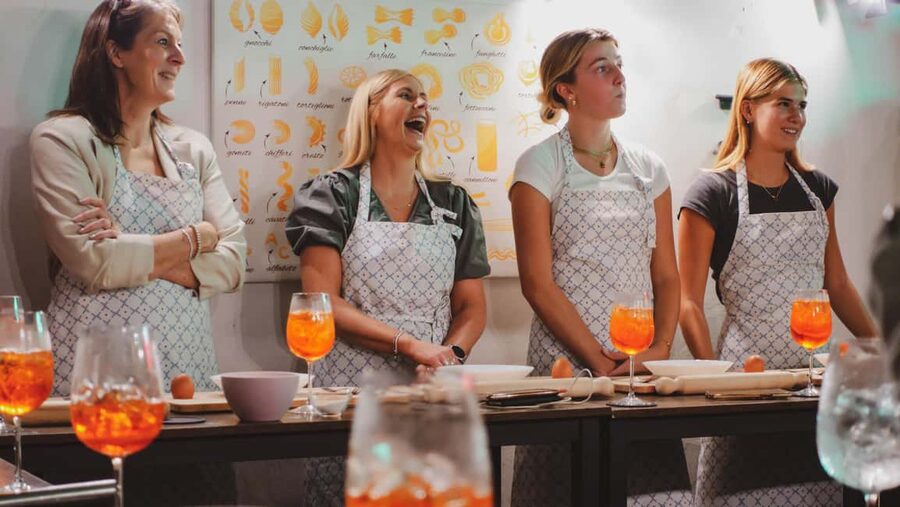
- Up to 14 people means you’re more likely to actually do the work, not just observe
- Three spritzes included: Aperol, Hugo, and limoncello spritz, plus unlimited water/soft drinks
- Choose your Roman sauce: carbonara or cacio e pepe
- Recipes to take home so you can repeat your results
- English-led instruction with a chef and mixologist approach
- Not gluten-free or vegan because the menu contains gluten and dairy
Spritz in One Hand, Fresh Pasta in the Other
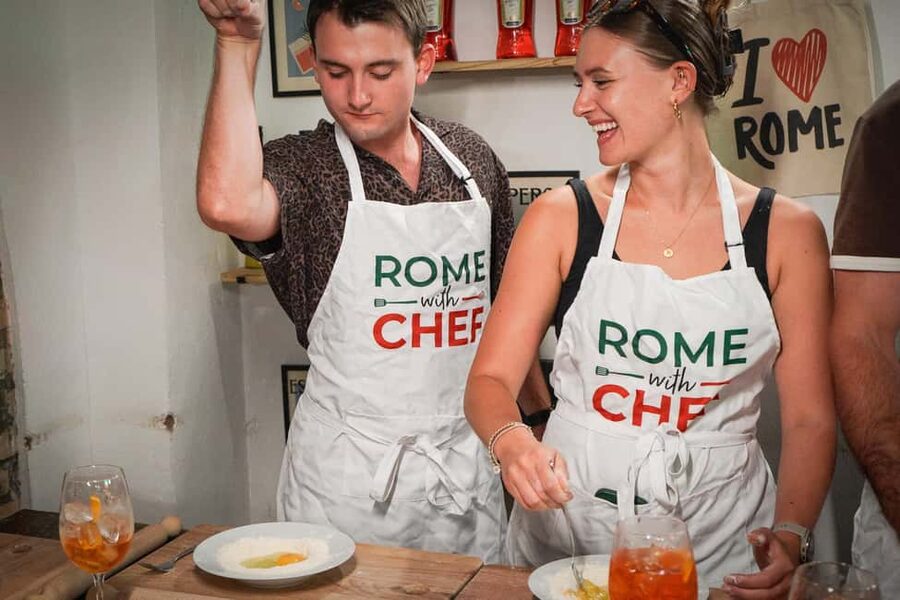
This class is built around a simple idea: Rome is at its best when food and drinks are treated like part of the same experience. You’re not just learning how to cook. You’re learning the little rhythms that make Italian meals feel effortless, even when there’s a lot happening.
I especially like the pairing of a mixologist-led spritz segment with a chef-led pasta segment. It prevents the class from feeling like one long lecture. You’re standing, tasting, chopping, and stirring in different phases, and it keeps the whole afternoon moving.
Now, the reality check. You’re getting three spritz cocktails as part of the experience, so pace yourself. It’s supposed to be fun, but you’ll want to stay steady while you’re working with hot water and handling dough. Also, this isn’t the class to choose if you need gluten-free, lactose-free, or fully vegan food.
More aprons-on time in a Roman kitchen
- 3 in 1 Cooking Class near Navona: Fettuccine, Ravioli & Tiramisu
★ 5.0 · 7,376 reviews - Rome: Pasta & Tiramisu Class with Fine Wine by the Vatican
★ 4.9 · 4,852 reviews - Rome: Pasta Making Class with Wine, Limoncello, and Dessert
★ 4.9 · 3,177 reviews - Rome Cooking Class: Make Pasta and 3 Spritz Cocktails
★ 5.0 · 2,937 reviews
Finding Via Cesare Balbo 19 and Timing Your Arrival
The meeting point is Via Cesare Balbo 19, around the corner from the Hotel 77 entrance. Look for the Rome with Chef sign. The class is near the Colosseum zone, and there’s a note that the meeting point can shift slightly between two locations within about five minutes’ walk.
Plan to arrive 10 minutes early. Late arrivals can’t join the class or receive a refund, so don’t bet on “close enough” timing. If you’re coming straight from a big Roman sight, give yourself buffer time so you can walk in calm, not stressed.
Once you’re there, the staff takes over. You’ll get set up for cooking and drink-making right away, which is a big reason this works as a relaxing break in the middle of a sightseeing day.
What the Class Includes (and What That Means for Your Money)
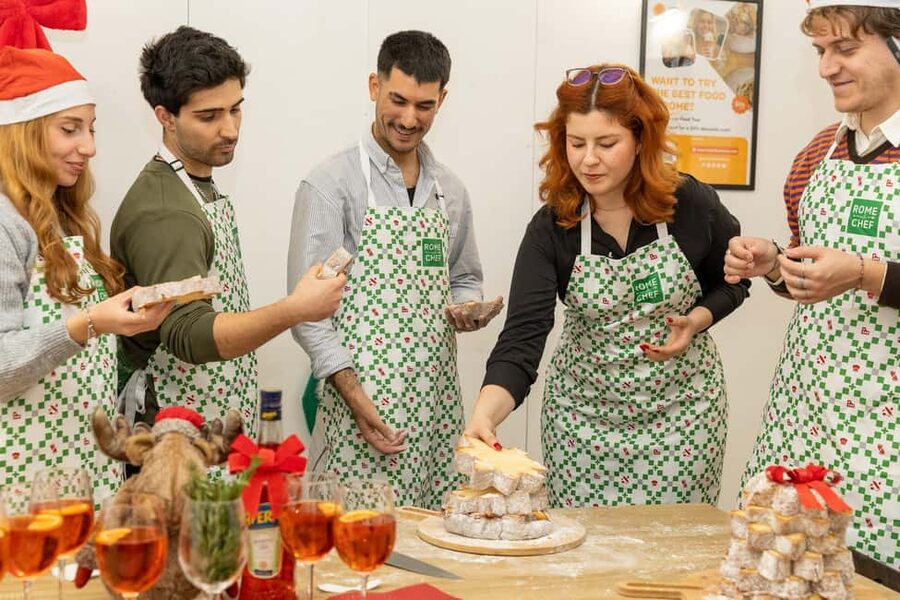
At $99 per person for a 3-hour experience, the value isn’t just the pasta lesson. It’s the bundle: you’re paying for fresh ingredients, guided instruction, equipment and a workspace, and three included spritz cocktails.
Here’s what’s in the box:
- 3 spritzes (one each of Aperol, Hugo, and limoncello spritz)
- A pasta workshop with handmade pasta and sauces (vegetarian options available)
- Unlimited water/soft drinks
- The food you make, eaten together at the end
- Recipes to take home
You can absolutely pay for pasta in Rome and you can absolutely drink spritz in Rome. The difference here is the “doing” part. You leave with technique you can repeat, and you’ve got a built-in excuse to slow down, drink something properly mixed, and eat the results while everything is still fresh.
The Spritz Lesson: Aperol, Hugo, and Limoncello
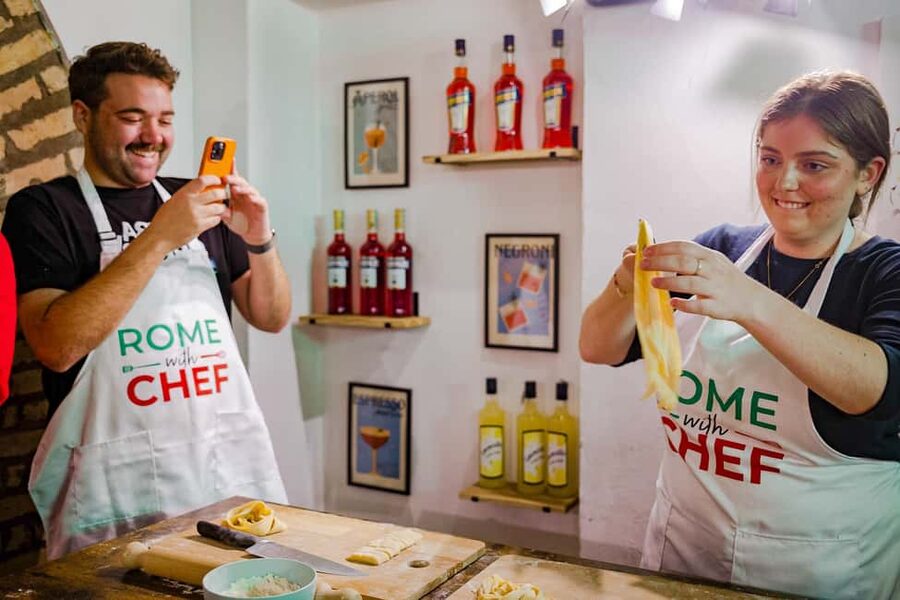
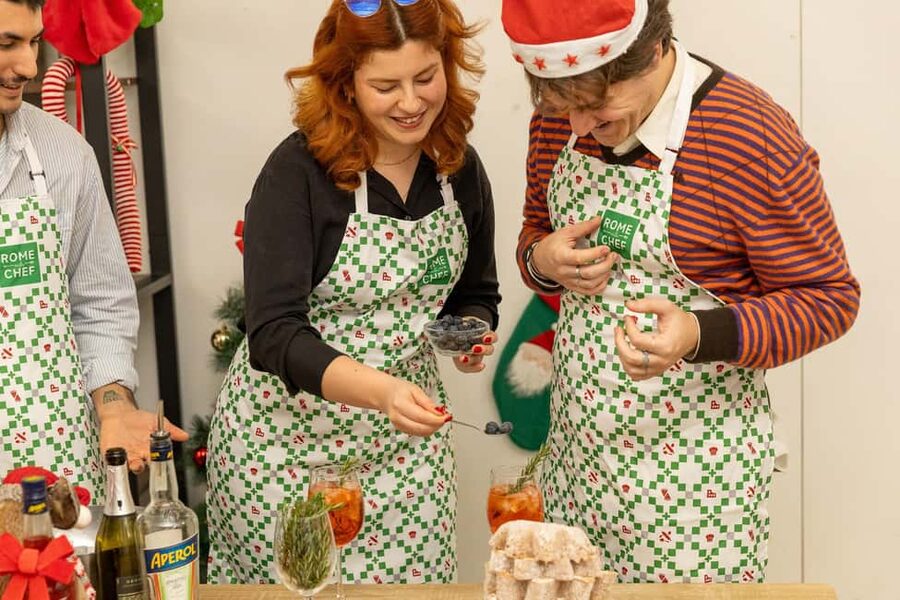
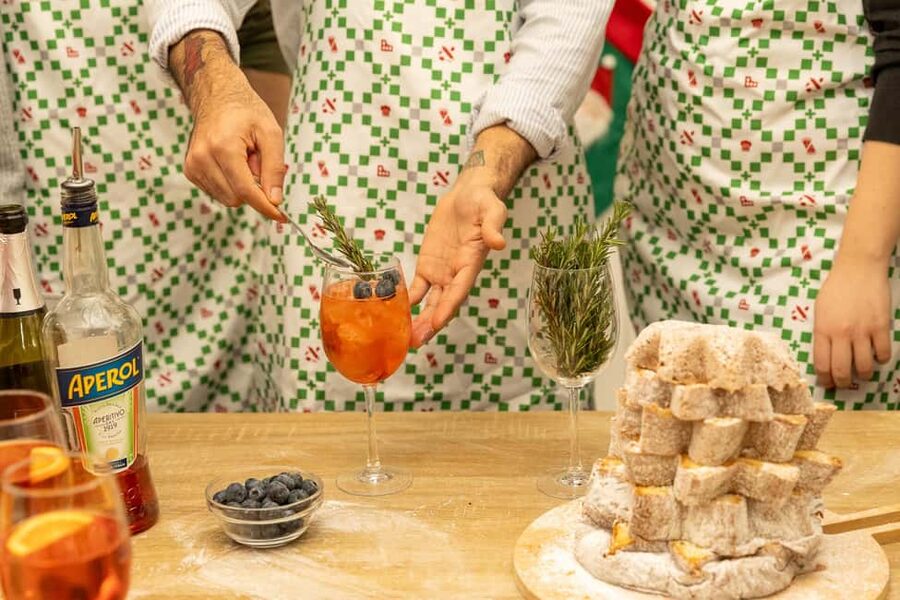
A lot of Rome spritz culture comes down to balance: bitter, sweet, and bubbles, with the right proportions and a chilled serve. This class leans into that. A mixologist teaches you how to make Italy’s famous spritz styles and gives you the why, not just the how.
You’ll make three handcrafted spritzes:
- Aperol spritz
- Hugo spritz
- Limoncello spritz
From what people consistently highlight, the hosts tend to keep the spritz portion lively and social, with clear instruction and constant action. You’re not waiting around for your drink. You’re learning how the drink is assembled so you can recreate the approach at home.
Practical tip: if you’re not used to alcohol or you want full focus in the kitchen, treat the spritzes like teaching moments. Take small sips while mixing and tasting, and keep water handy since you also have a cooking step that depends on careful timing.
Worth a look next to this Rome booking:
Making Roman Pasta: From Dough to Shape
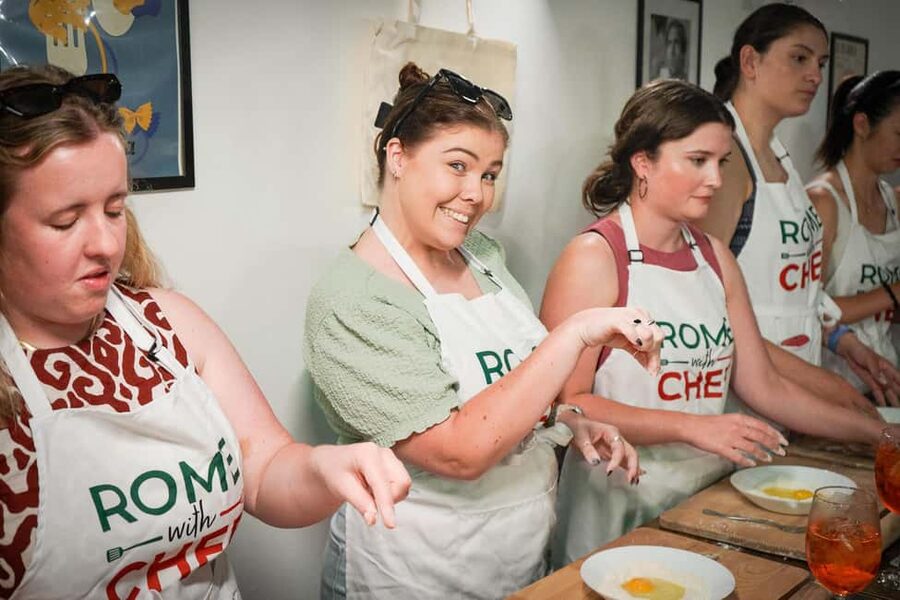
Then you switch gears into the kitchen. This part is where the class earns its “hands-on” reputation.
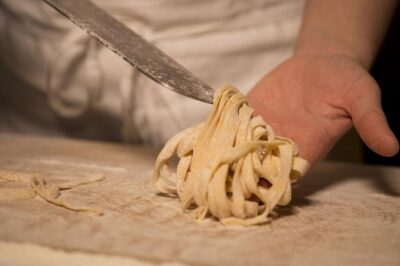
You’ll work through the classic pasta process:
- Kneading
- Cutting
- Boiling
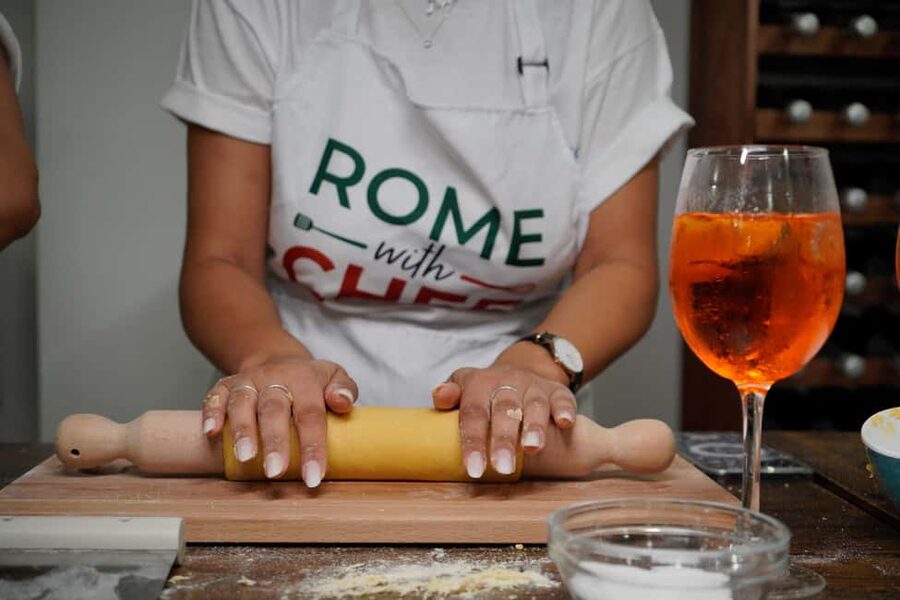
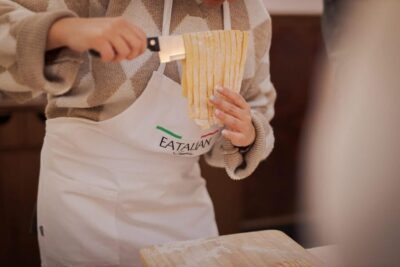
That sequence matters. Kneading isn’t just a step you rush through. It’s the part that helps the dough feel elastic and manageable. Cutting is where your pasta starts looking like real pasta instead of a dough project. Boiling is your reality check: if the pasta is cut well, it cooks more evenly and finishes better.
You also get to choose from two sauce options, so the pasta work doesn’t feel like a random exercise. It’s targeted. You’re making pasta that you’ll actually eat with a sauce you chose based on what you like.
Carbonara vs. Cacio e Pepe: Choosing Your Sauce
After the pasta is ready, you get the sauce decision: carbonara or cacio e pepe.
This is a smart structure for a cooking class because it gives you a fork in the road without turning the session into chaos. Both sauces are recognizable Roman flavors, and they offer different textures and flavor profiles:
- Carbonara typically leans creamy and savory.
- Cacio e pepe focuses on pepper-forward sharpness and salty cheese depth.
One more important note: the menu contains gluten and dairy. Even if you’re tempted by “vegetarian option” language, it doesn’t mean the class can meet gluten-free or lactose-free requirements. The class is vegetarian-friendly in some ways, but it’s not a substitute for specialized dietary cooking.
Also, if you’re expecting a vegan class, it isn’t set up for that. The information is explicit: vegan diets can’t be accommodated.
The Social Meal Moment: Eat What You Made
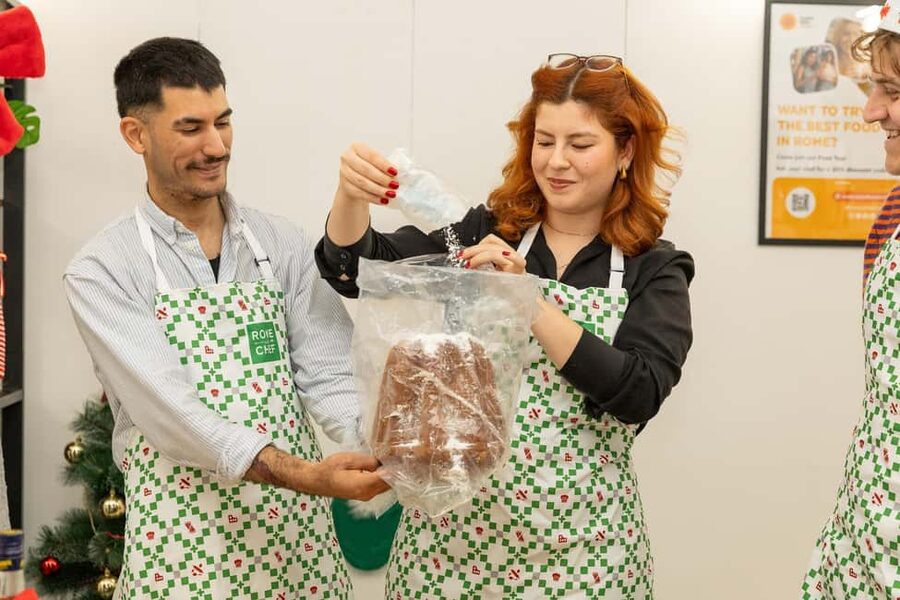
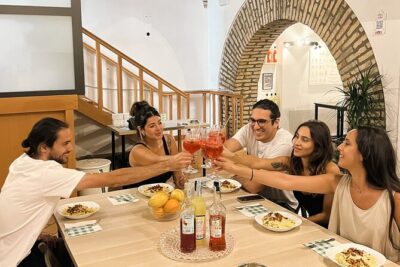
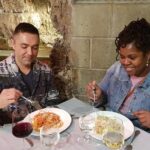
The payoff is eating your creations with your foodie group. You’ll sit down after the cooking and enjoy the pasta you made, along with your third refreshing spritz.
This part feels especially valuable because it closes the loop. Many cooking classes teach you technique, then you leave before the best part. Here, you eat your pasta while the guidance is still fresh in your mind and while you can ask questions if something didn’t go exactly right.
It also turns into a conversation starter. People tend to compare what they chose for sauce, how their pasta felt during boiling, and how the spritzes lined up with what they expected. It’s one of the most fun ways to meet other people doing more than just restaurant hopping.
The Instructor Team: What the Best Sessions Get Right
A big reason cooking classes succeed or fail is the teaching energy. In the feedback, names like Sunny, Gio, Gaia, Shivi, and Kelly show up repeatedly as hosts who make the kitchen time feel upbeat and manageable.
What you should care about isn’t the celebrity of the name. It’s the teaching style behind it:
- clear, step-by-step guidance
- hands-on involvement for the whole group
- a relaxed tone so you don’t feel rushed
- hosts who keep the class moving without sacrificing instruction
And the duo format matters too. The mixologist plus chef setup keeps the spritz section smooth and the pasta section practical. You’re learning drinks and cooking in the same session, and you’re not forced to pick one “style” over the other.
Who This Class Is Perfect For
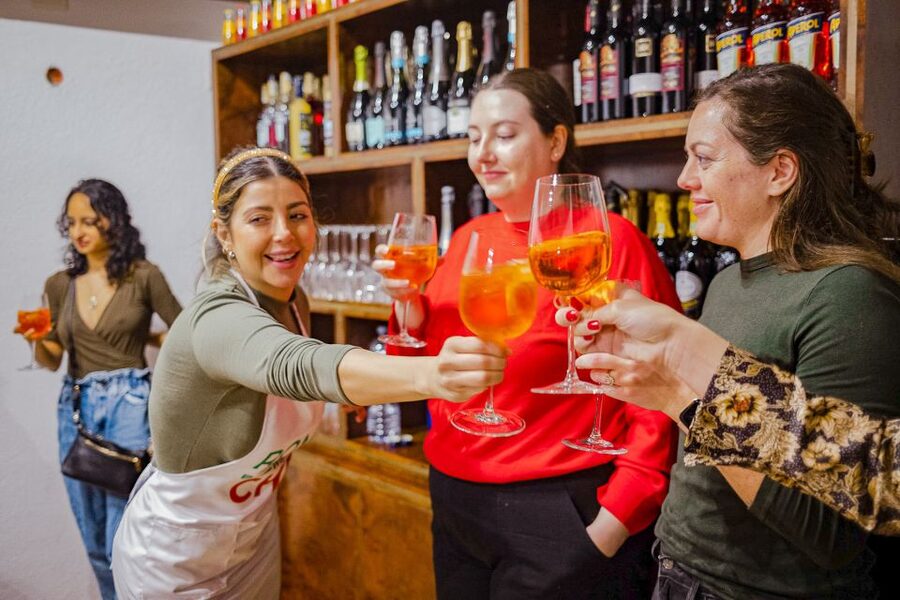
This is ideal if you want a Rome experience that isn’t just looking. You’ll like it if:
- you enjoy cooking, or you want to try cooking in a guided way
- you like spritz culture and want to learn a proper recipe approach
- you’re visiting near the Colosseum and want a break from walking
- you want a small-group class with a social atmosphere
- you’d benefit from recipes you can take home
It can also be a great couple activity. The class format is interactive, so you get to do things together, and it ends with a shared meal.
Who Should Skip It (or Pick a Different Option)
Be careful with dietary and age fit.
It’s not suitable for children under 2 years. If an infant joins, they must stay on an adult’s lap since there’s no separate seat or workspace.
Dietary fit is the bigger issue:
- the menu contains gluten and dairy
- coeliac disease, gluten intolerance, lactose intolerance, and vegan diets can’t be accommodated
If you fall into those categories, you might find yourself disappointed or stuck with limited options. The class offers vegetarian options, but you should not assume gluten-free or lactose-free adaptations.
Finally, the class includes spritz cocktails, so if you’d rather not drink alcohol at all, this probably won’t feel right.
Practical Tips to Get the Most Out of Your 3 Hours
You’ll have the best experience if you treat the class like both a lesson and a meal.
A few tips that help:
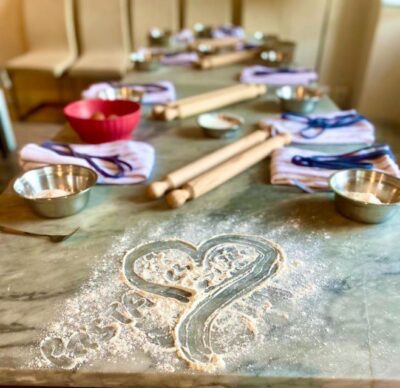
- Wear something comfortable. You’ll knead and work with hands, and you may get a little flour on you.
- Pace your spritz sips. You’re learning while you’re tasting, and the kitchen steps need focus.
- Keep an eye on timing. Arrive early, and be ready to move when instructions start.
- If carbonara is your goal, lean into that choice early so your sauce direction feels clear when you’re cooking.
- Use the water/soft drinks between spritzes. Unlimited water/soft drinks are included for a reason.
Also, take the recipes seriously. The point isn’t just the “cool Rome moment.” It’s having a guide you can use when you’re back home and craving carbonara or cacio e pepe that actually tastes like Rome.
Price and Value: Is $99 Fair for What You Get?
For $99, you’re paying for a full, guided experience: three spritz cocktails, fresh pasta and sauce instruction, and the meal you make. You’re not just buying food. You’re buying time with instructors plus ingredients plus a structured plan that turns technique into dinner.
If you compare it to doing it on your own, the class saves you from the common pain points:
- figuring out exact pasta steps and troubleshooting
- finding reliable ingredients and proportions
- learning spritz assembly without guessing
- having a kitchen setup already organized for you
If you were just hoping for a “one and done” restaurant meal, a cooking class can feel like overkill. But if you want to leave with repeatable skills and a fun social afternoon, it’s strong value—especially with the small group size and included drinks.
Should You Book This Pasta and Spritz Class?
I’d book it if you want a hands-on Rome moment with a real payoff at the table. It’s a smart break from sightseeing, it’s paced across cooking and drinks, and the small-group setup makes it feel personal rather than crowded.
Skip it if you need gluten-free or lactose-free food, or if you’re vegan. Also reconsider if you don’t want alcohol involved, since the class is built around three spritzes.
If your schedule allows and you’re curious about Roman pasta plus spritz culture, this is one of those activities that turns a visit into something you can recreate later.
FAQ
How long is the Rome pasta and spritz class?
It lasts 3 hours.
Where is the meeting point?
Via Cesare Balbo 19, near the Hotel 77 entrance. Look for the Rome with Chef sign.
What spritz cocktails are included?
You’ll make and have three spritzes: Aperol, Hugo, and limoncello spritz.
What pasta do I make and what sauces can I choose?
You’ll make handmade pasta, and you’ll choose between carbonara or cacio e pepe sauces.
How many people are in the class?
It’s an intimate class with no more than 14 people.
Is the class taught in English?
Yes, the instructor is English-speaking.
Are vegetarian options available?
Vegetarian options are available, but the menu contains gluten and dairy, so it’s not suitable for gluten intolerance or lactose intolerance.
Can they accommodate gluten-free, vegan, or dairy-free diets?
No. Gluten-free, vegan, and dairy-free accommodations aren’t offered, and the menu contains gluten and dairy.
Is it suitable for infants or small children?
It isn’t suitable for infants. If an infant joins, they must stay on an adult’s lap since no separate seat or workspace is available. Children under 2 years aren’t suitable.
Is a private group available?
Yes, private group options are available.
More Cooking Classes in Rome
- 3 in 1 Cooking Class near Navona: Fettuccine, Ravioli & Tiramisu
★ 5.0 · 7,376 reviews - Rome: Pasta Making Class with Wine, Limoncello, and Dessert
★ 4.9 · 3,177 reviews - Rome: 3-in-1 Fettuccine, Ravioli, and Tiramisu Cooking Class
★ 4.9 · 2,704 reviews - Rome: Fettuccine Pasta Cooking Class in Rome’s City Center
★ 4.8 · 2,414 reviews - Fettuccine & Tiramisù: Cooking Class with Wine & Limoncello
★ 4.9 · 2,103 reviews - Pasta Cooking Class Near the Colosseum with 3 Spritz Cocktails
★ 5.0 · 1,686 reviews
More Tour Reviews in Rome
- Vatican Museums, Sistine Chapel & St. Peter’s Basilica Tour
★ 4.3 · 73,970 reviews - Vatican Museums, Sistine Chapel & St Peter’s Basilica Guided Tour
★ 4.5 · 39,149 reviews - Rome: Colosseum, Palatine Hill and Roman Forum Guided Tour
★ 4.8 · 32,814 reviews - Rome: Guided Tour of Colosseum, Roman Forum & Palatine Hill
★ 4.7 · 27,897 reviews - Rome: Colosseum & Forum with Audio Guide App -Optional Arena
★ 4.2 · 24,770 reviews - Rome: Colosseum, Roman Forum and Palatine Hill Guided Tour
★ 4.5 · 23,903 reviews
Learn Another Roman Dish
- 3 in 1 Cooking Class near Navona: Fettuccine, Ravioli & Tiramisu
★ 5.0 · 7,376 reviews - Rome: Pasta & Tiramisu Class with Fine Wine by the Vatican
★ 4.9 · 4,852 reviews - Rome: Pasta Making Class with Wine, Limoncello, and Dessert
★ 4.9 · 3,177 reviews - Rome: 3-in-1 Fettuccine, Ravioli, and Tiramisu Cooking Class
★ 4.9 · 2,704 reviews - Rome: Fettuccine Pasta Cooking Class in Rome’s City Center
★ 4.8 · 2,414 reviews - Learn to Make Pasta & Tiramisu with Wine and Limoncello Included
★ 5.0 · 2,345 reviews
Just added to our Rome reviews

Rome Cooking Classes, compared.
 ★ 5.03 in 1 Cooking Class near Navona: Fettuccine, Ravioli & TiramisuFrom $837,376 reviews
 ★ 4.9Pasta & Tiramisu Class with Fine Wine by the VaticanFrom $414,852 reviews
 ★ 4.9Pasta Making Class with Wine, Limoncello, and DessertFrom $483,177 reviews
 ★ 4.93-in-1 Fettuccine, Ravioli, and Tiramisu Cooking ClassFrom $812,704 reviews
 ★ 4.8Fettuccine Pasta Cooking Class in Rome’s City CenterFrom $462,414 reviews
 ★ 5.0Learn to Make Pasta & Tiramisu with Wine and Limoncello IncludedFrom $542,345 reviews
 ★ 5.0Become a Masterchef in Rome: Pasta, Ravioli and Tiramisù ClassFrom $472,156 reviews
 ★ 4.9Fettuccine & Tiramisù: Cooking Class with Wine & LimoncelloFrom $662,103 reviews
Browse the lists this tour appears in