
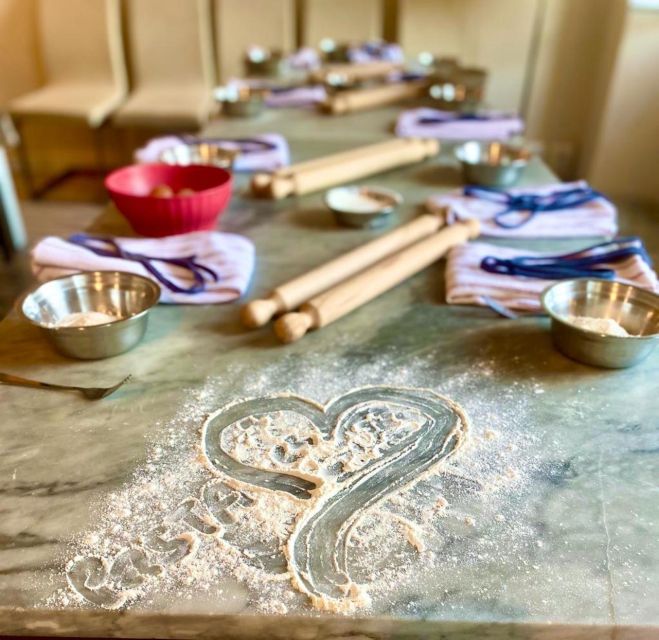
Reviewed · ROME COOKING CLASSES
Rome: Pasta Making Class with Wine, Limoncello, and Dessert
Flour, wine, and Roman charm in one room. I love the small-group hands-on pace and the way instructors like Olga or Christian guide you through dough step-by-step, and I also love that you make ravioli, tortelli, and fettuccine—then sit down together to eat.
One key consideration: this class is not set up for everyone. If you need vegan, gluten, or lactose-free options (or have nut allergies), you’ll want to check before booking, since those dietary needs aren’t accommodated.
In This Review
- Key moments worth planning for
- Where Palazzo Grazioli fits into your Rome day
- The 3-hour rhythm: from dough to a shared table
- Making fresh pasta: eggs, flour, and real technique
- Ravioli and tortelli: when fillings make it feel Italian
- Fettuccine and the sauce contrast that teaches you something
- Organic Tuscan wine, limoncello, and dessert: the part that makes it memorable
- The value question: is $48 a fair deal?
- Who this pasta class is best for (and who should reconsider)
- What to do before and after: make the most of the location
- Should you book this Rome pasta class?
- FAQ
- How many types of pasta will I make?
- How long is the class?
- Where do I meet the instructor?
- Is the class taught in English?
- Is wine and limoncello included?
- What dietary restrictions can the class accommodate?
Key moments worth planning for
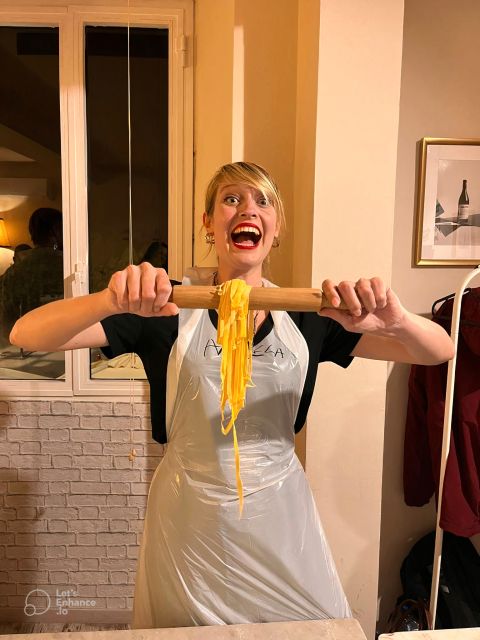
- Three pasta shapes, not one: ravioli, tortelli, and fettuccine, with fillings involved
- Hands-on kneading and rolling: eggs and flour under professional guidance
- Sauce timing that matters: tomato sauce simmers ahead; butter-and-sage gets made right before
- Eat what you made, family-style: everything cooks together in the same pot
- Organic Tuscan wine plus limoncello: Dalle Nostre Mani wine, then a limoncello shot and dessert
- Central meeting point: Via della Gatta 14 by Palazzo Grazioli, near the Pantheon and Piazza Venezia
Where Palazzo Grazioli fits into your Rome day
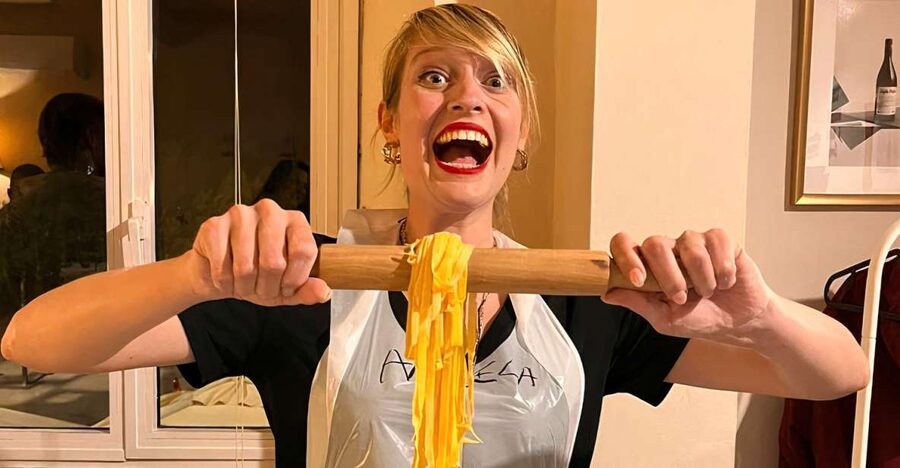
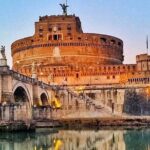
This is a class with a location that makes it easy to work into a tight itinerary. You meet at Via della Gatta 14 at the back corner of Palazzo Grazioli, with the entrance signaled by ringing the bell at Pastamania. The setting is right in the classic Rome zone—close enough to the Pantheon and Piazza Venezia that you’re not spending half your day commuting.
The building matters. Being in a historic palazzo gives the class a sense of occasion without feeling like a stage show. You’ll also likely notice the street’s name-callback: the marble cat statue tied to Via della Gatta. It’s one of those small details that makes the place feel like it belongs to Rome, not just to tourism.
Practical note: this isn’t a “watch from the sidelines” setup. You’ll want comfy clothes you don’t mind getting flour dust on. And because you’re indoors, bring the same mindset you would for cooking at home: flexible, ready to get hands-on.
More aprons-on time in a Roman kitchen
- 3 in 1 Cooking Class near Navona: Fettuccine, Ravioli & Tiramisu
★ 5.0 · 7,376 reviews - Rome: Pasta & Tiramisu Class with Fine Wine by the Vatican
★ 4.9 · 4,852 reviews - Rome: Pasta Making Class with Wine, Limoncello, and Dessert
★ 4.9 · 3,177 reviews - Rome Cooking Class: Make Pasta and 3 Spritz Cocktails
★ 5.0 · 2,937 reviews
The 3-hour rhythm: from dough to a shared table
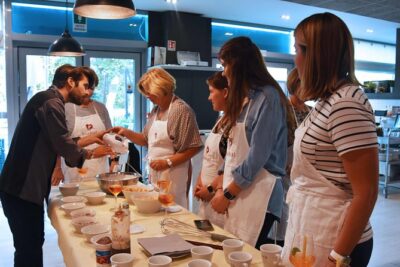
The format is built around a simple idea: you learn by doing, then you eat what you made while the food is still at its best. The class runs about 3 hours and keeps moving. You start with an introduction to the pasta process—enough theory to make the hands-on work make sense—then you jump straight into making fresh dough.
Two things make the timing feel good:
- You actively shape your pasta, instead of rushing through one quick demo.
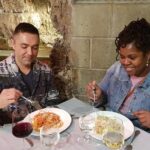
- You finish by eating together, with chefs cooking what you create and serving it at a communal table.
It also helps that the group size is capped at 10 people. In a class like this, that’s the difference between feeling lost and feeling coached. Instructors such as Fabrizio, Noemi, Giorgio, Marco, Martina, Roberto, and Marko show up again and again in the feedback because they tend to keep people on track—checking progress, offering small corrections, and making sure you know when to switch steps.
Potential drawback: because it’s hands-on and timed, you’ll be standing and moving. If you’re dealing with mobility limits, this one may feel like a poor match.
Making fresh pasta: eggs, flour, and real technique
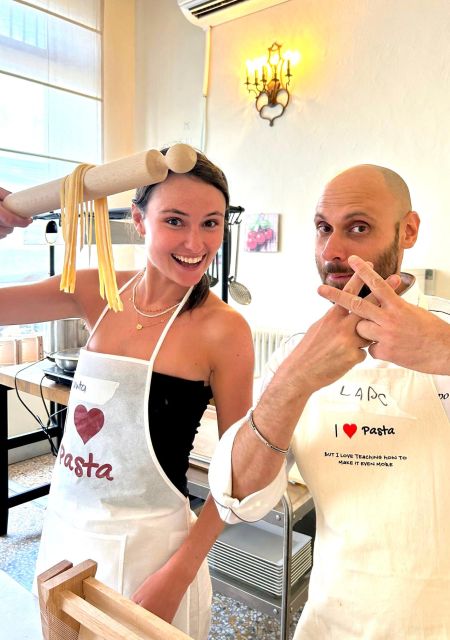
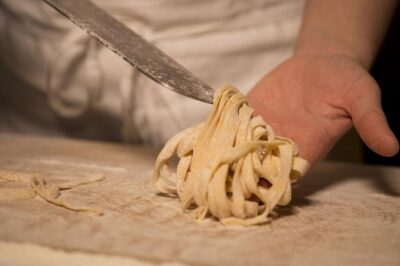
The heart of the experience is learning to handle the dough. You’ll work with a basic fresh pasta foundation—eggs and flour—and you’ll do the part most tourists skip: kneading, rolling, and shaping.
What you’ll pick up fast is that fresh pasta isn’t just about ingredients. It’s about feel. The dough needs the right consistency to roll without tearing and to hold shape once cut or filled. This is where professional instruction pays off. You’re not guessing, and you’re not stuck with a single “do it my way” explanation. In the class environment, instructors tend to:
- show you how the dough should look and feel as you work,
- keep timing realistic so everyone can follow along,
- help you fix small issues before they become big ones.
If you’re a complete beginner, that’s especially important. Several people note that they learned successfully because instruction is clear and patient, and the chef stays close enough to guide you when your dough is drifting off course.
Dress for flour and expect a mess. A pasta class is basically a controlled food spill. Plan to wipe down, laugh, and keep going.
Ravioli and tortelli: when fillings make it feel Italian
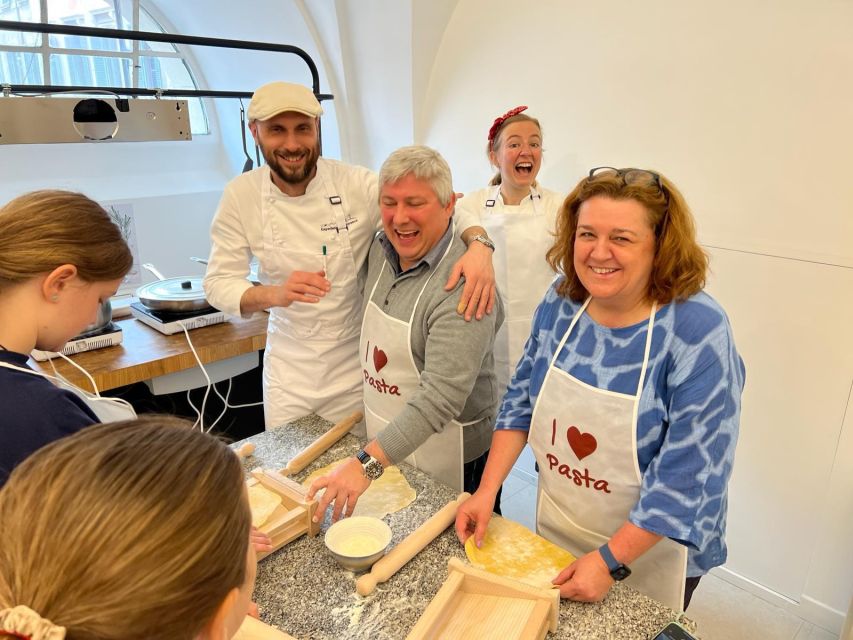
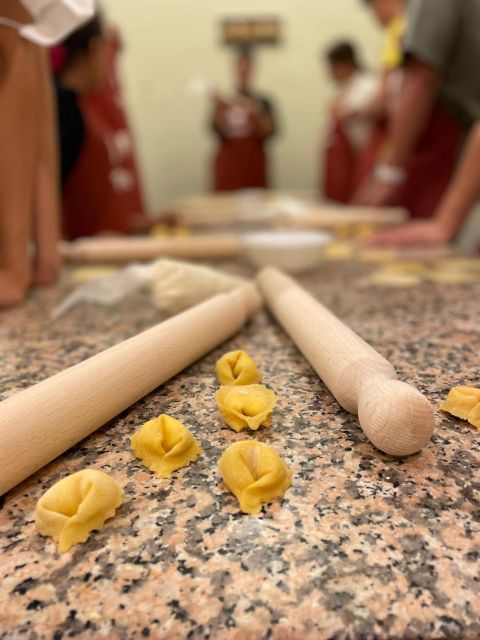
The class includes three pasta types, but the experience really comes alive with the filled ones: ravioli and tortelli. Those take you beyond simple sheets and cuts. You learn how to portion filling, shape, and seal so the pasta holds together during cooking.
Here’s the value for you: once you understand how fillings work with pasta thickness and sealing, you start to understand what makes Italian stuffed pasta different from generic “stuffed pasta” you might see outside Italy.
One detail that helps with confidence is how the cooking is staged. While the class has you doing the hands-on pasta work, the instructor also demonstrates sauce preparation in a way that mirrors home cooking. For the filled pastas, you’ll see the delicate approach—especially when it’s time for the sauce right before serving.
Worth a look next to this Rome booking:
Fettuccine and the sauce contrast that teaches you something
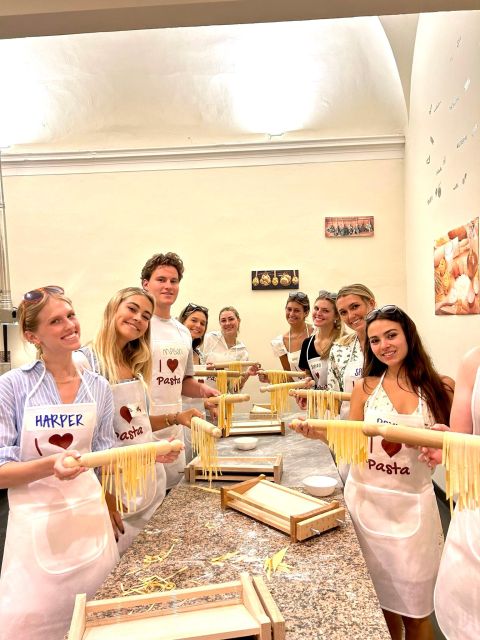
For fettuccine, the dough becomes a canvas for sauce. And this is where the class structure quietly teaches you how Italians think about timing.
You’ll see a contrast in sauce prep:
- A signature tomato sauce is simmered for hours in advance.
- For the ravioli and tortelli, the class prepares butter and sage right before cooking, so you’re watching fresh aromatics come alive.
This difference matters. Tomato sauce that simmers for a long time becomes richer and more integrated. Sage-and-butter is more immediate—flavor that hits quickly and coats delicately. By experiencing both approaches in one sitting, you’ll probably start cooking smarter at home instead of relying on one sauce for everything.
Food pacing is also part of the lesson. After shaping, you don’t just “go eat randomly.” Everything is cooked together, and then served at a communal table, so you get a real sense of a shared family meal rather than a plated-by-a-chef performance.
Organic Tuscan wine, limoncello, and dessert: the part that makes it memorable
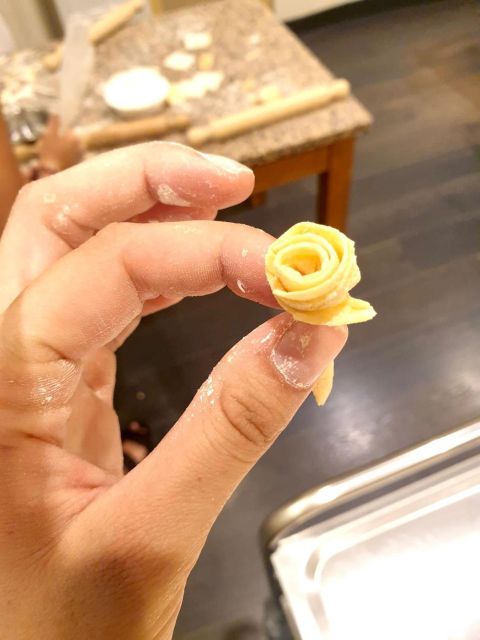
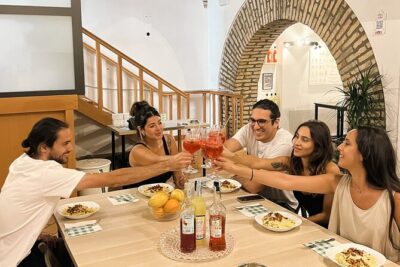
Let’s talk drinks, because they’re included and they change the mood. You’ll sip a glass of Dalle Nostre Mani Tuscan wine made organically, then you finish with a limoncello shot and dessert.
The wine isn’t treated like a minor extra. It’s part of the social arc of the class—something to slow you down after kneading and rolling, so you can chat with others while the meal settles into place. Many people mention wine quality and how the pairing feels natural with fresh pasta.
Dessert and limoncello act like the punctuation mark. It’s a playful, classic Roman touch that helps the evening feel complete instead of stopping right at the stove.
One more practical point: alcohol service is handled by legal-age rules. If you don’t drink, it’s worth asking about alternatives when you book. The class is described as offering options for non-drinkers, so don’t assume you’re stuck.
The value question: is $48 a fair deal?
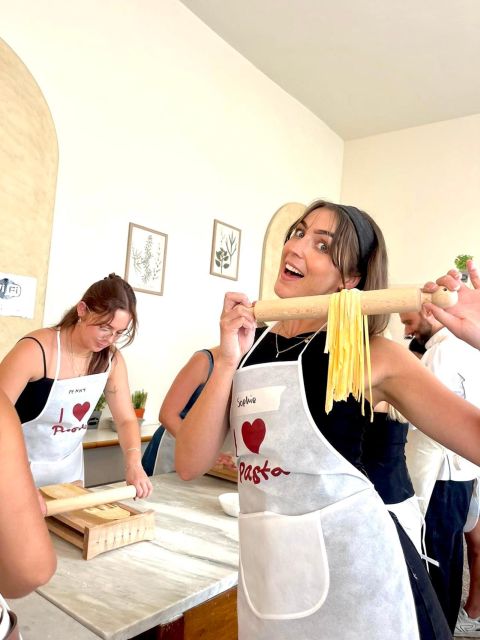
At $48 per person for a 3-hour session, you’re paying for more than a recipe. You’re paying for:
- professional instruction in English,
- hands-on pasta-making for multiple shapes,
- a meal built from your own work,
- and included extras: wine, limoncello, and dessert,
- plus an English recipe booklet you can use later.
If you’ve taken cooking classes before, you know the hidden cost is always time. Here, you get a structured evening of learning plus eating in one stop, and you’re not buying drinks or dessert separately.
Is it the cheapest pasta activity in Rome? Probably not. But it’s also not a one-and-done demo. You leave with actual technique, and you eat what you made while it’s at peak freshness. For many people, that combination is the “why this feels worth it” factor.
Who this pasta class is best for (and who should reconsider)
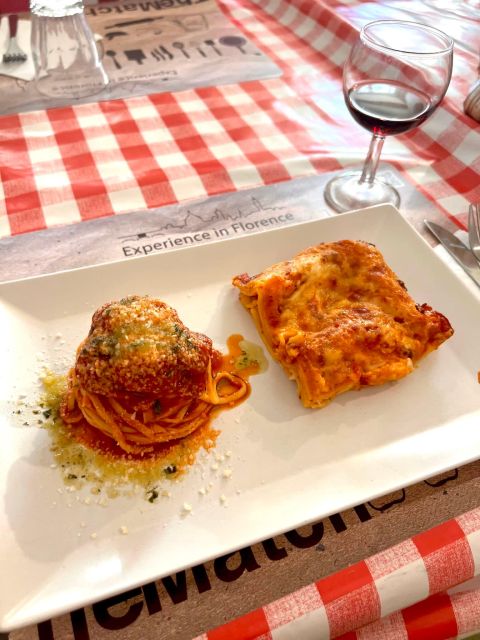
This is a great fit if you want a break from monuments and want a hands-on food experience in central Rome. It works well for:
- couples who want something interactive (not just a meal),
- small groups of friends,
- families with kids at least 8 years old,
- students or anyone who loves learning a skill they can repeat.
It may not be the best choice if:
- you need vegan options (not accommodated),
- you have gluten sensitivity or lactose intolerance (not accommodated),
- you have nut allergies (not suitable),
- you use a wheelchair or have mobility impairments (not suitable).
Also, skip it if you hate messy, hands-on activities. This is flour-on-the-dough practical, not clean-and-calm.
What to do before and after: make the most of the location
Because you’re near major landmarks, you can do this class without sacrificing Rome time.
A simple strategy:
- Plan a short stroll before the class so you arrive hungry but not rushed.
- After class, consider a little slow wandering nearby with a dessert mindset, not a museum sprint mindset.
There’s also a practical bonus: the class is tied to Pastamania, and people have mentioned popping into the shop afterward for things like a ravioli cutter and finishing oils such as truffle oil. If you want to continue at home, this is one of the most logical places to pick up a useful tool.
Should you book this Rome pasta class?
I think you should book it if you want a real skill (not just a tasting), and you like the idea of making three pasta types in a small group, then eating your own creations with organic Tuscan wine, limoncello, and dessert. For the price, the value is in the full package: technique, coaching, and a proper meal.
I’d hesitate if you need vegan, gluten-free, or lactose-free accommodations, if you have nut allergies, or if you’re looking for a fully seated, low-movement activity.
If your needs fit the format, this is one of those Rome experiences that turns the city into something you can recreate later—starting with your pasta dough.
FAQ
How many types of pasta will I make?
You’ll learn to make three fresh pasta types: ravioli, tortelli, and fettuccine.
How long is the class?
The class lasts 3 hours.
Where do I meet the instructor?
Meet at the activity provider’s cooking school in Via della Gatta 14, 00186 Roma, and ring the bell at Pastamania.
Is the class taught in English?
Yes, the instructor teaches in English.
Is wine and limoncello included?
Yes. The experience includes a glass of organic Tuscan wine and a shot of limoncello, plus dessert.
What dietary restrictions can the class accommodate?
The class supports vegetarian and other diets if you inform the provider when booking. However, it cannot accommodate vegan, gluten-sensitivity, lactose intolerance, or nut allergies.
More Cooking Classes in Rome
- 3 in 1 Cooking Class near Navona: Fettuccine, Ravioli & Tiramisu
★ 5.0 · 7,376 reviews - Rome Cooking Class: Make Pasta and 3 Spritz Cocktails
★ 5.0 · 2,937 reviews - Rome: 3-in-1 Fettuccine, Ravioli, and Tiramisu Cooking Class
★ 4.9 · 2,704 reviews - Rome: Fettuccine Pasta Cooking Class in Rome’s City Center
★ 4.8 · 2,414 reviews - Fettuccine & Tiramisù: Cooking Class with Wine & Limoncello
★ 4.9 · 2,103 reviews - Pasta Cooking Class Near the Colosseum with 3 Spritz Cocktails
★ 5.0 · 1,686 reviews
More Tour Reviews in Rome
- Vatican Museums, Sistine Chapel & St. Peter’s Basilica Tour
★ 4.3 · 73,970 reviews - Vatican Museums, Sistine Chapel & St Peter’s Basilica Guided Tour
★ 4.5 · 39,149 reviews - Rome: Colosseum, Palatine Hill and Roman Forum Guided Tour
★ 4.8 · 32,814 reviews - Rome: Guided Tour of Colosseum, Roman Forum & Palatine Hill
★ 4.7 · 27,897 reviews - Rome: Colosseum & Forum with Audio Guide App -Optional Arena
★ 4.2 · 24,770 reviews - Rome: Colosseum, Roman Forum and Palatine Hill Guided Tour
★ 4.5 · 23,903 reviews
Learn Another Roman Dish
- 3 in 1 Cooking Class near Navona: Fettuccine, Ravioli & Tiramisu
★ 5.0 · 7,376 reviews - Rome: Pasta & Tiramisu Class with Fine Wine by the Vatican
★ 4.9 · 4,852 reviews - Rome Cooking Class: Make Pasta and 3 Spritz Cocktails
★ 5.0 · 2,937 reviews - Rome: 3-in-1 Fettuccine, Ravioli, and Tiramisu Cooking Class
★ 4.9 · 2,704 reviews - Rome: Fettuccine Pasta Cooking Class in Rome’s City Center
★ 4.8 · 2,414 reviews - Learn to Make Pasta & Tiramisu with Wine and Limoncello Included
★ 5.0 · 2,345 reviews
Just added to our Rome reviews

Rome Cooking Classes, compared.
 ★ 5.03 in 1 Cooking Class near Navona: Fettuccine, Ravioli & TiramisuFrom $837,376 reviews
 ★ 4.9Pasta & Tiramisu Class with Fine Wine by the VaticanFrom $414,852 reviews
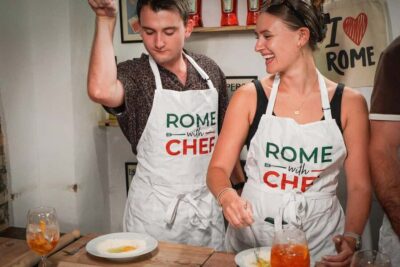 ★ 5.0Rome Cooking Class: Make Pasta and 3 Spritz CocktailsFrom $992,937 reviews
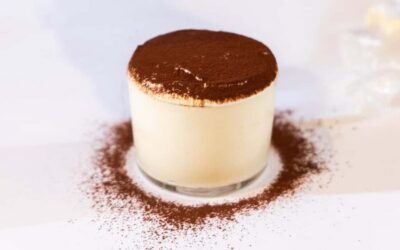 ★ 4.93-in-1 Fettuccine, Ravioli, and Tiramisu Cooking ClassFrom $812,704 reviews
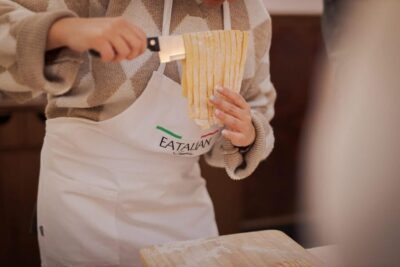 ★ 4.8Fettuccine Pasta Cooking Class in Rome’s City CenterFrom $462,414 reviews
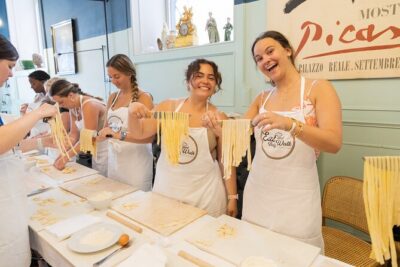 ★ 5.0Learn to Make Pasta & Tiramisu with Wine and Limoncello IncludedFrom $542,345 reviews
 ★ 5.0Become a Masterchef in Rome: Pasta, Ravioli and Tiramisù ClassFrom $472,156 reviews
 ★ 4.9Fettuccine & Tiramisù: Cooking Class with Wine & LimoncelloFrom $662,103 reviews
Browse the lists this tour appears in