
Reviewed · PIAZZA NAVONA & SPANISH STEPS TOURS
Rome: Eat Like a Roman Ghetto & Campo de’ Fiori Food Tour
Two neighborhoods, one full stomach. This Rome tour hits Campo de’ Fiori and the Jewish Ghetto with classic street food like supplì, pizza, fried artichokes and gelato, plus stories tied to what you see. I love that the guide connects each bite to the exact corners you’re walking past, and I also like that the food portions feel like a real meal. The only real catch: it’s not suitable for vegans or for gluten intolerance.
I’m also a fan of how the route strings together landmark history without making the walk feel like a museum tour. When guides such as Leonardo or Daniele lead the group, you get a mix of humor, food talk, and practical Rome perspective in English or Portuguese.
On morning tours, you add a stop at the Campo de’ Fiori market and a small tasting flight of olive oil, truffle, and vinegar flavors before you start eating your way through Roman favorites. The tour runs about 2.5 hours and costs around $50, with no drinks included—so come hungry and plan your hydration.
In This Review
- Key Points at a Glance
- Campo de’ Fiori and the Jewish Ghetto: Why This Walk Works
- Before You Start Eating: Meeting at Piazza di San Simeone
- First Bites at the Local Restaurant and Early Stops
- Campo de’ Fiori Market Morning: More Than Just a Pretty Square
- Roman Street Food You’ll Actually Want to Repeat
- Carciofo alla Giudia in the Jewish Ghetto: The Right Bite at the Right Time
- Landmark Connections: Julius Caesar, Teatro Marcello, and Largo di Torre Argentina
- Gelato Finale at Gunther Gelateria: Ending on a High Note
- Price and Value: Does $50 Buy Enough Food?
- Who This Tour Is Perfect For (and Who Should Skip It)
- Practical Tips So You Get the Most From Your Walk
- FAQ
- How long is the Rome Eat Like a Roman Ghetto and Campo de’ Fiori Food Tour?
- Where is the meeting point for the tour?
- What food tastings are included?
- Are there vegetarian options?
- Is the tour vegan-friendly?
- Are drinks included?
- Do morning tours include the Campo de’ Fiori market?
- What major landmarks are part of the walk or pass-by route?
- What languages does the guide speak?
- Is the tour wheelchair accessible?
- Should You Book This Rome Food-and-History Tour?
Key Points at a Glance
- Supplì, Roman pizza, and gelato are treated like the main event, not side snacks
- Campo de’ Fiori market is included on morning tours (plus olive oil, truffle, and vinegar tasting)
- Carciofo alla Giudia (fried artichoke) is the standout bite in the Jewish Ghetto area
- Julius Caesar’s assassination site is part of the route, linked to the neighborhood you’re walking through
- You end with artisanal gelato near major sights for an easy finale
Campo de’ Fiori and the Jewish Ghetto: Why This Walk Works
Rome food tours can be hit-or-miss. This one works because it uses two real food-and-people neighborhoods as the backbone: Campo de’ Fiori and the Jewish Ghetto area. Instead of only handing you samples, the guide frames why these foods show up where they do, and how the past shaped what people cooked, bought, and celebrated.
You’ll eat classic Roman street food in the spaces where locals still move through daily life. That means the tastings feel grounded, not staged. And the history stops aren’t random: they connect you to landmarks you’ll keep seeing later—Portico d’Ottavia, Teatro Marcello, and Largo di Torre Argentina.
One more reason I like this tour: it’s built for first-day Rome energy. You cover a meaningful slice of central Rome in just 2.5 hours, with frequent stops so you don’t feel sprinted through the city.
More of the Ghetto's quiet corners
- Rome Food Tour: Campo de’ Fiori, Ghetto, Trastevere Winner 2024
★ 5.0 · 3,205 reviews - Jewish Ghetto and Trastevere Tour Rome
★ 4.5 · 1,729 reviews - Rome: Eat Like a Roman Ghetto & Campo de’ Fiori Food Tour
★ 5.0 · 1,037 reviews - Jewish Ghetto and Synagogues with Jewish Roman Guide 3 Hours
★ 5.0 · 907 reviews
Before You Start Eating: Meeting at Piazza di San Simeone
Your guide meets you by the fountain in the middle of the square at Piazza di San Simeone. That’s a friendly start point because you’re not wandering around trying to spot a person holding a sign.
From there, you’ll walk through the city center on foot, with short pass-by segments and several timed tasting stops. The practical benefit for you is pacing: the tour doesn’t assume you’ll just power through hunger without breaks.
You’ll also pass Chiostro del Bramante early on, which gives a nice “oh, we’re really in the historic core” moment before the first food arrives. It’s a quick orientation shot, but it makes the rest of the walk feel more connected to the city.
First Bites at the Local Restaurant and Early Stops
The tour wastes no time getting to food. After the initial walking, you reach a local restaurant tasting stop (about 15 minutes), which is where the first Roman flavors start landing.
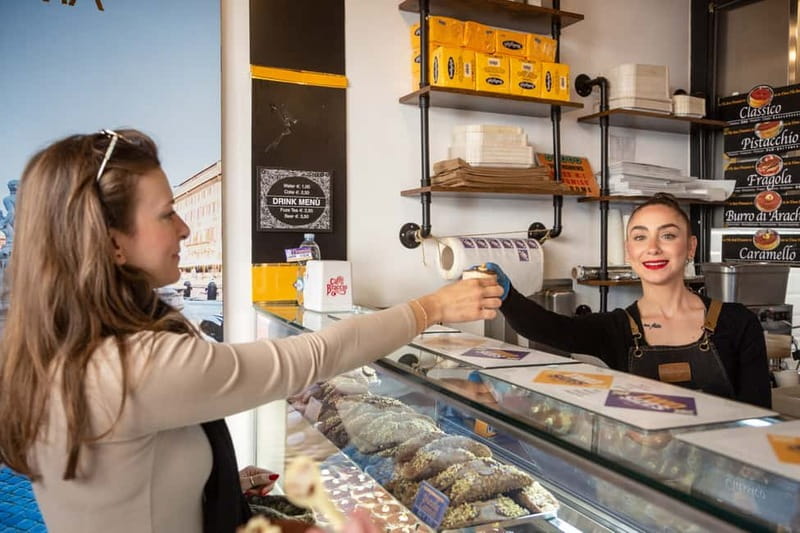
Expect items in the core Roman street-food lineup, with tastings that include panini with porchetta, supplì, and Roman-style pizza as part of the overall spread. Even if you think you’ve had “Roman food” before, supplì is the kind of bite that changes your mind fast: it’s deep-fried, crisp outside, and packed inside with savory rice.
Then you’ll hit additional short tasting moments at smaller places along the route, including a local bakery stop later on. That helps keep variety high without dragging you across the city.
Practical note: because drinks are not included, the best strategy is to eat slowly and drink water between stops. The food is designed to fill you up, so you don’t want to rely on alcohol or soft drinks to get through the tasting pace.
Campo de’ Fiori Market Morning: More Than Just a Pretty Square
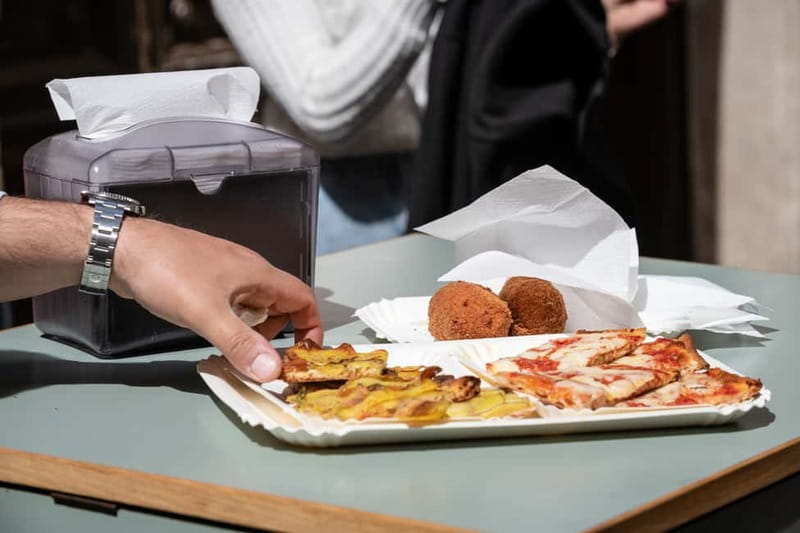
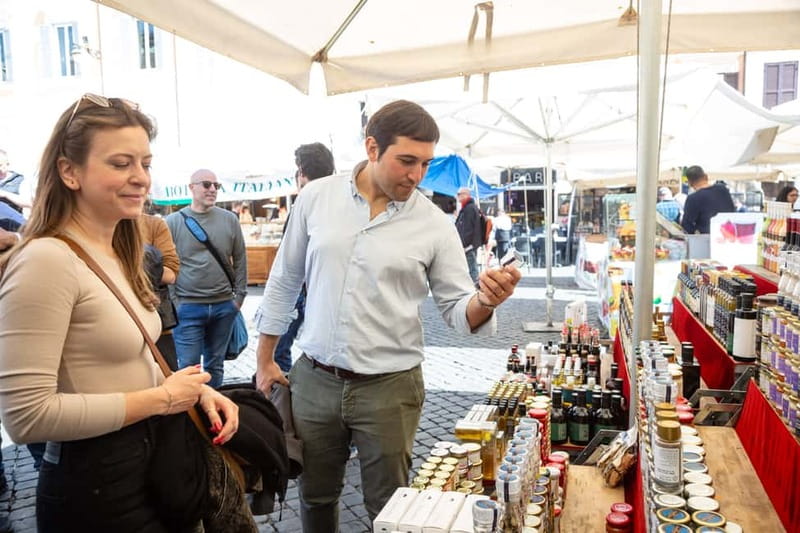
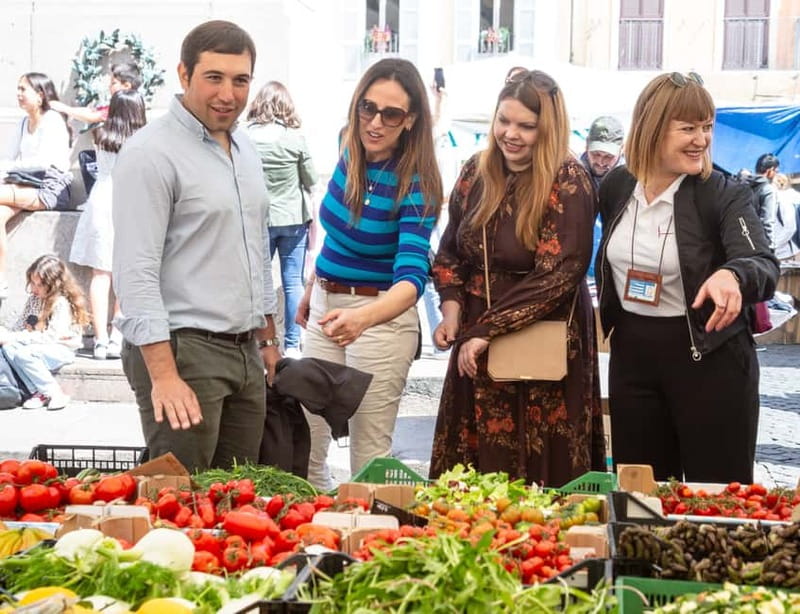
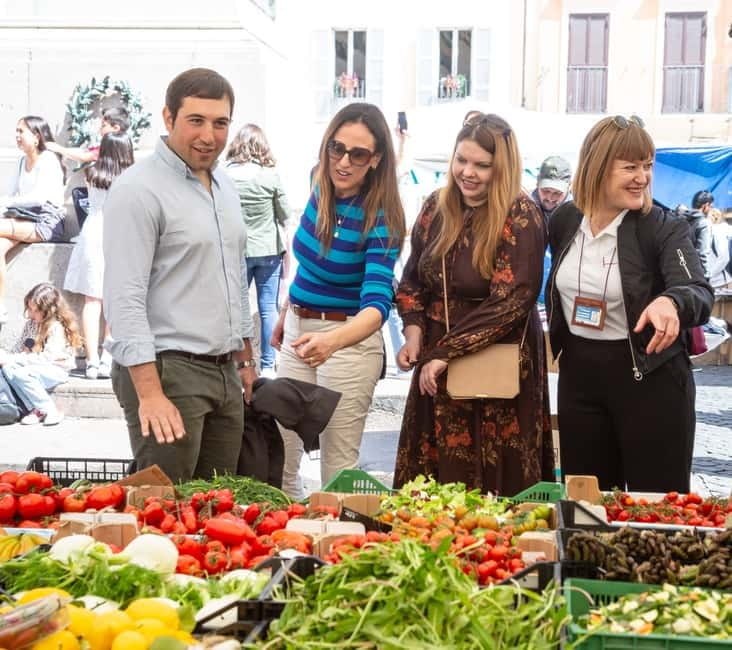
If you book a morning tour, Campo de’ Fiori becomes a bigger part of the experience than it is for afternoon groups. You get a food market visit (about 25 minutes), and you sample Italian products that go beyond standard tourist tastings.
Morning tours can include a tasting flight of olive oil, truffle, and vinegar flavors. That’s a smart addition because it teaches your palate what those ingredients actually taste like in real life—not as vague “fancy extras.”
You also experience the market atmosphere as a place to shop, not just a background for photos. You’ll see how locals and vendors shape what ends up on tables nearby.
If you’re the kind of person who likes to understand why food tastes the way it does, this is the part that sticks. Even if you don’t buy anything, it helps you later when you’re deciding what to order at a Roman sandwich shop or ordering gelato flavors without second-guessing yourself.
More hours among the great piazzas
Roman Street Food You’ll Actually Want to Repeat
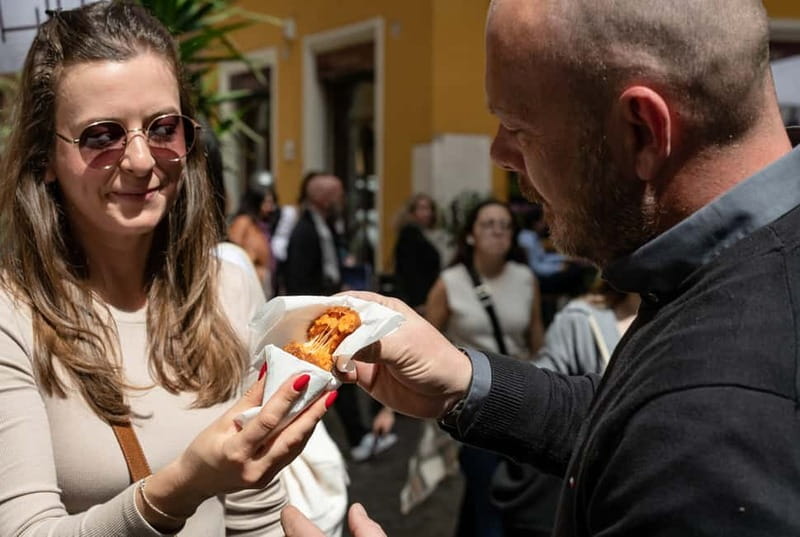
The heart of the tour is the eating. You’re not just nibbling—you’re sampling a sequence that covers salty, fried, cheesy, and sweet.
Here’s how it typically reads as a meal in five tastings:
- Panini with porchetta: tender pork flavor in a handheld format that feels like a Rome lunch tradition
- Supplì: crispy fried rice balls, a signature Roman bite that’s impossible to fake at home
- Roman-style pizza: slices that reflect Rome’s preference for familiar comfort, not elaborate staging
- Fried artichokes (Carciofo alla Giudia): one of the most specific Roman specialties you can put on a map
- Artisanal gelato: a final sweet stop that lands after you’ve already learned what the city expects you to taste
The best part for value: this is paced like a proper sit-down meal without you needing a reservation. If you like the idea of returning to Rome and repeating a favorite bite, start by paying attention to which texture you loved most—crispy supplì, fried artichoke, or the creamy finish of gelato. Your future dinner choices get easier after that.
Also, vegetarian options are available. If you eat meat normally, you’ll still get the full Roman feel, but vegetarian guests aren’t left behind.
Carciofo alla Giudia in the Jewish Ghetto: The Right Bite at the Right Time
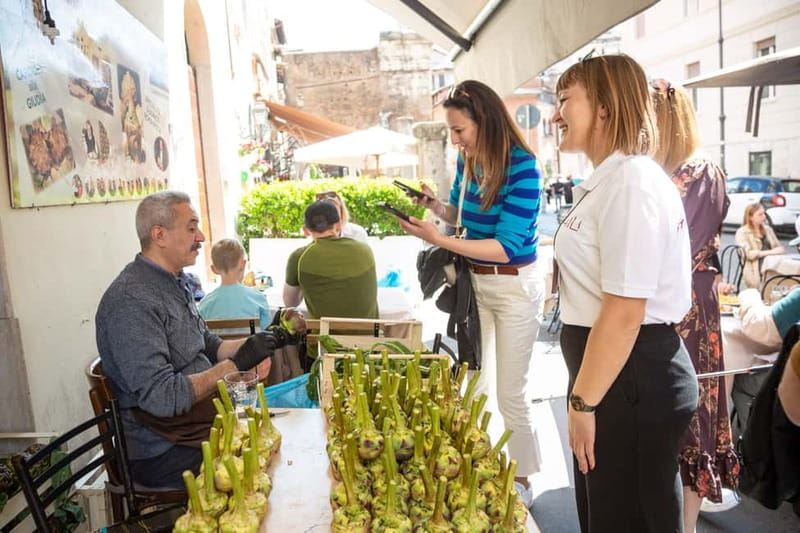
The tour’s most distinctive specialty comes in the Jewish Ghetto area: Carciofo alla Giudia, the famous fried artichoke. It’s not just a tasty item. It’s a food with clear identity—fried, golden, and strongly flavored in the way Roman street food often is.
You’ll walk the ghetto area and stop near key reference points like Portico d’Ottavia. Seeing this neighborhood in motion matters because you’re not only eating a dish—you’re connecting the dish to a place that shaped community life for centuries.
One thing I’d plan for: fried specialties can be intense if you have a sensitive stomach. The tour includes multiple fried items, so go in knowing you’ll likely want a slower gelato finish instead of racing for another snack afterward.
Landmark Connections: Julius Caesar, Teatro Marcello, and Largo di Torre Argentina
This tour does a good job using history as wayfinding. You don’t just hear dates; you walk through places linked to major moments.
You’ll pass Teatro Marcello and then move toward Largo di Torre Argentina, a site tied to Julius Caesar’s assassination. That story hits harder when you can look at the surrounding streets and imagine how power and public life played out in this exact zone of Rome.
You’ll also pass spots like Piazza and Passetto del Biscione and the Turtle Fountain, which gives the walk texture. Those are the kinds of landmarks you’ll recognize later, and you’ll understand why locals point to them.
Finally, the route brings you by the Pantheon. That’s a great moment because it anchors your walk with one of Rome’s most famous sights—without forcing you to stop for an all-day ticketed visit.
Gelato Finale at Gunther Gelateria: Ending on a High Note
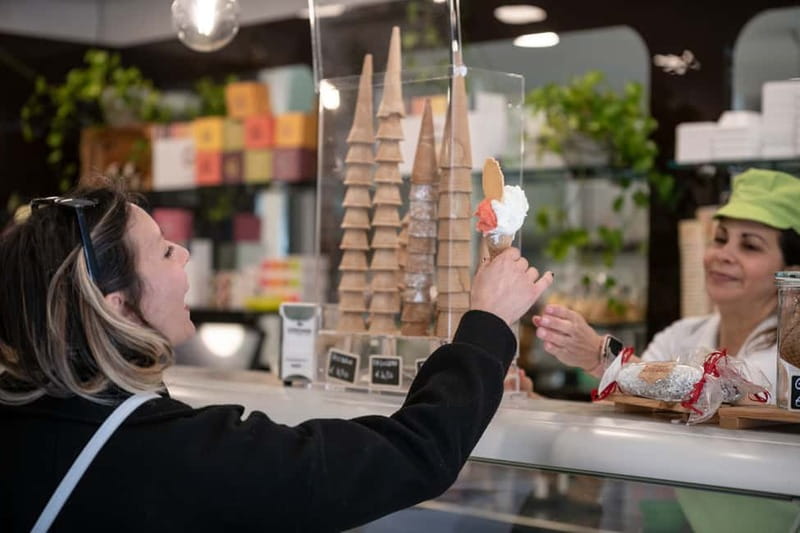
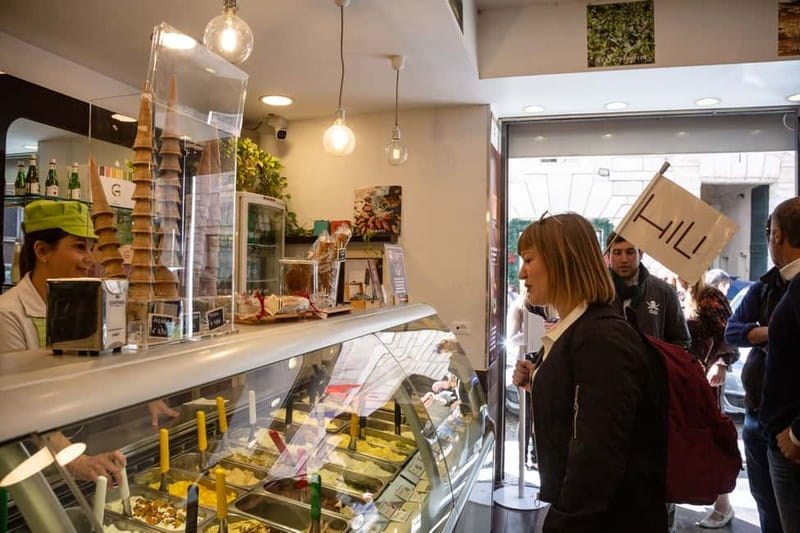
The tour wraps with dessert at Gunther Gelateria, with a dessert tasting stop of about 10 minutes. This is exactly the right ending: you’ve already eaten savory Roman staples, and the gelato gives you a clean sweet reset.
Artisanal gelato works better as a finale than as a random mid-walk snack. You’re fresh enough to taste, and you get to compare flavors after you’ve already trained your palate on salty and fried bites earlier.
If you want a smart strategy: take one gelato portion during the tour and then save your second round for later that day or the next night. You’ll know your favorite style by then, and you won’t be guessing.
Price and Value: Does $50 Buy Enough Food?
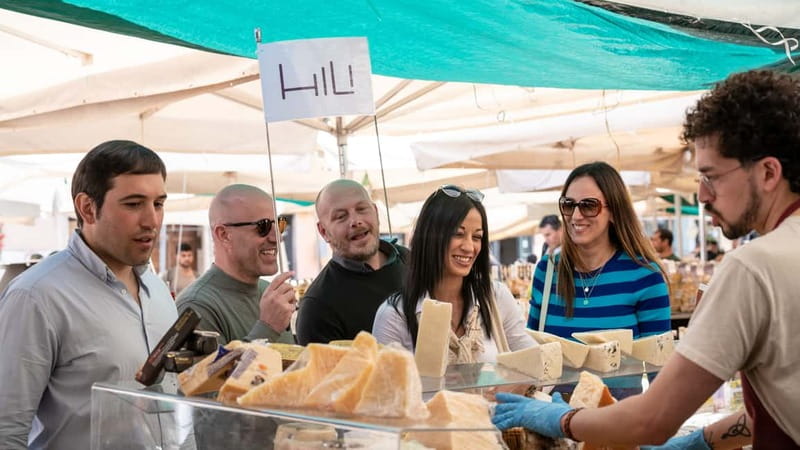
At about $50 per person for 2.5 hours, the real question isn’t just cost. It’s whether you get enough variety and enough quantity to replace at least one meal plan.
This tour includes five tastings, and the lineup is strong: porchetta panini, supplì, Roman pizza, fried artichoke, and gelato. That mix covers multiple textures and flavor styles: crispy, savory, cheesy, vegetal, and creamy.
Also, your walking route is tied to meaningful stops and landmark pass-bys, including the ghetto area and sites tied to Julius Caesar. You’re not just paying for food—you’re paying for someone to connect the “why” to the “what.”
A simple rule: if you usually eat lunch out plus dessert, this tour often cuts down how much you need later. Come hungry, but don’t schedule a heavy dinner right after. You’ll likely already feel satisfied.
Who This Tour Is Perfect For (and Who Should Skip It)
This experience is a good fit if you want Rome through its street food and historic neighborhoods, and you like a guide who keeps the pace moving without running you ragged. It’s especially useful on a first day in the city because you’ll cover central landmarks and learn how to order Roman classics.
You’ll also appreciate it if you enjoy both food and stories. The route includes history points like Julius Caesar’s assassination site, and the guide connects those moments to what you’re tasting.
Who should think twice:
- Vegans: the tour is not suitable for them
- People with gluten intolerance: it’s not suitable
- Anyone expecting a light snack tour: it’s more like a meal spread over a walk
Dietary needs are taken seriously—let the provider know about allergies and dietary restrictions when booking. And vegetarian options are available, so you won’t have to sit out the fun.
Practical Tips So You Get the Most From Your Walk
I recommend you treat this like a food-first plan:
- Eat lightly beforehand. The tour is designed to leave you full, and you don’t want to waste the tastings by starting already stuffed.
- Plan around no drinks being included. Carry water if you tend to get thirsty while walking.
- If you want the market experience and the extra flavor tasting (olive oil, truffle, vinegar), choose the morning tour.
Also, the guide is fluent in English and Portuguese, and the tour is wheelchair accessible. Small groups or private options are available, which can help if you prefer a quieter pace.
FAQ
How long is the Rome Eat Like a Roman Ghetto and Campo de’ Fiori Food Tour?
It lasts about 2.5 hours.
Where is the meeting point for the tour?
Your guide waits by the fountain in the middle of Piazza di San Simeone.
What food tastings are included?
Included tastings are panini with porchetta, supplì, Roman-style pizza, fried artichokes (Carciofo alla Giudia), and artisanal gelato. Morning tours can also include olive oil, truffle, and vinegar tasting.
Are there vegetarian options?
Yes. Vegetarian options are available.
Is the tour vegan-friendly?
No. It is not suitable for vegans.
Are drinks included?
No. Drinks are not included.
Do morning tours include the Campo de’ Fiori market?
Yes. The market visit at Campo de’ Fiori and the olive oil/truffle/vinegar tasting are for morning tours only.
What major landmarks are part of the walk or pass-by route?
You’ll walk through the Campo de’ Fiori and Jewish Ghetto areas, and you’ll pass by or near places including Teatro Marcello, Portico d’Ottavia, Largo di Torre Argentina, and the Pantheon.
What languages does the guide speak?
The guide speaks Portuguese and English.
Is the tour wheelchair accessible?
Yes, the tour is wheelchair accessible.
Should You Book This Rome Food-and-History Tour?
Yes, book it if you want a focused 2.5-hour hit of Roman classics—supplì, porchetta panini, pizza, fried artichokes, and gelato—plus meaningful neighborhood context in Campo de’ Fiori and the Jewish Ghetto. It’s also a strong choice for a first-night plan because you leave with both full plates and a better map of central Rome.
Skip it if you’re vegan or need gluten-free food. And if you’re trying to keep costs tight, this tour’s value hinges on the tastings replacing a meal—so come hungry, choose the morning slot for the market and extra flavor tasting, and let the guide do the ordering work for you.
More Roman Tables Worth Booking
- Winner 2025 Rome Twilight Trastevere Food Tour by Eating Europe
★ 5.0 · 5,157 reviews - Rome: Street Food Tour with Local Guide
★ 4.8 · 4,077 reviews - Rome Food Tour: Unlimited Tastings with Fine Wine & Barolo
★ 5.0 · 3,365 reviews - Rome Food Tour: Campo de’ Fiori, Ghetto, Trastevere Winner 2024
★ 5.0 · 3,205 reviews - Rome: Guided Food Walking Tour with Wine in Trastevere
★ 4.9 · 3,105 reviews - Rome: Trastevere Food tour with Free-Flowing Fine Wine
★ 5.0 · 2,853 reviews
More of Rome's Grand Piazzas
- 3 in 1 Cooking Class near Navona: Fettuccine, Ravioli & Tiramisu
★ 5.0 · 7,376 reviews - Rome Food Tour: Campo de’ Fiori, Ghetto, Trastevere Winner 2024
★ 5.0 · 3,205 reviews - Rome: Trastevere & Campo de Fiori Street Food Walking Tour
★ 4.9 · 2,768 reviews - Enjoy Spritz and Pasta Making in Piazza Navona
★ 5.0 · 1,681 reviews - Rome: Pasta & Tiramisu Cooking Class near the Spanish Steps
★ 4.8 · 1,395 reviews - Rome: Traditional Pizza Cooking Class near Piazza Navona
★ 4.7 · 1,241 reviews
More Around the Jewish Ghetto
- Rome Food Tour: Campo de’ Fiori, Ghetto, Trastevere Winner 2024
★ 5.0 · 3,205 reviews - Jewish Ghetto and Trastevere Tour Rome
★ 4.5 · 1,729 reviews - Jewish Ghetto and Synagogues with Jewish Roman Guide 3 Hours
★ 5.0 · 907 reviews - Jewish Ghetto & Piazza Navona: Food, Wine & Sightseeing Rome Tour
★ 5.0 · 460 reviews - Rome: Food & Wine Tour of Campo de Fiori, Ghetto, Trastevere
★ 4.8 · 413 reviews - Jewish Ghetto and Campo Dè Fiori By Night Food, Wine and Sightseeing Tour
★ 5.0 · 302 reviews
Just added to our Rome reviews

Piazza Navona & Spanish Steps Tours, compared.
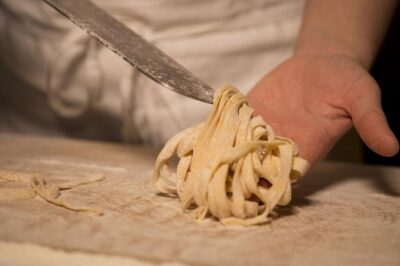 ★ 5.03 in 1 Cooking Class near Navona: Fettuccine, Ravioli & TiramisuFrom $837,376 reviews
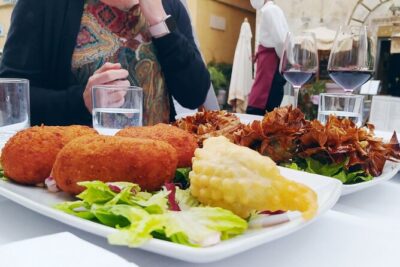 ★ 5.0Rome Food Tour: Campo de’ Fiori, Ghetto, Trastevere Winner 2024From $883,205 reviews
 ★ 4.9Trastevere & Campo de Fiori Street Food Walking TourFrom $512,768 reviews
 ★ 5.0Enjoy Spritz and Pasta Making in Piazza NavonaFrom $901,681 reviews
 ★ 4.8Pasta & Tiramisu Cooking Class near the Spanish StepsFrom $581,395 reviews
 ★ 4.7Traditional Pizza Cooking Class near Piazza NavonaFrom $461,241 reviews
 ★ 5.0Pasta Cooking Class in Rome – Fettuccine Class in Piazza NavonaFrom $671,037 reviews
 ★ 5.0Pizza Cooking Class in Rome – Near Piazza NavonaFrom $671,001 reviews
Browse the lists this tour appears in