
Reviewed · ROME COOKING CLASSES
Private Cooking Class in the Heart of Rome 3 types of Pasta and Wine
A rolling pin in Rome beats another museum day. This private, chef-led class teaches you how to make handmade pasta the Italian way, then you sit down to eat your results with wine. One heads-up: the cooking location may be outside the most historic “center” zones, so plan for a bit of transit time.
You’ll focus on real technique (including how to use the pasta machine), not just a demo. I like that you leave with skills you can repeat at home, plus a clear paper-and-digital reminder of the steps. If you’re tightly scheduled and hate any extra moving around, that’s the main thing to think through first.
In This Review
- Key Highlights to Know Before You Go
- Why This Private Pasta Class Feels Like Real Rome
- Chef Christian’s Workshop: Fettuccine, Gnocchi, and Cavatelli
- Fettuccine: learning the pasta-machine basics
- Gnocchi: shaping with purpose
- Cavatelli and sauce flexibility
- What you’ll take home
- Trastevere Stops: Santa Maria in Trastevere and a Neighborhood Stroll
- Why the basilica stop matters
- Why the Trastevere stroll works
- A drawback to plan around
- The Meal Part: Bruschetta, Your Pastas, Wine, and Dessert
- Starter: two seasonal bruschettas
- Main: three first-course pastas
- Wine pairing (and the Italy 18+ rule)
- Dessert of your choice
- A possible extra: small gelato at the end
- Private Group Dynamics: Why You’ll Learn More Than You Expect
- The chef’s teaching style
- Photos, videos, and recipe book
- Gluten-Free and Dietary Needs: What’s Actually Covered
- Location and Getting There: Meeting Point vs. “Center of Rome”
- Timing: What 2.5 Hours Feels Like in Practice
- Price and Value: Is $94.92 a Good Deal?
- Potential Downsides and How to Plan Around Them
- The location may be less central than you imagine
- Walking time before you cook
- You will eat a lot
- Should You Book This Rome Cooking Class with Chef Christian?
- FAQ
- What does the class include?
- How long is the cooking class?
- Is the tour private?
- Is the class offered in English?
- Do they offer gluten-free options?
- Is wine included, and is there an age rule?
- Where is the meeting point?
- Can I cancel for a refund?
- Is the venue near public transportation, and are service animals allowed?
Key Highlights to Know Before You Go
- Chef Christian teaches by technique, including how to work dough and use a pasta machine the right way
- You make multiple pastas from scratch: fettuccine, gnocchi, and cavatelli (with sauces you help dress)
- Wine pairing is part of the meal, and the drinking age rule is respected in Italy
- Small/private group feel means you get real attention while you cook
- You can get a gluten-free course, depending on the option chosen
- You’ll likely receive photos/videos and a recipe book after the class to help you cook again later
Why This Private Pasta Class Feels Like Real Rome
Rome has no shortage of food experiences. This one works because it’s not just about eating pasta—it’s about making it. You’re in a real cooking rhythm: dough, shaping, sauce decisions, then the payoff at the table.
I also like the “no language barrier” advantage. The class is offered in English, and Chef Christian walks you through what to do step-by-step. That matters when you’re learning something hands-on like gnocchi, where small changes can affect texture.
One more practical point: you’re paying for a complete meal, not only a short cooking show. You get starters, multiple pasta courses, wine, water, bread, and a homemade dessert—so the value makes sense for a 2.5-hour block.
More aprons-on time in a Roman kitchen
- 3 in 1 Cooking Class near Navona: Fettuccine, Ravioli & Tiramisu
★ 5.0 · 7,376 reviews - Rome: Pasta & Tiramisu Class with Fine Wine by the Vatican
★ 4.9 · 4,852 reviews - Rome: Pasta Making Class with Wine, Limoncello, and Dessert
★ 4.9 · 3,177 reviews - Rome Cooking Class: Make Pasta and 3 Spritz Cocktails
★ 5.0 · 2,937 reviews
Chef Christian’s Workshop: Fettuccine, Gnocchi, and Cavatelli
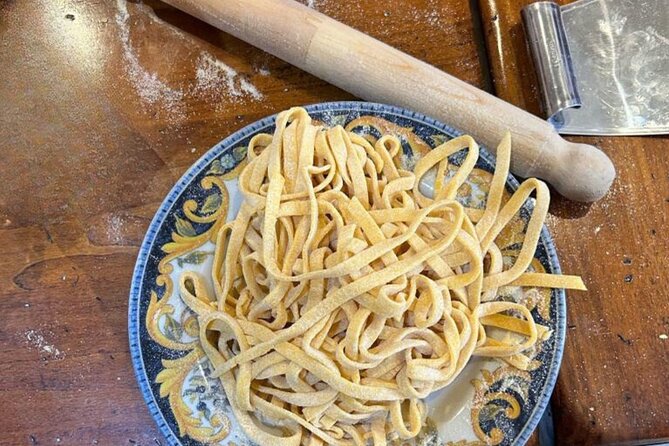
The core of the experience is a guided workshop where you learn how Italian handmade pasta comes together. You’ll work on fettuccine and gnocchi, and you’ll also enjoy a third pasta course at the meal stage.
Fettuccine: learning the pasta-machine basics
You’ll learn how to best use the pasta making machine, not just press buttons and hope. The chef shows what to look for while rolling—thin enough, even enough, and consistent. The big win here is confidence: once you understand how the dough behaves as it goes through the machine, you can recreate it later.
Gnocchi: shaping with purpose
Gnocchi sounds simple until you’re standing there with dough on your hands. This is where a good instructor pays off. Christian’s style is patient and slow enough to let you actually understand the dough and the process, not just follow instructions.
Worth a look next to this Rome booking:
Cavatelli and sauce flexibility
At the meal, you’ll also have cavatelli as one of the three “first course” dishes. For sauces, the key detail is choice: you can select dressings from their traditional Italian options. That’s a smart way to keep things feeling personal, especially if your group has different tastes.
What you’ll take home
One standout detail from past participants: Christian documents the main steps and sends photos/videos after. He also provides a recipe book. That’s not just nice—it’s practical. When you recreate the pasta later, you won’t rely on memory alone.
Trastevere Stops: Santa Maria in Trastevere and a Neighborhood Stroll
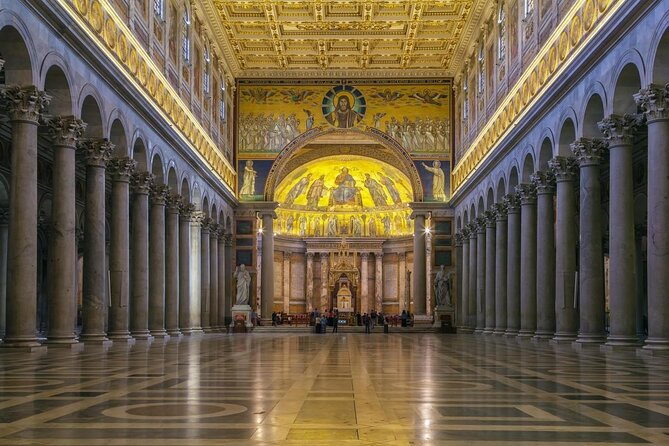
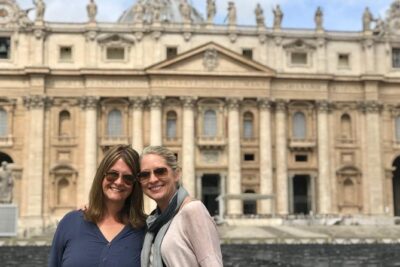
The experience includes two Roman stops that connect food to place. You’ll visit Basilica di Santa Maria in Trastevere and spend time in Trastevere.
Why the basilica stop matters
This is a quick, grounding pause. You’re not being overwhelmed with facts; you’re getting your bearings in a neighborhood that’s tightly tied to Roman daily life and food culture. Even if you’ve been to Rome before, the basilica stop gives your day a “you’re in the real place” feeling.
Why the Trastevere stroll works
Trastevere is the kind of district that helps you shift from sightseeing mode to eating mode. As you walk through the area, you’re surrounded by the everyday side of Rome—street scenes, small eateries, and that cozy neighborhood energy that makes a cooking class feel more meaningful.
A drawback to plan around
Comfortable shoes matter. You’ll likely do some walking around the sights before you settle into the kitchen. If you arrive already tired, the cooking part will feel harder than it needs to.
The Meal Part: Bruschetta, Your Pastas, Wine, and Dessert
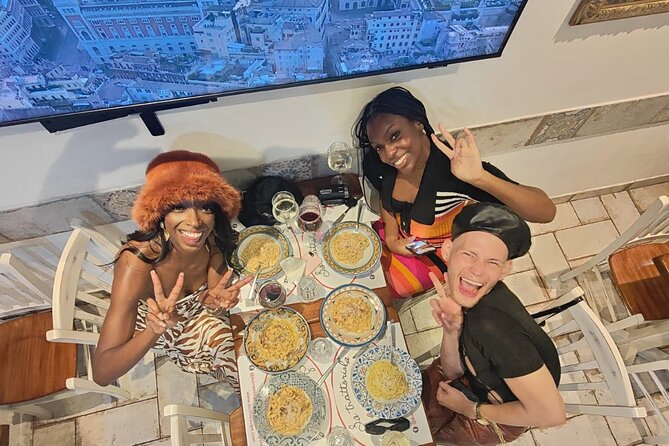
The “eat what you made” payoff is real here. After the hands-on work, you sit down for a full meal built around your pasta creations.
Starter: two seasonal bruschettas
You start with two bruschettas based on the season. That seasonal angle is worth paying attention to because it keeps the food from feeling generic. It also gives you a tasty warm-up while you finish cooking and get ready to taste.
Main: three first-course pastas
You’ll enjoy three first courses as part of the meal:
- fettuccine
- gnocchi
- cavatelli
Even better, these dishes come with dressing choices among traditional Italian sauces. So you’re not stuck with one set flavor profile for everyone in the group.
Wine pairing (and the Italy 18+ rule)
Wine is included with the meal, along with water and bread. If anyone in your group isn’t of legal drinking age in Italy (18), they won’t be served alcohol. It’s handled clearly, which makes it easier to plan your evening—especially with teens.
Dessert of your choice
You end with homemade dessert, and you pick from what’s offered that day. That final course is the kind of simple ending that helps you leave satisfied without feeling like you’re paying for a long, slow restaurant meal.
A possible extra: small gelato at the end
One past experience included tasting gelato from a local shop (Simone). It’s not listed as a formal guarantee in the basic description, so treat this as a pleasant bonus if your session includes it.
Private Group Dynamics: Why You’ll Learn More Than You Expect
This is a private tour/activity, meaning only your group participates. That changes the learning curve.
When you’re one of a small group (or just you and the chef), you’re not stuck waiting your turn while everyone else watches. You get feedback on dough texture, rolling thickness, and sauce decisions as you go. It’s also easier to ask follow-up questions like why one dough feels different or what went wrong when something doesn’t behave.
The chef’s teaching style
Christian’s approach is hands-on and unhurried. He demonstrates techniques, then lets you do the work. Multiple people noted how he took time to explain properly without rushing. That matters because pasta-making isn’t only about ingredients; it’s about feel.
Photos, videos, and recipe book
The documentation is a real value-add. You’ll have a reference after the class, which helps you avoid the classic problem: you remember how fun it was, but not the details that make it work at home.
Gluten-Free and Dietary Needs: What’s Actually Covered
Rome is famous for great food, but diets can complicate travel. Here, you have an explicit gluten-free option available: they mention a GLUTFREE course and also accommodate dietary requirements.
That’s important because the pasta itself is the sensitive part. If you can’t eat traditional wheat pasta, you’ll still get to participate in the core making process rather than just watching while others cook.
If you have dietary needs beyond gluten-free (vegetarian, allergies, etc.), you should confirm them at booking so the chef can plan the menu appropriately.
Location and Getting There: Meeting Point vs. “Center of Rome”
One of the most common practical issues with Rome tours is the difference between marketing words and reality. The meeting point is at Via Ardeatina, 237, and the experience ends back there.
Your day also includes Trastevere-area stops, so you should expect you won’t be spending the whole time inside one single tiny pocket of central Rome. A past participant experienced the kitchen location being farther out than expected, even though the class itself was excellent. The takeaway for you: build flexibility into the schedule and don’t assume everything will be in the most walkable historic blocks.
On the plus side, the class venue is described as being inside the Appia Antica Archaeological Park, which can feel calmer and more spacious than a crowded city-center setup. And the area is said to be well connected by public transport.
Timing: What 2.5 Hours Feels Like in Practice
Plan for about 2 hours and 30 minutes total. Inside that window, you’ll do two phases:
1) cooking workshop (including use of the pasta machine and shaping)
2) shared meal (bruschetta, three pasta first courses, wine, dessert)
If you’re thinking of stacking another activity the same day, try to leave a buffer. You’ll likely finish the meal full, and pasta slows you down in the best way.
Price and Value: Is $94.92 a Good Deal?
At $94.92 per person, this isn’t a “pay $30 for a quick demo” class. The value comes from what’s bundled.
For your money, you get:
- a private, chef-led learning session in English
- multiple handmade pasta experiences
- sauces and dressings as part of the meal
- a complete meal (starter, three pasta courses, wine, bread, dessert)
If you’ve ever tried to replicate pasta at home, you know the hidden costs: flour, eggs, machine rental or purchase, and the time learning the technique. Here, you’re paying to compress the learning curve and remove the guesswork.
So yes, the price is fair if you want both the cooking skill and the full meal experience. If you’re only looking to taste pasta and skip the hands-on part, you’d probably get better value elsewhere.
Potential Downsides and How to Plan Around Them
Nothing is perfect, so here are the realistic considerations.
The location may be less central than you imagine
Even with Trastevere stops, the cooking facility can be outside the most classic historic core. If you dislike transit time, plan your day so you’re not rushing between distant points.
Walking time before you cook
The Trastevere/basilica portion means time on your feet. If you have mobility constraints, ask about the route and total walking distance at booking.
You will eat a lot
This is a “come hungry” kind of class. One family-style experience emphasized doing it with an empty stomach for a reason. If you plan to do dinner plans afterward, you’ll likely skip them—or share.
Should You Book This Rome Cooking Class with Chef Christian?
I’d book it if you want:
- a hands-on pasta-making session with real instruction
- multiple pasta types (fettuccine, gnocchi, plus cavatelli on the menu)
- an English-led experience that reduces stress
- a meal that includes wine, bread, and dessert, so you don’t scramble for food afterward
- a private format where you can ask questions and get feedback
I might skip it if:
- your schedule is too tight and you hate any added travel time during the day
- you’re not interested in learning technique and only want a quick tasting
Best move: if you care about where exactly the kitchen will be relative to your hotel, ask when you book. Clarify how the Trastevere stops connect to the cooking location. That one step helps you avoid surprises and lets you focus on the fun part—rolling dough and learning how Italian pasta really works.
FAQ
What does the class include?
The experience includes a workshop where you learn to make handmade pasta (fettuccine and gnocchi), then you eat what you made. The meal includes bruschettas, three first-course pastas, wine, water, bread, and a homemade dessert of your choice.
How long is the cooking class?
It’s approximately 2 hours 30 minutes.
Is the tour private?
Yes. It’s a private tour/activity, so only your group participates.
Is the class offered in English?
Yes, it’s offered in English.
Do they offer gluten-free options?
Yes. A gluten-free course is available, and accommodations for dietary requirements are mentioned.
Is wine included, and is there an age rule?
Wine is included. Participants under the legal drinking age in Italy (18) will not be served alcoholic beverages.
Where is the meeting point?
The start is Via Ardeatina, 237, 00179 Roma RM, Italy, and the activity ends back at the meeting point.
Can I cancel for a refund?
Yes. Free cancellation is available up to 24 hours in advance for a full refund.
Is the venue near public transportation, and are service animals allowed?
Service animals are allowed, and the location is near public transportation.
More Private in Rome
- Rome by Golf Cart Private Tour: Beyond the Landmarks
★ 5.0 · 4,361 reviews - Early Morning Vatican, Sistine, St. Peter’s Semi or Private Tour
★ 5.0 · 3,779 reviews - Rome on a Golf Cart Semi-Private Tour Max 6 with Private Option
★ 5.0 · 2,502 reviews - Rome Private Arrival Transfer: Fiumicino Airport to Hotel in Rome
★ 4.5 · 2,492 reviews - Rome Highlights by Golf Cart Private Tour
★ 5.0 · 2,379 reviews - Private Pompeii, Positano & Amalfi coast Tour from Rome
★ 4.5 · 1,888 reviews
More Tour Reviews in Rome
- Vatican Museums, Sistine Chapel & St. Peter’s Basilica Tour
★ 4.3 · 73,970 reviews - Vatican Museums, Sistine Chapel & St Peter’s Basilica Guided Tour
★ 4.5 · 39,149 reviews - Rome: Colosseum, Palatine Hill and Roman Forum Guided Tour
★ 4.8 · 32,814 reviews - Rome: Guided Tour of Colosseum, Roman Forum & Palatine Hill
★ 4.7 · 27,897 reviews - Rome: Colosseum & Forum with Audio Guide App -Optional Arena
★ 4.2 · 24,770 reviews - Rome: Colosseum, Roman Forum and Palatine Hill Guided Tour
★ 4.5 · 23,903 reviews
Learn Another Roman Dish
- 3 in 1 Cooking Class near Navona: Fettuccine, Ravioli & Tiramisu
★ 5.0 · 7,376 reviews - Rome: Pasta & Tiramisu Class with Fine Wine by the Vatican
★ 4.9 · 4,852 reviews - Rome: Pasta Making Class with Wine, Limoncello, and Dessert
★ 4.9 · 3,177 reviews - Rome Cooking Class: Make Pasta and 3 Spritz Cocktails
★ 5.0 · 2,937 reviews - Rome: 3-in-1 Fettuccine, Ravioli, and Tiramisu Cooking Class
★ 4.9 · 2,704 reviews - Rome: Fettuccine Pasta Cooking Class in Rome’s City Center
★ 4.8 · 2,414 reviews
Just added to our Rome reviews





Rome Cooking Classes, compared.
 ★ 5.03 in 1 Cooking Class near Navona: Fettuccine, Ravioli & TiramisuFrom $837,376 reviews
 ★ 4.9Pasta & Tiramisu Class with Fine Wine by the VaticanFrom $414,852 reviews
 ★ 4.9Pasta Making Class with Wine, Limoncello, and DessertFrom $483,177 reviews
 ★ 5.0Rome Cooking Class: Make Pasta and 3 Spritz CocktailsFrom $992,937 reviews
 ★ 4.93-in-1 Fettuccine, Ravioli, and Tiramisu Cooking ClassFrom $812,704 reviews
 ★ 4.8Fettuccine Pasta Cooking Class in Rome’s City CenterFrom $462,414 reviews
 ★ 5.0Learn to Make Pasta & Tiramisu with Wine and Limoncello IncludedFrom $542,345 reviews
 ★ 5.0Become a Masterchef in Rome: Pasta, Ravioli and Tiramisù ClassFrom $472,156 reviews
Browse the lists this tour appears in