
Reviewed · ROME COOKING CLASSES
Farmer’s Market and Pasta Making with Italian Wine
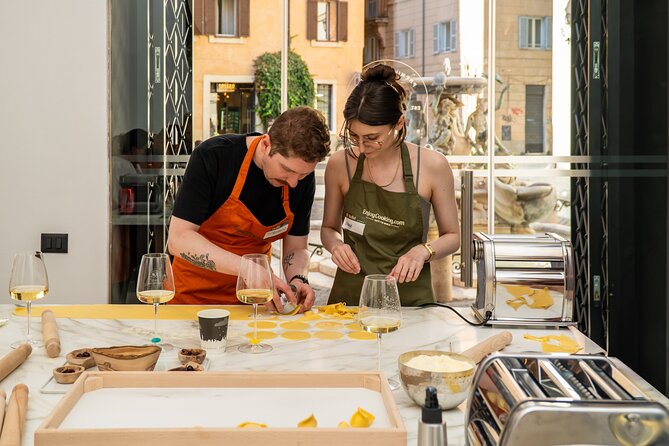
Food hits different when you buy it first. This Rome class pairs a morning at Campo de’ Fiori with hands-on pasta and a sit-down finish with Italian wine. You also get a small-group rhythm, so you’re not just watching from the sidelines.
What I like most is how the day starts like a real routine: market stops for meats, cheeses, and bread, then your ingredients turn into dinner. I also like that the kitchen time is guided closely, with personal help as you shape ravioli and make a traditional dessert from scratch. One possible drawback to consider: you’re in active cooking mode for about four hours, and hotel pickup isn’t included—so you’ll want to plan to reach the meeting point easily.
In This Review
- Key highlights at a glance
- Where Campo de’ Fiori fits into your Rome day
- The market shopping: meats, cheese, bread, and the Roman logic
- The walk to Piazza Mattei and why the location counts
- In the kitchen: small-group attention and a real class pace
- Handmade ravioli: the core skill you’ll actually take home
- The meal finish: wine, wine pairing energy, and real satisfaction
- Price and value: what you’re really paying for
- Logistics that can make or break your day
- Who this class is best for (and who might want something else)
- Should you book this pasta-making and market experience?
- FAQ
- Where does the experience start?
- How long is the class?
- Is hotel pickup included?
- What group size should I expect?
- What language is the class offered in?
- What will I make during the cooking class?
- Is wine included?
- Is there a meal after cooking?
- What’s the cancellation policy?
- What’s included in the price?
Key highlights at a glance
- Campo de’ Fiori market start for fresh ingredients and Roman food know-how
- Small group (max 12) for real chef attention, not a big group lecture
- Handmade ravioli + traditional dessert made from scratch
- Premium cooking equipment plus a kitchen set-up designed for classes
- Wine throughout and a sit-down meal so you actually enjoy what you make
Where Campo de’ Fiori fits into your Rome day
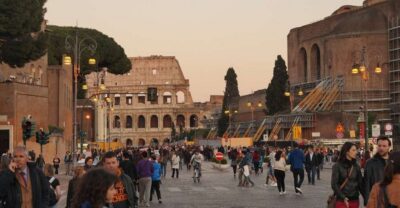
Campo de’ Fiori is one of those places where you can feel Rome working at street level—people buying daily staples, vendors doing their thing, and the area’s energy pulling you along. Starting your experience here (meeting at Monumento a Giordano Bruno, Piazzo Campo de’ Fiori, 00186 Roma) matters because it changes the whole vibe from tourist-food to food that has a story.
The best part is the practical sequence. You’re not learning recipes in the abstract. You’re selecting ingredients in the morning, and then you carry that taste into the kitchen later. That’s exactly the kind of “I can do this later” learning that sticks after your trip.
Also, with a class language offering English, you can focus on the technique and the why, not on translation fatigue.
More aprons-on time in a Roman kitchen
- 3 in 1 Cooking Class near Navona: Fettuccine, Ravioli & Tiramisu
★ 5.0 · 7,376 reviews - Rome: Pasta & Tiramisu Class with Fine Wine by the Vatican
★ 4.9 · 4,852 reviews - Rome: Pasta Making Class with Wine, Limoncello, and Dessert
★ 4.9 · 3,177 reviews - Rome Cooking Class: Make Pasta and 3 Spritz Cocktails
★ 5.0 · 2,937 reviews
The market shopping: meats, cheese, bread, and the Roman logic
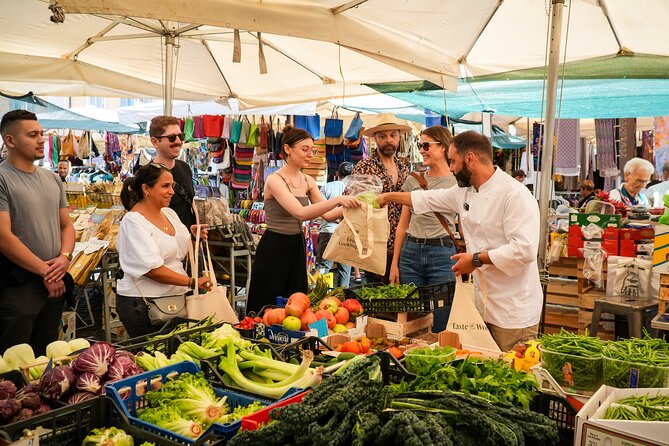
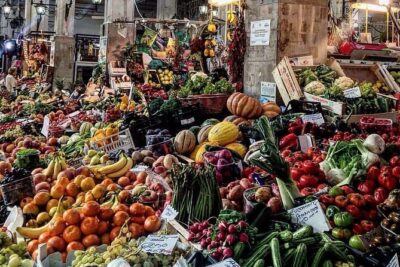
The class begins with an expert leader showing you around Campo de’ Fiori’s history and how Romans think about meals. Then comes the shopping part that feels like the heart of the day: you’ll pick ingredients that shape what you cook and how it tastes.
From the supplied details, you’ll shop for items tied to Roman favorites, including:
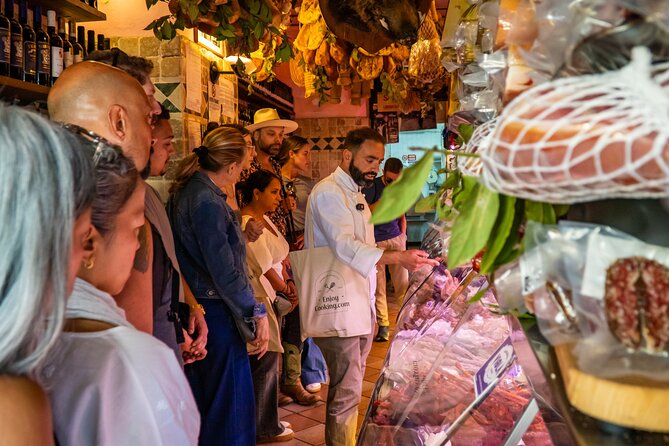
- Meats and cheeses from Norcineria Viola
- Bread from Forno Campo de’ Fiori
- Plus vegetables and other market staples as part of the ingredient planning
Why this matters: Roman cooking tends to lean on a few ingredients done well, with strong flavors and smart simplicity. When you help choose the butcher’s meat, the cheese type, and the bread, you start understanding how a dish gets built. You’re also learning what to look for later if you try to recreate the meal back home.
If you’re the type who likes to eat local without playing guesswork, this market segment gives you a shortcut. You’ll leave knowing which shops to seek out on your next walk through Rome, and you’ll have a clearer sense of what those choices change on a plate.
The walk to Piazza Mattei and why the location counts
After the market, you head toward the kitchen near the Turtle Fountain in the Jewish Ghetto at Piazza Mattei. This is a smart shift in setting. It moves you from a lively food market to a classroom kitchen environment where you can slow down and focus.
That neighborhood around Piazza Mattei is also a reminder that Rome isn’t one single “Rome.” You’re getting food and place working together—Roman markets, then a historic area that’s close enough to feel connected, not staged.
One more plus: the kitchen is described as stunning in the feedback, and being near Piazza Campo de’ Fiori also helps keep the day from turning into nonstop wandering. You’ll still move between stops, but you won’t spend the whole experience crossing town.
In the kitchen: small-group attention and a real class pace
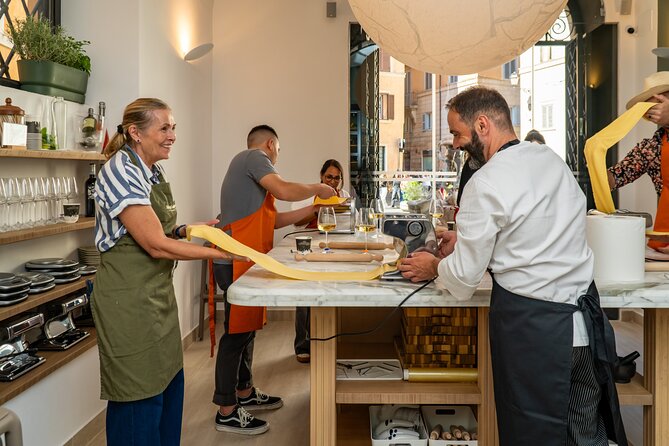
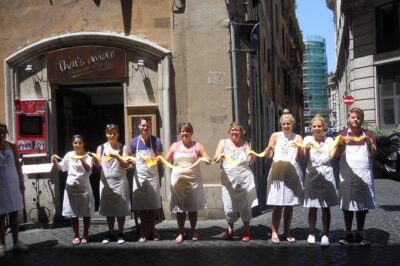
This is a maximum of 12 travelers setup, which changes everything. With a big crowd, pasta classes become a show: you watch, you hope, you move on. With this group size, you get the sense that the chef is actually tracking what you’re doing.
Two guide names come up in the feedback: Alessandro and Max. Both are described as warm and welcoming, with the kind of humor that lowers the pressure when your first ravioli sheet won’t be perfect. That’s important, because pasta-making can feel intimidating—until someone helps you through it step by step.
The class also includes premium cooking equipment, which you’ll appreciate the moment you start shaping dough. Better tools mean less frustration and more time learning the technique instead of fighting with a machine that doesn’t quite cooperate.
Timing is also clear: the experience runs about 4 hours, with the market segment early and the cooking and meal later. If you’re planning the rest of your day, you’ll want to protect enough time afterward for lingering, dessert sampling, or a slow stroll.
Worth a look next to this Rome booking:
Handmade ravioli: the core skill you’ll actually take home
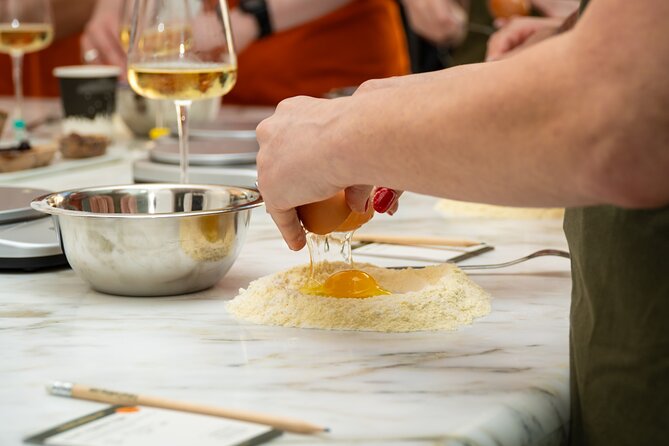
The main cooking goal is creating handmade pasta and ravioli with guided instruction. That hands-on focus is what turns this from a “meal experience” into a real food skill.
Ravioli is a great choice for beginners because you get fast feedback. You see how dough stretches, how filling spreads, and how pressing and sealing affect the result. Even if you’re not an experienced cook, you learn by doing—and because it’s a class, you’re not doing it alone.
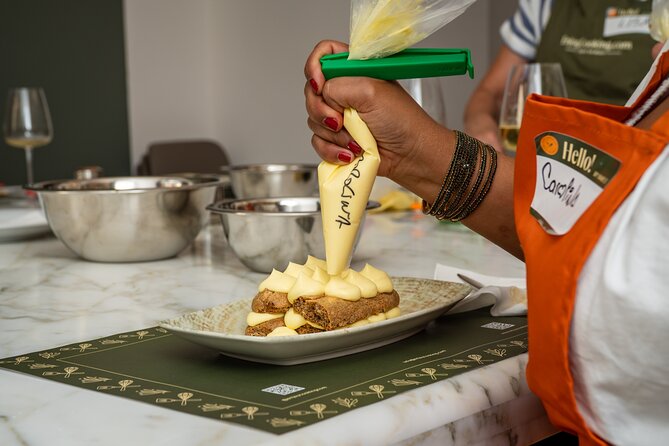
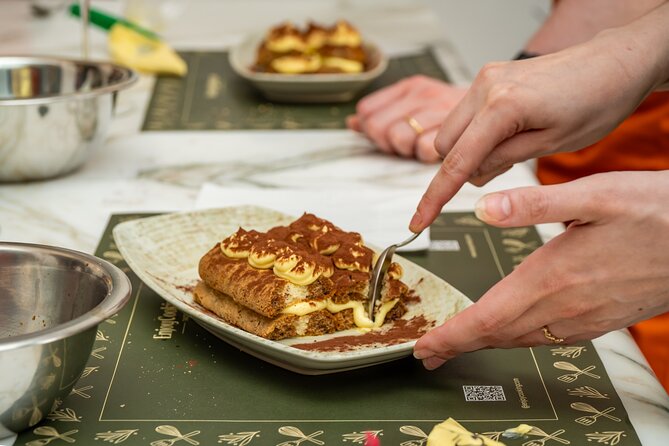
You’ll also be making more than just one item. The details point to crafting handmade ravioli and a traditional Italian dessert from scratch, and the overall meal experience is designed to let you enjoy what you made rather than leaving immediately afterward.
One practical tip for you: if you tend to rush when you’re nervous, slow down early. Pasta dough and shaping are more forgiving than they feel if you take a steady approach—especially with a chef guiding you.
The meal finish: wine, wine pairing energy, and real satisfaction
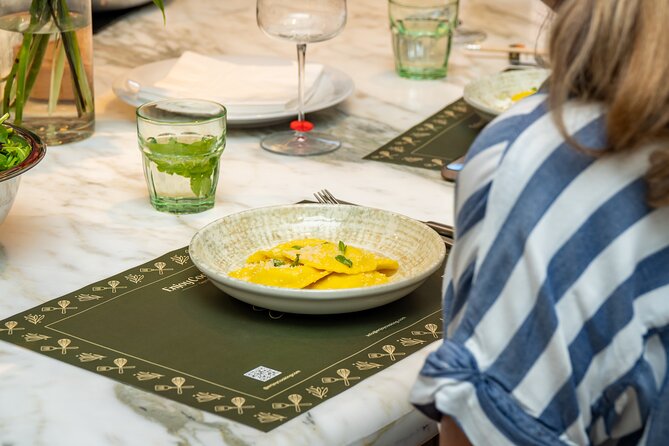
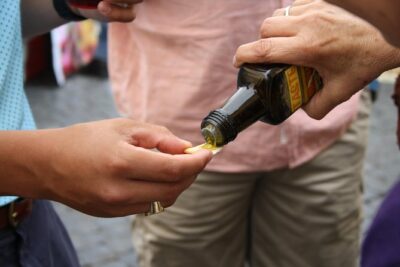
Your cooking culminates in a sit-down meal where you get to savor what you made, and you’ll have fine Italian wine throughout the experience.
In the feedback, the final meal includes examples like:
- Veal cotoletta, salad, and tiramisu
- Other classes described making gelato, suppli, and pizza
Because menus can vary, it’s smart to think of the meal as a Roman-style spread built around what you’re preparing: pasta-focused mains plus dessert, often with market-driven add-ons. That’s also why the day feels abundant without being chaotic. You’re not paying extra just to get a few bites; you’re there to cook and then eat well.
Wine throughout is part of the social tone too. It can help the class feel like dinner with friends who happen to be teaching you how to make it. Just remember this is alcohol included, so keep an eye on how much you drink if you have more walking planned that day.
Price and value: what you’re really paying for
At $150.51 per person for about 4 hours, the price is not “cheap,” but it also isn’t just paying for a seat at a restaurant. You’re paying for:
- Local expert chef guidance
- Premium cooking equipment
- Fresh, high-quality ingredients
- A market experience where you actively shop for your meal
- Fine Italian wine throughout
- A sit-down meal after cooking
- A small group size (max 12), which affects how much attention you get
If you’ve done other Rome food activities before, here’s the value lens: this one stacks multiple components—market, cooking, and eating—into one block of time. You’d normally pay separately for a guided market visit, private cooking help, and a plated meal. Here, they’re bundled in a way that makes sense.
Also, the experience tends to get booked ahead (it averages 43 days in advance). That’s a sign of demand, but it’s also your reminder to lock in your preferred day if your schedule is tight.
Logistics that can make or break your day
The start time is 9:45 am, and the meeting point is at Monumento a Giordano Bruno in Campo de’ Fiori. The activity ends back at the meeting point.
Two practical considerations from the details:
- No hotel pickup and drop is included, so you should plan to get there on your own.
- It’s near public transportation, which helps a lot if you’re using Rome’s transit or you prefer to walk parts of the city.
There’s also a mobile ticket, so you can keep everything simple and show up without hunting for paperwork.
If you’re doing this on a travel day, give yourself extra buffer. Markets move fast in the morning, and you’ll want a calm arrival so you can start shopping and tasting right away.
Who this class is best for (and who might want something else)
This is a strong match if you want:
- A hands-on food activity that teaches technique, not just a tasting menu
- A small-group setup where you can ask questions and get help shaping dough
- A classic Roman workflow: market → kitchen → meal
It’s also described as working well for beginners and even families, mainly because the chef makes the steps feel manageable and the class format is playful. If you’ve never made pasta, you won’t be the only one starting from zero.
You might want to consider another option if you:
- Don’t want to cook at all and prefer purely observational experiences
- Need a fully seated, low-activity tour (this is active)
- Are hoping for a fully guided route that includes pickup from your hotel
Should you book this pasta-making and market experience?
Yes, if you want an experience that’s more than just eating in Rome. This one gives you the full cycle: you shop for the ingredients at Campo de’ Fiori, then you turn them into handmade ravioli and a traditional dessert from scratch, and you finish with a sit-down meal plus wine throughout.
Book it especially if you like learning through doing and you enjoy food that feels tied to place. The small group size, the strong chef personalities (Alessandro or Max), and the guided market choices make it a great value for what you get.
If you hate morning starts, or you’re hoping for a passive activity, you may feel a bit “on the clock.” But if you’re excited to make your own Roman meal and actually take the skills home, this is the kind of day you’ll remember long after the dough dries.
FAQ
Where does the experience start?
It starts at Monumento a Giordano Bruno, Piazzo Campo de’ Fiori, 00186 Roma RM, Italy, at 9:45 am.
How long is the class?
The experience lasts about 4 hours.
Is hotel pickup included?
No. Hotel pickup and drop-off are not included.
What group size should I expect?
This activity has a maximum of 12 travelers.
What language is the class offered in?
The experience is offered in English.
What will I make during the cooking class?
You’ll make handmade pasta and ravioli, plus a traditional Italian dessert from scratch.
Is wine included?
Yes. Fine Italian wine is included throughout the experience.
Is there a meal after cooking?
Yes. You’ll enjoy a sit-down meal after the class to eat what you prepared.
What’s the cancellation policy?
You can cancel for a full refund if you cancel at least 24 hours before the experience’s start time.
What’s included in the price?
Included items are local expert chef guidance, fine Italian wine, premium cooking equipment, fresh ingredients, the market experience, and the sit-down meal. Tips are not included.
More Shopping Tours in Rome
- Rome: Colosseum, Roman Forum & Trajan’s Market Exterior Tour
★ 4.3 · 2,038 reviews - Roman Food Tour with Visit to the Trionfale Food Market
★ 5.0 · 471 reviews - Authentic Roman Cooking Class & Market Experience
★ 5.0 · 363 reviews - Trevi Fountain, Pantheon, and Campo Dei Fiori Market Food and Wine Tour
★ 5.0 · 320 reviews - Rome: Pasta Cooking Class with Market Visit and Wine
★ 4.9 · 277 reviews - Rome: Food Tour with Market Visit
★ 4.9 · 200 reviews
More Tour Reviews in Rome
- Vatican Museums, Sistine Chapel & St. Peter’s Basilica Tour
★ 4.3 · 73,970 reviews - Vatican Museums, Sistine Chapel & St Peter’s Basilica Guided Tour
★ 4.5 · 39,149 reviews - Rome: Colosseum, Palatine Hill and Roman Forum Guided Tour
★ 4.8 · 32,814 reviews - Rome: Guided Tour of Colosseum, Roman Forum & Palatine Hill
★ 4.7 · 27,897 reviews - Rome: Colosseum & Forum with Audio Guide App -Optional Arena
★ 4.2 · 24,770 reviews - Rome: Colosseum, Roman Forum and Palatine Hill Guided Tour
★ 4.5 · 23,903 reviews
Learn Another Roman Dish
- 3 in 1 Cooking Class near Navona: Fettuccine, Ravioli & Tiramisu
★ 5.0 · 7,376 reviews - Rome: Pasta & Tiramisu Class with Fine Wine by the Vatican
★ 4.9 · 4,852 reviews - Rome: Pasta Making Class with Wine, Limoncello, and Dessert
★ 4.9 · 3,177 reviews - Rome Cooking Class: Make Pasta and 3 Spritz Cocktails
★ 5.0 · 2,937 reviews - Rome: 3-in-1 Fettuccine, Ravioli, and Tiramisu Cooking Class
★ 4.9 · 2,704 reviews - Rome: Fettuccine Pasta Cooking Class in Rome’s City Center
★ 4.8 · 2,414 reviews
Just added to our Rome reviews





Rome Cooking Classes, compared.
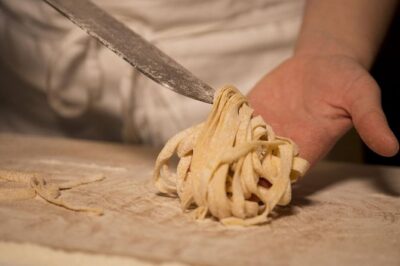 ★ 5.03 in 1 Cooking Class near Navona: Fettuccine, Ravioli & TiramisuFrom $837,376 reviews
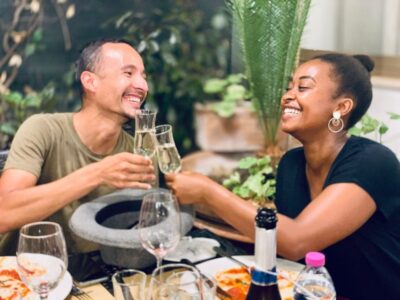 ★ 4.9Pasta & Tiramisu Class with Fine Wine by the VaticanFrom $414,852 reviews
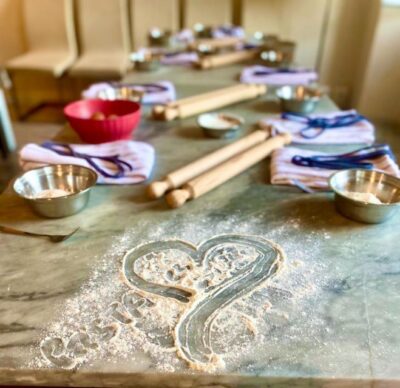 ★ 4.9Pasta Making Class with Wine, Limoncello, and DessertFrom $483,177 reviews
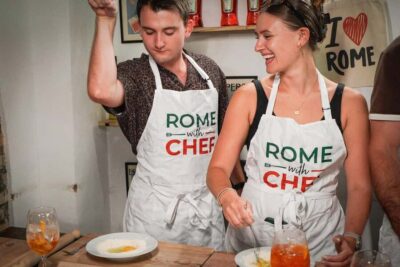 ★ 5.0Rome Cooking Class: Make Pasta and 3 Spritz CocktailsFrom $992,937 reviews
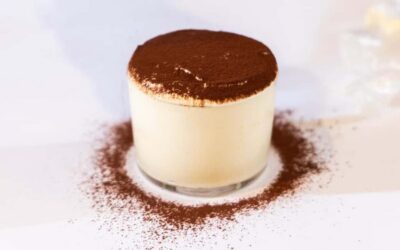 ★ 4.93-in-1 Fettuccine, Ravioli, and Tiramisu Cooking ClassFrom $812,704 reviews
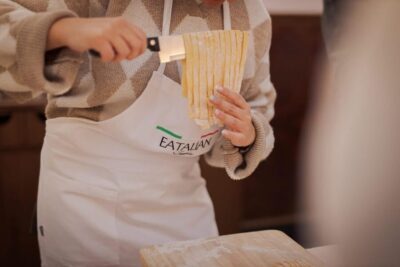 ★ 4.8Fettuccine Pasta Cooking Class in Rome’s City CenterFrom $462,414 reviews
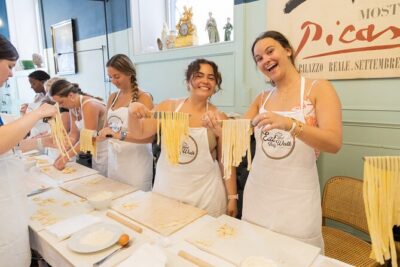 ★ 5.0Learn to Make Pasta & Tiramisu with Wine and Limoncello IncludedFrom $542,345 reviews
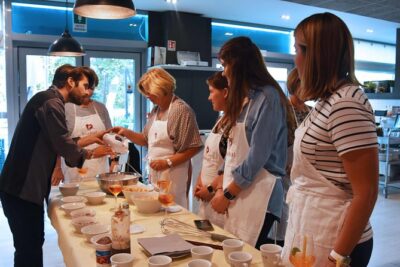 ★ 5.0Become a Masterchef in Rome: Pasta, Ravioli and Tiramisù ClassFrom $472,156 reviews
Browse the lists this tour appears in