
Reviewed · ROME COOKING CLASSES
Rome: Pasta Cooking Class with Market Visit and Wine
Fresh pasta starts at a neighborhood market. This Rome class pairs a walking market stop with a hands-on pasta lesson in the Kitchen of Mamma, ending with a proper Italian-style meal and drinks.
I especially love the market-to-kitchen flow, because you’re shopping for real ingredients before you touch the dough. And I like that the teaching centers on process, not just results, with chefs like Marco (and sometimes Lucas) guiding your hands as you make multiple pasta shapes.
One consideration: it’s not suitable for gluten intolerance, so you’ll want to look elsewhere if you need strict gluten-free food.
In This Review
- Key highlights at a glance
- Entering the Nomentano Market Before the Cooking
- Kitchen of Mamma: Making Dough the Roman Way
- Pasta Shapes, Fillings, and Sauces: Expect Real Variety
- Lunch Results: Wine With Your Pasta, Then Coffee and Limoncello
- Who Leads the Class and Why It Feels Personal
- Price and Time: Is $103 Worth It for 4 Hours?
- Logistics That Help You Have a Better Time
- Who This Pasta Class Fits Best (and Who Should Skip It)
- Should You Book This Rome Pasta Cooking Class?
- FAQ
- Where is the meeting point?
- How long is the cooking class?
- What’s included in the price?
- What languages are spoken during the class?
- Do I need any cooking experience?
- Is the class suitable for gluten intolerance?
- What drinks will we have during the experience?
- Will we make more than one type of pasta?
Key highlights at a glance
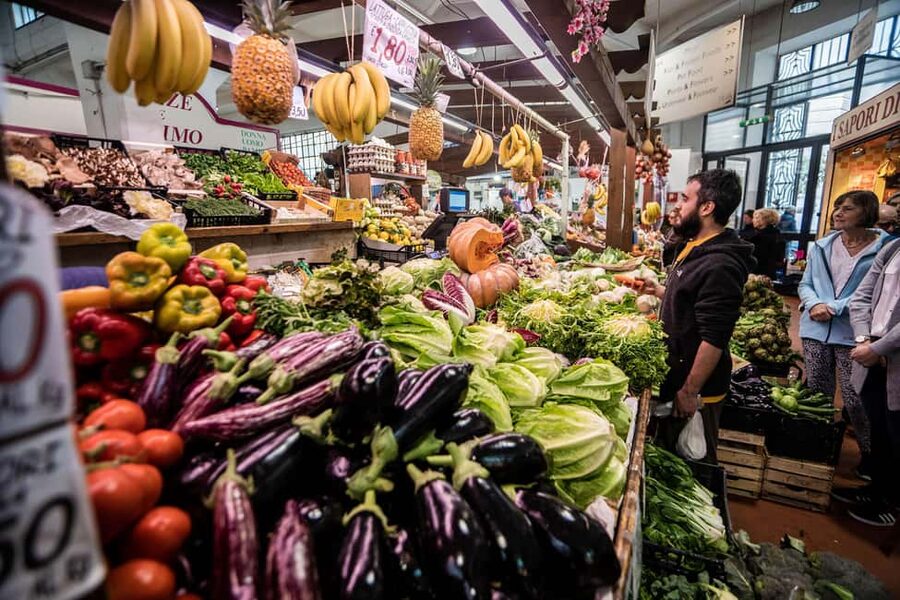
- Nomentano market walk: You see fresh, seasonal items up close before the cooking starts.
- Kitchen of Mamma lessons: Dough technique comes first, so everything you make afterward makes more sense.
- More than one pasta type: You’ll learn a range of pasta-making steps and shapes.
- Chef-led, English-friendly teaching: Instruction is available in English and Italian.
- Wine and a full finish: Lunch includes Italian wine, then coffee and limoncello wrap it up.
- Recipes and a participation certificate: You leave with take-home pasta know-how.
Entering the Nomentano Market Before the Cooking
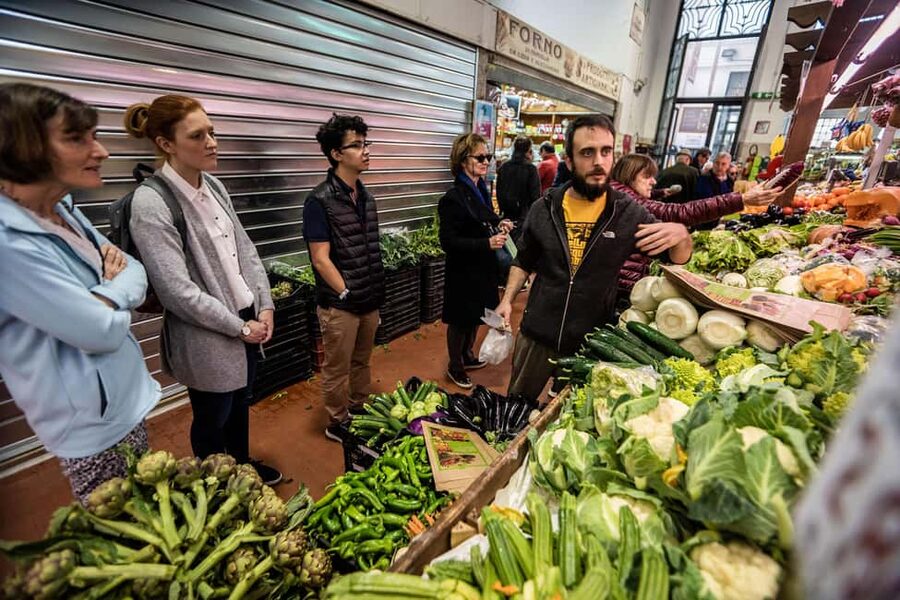
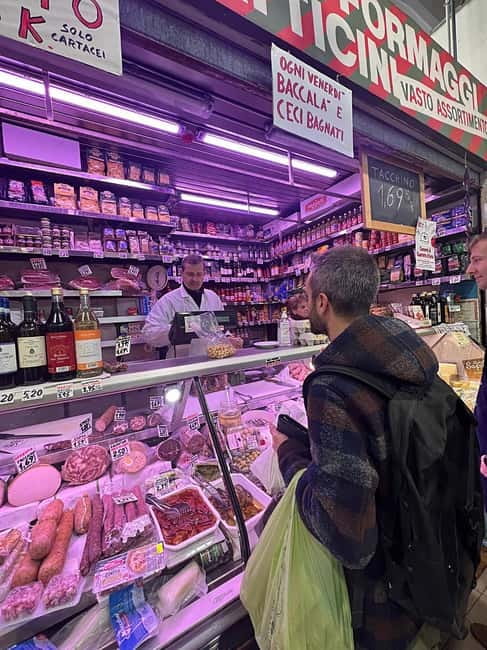
This experience starts the way good Italian meals start: with food shopping. You’ll meet at Via Palestro 51 (arrive at least 10 minutes early), then head out on a market stroll to Nomentano Market. The point is simple: you’re not just collecting ingredients—you’re learning how Italians think about choosing them.
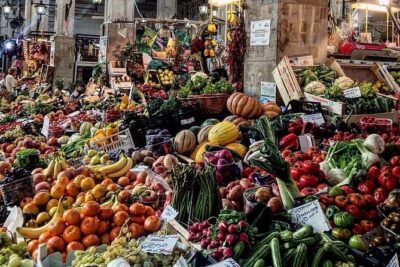
In the market, the chef/host focuses on freshness and seasonality. That matters because pasta isn’t only about flour and water. The sauce and fillings depend on what’s available, and the flavors you’ll taste later come from those choices. You also get a bonus layer of context while you walk—Roman and Italian stories often show up during the trip to the shops, which makes the whole morning feel connected to real daily life.
A practical tip: markets move fast. If you want to remember what you buy (or want to shop after class), bring a small tote and keep your phone charged for quick notes and photos of products you might want later.
More aprons-on time in a Roman kitchen
- 3 in 1 Cooking Class near Navona: Fettuccine, Ravioli & Tiramisu
★ 5.0 · 7,376 reviews - Rome: Pasta & Tiramisu Class with Fine Wine by the Vatican
★ 4.9 · 4,852 reviews - Rome: Pasta Making Class with Wine, Limoncello, and Dessert
★ 4.9 · 3,177 reviews - Rome Cooking Class: Make Pasta and 3 Spritz Cocktails
★ 5.0 · 2,937 reviews
Kitchen of Mamma: Making Dough the Roman Way
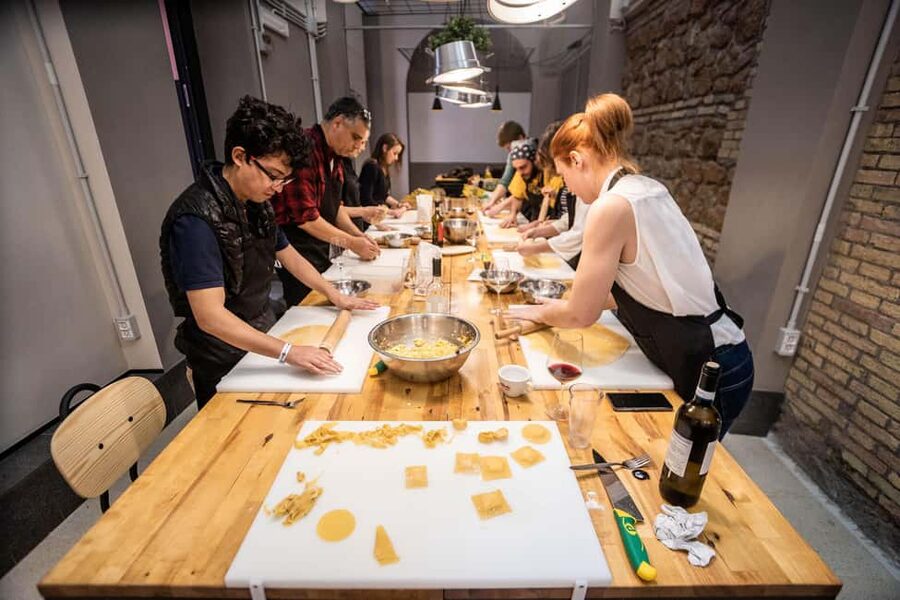
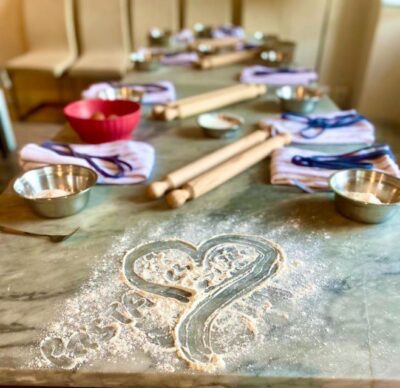
Back at the cooking space, called Kitchen of Mamma, the class shifts from shopping to technique. This is the part I’d recommend focusing on, because once you understand dough, everything after gets easier.
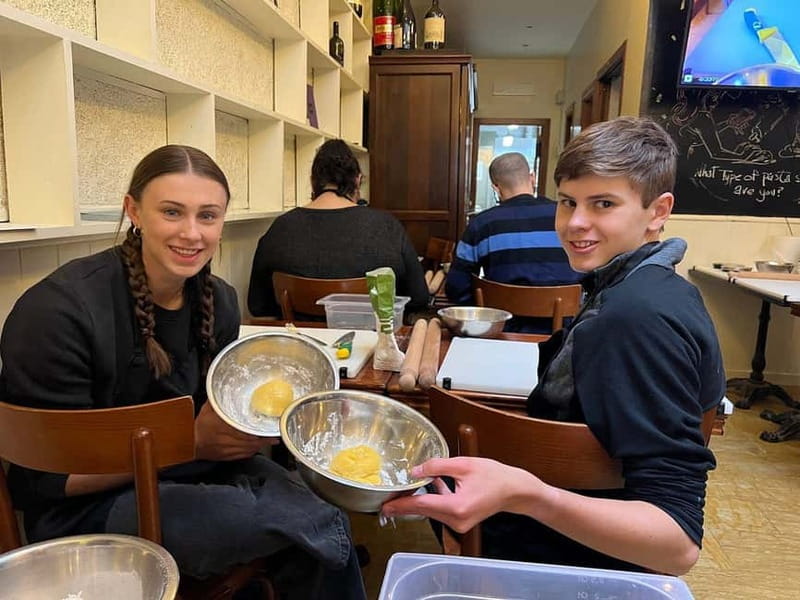
You’ll learn how to build a dough from scratch and how to work it until it behaves properly. The chef walks through the logic—how texture, handling, and timing affect the final pasta. In reviews, people mention very close attention at individual stations, not a hands-off demo. That’s a big deal in a cooking class: you want correction early, before one small mistake turns into a pile of sticky frustration later.
The class is designed for people with no prior skills. That doesn’t mean it’s slow or vague. It means the chef explains what matters, then checks your progress as you work. If you’re someone who learns by doing (and not by watching), this format fits well.
One more small but useful detail: you’re not only making pasta dough. You’ll also prepare fillings and sauces as part of the flow. That helps you see why pasta shapes pair with certain sauces and why fillings need the right balance of moisture and flavor.
Pasta Shapes, Fillings, and Sauces: Expect Real Variety
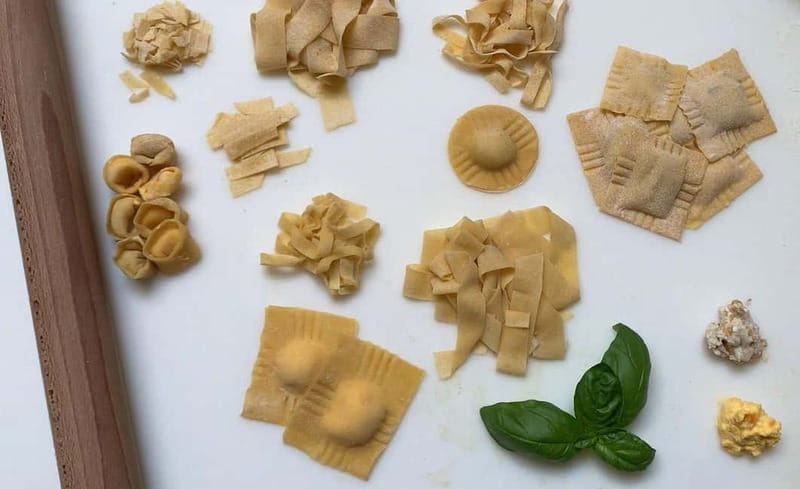
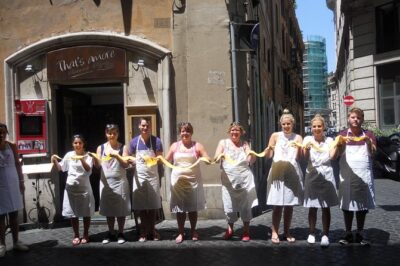
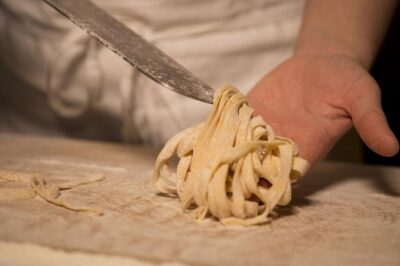
This is not a one-shape, one-sauce class where you learn the basics and call it done. The structure aims for variety, including multiple pasta types and techniques. Some participants specifically mention making things like ravioli and tortellini, plus learning different pasta cutting styles. Others talk about working with several fillings and sauces during the lesson.
Here’s what you should take away from that variety: you’ll practice the steps that matter across formats. For example, dough handling and thickness influence how pasta cooks. Filling prep affects how ravioli or stuffed shapes seal and taste. Sauce building ties it together—flavor, texture, and timing all come into play.
You’ll likely see the chef demonstrate, then guide you at your own station. Many people highlight the attention given to getting dough and shaping right, and that you aren’t just watching from the sidelines. If you’re hoping for the kind of class where you leave with techniques you can repeat at home, the focus on multiple steps is exactly what you want.
Diet notes: the class is not designed for gluten intolerance. If you have other dietary restrictions, it’s worth asking ahead of time. Reviews mention accommodation around ingredient choices (including situations where someone avoided pork or red meat), so communicate needs early so the chef can plan.
Lunch Results: Wine With Your Pasta, Then Coffee and Limoncello

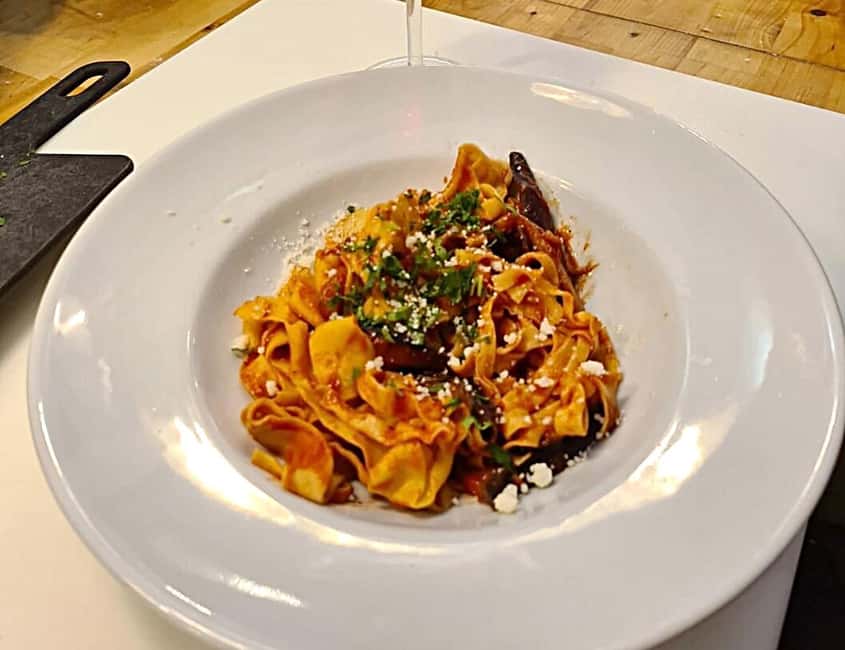
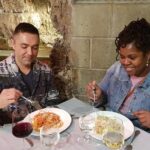
The best part of any cooking class is eating the outcome, and this one follows through. Lunch is served with pasta, plus a glass of Italian wine. The experience then finishes with coffee and limoncello.
This setup changes how you experience cooking. You’re not rushing to the end to be done. You get time to taste what you made, compare it to what the chef taught, and notice the difference that good ingredient choices make.
A small detail I appreciate: the meal is paced as part of the lesson, not just a food drop-off. That makes it easier to ask questions while everything is still fresh—like why a sauce reduced a certain way or what worked in your dough.
Drink note: wine is included, and limoncello comes at the end. If you’re pregnant or need alcohol kept minimal for personal reasons, the chef has shown flexibility in at least one instance by being attentive to what’s safe and how hydration is handled. Still, don’t assume every batch or situation will match your needs—tell the host what matters to you before you start.
Worth a look next to this Rome booking:
Who Leads the Class and Why It Feels Personal
The experience is hosted by Yellowsquare Rome, and the cooking is led by an Italian chef who teaches in English and Italian. In the reviews you provided, Marco is mentioned again and again as the guide and chef. Another review notes Lucas as the teacher, which suggests the role can vary by date.
What stands out across the accounts is teaching style: clear explanations, lots of patience, and a vibe that keeps people relaxed. That matters because pasta-making can intimidate beginners. If you feel comfortable, you try harder. If you try harder, you learn faster.
People also mention humor and warmth as part of the experience—Marco is described as funny and engaging, while still professional about technique. And there’s a practical side to that entertainment: when the chef builds trust, it’s easier to accept feedback on dough texture or shaping.
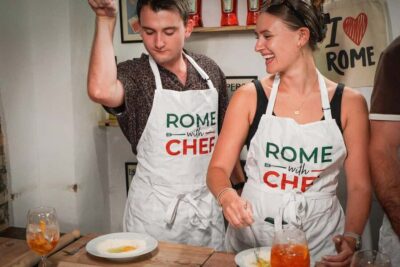
One more thing I’d call out: many reviews mention that each participant has an individual station and that the chef checks in during the process. That’s a strong sign the class isn’t purely performative. You’re meant to cook, not just observe.
Price and Time: Is $103 Worth It for 4 Hours?
The listed price is $103 per person, and the duration is 4 hours. At first glance, a cooking class can feel expensive—until you break down what you’re actually getting.
Here’s what’s included:
- Market walk with a local guide/chef
- Lunch with the pasta you make
- A glass of Italian wine
- Coffee and limoncello
- Participation certificate and pasta recipes
When you price it like an experience, not like a recipe sheet, it starts to make sense. You’re paying for ingredient selection guidance, hands-on instruction, and a full meal that uses your work. You’re also getting take-home tools (recipes) that help you reproduce what you learned.
About timing: while some classes are described as longer in general marketing language elsewhere, the format you provided is 4 hours. In practice, participants describe it as the kind of length that feels relaxed rather than exhausting. That’s important in Rome, where a “fun afternoon” can quickly turn into a long day if you overbook.
If you’re planning your itinerary, treat this as a high-value anchor activity. Don’t schedule it right before a museum tour that requires peak energy. After lunch and limoncello, you’ll probably want a slower walk afterward.
Logistics That Help You Have a Better Time
This class meets at Via Palestro 51, 00185 Rome. Plan to arrive at least 10 minutes early so you can settle in and start on time.
Language-wise, the instructor works in English and Italian. If you prefer one language, you can still enjoy the class if you know only basics. The cooking tasks are visual and hands-on, and that reduces the risk of language gaps.
Also, bring an open mind about pacing. You’ll be learning dough technique, then switching to fillings and sauces, then eating what you made. It’s a sequence designed to teach, taste, and repeat key steps rather than rush through everything.
Who This Pasta Class Fits Best (and Who Should Skip It)
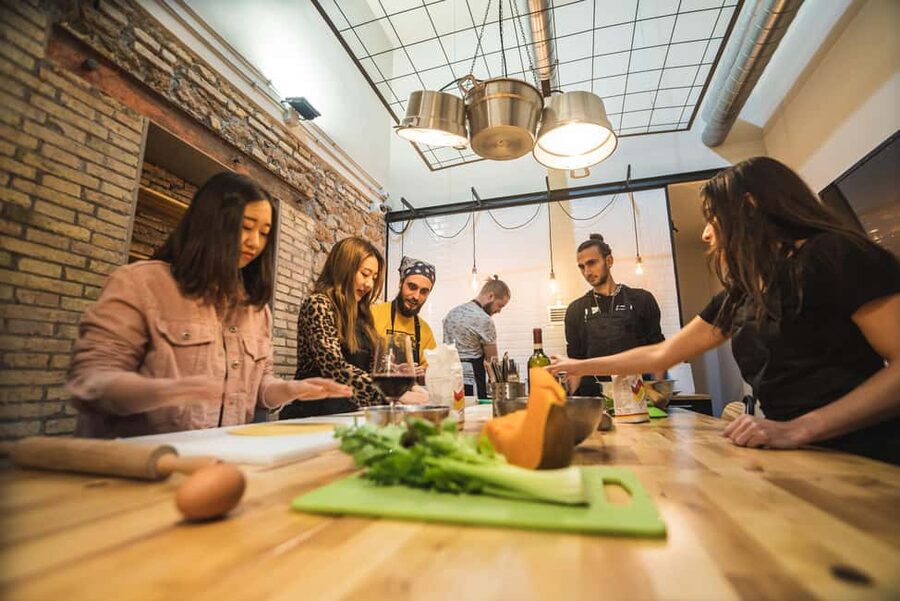
This experience is a strong match if you want:
- A hands-on Rome pasta cooking class (not just a tasting)
- A market stop so the meal starts with ingredient knowledge
- Multiple pasta shapes and sauce ideas, not one simple pasta clone
- A fun, beginner-friendly class led by an entertaining chef
It’s also a good fit if you learn best with individual attention. Reviews mention patience, check-ins, and correction at work stations. That’s exactly how beginners build confidence.
It’s not a good fit if you have gluten intolerance, since it’s explicitly listed as not suitable for that need.
If you’re traveling with someone who wants food authenticity but you want structure, this class blends both: you get local shopping and stories, then a clear cooking path that ends with lunch and drinks.
Should You Book This Rome Pasta Cooking Class?
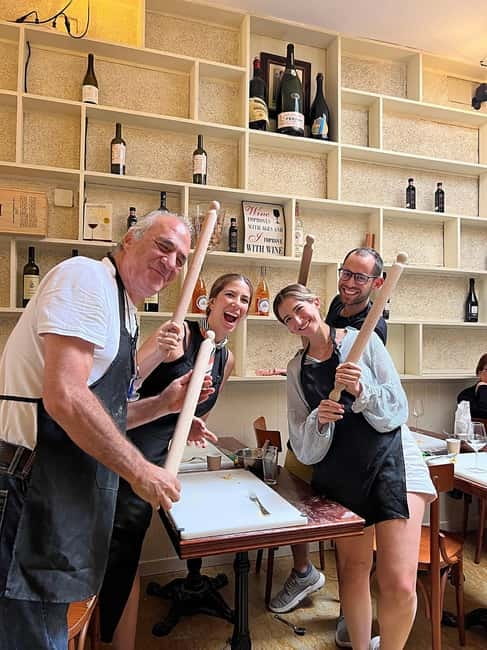
If you’re deciding between a simple pasta demo and a full market-to-meal experience, I’d lean toward booking this one. The best reason is the combination: market shopping + real dough technique + multiple pasta steps + a lunch finish with Italian wine, coffee, and limoncello.
Book it if:
- you want to leave with recipes you can actually try at home
- you enjoy learning by doing
- you like your Rome food experiences to connect to everyday ingredients
Skip it if:
- gluten intolerance is part of your needs
- you want a quiet, low-social vibe with zero drinks involved
Bottom line: for the price and the time, you’re paying for a complete, chef-led pasta day—not just a meal. If homemade pasta is high on your Rome priorities, this is one of the more satisfying ways to spend a morning or afternoon.
FAQ
Where is the meeting point?
You’ll meet at Via Palestro 51, 00185 Rome. Arrive at least 10 minutes before the activity starts.
How long is the cooking class?
The duration is 4 hours.
What’s included in the price?
It includes a walking tour of a local market, lunch with pasta, a glass of Italian wine, coffee and limoncello, plus a participation certificate and pasta recipes.
What languages are spoken during the class?
The instructor teaches in English and Italian.
Do I need any cooking experience?
No previous skills are required.
Is the class suitable for gluten intolerance?
No. The experience is listed as not suitable for people with gluten intolerance.
What drinks will we have during the experience?
You’ll have a glass of Italian wine with lunch, then coffee and limoncello at the end.
Will we make more than one type of pasta?
Yes. The experience is described as teaching traditional homemade pasta from scratch and learning multiple pasta types, with mentions of at least 5 different types in the class description.
More Shopping Tours in Rome
- Rome: Colosseum, Roman Forum & Trajan’s Market Exterior Tour
★ 4.3 · 2,038 reviews - Roman Food Tour with Visit to the Trionfale Food Market
★ 5.0 · 471 reviews - Authentic Roman Cooking Class & Market Experience
★ 5.0 · 363 reviews - Trevi Fountain, Pantheon, and Campo Dei Fiori Market Food and Wine Tour
★ 5.0 · 320 reviews - Rome: Food Tour with Market Visit
★ 4.9 · 200 reviews - Devour Rome Testaccio Market Food Tour
★ 5.0 · 180 reviews
More Tour Reviews in Rome
- Vatican Museums, Sistine Chapel & St. Peter’s Basilica Tour
★ 4.3 · 73,970 reviews - Vatican Museums, Sistine Chapel & St Peter’s Basilica Guided Tour
★ 4.5 · 39,149 reviews - Rome: Colosseum, Palatine Hill and Roman Forum Guided Tour
★ 4.8 · 32,814 reviews - Rome: Guided Tour of Colosseum, Roman Forum & Palatine Hill
★ 4.7 · 27,897 reviews - Rome: Colosseum & Forum with Audio Guide App -Optional Arena
★ 4.2 · 24,770 reviews - Rome: Colosseum, Roman Forum and Palatine Hill Guided Tour
★ 4.5 · 23,903 reviews
Learn Another Roman Dish
- 3 in 1 Cooking Class near Navona: Fettuccine, Ravioli & Tiramisu
★ 5.0 · 7,376 reviews - Rome: Pasta & Tiramisu Class with Fine Wine by the Vatican
★ 4.9 · 4,852 reviews - Rome: Pasta Making Class with Wine, Limoncello, and Dessert
★ 4.9 · 3,177 reviews - Rome Cooking Class: Make Pasta and 3 Spritz Cocktails
★ 5.0 · 2,937 reviews - Rome: 3-in-1 Fettuccine, Ravioli, and Tiramisu Cooking Class
★ 4.9 · 2,704 reviews - Rome: Fettuccine Pasta Cooking Class in Rome’s City Center
★ 4.8 · 2,414 reviews
Just added to our Rome reviews

Rome Cooking Classes, compared.
 ★ 5.03 in 1 Cooking Class near Navona: Fettuccine, Ravioli & TiramisuFrom $837,376 reviews
 ★ 4.9Pasta & Tiramisu Class with Fine Wine by the VaticanFrom $414,852 reviews
 ★ 4.9Pasta Making Class with Wine, Limoncello, and DessertFrom $483,177 reviews
 ★ 5.0Rome Cooking Class: Make Pasta and 3 Spritz CocktailsFrom $992,937 reviews
 ★ 4.93-in-1 Fettuccine, Ravioli, and Tiramisu Cooking ClassFrom $812,704 reviews
 ★ 4.8Fettuccine Pasta Cooking Class in Rome’s City CenterFrom $462,414 reviews
 ★ 5.0Learn to Make Pasta & Tiramisu with Wine and Limoncello IncludedFrom $542,345 reviews
 ★ 5.0Become a Masterchef in Rome: Pasta, Ravioli and Tiramisù ClassFrom $472,156 reviews
Browse the lists this tour appears in