
Reviewed · PIAZZA NAVONA & SPANISH STEPS TOURS
Authentic Pasta and Tiramisu Cooking Course in Spanish Steps
Fresh pasta beats packaged every time. This cooking class in Rome is a hands-on way to learn traditional Italian pasta and finish with a classic tiramisu you can replicate at home. You’ll cook with guided instruction and then sit down to eat what you made.
I especially like that the lesson is structured from flour to dough and on to a finished dish, so the skill is the point, not just sightseeing. I also like the warm, social feel reported from past sessions, including chef Ricardo’s fun, go-with-the-flow teaching style.
One consideration: the end-of-class meal can feel more like a tasting than a full dinner. If you’re expecting lots of extras, you may want to adjust your expectations.
In This Review
- Key Highlights You’ll Care About
- Rome Pasta and Tiramisu: What the Class Feels Like
- Finding V. della Croce 34 and Getting Started
- The Step-by-Step Pasta Lesson: Fettucine From Dough to Plate
- A Practical Expectation Check
- The Tiramisu Finish: A Personal Recipe, Then You Eat It
- What’s Included (and What’s Not) During the Cooking
- Chef Ricardo’s Role: Why the Teaching Style Matters
- Language, Timing, and Comfort Details That Affect Your Day
- Group Size: Why Max 20 Is a Big Deal for Learning
- Price and Value: Is $110.84 Worth It?
- Who Should Book This Pasta and Tiramisu Course
- Should You Book This Pasta and Tiramisu Class?
- FAQ
- How long is the pasta and tiramisu cooking course?
- What dishes will I make?
- Are sauces cooked during the class?
- Is the class taught in English?
- Where does the class meet in Rome?
- Can I cancel for a full refund?
Key Highlights You’ll Care About
- Hands-on pasta coaching focused on technique you can reuse back home
- Fettucine as the main pasta style, with steps from dough-making to cooking
- Tiramisu with a personal recipe, served as part of the class experience
- Sauces are not cooked during the class, so plan for a pasta-focused session
- Small group size (max 20) that keeps the pace friendly
- A certificate is part of the experience in some sessions
Rome Pasta and Tiramisu: What the Class Feels Like
This isn’t a “watch and snack” class. It’s built around doing the work: mixing, shaping, and cooking pasta, then working through tiramisu to the final sweet finish. The payoff is practical. You leave with a method you can repeat, not just a plate of food.
The class also fits well into a Rome trip. The duration runs about 2 hours 15 minutes, so it doesn’t swallow your day. And since it includes an eating moment at the end, you get a built-in break from walking and museum lines.
If you like learning by making, this is a good match. If you’re just chasing a big, formal dining experience, you might find it a little too straightforward.
More hours among the great piazzas
- 3 in 1 Cooking Class near Navona: Fettuccine, Ravioli & Tiramisu
★ 5.0 · 7,376 reviews - Rome Food Tour: Campo de’ Fiori, Ghetto, Trastevere Winner 2024
★ 5.0 · 3,205 reviews - Rome: Trastevere & Campo de Fiori Street Food Walking Tour
★ 4.9 · 2,768 reviews - Enjoy Spritz and Pasta Making in Piazza Navona
★ 5.0 · 1,681 reviews
Finding V. della Croce 34 and Getting Started
You’ll meet at V. della Croce, 34, 00187 Roma RM, Italy, and the activity ends back at the meeting point. That matters more than it sounds. In Rome, not having to plan a second transit leg can save time and stress.
The class is also noted as being near public transportation, which is handy if you’re combining it with other plans. And you’ll use a mobile ticket, so you don’t need to hunt for printed documents.
Group size is capped at 20 travelers, which typically keeps the rhythm manageable. You’re not likely to be lost in a crowd, at least compared to larger food tours.
The Step-by-Step Pasta Lesson: Fettucine From Dough to Plate
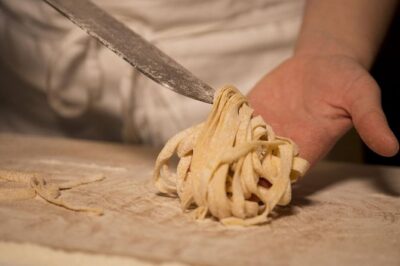
Pasta is the centerpiece. The class is designed around preparing fettuccine yourself, and you’ll do the work with step-by-step guidance. The emphasis is on the basics that make Italian pasta work: how flour and dough come together, how to handle it, and how the finished pasta ends up cooked and ready to eat.
What I like about this approach is that it targets the skill at the heart of good pasta: texture and timing. When you make dough, you start to understand why certain rules matter (and which ones you can actually feel with your hands). That’s the kind of learning that sticks.
Also pay attention to this part: sauces are not cooked during the class. That doesn’t mean you’ll eat plain pasta only. It means the lesson focus stays on pasta-making, not a full sauce workshop. If you’re hoping for a deep, cooking-from-scratch sauce session, this course may not match that expectation.
A Practical Expectation Check
Based on how the class is structured, think of the meal portion as the moment you enjoy what you made, not as a long restaurant-style service with multiple courses and lots of extras.
In one feedback example, the pasta was served together and the portion felt limited, which influenced the overall value opinion. So set your mind to: you’re buying the cooking lesson, then you get an eat-at-the-end component.
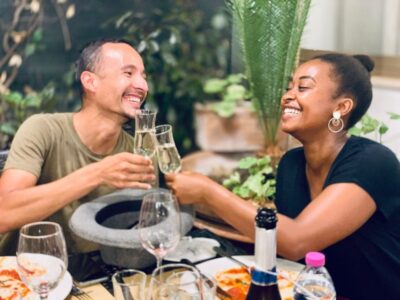
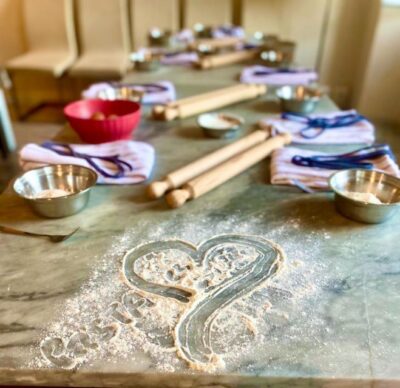
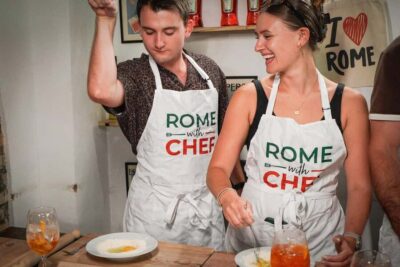
More aprons-on time in a Roman kitchen
The Tiramisu Finish: A Personal Recipe, Then You Eat It
The class ends with tiramisu, and it’s prepared using the chef’s personal recipe. That’s a key point: tiramisu isn’t just something you watch assembled at the end. You’re part of the process, and then you eat it.
Tiramisu is also a good “learn it in one sitting” dessert. The structure is forgiving compared to some fancy pastries, and once you know how it’s put together, you can repeat it with basic ingredients later.
The main thing to watch is portion size at the end. In one described experience, the dessert came as a small cup. That doesn’t mean the tiramisu wasn’t good; it means it may not feel like a generous, dessert-first payoff for the price.
What’s Included (and What’s Not) During the Cooking
Here’s what’s clearly part of the experience:
- You prepare the pasta (fettuccine) yourself
- You prepare tiramisu by the end
- You’re guided step by step
- Sauces are not cooked during the class
- You eat a final meal component that includes what you made
What’s less clear in the provided details:
- How many side items you’ll get with the meal
- Whether wine or other drink options will always be included
One piece of feedback calls out that the wine offering was limited (one glass), and the final meal felt light in extras like bread or an appetizer. That’s why I’d describe this course as food learning first, full meal second.
Chef Ricardo’s Role: Why the Teaching Style Matters
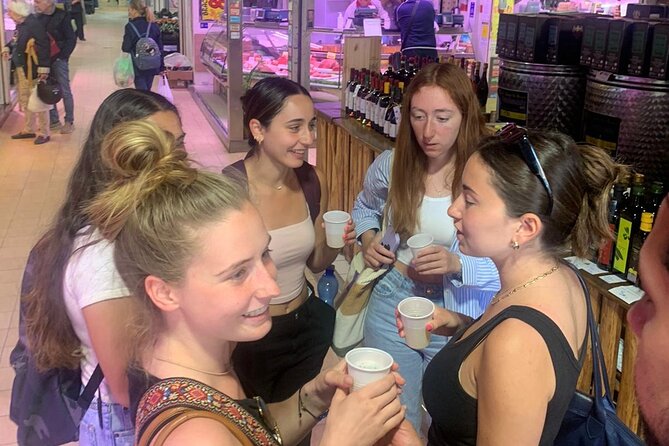
A big driver of satisfaction is the chef’s energy and how the group experience is managed. In one strongly positive experience, chef Ricardo was described as brilliant, fun, and actively part of the group’s momentum.
That kind of teaching matters in a pasta class because pasta dough can go sideways fast if everyone freezes. Good instruction turns panic into progress. And when the chef keeps things light, you end up learning without feeling like you’re failing in public.
Even if the chef isn’t Ricardo in your session, the class format suggests you’ll be guided closely. The structure is step-by-step, and that usually works best when the instructor is hands-on and encouraging.
Language, Timing, and Comfort Details That Affect Your Day
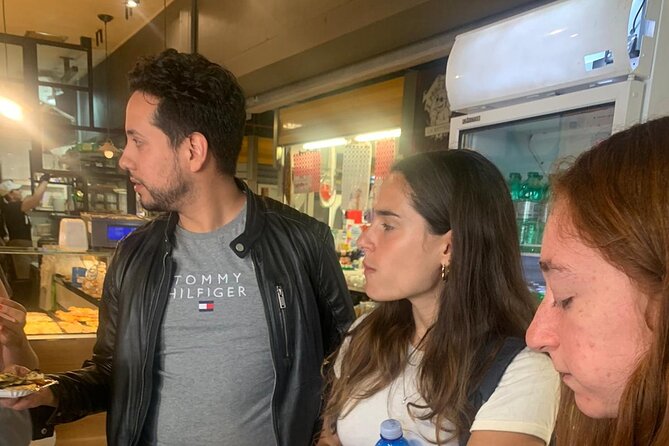
The class is offered in English. That’s a relief if you’re in Rome without Italian cooking vocabulary, and it also helps you follow the steps without guessing.
The experience is set to start and end at the same meeting point, which simplifies your schedule. And with a group cap of 20, it’s unlikely you’ll spend half the time waiting.
For families: kids under 6 attend with one of the parents. If you’re traveling with young children, this is the key rule to know before you book.
Service animals are allowed, and the location is near public transportation—both practical notes for how easy it is to actually get to the class.
Group Size: Why Max 20 Is a Big Deal for Learning
A pasta class works only if you can ask a question and get guidance when your dough isn’t behaving. That’s why group size matters.
With a maximum of 20 travelers and a minimum number of 2 people to run the class, you’re usually in a sweet spot: not private, but not huge either. You’re more likely to get personal feedback on technique instead of watching from the sidelines.
If you’re the type who learns best with others around you, the social tone can be a plus. If you prefer quiet, you’ll still have the classroom energy of a cooking setting, though the small cap helps keep it from feeling chaotic.
Price and Value: Is $110.84 Worth It?
At $110.84 per person for about 2 hours 15 minutes, you’re paying for instruction and hands-on practice. You’re not paying for a long, multi-course restaurant meal.
So the value question is simple: will you use the skill again?
If you want pasta technique and a reliable tiramisu method, the price can feel fair. You get the main outcome—making and eating what you made—without spending your whole evening.
If you’re paying mostly for a “great meal experience” with lots of extras, then the complaints about limited add-ons (like no appetizer/bread in one account and minimal wine) can make the price feel steep. One more reason: the sauces aren’t cooked during the class, so you won’t get that full Italian sauce-and-supper fantasy here.
My practical take: book this if cooking and learning matter to you. Don’t book it only for food quantity or a fancy dining feel.
Who Should Book This Pasta and Tiramisu Course
This class is a strong fit if:
- You want a repeatable skill (pasta dough and assembly, plus tiramisu structure)
- You like guided cooking more than “food tour with a quick demo”
- You’re traveling with friends and want a shared, social activity
- You prefer a shorter activity that doesn’t derail your Rome itinerary
It may be less ideal if:
- You want sauces cooked as part of the teaching
- You expect multiple restaurant-style courses with lots of extras
- You’re sensitive to portion size as part of the value equation
If your main goal is to learn how to make pasta and a classic dessert from scratch, this makes sense.
Should You Book This Pasta and Tiramisu Class?
Yes—if your definition of value is skill plus a satisfying final meal, not a full-on banquet. The class structure is clearly about pasta technique and ending with tiramisu, and that’s exactly what you’ll walk away with.
If you’re the kind of traveler who measures a booking by wine count, appetizer variety, and large portions, you may leave thinking you could’ve spent that money differently. The good news: your cooking payoff still has real use, so even a simple final plate can be worth it.
My best advice: treat this as a hands-on cooking lesson with food at the end. If that matches what you want, $110.84 starts to feel like a reasonable trade for a skill you can bring home.
FAQ
How long is the pasta and tiramisu cooking course?
It lasts about 2 hours 15 minutes.
What dishes will I make?
You’ll prepare fettuccine (pasta) and tiramisu (dessert).
Are sauces cooked during the class?
No. The sauces are not cooked during the class.
Is the class taught in English?
Yes, it’s offered in English.
Where does the class meet in Rome?
It meets at V. della Croce, 34, 00187 Roma RM, Italy, and it ends back at the meeting point.
Can I cancel for a full refund?
Yes. You can cancel up to 24 hours in advance for a full refund.
More Tour Reviews in Rome
- Vatican Museums, Sistine Chapel & St. Peter’s Basilica Tour
★ 4.3 · 73,970 reviews - Vatican Museums, Sistine Chapel & St Peter’s Basilica Guided Tour
★ 4.5 · 39,149 reviews - Rome: Colosseum, Palatine Hill and Roman Forum Guided Tour
★ 4.8 · 32,814 reviews - Rome: Guided Tour of Colosseum, Roman Forum & Palatine Hill
★ 4.7 · 27,897 reviews - Rome: Colosseum & Forum with Audio Guide App -Optional Arena
★ 4.2 · 24,770 reviews - Rome: Colosseum, Roman Forum and Palatine Hill Guided Tour
★ 4.5 · 23,903 reviews
Learn Another Roman Dish
- 3 in 1 Cooking Class near Navona: Fettuccine, Ravioli & Tiramisu
★ 5.0 · 7,376 reviews - Rome: Pasta & Tiramisu Class with Fine Wine by the Vatican
★ 4.9 · 4,852 reviews - Rome: Pasta Making Class with Wine, Limoncello, and Dessert
★ 4.9 · 3,177 reviews - Rome Cooking Class: Make Pasta and 3 Spritz Cocktails
★ 5.0 · 2,937 reviews - Rome: 3-in-1 Fettuccine, Ravioli, and Tiramisu Cooking Class
★ 4.9 · 2,704 reviews - Rome: Fettuccine Pasta Cooking Class in Rome’s City Center
★ 4.8 · 2,414 reviews
More of Rome's Grand Piazzas
- 3 in 1 Cooking Class near Navona: Fettuccine, Ravioli & Tiramisu
★ 5.0 · 7,376 reviews - Rome Food Tour: Campo de’ Fiori, Ghetto, Trastevere Winner 2024
★ 5.0 · 3,205 reviews - Rome: Trastevere & Campo de Fiori Street Food Walking Tour
★ 4.9 · 2,768 reviews - Enjoy Spritz and Pasta Making in Piazza Navona
★ 5.0 · 1,681 reviews - Rome: Pasta & Tiramisu Cooking Class near the Spanish Steps
★ 4.8 · 1,395 reviews - Rome: Traditional Pizza Cooking Class near Piazza Navona
★ 4.7 · 1,241 reviews
Just added to our Rome reviews





Piazza Navona & Spanish Steps Tours, compared.
 ★ 5.03 in 1 Cooking Class near Navona: Fettuccine, Ravioli & TiramisuFrom $837,376 reviews
 ★ 5.0Rome Food Tour: Campo de’ Fiori, Ghetto, Trastevere Winner 2024From $883,205 reviews
 ★ 4.9Trastevere & Campo de Fiori Street Food Walking TourFrom $512,768 reviews
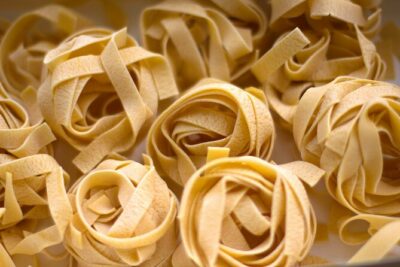 ★ 5.0Enjoy Spritz and Pasta Making in Piazza NavonaFrom $901,681 reviews
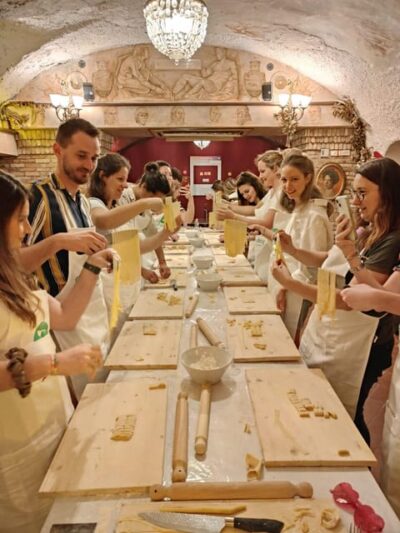 ★ 4.8Pasta & Tiramisu Cooking Class near the Spanish StepsFrom $581,395 reviews
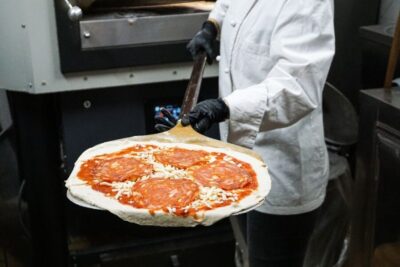 ★ 4.7Traditional Pizza Cooking Class near Piazza NavonaFrom $461,241 reviews
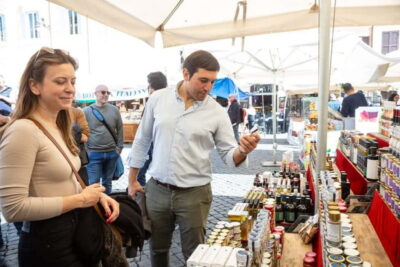 ★ 5.0Eat Like a Roman Ghetto & Campo de’ Fiori Food TourFrom $501,037 reviews
 ★ 5.0Pasta Cooking Class in Rome – Fettuccine Class in Piazza NavonaFrom $671,037 reviews
Browse the lists this tour appears in