
Reviewed · TREVI FOUNTAIN TOURS
Trevi Fountain Underground Aqueduct and Spanish Steps Tour
Rome’s water runs under your feet. This small-group tour links Piazza di Spagna, Trevi, and the working aqueduct system that still shapes the city today. You’ll walk the surface, then step underground in a couple of spots to see the engineering up close.
I love the way the route turns the usual Trevi stop into a bigger story. You’ll learn where the water comes from, starting at a fountain near the Spanish Steps fed by an ancient Roman aqueduct built in 19BC, and you’ll follow that line until the Trevi Fountain itself.
One heads-up: the underground reservoir portion is limited (you spend about 30 minutes inside). If you’re hoping for a lot of extra free time to wander off-script near Trevi, plan to treat the tour as the main event rather than a springboard.
In This Review
- Key Highlights Worth Your Time
- Walking From Piazza di Spagna: where the story starts
- The fountain clue: an aqueduct you can trace to 19BC
- Following the aqueduct under the city: what you actually see underground
- Trevi Fountain as the aqueduct’s ending (and why the tour keeps going)
- The underground reservoir under Trevi: Rome’s water control room
- Guides make or break this kind of tour
- Price and value: what $61 buys you in 2 hours
- Crowds, coin tossing, and timing reality near Trevi
- Who this tour fits best (and who might skip it)
- Should You Book This Trevi Aqueduct and Spanish Steps Tour?
- FAQ
- Is the Trevi Fountain Underground Aqueduct and Spanish Steps Tour a small group?
- How long is the tour?
- Where does the tour start?
- Does the tour include entry tickets to the underground aqueduct?
- Is the tour offered in English?
- Does it run in bad weather?
- What’s included and not included?
Key Highlights Worth Your Time
- Small group, max 12 people: easier questions, less crowd pressure, and a better pace for narrow streets.
- An aqueduct built in 19BC: you’ll trace how Rome engineered a daily water supply.
- Underground looks, more than one: you’ll get to see the aqueduct up close with water still moving through it.
- Trevi as a chapter, not the whole book: the tour follows the aqueduct’s logic all the way to its monumental ending.
- Underground reservoir visit: one of Rome’s most surprising water spaces, built over 2000 years ago.
Walking From Piazza di Spagna: where the story starts
The tour begins at either Piazza di Spagna 15 or Piazza Accademia di S. Luca 74, depending on the option you book. Then you head to Piazza di Spagna proper, where the guide explains the steps and even why they’re called like that—yes, it’s the kind of detail that changes how you see a famous landmark.
From there, you don’t immediately jump into Trevi chaos. Instead, you meet the first fountain on the route, and the tone shifts from sightseeing to “how Rome worked.” You’ll start connecting street corners to an invisible network under the city.
I like this start because it keeps you from treating the Spanish Steps and Trevi like two disconnected photo stops. The guide frames them as part of the same system—Rome built around water, not around monuments alone.
Toss a coin, then look at these
- Rome: Trevi Fountain and Underground Guided Tour
★ 4.3 · 1,664 reviews - Rome: Opera Concert at Palazzo Poli – Fontana di Trevi
★ 4.7 · 1,026 reviews - Best of Rome Walking Tour including Trevi Fountain
★ 4.5 · 923 reviews - Rome Walking Tour with Piazza Navona, Trevi Fountain and Pantheon
★ 4.5 · 676 reviews
The fountain clue: an aqueduct you can trace to 19BC
Here’s what makes this tour feel different: one of the early fountains is still fed today by an ancient Roman aqueduct built in 19BC. That means you’re not just hearing facts about the past. You’re watching a working link between ancient engineering and modern Rome.
Your guide walks you through how the Romans brought water into the city. And the way they explain it matters. This isn’t just dates and names. It’s a story of gravity, channels, maintenance, and how a city grows when it can count on water.
You’ll also notice small urban details as you go—places where the aqueduct’s presence seems to poke through between modern buildings. It’s the kind of “wait, that’s it?” moment that makes the rest of the tour click.
Following the aqueduct under the city: what you actually see underground
Most Trevi visits never take you off the main street view. This one does. You’ll follow the aqueduct for a lot of the route, and for much of it, it runs underground.
You’ll also get underground on a couple of occasions. That’s crucial. Seeing a diagram is one thing. Seeing the actual structure and how it relates to the water system is another. The tour includes entry to the underground aqueduct site, so you’re not just guessing what you’re looking at.
What I’d call the “practical magic” here is that your eyes learn a new skill. After you’ve seen the water channeling up close, the streets start to feel like layers. Modern Rome becomes the top layer of something older—and you begin to spot how the aqueduct shaped what came later.
Another nice detail: the tour focuses on context as you move. So when you go underground, you already understand what that space is and why it exists where it does.
Trevi Fountain as the aqueduct’s ending (and why the tour keeps going)
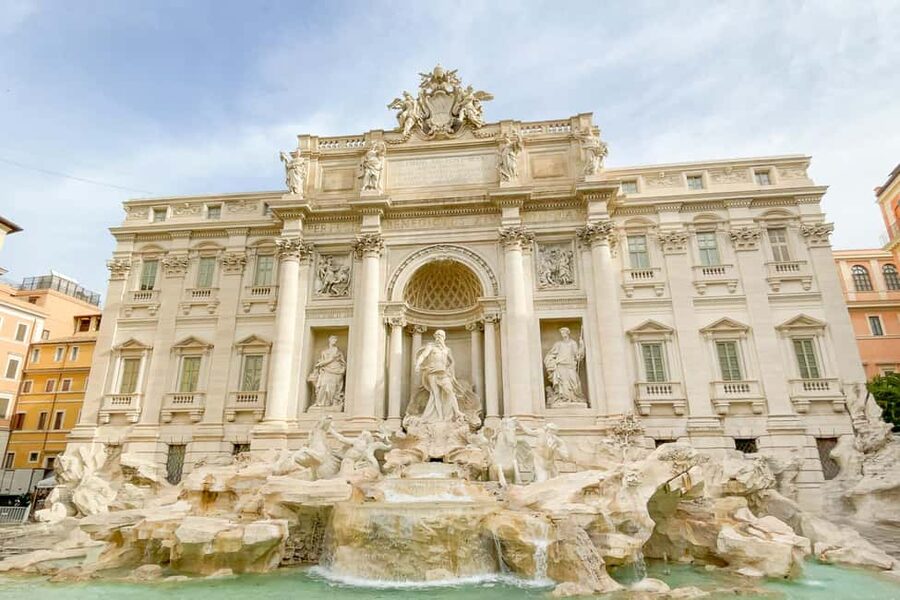
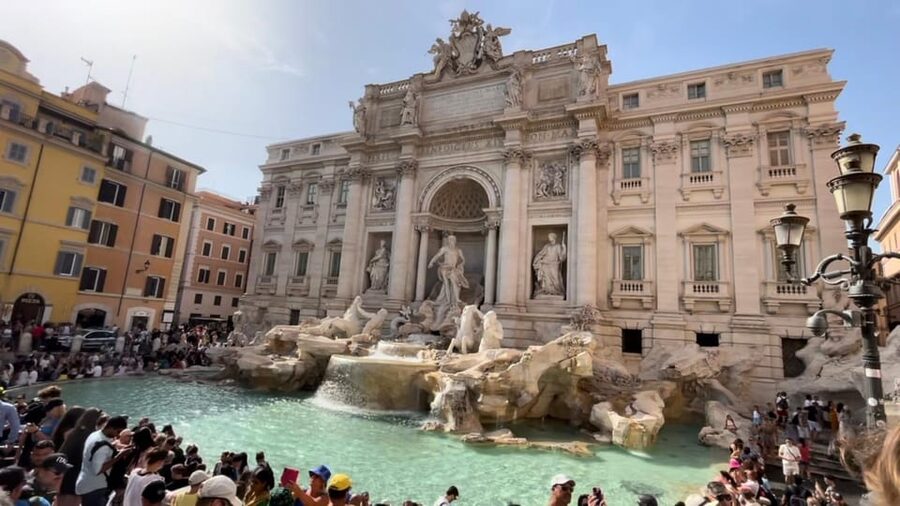
Eventually, you follow the route all the way to the Trevi Fountain, which the guide treats as the aqueduct’s monumental end. It’s not just a “here it is, enjoy it” stop. You learn how the water system supports the fountain’s existence and how the city built itself around those supplies.
That framing changes your experience in a big way. Trevi can feel like a postcard on your first pass. With this tour, it starts to feel like a finish line for real engineering problems—moving water reliably, distributing it, and making it impressive.
And then the tour doesn’t end at the obvious viewpoint. You turn a corner, get away from the heaviest crowds, and shift into the second part of the story: what’s below Trevi and what Romans built to store and manage water.
Keep going down the Appian Way

The underground reservoir under Trevi: Rome’s water control room
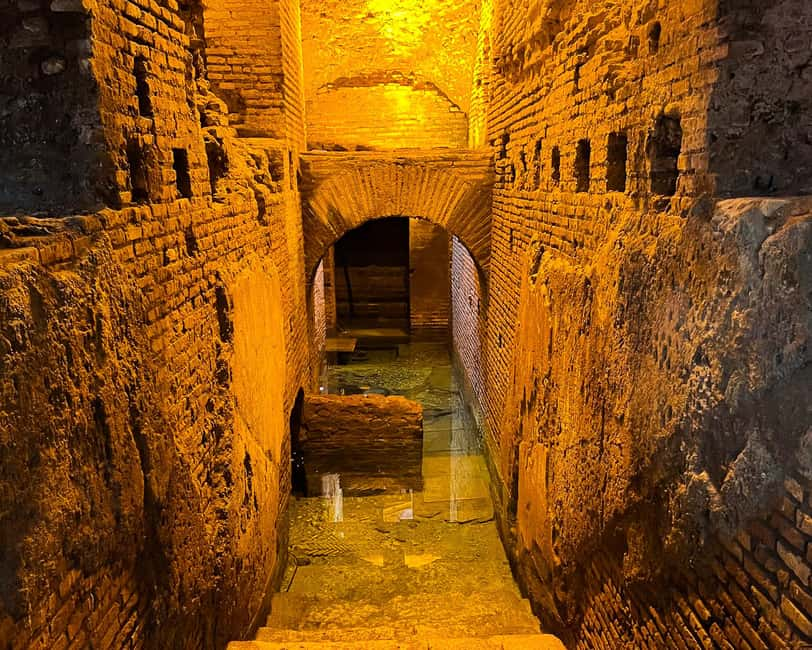
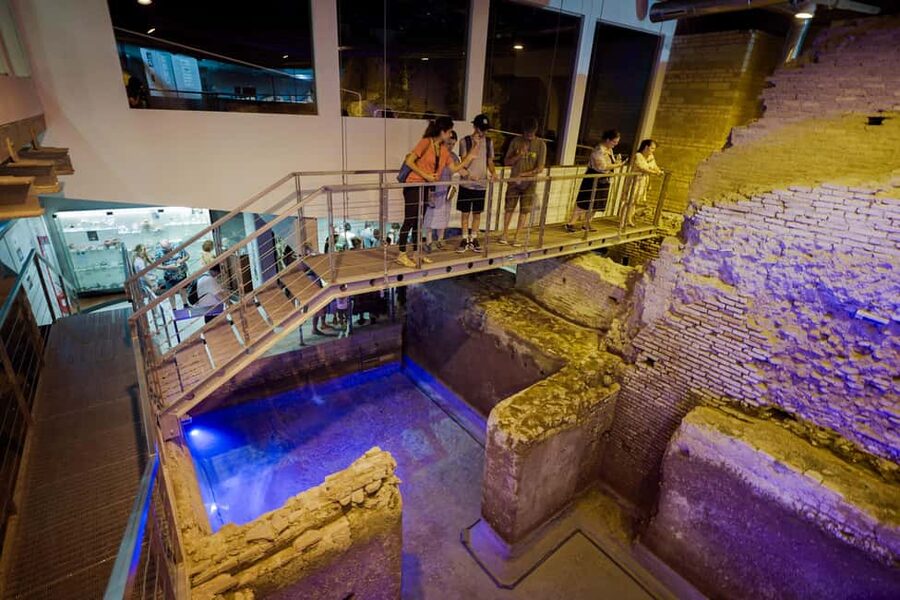
This is the part that surprises people. You discover the underground water reservoir the Romans built over 2000 years ago, tucked under the city in a way most visitors never imagine.
You’ll spend time inside the underground site, but remember the limit: visitors get about 30 minutes inside. That’s enough to grasp what you’re looking at, but it’s not enough for a long linger. Go in ready to pay attention and ask questions when you can.
Also, this tour tends to catch you off guard in the best way. One of the strongest themes from the experience is ruins showing up where you wouldn’t expect them—reported even inside a shopping mall. Whether you notice every unusual setting or not, the takeaway stays the same: Rome’s ancient water infrastructure keeps surviving under everyday life.
If you care about how cities function—not just how they look—this reservoir section is a strong payoff. It helps you understand the idea behind everything: storage and control are as important as supply.
Guides make or break this kind of tour
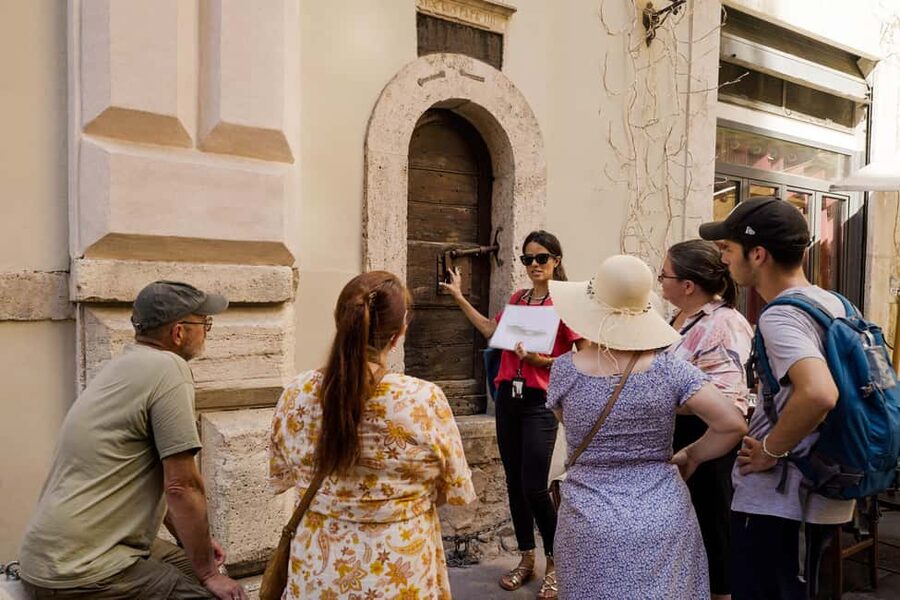
With a topic like Roman aqueducts, the guide’s job is translating engineering into human scale. The strongest feedback you’ll hear from people who book this tour is how passionate and clear the guides are.
You’ll see names come up again and again in the local-guide line-up, including Flavia, Ricardo, Genny, Hillary, Sabrina, Ilaria, Federica/Federika, and Marcelo. Even when guides differ in style, they tend to focus on the same thing: connect what you see on the street to what you learn underground.
Several guests also mention the pace—important when you’re mixing walking with stairs or underground access. One review even flagged that the guide made space for older travelers who moved more slowly, which tells me the group dynamic is built for comfort, not just speed.
Small extras show up too. One guide reportedly shared chocolates and even hand spray. That might sound silly until you’re standing outside in Roman sun or humidity and realize the tour team is thinking about comfort, not just content.
Price and value: what $61 buys you in 2 hours
At $61 per person for about 2 hours, the value depends on one simple question: do you want the context behind the sites, or do you just want photos?
This tour includes small-group size (max 12 guaranteed) and includes tickets to the underground aqueduct. Those two items alone matter because they reduce the hassle of figuring out access on your own and keep you from being stuck in a giant crowd at the most important moments.
You also get more than one “wow” element: surface landmarks (Spanish Steps and Trevi) plus underground aqueduct views plus the underground reservoir. In a short time window, that’s efficient.
One practical note: there’s no hotel pickup. So you’ll want to plan your arrival to the meeting point, especially if you’re pairing this with other sights that day.
Crowds, coin tossing, and timing reality near Trevi
Trevi is Trevi. It can be loud, crowded, and packed with tour groups all chasing the same photo angle. This experience helps by moving you through the area with purpose instead of leaving you free-floating in the thick of it.
That said, the end of the tour happens around Trevi, and you should plan accordingly. Since the focus is the aqueduct story and the underground reserve visit, you shouldn’t count on a long personal sit-down moment at the fountain.
If your must-do list includes toss-a-coin time, treat it as a bonus, not a guarantee. Think of this tour as your best chance to see Trevi with meaning—then you can decide what extra time, if any, you want to add on afterward.
Who this tour fits best (and who might skip it)
This is a great fit if you like:
- Roman history that connects to real infrastructure
- Architecture and engineering details you can actually see
- A tour that stays small and discussion-friendly
It’s also a good choice for families because it’s described as suitable for children. Just note you’ll be walking and heading underground at times, so it’s best if your kids can handle short active segments.
I’d also steer you toward this tour if you’re going in “I’ve done the basics” mode. If you already know the big famous sights, this is the kind of experience that adds a layer of understanding most itineraries miss.
If you only want long, relaxed time at the surface monuments, or you don’t like any underground elements at all, then a standard Trevi-focused visit might match your pace better.
Should You Book This Trevi Aqueduct and Spanish Steps Tour?
Book it if you want Trevi and the Spanish Steps explained through the lens that actually made Rome function: water. The combination of small group size, included underground aqueduct entry, and the chance to see a Roman water system up close makes this feel like more than a sightseeing walk.
Skip it if you’re chasing maximum free time at Trevi itself, or if you want a strictly surface-level experience with lots of independent wandering.
If you’re even mildly curious about how cities supply themselves, this tour is a smart use of time. In two hours, you’ll leave with a clearer sense of how Rome was built around the aqueduct—then you’ll start spotting that logic everywhere you look.
FAQ
Is the Trevi Fountain Underground Aqueduct and Spanish Steps Tour a small group?
Yes. It’s a small group tour with a guaranteed maximum of 12 people.
How long is the tour?
The duration is 2 hours.
Where does the tour start?
You can start at one of two locations: Piazza di Spagna, 15 or Piazza Accademia di S. Luca, 74 (depending on the option booked).
Does the tour include entry tickets to the underground aqueduct?
Yes. Entry tickets to the Underground Aqueduct are included.
Is the tour offered in English?
Yes. The tour has a live tour guide in English.
Does it run in bad weather?
Yes. It runs rain or shine.
What’s included and not included?
Included: small group, a local guide, and entry tickets to the Underground Aqueduct. Not included: hotel pickup.
More of Rome's Grand Piazzas
- 3 in 1 Cooking Class near Navona: Fettuccine, Ravioli & Tiramisu
★ 5.0 · 7,376 reviews - Rome Food Tour: Campo de’ Fiori, Ghetto, Trastevere Winner 2024
★ 5.0 · 3,205 reviews - Rome: Trastevere & Campo de Fiori Street Food Walking Tour
★ 4.9 · 2,768 reviews - Enjoy Spritz and Pasta Making in Piazza Navona
★ 5.0 · 1,681 reviews - Rome: Pasta & Tiramisu Cooking Class near the Spanish Steps
★ 4.8 · 1,395 reviews - Rome: Traditional Pizza Cooking Class near Piazza Navona
★ 4.7 · 1,241 reviews
The Appian Way, Continued
- Rome EBike Tour: Appian Way, Catacombs & Roman Aqueducts
★ 5.0 · 1,766 reviews - Rome: Appian Way & Aqueducts E-Bike Tour (Catacombs & Food)
★ 4.9 · 1,498 reviews - Rome: Appian Way, Catacombs, & Roman Aqueducts E-bike Tour
★ 4.9 · 1,421 reviews - Rome Underground: Catacombs Tour, Aqueducts and Appian Way
★ 5.0 · 1,007 reviews - Appian Way Aqueducts Bike Tour (Catacombs & Lunch Option)
★ 5.0 · 975 reviews - Rome: Appian Way, Aqueducts, and Catacombs Tour
★ 4.7 · 942 reviews
Near the Trevi: More to See
- Rome: Trevi Fountain and Underground Guided Tour
★ 4.3 · 1,664 reviews - Rome: Opera Concert at Palazzo Poli – Fontana di Trevi
★ 4.7 · 1,026 reviews - Best of Rome Walking Tour including Trevi Fountain
★ 4.5 · 923 reviews - Catacombs Tour with Transfer – Optional Capuchin Crypt or Trevi
★ 4.5 · 694 reviews - Rome Walking Tour with Piazza Navona, Trevi Fountain and Pantheon
★ 4.5 · 676 reviews - The Great Opera Arias Concert at Palazzo Poli – Trevi Fountain
★ 5.0 · 533 reviews
Just added to our Rome reviews





Trevi Fountain Tours, compared.
 ★ 4.3Trevi Fountain and Underground Guided TourFrom $411,664 reviews
 ★ 4.7Opera Concert at Palazzo Poli – Fontana di TreviFrom $471,026 reviews
 ★ 4.5Best of Rome Walking Tour including Trevi FountainFrom $4923 reviews
 ★ 4.5Catacombs Tour with Transfer – Optional Capuchin Crypt or TreviFrom $54694 reviews
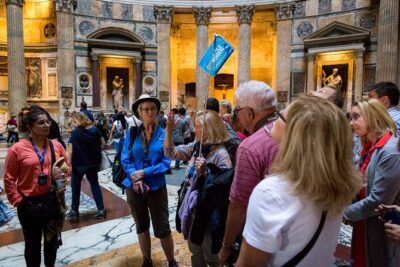 ★ 4.5Rome Walking Tour with Piazza Navona, Trevi Fountain and PantheonFrom $35676 reviews
 ★ 5.0The Great Opera Arias Concert at Palazzo Poli – Trevi FountainFrom $48533 reviews
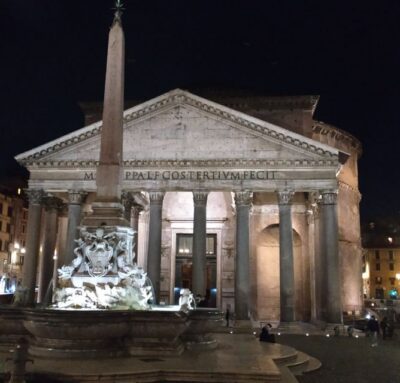 ★ 4.9Spanish Steps, Trevi, Navona and Pantheon Sunset TourFrom $46522 reviews
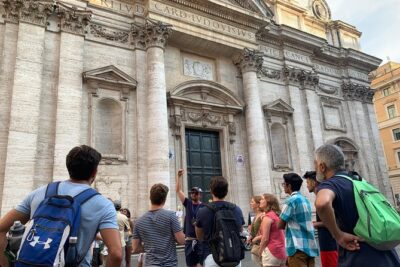 ★ 4.8Rome Walking Tour: Pantheon, Trevi, Navona & Hidden GemsFrom $23501 reviews
Browse the lists this tour appears in