
Reviewed · CASTEL SANT'ANGELO TOURS
Rome: Passetto & Castel Sant’Angelo Entry and Audioguide
Rome has a secret hallway story worth your time. This ticket lets you access Passetto di Borgo, the corridor the Popes used to slip from Castel Sant’Angelo toward St. Peter’s Square during danger. I like that it is a focused visit with real dramatic intent behind it, not just sightseeing. I also like that you can pair it with Castel Sant’Angelo and use the included downloadable audioguide for the castle portions. One drawback to consider: it is not a guided tour, and the experience depends heavily on quick, clear logistics—so arrive early and have your phone and headphones ready.
You’ll start at Passetto (not the castle) in Piazza della Città Leonina, then continue into Castel Sant’Angelo if you selected that option. Expect stairs (including to a panoramic terrace), and plan for a mostly self-guided flow using the audio in the castle. The whole thing is about one hour total, so it’s best for travelers who like history they can move through at their own pace.
In This Review
- Key things to know before you go
- Passetto di Borgo: Rome’s pope-escape corridor in plain sight
- Where you start in Rome (and why it matters)
- The flow of the experience: from corridor to castle
- Passetto di Borgo route: what you’re really there for
- Castel Sant’Angelo: walls, art, and a panoramic moment
- Audioguide setup: how to avoid a day-ruiner
- Price and value: what you’re paying for (and why it can feel mismatched)
- Logistics that make or break the visit
- Tickets are nominative and verified
- What you can bring
- Accessibility limitations
- Who this ticket suits best
- Should you book this Passetto & Castel Sant’Angelo ticket?
- FAQ
- Where does the visit start?
- How long is the experience?
- Is Castel Sant’Angelo included automatically?
- Is this a guided tour?
- What languages are available for the audioguide?
- What do I need to bring?
- Are there restrictions on luggage?
- Is the experience wheelchair accessible?
- When will I receive my tickets?
- What happens if I’m late?
Key things to know before you go
- Passetto di Borgo access: the corridor linking Castel Sant’Angelo to St. Peter’s Square, tied to papal escapes
- Optional Castel Sant’Angelo entry: you can add the fortress/mausoleum/papal residence to your route
- Audioguide included (downloadable): multiple languages, with the audio guide for Castel Sant’Angelo
- Strict timing and ID checks: tickets are date/time-specific and nominative
- Stairs are part of it: you’ll climb to reach the panoramic terrace
- Not suitable for wheelchair users or mobility impairments: the route involves steps and restricted access
Passetto di Borgo: Rome’s pope-escape corridor in plain sight
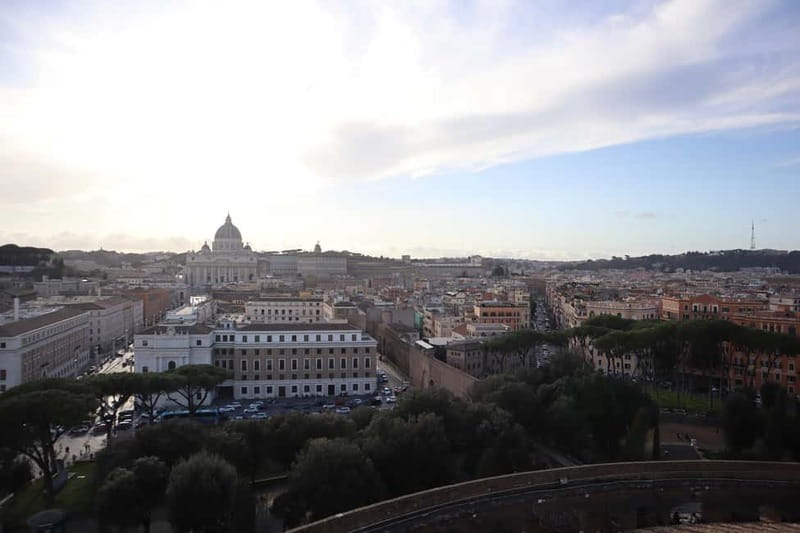
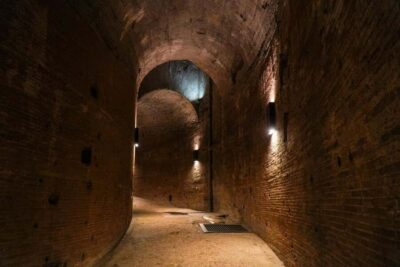
The star here is the Passetto di Borgo itself. This is the secret-style corridor that connected Castel Sant’Angelo to St. Peter’s Square—built for a terrifying, practical purpose. In times of conflict, the Popes could move between safety points without going out into the open. That idea alone makes your walk feel different. Even if you already know St. Peter’s Square from the outside, this adds the missing “how did they get there” layer.
What I like most about this stop is how direct it is. Instead of a long, abstract history lecture, you step into the physical space associated with those escapes. You’re walking a passage that was designed around urgency, not comfort. That’s the kind of Rome experience that feels honest—because it is just stone, corridors, and the sense that the planners knew exactly what danger looked like.
The visit is tied to the larger Castel Sant’Angelo story, too. The corridor isn’t a random side feature. It makes the castle feel less like a standalone landmark and more like part of a defensive system tied to papal power.
Around the old riverside fortress
- Rome: Castel Sant’Angelo Entry Ticket & Digital Audioguide
★ 4.7 · 5,347 reviews - Rome: Castel Sant’Angelo Entry Ticket & Audio App
★ 4.3 · 4,952 reviews - Rome: Castel Sant’Angelo Entry Ticket with Audio guide
★ 4.4 · 3,646 reviews - Castel Sant’Angelo: Ticket with optional Vatican or Pantheon
★ 4.4 · 3,088 reviews
Where you start in Rome (and why it matters)
Your visit starts at Passetto, not at Castel Sant’Angelo. The meeting point is in Piazza della Città Leonina, on the corner of Via del Mascherino. This sounds simple, but in Rome, “simple” often turns into “easy to miss” if you roll in at the last second.
Here’s the practical takeaway: plan to arrive about 15 minutes early. Late arrivals aren’t accommodated, and you won’t get a refund. That strictness makes early arrival more than good manners—it’s how you protect your day.
Also note the ticket timing. Tickets are valid only for the specific date and time slot you select. So don’t book a slot you’ll likely rush. This is a one-hour experience, which means any hiccup (finding the corner, getting your ID checked, or troubleshooting your phone) can compress the whole visit.
One more important point: Passetto access is the beginning of the route. Even if you are excited to get to the castle views, you still need to start where the ticket tells you to start.
The flow of the experience: from corridor to castle
At the heart of this ticket is a simple sequence: you access the historic Passetto di Borgo first. If you chose the combined option, you’ll then move into Castel Sant’Angelo and explore its walls and artistic treasures.
Passetto di Borgo route: what you’re really there for
The Passetto is presented as a silent witness to extraordinary moments—especially papal escapes in conflict. In a self-paced setting, your best move is to slow down just enough to notice how the corridor functions as a connector. You aren’t only looking at a landmark; you’re experiencing a route meant to move people quickly and discreetly.
Because the corridor is part of an official attraction, there’s no guarantee that you can freestyle. Still, the overall vibe is straightforward: enter, follow the passage, and let the story connect the castle to St. Peter’s Square in your mind.
Castel Sant’Angelo: walls, art, and a panoramic moment
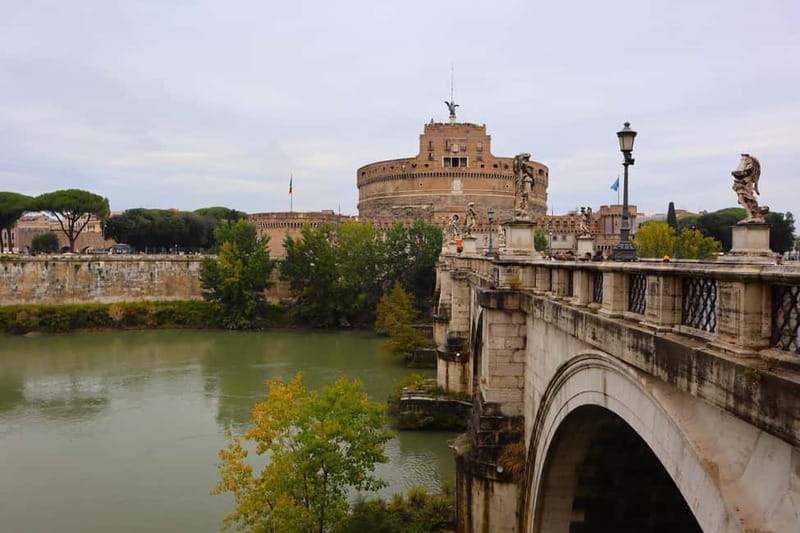
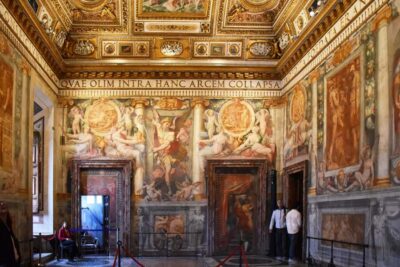
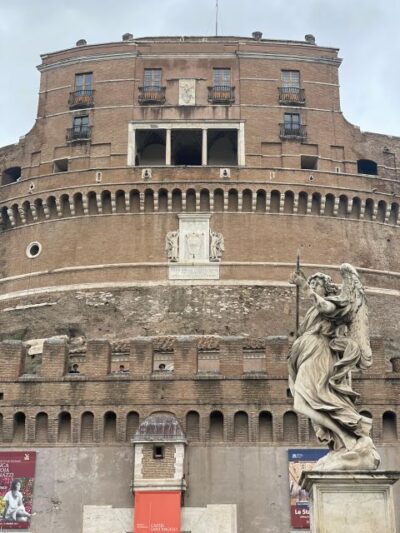
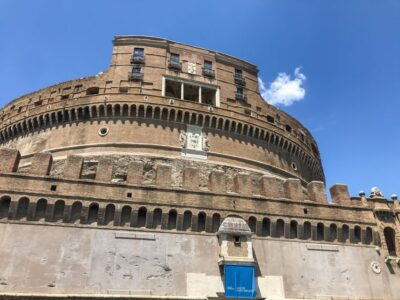
If you add Castel Sant’Angelo, you’ll get access to the fortress with layers of identity: it served as a fortress, mausoleum, and papal residence. That matters because it changes how you interpret what you’re seeing. You’re not just looking at a castle. You’re looking at centuries of political and religious importance baked into architecture.
The visit includes an audioguide for Castel Sant’Angelo (downloadable, available in several languages). In practical terms, this is where your ticket turns into more than a “walk-through.” The audio gives you a structure so you don’t just wander from room to room.
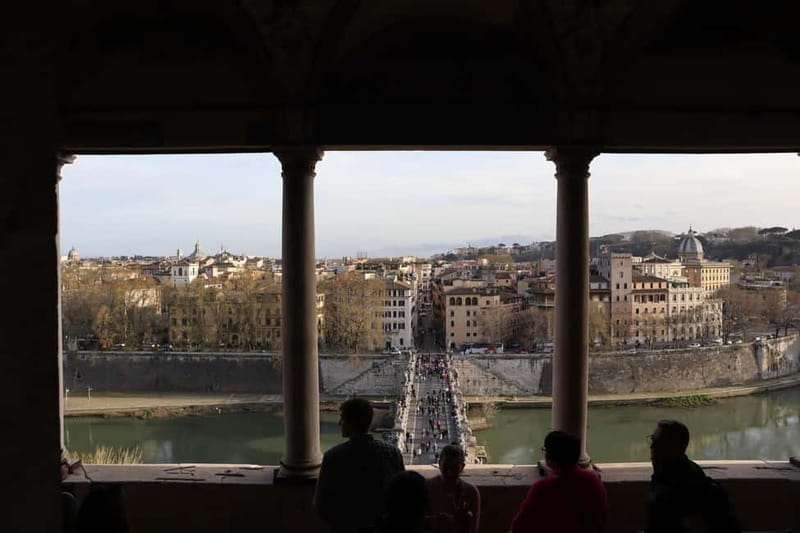
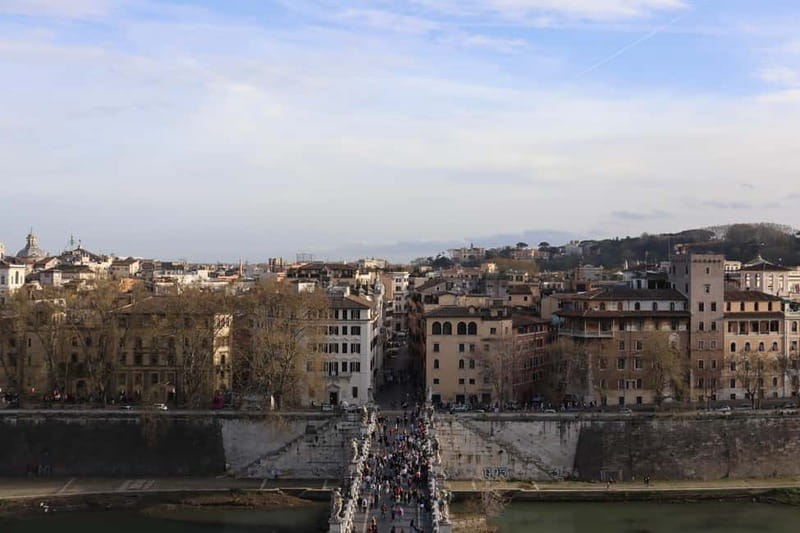
And yes, there’s a panoramic terrace you can reach, but it comes after climbing a series of stairs. Wear shoes you trust. If you’re tired or have heavy bags, the stairs will feel much longer than you expect.
Audioguide setup: how to avoid a day-ruiner
The audioguide is included, and it’s offered in English, French, Italian, German, and Spanish. The key practical detail is that you’re expected to use your own smartphone with headphones, plus you need internet access to download or access the audio content.
So before you arrive, do a quick checklist:
- Charged smartphone
- Working headphones
- Internet access (so the download/access doesn’t fail mid-visit)
- A plan for offline use if the app or download method requires it
Also remember: this is not described as a guided tour. That means you shouldn’t count on a person to narrate every step. The audio is the main interpretive tool inside Castel Sant’Angelo.
If your phone is at 5% battery or you forget headphones, you’ll feel that fast. In a one-hour experience, there’s little time to troubleshoot.
Price and value: what you’re paying for (and why it can feel mismatched)
The listed price is about $43 per person with a 1-hour duration. The official ticket price info says adults (18+) cost 22 euro, and under 18 are free.
How do you think about value here? You’re not paying for a long guided program. You’re paying for access to two high-interest sites in a short window—Passetto di Borgo access plus Castel Sant’Angelo entry if selected—along with a downloadable audioguide.
That makes it worthwhile if:
- You want a focused, “go in and see” kind of outing
- You care about papal escape history specifically
- You’re comfortable self-guiding with audio rather than needing a live guide
It can feel pricey if:
- You arrive unprepared and lose time fighting logistics
- You wanted a fully guided, turn-by-turn explanation
- You get stuck on stairs or prefer slower pacing
One smart move: compare your total paid price against the official 22 euro adult figure and check what’s included in your specific booking option. If you are only using the Passetto portion (not the castle add-on), the value may feel different than if you use both.
Logistics that make or break the visit
This ticket runs on timing, and the process has a few non-negotiables.
Tickets are nominative and verified
Each ticket is nominative and tied to the assigned participant. For verification, bring a passport or valid ID. The attraction rules also ask that each participant’s full name be provided during booking, ideally as on the passport.
That’s important because it reduces flexibility. If you’re traveling with friends and want to swap, you likely can’t.
What you can bring
Avoid bulky items. Oversize luggage, luggage or large bags, and backpacks aren’t allowed. That’s a Rome classic rule, but it matters more here because the route is tied to a corridor and stairs. Small day essentials are fine—just keep it light.
Accessibility limitations
This experience isn’t suitable for people with mobility impairments and it’s not for wheelchair users. If that’s you, it’s better to choose a different Castel Sant’Angelo-focused option with accessible routes and less stair climbing.
Who this ticket suits best
This works well for travelers who like:
- Short, structured experiences with a clear “main event”
- History tied to a physical space (a corridor with a purpose)
- Audioguides as your interpretation tool
- Fast-paced days where you still want something meaningful
It may not be for you if you strongly prefer:
- A live guide who explains everything at each step
- No-stairs sightseeing
- Extra slack time for delays
Also, because the Passetto is a specific entry point, it’s best for people who are comfortable navigating on foot in Rome with good street awareness.
Should you book this Passetto & Castel Sant’Angelo ticket?
I think you should book it if your top priority is the Passetto di Borgo itself and you’re ready to handle a self-guided, time-specific visit. The corridor link between Castel Sant’Angelo and St. Peter’s Square is the reason to go, and the optional Castel Sant’Angelo entry plus audioguide helps you get more out of the hour than a simple exterior stop.
Skip it (or consider another format) if you want a slow, guided stroll with lots of human explanation, or if you’re not comfortable with stairs and strict timing. With this one, preparation beats improvisation.
If you do book, come early, bring ID and headphones, keep your phone charged, and treat the day as a one-hour mission. That’s how you get the best value out of a corridor that feels like a secret even while you’re walking through it.
FAQ
Where does the visit start?
The visit starts from Passetto in Piazza della Città Leonina, on the corner of Via del Mascherino.
How long is the experience?
The duration is 1 hour.
Is Castel Sant’Angelo included automatically?
You can combine the ticket with the entrance to Castel Sant’Angelo if you select that option.
Is this a guided tour?
No guided tour is included. An audioguide of Castel Sant’Angelo is provided.
What languages are available for the audioguide?
The audioguide is available in English, French, Italian, German, and Spanish.
What do I need to bring?
Bring a passport or valid ID, headphones, a charged smartphone, and internet access.
Are there restrictions on luggage?
Yes. Oversize luggage, luggage or large bags, and backpacks are not allowed.
Is the experience wheelchair accessible?
No. It is not suitable for people with mobility impairments, and it’s not for wheelchair users.
When will I receive my tickets?
Entry ticket(s) are delivered by email used during booking, within 24 hours prior to the activity.
What happens if I’m late?
Late arrivals are not accommodated and there is no refund. Tickets are valid only for the selected date and time slot.
More Tour Reviews in Rome
- Vatican Museums, Sistine Chapel & St. Peter’s Basilica Tour
★ 4.3 · 73,970 reviews - Vatican Museums, Sistine Chapel & St Peter’s Basilica Guided Tour
★ 4.5 · 39,149 reviews - Rome: Colosseum, Palatine Hill and Roman Forum Guided Tour
★ 4.8 · 32,814 reviews - Rome: Guided Tour of Colosseum, Roman Forum & Palatine Hill
★ 4.7 · 27,897 reviews - Rome: Colosseum & Forum with Audio Guide App -Optional Arena
★ 4.2 · 24,770 reviews - Rome: Colosseum, Roman Forum and Palatine Hill Guided Tour
★ 4.5 · 23,903 reviews
Castel Sant'Angelo, Revisited
- Rome: Castel Sant’Angelo Entry Ticket & Digital Audioguide
★ 4.7 · 5,347 reviews - Rome: Castel Sant’Angelo Entry Ticket & Audio App
★ 4.3 · 4,952 reviews - Rome: Castel Sant’Angelo Entry Ticket with Audio guide
★ 4.4 · 3,646 reviews - Castel Sant’Angelo: Ticket with optional Vatican or Pantheon
★ 4.4 · 3,088 reviews - Rome: Castel Sant’Angelo Guided Tour
★ 4.7 · 1,779 reviews - Castel Sant’Angelo Tour with Panoramic Views
★ 4.5 · 1,103 reviews
Just added to our Rome reviews





Castel Sant'Angelo Tours, compared.
 ★ 4.7Castel Sant’Angelo Entry Ticket & Digital AudioguideFrom $185,347 reviews
 ★ 4.3Castel Sant’Angelo Entry Ticket & Audio AppFrom $234,952 reviews
 ★ 4.4Castel Sant’Angelo Entry Ticket with Audio guideFrom $313,646 reviews
 ★ 4.4Castel Sant’Angelo: Ticket with optional Vatican or PantheonFrom $183,088 reviews
 ★ 4.7Castel Sant’Angelo Guided TourFrom $641,779 reviews
 ★ 4.5Castel Sant’Angelo Tour with Panoramic ViewsFrom $421,103 reviews
 ★ 4.1Castel Sant’ Angelo Ticket and Audio GuideFrom $31524 reviews
 ★ 4.1Castel Sant’Angelo Ticket & Audio GuideFrom $30236 reviews
Browse the lists this tour appears in