
Reviewed · ROME GOLF CART TOURS
Rome: Nocturnal Golf Cart Tour
Night Rome hits different from a golf cart. This 3-hour golf cart tour with an English guide threads together Trevi Fountain, the Colosseum area, and the Pantheon after daytime crowds loosen up.
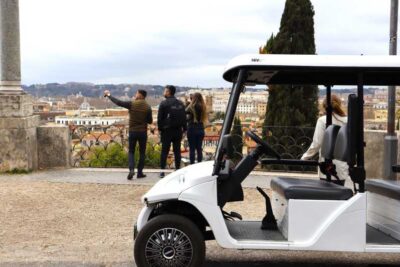
I especially like the Villa Borghese start, where a quick pause at Pincio Terrace sets the tone with big city views. I also like the way you get to enjoy the lights at Trevi Fountain without the long, daytime squeeze.
One thing to plan for: it’s still a guided tour with stops and short walks, so if you prefer mostly quiet driving and minimal commentary, this may feel a touch structured.
In This Review
- Key highlights that make this tour worth your time
- Why a 3-hour golf cart tour works so well at night
- Piazzale Flaminio start: the easiest way to begin your Roman night
- Villa Borghese and Pincio Terrace: your first wow moment
- La Dolce Vita drive: Via Veneto, Barberini, and Quattro Fontane
- Imperial Rome and the Colosseum area: stop for photos, then take it in
- Circus Maximus and the Mouth of Truth zone: legend meets real streets
- Piazza Venezia and Capitoline Hill: a short walk that pays off
- Pantheon with a guided moment: the 2,000-year “how did they do this?” stop
- Piazza Navona: built on an ancient stadium
- Trevi Fountain and the Spanish Steps: the classic finale, paced well
- Price and value: is $78 for 3 hours money well spent?
- Tips to make the most of your night (without overthinking it)
- Who should book this tour
- Should you book this Rome Nocturnal Golf Cart Tour?
- FAQ
- How long is the Rome Nocturnal Golf Cart Tour?
- How much does the tour cost?
- Where do I meet the tour?
- Where does the tour finish?
- What is included in the price?
- What language is the live guide?
- Is the tour wheelchair accessible?
- What major landmarks will I see during the tour?
Key highlights that make this tour worth your time
- Night-lit landmarks without the daytime grind, so your photos actually turn out
- A scenic start at Pincio Terrace over Piazza del Popolo, right before you hit the highlights
- Real “Rome in one evening” coverage, from the Forum zone to the Pantheon and beyond
- Guided photo moments at major stops, not just a quick drive-by
- An end point at Piazza di Spagna, handy for your next step through central Rome
Why a 3-hour golf cart tour works so well at night
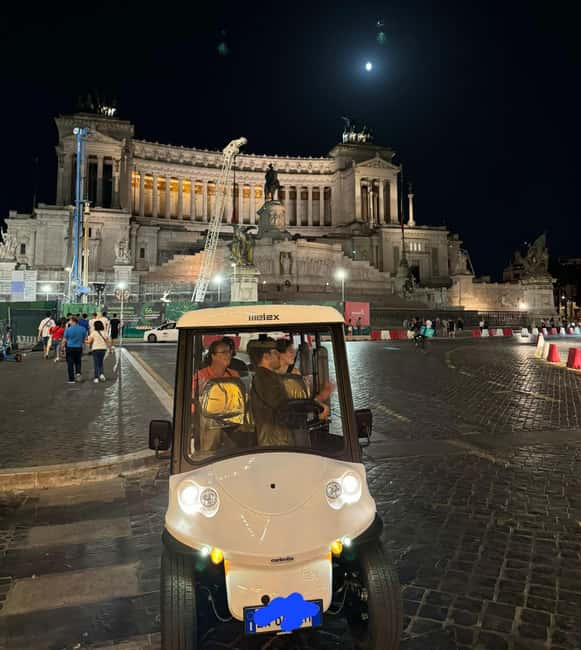
Rome at night has a different rhythm. The streets feel less frantic, the heat usually drops, and the monuments look softer under lighting instead of white-hot midday sun.
This tour’s big value is simple: it reduces the amount of time you spend navigating on foot. You still get guided stops at top sights, but the cart handles the “getting there” part, so you can focus on what matters: the view, the details, and the story.
And at $78 for 3 hours, the math works best if you want a high hit-rate evening. You’re paying for guide time, transportation, and included photos, not for a single landmark that you could visit on your own.
Cover more ground by golf cart
- Rome by Golf Cart Private Tour: Beyond the Landmarks
★ 5.0 · 4,361 reviews - Rome on a Golf Cart Semi-Private Tour Max 6 with Private Option
★ 5.0 · 2,502 reviews - Rome: Golf Cart Tour with Artisanal Gelato Tasting
★ 4.8 · 1,396 reviews - Rome Highlights City Tour by Golf Cart with Gelato
★ 5.0 · 1,088 reviews
Piazzale Flaminio start: the easiest way to begin your Roman night
You meet at Piazzale Flaminio, right by McDonald’s. It’s a straightforward landmark to find, which matters because starting in Rome can be half the stress.
From there, the tour heads into Rome’s big park area first, Villa Borghese. That’s a smart move. Before you get boxed in by the center’s crowds, you get a breather and a panoramic lead-in.
This early timing also sets expectations for how the night flows. You’re not thrown immediately into congestion. You ease into the city, then move from overview to iconic sites.
Villa Borghese and Pincio Terrace: your first wow moment
The first scheduled stop is at Pincio Terrace, with time for photos and those top-down views over Piazza del Popolo and the surrounding rooftops. Even with a short stop, the perspective shift is huge.
This is one of those parts of Rome where you see how the city sits and stacks on itself. You get your bearings fast, which makes later stops feel more connected and less like random photo spots.
In reviews, guides like Eli and Eliphas get praised for keeping things moving without rushing people. That matters here because a view like this is only worth it if you actually get time to look.
La Dolce Vita drive: Via Veneto, Barberini, and Quattro Fontane
After Villa Borghese, the route drops toward Via Veneto, the famous street tied to classic “sweet life” Rome. You pass grand hotels and elegant cafés along the way, but the point isn’t to do café sightseeing. The point is to transition from park views into central Rome’s power-street energy.
You also get sightlines at Piazza Barberini and Palazzo Barberini (Baroque architecture). This is where the tour starts doing something practical: it connects major neighborhoods with the kinds of buildings you’ll notice later when you walk.
Then you roll to Piazza delle Quattro Fontane, where four fountains mark a crossroads tied to ancient Rome’s layout. It’s a quick stop-by moment, but it helps you understand why the city’s corners look the way they do.
Imperial Rome and the Colosseum area: stop for photos, then take it in
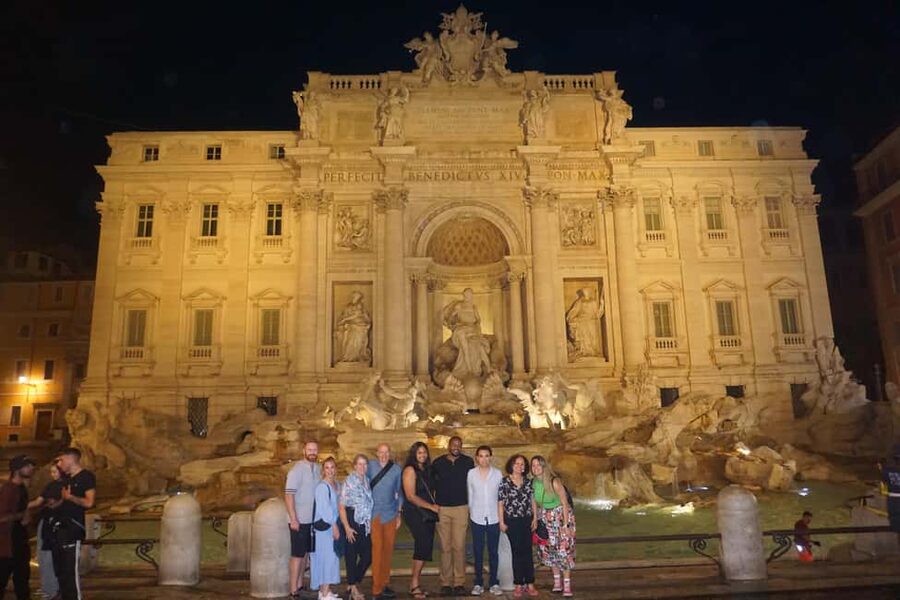
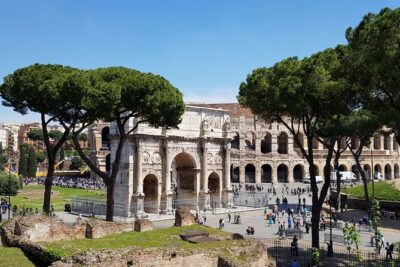
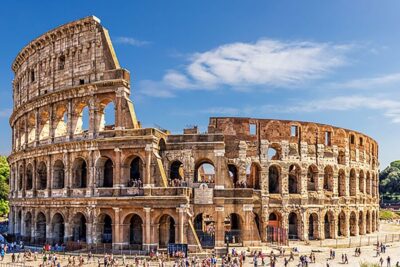
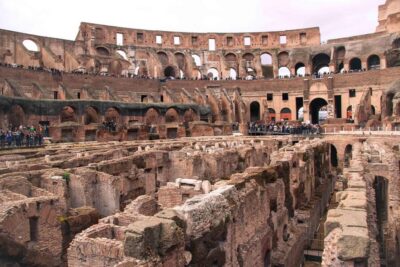
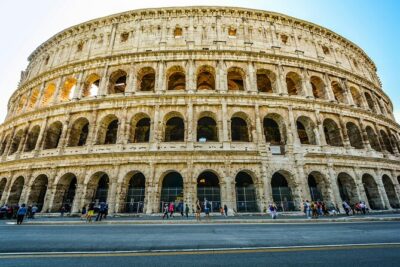
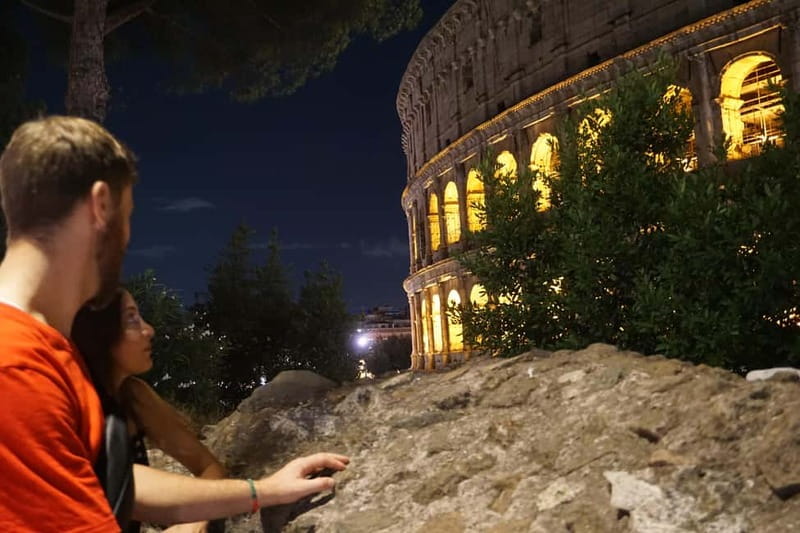
One of the strongest “wow” segments is the approach to the Colosseum area. You cruise past key zones and then reach the Colosseum for a photo stop.
The Colosseum is famous for a reason, but seeing it at night changes the feel. It doesn’t look like a tourist postcard. It looks like a machine built to last. The lighting also helps you pick out the scale, especially if you’re used to seeing it in daylight crowds.
Time-wise, you’re not asked to spend an hour in one spot. That’s the trade-off. But if you only have one night, the trade is worth it because the tour continues to other top sites immediately.
Circus Maximus and the Mouth of Truth zone: legend meets real streets
Next up is the Circus Maximus area. Depending on the length of the line, you may see the keyhole area linked to the Mouth of Truth story. Even when it’s not possible, you still get the big setting: the vast arena space where chariot races once ran.
This part works because it blends “you’re standing in a real place” with the fun myth layer. Rome does both. It keeps the past in the pavement.
Then you reach the Forum Boarium area, where you visit the Mouth of Truth. You also see two of Rome’s oldest surviving temples nearby. The combination is useful: you get legend, plus proof that ancient Rome’s building stock is still there.
Piazza Venezia and Capitoline Hill: a short walk that pays off
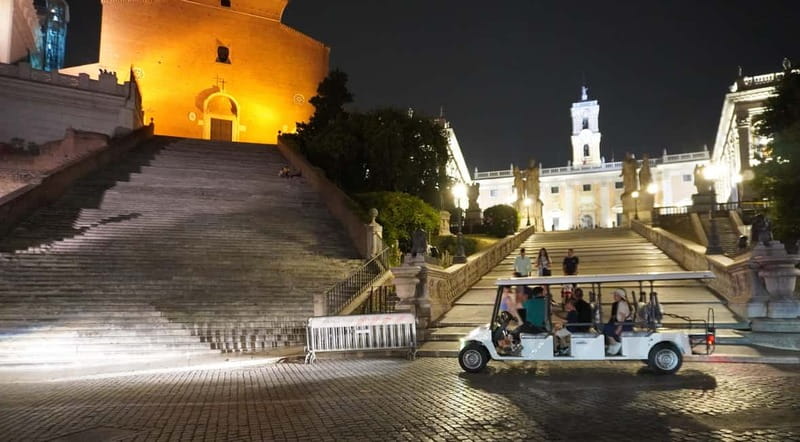
You pass the Theatre of Marcellus along the way. It’s one of those ruins that feels oddly alive because you’re surrounded by modern Rome’s street noise, not museum calm.
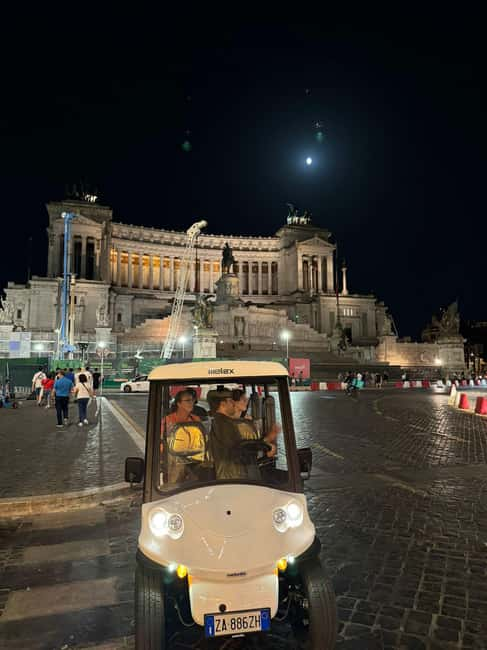
Then you arrive at Piazza Venezia and Capitoline Hill. Here you get a photo stop plus a guided visit and a brief walk. The Vittoriano (Altar of the Fatherland) dominates the square, and Michelangelo’s Capitoline Hill design is a key reason the area matters.
Why this stop helps: it sits between the “ancient ruins” Rome and the “grand monuments” Rome. It’s where you start seeing the city as a layered story, not a checklist.
Pantheon with a guided moment: the 2,000-year “how did they do this?” stop
The Pantheon is the main event in terms of architecture. This tour treats it that way, with a photo stop plus guided time and a walk.
What you’re likely to notice in person is how precise the building still feels. The Pantheon is often described as well-preserved, but that phrase doesn’t cover what it means when you’re inside. You can feel the engineering logic in the space.
The guide context is also a big part of the value. You get facts about its incredible 2,000-year history, which turns a quick look into something that sticks in your memory.
If you’re someone who hates standing in long lines during the day, this timing can be a relief. The structure and lighting still give you the wow factor, and the stop feels less frantic.
Piazza Navona: built on an ancient stadium
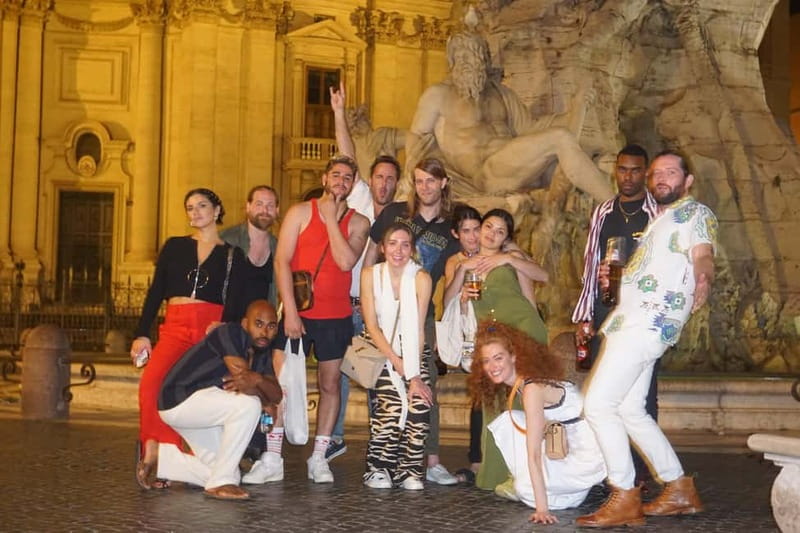
After the Pantheon, you head to Piazza Navona for a photo stop. This is where the tour gives you another “Rome layering” lesson: Piazza Navona is built on the ancient Stadium of Domitian.
That fact changes how you see the square. Instead of thinking only about the fountains and the atmosphere, you start noticing the shape and the size cues that reflect the old stadium footprint.
Even if you’re mostly doing photos here, understanding the origin makes it feel less like a set piece and more like continuity.
Trevi Fountain and the Spanish Steps: the classic finale, paced well
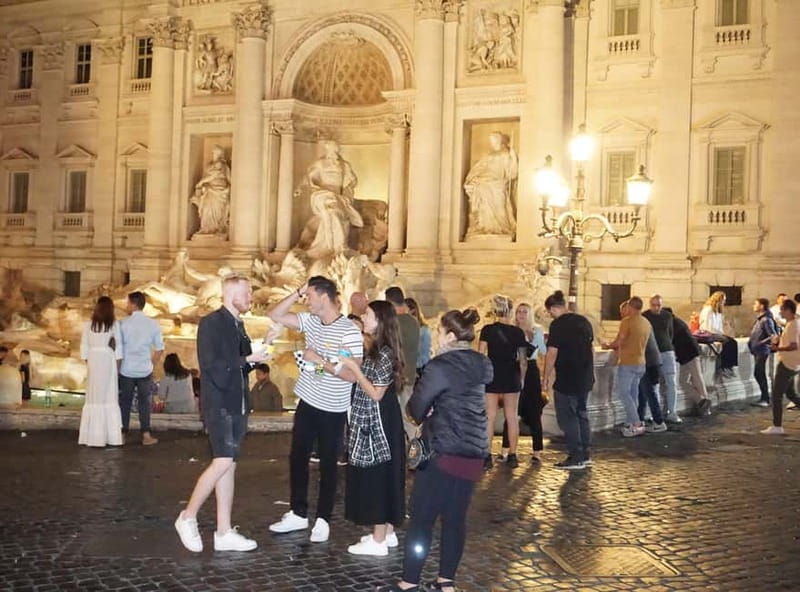
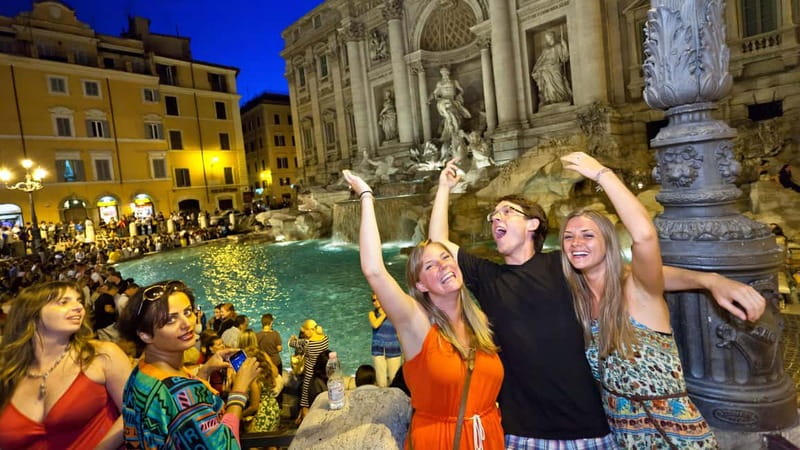
No Rome night tour feels complete without Trevi Fountain. You get a photo stop and guided time, plus time to do the coin toss ritual.
Trevi at night is one of Rome’s best photo moments. The crowd situation tends to be much easier than during peak daytime hours, and the lighting makes the marble look more dimensional.
Then the tour finishes at Piazza di Spagna. The Spanish Steps area is a natural landing spot because it connects to lots of nearby walking routes for gelato, shops, and evening wandering.
This finish point matters. Ending at Piazza di Spagna keeps you central, and it saves you from needing to immediately figure out transit in the middle of the night.
Price and value: is $78 for 3 hours money well spent?
$78 per person for a 3-hour night tour is a fair price if you want a fast, high-impact overview with transportation included. You’re not just buying access to monuments. You’re paying for the guide’s route knowledge, the guided stops, and the included photo component.
Here’s how I’d judge the value for you:
- If you have limited time and want multiple “must-sees” in one evening, this is a time-saver.
- If you hate queues and don’t want to fight for prime spots in the daytime, the night timing is part of the value.
- If you only want one or two monuments, buying separate tickets and walking might be cheaper.
You’re also getting a relaxing format. Short walks happen, but the cart does most of the heavy lifting for a city built for a different century.
Tips to make the most of your night (without overthinking it)
Bring your practical Roman-night mindset. Shoes matter because even short walks add up when you’re switching between viewpoints.
Plan to take your photos, but also to pause and look. Rome at night is better with slower attention. The tour gives you structured moments, but you’ll enjoy it more if you use them to actually see.
Finally, pay attention to the guide’s pacing. In the experiences that get praised the most, guides like Eli and Eliphas tend to give time for questions and don’t bulldoze through the stops. If your guide is doing that, lean in.
Who should book this tour
This is a strong pick if you:
- Want an easy way to hit Rome’s top landmarks without spending the evening navigating on foot
- Prefer seeing monuments lit up, when the city feels less crowded and less exhausting
- Have one night (or a tight schedule) and want a guided overview that covers multiple neighborhoods
It may not be ideal if you:
- Want a super short, mostly drive-and-look experience with minimal talking
- Have mobility needs that require constant step-free movement beyond the cart and brief stops (the tour is wheelchair accessible, but some visiting and walking time is still part of the experience)
Should you book this Rome Nocturnal Golf Cart Tour?
If your goal is a smart, low-effort night circuit through the Pantheon, Trevi Fountain, and the Colosseum area, this tour makes a lot of sense. The guide-led stops and included photos help you leave with more than just screenshots.
I’d especially recommend it for first-timers, couples, and anyone who’s tired after a day of walking. One good evening can set you up for the rest of your trip, because you’ll start recognizing how Rome’s areas connect.
FAQ
How long is the Rome Nocturnal Golf Cart Tour?
The tour lasts 3 hours.
How much does the tour cost?
It costs $78 per person.
Where do I meet the tour?
You meet at Piazzale Flaminio 15, right by the McDonald’s.
Where does the tour finish?
The tour finishes at Piazza di Spagna.
What is included in the price?
Included are a tour guide, the golf cart, a driver, and photos of your tour.
What language is the live guide?
The live tour guide speaks English.
Is the tour wheelchair accessible?
Yes, the tour is wheelchair accessible.
What major landmarks will I see during the tour?
You’ll cover Trevi Fountain, the Colosseum area, the Pantheon, Piazza Navona, the Spanish Steps, and you also pass or stop around areas like Circus Maximus and the Mouth of Truth zone.
More Tours in Rome
- Vatican Museums, Sistine Chapel & St. Peter’s Basilica Tour
★ 4.3 · 73,970 reviews - Vatican Museums, Sistine Chapel & St Peter’s Basilica Guided Tour
★ 4.5 · 39,149 reviews - Rome: Colosseum, Palatine Hill and Roman Forum Guided Tour
★ 4.8 · 32,814 reviews - Rome: Guided Tour of Colosseum, Roman Forum & Palatine Hill
★ 4.7 · 27,897 reviews - Rome: Colosseum, Roman Forum and Palatine Hill Guided Tour
★ 4.5 · 23,903 reviews - Rome: Colosseum Arena Floor, Palatine & Forum Guided Tour
★ 4.5 · 20,180 reviews
More Tour Reviews in Rome
- Vatican Museums, Sistine Chapel & St. Peter’s Basilica Tour
★ 4.3 · 73,970 reviews - Vatican Museums, Sistine Chapel & St Peter’s Basilica Guided Tour
★ 4.5 · 39,149 reviews - Rome: Colosseum, Palatine Hill and Roman Forum Guided Tour
★ 4.8 · 32,814 reviews - Rome: Guided Tour of Colosseum, Roman Forum & Palatine Hill
★ 4.7 · 27,897 reviews - Rome: Colosseum & Forum with Audio Guide App -Optional Arena
★ 4.2 · 24,770 reviews - Rome: Colosseum, Roman Forum and Palatine Hill Guided Tour
★ 4.5 · 23,903 reviews
More Golf Cart Rides
- Rome by Golf Cart Private Tour: Beyond the Landmarks
★ 5.0 · 4,361 reviews - Rome on a Golf Cart Semi-Private Tour Max 6 with Private Option
★ 5.0 · 2,502 reviews - Rome Highlights by Golf Cart Private Tour
★ 5.0 · 2,379 reviews - Rome: Golf Cart Tour with Artisanal Gelato Tasting
★ 4.8 · 1,396 reviews - Rome Highlights City Tour by Golf Cart with Gelato
★ 5.0 · 1,088 reviews - Rome: Imperial City Tour by Golf Cart with Optional Transfer
★ 4.8 · 1,024 reviews
Just added to our Rome reviews





Rome Golf Cart Tours, compared.
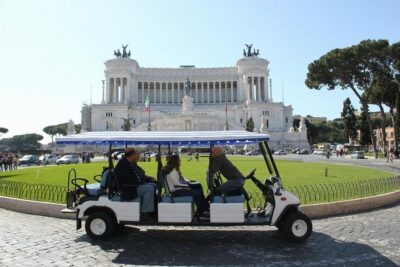 ★ 5.0Rome by Golf Cart Private Tour: Beyond the LandmarksFrom $1804,361 reviews
 ★ 5.0Rome on a Golf Cart Semi-Private Tour Max 6 with Private OptionFrom $1682,502 reviews
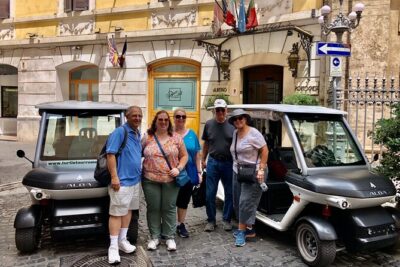 ★ 5.0Rome Highlights by Golf Cart Private TourFrom $1632,379 reviews
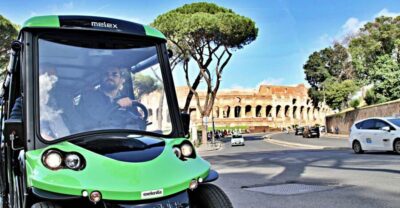 ★ 4.8Golf Cart Tour with Artisanal Gelato TastingFrom $451,396 reviews
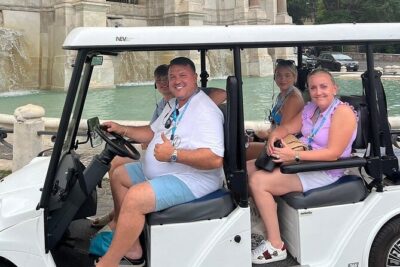 ★ 5.0Rome Highlights City Tour by Golf Cart with GelatoFrom $1071,088 reviews
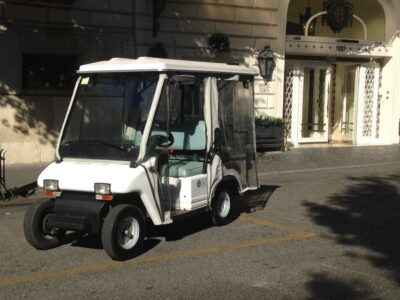 ★ 4.8Imperial City Tour by Golf Cart with Optional TransferFrom $1241,024 reviews
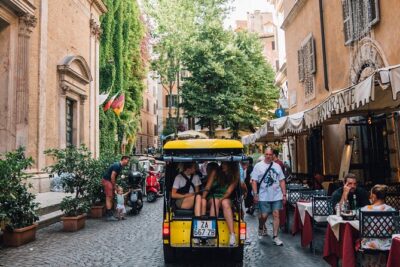 ★ 5.0Golf Cart Small-Group Guided Tour: Rome City HighlightsFrom $104907 reviews
 ★ 4.8City Highlights Golf Cart TourFrom $45857 reviews
Browse the lists this tour appears in