
Reviewed · AUDIO TOURS
Rome: Ancient Baths of Caracalla Ticket & Audio Guide
Few ruins feel this high-tech.
At the Baths of Caracalla, I love how the scale hits fast and how the audio guide keeps you moving through the big rooms without getting lost in broken walls. I also love the chance to learn about the hypocaust heating system, the clever under-floor tech that made these baths work. The main drawback to plan for: it’s self-guided, so if the audio feels off-track or some sections are closed for maintenance (especially in winter), you’ll need a little patience and imagination.
You’ll walk among one of imperial Rome’s biggest public bath complexes and piece together how daily life worked here—exercise, massage, swimming, and hot/cool transitions. Dress matters. Wear shoes you can trust on uneven stone.
In This Review
- Key points before you go
- Baths of Caracalla in Context: Rome’s Massive Imperial Spa
- Your Self-Paced Visit with a Vox City International Audio Guide
- What You’ll See: 17 Stops Including the Swimming Pool
- Hypocaust Heating System: The Ancient Tech You Actually Want to Understand
- Mosaics, Marble, and Why St. Peter’s Basilica Has Bath Stones
- Price and Value: What You’re Paying For
- Time, Dress Code, and Site Basics for a Smooth Visit
- Should You Book This Baths of Caracalla Audio Ticket?
- FAQ
- Where is the meeting point for the Baths of Caracalla?
- How long should I plan for the visit?
- Is an audio guide included?
- What languages are available on the audio guide?
- Do I need to bring headphones?
- How do I get the e-ticket and audio guide?
- Is transportation included?
- What should I wear for entry?
- Is the site wheelchair accessible?
Key points before you go
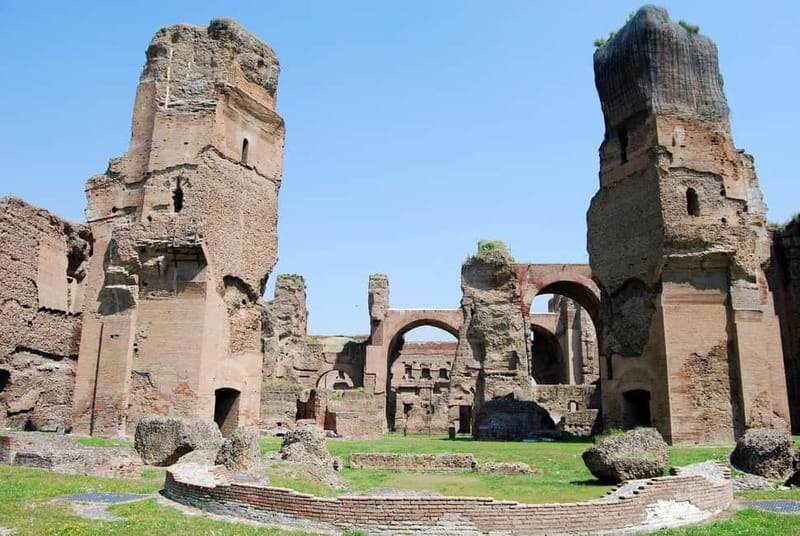
- Self-paced with an audio guide that covers 17 points of interest, so you can spend time where you care most.
- Hypocaust heating explanations help you understand what you’re looking at, not just where it is.
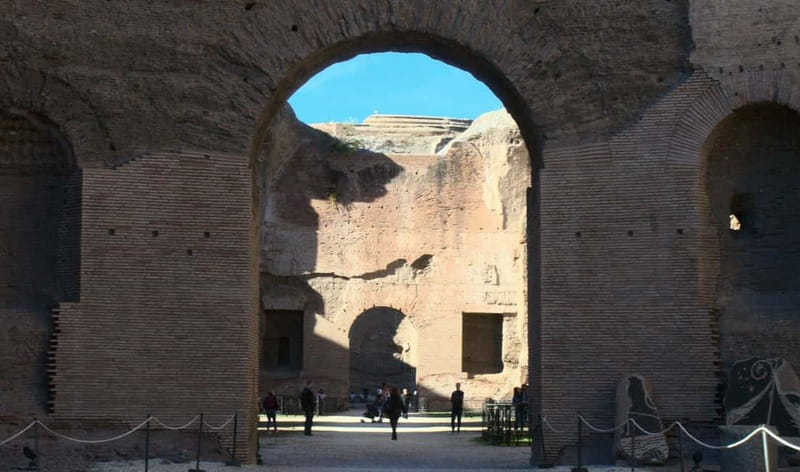
- Mosaics and Roman artwork are worth slowing down for, even when preservation is partial.
- A hyped-up stop list includes areas like gym spaces, massage rooms, and the swimming pool.
- Bring your own headphones and phone—you download the audio via QR code before you arrive.
Baths of Caracalla in Context: Rome’s Massive Imperial Spa
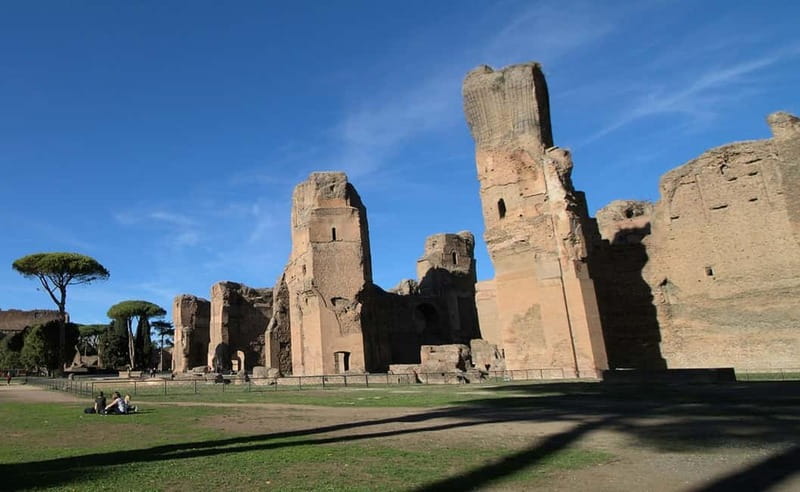
The Baths of Caracalla were built to impress. Under emperors Septimius Severus and Caracalla, this massive complex served as a public leisure center—part training ground, part social hub, and part bathing machine. Even in ruins, you can feel the ambition. These weren’t private baths for a single wealthy household. This was Rome saying: we can build something that works for thousands.
What makes it interesting for a modern visitor is that the site isn’t just “pretty rubble.” You’re looking at architecture built around movement and temperature changes. The audio guide helps you connect the dots, especially when it explains how heat traveled through the building.
And yes, it’s truly one of Rome’s huge “seven wonders”-level stops. It’s often less crowded than the headline monuments, so you can actually slow down, focus, and take photos without constantly dodging groups.
Worth a look next to this Rome booking:
- Rome: Hop-On Hop-Off Panoramic Bus Ticket – Access 3 Routes
★ 4.0 · 18,145 reviews - Vatican Museums & Sistine Chapel Skip-the-Line Entry Ticket
★ 4.4 · 13,838 reviews - Vatican Museums & Sistine Chapel Skip-the-Ticket-Line Tour
★ 4.3 · 10,486 reviews - Rome: Vatican Museums & Sistine Chapel Skip-the-Line Ticket
★ 4.3 · 8,103 reviews
Your Self-Paced Visit with a Vox City International Audio Guide
This experience is built for a no-rush visit. There’s no guided group, just your ticket plus an audio guide that you follow on your own schedule. The audio is multilingual (English, Spanish, French, German, Italian), and it’s designed to take you through key areas with narration tied to points of interest.
The biggest practical win is control. If you’re the type who loves architecture, you can linger near the technical bits. If you’re more into art, you can spend extra time with the preserved mosaics and marble details. If you need a break, you can step back and reset without feeling like you’re holding anyone up.
That said, self-guided cuts both ways. One of the recurring frustrations is that people can lose the thread if the audio path doesn’t match how the site is laid out for your visit. I’d treat the audio guide as a helpful companion, not a perfect GPS. If something feels mismatched, switch your focus: find the major rooms visually first, then let the narration catch up.
What You’ll See: 17 Stops Including the Swimming Pool
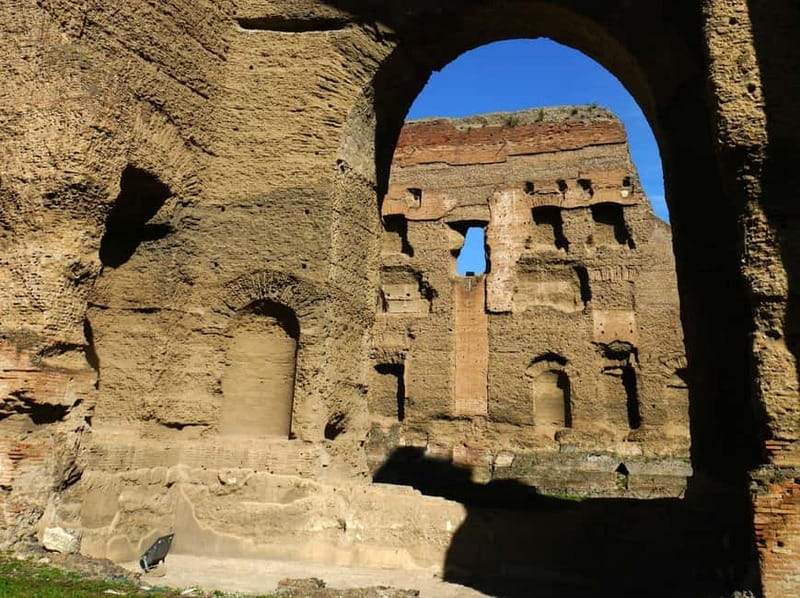
The audio guide is organized around 17 points of interest, which is a sweet number: enough structure to feel guided, without turning the visit into a checklist sprint. Among the highlights, you should expect stops that include major bath zones like the swimming pool, plus spaces associated with everyday routines—think exercise and recovery.
As you walk through the complex, you’ll likely pass through areas tied to:
- Leisure and exercise (including a gymnasium area in the complex)
- Massage rooms where the Roman bathing day included more than water
- The swimming pool zone, which is central to the “bath” idea, not just a decorative element
You’ll also get cues for what to look at in the ruins: walls, openings, and surfaces where Roman builders made choices that still make sense today. That’s key. Baths look like “a building” until you understand the function. Once you get the function, the ruins start telling stories.
Photo tip: If you want good shots, pick one “anchor” view—like a main room—and then take your photos after you’ve read the matching audio section. Without that mental context, you’ll take lots of pictures of stone. With it, your photos feel like evidence of a working system.
Hypocaust Heating System: The Ancient Tech You Actually Want to Understand
The hypocaust is the star of Baths of Caracalla. The hypocaust system is ancient Roman engineering that used heated air and heat-retaining spaces to warm parts of the bath complex. In plain terms: it wasn’t just “hot water.” Heat had to be produced and then guided into the building.
That matters because ruins can be confusing. You might see under-floor spaces or structural supports and wonder what their job was. The audio guide explains the heating logic so you’re not just staring at leftover architecture—you’re seeing how the baths could get warm and stay warm.
Here’s the mental shift I’d encourage: treat the site like an engine room with public rooms on top. Once you do that, you start spotting design features that look intentional (and not random breakage). The narration on Roman heating is exactly what turns a visit from scenery into real understanding.
If you like science, building design, or “how did they do this,” you’ll probably enjoy this more than you expect. Baths weren’t casual. They were engineered experiences.
Worth a look next to this Rome booking:


Mosaics, Marble, and Why St. Peter’s Basilica Has Bath Stones
One of the most compelling parts of a Caracalla visit is what happens after the baths. Roman cities didn’t keep every building forever, and ancient stone often got reused in later construction. The audio guide includes a detail that’s easy to miss if you only look forward: stones from the baths were eventually used in the construction of St Peter’s Basilica.
That’s a fascinating link between “then” and “now.” It also changes how you view what’s left. You’re not just seeing decay. You’re seeing material that survived in fragments and then became part of another era’s monument.
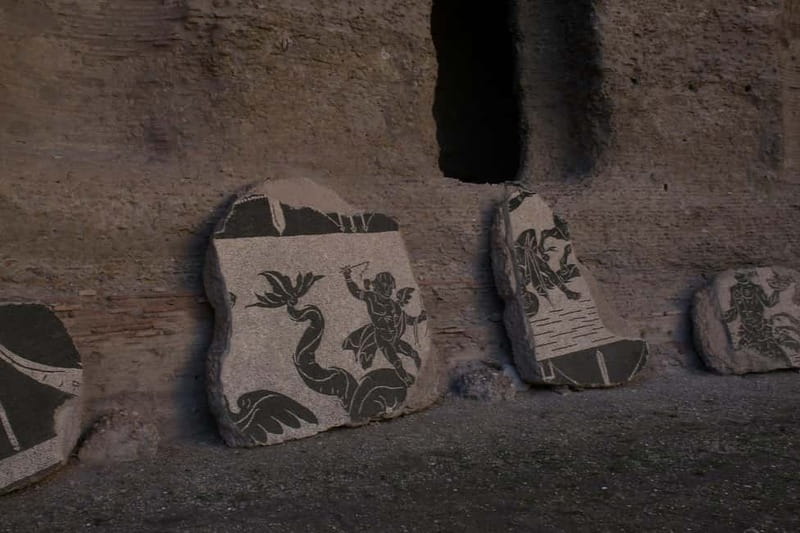
On-site, you should keep an eye out for preserved mosaics and artwork. Even if parts feel unfinished or less restored, these surviving decorations give you texture and color. They remind you these were not stripped-down public facilities. Roman baths were also about comfort and visual experience.
Practical photo note: mosaics tend to look best in soft light rather than harsh noon glare. If you can choose your time, aim for earlier or later daylight.
Price and Value: What You’re Paying For
The ticket price is listed as $20 per person, and the big question is whether the audio guide adds enough value. Here’s how I’d judge it.
If you want the site to “make sense,” the audio guide is the main value driver. Baths of Caracalla is large, and without guidance it’s easy to wander through impressive rooms without understanding the heat system, the room purposes, or how the complex functioned as daily life infrastructure. The audio is designed to give that structure.
If you’re comfortable exploring on your own and you already know Roman baths well, you might feel less impressed by the audio-only component. But for most people, the narration is what converts ruins into a story you can follow.
A balanced caution: some experiences include situations where people felt the audio route was hard to follow or language support didn’t work smoothly. That doesn’t mean the concept fails—it means you should show up prepared and troubleshoot quickly. Bring your charged phone and your own headphones.
Time, Dress Code, and Site Basics for a Smooth Visit
This is a 2-hour visit. That’s usually a good length for a self-paced ruins site with an audio component. It gives you time to walk the key areas, stop for the main explanations, and still have energy left for the rest of Rome that day.
Plan for walking on uneven ground. Comfortable shoes are non-negotiable. The site dress code is also clear: no flip-flops or sandals, no shorts, and no sleeveless tops. You don’t want to be stuck outside while you scramble for clothing options.
The entry process is digital. Your e-ticket is delivered by message (available for download and sent via WhatsApp within 24 hours of your travel date). You should have your ticket ready to show at the main entrance at Viale delle Terme di Caracalla, 00153 Rome.
Once you’re there, download matters again: scan the QR code on your voucher to get the audio guide before arrival. And bring your own headphones—the experience data explicitly notes that headphones and the mobile device aren’t included. One practical takeaway from real-world usage: if you forget headphones, your “2-hour visit” can quietly stretch, because you’ll lose time fixing a preventable problem.
Should You Book This Baths of Caracalla Audio Ticket?
Book it if you want a structured, self-paced visit where you can understand the place instead of just looking at it. This is especially smart if you’re curious about Roman engineering, hypocaust heating, and how public bathing worked as part of daily Roman life.
Skip or rethink it if:
- You hate self-guided experiences and need a human guide to keep you oriented.
- You’re traveling in a season when you expect closures and you don’t want to deal with partial access.
- You’re likely to arrive without preparing your phone and headphones. This one depends on setup.
My recommendation: if you’re the type who likes turning ruins into a functioning story, this audio-first ticket is a strong value. If you’re already comfortable winging it through ruins, you might find the site works even without the audio—just less efficiently.
FAQ
Where is the meeting point for the Baths of Caracalla?
You can go directly to the main entrance at Viale delle Terme di Caracalla, 00153 Rome.
How long should I plan for the visit?
Plan on about 2 hours.
Is an audio guide included?
Yes. The ticket includes an audio guide for the Baths of Caracalla and also audio commentary for Rome landmarks.
What languages are available on the audio guide?
The audio guide is available in English, Spanish, French, German, and Italian.
Do I need to bring headphones?
Yes. The audio guide requires you to bring your own headphones, and your smartphone is also needed for the audio.
How do I get the e-ticket and audio guide?
You receive an e-ticket that you can download and show at entry. Before arrival, scan the QR code on your voucher to download the audio guide, using your own headphones.
Is transportation included?
No. Transportation is not included.
What should I wear for entry?
Avoid flip-flops or sandals, shorts, and sleeveless tops. Wear comfortable shoes.
Is the site wheelchair accessible?
Yes, the experience is listed as wheelchair accessible.
More Guided in Rome
- Vatican Museums, Sistine Chapel & St Peter’s Basilica Guided Tour
★ 4.5 · 39,149 reviews - Rome: Colosseum, Palatine Hill and Roman Forum Guided Tour
★ 4.8 · 32,814 reviews - Rome: Guided Tour of Colosseum, Roman Forum & Palatine Hill
★ 4.7 · 27,897 reviews - Rome: Colosseum & Forum with Audio Guide App -Optional Arena
★ 4.2 · 24,770 reviews - Rome: Colosseum, Roman Forum and Palatine Hill Guided Tour
★ 4.5 · 23,903 reviews - Rome: Colosseum Arena Floor, Palatine & Forum Guided Tour
★ 4.5 · 20,180 reviews
More Tickets in Rome
- Rome: Hop-On Hop-Off Panoramic Bus Ticket – Access 3 Routes
★ 4.0 · 18,145 reviews - Vatican Museums & Sistine Chapel Skip-the-Line Entry Ticket
★ 4.4 · 13,838 reviews - Vatican Museums & Sistine Chapel Skip-the-Ticket-Line Tour
★ 4.3 · 10,486 reviews - Rome: Vatican Museums & Sistine Chapel Skip-the-Line Ticket
★ 4.3 · 8,103 reviews - Rome: St. Peter’s Basilica & Dome Entry Ticket & Audio Tour
★ 4.2 · 7,537 reviews - Vatican & Sistine Chapel Ticket with Optional Audio Guide
★ 4.1 · 5,405 reviews
More Tour Reviews in Rome
- Vatican Museums, Sistine Chapel & St. Peter’s Basilica Tour
★ 4.3 · 73,970 reviews - Vatican Museums, Sistine Chapel & St Peter’s Basilica Guided Tour
★ 4.5 · 39,149 reviews - Rome: Colosseum, Palatine Hill and Roman Forum Guided Tour
★ 4.8 · 32,814 reviews - Rome: Guided Tour of Colosseum, Roman Forum & Palatine Hill
★ 4.7 · 27,897 reviews - Rome: Colosseum & Forum with Audio Guide App -Optional Arena
★ 4.2 · 24,770 reviews - Rome: Colosseum, Roman Forum and Palatine Hill Guided Tour
★ 4.5 · 23,903 reviews
Just added to our Rome reviews





Audio Tours, compared.
 ★ 4.2Colosseum & Forum with Audio Guide App -Optional ArenaFrom $4124,770 reviews
 ★ 4.2St. Peter’s Basilica & Dome Entry Ticket & Audio TourFrom $177,537 reviews
 ★ 4.1Vatican & Sistine Chapel Ticket with Optional Audio GuideFrom $465,405 reviews
 ★ 4.3Castel Sant’Angelo Entry Ticket & Audio AppFrom $234,952 reviews
 ★ 4.3Colosseum, Forum, & Palatine Hill with Audio GuideFrom $444,591 reviews
 ★ 4.4Castel Sant’Angelo Entry Ticket with Audio guideFrom $313,646 reviews
 ★ 4.0Skip the Line: Vatican & Sistine Chapel Ticket with Audio GuideFrom $463,271 reviews
 ★ 4.2Colosseum Experience with Audio Guide and Arena OptionFrom $302,200 reviews
Browse the lists this tour appears in