
Reviewed · LUNCH EXPERIENCES
Mazzano Romano: Cooking Lesson and Lunch in the Countryside
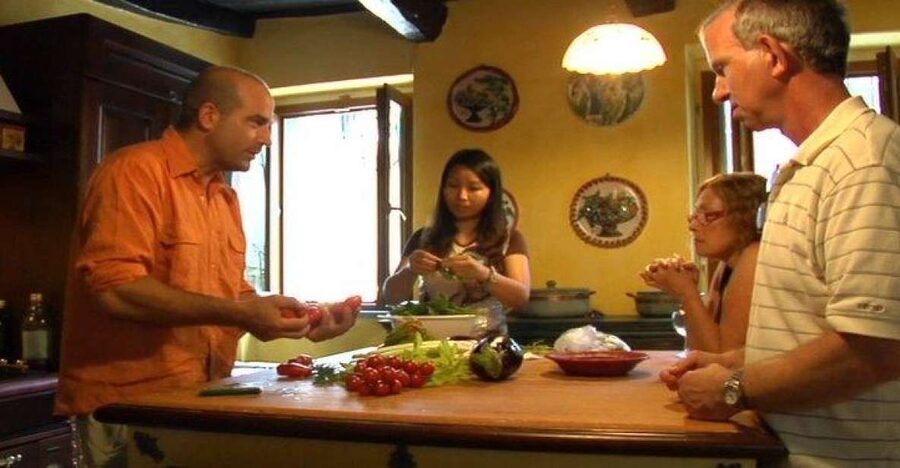
Cooking in the Roman countryside beats another museum day. In Mazzano Romano, you’ll take an easy transfer out of the city to a rustic setting where you learn a full 3-course Italian lunch—from picking ingredients to cooking and eating together. I like that the class is built around real technique (not just watching), and I also love the start of the day: grabbing fresh vegetables and herbs, so the meal feels tied to place, not a recipe book.
The only real trade-off is cost: $245.83 for 6 hours is a serious splurge. If your goal is mostly scenery, this might feel pricey; but if you want to cook, share a table, and bring the menu home, it’s easier to justify.
In This Review
- Key Highlights Worth Planning For
- Mazzano Romano’s Countryside Kitchen: More Than Just Cooking
- Getting There from Rome: Pickup, Village Time, and Easy Transfers
- Via Market or Farm: How the Ingredient Picking Sets the Tone
- Inside the Lesson: Cooking a 3-Course Italian Lunch Step by Step
- Meet the Kitchen Team: Chef Roberto, Roy, Tamara, and a Small-Group Vibe
- What Lunch Feels Like: Wine, a Real Table, and Too Much Food (In a Good Way)
- The Recipe Question: Can You Recreate This at Home?
- Price and Value: What $245.83 Buys You (and What It Doesn’t)
- Who This Countryside Class Fits Best
- Practical Tips: Shoes, What to Bring, and Keeping the Day Smooth
- Should You Book This Mazzano Romano Cooking Lesson?
- FAQ
- How long is the cooking lesson and lunch?
- How large is the group?
- Where is the meeting point in Rome?
- What language are the hosts or greeters?
- What’s included in the price?
- What should I bring, and what can’t I bring?
- Is there free cancellation?
Key Highlights Worth Planning For
- Small group size (max 8), so you get time with the chef instead of shouting across a kitchen
- A real ingredient hunt, with either a market stop or picking vegetables and herbs at the farm
- Hands-on teaching across three courses, not a quick demo followed by a snack
- Countryside reset: you leave Rome for a more relaxed pace and come back feeling human
- Italian meal + beverages, finished with a celebratory salute at the table
Mazzano Romano’s Countryside Kitchen: More Than Just Cooking
Rome can turn your day into a checklist—Colosseum, fountains, lines, repeat. This kind of experience is different. You still get culture, just in a slower, practical way: food, timing, and the rhythm of an Italian lunch.
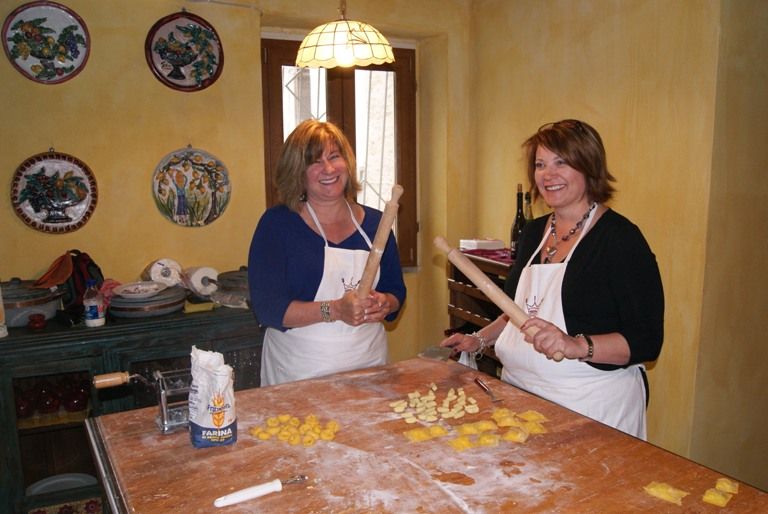
What makes this class feel worth your time is that it isn’t just one skill. You’ll practice moving through a full meal: appetizers, a first course, a second course, and dessert. That matters because it mirrors how Italians actually eat. You’re not only learning recipes; you’re learning the flow.
And the countryside piece isn’t an afterthought. The trip is about leaving the city’s noise behind for the length of the lesson, so you can focus. You’ll ride out from central Rome, reach a medieval-feeling village on the outskirts, and then shift into farm-and-home mode.
Worth a look next to this Rome booking:
- 3 in 1 Cooking Class near Navona: Fettuccine, Ravioli & Tiramisu
★ 5.0 · 7,376 reviews - Rome: Pasta Making Class with Wine, Limoncello, and Dessert
★ 4.9 · 3,177 reviews - Rome Cooking Class: Make Pasta and 3 Spritz Cocktails
★ 5.0 · 2,937 reviews - Rome: 3-in-1 Fettuccine, Ravioli, and Tiramisu Cooking Class
★ 4.9 · 2,704 reviews
Getting There from Rome: Pickup, Village Time, and Easy Transfers
The day starts with a pickup from central Rome, with the listed meeting point at Via Ludovisi 60, next to the entrance to Ludovisi’s parking. That setup is helpful because it reduces friction. You don’t have to solve trains, buses, or parking just to start cooking.
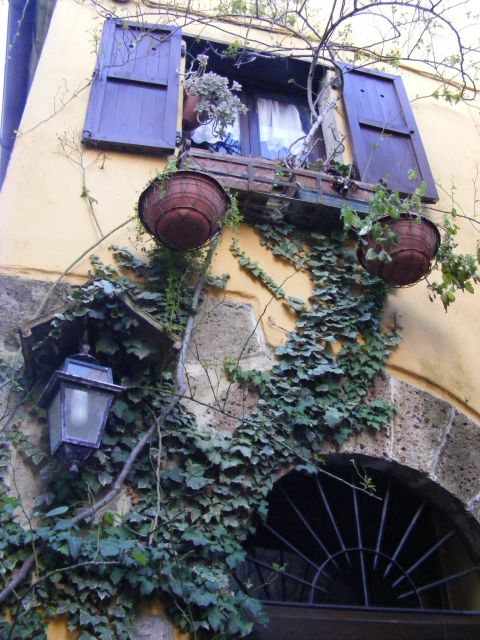
Once you’re on the road, the schedule is pleasantly straightforward: you travel about one hour from Rome into the Lazio countryside area near the medieval village of Mazzano Romano. The goal isn’t to squeeze in sightseeing. It’s to get you to a setting where you can cook for real—without the city running your energy down.
One more practical note: the group is capped at 8 participants, and that size makes the transport feel less like a cattle-car transfer and more like a shared outing. You’re still with the same people throughout the day, which helps if you’re the chatty type—or just want a calm, friendly bubble.
Via Market or Farm: How the Ingredient Picking Sets the Tone
A big part of why this class works is the beginning: you either visit a market or pick vegetables and herbs at the farm. It’s not only about getting fresher produce. It teaches you how Italians think about food as ingredients with seasons and personalities.
On the market side, you can expect stops that focus on real kitchen staples like vegetables, herbs, and common meat and cheese items used for a traditional lunch. On the farm/picking side, you’ll gather herbs and produce yourself, which gives you a clearer sense of flavor. When you later chop and cook, you’ll feel like you’re building a meal instead of following steps.
This ingredient stage also turns the day into something you can remember. People often come home with photos of the kitchen and the dishes. But the herb-picking and shopping part is what makes it feel like you were actually living Italian daily life.
Inside the Lesson: Cooking a 3-Course Italian Lunch Step by Step
Here’s what you should expect once you meet the chef and begin cooking. The class is designed so you don’t just stand around. You’ll be guided through classic course-by-course cooking, including:
- Appetizers (your first bite and a warm-up to the day’s flavors)
- A first course (often pasta-focused)
- A second course (the heavier, main-protein part of the lunch)
- Dessert (the closing sweet note)
The teaching style matters here. In the past, this experience has been led by chefs such as Chef Roberto and guides/hosts including Tamara. Some days also have instructors referred to as Roy, and others have included support from people like Monica and Eliza. The common theme is patient instruction—plus a sense of humor that makes the kitchen feel normal.
What I like about this structure is that it gives you usable skills, even if you’re not a confident cook at home. You’ll learn how to approach timing, seasoning, and basic technique across more than one dish. That’s what lets you recreate the menu later without feeling lost.
And because the group stays small, you can ask questions. You’re more likely to get real answers about things like what to look for while cooking, rather than vague advice aimed at a crowd.
Worth a look next to this Rome booking:
Meet the Kitchen Team: Chef Roberto, Roy, Tamara, and a Small-Group Vibe
One of the strongest signals from the experience is how personal the instruction feels. The class isn’t set up like a lecture. It’s more like you’re joining a family-style kitchen session where the chef teaches you while you work.
Names you may hear include Chef Roberto (often praised for being both professional and an excellent teacher), Roy (another instructor), and Tamara (frequently mentioned as an assistant and co-host who keeps things running smoothly). In at least one version of the experience, the team included support from Monica and Eliza, helping create a welcoming, friendly atmosphere.
Why this matters to you: you’re paying for more than recipes. You’re paying for the chance to cook with guidance from someone who can correct small mistakes fast. That’s especially useful if you’re traveling alone, as the small group helps you feel included. It’s also a win if you’re traveling as a couple or as a family with teens who can handle active kitchen time.
What Lunch Feels Like: Wine, a Real Table, and Too Much Food (In a Good Way)
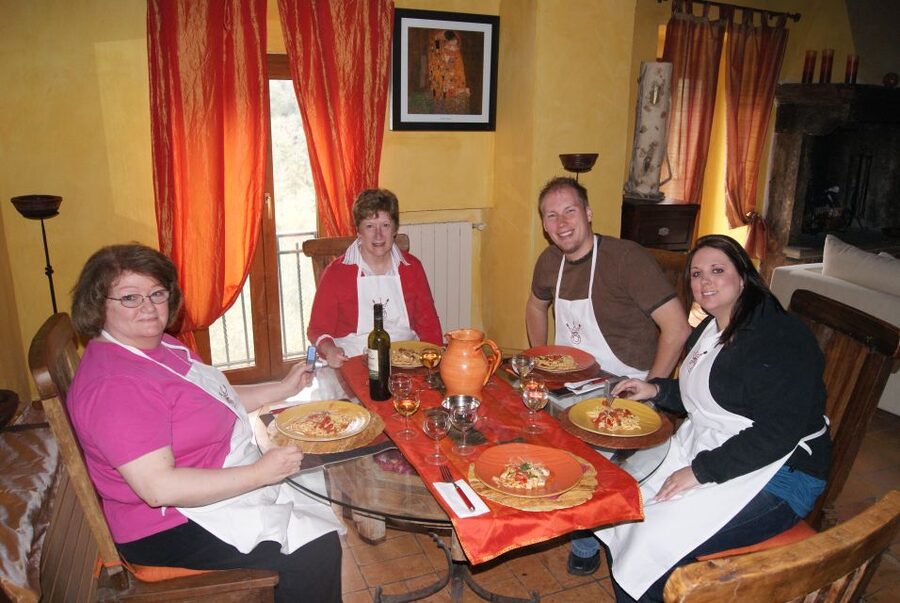
After cooking comes the best part: sitting down and eating what you made. You’ll have a meal in a countryside setting, with beverages included. The day is paced to let you enjoy the food instead of rushing through it.
The tone is celebratory in the simplest way: you’ll raise a glass and say Salute! and you’ll actually have time to taste. This is important. Some cooking classes treat lunch like a break between demos. Here, lunch is the payoff.
Also, be ready for real portions. More than one person has described leaving with the feeling that they couldn’t even finish everything. That’s a good sign. It means the lesson isn’t skimpy—and that you’ll have enough food to satisfy, not just sample.
The Recipe Question: Can You Recreate This at Home?
A practical concern for any cooking class is whether you get something concrete to take home. In past experiences, hosts have sent recipes after the lesson, often by email, so you can remember what you did and reproduce it later.
Even when you have recipes, technique is what makes the difference. That’s why learning the full flow of a 3-course lunch is more valuable than doing one dish. When you get home, you’re not starting from scratch. You’ve already practiced the rhythm: appetizer energy, pasta timing, main-course structure, dessert finish.
One more small but helpful point: the class includes market or farm time. That means you can shop with intention back home. You know what to look for—especially herbs and fresh produce.
Price and Value: What $245.83 Buys You (and What It Doesn’t)
At $245.83 per person for a 6-hour experience, you’re paying for an all-in package. That includes:
- the cooking lesson for a full 3-course lunch
- lunch and beverages
- a market or farm visit for ingredients
- transport with pickup from central Rome
- a small group size capped at 8
So where does the value come from? You’re not just buying food. You’re buying instruction, shopping time, and the convenience of transfers. If you’ve ever tried to recreate an Italian lunch at home from memory, you know how hard it is to get it right without guidance.
What it doesn’t guarantee: this isn’t a passive sightseeing tour. If you don’t want to cook, chop, and get hands-on, the price may feel steep because the “activity” is the main product.
Who This Countryside Class Fits Best
This is a great match if you:
- want a break from Rome’s walking-heavy days
- enjoy cooking and want to learn technique across multiple dishes
- like small-group, social experiences where you share food right away
- prefer authentic daily-life experiences over standard photo stops
It can also work for families with older kids, since some past groups included teenagers participating directly in the cooking process. The pacing includes active kitchen time, so younger kids might struggle.
One important note: the experience is marked not suitable for pregnant women. If that applies to you, it’s best to choose a different Rome countryside option.
Practical Tips: Shoes, What to Bring, and Keeping the Day Smooth
This is a “wear comfortable shoes” day. You’ll be on your feet as you cook, and the day involves moving between Rome pickup, the village area, and the countryside kitchen setting.
Also note what you should not bring:
- pets
- oversize luggage or large bags
- smoking
- alcohol and drugs
You don’t need to pack a kitchen kit. You just need to show up ready to work and eat. If you’re the type who likes to learn by doing, you’ll probably love how quickly you’re put to use.
Should You Book This Mazzano Romano Cooking Lesson?
Book it if you want a meaningful Rome day that doesn’t feel like another line, another ticket, another photo. This experience hits the sweet spot: a calm countryside setting, a true ingredient start, and hands-on cooking that ends with a real meal.
Skip it if you only want views or if you’re not interested in cooking at all. At this price, you’ll want to get your money’s worth by actually participating in the full lesson.
If you do book, I’d choose it as a mid-trip day—after you’ve done some Rome sights and you’re ready for a reset. It’s the kind of experience that leaves you with dinner you understand, not just food you ate.
FAQ
How long is the cooking lesson and lunch?
The experience lasts 6 hours. Starting times vary, so you’ll want to check availability for the schedule.
How large is the group?
The class is kept small, with a maximum of 8 participants.
Where is the meeting point in Rome?
The meeting point is at Via Ludovisi 60, next to the entrance to Ludovisi’s parking.
What language are the hosts or greeters?
The host or greeter speaks Spanish and English.
What’s included in the price?
You get the cooking lesson, lunch, beverages, and a market or farm visit.
What should I bring, and what can’t I bring?
Bring comfortable shoes. The experience does not allow pets, oversize luggage/large bags, smoking, or bringing alcohol and drugs.
Is there free cancellation?
Yes. You can cancel up to 3 days in advance for a full refund.
More Lunch Experiences in Rome
- Pompeii and Mount Vesuvius Day Trip from Rome with Pizza Lunch
★ 4.5 · 6,151 reviews - Rome: Tuscany & Montepulciano Day Trip with Lunch & Wine Tasting
★ 4.5 · 5,232 reviews - From Rome: Pompeii Day Trip with Optional Vesuvius and Lunch
★ 4.6 · 5,067 reviews - Rome: Tuscany & Montepulciano Day Trip with Lunch & Wines
★ 4.7 · 3,004 reviews - Rome to Pompeii Guided Tour with Wine & Lunch by High Speed Train
★ 5.0 · 1,379 reviews - From Rome: Bagnoregio & Orvieto Day Trip with Wines & Lunch
★ 4.6 · 1,075 reviews
More Cooking Classes in Rome
- 3 in 1 Cooking Class near Navona: Fettuccine, Ravioli & Tiramisu
★ 5.0 · 7,376 reviews - Rome: Pasta Making Class with Wine, Limoncello, and Dessert
★ 4.9 · 3,177 reviews - Rome Cooking Class: Make Pasta and 3 Spritz Cocktails
★ 5.0 · 2,937 reviews - Rome: 3-in-1 Fettuccine, Ravioli, and Tiramisu Cooking Class
★ 4.9 · 2,704 reviews - Rome: Fettuccine Pasta Cooking Class in Rome’s City Center
★ 4.8 · 2,414 reviews - Fettuccine & Tiramisù: Cooking Class with Wine & Limoncello
★ 4.9 · 2,103 reviews
More Tour Reviews in Rome
- Vatican Museums, Sistine Chapel & St. Peter’s Basilica Tour
★ 4.3 · 73,970 reviews - Vatican Museums, Sistine Chapel & St Peter’s Basilica Guided Tour
★ 4.5 · 39,149 reviews - Rome: Colosseum, Palatine Hill and Roman Forum Guided Tour
★ 4.8 · 32,814 reviews - Rome: Guided Tour of Colosseum, Roman Forum & Palatine Hill
★ 4.7 · 27,897 reviews - Rome: Colosseum & Forum with Audio Guide App -Optional Arena
★ 4.2 · 24,770 reviews - Rome: Colosseum, Roman Forum and Palatine Hill Guided Tour
★ 4.5 · 23,903 reviews
Just added to our Rome reviews





Lunch Experiences, compared.
 ★ 4.5Pompeii and Mount Vesuvius Day Trip from Rome with Pizza LunchFrom $906,151 reviews
 ★ 4.5Tuscany & Montepulciano Day Trip with Lunch & Wine TastingFrom $835,232 reviews
 ★ 4.6From Rome: Pompeii Day Trip with Optional Vesuvius and LunchFrom $885,067 reviews
 ★ 4.7Tuscany & Montepulciano Day Trip with Lunch & WinesFrom $813,004 reviews
 ★ 5.0Rome to Pompeii Guided Tour with Wine & Lunch by High Speed TrainFrom $2391,379 reviews
 ★ 4.6From Rome: Bagnoregio & Orvieto Day Trip with Wines & LunchFrom $931,075 reviews
 ★ 4.0Assisi and Orvieto Guided Day Tour from Rome with LunchFrom $1981,031 reviews
 ★ 5.0Appian Way Aqueducts Bike Tour (Catacombs & Lunch Option)From $78975 reviews
Browse the lists this tour appears in