
Reviewed · ROME COOKING CLASSES
Walking tour in the Heart of Rome and a Cooking Class in a Very Small Group
A day like this turns Rome into one clear story: walk, taste, repeat. I like that you get a guided stroll through the historic center plus a practical cooking lesson that actually teaches you how to make fresh pasta. I also like the small group size (up to 8), which makes it easier to ask questions and keep the pace comfortable. One possible drawback: you’ll be on your feet for about four hours total, so plan your day around walking time.
The history isn’t delivered like a lecture. You’ll get short stops to spot what you came for—then learn the “why” behind places like the Spanish Steps, Trevi Fountain, and the Pantheon. And when the tour shifts to food, it’s hands-on in a local restaurant, with an instructor like Chef Paula (with guide help in English, as needed) making the kitchen part feel friendly, not intimidating.
The main thing to consider is that the stops are frequent and timed. If you want long, slow wandering at every photo spot, this format may feel a bit structured—especially at the Trevi Fountain where you only get a short window.
In This Review
- Key things to know before you go
- Rome in Four Hours: A Small-Group Walk That Ends in Fresh Pasta
- Start at Piazza Barberini: Where the Walking Part Gets Its Bearings
- Spanish Steps to Trevi Fountain: Two Icons, But With Useful Context
- Piazza di Pietra and Santa Maria Sopra Minerva: Smaller Stops, Better Variety
- The Pantheon and Piazza Navona: From Ancient Awe to Easy People-Watching
- The Cooking Class at a Local Restaurant: Hands-On Fresh Pasta, Not Just Watching
- Appetizer, Pasta Dish, Dessert: How the Menu Becomes Part of the Teaching
- Recipes You Can Actually Use Back Home
- Price and Value: What You’re Really Paying For
- Timing and Pace: Fit It Into Your Day Like a Pro
- Who This Works Best For (And Who Might Prefer Something Else)
- Practical Tips for Your Show-Up Day
- Should You Book This Rome Walk and Pasta Class?
- FAQ
- How long is the experience?
- What’s the group size limit?
- What language is the tour offered in?
- What does the cooking class include?
- Where does the tour start and end?
- Do I get a ticket on my phone?
- Can I cancel for a full refund?
Key things to know before you go
- Small group maximum of 8 means you’re not battling for attention at each stop
- English-language guide keeps the architecture-and-food story easy to follow
- Trevi Fountain time includes photos and coin-throwing (quick, but built in)
- Bernini’s elephant at Santa Maria Sopra Minerva and Hadrian’s temple at Piazza di Pietra add variety
- Hands-on pasta lesson with recipes for everything you make (plus an appetizer and dessert)
- Ends close to the Pantheon, so you can keep exploring afterward without backtracking
Rome in Four Hours: A Small-Group Walk That Ends in Fresh Pasta
If you’re trying to make Rome fit into a tight schedule, this is the kind of plan that helps you win the day. You get a focused walking tour through some of the most famous central sights, then you switch gears to a hands-on cooking class where the payoff is food you can take home as recipes.
I like that the experience is built for flow. You’re not just getting “look at that” moments—you’re getting context at each stop, and the guide’s job is to keep things understandable and moving. It also helps that the group stays small, so the guide can pace explanations around real questions instead of powering through a script.
One reason this works well is that it uses Rome’s two big engines: architecture and appetite. You see landmarks like the Pantheon and Piazza Navona, and then you get to practice making dinner yourself. That connection—place to plate—is what makes the day feel like more than a checklist.
More aprons-on time in a Roman kitchen
- 3 in 1 Cooking Class near Navona: Fettuccine, Ravioli & Tiramisu
★ 5.0 · 7,376 reviews - Rome: Pasta & Tiramisu Class with Fine Wine by the Vatican
★ 4.9 · 4,852 reviews - Rome: Pasta Making Class with Wine, Limoncello, and Dessert
★ 4.9 · 3,177 reviews - Rome Cooking Class: Make Pasta and 3 Spritz Cocktails
★ 5.0 · 2,937 reviews
Start at Piazza Barberini: Where the Walking Part Gets Its Bearings
You begin at Piazza Barberini, which is a good move because it gives you a start point that’s easy to orient from without starting deep in tourist traffic chaos. The first stop is short, but it matters: you get a quick intro to the surroundings and what you’ll be doing next, so the day doesn’t feel like you’re being thrown into the middle of Rome.
From there, the tour transitions into some of the city’s most recognizable scenery. The pacing is designed so you’re not stuck waiting around. You’ll move through multiple key locations with time for learning and then short bursts for photos and viewing.
If you’re the type who gets overwhelmed when too much is happening at once, this beginning helps. You’ll know what you’re aiming at, what to notice, and when to slow down.
Spanish Steps to Trevi Fountain: Two Icons, But With Useful Context
The Spanish Steps stop is built around learning: you’ll head toward the famous square and get the history and curiosities of the steps and their surroundings. Even if you’ve seen pictures a thousand times, this kind of explanation changes how you look at it—suddenly you’re not just hunting for your angle, you’re understanding what shaped the spot.
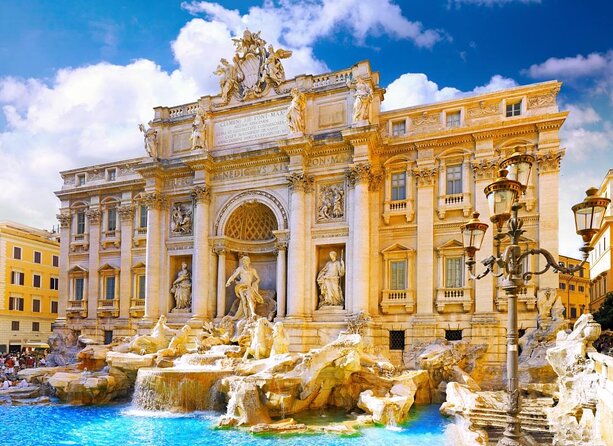
Then you move on to Trevi Fountain, and this stop has the kind of setup that makes it satisfying. On the way, you pass ruins connected to an ancient aqueduct, and then you reach the fountain itself, described as the most famous Roman fountain. After the guide’s historical explanation, you get a bit of breathing room to wander, take photos, and throw the coins in.
A quick note on expectations: you won’t get hours at Trevi. But the way this tour is structured means you’ll see the place and actually do the classic fountain moments without losing the thread of the day.
Piazza di Pietra and Santa Maria Sopra Minerva: Smaller Stops, Better Variety
After the big-name hits, the tour shifts into a more interesting rhythm—less time at the headline attractions, more time on details that many people rush past.
At Piazza di Pietra, you’ll get an explanation of the square and Hadrian’s temple. That’s a smart change of pace. It breaks up the “main postcard circuit” and reminds you that Rome’s most memorable moments often come from the side streets and the spaces people don’t expect.
Then comes Chiesa di Santa Maria Sopra Minerva, where you’ll learn about Bernini’s elephant and the square. This is one of those stops that makes the walk feel fun, not just educational. It gives you a visual anchor you can remember later—something specific enough to stand out when you’re reviewing your photos back home.
If your ideal tour day is both classic and surprising, these stops are a big part of why this experience works.
Worth a look next to this Rome booking:

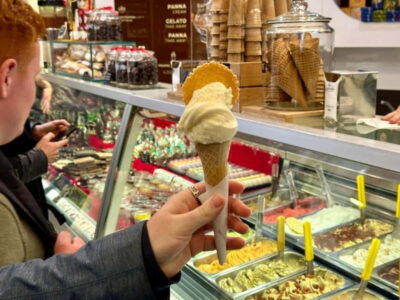

The Pantheon and Piazza Navona: From Ancient Awe to Easy People-Watching
The Pantheon stop is longer than some of the others. You’ll get historical facts about the site and how it inspired many Renaissance masters. That detail matters because it gives you a reason to look beyond the surface. You’re not only admiring a building—you’re connecting it to why artists later cared so much.
Once the walking portion wraps near Piazza Navona, you transition into the cooking part in a local restaurant. Piazza Navona is presented as one of the most beautiful squares in Rome, and the guide provides a historical explanation of the place. Even without getting stuck for long, it’s the right tone-setting location before dinner-mode starts.
Practical upside: because the tour ends close to the Pantheon, you can keep exploring in that area after your cooking lesson without spending your evening commuting.
The Cooking Class at a Local Restaurant: Hands-On Fresh Pasta, Not Just Watching
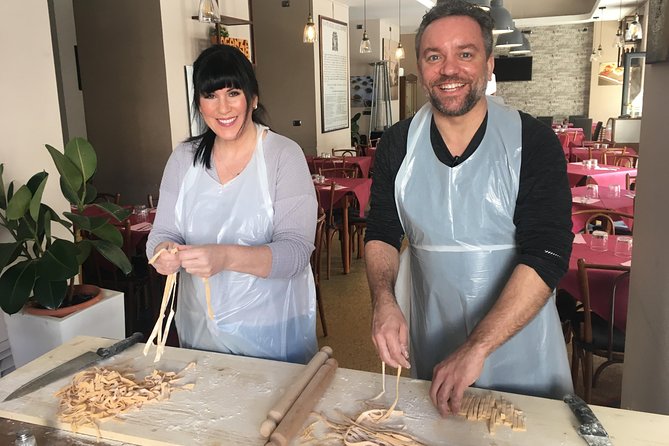
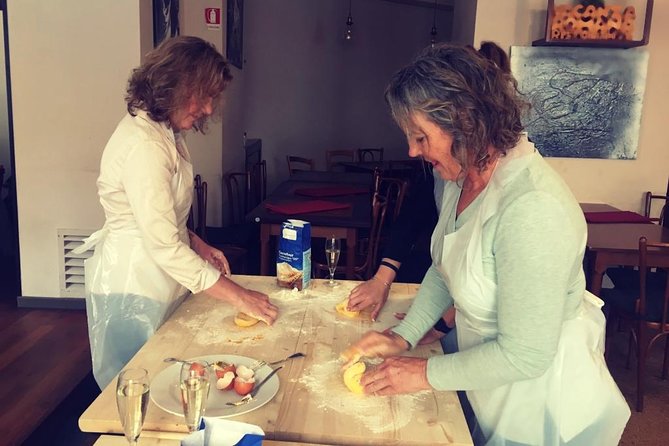
This is where the day turns from sightseeing to something you can actually bring home. The cooking class happens in a local restaurant after the walk ends, and it’s set up as a small-group lesson so you’re actively doing the work instead of standing around.
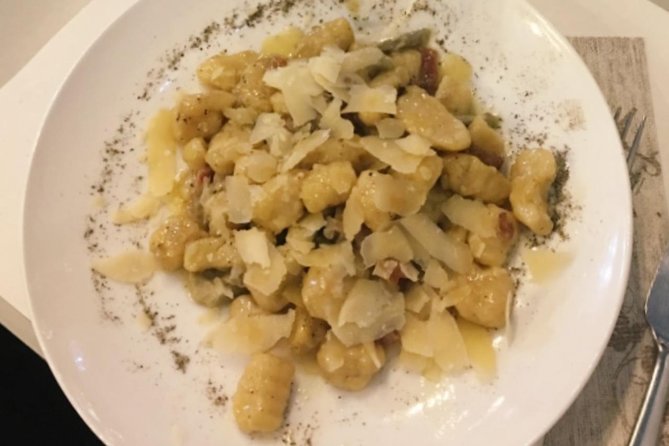
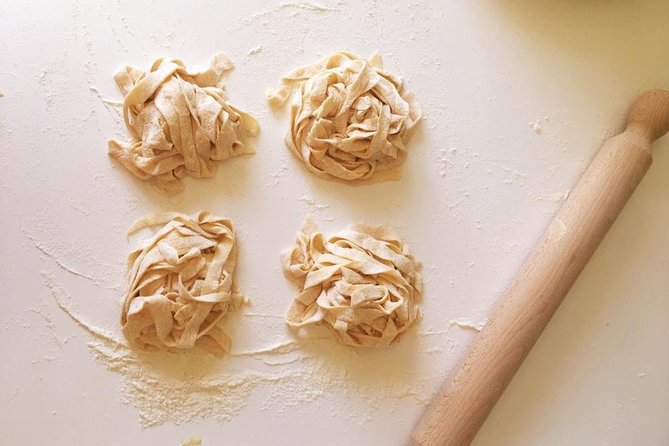
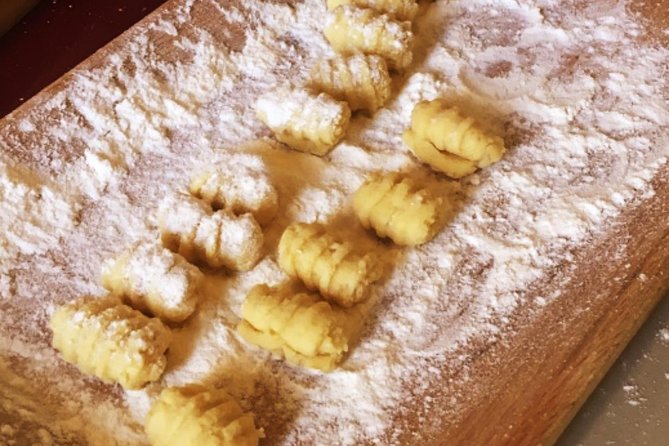
The focus is fresh pasta with a hands-on approach. In the cooking session, you learn skills like mixing and rolling dough, and you’ll also make specific items such as gnocchi. In addition, the menu includes an appetizer, a pasta dish, and a dessert to finish the lesson.
From the dishes that have been taught, you can expect variety, not just one pasta and done. One session includes making artichokes and preparing ciabelline, a crunchy cookie with a licorice flavor. Even if you’ve never cooked anything like that at home, the class format is designed to make the process feel step-by-step.
And yes, you’ll get recipes. Not a vague “good luck” packet. The materials are for all the dishes you prepared, which is the difference between a fun night out and a meal you can recreate.
Appetizer, Pasta Dish, Dessert: How the Menu Becomes Part of the Teaching
A lot of cooking classes stop at one task. Here, the lesson is structured around a full sequence, which makes it easier to remember. You start with an appetizer, then build into pasta work, and finish with dessert—so you’re practicing more than one skill type.
The guide’s role matters during this phase, too. The experience is offered in English, and in at least one session the guide helped with translation during the cooking portion. That’s a sign they want you to understand what you’re doing, not just follow instructions blindly.
You also get the practical benefit of tasting what you make in the same sitting. That helps you connect technique to outcome. If the dough feels right or the gnocchi texture works, you’ll know immediately, not two days later when you realize the recipe isn’t saving you.
Recipes You Can Actually Use Back Home
If you want a souvenir that isn’t another magnet, recipes are the right kind. You’ll receive recipes for all the dishes you prepared, which means you’re leaving with a small menu you can recreate later.
This matters because the class includes multiple components—an appetizer, pasta, and dessert. If you only learned one item, you’d have a single dish to repeat. But with a full set of recipes, you can re-cook the parts over multiple nights, or make the whole meal when you want something special.
Also, having the recipes gives you confidence when you’re shopping for ingredients back home. You can compare what you find to what the class taught and adjust based on what’s available where you live.
Price and Value: What You’re Really Paying For
At $142.98 per person for about four hours, this tour isn’t trying to be a cheap “see Rome” deal. You’re paying for two things that cost real money in Rome: a guided walking experience and a restaurant-based cooking class with instruction plus the food itself.
The value is strongest if you like doing activities that don’t end when the tour ends. Many tours give you photos. This one gives you skills and recipes, plus an appetizer, pasta dish, and dessert.
It also helps that the group max is 8 travelers, which keeps the experience from turning into a busy line. Smaller groups often mean you get more attention where it counts: during cooking, when technique questions are the difference between good and great.
If you’re only interested in architecture and zero interest in cooking, you might feel the price is too much. But if you’re even slightly curious about making pasta, the cost starts to look very fair.
Timing and Pace: Fit It Into Your Day Like a Pro
The tour lasts about 4 hours total, with short, specific time blocks at each site. That’s useful because you can plan around it without needing a whole day. It’s also why the experience works: you get enough time to learn key points, then you move before you get bored.
The walking part includes a mix of quick stops and slightly longer ones (like the Pantheon and Piazza Navona area). So your feet will be busy, but the mental load stays manageable because each stop has a purpose.
My practical advice: schedule this earlier in your trip day, or pair it with a relaxed plan afterward. If you try to stack it with a heavy late-night outing, you’ll feel the walking time more than you expect.
Who This Works Best For (And Who Might Prefer Something Else)
This is a great fit if you want:
- a guided walk through central Rome without spending hours figuring it out yourself
- a hands-on cooking class where you make pasta and learn the process
- an English-friendly experience with explanations that keep up with the group
It’s also a strong choice if you’re traveling with family or a mixed group where you want one activity that has both sightseeing and a clear activity payoff.
Who might not love it: if you’re the type who wants long, free time at each landmark, this day is more structured. Also, if cooking doesn’t interest you at all, you might feel like you’re paying for food you’ll ignore.
Practical Tips for Your Show-Up Day
Here’s how to set yourself up for a smooth experience.
- Arrive at Piazza Barberini a few minutes early so you’re not rushing when the group gathers.
- Wear comfortable shoes. The schedule is tight enough that sore feet will drain the fun fast.
- Bring a phone with enough battery for photos. Trevi includes time to wander and shoot.
- Plan for the tour to end close to the Pantheon at Piazza della Rotonda, so you can keep exploring nearby if you want.
- Use the mobile ticket method to avoid last-minute confusion.
If you’re doing this as your main Rome activity, think of it as: a great guided sampler, then a meal you’ll remember.
Should You Book This Rome Walk and Pasta Class?
Book it if you want Rome in two modes: city storytelling outdoors, then real cooking indoors. The combination is the best part. You’ll see major sights like Trevi Fountain and the Pantheon, and you’ll also learn pasta-making skills that turn the whole trip into something you can repeat.
Skip it if you only care about wandering freely or you hate cooking. In that case, a pure architecture tour might match your style better.
If you’re on the fence, here’s my simple test: if the idea of making gnocchi and ciabelline (with a licorice flavor) sounds even a little fun, this is exactly the kind of day that makes Rome feel personal.
FAQ
How long is the experience?
It’s about 4 hours.
What’s the group size limit?
The experience has a maximum of 8 travelers.
What language is the tour offered in?
The tour is offered in English.
What does the cooking class include?
You’ll take a hands-on cooking class in a local restaurant and enjoy an appetizer, a pasta dish, and a dessert. You also receive recipes for all the dishes you prepared.
Where does the tour start and end?
It starts at Piazza Barberini and ends close to the Pantheon, near Piazza della Rotonda.
Do I get a ticket on my phone?
Yes, the tour uses a mobile ticket.
Can I cancel for a full refund?
Yes. You can cancel up to 24 hours in advance for a full refund. If you cancel less than 24 hours before the start time, you won’t receive a refund.
More Tours in Rome
- Vatican Museums, Sistine Chapel & St. Peter’s Basilica Tour
★ 4.3 · 73,970 reviews - Vatican Museums, Sistine Chapel & St Peter’s Basilica Guided Tour
★ 4.5 · 39,149 reviews - Rome: Colosseum, Palatine Hill and Roman Forum Guided Tour
★ 4.8 · 32,814 reviews - Rome: Guided Tour of Colosseum, Roman Forum & Palatine Hill
★ 4.7 · 27,897 reviews - Rome: Colosseum, Roman Forum and Palatine Hill Guided Tour
★ 4.5 · 23,903 reviews - Rome: Colosseum Arena Floor, Palatine & Forum Guided Tour
★ 4.5 · 20,180 reviews
More Tour Reviews in Rome
- Vatican Museums, Sistine Chapel & St. Peter’s Basilica Tour
★ 4.3 · 73,970 reviews - Vatican Museums, Sistine Chapel & St Peter’s Basilica Guided Tour
★ 4.5 · 39,149 reviews - Rome: Colosseum, Palatine Hill and Roman Forum Guided Tour
★ 4.8 · 32,814 reviews - Rome: Guided Tour of Colosseum, Roman Forum & Palatine Hill
★ 4.7 · 27,897 reviews - Rome: Colosseum & Forum with Audio Guide App -Optional Arena
★ 4.2 · 24,770 reviews - Rome: Colosseum, Roman Forum and Palatine Hill Guided Tour
★ 4.5 · 23,903 reviews
Learn Another Roman Dish
- 3 in 1 Cooking Class near Navona: Fettuccine, Ravioli & Tiramisu
★ 5.0 · 7,376 reviews - Rome: Pasta & Tiramisu Class with Fine Wine by the Vatican
★ 4.9 · 4,852 reviews - Rome: Pasta Making Class with Wine, Limoncello, and Dessert
★ 4.9 · 3,177 reviews - Rome Cooking Class: Make Pasta and 3 Spritz Cocktails
★ 5.0 · 2,937 reviews - Rome: 3-in-1 Fettuccine, Ravioli, and Tiramisu Cooking Class
★ 4.9 · 2,704 reviews - Rome: Fettuccine Pasta Cooking Class in Rome’s City Center
★ 4.8 · 2,414 reviews
Just added to our Rome reviews





Rome Cooking Classes, compared.
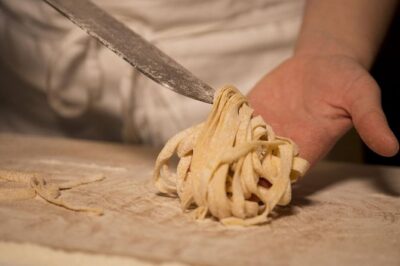 ★ 5.03 in 1 Cooking Class near Navona: Fettuccine, Ravioli & TiramisuFrom $837,376 reviews
 ★ 4.9Pasta & Tiramisu Class with Fine Wine by the VaticanFrom $414,852 reviews
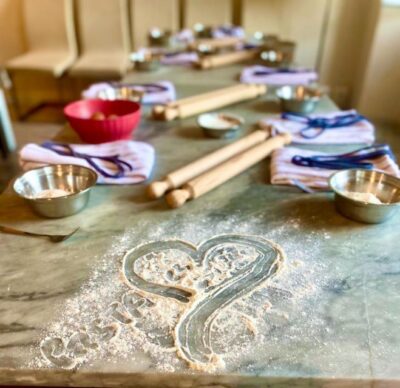 ★ 4.9Pasta Making Class with Wine, Limoncello, and DessertFrom $483,177 reviews
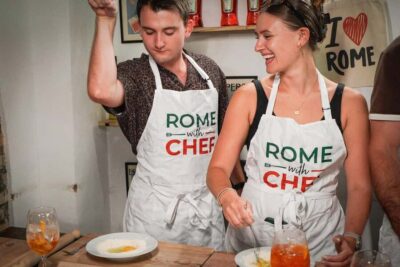 ★ 5.0Rome Cooking Class: Make Pasta and 3 Spritz CocktailsFrom $992,937 reviews
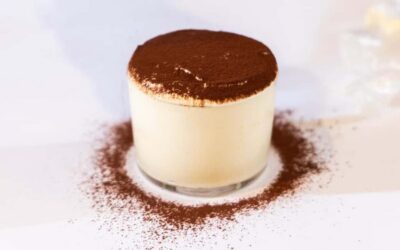 ★ 4.93-in-1 Fettuccine, Ravioli, and Tiramisu Cooking ClassFrom $812,704 reviews
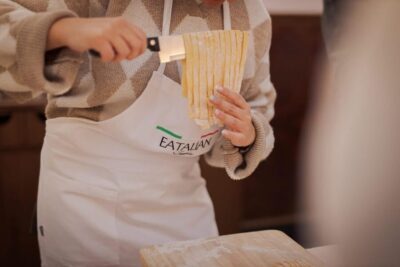 ★ 4.8Fettuccine Pasta Cooking Class in Rome’s City CenterFrom $462,414 reviews
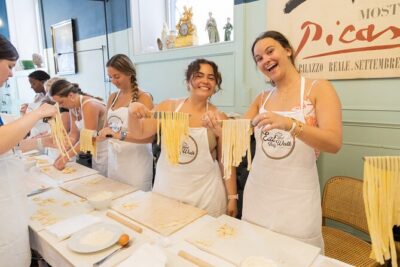 ★ 5.0Learn to Make Pasta & Tiramisu with Wine and Limoncello IncludedFrom $542,345 reviews
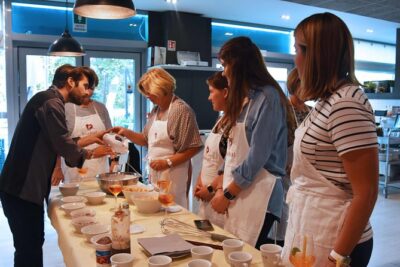 ★ 5.0Become a Masterchef in Rome: Pasta, Ravioli and Tiramisù ClassFrom $472,156 reviews
Browse the lists this tour appears in