
Reviewed · ROME FOOD TOURS
Testaccio: Home Cooking Cacio e Pepe, Amatriciana, Carbonara
Roman pasta tastes better when you make it. This Testaccio cooking class puts you in a local kitchen to learn the Roman Holy Trinity from scratch, then you actually sit down and eat what you made. The pace is friendly, hands-on, and very much like dinner at a real Roman home, not a stage show.
I love two things here: you get serious practice making fresh pasta dough, and you leave with a handle on three classic sauces—Cacio e Pepe, Amatriciana, and Carbonara—instead of just tasting them. Then comes the part that makes it feel like value: you eat your three courses with unlimited wine and coffee, plus dessert in the same cozy setting.
One drawback to plan around: this is a home environment and it’s not recommended for anyone with serious allergies to dogs and cats.
In This Review
- Key highlights you’ll feel right away
- Testaccio is the real Rome for pasta lovers
- A 3.5-hour plan that goes from dough to dinner
- Fresh pasta dough: the first skill that changes everything
- Cacio e Pepe, Amatriciana, Carbonara: mastering the sauce logic
- Cacio e Pepe
- Amatriciana
- Carbonara
- What happens when you sit down: wine, coffee, and dessert
- Diet options: vegetarian, vegan, and gluten-free support
- Learning that sticks: the recipes and notes you take home
- Price and value: is $105 a fair deal?
- Logistics you should plan for (without the hassle)
- Who should book this pasta night
- Should you book Testaccio: Home Cooking Holy Trinity?
- FAQ
- How long is the cooking class?
- What dishes will I learn to make?
- What’s included in the price?
- Is there a vegetarian or vegan option?
- Do they offer gluten-free options?
- Is hotel pickup included?
- How big is the group?
- Is it suitable for people with animal allergies?
Key highlights you’ll feel right away
- Three iconic sauces in one 3.5-hour evening: Cacio e Pepe, Amatriciana, and Carbonara, each taught through hands-on steps.
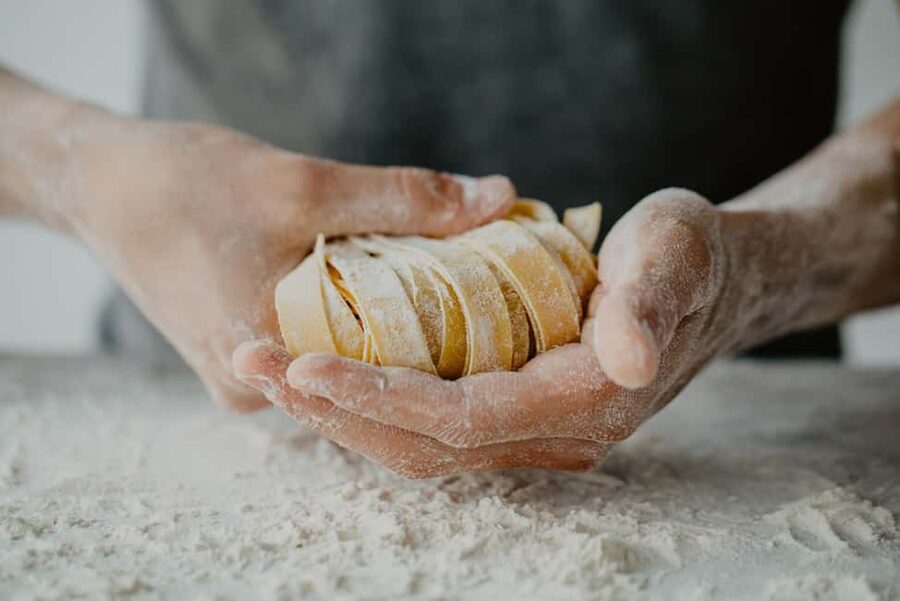
- Fresh pasta from scratch: You learn how to build the dough and get it to the right texture for Roman-style pasta.
- Small group, up close with the hosts: Limited to 10 participants, so you’re not waiting around.
- Hosts Milvia and Andrea set the tone: Warm, patient guidance that feels like cooking with family.
- Food + drinks + dessert, all included: You eat what you make with unlimited wine and coffee, then finish with homemade dessert.
- Diet-friendly options are possible: The menu can be adapted for vegetarians, vegans, and gluten-free needs.
Testaccio is the real Rome for pasta lovers
Testaccio is one of those neighborhoods that still feels like Rome lives here, not just passes through it. That matters on a pasta night. In a central tourist area, food can feel staged. Here, the whole evening is built around the kind of cooking Romans actually do: simple ingredients treated with care, and a meal that’s meant to be shared.
You’ll be in a home setting, not a studio. That shifts the mood fast. The room feels personal. The questions come easily. And if you mess up one step, you can usually fix it right there—because the teaching is close and patient.
If you want a Rome moment that’s more than photos, this is the kind of class that delivers. The focus stays on the work: how dough behaves, how sauces come together, and how to taste as you go.
Still hungry? More Rome food walks
- Winner 2025 Rome Twilight Trastevere Food Tour by Eating Europe
★ 5.0 · 5,157 reviews - Rome: Street Food Tour with Local Guide
★ 4.8 · 4,077 reviews - Rome Food Tour: Unlimited Tastings with Fine Wine & Barolo
★ 5.0 · 3,365 reviews - Rome Food Tour: Campo de’ Fiori, Ghetto, Trastevere Winner 2024
★ 5.0 · 3,205 reviews
A 3.5-hour plan that goes from dough to dinner
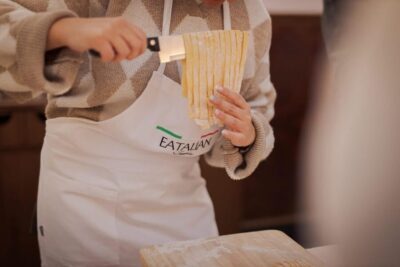
The total time is 3.5 hours, and it’s structured so you’re never just watching. You start with making fresh pasta dough from scratch. You’re not expected to be an expert. You’re expected to learn the basics well enough to leave with usable technique.
From there, the emphasis turns to the sauce portion. Each of the three classic Roman sauces has its own logic, and you’ll practice the steps that make it work—how the ingredients blend, how timing matters, and how the sauce should look and taste when it’s ready.
Then you transition from kitchen mode into eating mode. You’ll taste a meal of three pasta courses, paired with local wine, and the evening doesn’t stop after that. There’s a homemade dessert, plus Italian coffee to close it out.
This format is smart for your trip. A lot of cooking classes in Europe teach a recipe and then send you out. Here, you get the full loop: hands-on cooking, then a proper sit-down meal of what you made.
Fresh pasta dough: the first skill that changes everything
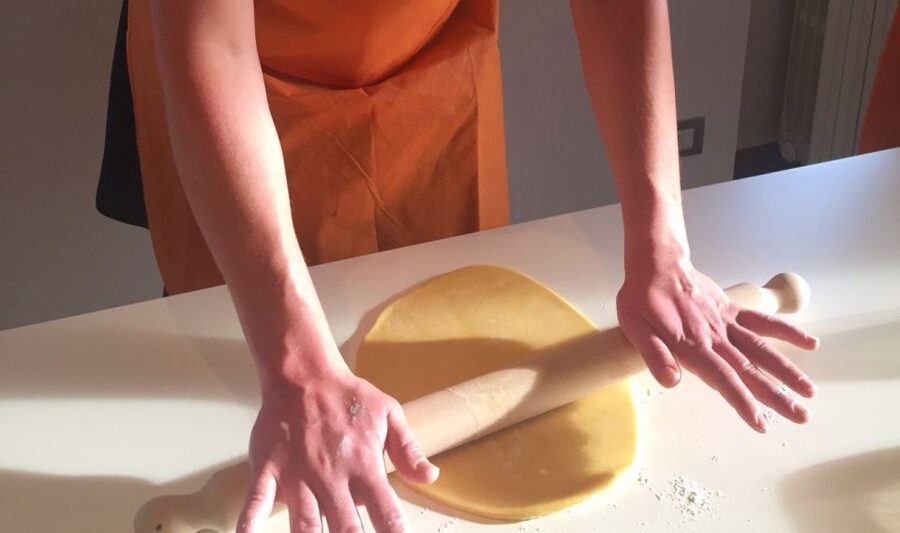
Roman pasta starts with dough that behaves. That’s the quiet secret most people miss. In this class, you work on the base—blending simple ingredients into the right texture—so the rest of the cooking makes sense.
You’ll get guidance in an easy rhythm: you’ll mix, adjust, and learn what the dough is telling you. The class is built around turning basic ingredients into workable pasta without turning it into a chemistry experiment.
Two practical reasons this part matters:
- You’ll understand why pasta sauce matters later. If the pasta has the right bite and texture, it behaves better with sauce.
- You can actually repeat this at home. The notes and recipes are meant to help you recreate it, not just remember it.
And yes, it’s a small-group setup (max 10), so you’re more likely to get corrections that fit what you’re doing in the moment—rather than generic advice.
Cacio e Pepe, Amatriciana, Carbonara: mastering the sauce logic
The headline is the Holy Trinity. But what you’re really learning is how each sauce thinks.
Worth a look next to this Rome booking:
Cacio e Pepe
You’ll work on the signature balance of a cheese-and-pepper style sauce. Expect instruction on how to combine ingredients smoothly and keep the sauce from turning into something gritty or separated. You’re learning technique, not just ingredients.
Why this is a big deal: once you understand how to get that creamy texture, you can apply the same logic to other simple sauces.
Amatriciana
Amatriciana is about bringing flavor together with the right rhythm. You’ll learn how to build the sauce so it tastes finished, not flat—especially when paired with pasta that needs coating, not drowning.
A useful takeaway here is learning to taste and adjust as you cook, so the sauce matches the pasta instead of fighting it.
Carbonara
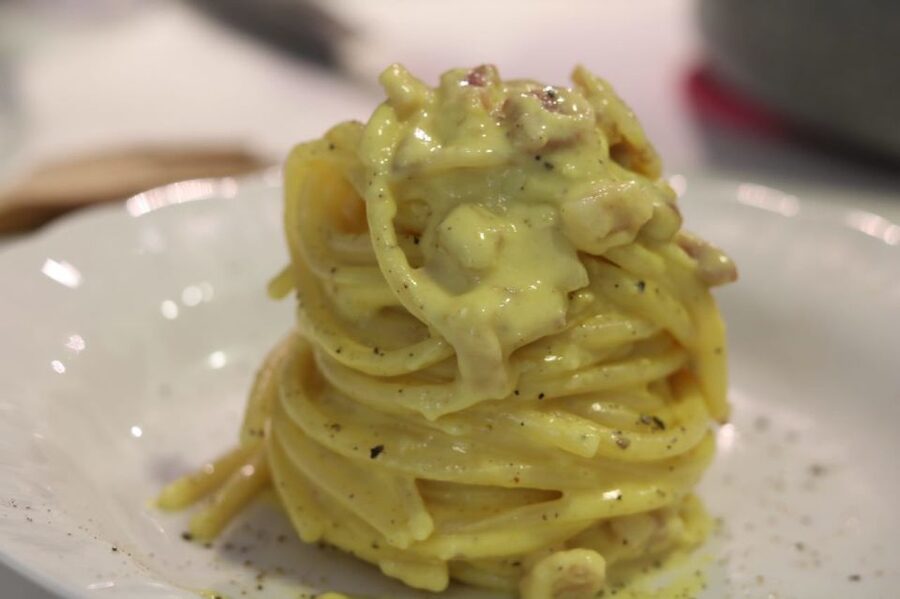
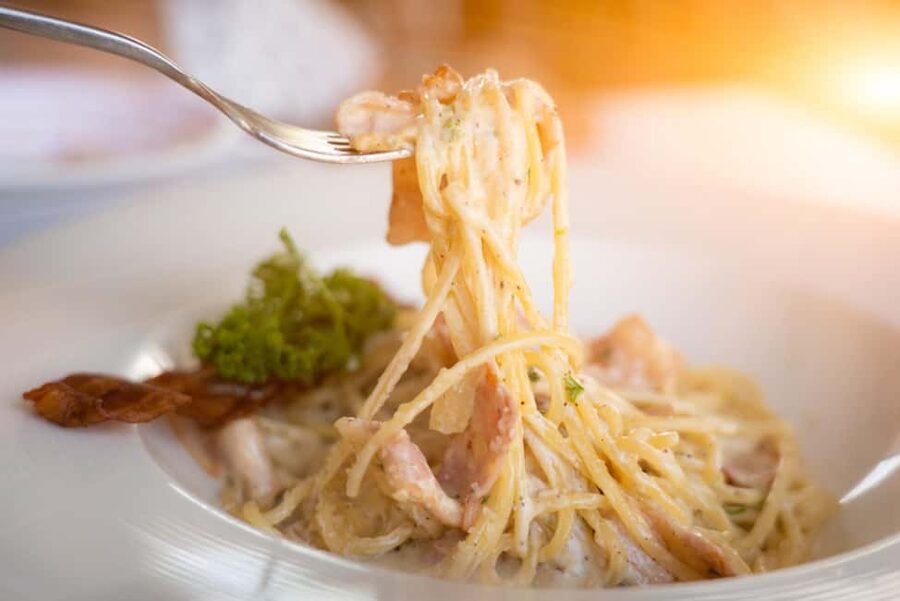
Carbonara is where patience really pays off. In a good carbonara, the sauce clings. You’ll practice the method so the coating feels velvety, not heavy. You’ll also learn what to do to make the final result work when it hits hot pasta.
Even if you’ve had carbonara before, making it is different. The class pushes you beyond the idea of carbonara as a single dish and toward it as a technique.
What happens when you sit down: wine, coffee, and dessert
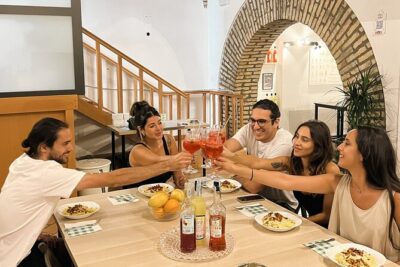
This part is included, and it’s not a throwaway bonus. After cooking, you eat your three pasta courses in the home setting, paired with local wine, and you get unlimited wine and coffee.
That changes the class in a subtle but real way. You’re not tasting only for evaluation. You’re tasting because it’s a meal. That’s how you learn: you notice what works when you’re relaxed and actually hungry.
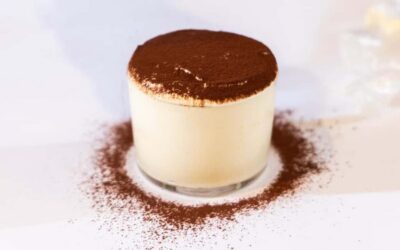
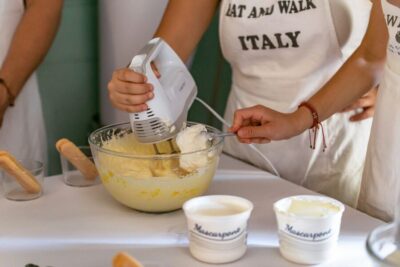
Then comes homemade dessert and Italian coffee. It’s a sweet closure that keeps the evening from feeling like a workshop that forgot to become dinner.
If you like your Rome experiences social, this is a big plus. The dinner table is where the tips and stories tend to land, and where you can ask follow-up questions about the steps you struggled with.
Diet options: vegetarian, vegan, and gluten-free support
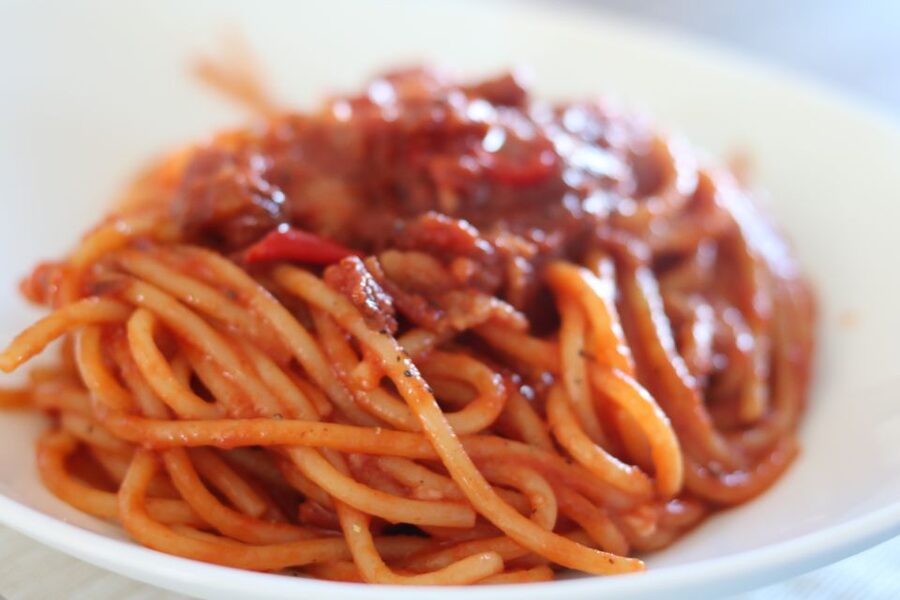
This is one of the more practical parts of the offering. The menu can be adapted for vegetarians and vegans using traditional Roman recipes, and gluten-free options are available for people with celiac.
That doesn’t mean the class becomes generic. It means the host is willing to work with traditional Roman cooking principles while adjusting what needs adjusting.
If you travel with dietary needs, don’t assume you’ll be stuck with a plain plate. Ask ahead, but the groundwork here is clearly meant for real accommodations.
Learning that sticks: the recipes and notes you take home
You get notes for the recipes and you can take away the exclusive recipes of the traditional Roman dishes you crafted. That’s a huge part of the value.
Lots of classes end with a memory and a vague feeling that you could do it again. Here, you leave with something you can actually use. If you cook at home even occasionally, this is the sort of souvenir that turns into a future dinner party.
Also, the class is taught in English and Italian, and instruction is designed to be easy to follow. You’ll pick up the “why” behind key steps, which helps you troubleshoot later.
Price and value: is $105 a fair deal?
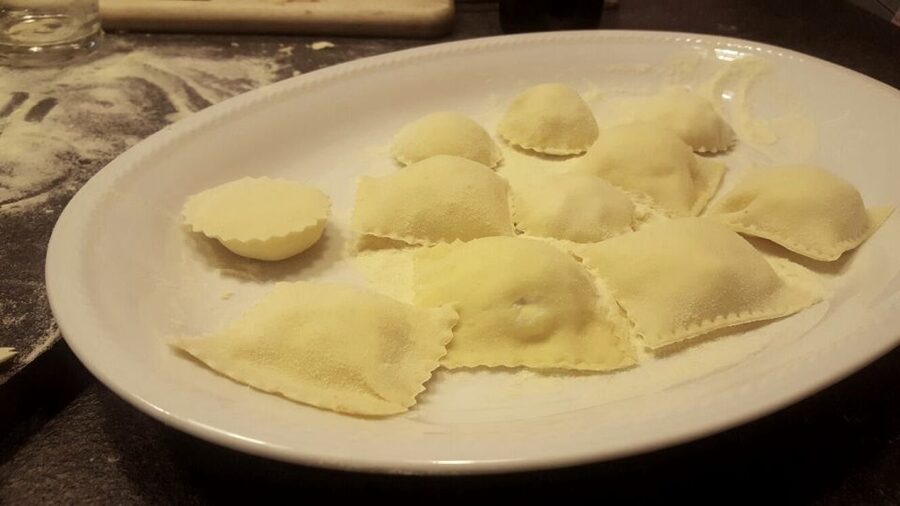
At $105 per person for a 3.5-hour class, the price only makes sense if you look at what’s included as a package—and it is.
You’re paying for:
- three hands-on pasta courses (not just one)
- homemade dessert
- drinks and wine
- unlimited wine and coffee
- recipe notes you can use at home
- a small-group format (max 10)
In other words, you’re buying a full evening of food, drinks, and instruction in a private home setting. The cost feels more reasonable because it’s not only a class—it’s dinner plus a teachable meal.
If you’re the type who enjoys cooking and wants an experience you can repeat, this is exactly the kind of price that often feels fair.
Logistics you should plan for (without the hassle)
No hotel pickup or drop-off is included, and local transport tickets aren’t part of the price. That means you’ll want to plan your own way to the meeting point:
Via Galvani, 4, 00153 Roma RM, Building C, Buzz 11.
Once you’re there, the experience is straightforward: a guided, step-by-step cooking class in a real Roman home setting. The clearer you are about getting yourself to the start time, the more relaxed the evening feels.
Who should book this pasta night
Book this if you:
- want to learn to cook three major Roman sauces, not just watch someone else do it
- like hands-on classes where you eat what you make
- enjoy small groups and home-style hospitality
- want a Rome food experience outside tourist-heavy areas
- need vegetarian/vegan or gluten-free options (they can adapt)
Skip it if:
- you have animal allergies, especially serious allergies to dogs and cats
- you want a very formal, restaurant-style experience (this is home cooking)
Also, if you’ve cooked pasta before, you’ll still likely benefit. Fresh dough and sauce technique are where skill lives—and you’ll get the kind of coaching that helps you correct small habits.
Should you book Testaccio: Home Cooking Holy Trinity?
Yes, with a couple of smart checks.
If you’re excited about making Roman pasta and you care about learning technique you can repeat at home, this is a standout evening in Rome for value and authenticity. The small-group size, the home setting, the three-sauce structure, and the full included meal (wine, coffee, and dessert) make it feel like a complete experience, not a quick activity.
Just be honest about two things: your ability to get yourself to Via Galvani, 4 on time, and whether a home environment with pets is a problem for you.
If those boxes work, book it.
FAQ
How long is the cooking class?
The experience lasts 3.5 hours.
What dishes will I learn to make?
You’ll learn to prepare Cacio e Pepe, Amatriciana, and Carbonara.
What’s included in the price?
The class includes 3 pasta courses, dessert, drinks and wine, plus cooking class instruction for the three sauces and notes for the recipes.
Is there a vegetarian or vegan option?
Yes. The menu can be adapted for vegetarians and vegans using traditional Roman recipes.
Do they offer gluten-free options?
Yes. Gluten-free options can be accommodated for people with celiac.
Is hotel pickup included?
No, hotel pickup and drop off are not included.
How big is the group?
It’s a small group limited to 10 participants.
Is it suitable for people with animal allergies?
No. It’s not recommended for travelers with serious allergies to dogs and cats, and it’s not suitable for people with animal allergies.
More Cooking Classes in Rome
- 3 in 1 Cooking Class near Navona: Fettuccine, Ravioli & Tiramisu
★ 5.0 · 7,376 reviews - Rome: Pasta Making Class with Wine, Limoncello, and Dessert
★ 4.9 · 3,177 reviews - Rome Cooking Class: Make Pasta and 3 Spritz Cocktails
★ 5.0 · 2,937 reviews - Rome: 3-in-1 Fettuccine, Ravioli, and Tiramisu Cooking Class
★ 4.9 · 2,704 reviews - Rome: Fettuccine Pasta Cooking Class in Rome’s City Center
★ 4.8 · 2,414 reviews - Fettuccine & Tiramisù: Cooking Class with Wine & Limoncello
★ 4.9 · 2,103 reviews
More Tour Reviews in Rome
- Vatican Museums, Sistine Chapel & St. Peter’s Basilica Tour
★ 4.3 · 73,970 reviews - Vatican Museums, Sistine Chapel & St Peter’s Basilica Guided Tour
★ 4.5 · 39,149 reviews - Rome: Colosseum, Palatine Hill and Roman Forum Guided Tour
★ 4.8 · 32,814 reviews - Rome: Guided Tour of Colosseum, Roman Forum & Palatine Hill
★ 4.7 · 27,897 reviews - Rome: Colosseum & Forum with Audio Guide App -Optional Arena
★ 4.2 · 24,770 reviews - Rome: Colosseum, Roman Forum and Palatine Hill Guided Tour
★ 4.5 · 23,903 reviews
More Roman Tables Worth Booking
- Winner 2025 Rome Twilight Trastevere Food Tour by Eating Europe
★ 5.0 · 5,157 reviews - Rome: Street Food Tour with Local Guide
★ 4.8 · 4,077 reviews - Rome Food Tour: Unlimited Tastings with Fine Wine & Barolo
★ 5.0 · 3,365 reviews - Rome Food Tour: Campo de’ Fiori, Ghetto, Trastevere Winner 2024
★ 5.0 · 3,205 reviews - Rome: Guided Food Walking Tour with Wine in Trastevere
★ 4.9 · 3,105 reviews - Rome: Trastevere Food tour with Free-Flowing Fine Wine
★ 5.0 · 2,853 reviews
Just added to our Rome reviews





Rome Food Tours, compared.
 ★ 5.0Winner 2025 Rome Twilight Trastevere Food Tour by Eating EuropeFrom $1255,157 reviews
 ★ 4.8Street Food Tour with Local GuideFrom $534,077 reviews
 ★ 5.0Rome Food Tour: Unlimited Tastings with Fine Wine & BaroloFrom $833,365 reviews
 ★ 5.0Rome Food Tour: Campo de’ Fiori, Ghetto, Trastevere Winner 2024From $883,205 reviews
 ★ 4.9Guided Food Walking Tour with Wine in TrastevereFrom $1003,105 reviews
 ★ 5.0Trastevere Food tour with Free-Flowing Fine WineFrom $1022,853 reviews
 ★ 4.9Trastevere & Campo de Fiori Street Food Walking TourFrom $512,768 reviews
★ 5.0Rome Street Food Tour with Local GuideFrom $542,361 reviews
Browse the lists this tour appears in