
Reviewed · VATICAN MUSEUMS TOURS
Small-Group Pasta Making steps from the Vatican Museums
Three hours, zero boredom, and fresh pasta skills. This Rome class is in a real working kitchen just steps from St. Peter’s with small-group attention, plus a welcome of sparkling wine and nibbles before you start rolling dough. I love the focus on Italian food culture and Roman cooking, and I love that you actually sit down to enjoy the meal you make. One consideration: for a 3-hour session, you may spend a bigger chunk watching the chef than doing every single step yourself.
Meeting at Borgo Angelico keeps things easy, especially if your day already includes the Vatican Museums. You’ll choose lunch or dinner based on your schedule, learn multiple classic pastas (including Roman favorites like Amatriciana and Cacio e Pepe), and finish with wine and dessert. If you want maximum hands-on time, this is still a fun class, but go in with realistic expectations about what gets prepared with you versus by the chef.
In This Review
- Key highlights you’ll feel right away
- Why this pasta class works so well near the Vatican
- Where you meet at Borgo Angelico and what the first 15 minutes feel like
- The pasta-making lesson: dough, shaping, and learning what matters
- Roman menu time: what you cook, what you learn, and why it tastes like Rome
- The meal and wine: how the class ends (and why that’s important)
- Group size, attention, and what you should expect from the teaching style
- Price and value: is $96.12 for pasta near the Vatican worth it?
- Who this class is best for (and who might want something different)
- A practical plan: how to fit it into your Rome day
- Should you book Small-Group Pasta Making near the Vatican?
- FAQ
- How much does the pasta-making class cost?
- How long is the experience?
- Where do I meet, and where does it end?
- Is the class offered in English?
- How big is the group?
- Can I cancel and get a full refund?
Key highlights you’ll feel right away
- A historic kitchen near St. Peter’s, with a special connection to the Vatican granary
- Sparkling wine and nibbles to start (a nice buffer if your Rome day runs on a schedule)
- Small group (max 8), so you get questions answered while you’re working
- Roman classics on the menu, including Amatriciana plus other favorites like Cacio e Pepe and Carbonara
- You eat what you make, paired with local wine and finished with dessert
Why this pasta class works so well near the Vatican
Rome can be a lot of walking, queuing, and museum brain. This class gives you a change of pace: hands, smells, food talk, and a meal that ends the day on a warm note. The big advantage is location. You’re meeting at Borgo Angelico and it’s close enough to fit between Vatican plans without turning your afternoon into a transit marathon.
The kitchen itself has a real backstory tied to Vatican life. You’re not in a generic cooking studio far from everything. You’re in a space with historical value, described as once the Vatican granary, which makes the experience feel grounded in place. That setting matters because it shifts the tone from tourist activity to something more human and local.
Also, the class is English-language, and it’s designed for a maximum of 8 people. In practical terms, that means you’re more likely to get help before you go too wrong with dough thickness or filling amounts, instead of waiting your turn while the chef moves to the next person.
Other ways through the Vatican Museums
- Vatican Museums, Sistine Chapel & St. Peter’s Basilica Tour
★ 4.3 · 73,970 reviews - Vatican Museums, Sistine Chapel & St Peter’s Basilica Guided Tour
★ 4.5 · 39,149 reviews - Rome: Vatican Museums, Sistine Chapel and Basilica Tour
★ 4.3 · 16,039 reviews - Vatican Museums & Sistine Chapel Skip-the-Line Entry Ticket
★ 4.4 · 13,838 reviews
Where you meet at Borgo Angelico and what the first 15 minutes feel like
You start at Borgo Angelico, 00193 Roma RM, and the experience ends back at the meeting point. It’s a simple setup, and it’s helpful if you’re using public transportation or you’re bouncing between sites. You won’t need to plan a long trek just to begin.
Right when you arrive, you’re welcomed and brought into the flow with sparkling wine and nibbles. This isn’t just a nice touch. It’s a timing tool. Rome days can run tight, and a snack-and-sip start helps you settle in before the flour starts flying.
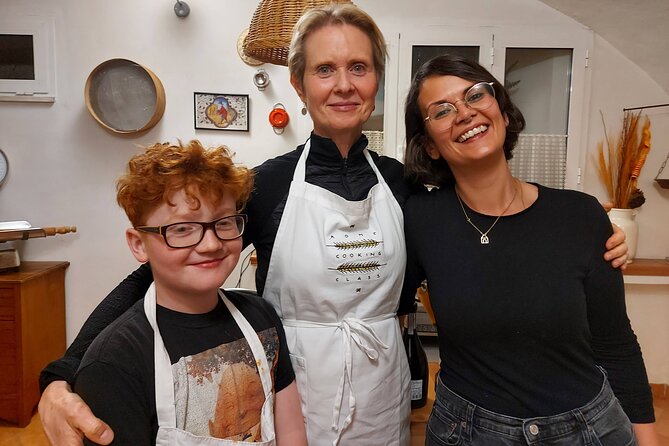
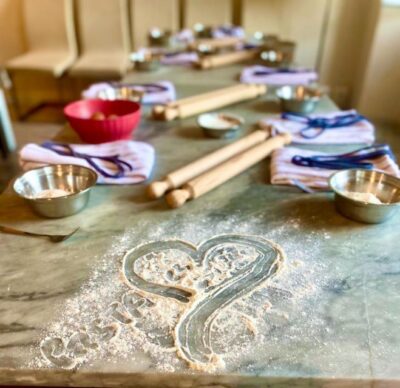
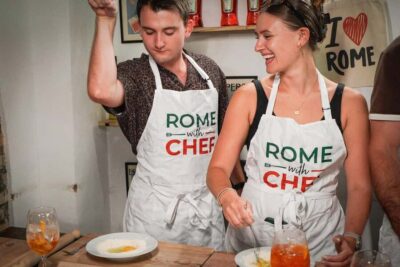
You’ll put on aprons and get your bearings in the kitchen. From there, the pace becomes practical: you learn methods for fresh pasta and then you apply them. The class also includes tips on Italian food culture, which is one of the reasons this experience feels more than just a recipe workshop.
The pasta-making lesson: dough, shaping, and learning what matters
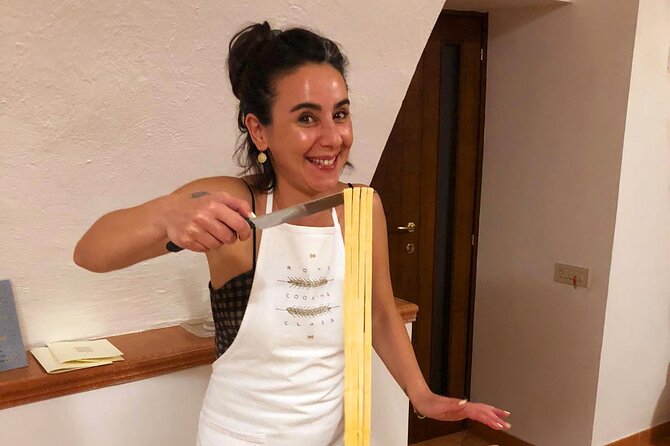
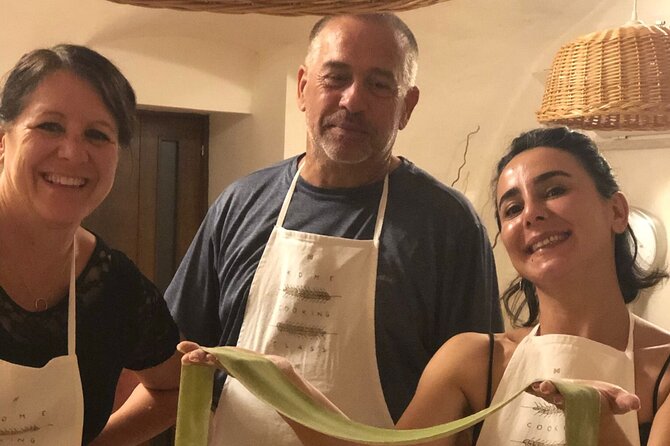
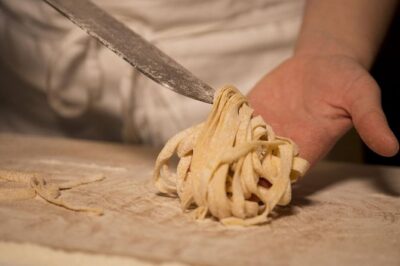
The heart of this class is making fresh homemade pasta with guidance from local chefs. You’ll learn the basics of pasta dough, then move into hands-on work with shaping and rolling. The class is built around both technique and outcome, meaning you’re not only being shown how things work, you’re also making a version you’ll eat.
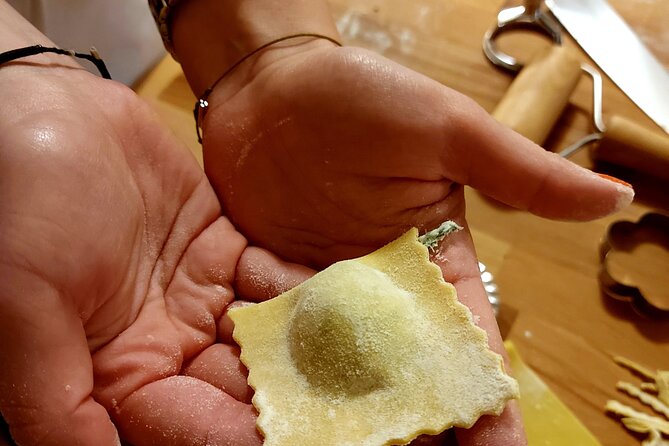
For the sample menu, you can expect pasta work that includes green ravioli and homemade fettuccine. The ravioli are described as filled with ricotta, pecorino, and lemon zest, served with fresh cherry tomato sauce and basil. The fettuccine comes with traditional Amatriciana sauce.
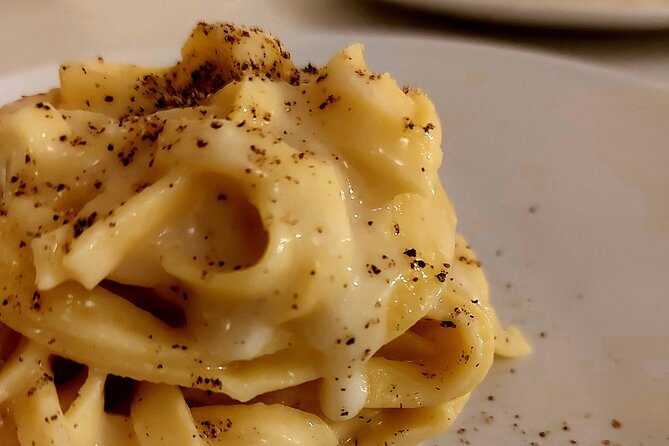
Roman dishes like Cacio e Pepe and Carbonara are also part of what you’ll learn during the experience. That matters, because these aren’t just random pasta names. They represent a very specific approach to Roman flavor: simple ingredients, careful technique, and sauces that depend on timing and texture.
One small reality check to keep you happy: the class format may not mean you do every single action from scratch for every dish. The experience is designed so you learn key pasta steps and still end up with a full meal on the table within 3 hours. If your dream is a totally hands-on, do-it-all cooking marathon, ask yourself whether you’d rather prioritize learning pasta basics—or replicating every sauce step with your own hands.
Roman menu time: what you cook, what you learn, and why it tastes like Rome
This class is organized around the idea that food culture in Italy is best learned through doing. You’re not only practicing a technique; you’re learning how Roman meals are built. The menu structure also keeps you fed and engaged, with starters and dessert to round things out.
Here’s how the sample menu breaks down:
- Starter: Bruschetta with cheese, roast peppers, and olives
This gives you a savory warm-up and shows how Roman-style flavors can be bold without being complicated.
- Main 1: Green Ravioli (ricotta, pecorino, lemon zest)
Served with cherry tomato sauce and basil.
- Main 2: Homemade Fettuccine with Amatriciana sauce
This is one of the most classic Roman comfort plates, and it’s a great way to understand how pasta and sauce work as a system.
- Dessert: tiramisù or strawberries and cream
This is a satisfying landing. Dessert is included, and it helps the whole class feel like a complete meal rather than a “lesson first, food later” setup.
During the cooking, you’ll also cover Roman classics like Amatriciana, and you’ll hear about Cacio e Pepe and Carbonara. Even if your exact hands-on time focuses on pasta dough and assembly, you’ll leave with a better sense of what makes each dish work and how Italians think about simple ingredients.
More aprons-on time in a Roman kitchen
The meal and wine: how the class ends (and why that’s important)
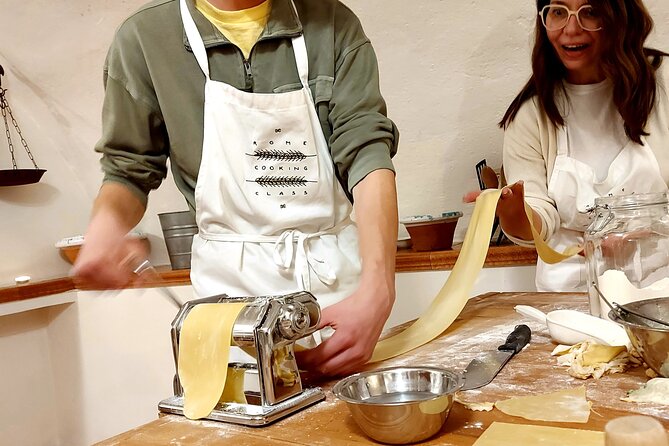
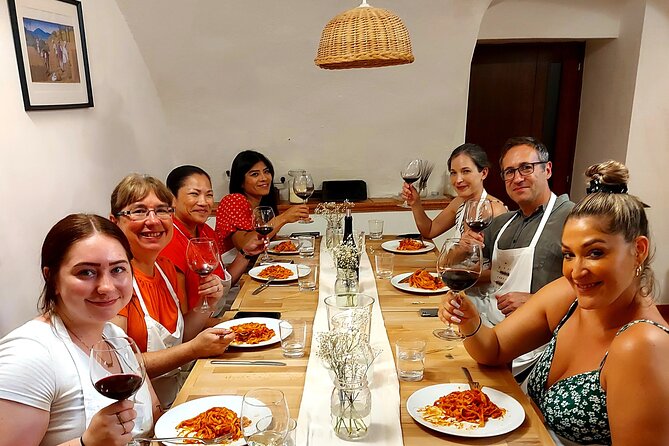
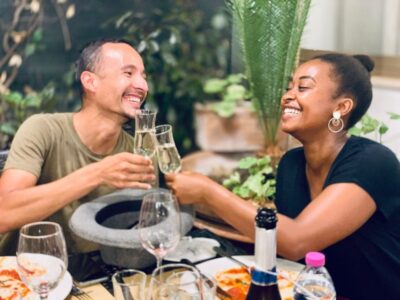
The wrap-up is a proper sit-down meal. You’ll eat the pasta you prepared, and it’s paired with carefully selected local wine. That pairing matters more than you might think. It turns the lesson into a sensory feedback loop: you learn why something works, then you taste it immediately under the influence of the right drink.
You’ll also get more than just a silent dinner. The class is described as joyful, with laughs included as part of the atmosphere. That tone is a practical plus. Cooking can be frustrating if something goes wrong. A relaxed environment helps you stay patient with dough and timing.
From my perspective, this is one of the strongest reasons to choose this specific class format. Many cooking classes leave you with a container of food or a few bites. Here, you’re guided toward the full meal experience as part of the lesson.
Group size, attention, and what you should expect from the teaching style
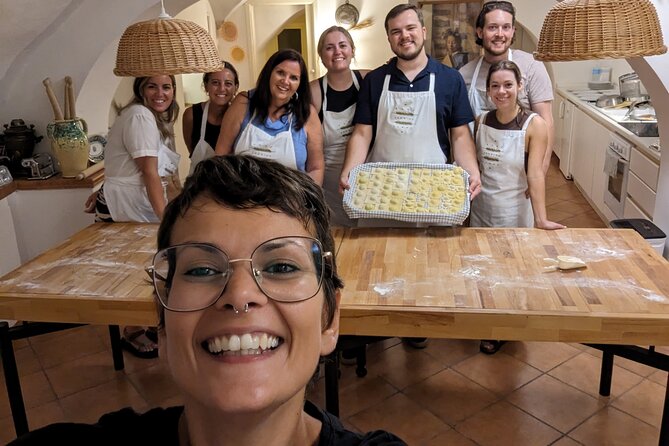
The experience caps at 8 travelers, which is a big deal for pasta classes. Pasta-making benefits from fast feedback. If your dough is too thick, you can fix it early. If your ravioli seal isn’t right, you can learn the visual cues before it becomes a problem.
The teaching style is friendly and patient, and you’ll get tips along the way. The class also includes historical context and local guidance, which helps you connect technique to culture. That’s how the knowledge tends to stick: you’re not just copying steps; you’re understanding why.
Still, here’s the one caution I’d give you based on what people often care about with cooking classes. For a 3-hour session, some parts may be more about watching or observing than doing every step. I’d treat this as a pasta-focused class with structured hands-on time, not a full menu assembly where you personally make every component from start to finish.
If that’s a dealbreaker for you, you can still book confidently if your main goal is to learn pasta fundamentals and eat a standout Roman meal in a great location.
Price and value: is $96.12 for pasta near the Vatican worth it?
At $96.12 per person for about 3 hours, you’re paying a premium that’s partly about location and partly about a small-group, chef-led format. Rome isn’t cheap, and being near the Vatican Museums costs money—especially when the class includes wine, nibbles, a full meal with dessert, and instruction from local chefs in a historic setting.
What makes it feel like value isn’t just that you learn pasta. It’s that you leave with everything done for a full sit-down experience: starter, mains, dessert, and wine pairing. If you’ve paid for tours where you get a sample and a souvenir, the meal here is a different deal.
Also, your booking timing matters. This class is often booked around 36 days in advance on average, which suggests it’s popular with visitors who plan their Rome days ahead. If your trip window is fixed, it’s a smart move to grab a time that matches lunch or dinner so you’re not squeezing it into a late-night schedule.
Who this class is best for (and who might want something different)
This works great for couples who want a fun break from sightseeing without committing to a whole day. It also makes sense for families, since it’s described as a memorable, kid-friendly meal experience and a chance to do something hands-on.
It’s also a good pick if you like Roman food specifically. The menu and learning focus on classic Roman dishes—Amatriciana, Cacio e Pepe, Carbonara—plus pasta shapes like ravioli and fettuccine. You’ll come away with a cleaner understanding of why Roman cooking is built on restraint and timing rather than fancy extras.
If you’re an advanced cook hoping for a workshop-level session on building every sauce component yourself, you might feel slightly limited. In that case, ask more questions before booking so you know how much of the menu is truly made by each person versus shown or finished by the chef.
A practical plan: how to fit it into your Rome day
If you’re already doing Vatican Museums, schedule the class as a reset. The meeting point and the location are close enough that you can handle it as a break rather than a full relocation.
Here’s a practical way to think about the timing:
- Do the Vatican area earlier, so you’re hungry by class time.
- Pick lunch if you want energy for the rest of your afternoon.
- Pick dinner if you want a calm, delicious end to your day.
Because the class is only about 3 hours, it’s also easier to stick to your itinerary without it eating your whole evening. You’ll end back at the meeting point, which helps you plan your next stop without extra stress.
Should you book Small-Group Pasta Making near the Vatican?
Book it if you want a small-group, chef-led pasta experience in a historic kitchen near St. Peter’s, with wine, a full meal, and dessert included. It’s a strong choice if you want to learn Roman pasta techniques and actually taste the result right away.
Skip or choose a different class format if your top priority is doing every step of every component yourself for the entire menu. This one is structured for guided learning, and you may spend part of the time watching rather than fully hands-on with every detail.
If you fall in the middle—want technique, want a great meal, want the location to make sense with your Vatican day—this is the kind of class that can turn into one of your most memorable Rome meals.
FAQ
How much does the pasta-making class cost?
The price is $96.12 per person.
How long is the experience?
It runs about 3 hours.
Where do I meet, and where does it end?
You meet at Borgo Angelico, 00193 Roma RM, Italy, and the activity ends back at the meeting point.
Is the class offered in English?
Yes, the experience is offered in English.
How big is the group?
The class has a maximum of 8 travelers.
Can I cancel and get a full refund?
Yes. You can cancel up to 24 hours in advance for a full refund.
More Tour Reviews in Rome
- Vatican Museums, Sistine Chapel & St. Peter’s Basilica Tour
★ 4.3 · 73,970 reviews - Vatican Museums, Sistine Chapel & St Peter’s Basilica Guided Tour
★ 4.5 · 39,149 reviews - Rome: Colosseum, Palatine Hill and Roman Forum Guided Tour
★ 4.8 · 32,814 reviews - Rome: Guided Tour of Colosseum, Roman Forum & Palatine Hill
★ 4.7 · 27,897 reviews - Rome: Colosseum & Forum with Audio Guide App -Optional Arena
★ 4.2 · 24,770 reviews - Rome: Colosseum, Roman Forum and Palatine Hill Guided Tour
★ 4.5 · 23,903 reviews
Learn Another Roman Dish
- 3 in 1 Cooking Class near Navona: Fettuccine, Ravioli & Tiramisu
★ 5.0 · 7,376 reviews - Rome: Pasta & Tiramisu Class with Fine Wine by the Vatican
★ 4.9 · 4,852 reviews - Rome: Pasta Making Class with Wine, Limoncello, and Dessert
★ 4.9 · 3,177 reviews - Rome Cooking Class: Make Pasta and 3 Spritz Cocktails
★ 5.0 · 2,937 reviews - Rome: 3-in-1 Fettuccine, Ravioli, and Tiramisu Cooking Class
★ 4.9 · 2,704 reviews - Rome: Fettuccine Pasta Cooking Class in Rome’s City Center
★ 4.8 · 2,414 reviews
The Vatican, A Few More Ways In
- Vatican Museums, Sistine Chapel & St. Peter’s Basilica Tour
★ 4.3 · 73,970 reviews - Vatican Museums, Sistine Chapel & St Peter’s Basilica Guided Tour
★ 4.5 · 39,149 reviews - Rome: Vatican Museums, Sistine Chapel and Basilica Tour
★ 4.3 · 16,039 reviews - Vatican Museums & Sistine Chapel Skip-the-Line Entry Ticket
★ 4.4 · 13,838 reviews - Rome: Vatican Museums, Sistine Chapel & Basilica Tour
★ 4.7 · 13,217 reviews - Skip-the-Line Group Tour of the Vatican, Sistine Chapel & St. Peter’s Basilica
★ 4.5 · 12,779 reviews
Just added to our Rome reviews





Vatican Museums Tours, compared.
 ★ 4.5Vatican: Museums & Sistine Chapel Entrance TicketFrom $38144,003 reviews
 ★ 4.3Vatican Museums, Sistine Chapel & St. Peter’s Basilica TourFrom $7273,970 reviews
 ★ 4.5Vatican Museums, Sistine Chapel & St Peter’s Basilica Guided TourFrom $2239,149 reviews
 ★ 4.3Vatican Museums, Sistine Chapel and Basilica TourFrom $7316,039 reviews
 ★ 4.4Vatican Museums & Sistine Chapel Skip-the-Line Entry TicketFrom $4313,838 reviews
 ★ 4.7Vatican Museums, Sistine Chapel & Basilica TourFrom $7213,217 reviews
 ★ 4.5Skip-the-Line Group Tour of the Vatican, Sistine Chapel & St. Peter’s BasilicaFrom $3012,779 reviews
 ★ 4.3Vatican Museums & Sistine Chapel Guided TourFrom $11812,117 reviews
Browse the lists this tour appears in