

Reviewed · TRASTEVERE TOURS
Rome: Trastevere Underground Crypt and Jewish Ghetto tour
Rome has a secret under its feet. This 150-minute walk links Trastevere to the Jewish Ghetto, with a real descent into Santa Cecilia’s underground crypt and stories that connect what you see to what’s below.
What I love most is Frederica’s storytelling, the kind that keeps your attention locked in for the full 2.5 hours. I also really value the special access that takes you into the crypt where ancient ruins sit about five meters under the street.
One thing to consider: you’ll be visiting holy sites, so plan ahead with clothing that covers at least your shoulders and knees. If you’re coming from beachwear or shorts, bring a layer.
In This Review
- Key Highlights You’ll Feel Right Away
- Trastevere to the Crypt: The Tour Starts Like a Local Walk
- San Francesco a Ripa: The Opening Doorway to Hidden Art
- Santa Cecilia’s Underground Crypt: Five Meters Down, Rome Changes
- Tiber Island and the Oldest Bridge: Epidemics, Power, and a Walk Across Time
- The Jewish Ghetto of Rome: Around 300 Years in One Guided Arc
- Why the Tour Feels Worth It at $65
- Who This Tour Suits Best (And Who Might Want Another Option)
- Tips to Get More Out of the Crypt and the Churches
- Should You Book This Trastevere Underground Crypt and Jewish Ghetto Tour?
- FAQ
- Where does the tour meet?
- Where does the tour end?
- How long is the experience?
- How big is the group?
- What’s included in the price?
- What should I wear for the church and crypt?
Key Highlights You’ll Feel Right Away
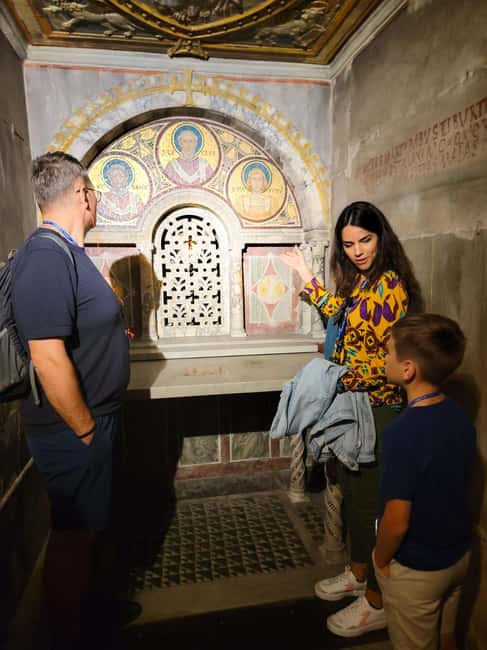
- Trastevere without the crowd crush, focused on quieter spots and simple doors you’d miss on your own
- Santa Cecilia’s underground crypt, reached through special access tied to the church
- A clear explanation of Rome’s underground layers, and why so much sits below street level
- Tiber Island’s epidemic-era story, plus a walk connected to Rome’s oldest bridge
- The Jewish Ghetto in context, covering around 300 years of life, hardship, and community spirit
Trastevere to the Crypt: The Tour Starts Like a Local Walk
I like tours that begin with atmosphere, not with a checklist. This one starts in Trastevere around Piazza di San Francesco d’Assisi, near San Francesco a Ripa, and immediately shifts your attention to the neighborhood’s rhythm: narrow lanes, tucked-away corners, and the sense that you’re moving through real life instead of a staged parade.
From the start, the guide keeps things calm and human. You’re not racing from one photo spot to another. Instead, you get the kind of pacing that lets you actually notice details, like how a street can look ordinary until you realize there’s history hiding behind everyday architecture.
And because it’s a small group (max 12), it stays conversational. You can ask questions without feeling like you’re holding up a production line.
Deeper underground: more crypts and catacombs
- Rome: Capuchin Crypts and Catacombs Tour with Transfers
★ 4.6 · 6,456 reviews - The Original Roman Crypts and Catacombs Tour with Transfers
★ 4.5 · 4,896 reviews - Rome: Catacombs of St. Callixtus Entry Ticket & Guided Tour
★ 4.6 · 3,037 reviews - Rome: Guided Roman Catacombs Tour with Transfers
★ 4.6 · 1,830 reviews
San Francesco a Ripa: The Opening Doorway to Hidden Art
Your first guided stop is San Francesco a Ripa, where you’ll get oriented to what makes this route special: it’s about treasures that aren’t always obvious. In this church, you’ll encounter an example of how big-name artistry can show up in quieter places, including a statue made by Bernini.
This is a good early moment for two reasons. First, it sets the tone: Rome’s “main events” are great, but they’re not the whole story. Second, it prepares you for the next shift—down underground—by grounding you in the kind of religious and artistic layering that defines the city.
If you like to understand how places connect, this start gives you a foundation before you go below street level.
Santa Cecilia’s Underground Crypt: Five Meters Down, Rome Changes

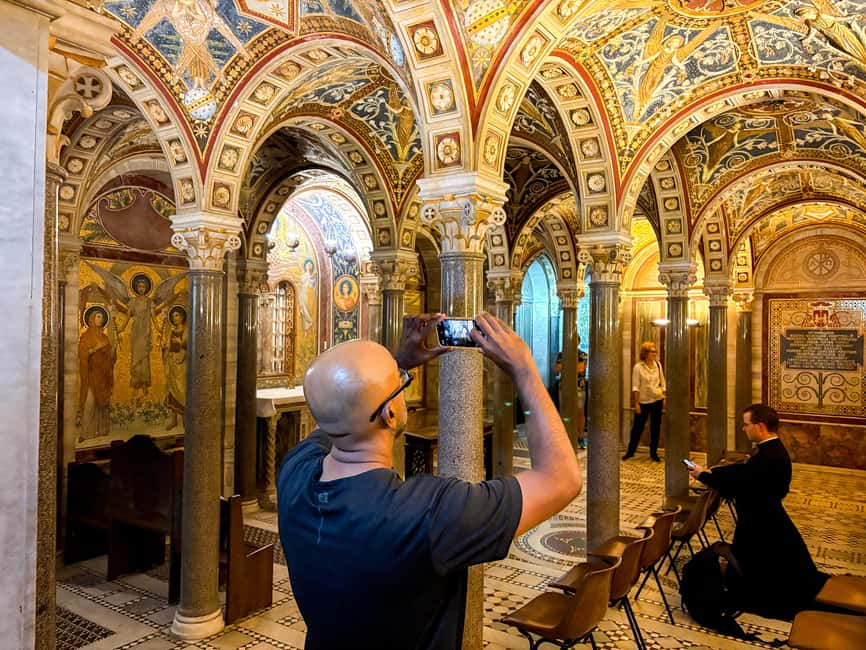
The heart of the experience is the visit to the Church of Santa Cecilia and its underground crypt. Here’s what makes it feel different from a typical church visit: you’re not just looking at an altar and moving on. You’re going into a space tied to the idea of Rome as a city built in layers.
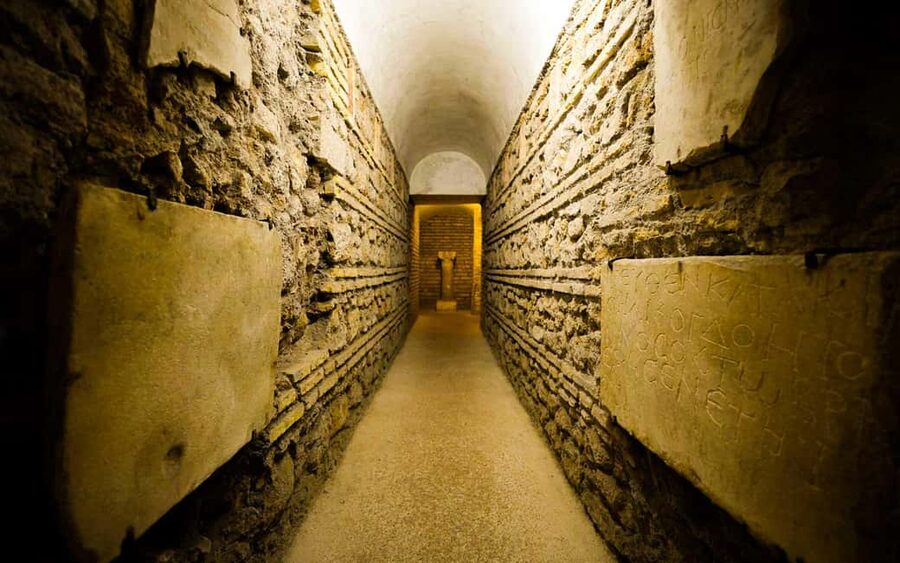
The crypt contains ancient ruins that lie around five meters below the street. That one detail does a lot of work for your brain. It turns Rome from a place that seems old into a place that’s physically stacked—past and present layered on top of each other like sediment.
What I also appreciate is the way the story is framed around discovery. You’ll learn about the adventurous story of St Cecilia, and the tour explains why there’s so much underground in Rome. The guide connects the dots so the descent feels meaningful, not just scenic.
And yes, this is where the “small doors” theme becomes real. You get special access from the nuns to go down into the crypt. That matters because it’s not the same as viewing everything through glass or from a public doorway. It feels earned, controlled, and respectful—which is exactly how I want church-linked sites to feel.
Practical note: plan to be a bit flexible with time here. Once you’re underground in a focused setting, the pace naturally slows. That’s part of the value.
Tiber Island and the Oldest Bridge: Epidemics, Power, and a Walk Across Time
After the crypt, the tour moves you toward Tiber Island, where you’ll hear a story tied to old epidemics. The island’s role included keeping sick people away during outbreaks—an unpleasant chapter, but one that helps you understand Rome as a living city, not just a postcard.
Then you cross over toward the connection that makes this part feel like a movie scene: you’ll walk across Rome’s oldest bridge, the same one connected with Julius Caesar and Cleopatra.
Even if you already know the famous names, I like how this stop is presented. It’s not just name-dropping. The bridge becomes a way to show how movement and control shaped the city. A bridge isn’t only about crossing—it’s about access, defense, and influence. And tying it to major historical figures makes that idea click.
This segment also works as a mental reset after the crypt. You’ve been in a covered, quiet, underground world. Now you’re outside, with light and views, and the tour stretches your legs in a meaningful direction.
More lanes worth losing an evening in Trastevere
The Jewish Ghetto of Rome: Around 300 Years in One Guided Arc
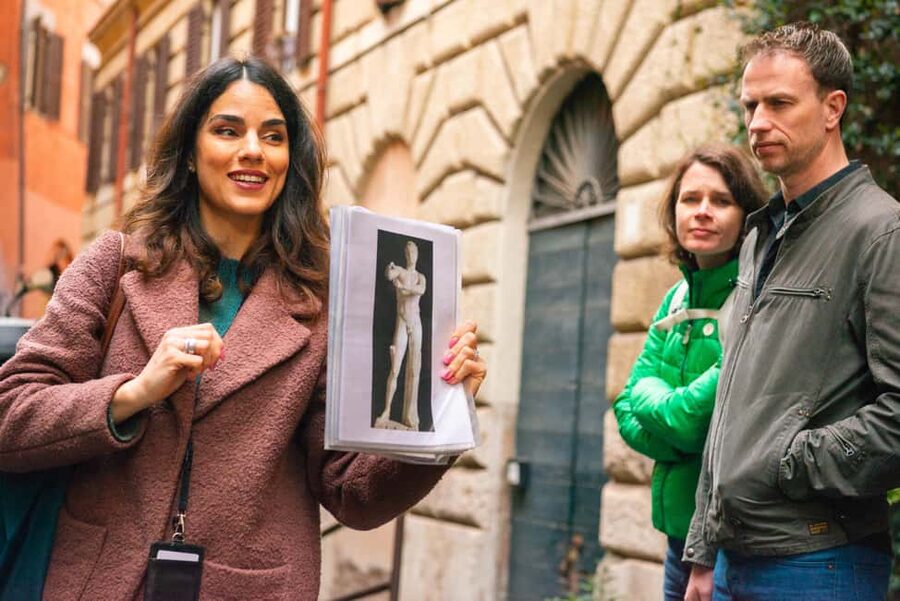
The final act is the Jewish Ghetto in Rome, one of the city’s oldest quarters. The tour doesn’t treat this area like a single stop; it treats it like an unfolding story. You’ll learn about roughly 300 years of history, including hardship and the strength of the community.
What I like here is that you’re guided through context, not just landmarks. You understand what you’re seeing by placing it against the long arc of lived experience—pressure, survival, and identity. That’s the difference between “visiting a neighborhood” and understanding what a neighborhood went through.
The atmosphere matters too. This is where your Trastevere day turns into something more reflective. You’re still walking, still seeing streets and corners, but the mood shifts. It’s the kind of ending that makes you look back at earlier stops—the underground crypt, the layered city idea, the history of movement across bridges—and realize they’re all part of the same lesson: Rome’s surface never tells the whole truth.
You finish at Piazza Mattei, which is a nice practical landing zone to regroup, grab a drink, or head to dinner.
Why the Tour Feels Worth It at $65
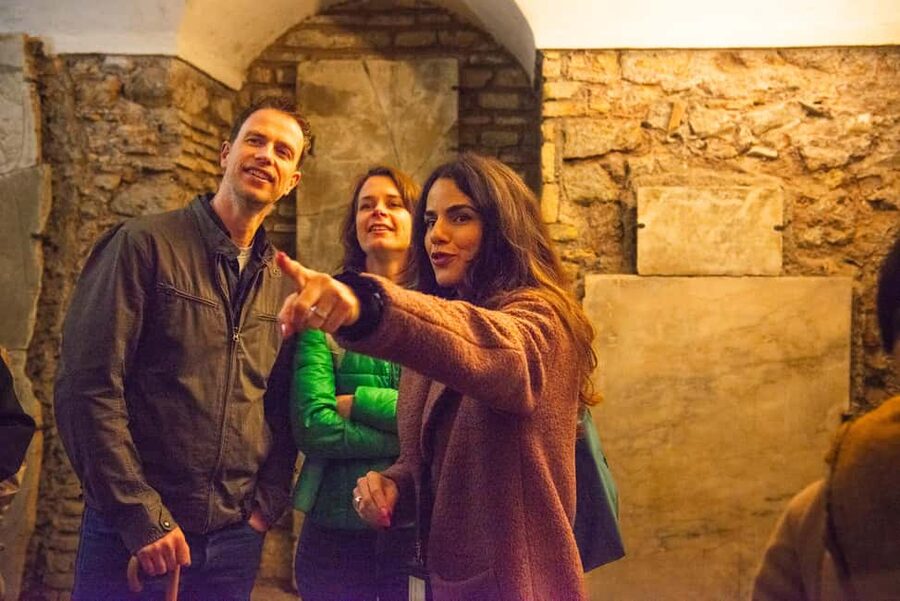
At $65 per person for a 150-minute guided walk, you’re paying for more than movement through city blocks. The value is in three specific things you can feel:
1) Guaranteed small-group size (max 12)
You’re not sharing your guide with a crowd, so you get better attention and a smoother pace.
2) Entry into the underground crypt
Crypt access isn’t free, and it’s not something most people stumble upon by accident. This is a ticketed experience built into the walking route.
3) The story delivery
The guide’s storytelling is a major strength here. People often remember the final stop, but the best tours make you enjoy every stop along the way. That seems to be the goal: maintain attention, connect details, and make each transition feel purposeful.
Also, the tour is described as also suitable for children, which tells me it’s paced and explained in a way that doesn’t require specialized knowledge to enjoy.
For many visitors, the cost-to-value equation works out because the experience includes access and guided meaning, not just walking.
Who This Tour Suits Best (And Who Might Want Another Option)
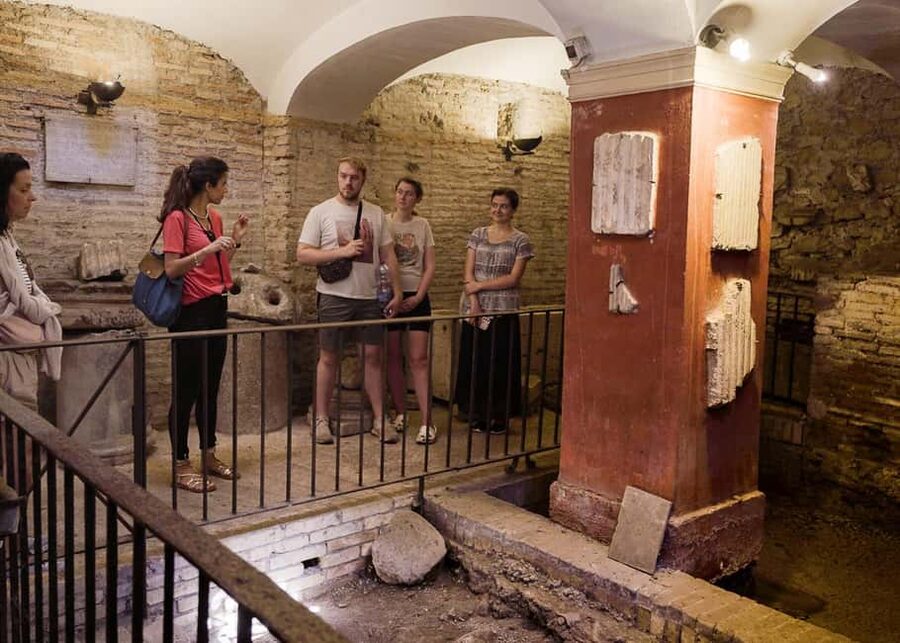
I think this tour is ideal if you want Rome that feels quiet, human, and a bit unexpected.
You’ll likely love it if you:
- enjoy religious art and stories, including St Cecilia
- like history that explains how a city actually works (literally, in layers)
- want a guided look at the Jewish Ghetto with context, not just photos
- prefer smaller groups and calmer pacing
It may be less ideal if you:
- want a high-speed, nonstop sprint through the biggest monuments only
- dislike walking and prefer rides between sites
- aren’t comfortable with visiting holy spaces where clothing needs to be respectful (shoulders and knees covered)
Tips to Get More Out of the Crypt and the Churches
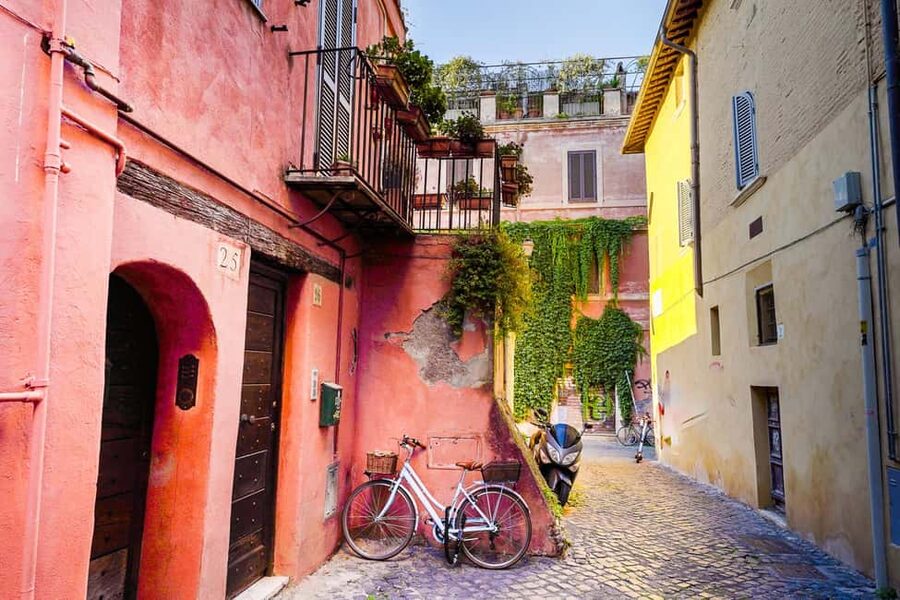
A few small choices can make the experience smoother:
- Dress for holy sites: cover shoulders and knees. If you’re traveling in warm weather, bring a thin layer that still feels comfortable.
- Wear shoes you trust: the tour is walking-focused and includes a descent into an underground crypt, so traction matters.
- Arrive with curiosity: this tour is built around hidden places behind ordinary doors. If you expect only famous squares, you’ll miss the point.
- Use questions to your advantage: with a small group, you can ask about what you’re seeing—especially when the guide explains why Rome is so layered underground.
Should You Book This Trastevere Underground Crypt and Jewish Ghetto Tour?
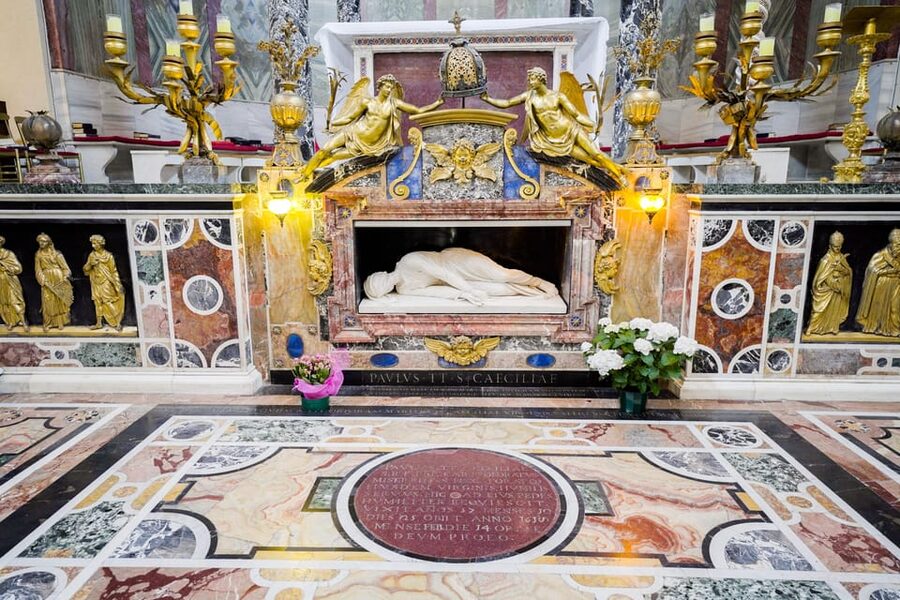
I’d book it if you want something that feels more like a guided discovery than a typical Rome highlights shuffle. The combination is strong: Trastevere’s atmosphere, Santa Cecilia’s underground crypt with special access, the Tiber Island and oldest bridge stories, and a finish in the Jewish Ghetto with context for about 300 years of experience.
If you care about thoughtful storytelling and want to see places many visitors walk past without noticing, this tour is a great fit. Just come prepared with appropriate clothing for the holy sites, and you’ll get a Rome experience that stays with you long after the day ends.
FAQ
Where does the tour meet?
You’ll meet at Piazza di San Francesco d’Assisi, by the church of San Francesco a Ripa.
Where does the tour end?
The tour ends at Piazza Mattei.
How long is the experience?
The tour runs for 150 minutes.
How big is the group?
It’s a small group of max 12 people, with guaranteed spots.
What’s included in the price?
You get a local English-language guide, a ticket to the Underground Crypt, and the guided visits included on the route.
What should I wear for the church and crypt?
Please wear clothing that covers at least your shoulders and knees, since you’ll visit holy areas.
More Around the Jewish Ghetto
- Rome Food Tour: Campo de’ Fiori, Ghetto, Trastevere Winner 2024
★ 5.0 · 3,205 reviews - Jewish Ghetto and Trastevere Tour Rome
★ 4.5 · 1,729 reviews - Rome: Eat Like a Roman Ghetto & Campo de’ Fiori Food Tour
★ 5.0 · 1,037 reviews - Jewish Ghetto and Synagogues with Jewish Roman Guide 3 Hours
★ 5.0 · 907 reviews - Jewish Ghetto & Piazza Navona: Food, Wine & Sightseeing Rome Tour
★ 5.0 · 460 reviews - Rome: Food & Wine Tour of Campo de Fiori, Ghetto, Trastevere
★ 4.8 · 413 reviews
Still in Trastevere? Keep Going
- Winner 2025 Rome Twilight Trastevere Food Tour by Eating Europe
★ 5.0 · 5,157 reviews - Rome Food Tour: Campo de’ Fiori, Ghetto, Trastevere Winner 2024
★ 5.0 · 3,205 reviews - Rome: Guided Food Walking Tour with Wine in Trastevere
★ 4.9 · 3,105 reviews - Rome: Trastevere Food tour with Free-Flowing Fine Wine
★ 5.0 · 2,853 reviews - Rome: Trastevere & Campo de Fiori Street Food Walking Tour
★ 4.9 · 2,768 reviews - Rome: Award Winning Trastevere Group Food Tour with Wine
★ 5.0 · 2,273 reviews
Further Below Rome
- Rome: Capuchin Crypts and Catacombs Tour with Transfers
★ 4.6 · 6,456 reviews - The Original Roman Crypts and Catacombs Tour with Transfers
★ 4.5 · 4,896 reviews - Rome: Catacombs of St. Callixtus Entry Ticket & Guided Tour
★ 4.6 · 3,037 reviews - Rome: Guided Roman Catacombs Tour with Transfers
★ 4.6 · 1,830 reviews - Rome: Catacombs Guided Tour with Transfer
★ 4.2 · 1,808 reviews - Rome EBike Tour: Appian Way, Catacombs & Roman Aqueducts
★ 5.0 · 1,766 reviews
Just added to our Rome reviews





Trastevere Tours, compared.
 ★ 5.0Winner 2025 Rome Twilight Trastevere Food Tour by Eating EuropeFrom $1255,157 reviews
 ★ 5.0Rome Food Tour: Campo de’ Fiori, Ghetto, Trastevere Winner 2024From $883,205 reviews
 ★ 4.9Guided Food Walking Tour with Wine in TrastevereFrom $1003,105 reviews
 ★ 5.0Trastevere Food tour with Free-Flowing Fine WineFrom $1022,853 reviews
 ★ 4.9Trastevere & Campo de Fiori Street Food Walking TourFrom $512,768 reviews
 ★ 5.0Award Winning Trastevere Group Food Tour with WineFrom $812,273 reviews
 ★ 4.8Trastevere Street Food Walking Tour with Local ExpertFrom $571,784 reviews
 ★ 4.5Jewish Ghetto and Trastevere Tour RomeFrom $41,729 reviews
Browse the lists this tour appears in