
Reviewed · WORKSHOPS
Rome: Traditional Pizza and Gelato Making Class
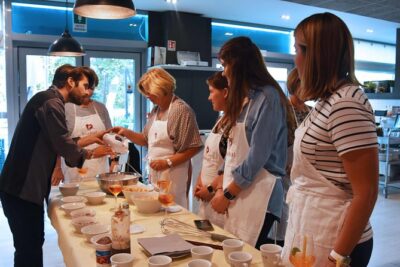
Rome can be serious about food. This class turns that passion into dough in your hands, then sweet gelato afterward. You’ll work with an English-speaking Italian chef on Roman pizza dough techniques and gelato know-how, so it feels practical, not just performative.
What I like most is that you’re not stuck watching. You knead, roll, choose toppings, and make gelato, with a meal and drinks included. I also like the Roman focus: smaller crust, crunchy results, and clear guidance on how Italians build flavor, from dough handling to the Bianco vs Rosso style.
The main drawback to consider is that it’s not suitable for people with mobility impairments or wheelchair users, and it’s only 3 hours—so it’s hands-on, but not long enough to be a deep course.
In This Review
- Key highlights
- Finding Corso del Rinascimento 65 without wasting time
- The welcome spread: prosecco and snacks before the flour flies
- Kneading Roman pizza dough: the technique that changes everything
- Rolling, topping, and building your pizza: Bianca vs Rosso
- Gelato making in Rome: sweet dessert technique, not just mixing
- What you actually get to take home (recipes by QR)
- Drinks, group size, and the pace of the night
- Family-friendly cooking: great for kids and beginners
- How to fit it into your Roman food day near the Colosseum
- Price and value: is $117.82 worth it?
- Should you book this Roman pizza and gelato class?
Key highlights
- Hands-on Roman pizza dough work with an English-speaking Italian chef
- Bianca vs Rosso choices, from black olives to prosciutto
- Gelato-making tips designed to help you repeat it back home
- Prosecco and snacks reception, then a homemade meal with drinks
- Recipes delivered by QR code so you can cook again without carrying paper
- Top instructors show up in feedback, including Fabio, Marco, David, Alessandro, Julio, Francesca, and Max
Finding Corso del Rinascimento 65 without wasting time
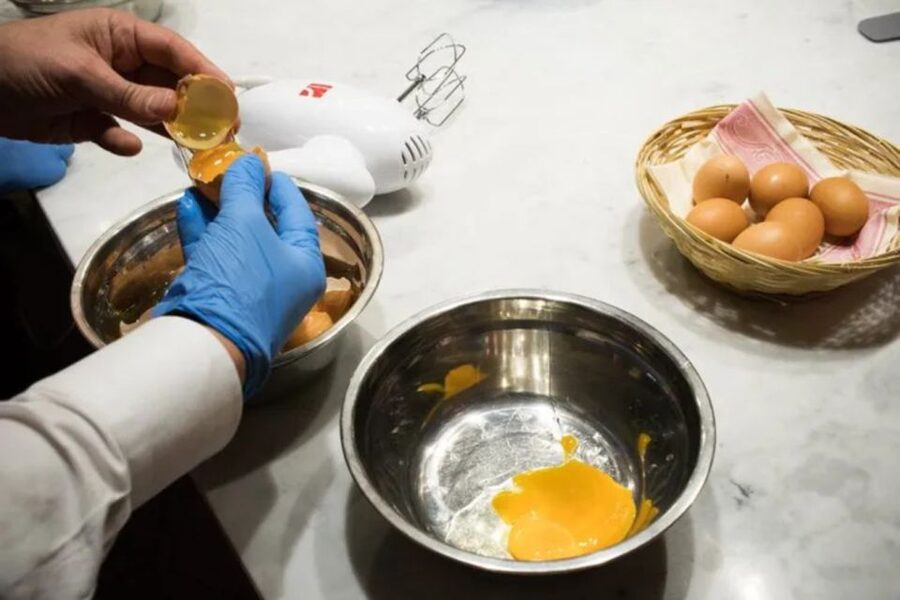
This experience starts at a real, specific address: Corso del Rinascimento 65. Plan to ring the doorbell for InRome Cooking, then settle in fast—because most of the evening momentum depends on getting you ready for cooking.
One small practical note I’d take seriously: street numbering in this area can feel a bit jumbled. Give yourself a little extra time so you’re not arriving stressed. If you like to do things on a relaxed timeline, show up early, get oriented, and let the welcome kick in.
The class ends back at the meeting point, so you’re not dealing with a complicated transfer. That matters in Rome, where you can lose an hour just trying to line up transport. For this, you keep it simple: arrive, cook, eat, go.
Worth a look next to this Rome booking:
- 3 in 1 Cooking Class near Navona: Fettuccine, Ravioli & Tiramisu
★ 5.0 · 7,376 reviews - Rome: Pasta & Tiramisu Class with Fine Wine by the Vatican
★ 4.9 · 4,852 reviews - Rome: Pasta Making Class with Wine, Limoncello, and Dessert
★ 4.9 · 3,177 reviews - Rome Cooking Class: Make Pasta and 3 Spritz Cocktails
★ 5.0 · 2,937 reviews
The welcome spread: prosecco and snacks before the flour flies
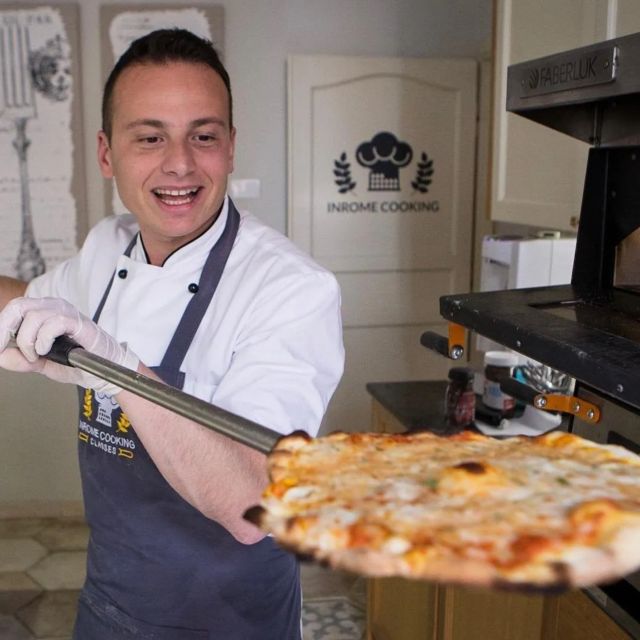
Before the dough work begins, you’ll get a reception with prosecco and snacks. The point isn’t just hospitality (though it helps). It’s also a smooth warm-up that gets your group talking and settled before anyone handles raw ingredients.
Several named chefs in the feedback—Fabio, Marco, David, Alessandro, Julio, Francesca, and Max—are described as funny, engaging, and patient. That combination matters here because pizza and gelato both reward technique. You’ll do better if your chef explains clearly and keeps the mood easy.
Expect you’ll also get a short intro to what’s coming next: pizza first, then gelato. If you’re the type who likes to understand the plan early, you’ll appreciate the pacing. It’s not a rushed factory line; you’ll be guided step by step.
Kneading Roman pizza dough: the technique that changes everything
The core of the pizza portion is the dough. You’ll learn kneading techniques using guidance from an English-speaking Italian chef—exactly the sort of instruction that’s hard to replicate from a video.
Here’s one of the key “Rome vs other cities” details that makes this class more than a generic pizza lesson: Roman pizza is different. The chef makes a point of the cultural story behind the style (including the Naples-Rome debate), and then moves to what you can actually taste—Roman pizza has a smaller crust and is known for being crunchy.
In real life, “crunchy” is never a vague goal. It’s usually tied to dough texture and handling, and that’s what you’re learning. The class emphasizes kneading and preparation timing, because dough needs time to be ready before you can roll and top it.
If you’ve ever tried making pizza dough at home and ended up with something too soft (or too dense), this is where the class pays off. It’s not only ingredients. It’s the method.
Rolling, topping, and building your pizza: Bianca vs Rosso
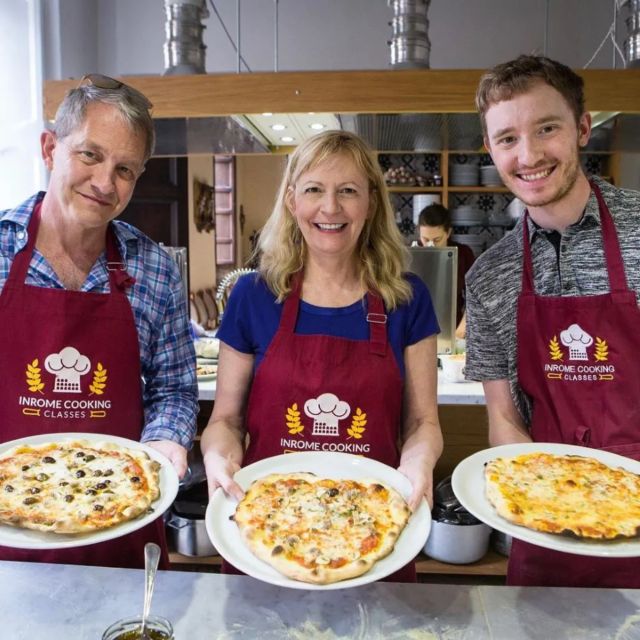
Once the dough is prepared, it’s your turn to shape and top. The class gives you ingredient choices that feel very Rome—think salty Italian prosciutto or fruity black olives.
You’ll also choose your pizza style:
- Bianca: simpler, without tomato sauce
- Rosso: with tomato sauce
This is one of the smart parts of the lesson. It gives you a framework. Instead of randomly stacking toppings, you learn how Italians think in terms of base and balance. Bianca is all about the restraint and what the dough and toppings can carry. Rosso brings tomato into the mix, changing the flavor “job” of every ingredient.
Then you roll out the dough and adorn it with your favorite ingredients. In other words: you don’t just pick one topping and call it a day. You get enough freedom to enjoy it, while still learning the classic approach.
After baking, you eat what you made as part of a homemade meal with drinks. That’s a big value point: you’re learning in the same session where you get to judge results.
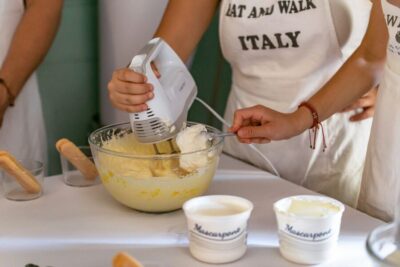
Gelato making in Rome: sweet dessert technique, not just mixing
After pizza, the class shifts to gelato. This is where you’ll learn the techniques chefs use to get that Roman-style result people talk about.
You’ll learn how to prepare gelato with chef guidance, and the class specifically encourages you to pay attention to the difference between gelato and ice cream. It’s not just a trivia line—understanding that distinction helps you avoid the most common home-mistake: using the wrong approach and expecting the same texture.
One useful detail from feedback: instruction includes how to do it using a normal freezer. That matters because most home kitchens aren’t professional gelato labs. If you’re the kind of person who likes to recreate what you did, this is a practical win.
As for flavors and workflow, one comment mentioned that there was one mixing bowl per two people, meaning you may need to share or coordinate gelato flavors. That’s not a deal-breaker, but it’s good to know if you’re picky and want a full personal set of choices.
Overall, the gelato part delivers the same theme as the pizza: technique and ingredients first, then toppings and variations.
What you actually get to take home (recipes by QR)
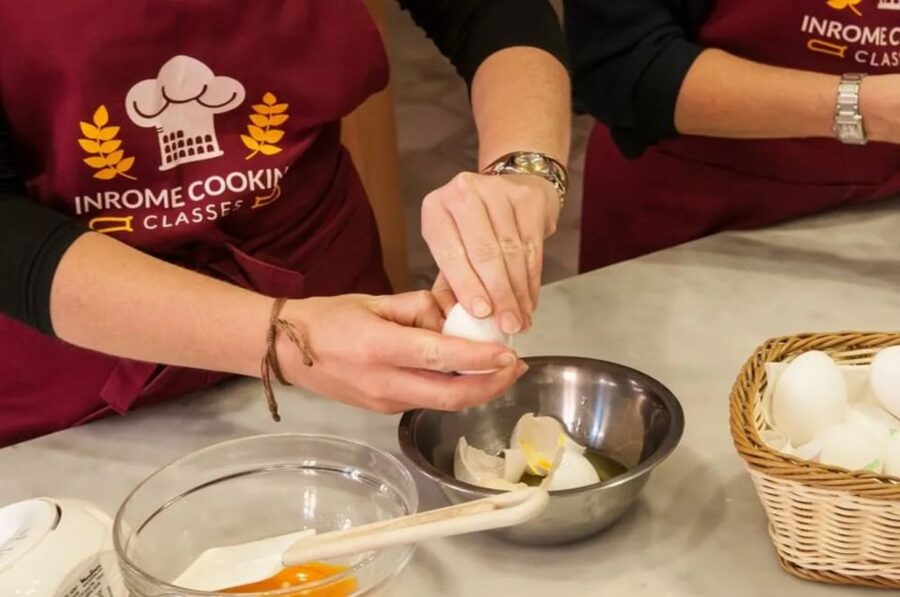
At the end, you’re not just walking away with full stomach and good photos. You’ll get recipes provided via QR code. That turns the class into a repeatable experience, not a one-night novelty.
In one piece of feedback, a digital recipe book was mentioned with 75 recipes. Even if you don’t count that as your promise, the direction is clear: you’ll have a way to rebuild what you made at home, which is exactly what most people wish cooking classes offered.
You also get a big social and comfort factor. One review described the meal afterward as the best part, because there’s something satisfying about eating your own pizza and gelato right away. Plus, you’re not cleaning up a mess after the cooking is done—you’re basically there for the fun part.
If you like structured lessons with real food at the end, this is built well for that.
Drinks, group size, and the pace of the night
This class runs for about 3 hours. That time window is ideal if you want hands-on cooking without losing an entire evening.
The group size can vary, but feedback suggests classes are small. One group was described as totaling 10 people, which is big enough to meet others but small enough to get attention when you need it.
You’ll also have drinks during the experience. The welcome includes prosecco, and one review specifically mentioned wine being free-flowing. If you’re cautious with alcohol, just pace yourself—especially since you’ll be kneading dough and handling hot equipment. But if you enjoy a glass while cooking, the vibe is part of the fun.
Chef energy seems to be a major theme in the feedback. Named instructors like Fabio and Max were described as highly engaging, funny, and encouraging. For families especially, that matters. Kids do better when someone makes technique feel doable.
Family-friendly cooking: great for kids and beginners
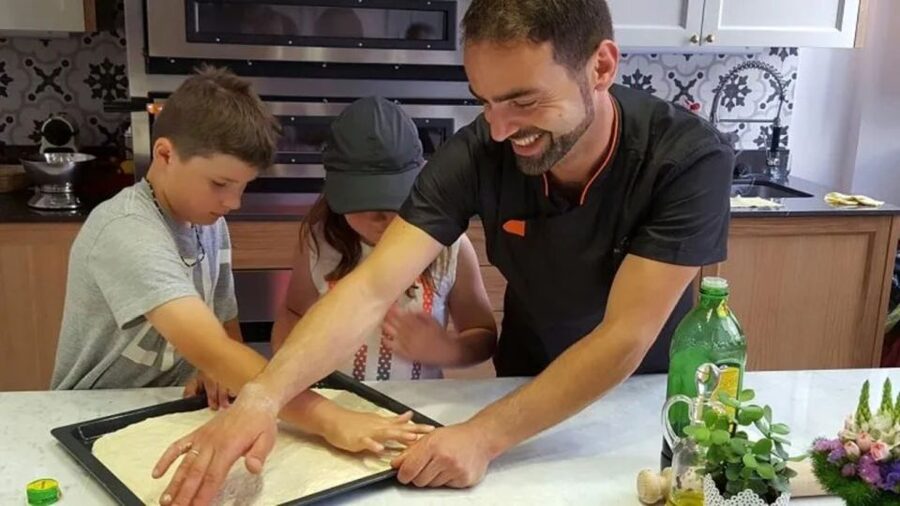
This is one of the more family-friendly types of Rome food experiences. Feedback includes kids as young as six, plus older kids and teens, with chefs making the steps clear and letting children participate.
One family shared that their chef, Marco, worked with allergies (sesame, peanut, and tree nut), and still helped everyone create. That’s a serious note for families—still, you should always communicate any dietary needs to the organizer in advance, since the data here only confirms what happened for one group.
For beginners: this class is approachable. The instruction focuses on a few key techniques—kneading, rolling, topping, and gelato method—rather than overwhelming you with 20 separate skills.
For experienced cooks: you may still enjoy it because Roman pizza dough has its own logic. Even if you already cook, you’ll likely leave with tweaks you can use.
How to fit it into your Roman food day near the Colosseum
Because this class ends back at the meeting point and runs only 3 hours, it’s easy to attach it to other Rome plans.
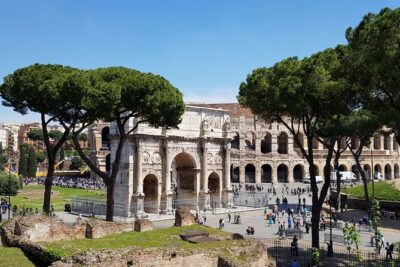
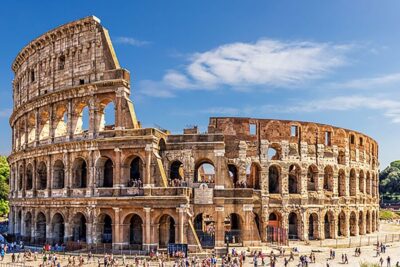
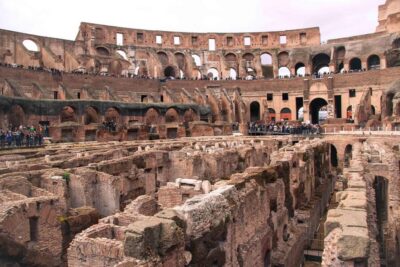
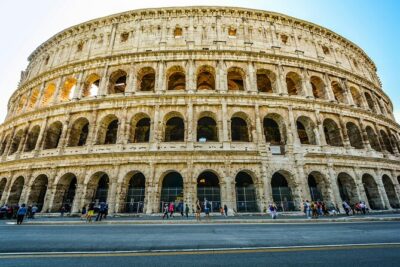
The idea is simple: after you learn how gelato should be made, you’ll enjoy noticing quality when you walk around. The class description specifically imagines you grabbing a fresh gelato afterward on a stroll near the Colosseum area.
So here’s a practical way to schedule:
- Do the class earlier in the evening if you want time for a slow walk after
- Or do it later if you want your gelato fix to land after a big sit-down meal
Either way, you’ll have a new set of standards. Texture, balance, and how flavors feel in your mouth become easier to spot once you’ve learned the basics.
Price and value: is $117.82 worth it?
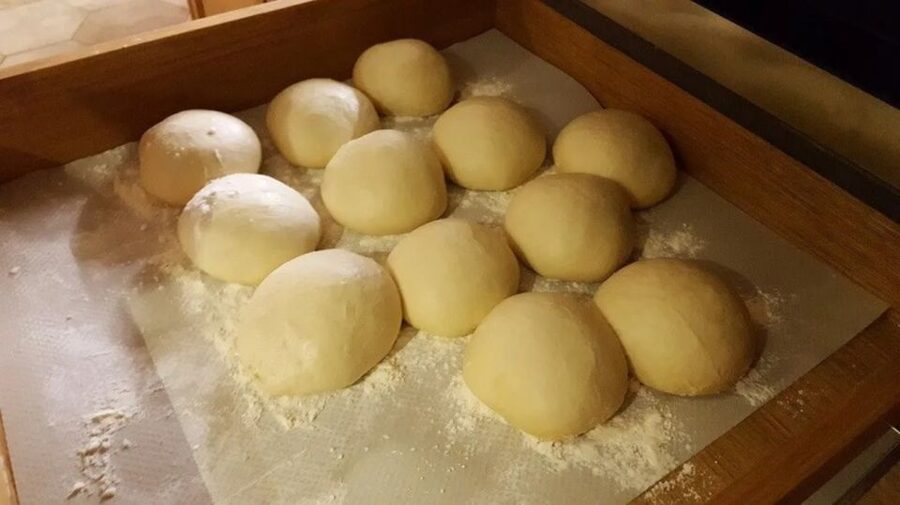
At $117.82 per person for a 3-hour class, this isn’t a bargain-basement activity. But it’s also not overpriced fluff if you care about actually learning.
Here’s why it can feel worth it:
- You get an English-speaking Italian chef for the full session
- All ingredients and equipment are included
- A reception includes prosecco and snacks
- You eat a homemade meal with drinks
- You receive recipes via QR code
- You’re making two things: Roman pizza and gelato
If you’re comparing against just buying pizza and gelato in town, the class is pricier. But it buys education plus a guided, hands-on experience plus the meal. For many people, that combo is the real value.
If you’re traveling with others, it can also feel more rational because you’re getting a shared activity that produces something you eat right then.
Just remember the main consideration: it’s a short, single-session format. You won’t master everything about pizza and gelato in three hours. You’ll master enough to build confidence and replicate the core steps.
Should you book this Roman pizza and gelato class?
I’d book it if you want a central Rome experience that’s practical, social, and actually teaches technique. It’s especially good if you:
- Love Italian food and want to understand why Roman pizza is its own thing
- Want hands-on work, not a passive tasting tour
- Are traveling with kids and want a chef who stays patient and engaging
- Care about repeating it at home, thanks to QR recipes
Skip it if:
- Mobility limitations are a factor (it’s not suitable for wheelchair users)
- You only want to sample, not cook
- You’re looking for a long multi-day course rather than a focused 3-hour lesson
If you’re on the fence, the deciding question is simple: do you want to learn dough and gelato techniques you can use again? If yes, this is a strong pick in Rome.
More Workshops in Rome
- 3 in 1 Cooking Class near Navona: Fettuccine, Ravioli & Tiramisu
★ 5.0 · 7,376 reviews - Rome: Pasta & Tiramisu Class with Fine Wine by the Vatican
★ 4.9 · 4,852 reviews - Rome: Pasta Making Class with Wine, Limoncello, and Dessert
★ 4.9 · 3,177 reviews - Rome Cooking Class: Make Pasta and 3 Spritz Cocktails
★ 5.0 · 2,937 reviews - Rome: 3-in-1 Fettuccine, Ravioli, and Tiramisu Cooking Class
★ 4.9 · 2,704 reviews - Rome: Fettuccine Pasta Cooking Class in Rome’s City Center
★ 4.8 · 2,414 reviews
More Tour Reviews in Rome
- Vatican Museums, Sistine Chapel & St. Peter’s Basilica Tour
★ 4.3 · 73,970 reviews - Vatican Museums, Sistine Chapel & St Peter’s Basilica Guided Tour
★ 4.5 · 39,149 reviews - Rome: Colosseum, Palatine Hill and Roman Forum Guided Tour
★ 4.8 · 32,814 reviews - Rome: Guided Tour of Colosseum, Roman Forum & Palatine Hill
★ 4.7 · 27,897 reviews - Rome: Colosseum & Forum with Audio Guide App -Optional Arena
★ 4.2 · 24,770 reviews - Rome: Colosseum, Roman Forum and Palatine Hill Guided Tour
★ 4.5 · 23,903 reviews
Just added to our Rome reviews





Workshops, compared.
 ★ 5.03 in 1 Cooking Class near Navona: Fettuccine, Ravioli & TiramisuFrom $837,376 reviews
 ★ 4.9Pasta & Tiramisu Class with Fine Wine by the VaticanFrom $414,852 reviews
 ★ 4.9Pasta Making Class with Wine, Limoncello, and DessertFrom $483,177 reviews
 ★ 5.0Rome Cooking Class: Make Pasta and 3 Spritz CocktailsFrom $992,937 reviews
 ★ 4.93-in-1 Fettuccine, Ravioli, and Tiramisu Cooking ClassFrom $812,704 reviews
 ★ 4.8Fettuccine Pasta Cooking Class in Rome’s City CenterFrom $462,414 reviews
 ★ 5.0Become a Masterchef in Rome: Pasta, Ravioli and Tiramisù ClassFrom $472,156 reviews
 ★ 4.9Fettuccine & Tiramisù: Cooking Class with Wine & LimoncelloFrom $662,103 reviews
Browse the lists this tour appears in