
Reviewed · JEWISH GHETTO TOURS
Rome Street Food: Delights at Campo dei Fiori & Ghetto Area
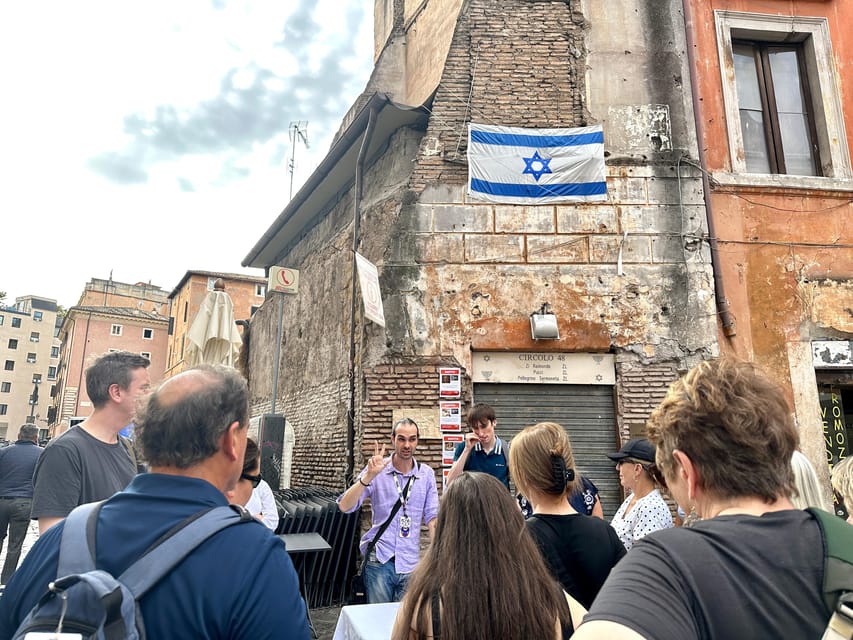
Campo de’ Fiori to the Ghetto on foot—this hits the sweet spot of Rome food and street life. I like that you’re not just eating; you’re also getting a clear sense of where the dishes come from as you walk past real landmarks, including the Jewish Ghetto and the Largo Argentina area.
Two things I really enjoyed are the hands-on taste lineup—especially the supplì and the fried artichoke—and the way the guide keeps the history practical, not heavy. One possible drawback: you’re on your feet the whole time, with cobbles, and the tour isn’t a good fit if you need lots of seating.
In This Review
- Key things that make this tour work
- Campo de’ Fiori to Largo Argentina: a tight 2.5-hour route
- Meeting point under Giordano Bruno: what to look for
- What you’ll eat: the Roman street-food hits (and why they’re chosen)
- Campo de’ Fiori market time: pizza, cured meats, and morning extras
- Via del Biscione and Via dei Chiavari: short walks, focused bites
- Into the Jewish Ghetto: food, memory, and a different Rome
- Largo di Torre Argentina and Area Sacra di Largo Argentina: finish with gelato
- Price and value: what $41 buys you in the real world
- Timing tips: morning vs afternoon choices
- Who this tour fits best (and who should skip it)
- What guides do well here: the human factor
- Should you book this Rome Street Food: Campo dei Fiori & Ghetto Area tour?
Key things that make this tour work
- 5 food stops in 2.5 hours, plus small wine and beer samples
- Campo de’ Fiori + Jewish Ghetto in one walk, so you don’t waste time crossing Rome
- Real landmark route, ending at Area Sacra di Largo Argentina
- Street-food classics like supplì, plus local Jewish-quarter favorites like fried artichoke
- English-speaking guides who share stories that connect food to neighborhood life
Campo de’ Fiori to Largo Argentina: a tight 2.5-hour route
This is a street-food tour that feels like Rome in miniature: market smells, quick bites, old stone walls, and then those famous ruins in the Largo Argentina area. The good part is the pace. At 2.5 hours, you get enough tastings to feel satisfied without turning your whole day into a long march.
I also like that the tour is designed around a logical walking loop. You start at Campo de’ Fiori, work through nearby streets and passageways, then move into the historic Jewish Quarter, and finish at Area Sacra di Largo Argentina. That order matters because the neighborhood “story” makes sense as you go.
One thing to keep in mind: it’s not a sit-down meal. You’ll be walking, stopping often, and handling your own gelato at the end. If you like to snack while you sightsee, you’ll be very happy here.
More of the Ghetto's quiet corners
- Rome Food Tour: Campo de’ Fiori, Ghetto, Trastevere Winner 2024
★ 5.0 · 3,205 reviews - Jewish Ghetto and Trastevere Tour Rome
★ 4.5 · 1,729 reviews - Rome: Eat Like a Roman Ghetto & Campo de’ Fiori Food Tour
★ 5.0 · 1,037 reviews - Jewish Ghetto and Synagogues with Jewish Roman Guide 3 Hours
★ 5.0 · 907 reviews
Meeting point under Giordano Bruno: what to look for
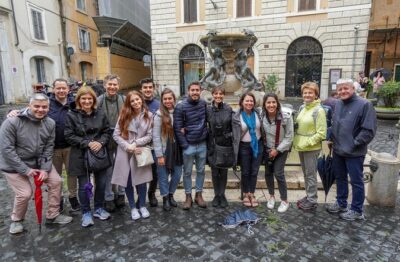
Meet your guide under the statue of Giordano Bruno in the middle of Campo de’ Fiori. This is one of those Rome meeting points that’s easy once you know what you’re hunting for. When you arrive, take a quick look around the square’s center and get your bearings fast.
The tour is English, and it runs with a live local guide. Based on past guide names I’ve seen for this format—people like Mattia, Francesca, Barbara, Ramona, Arianna, and Adrianne—the style tends to be friendly and talk-forward, with practical tips about eating in Italy, not just facts on a slide.
A small heads-up that matters: seats aren’t guaranteed. So plan on standing, especially during the stops with a little queue.
What you’ll eat: the Roman street-food hits (and why they’re chosen)
This tour is built on Rome’s most recognizable street-food language: crunchy, fried, shareable, and very eatable on the move. You’ll get 5 food stops, and during the walk you’ll also have a sample of beer and a sample of wine. Drinks are not counted as full drinks—think sips—but it’s a nice touch for getting that “I’m doing Rome right” feeling.
Two of the big stars are clearly the kind of items that you’d struggle to hunt down on your own:
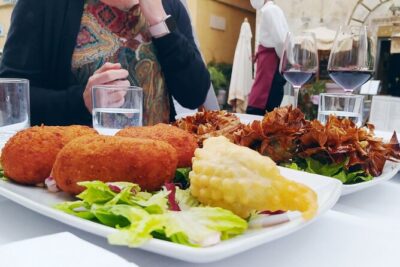
- Supplì: the iconic deep-fried rice ball. Expect a crispy outside and that comforting, cheesy center vibe.
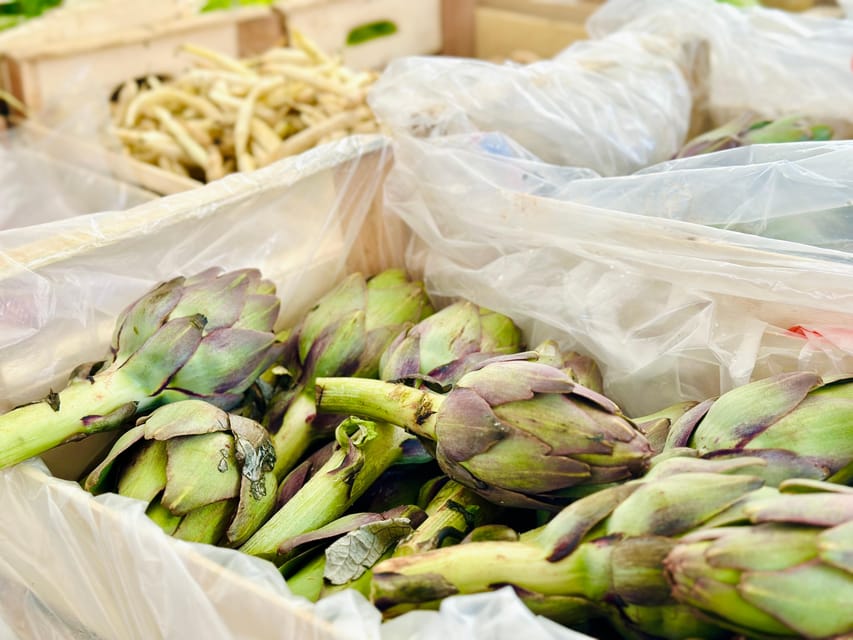
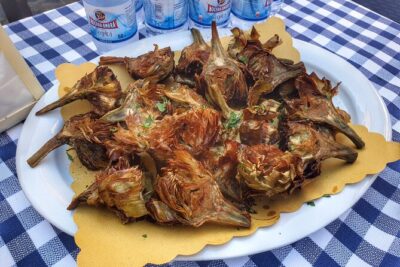
- Fried artichoke: a local favorite tied to the Jewish Quarter’s food tradition, with a crispy texture and a flavor profile that’s different from the Roman classics you’ll see elsewhere.
The other tastings rotate by where you’re stopping, but the overall pattern is consistent: small portions that add up to a full lunch. Several guides have been praised for portion size and making sure you’re not left hungry.
Campo de’ Fiori market time: pizza, cured meats, and morning extras

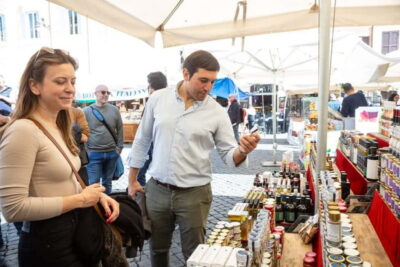
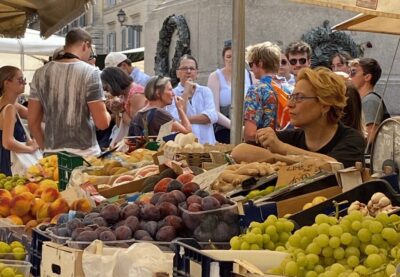
Your first major chunk of time is in Campo de’ Fiori, about 45 minutes. This is where the tour’s “street” side becomes real. You get market atmosphere, shopfront energy, and the kind of everyday food shopping Rome does so well.
You’ll sample a mix that usually includes:
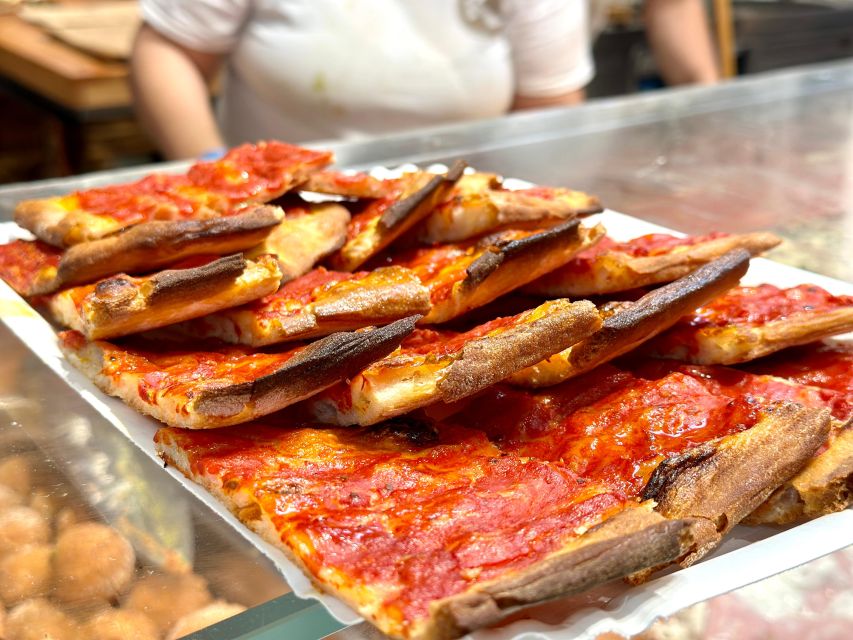
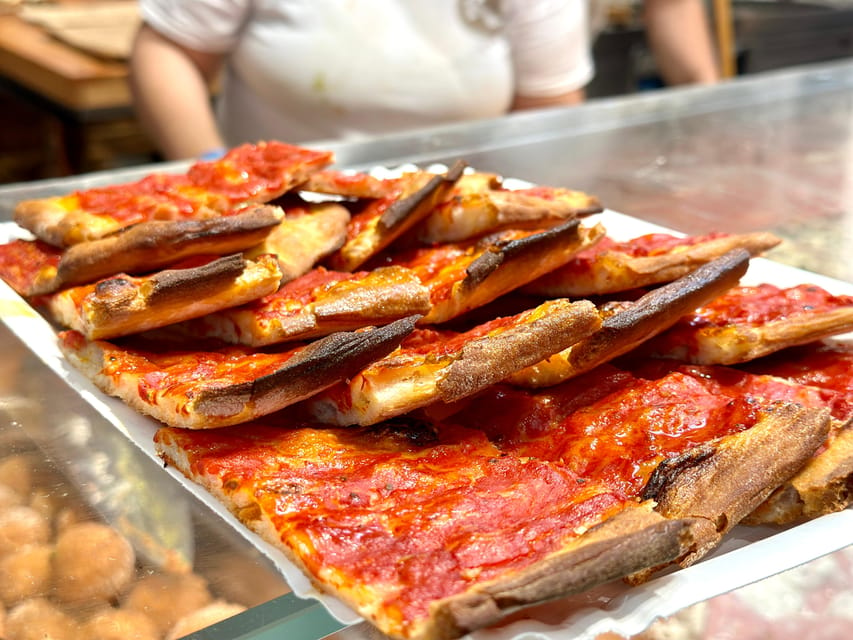
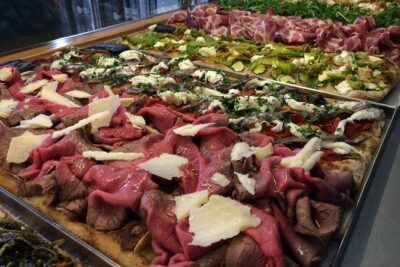
- Freshly baked pizza from a historic bakery
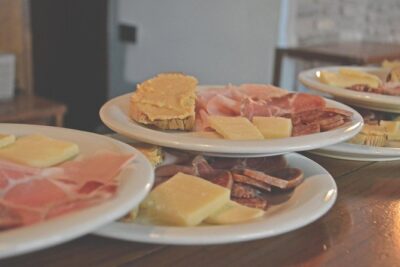
- An assortment of artisanal cured meat from a shop that’s been around since 1890
If you’re on a morning tour, you may also taste olive oil, truffles, and balsamic vinegar at the local market. That’s a big reason to consider morning departures if you can—those products add flavor depth and help you understand Italian cooking beyond fried street snacks.
Practical note: one guest found the market experience didn’t land as expected on an afternoon schedule. So if market time is a priority for you, check what your departure includes before you lock in plans. Campo de’ Fiori is famous, but your time inside it can vary.
Still hungry? More Rome food walks
Via del Biscione and Via dei Chiavari: short walks, focused bites
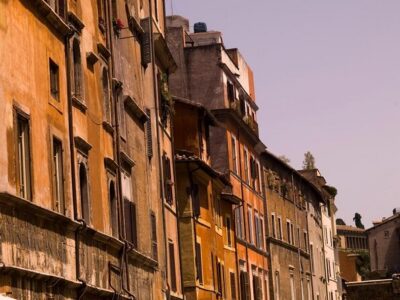
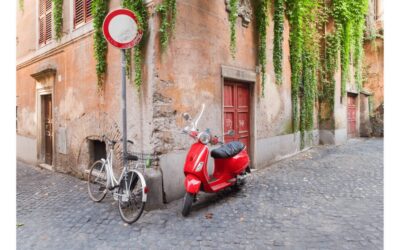
After Campo de’ Fiori, the route shifts into smaller streets—places that make Rome feel like a living city, not a museum hallway. There’s a quick stop near Via del Biscione (about 10 minutes) just to move you along with context and sights.
Then you hit Via dei Chiavari for another food moment, about 30 minutes. Even if you don’t memorize every street name, this part helps you feel how Roman street-food culture works: you’re never far from another shop, another smell, another bite.
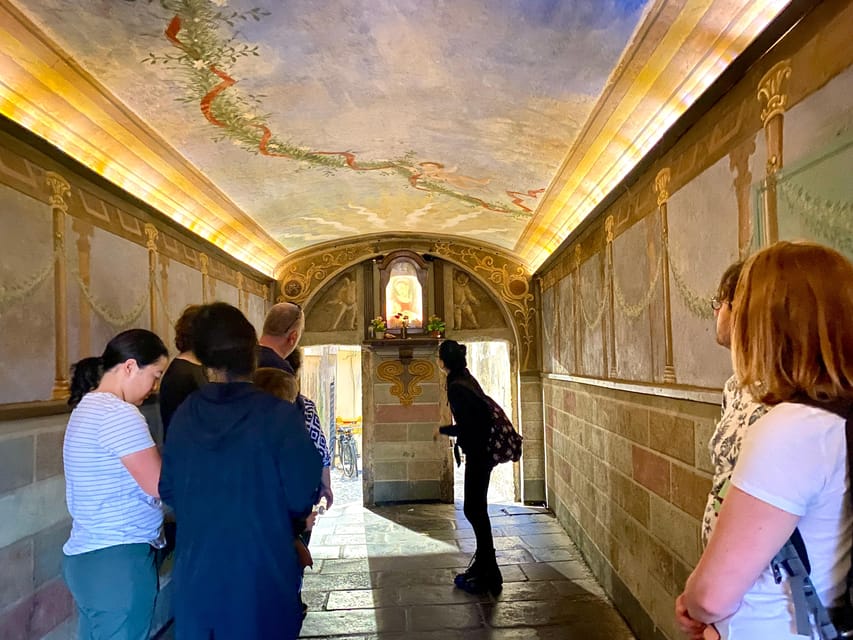
There’s also mention of an ancient passageway with frescoes and a shrine—the kind of stop that’s easy to miss on your own. It’s not only pretty; it also breaks up the tour so it doesn’t feel like nonstop frying and walking.
If you’re the type who gets bored by long explanations, this style is for you. The guide’s stories are tied to what you’re eating and where you are standing.
Into the Jewish Ghetto: food, memory, and a different Rome
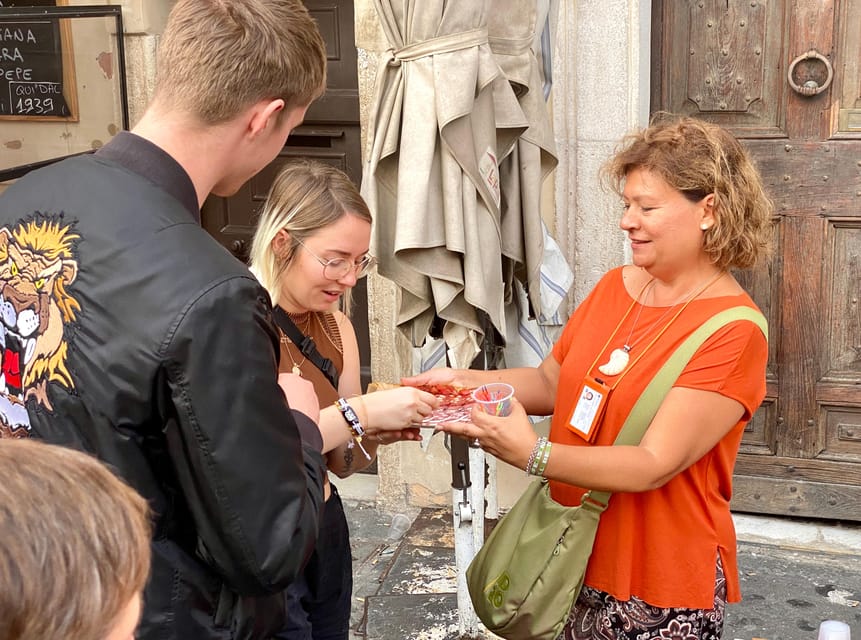
Next comes the historic Jewish Quarter, one of the oldest in the western world. This section lasts about 45 minutes, and it’s the heart of what makes the tour more than just a food crawl.
You’ll have another tasting here: the tour’s famous fried artichoke. This isn’t presented as a random snack. You get the connection—how the Jewish community in Rome shaped and protected food traditions, and how certain dishes became associated with the neighborhood.
What I like about this part is that it changes your Rome perspective. You’ll still be eating street food, but you’ll also be standing in a place with strong identity. That context gives the flavors a story, and the story makes the food stick in your memory.
Also, don’t expect a long museum lecture. The tour keeps it moving through the streets, with sightseeing and walk stops that help you build a mental map of the area.
Largo di Torre Argentina and Area Sacra di Largo Argentina: finish with gelato
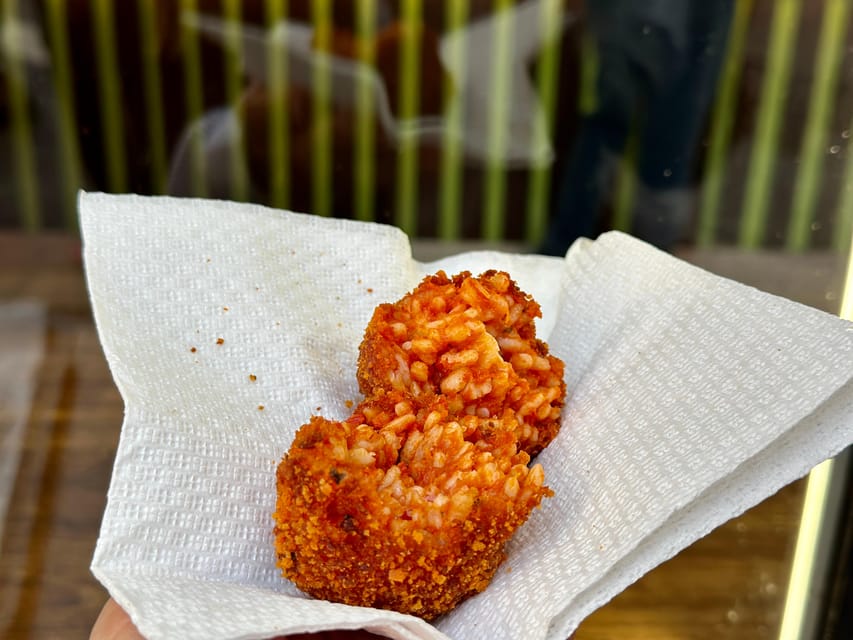
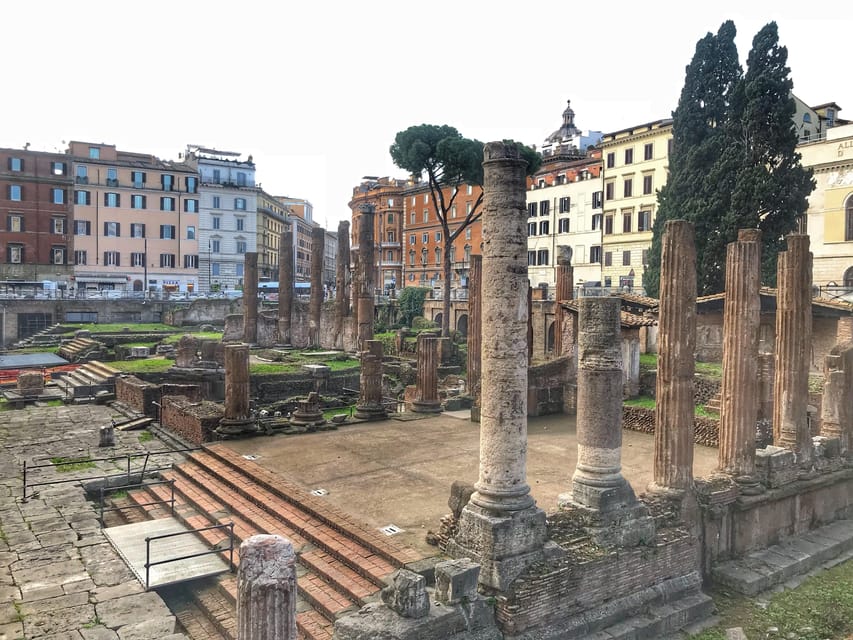
You end near Largo di Torre Argentina, spending about 20 minutes there. This is where you get that classic Rome-meets-ruins scene, with ancient remains in the open air.
To cool down and cap it off, you get dessert—gelato. It’s the right ending for a tour like this because gelato resets your palate after fried foods and salty cured meats.
When the tour finishes at Area Sacra di Largo Argentina, you’re positioned well for continuing on your own afterward. Even if you don’t plan a big evening, you’ll already be near one of those “wow, that’s ancient” zones that makes Rome feel timeless.
Price and value: what $41 buys you in the real world
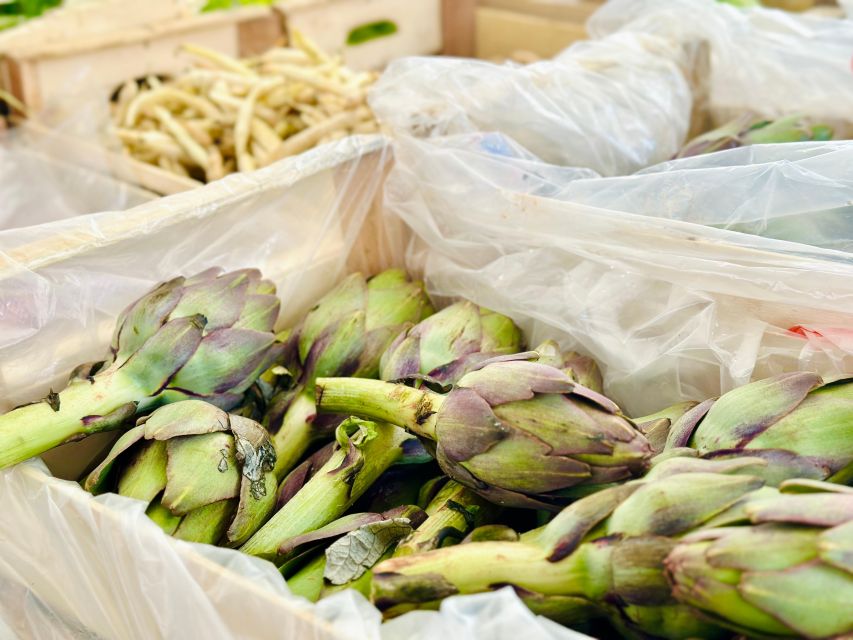
At $41 per person for 2.5 hours, this tour looks like real value because it includes multiple components most food experiences charge for separately:
- 5 food stops (not just one big meal)
- Wine and beer sips (small, but included)
- A local guide who ties tastings to the neighborhoods you’re walking through
- A route that connects Campo de’ Fiori, the Jewish Ghetto, and Largo Argentina ruins
If you’ve ever tried to do this kind of tasting day on your own, you know the problem: you spend time searching, guessing, and sometimes paying too much for mediocre street snacks. Here, the tastings are grouped, and you’re guided through where to go and why those items matter.
So the “value” isn’t only the price tag. It’s the saved time and the fact that you get a coherent route, not random stops.
Timing tips: morning vs afternoon choices
The tour can include slightly different tastings depending on when you go. The biggest difference called out is that morning tours may include the market-style tastes of olive oil, truffles, and balsamic vinegar.
If those ingredients sound exciting to you, pick morning when possible. If you’re okay with that trade-off and just want the core street-food route, afternoon can still be fine—just confirm market timing so your expectations match your departure.
And since you’ll be walking, plan your start time around Rome heat. Cobblestones don’t help anyone on a hot day.
Who this tour fits best (and who should skip it)
This tour is best for:
- Food lovers who like classic Roman street snacks
- People who want quick context while walking, not a slow-paced lecture
- Anyone who enjoys mixing neighborhoods, sights, and tastings in one go
It’s not suitable for:
- Wheelchair users (and generally anyone needing step-free ease)
- People with limited standing or walking capacity
- Vegan travelers
- People with gluten intolerance
- Those with dairy-free needs (not available)
- Those who need allergy-safe handling beyond basic precautions, especially nut allergies due to potential cross contamination
Pets are also not allowed. And if you want vegetarian food, you can request it in advance, but only then.
One more practical detail: the surface is flat but you’ll still deal with cobbles. Comfortable walking shoes aren’t optional.
What guides do well here: the human factor
A big reason this tour lands well is the guide energy. I’ve seen names connected with strong performance—Francesca, Barbara, Ramona, Arianna, Adrianne, Mattia—and the common thread is how they handle two things at once:
1) they explain what you’re eating
2) they connect it to where you’re standing
That combination keeps the tour from feeling like a checklist. When the guide gives you small “how Romans eat” tips and practical pointers about what to try next, the tour keeps paying off after you leave.
If you like asking questions, this format also tends to work well because the stops are frequent and each one is specific.
Should you book this Rome Street Food: Campo dei Fiori & Ghetto Area tour?
I think you should book it if you want a 2.5-hour plan that mixes street food with real sights—especially if you care about the Jewish Quarter angle and want to end at Largo Argentina with a gelato reset.
Skip it if your priority is a long seated meal, or if you need a route with lots of seating and step-free comfort. Also skip if you’re gluten-free, vegan, or dairy-free—the tour isn’t set up for those options.
If you’re flexible on timing and you like eating as you walk, this is the kind of experience that gives you Rome flavor with context, without turning into a long day of logistics.
More Tour Reviews in Rome
- Vatican Museums, Sistine Chapel & St. Peter’s Basilica Tour
★ 4.3 · 73,970 reviews - Vatican Museums, Sistine Chapel & St Peter’s Basilica Guided Tour
★ 4.5 · 39,149 reviews - Rome: Colosseum, Palatine Hill and Roman Forum Guided Tour
★ 4.8 · 32,814 reviews - Rome: Guided Tour of Colosseum, Roman Forum & Palatine Hill
★ 4.7 · 27,897 reviews - Rome: Colosseum & Forum with Audio Guide App -Optional Arena
★ 4.2 · 24,770 reviews - Rome: Colosseum, Roman Forum and Palatine Hill Guided Tour
★ 4.5 · 23,903 reviews
More Roman Tables Worth Booking
- Winner 2025 Rome Twilight Trastevere Food Tour by Eating Europe
★ 5.0 · 5,157 reviews - Rome: Street Food Tour with Local Guide
★ 4.8 · 4,077 reviews - Rome Food Tour: Unlimited Tastings with Fine Wine & Barolo
★ 5.0 · 3,365 reviews - Rome Food Tour: Campo de’ Fiori, Ghetto, Trastevere Winner 2024
★ 5.0 · 3,205 reviews - Rome: Guided Food Walking Tour with Wine in Trastevere
★ 4.9 · 3,105 reviews - Rome: Trastevere Food tour with Free-Flowing Fine Wine
★ 5.0 · 2,853 reviews
More Around the Jewish Ghetto
- Rome Food Tour: Campo de’ Fiori, Ghetto, Trastevere Winner 2024
★ 5.0 · 3,205 reviews - Jewish Ghetto and Trastevere Tour Rome
★ 4.5 · 1,729 reviews - Rome: Eat Like a Roman Ghetto & Campo de’ Fiori Food Tour
★ 5.0 · 1,037 reviews - Jewish Ghetto and Synagogues with Jewish Roman Guide 3 Hours
★ 5.0 · 907 reviews - Jewish Ghetto & Piazza Navona: Food, Wine & Sightseeing Rome Tour
★ 5.0 · 460 reviews - Rome: Food & Wine Tour of Campo de Fiori, Ghetto, Trastevere
★ 4.8 · 413 reviews
Just added to our Rome reviews





Jewish Ghetto Tours, compared.
 ★ 5.0Rome Food Tour: Campo de’ Fiori, Ghetto, Trastevere Winner 2024From $883,205 reviews
 ★ 4.5Jewish Ghetto and Trastevere Tour RomeFrom $41,729 reviews
 ★ 5.0Eat Like a Roman Ghetto & Campo de’ Fiori Food TourFrom $501,037 reviews
 ★ 5.0Jewish Ghetto and Synagogues with Jewish Roman Guide 3 HoursFrom $193907 reviews
 ★ 5.0Jewish Ghetto & Piazza Navona: Food, Wine & Sightseeing Rome TourFrom $107460 reviews
 ★ 4.8Food & Wine Tour of Campo de Fiori, Ghetto, TrastevereFrom $81413 reviews
 ★ 5.0Jewish Ghetto and Campo Dè Fiori By Night Food, Wine and Sightseeing TourFrom $107302 reviews
 ★ 4.5Trastevere and Rome’s Jewish Ghetto Half-Day Walking TourFrom $66282 reviews
Browse the lists this tour appears in