
Reviewed · SELF-GUIDED TOURS
Rome: Roman House of the Celio Hill Ticket & App Audioguide
Underground Rome gets real at the Celio houses. I love the stunning, well-preserved frescoes and the underground layout that helps you feel how people lived and worked over time. It’s also the kind of site that quietly turns into a story—workshops, warehouses, and then a more elegant home—right below a basilica.
One thing to watch: the ticket includes entry and a digital postcard, but an audioguide isn’t included, so plan to rely on signage and your own reading if you like extra context.
In This Review
- Key things I’d circle before you go
- Entering The Celio Houses: Finding Case Romane del Celio on Clivo di Scauro
- What’s Underfoot: Frescoes, Rooms, and the Long Timeline
- Celio’s Underground Domus: How to Read the Insula-to-Home Transition
- Paganism Meets Christianity Below Saints John and Paul
- Your Ticket Includes a Digital Pemcard Postcard (And You’ll Actually Use It)
- Audioguide Situation: What You’re Getting, What You Should Plan For
- Timing and Closing Reality: Build in Buffer Time
- Price and Value in Rome: Is $11 a Good Deal?
- Who Should Book This Celio Hill Visit
- Should You Book the Roman House of the Celio Hill Ticket?
- FAQ
- Where is the meeting point for the Celio Houses ticket?
- How long is the ticket valid?
- What’s included with the ticket?
- Is an audioguide included?
- Is the Roman Houses of the Celio wheelchair accessible?
- What is the cancellation window?
Key things I’d circle before you go
- Enter via the Case Romane del Celio on Clivo di Scauro, between the Colosseum and Circus Maximus
- See original late antique decorations in remarkably preserved rooms underground
- Walk a site tied to the martyrs John and Paul, beneath the basilica
- Follow the 3rd-century shift from an insula (multi-storey building) to a domus (elite home)
- Spot clues of paganism and Christianity coexisting in ancient Rome
- Send a unique digital Pemcard postcard to friends or family after your visit
Entering The Celio Houses: Finding Case Romane del Celio on Clivo di Scauro
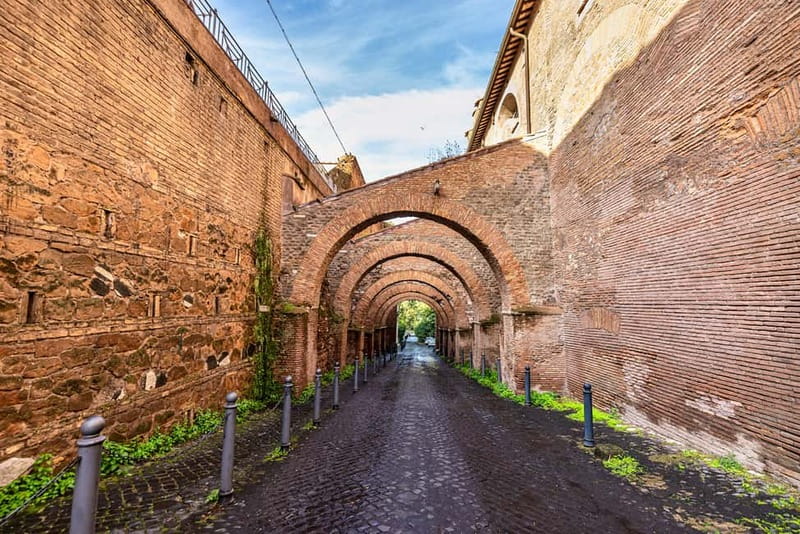
Your visit starts at the Case Romane del Celio entrance on Clivo di Scauro road. This matters more than you’d think, because the Celio area is packed with big landmarks. Once you’re oriented between the Colosseum and Circus Maximus, the entrance is a straightforward arrival point, not a puzzle.
You’ll also be finishing back at the same meeting point. That’s good for planning your day. If you like to string together sights without a lot of backtracking, you can use this as a clean add-on to a walk through central Rome.
Also note the big framing of the location: these houses are underground Rome, positioned right below the basilica of Saints John and Paul. You’re not commuting to a distant ruin. You’re stepping beneath something active and present-day, while the Roman layers sit underneath.
Worth a look next to this Rome booking:
- Rome: Hop-On Hop-Off Panoramic Bus Ticket – Access 3 Routes
★ 4.0 · 18,145 reviews - Vatican Museums & Sistine Chapel Skip-the-Line Entry Ticket
★ 4.4 · 13,838 reviews - Vatican Museums & Sistine Chapel Skip-the-Ticket-Line Tour
★ 4.3 · 10,486 reviews - Rome: Vatican Museums & Sistine Chapel Skip-the-Line Ticket
★ 4.3 · 8,103 reviews
What’s Underfoot: Frescoes, Rooms, and the Long Timeline
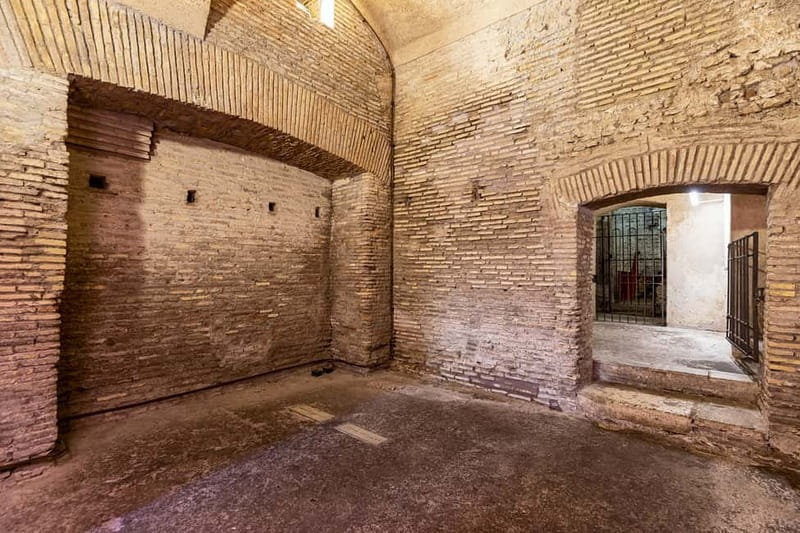
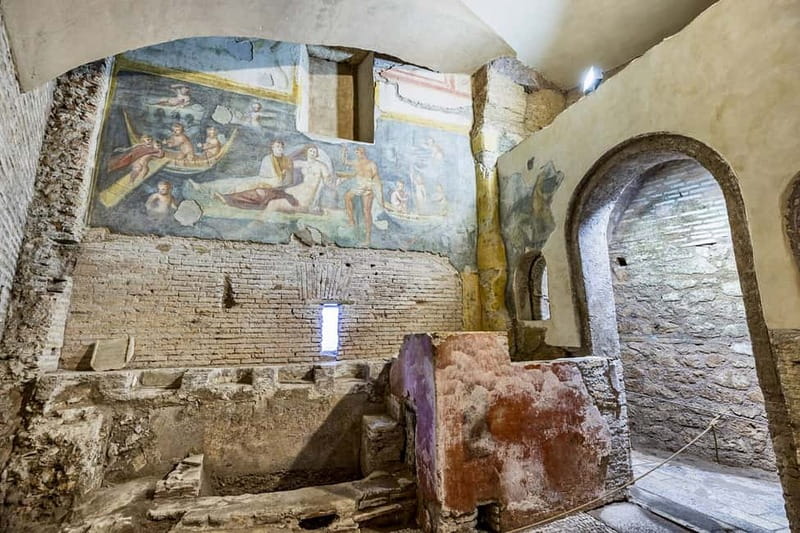
The Roman Houses of the Celio are one of those places where “underground” doesn’t mean “small.” You get spacious interiors with layers of Roman life showing up in the decoration and layout.
Here’s the story I’d keep in mind while you walk: the complex began as workshops and warehouses within a popular multi-storey building (insula). Then, during the 3rd century A.D., it was transformed into a more elegant domus. That change—practical business space to a home with refined decoration—helps you read the rooms like chapters.
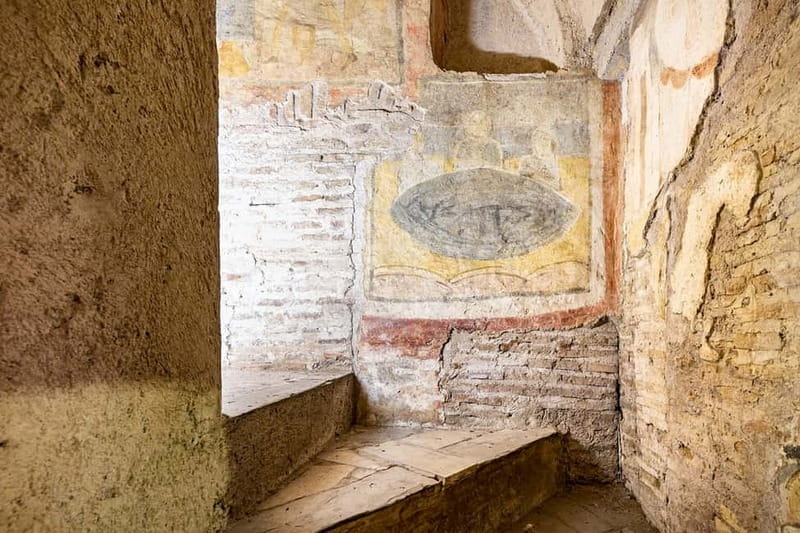
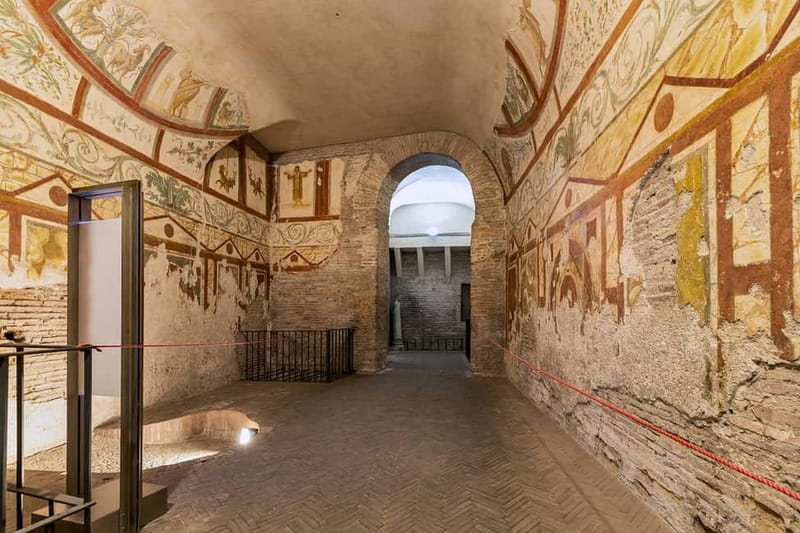
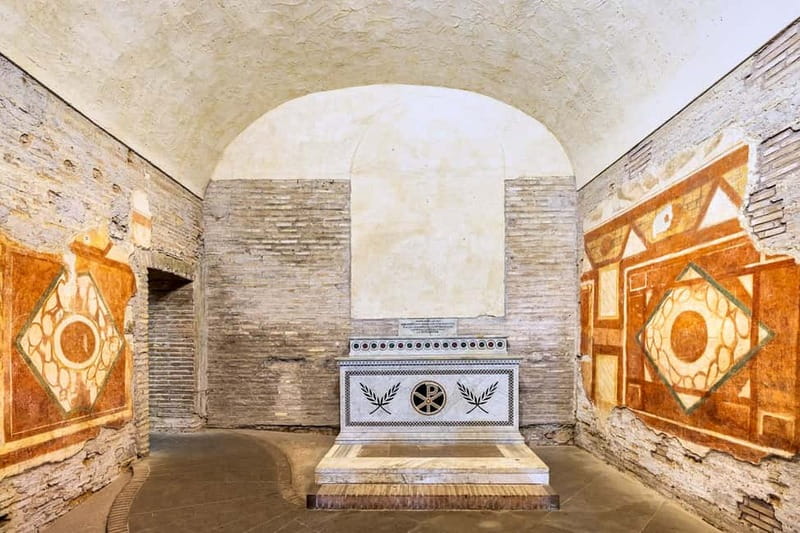
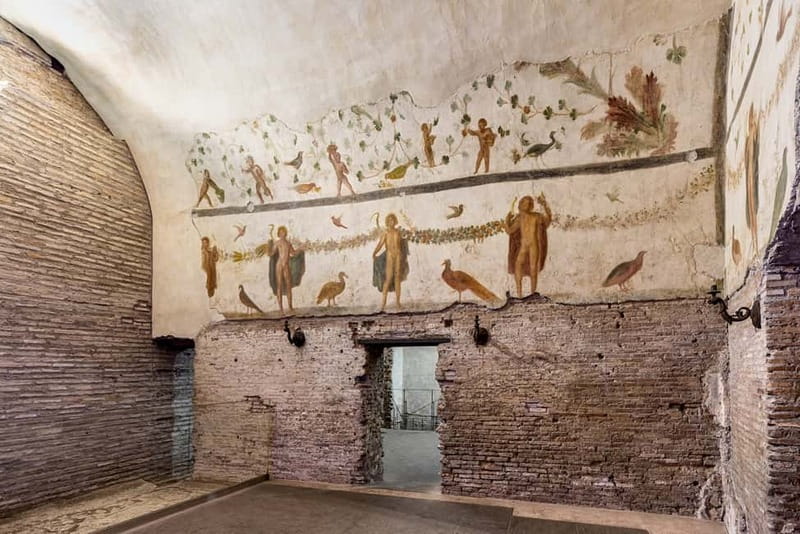
The standout is the original decorations and frescoes. The site is described as being in an extraordinary state of conservation, and it’s easy to see what that means once you’re inside. Frescoes are often faded or ruined in places like this, but here the experience is about seeing the artwork close enough to appreciate how it was meant to be viewed when the walls were whole.
If you like your history with real visuals, this is your kind of stop. It’s not just stone and bones. It’s painted decoration from centuries ago, still doing their job—telling you what mattered and how people wanted their spaces to look.
Celio’s Underground Domus: How to Read the Insula-to-Home Transition
This isn’t only about admiring the prettiest walls. It’s about understanding what you’re standing in.
Pay attention to how the site is presented as a building that changes function. When the area was part of an insula, it was more about everyday commerce—work and storage. Then, in the 3rd century A.D., it becomes a domus: a home with a different tone and expectations.
That shift is one of the best reasons to go, even if you don’t consider yourself a major Roman history person. Why? Because the building itself shows you the economic and social shift over time. You’re not memorizing dates on a page—you’re walking through spaces that were repurposed.
And those late antique fresco details are a big clue to that new identity. When people invest in decoration, it’s usually because they want the room to communicate something: status, taste, belief, or belonging. Even without a fancy audio track, the walls give you plenty to look at.
Paganism Meets Christianity Below Saints John and Paul

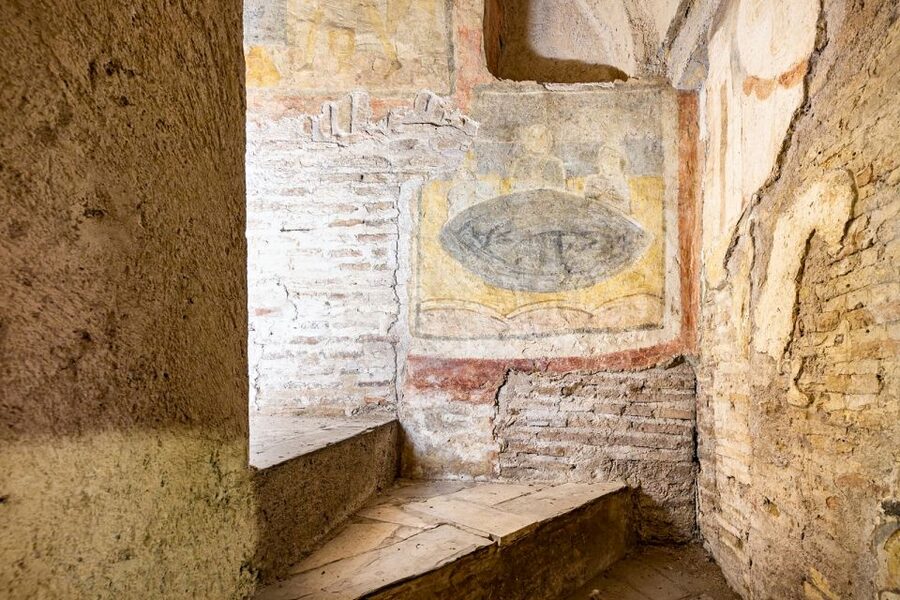
The houses are also known as the house of the martyrs John and Paul, and they sit below the basilica of Saints John and Paul. That connection is important because it sets up the main theme: the passage and coexistence of paganism and Christianity in ancient Rome.
What I find compelling here is that the site doesn’t feel like a clean before-and-after story. It’s more like a snapshot of a city in transition. You’re in Roman spaces that span over four centuries, which is plenty of time for beliefs, politics, and community identities to overlap, not instantly replace each other.
When you’re walking, try to treat the decor as your evidence. Instead of asking, what is this one image? ask, what does the overall feel of the space suggest? Then compare that to what you know about the location being tied to saints and early Christianity. That contrast—ornament, symbolism, and the building’s changing purpose—is the part that sticks.
Worth a look next to this Rome booking:
Your Ticket Includes a Digital Pemcard Postcard (And You’ll Actually Use It)
This ticket includes an entrance ticket and a postcard. The postcard is described as a unique digital Pemcard, which means you’re not just leaving with photos on your phone. You can send something that feels more specific to the place you visited.
I like this idea for two reasons. First, it lowers the friction of staying in touch. Second, it gives your visit a little structure. You’ll likely be thinking about the moment while you’re inside, instead of letting the day blur together.
Practical tip: if you’re the type who forgets to send messages until you’re home, plan to do it right after your entry while you’re still thinking about the rooms and frescoes. That way, your postcard becomes part of the memory, not a last-minute task.
Audioguide Situation: What You’re Getting, What You Should Plan For
An important detail: the audioguide isn’t included. The activity name includes an app audioguide, but the included items list clearly says audioguide is not included. So I’d plan as if you won’t have audio walking you through the site.
What does that mean on the ground? You’ll rely on:
- the on-site explanations/signage
- your own pace and attention to fresco details
- your phone for general background (if you want)
If you enjoy slow looking—reading what’s available and then standing still for a minute—this works well. If you need a narrated story to make history click, you may want to check what options exist for audio before you arrive.
Timing and Closing Reality: Build in Buffer Time
The ticket is valid for 1 day, and starting times depend on availability. That’s normal for timed archaeological visits, but it still affects your day plan. You want enough time to arrive calmly at Clivo di Scauro and get into the site without rushing.
One more timing note I’d take seriously: this venue has been reported to close earlier than some people expect (3 instead of 4). I can’t guarantee hours won’t vary by day, but the safe move is simple—pick a slot with buffer time and don’t schedule your next big landmark as if you have perfect certainty.
If you’re visiting during peak season, treat the Celio visit like a fixed appointment, not a flexible browse.
Price and Value in Rome: Is $11 a Good Deal?
At $11 per person, this is priced like a high-value add-on, not a luxury tour. And value here isn’t about comfort—it’s about access to a site you can’t easily replicate on your own.
You’re paying for:
- entrance to the Roman Houses of the Celio
- a digital postcard (Pemcard) included
- access to rooms described as having original decorations in very good condition
The one cost to factor is the audioguide situation. Since an audioguide isn’t included, you’re paying for entry and the postcard, not for a narrated experience. If you like self-guided museums with good signage, the price feels very fair. If you want story-led audio, you might decide to bring your own reading prep or accept that you’ll do more detective work with the visuals.
Given the setting—underground Roman rooms below an active basilica—and the emphasis on frescoes and long history, $11 feels like a sensible investment for what you actually see.
Who Should Book This Celio Hill Visit
I’d book this if you:
- like your Rome less obvious and more layered
- enjoy walking inside preserved decoration, not just looking at ruins from the outside
- want a concrete sense of how Roman buildings changed over time (insula to domus)
- care about the theme of cultural transition, especially the overlap of paganism and Christianity
It’s also listed as wheelchair accessible, which is a big plus if you’re planning mobility-friendly sightseeing.
If you’re the kind of visitor who needs lots of guided storytelling to stay engaged, you may want to make peace with a more self-paced format.
Should You Book the Roman House of the Celio Hill Ticket?
If you’re trying to decide whether this is worth your time, here’s my honest answer: yes, if you want a calm, visually driven underground stop that connects architecture, art, and belief changes over centuries.
It’s not a huge showy spectacle. It’s more like a well-preserved slice of how Rome evolved—down under your feet. And the included digital Pemcard is a nice touch that turns the visit into something you can share right away.
Skip it only if you strongly prefer guided audio and worry you’ll be disappointed without an audioguide, or if you’re scheduling too tightly and can’t handle the possibility of earlier closing.
FAQ
Where is the meeting point for the Celio Houses ticket?
You should look for the Case Romane del Celio entrance on Clivo di Scauro road.
How long is the ticket valid?
The ticket is valid for 1 day. Starting times depend on availability.
What’s included with the ticket?
The ticket includes the Roman Houses of the Celio entrance ticket and a postcard (a digital Pemcard).
Is an audioguide included?
No. The audioguide is not included.
Is the Roman Houses of the Celio wheelchair accessible?
Yes, the activity is listed as wheelchair accessible.
What is the cancellation window?
You can cancel up to 24 hours in advance for a full refund.
More Self-Guided Tours in Rome
- Rome: Colosseum & Forum with Audio Guide App -Optional Arena
★ 4.2 · 24,770 reviews - Rome: St. Peter’s Basilica & Dome Entry Ticket & Audio Tour
★ 4.2 · 7,537 reviews - Colosseum, Roman Forum & Palatine Hill with Audioguide App
★ 4.4 · 6,291 reviews - Vatican & Sistine Chapel Ticket with Optional Audio Guide
★ 4.1 · 5,405 reviews - Rome: Pantheon Priority Entry Ticket & Interactive App
★ 4.1 · 5,114 reviews - Rome: Castel Sant’Angelo Entry Ticket & Audio App
★ 4.3 · 4,952 reviews
More Tickets in Rome
- Rome: Hop-On Hop-Off Panoramic Bus Ticket – Access 3 Routes
★ 4.0 · 18,145 reviews - Vatican Museums & Sistine Chapel Skip-the-Line Entry Ticket
★ 4.4 · 13,838 reviews - Vatican Museums & Sistine Chapel Skip-the-Ticket-Line Tour
★ 4.3 · 10,486 reviews - Rome: Vatican Museums & Sistine Chapel Skip-the-Line Ticket
★ 4.3 · 8,103 reviews - Rome: St. Peter’s Basilica & Dome Entry Ticket & Audio Tour
★ 4.2 · 7,537 reviews - Vatican & Sistine Chapel Ticket with Optional Audio Guide
★ 4.1 · 5,405 reviews
More Tour Reviews in Rome
- Vatican Museums, Sistine Chapel & St. Peter’s Basilica Tour
★ 4.3 · 73,970 reviews - Vatican Museums, Sistine Chapel & St Peter’s Basilica Guided Tour
★ 4.5 · 39,149 reviews - Rome: Colosseum, Palatine Hill and Roman Forum Guided Tour
★ 4.8 · 32,814 reviews - Rome: Guided Tour of Colosseum, Roman Forum & Palatine Hill
★ 4.7 · 27,897 reviews - Rome: Colosseum & Forum with Audio Guide App -Optional Arena
★ 4.2 · 24,770 reviews - Rome: Colosseum, Roman Forum and Palatine Hill Guided Tour
★ 4.5 · 23,903 reviews
Just added to our Rome reviews





Self-Guided Tours, compared.
 ★ 4.2Colosseum & Forum with Audio Guide App -Optional ArenaFrom $4124,770 reviews
 ★ 4.2St. Peter’s Basilica & Dome Entry Ticket & Audio TourFrom $177,537 reviews
 ★ 4.4Colosseum, Roman Forum & Palatine Hill with Audioguide AppFrom $346,291 reviews
 ★ 4.1Vatican & Sistine Chapel Ticket with Optional Audio GuideFrom $465,405 reviews
 ★ 4.1Pantheon Priority Entry Ticket & Interactive AppFrom $145,114 reviews
 ★ 4.3Castel Sant’Angelo Entry Ticket & Audio AppFrom $234,952 reviews
 ★ 4.3Colosseum, Forum, & Palatine Hill with Audio GuideFrom $444,591 reviews
 ★ 4.6Pantheon Priority Entry Tickets with Interactive AppFrom $54,108 reviews
Browse the lists this tour appears in