
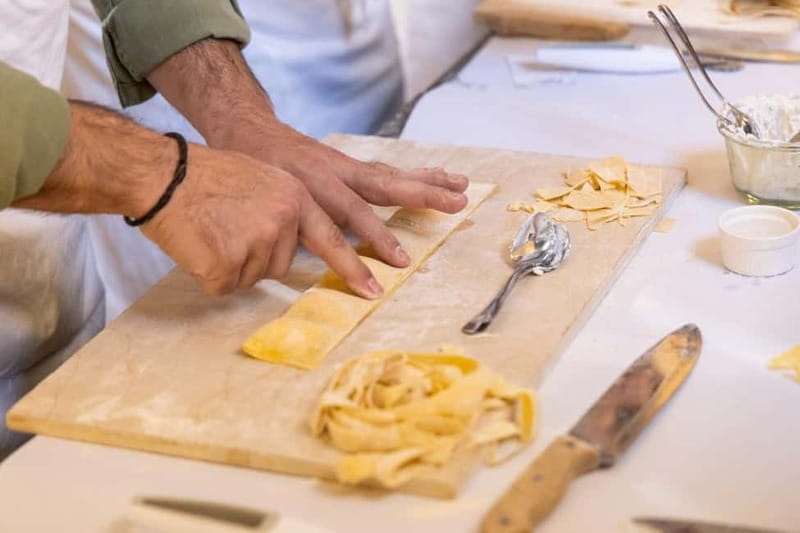
Reviewed · ROME COOKING CLASSES
Rome: Ravioli, Fettuccine and Tiramisu Cooking Class
Fresh pasta from scratch changes your whole idea of Italian food. In this Rome class, I like that you learn two pasta types plus classic tiramisù, then you actually sit down and eat what you make. I also like the hands-on pace and clear instruction that keeps pasta dough from feeling like a mystery. One thing to consider: the class focuses on core techniques and a few set recipes, so you might want to add a simple side dish on your own if you’re hoping for a bigger spread.
You’ll meet the chef at Gusto Restaurant in central Rome, roll up your sleeves for about three hours, and then enjoy your meal with a glass of wine (or a soft drink) plus limoncello or coffee. English instruction is the norm, and the group vibe can be quite small, which makes it easier to get questions answered. If you want a step-by-step class that ends with a satisfying sit-down dinner, this one fits well.
In This Review
- Key highlights you’ll feel on day one
- Start at Gusto Restaurant, Via Giuseppe Zanardelli 14
- The 3-course plan: fettuccine, ravioli, and tiramisù
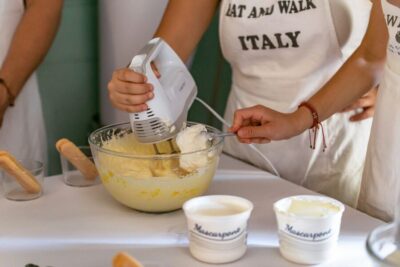
- Tiramisù first: the group-friendly warm-up
- Fresh pasta dough: the technique that makes it work
- Fettuccine sauces: you choose the direction
- Ravioli with ricotta, butter, and sage
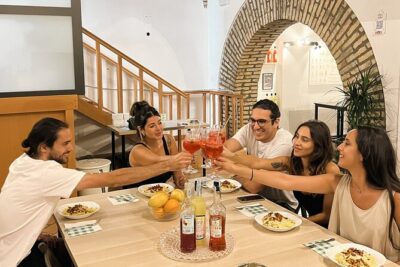
- The best part: you eat what you made, with wine
- Price and value: is $82 worth it in Rome?
- Who should book this cooking class (and who might not)
- Instructors and class vibe: clear, patient, and fun
- Should you book this Rome Ravioli, Fettuccine and Tiramisù class?
- FAQ
- What do I make in this cooking class?
- How long is the Rome cooking class?
- Where do I meet the chef?
- Is the class taught in English?
- What drinks are included with the meal?
- Is it suitable for young children?
- Can I cancel, and is reserve-and-pay-later available?
Key highlights you’ll feel on day one
- Fettuccine and ravioli from scratch: dough to finished shapes, with guidance you can repeat later
- Tiramisù starts as a group activity: less stress, more momentum before the pasta work
- Sauce options you can choose: amatriciana, cacio e pepe, or tomato-basil for your fettuccine
- Ravioli filling and cooking method: ricotta in butter and sage
- Eat immediately after cooking: your meal is served in a nice Rome restaurant setting
- Wine + limoncello or coffee: the classic Italy finish to a practical class
Start at Gusto Restaurant, Via Giuseppe Zanardelli 14
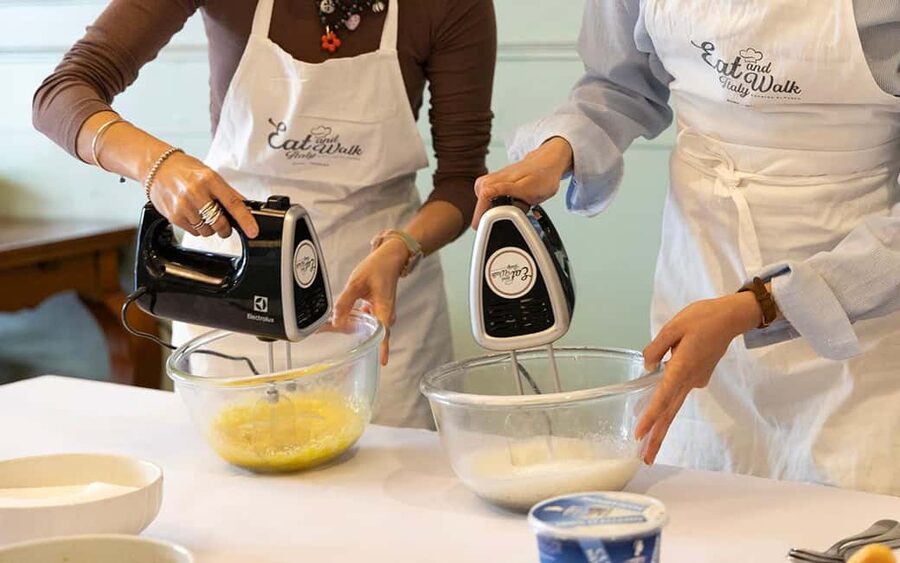
This class begins in the center of Rome at Gusto Restaurant, Via Giuseppe Zanardelli 14. You meet your chef inside, so arrive about ten minutes early to get settled and start on time.
The setting matters here. You’re not cooking in a random, anonymous kitchen with nobody talking. Instead, you’re starting the session in a real restaurant atmosphere, then you finish with a sit-down meal. That flow is part of the value: you learn, you eat, you don’t spend the rest of your evening hunting for dinner.
You’ll also like that the instruction is in English. And since the activity is listed as wheelchair accessible, it’s built with practical movement in mind (though, as with any small workshop, you’ll still want to arrive a bit early so staff can guide you to the right spot).
More aprons-on time in a Roman kitchen
- 3 in 1 Cooking Class near Navona: Fettuccine, Ravioli & Tiramisu
★ 5.0 · 7,376 reviews - Rome: Pasta & Tiramisu Class with Fine Wine by the Vatican
★ 4.9 · 4,852 reviews - Rome: Pasta Making Class with Wine, Limoncello, and Dessert
★ 4.9 · 3,177 reviews - Rome Cooking Class: Make Pasta and 3 Spritz Cocktails
★ 5.0 · 2,937 reviews
The 3-course plan: fettuccine, ravioli, and tiramisù
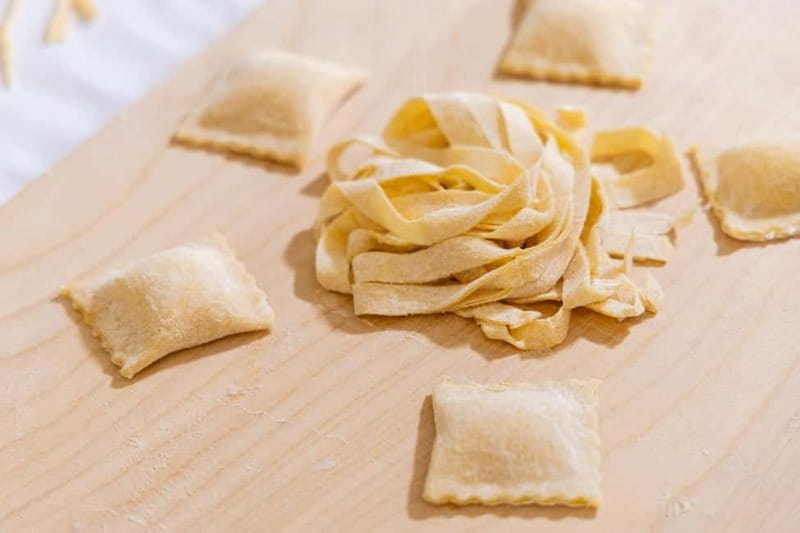
This is not a quick demo. You’re making actual dishes with the chef watching your hands and correcting details in real time.
First up, you work on dessert: tiramisù. Then you tackle fresh pasta dough and form fettuccine and ravioli. Finally, you eat your homemade meal at the end—plus the drinks.
Here’s how the menu breaks down:
- Fettuccine with your choice of sauce: tomato and basil, cacio e pepe, or amatriciana
- Ravioli with ricotta, cooked in butter and sage
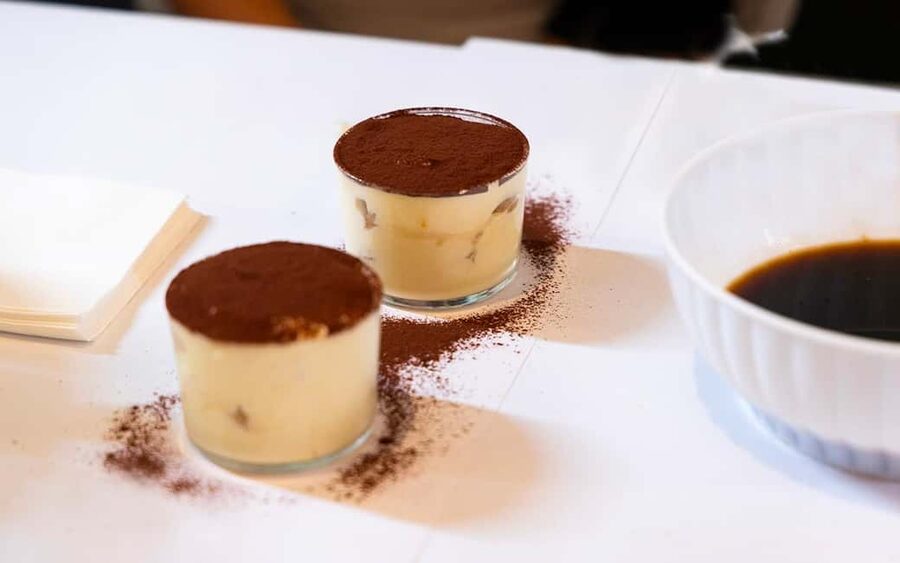
- Your tiramisù—made by you, not assembled for you
- 1 glass of wine or soft drink, then limoncello or coffee
- Water during the experience
The “from scratch” part matters. Store-bought pasta can be tasty, but it doesn’t teach you the feel of dough, the rolling thickness, or how shape changes texture. By the end, you’re not just eating Italian food—you’re learning the process so you can recreate it later.
Tiramisù first: the group-friendly warm-up
Starting with tiramisù is smart. Dessert is a forgiving entry point, and it gets everyone moving quickly without the pressure of rolling dough perfectly on the first try.
You’ll make your own tiramisù during the session, and that helps the experience feel satisfying fast. It also gives you a clear reward loop: work → learn → taste. That’s a big deal in classes like this, because pasta work can feel technical until the rhythm clicks.
Also, the chef’s guidance keeps it manageable. Past sessions led by instructors like Mattia, Josephina, and Chef Lory highlight how patient teaching can be the difference between frustration and fun. If you’re the type who worries you’ll mess up, this approach helps.
One practical consideration: tiramisù can be a sweet finish, especially with wine involved. If you’re sensitive to rich desserts, plan to go a little slower during the tasting portion and save your energy for the final meal.
Fresh pasta dough: the technique that makes it work
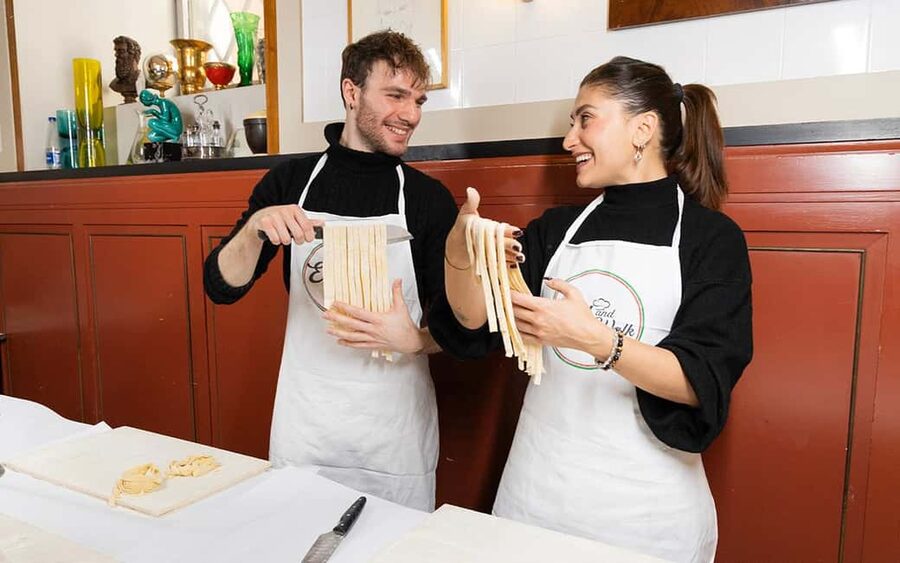
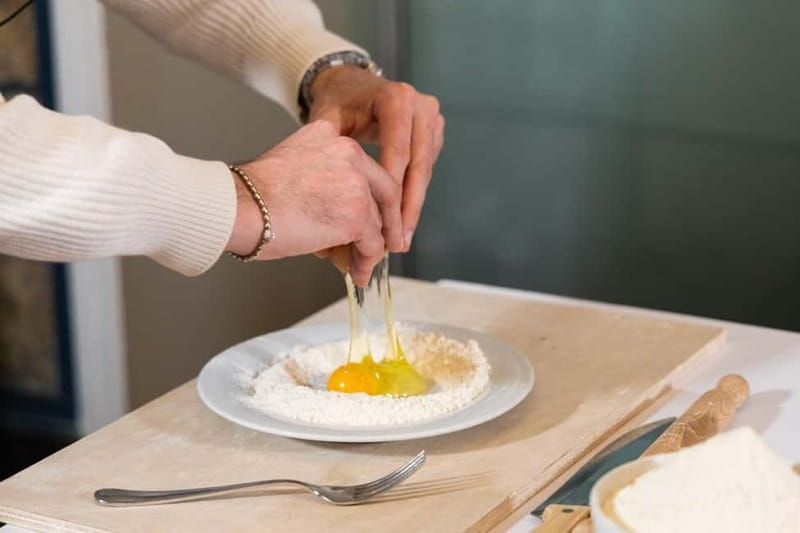
This class teaches pasta-making in a way you can actually repeat at home. The chef shares what’s often described as nonna-style secrets—practical technique tips that focus on how dough behaves, not just memorized steps.
What you’re learning in plain terms:
- How to handle dough so it doesn’t go too dry or too sticky
- How to roll and keep an even thickness
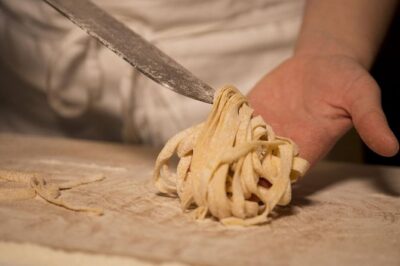
- How to cut and shape properly so fettuccine cooks well
- How to form ravioli so the edges seal and the filling stays put
A major theme in the experience is clarity. Many instructors have a knack for making pasta feel approachable. Names that have led sessions include Furio, Mattia/Matt, Josephina, Chef Lory, and Vincenzo, and they all come through with the same goal: make the process feel doable.
If you’re new to cooking, the reassurance is real. One thing I like is that the class isn’t trying to impress you with complicated, abstract theory. It’s about getting the dough right and giving you feedback while you’re still at the “fix it immediately” stage.
Worth a look next to this Rome booking:
Fettuccine sauces: you choose the direction
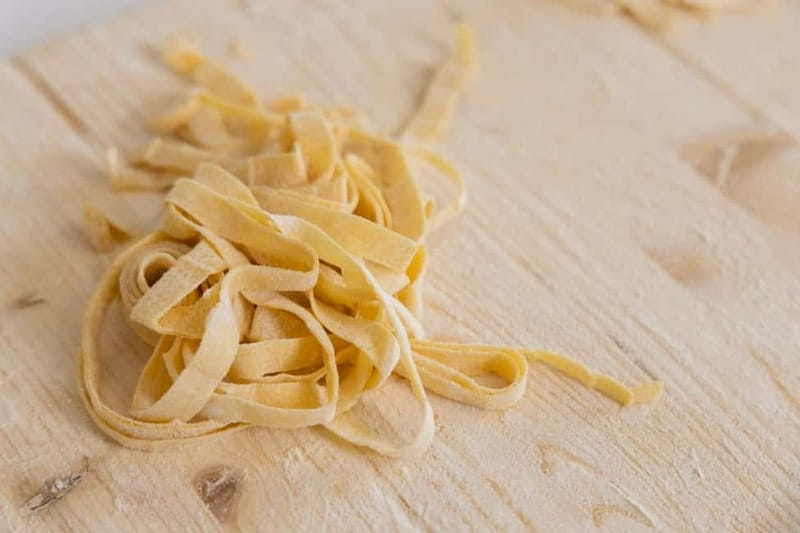
For the fettuccine portion, you’re not limited to one sauce. You’ll get a choice among tomato and basil, cacio e pepe, or amatriciana.
Why this matters:
- You get to tailor the flavor to your preferences instead of eating what you’d never order.
- Different sauces reward different cooking instincts. Tomato-basil is about balance and freshness. Cacio e pepe brings the creamy, salty side of things. Amatriciana leans savory and hearty.
From a learning standpoint, sauce variety also helps you understand how pasta pairs with different flavors. It’s easier to recreate at home when you know which sauce you liked most and why.
If you’re a fan of Rome comfort food, amatriciana is usually the move. If you like peppery, creamy sauces, cacio e pepe is the satisfying choice. Tomato-basil is your lighter, more classic baseline.
Ravioli with ricotta, butter, and sage
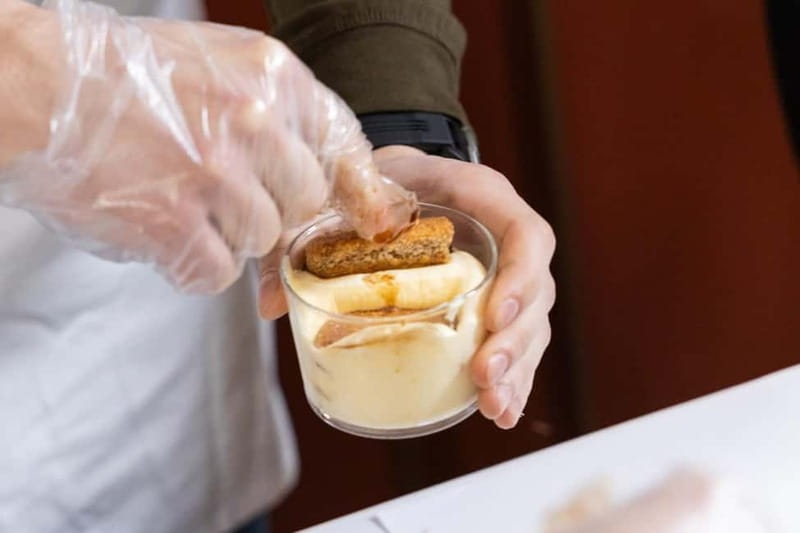
Ravioli can sound intimidating, but this class keeps it practical. You make the ravioli and then cook them with a sauce of butter and sage.
Ricotta is a smart filling for a class setting. It’s forgiving compared with fillings that require more complicated meat work. And butter-sage is a classic finishing sauce that feels “Italian” in a big way without adding too many moving parts.
The learning payoff here is in the sealing and shaping. The biggest quality difference between good and great ravioli at home is usually whether the edges stay sealed during cooking. With hands-on instruction and a finished plate to eat right after, you’ll leave knowing what to look for next time.
The best part: you eat what you made, with wine
This experience doesn’t end with a pat on the back. You sit down and eat the meal in a nice restaurant setting in the heart of Rome.
You’ll get:
- The fettuccine you made with your selected sauce
- The ravioli you shaped
- Your tiramisù dessert
- A glass of wine or soft drink
- Limoncello or coffee
- Water
That meal portion is where the class becomes more than a hobby session. You taste the results immediately, so you can connect technique to flavor and texture while the memory is fresh.
If you enjoy talking and swapping tips, the group format helps. Some sessions have had very small groups—so you’re more likely to get real interaction rather than watching from the sidelines. That intimacy can make the class feel less like a production and more like a shared cooking moment.
Price and value: is $82 worth it in Rome?
At $82 per person for a 3-hour class, the value comes from the combo, not any single item. You’re paying for:
- Two types of fresh pasta from scratch
- A full dessert (tiramisù)
- A meal at the end that includes wine and either limoncello or coffee
- English instruction and chef guidance through dough work
If you’ve ever tried to recreate pasta at home, you know ingredients and time add up. This is basically a shortcut through the hard parts: learning technique under guidance, then eating the payoff.
Is it cheap? No. But in Rome, you’re also paying for the convenience of doing this in a central, restaurant-based format with a set menu and staff-led pacing. If you want an authentic food experience that ends with a real dinner, this price can feel fair.
The one drawback to keep in mind is that the meal is focused. You’re getting your pasta and dessert, but not a full multi-course spread with extra sides. If you like a bigger plate—like vegetables or a broader table—you might want to plan a simple add-on elsewhere after.
Who should book this cooking class (and who might not)
This is a great match if you want hands-on Rome that doesn’t require museum patience. It’s also ideal if you like learning by doing.
You’ll likely enjoy it if you:
- Want to take home a real skill: making fresh pasta and shaping ravioli
- Prefer a structured class with clear guidance (not a self-guided cooking chaos situation)
- Like social time with a small group, especially around food
- Want a date-night or group activity that still feels authentic
It may not be the best fit if you:
- Want a huge variety of dishes beyond the core fettuccine, ravioli, and tiramisù
- Are looking for lots of vegetables or side dishes (the menu is focused)
- Have very small kids. The class is listed as not suitable for children under 4 years
On the plus side, it’s listed as wheelchair accessible. If you have accessibility needs, it’s smart to arrive a little early so the team can help you settle before cooking starts.
Instructors and class vibe: clear, patient, and fun
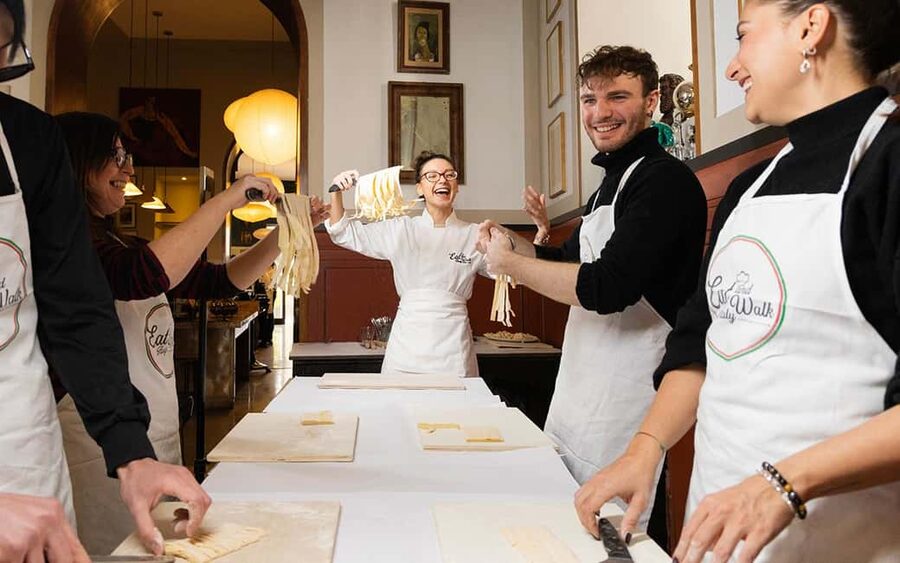
The experience is taught by English-speaking chefs/instructors, and the names that have appeared across sessions include Furio, Mattia/Matt, Josephina, Chef Lory, and Vincenzo. More than the names, the pattern is what counts: instruction that aims to make pasta-making feel easy.
Many people highlight the same strengths:
- Step-by-step explanations
- Checking on everyone during each stage
- Making dough feel less intimidating
- Keeping the mood light while staying focused
If you’re cooking with kids, you’ll appreciate the pacing. One family described it as a top highlight for their children, which makes sense: pasta is tactile and dessert is fun. For solo travelers, the small-group setup can also help you meet people without it turning into a forced group tour.
Should you book this Rome Ravioli, Fettuccine and Tiramisù class?
Book it if you want a practical, satisfying Rome experience that turns into a skill you can use at home. For around three hours, you’ll learn fresh pasta technique you can repeat, shape two classic pastas, and end with tiramisù plus wine and limoncello or coffee.
Skip it if you’re mainly looking for a big, varied dinner menu or a culinary tour with lots of extra sides and courses. This is focused cooking and eating, not a massive feast.
If you’re the kind of traveler who likes hands-on experiences—good structure, clear teaching, and then real food—this one earns its spot on a Rome itinerary.
FAQ
What do I make in this cooking class?
You’ll make fettuccine (with a choice of sauce), ravioli (with ricotta, cooked in butter and sage), and tiramisù as your dessert.
How long is the Rome cooking class?
The experience runs for 3 hours.
Where do I meet the chef?
Meet your chef inside Gusto Restaurant, Via Giuseppe Zanardelli 14. Plan to arrive 10 minutes before the class.
Is the class taught in English?
Yes. The instructor language is English.
What drinks are included with the meal?
You’ll get 1 glass of wine or a soft drink, plus limoncello or coffee. Water is also included.
Is it suitable for young children?
It is not suitable for children under 4 years.
Can I cancel, and is reserve-and-pay-later available?
You can cancel up to 24 hours in advance for a full refund. There is also a reserve-and-pay-later option, so you can book your spot and pay nothing today.
More Cooking Classes in Rome
- 3 in 1 Cooking Class near Navona: Fettuccine, Ravioli & Tiramisu
★ 5.0 · 7,376 reviews - Rome: Pasta Making Class with Wine, Limoncello, and Dessert
★ 4.9 · 3,177 reviews - Rome Cooking Class: Make Pasta and 3 Spritz Cocktails
★ 5.0 · 2,937 reviews - Rome: 3-in-1 Fettuccine, Ravioli, and Tiramisu Cooking Class
★ 4.9 · 2,704 reviews - Rome: Fettuccine Pasta Cooking Class in Rome’s City Center
★ 4.8 · 2,414 reviews - Fettuccine & Tiramisù: Cooking Class with Wine & Limoncello
★ 4.9 · 2,103 reviews
More Tour Reviews in Rome
- Vatican Museums, Sistine Chapel & St. Peter’s Basilica Tour
★ 4.3 · 73,970 reviews - Vatican Museums, Sistine Chapel & St Peter’s Basilica Guided Tour
★ 4.5 · 39,149 reviews - Rome: Colosseum, Palatine Hill and Roman Forum Guided Tour
★ 4.8 · 32,814 reviews - Rome: Guided Tour of Colosseum, Roman Forum & Palatine Hill
★ 4.7 · 27,897 reviews - Rome: Colosseum & Forum with Audio Guide App -Optional Arena
★ 4.2 · 24,770 reviews - Rome: Colosseum, Roman Forum and Palatine Hill Guided Tour
★ 4.5 · 23,903 reviews
Learn Another Roman Dish
- 3 in 1 Cooking Class near Navona: Fettuccine, Ravioli & Tiramisu
★ 5.0 · 7,376 reviews - Rome: Pasta & Tiramisu Class with Fine Wine by the Vatican
★ 4.9 · 4,852 reviews - Rome: Pasta Making Class with Wine, Limoncello, and Dessert
★ 4.9 · 3,177 reviews - Rome Cooking Class: Make Pasta and 3 Spritz Cocktails
★ 5.0 · 2,937 reviews - Rome: 3-in-1 Fettuccine, Ravioli, and Tiramisu Cooking Class
★ 4.9 · 2,704 reviews - Rome: Fettuccine Pasta Cooking Class in Rome’s City Center
★ 4.8 · 2,414 reviews
Just added to our Rome reviews





Rome Cooking Classes, compared.
 ★ 5.03 in 1 Cooking Class near Navona: Fettuccine, Ravioli & TiramisuFrom $837,376 reviews
 ★ 4.9Pasta & Tiramisu Class with Fine Wine by the VaticanFrom $414,852 reviews
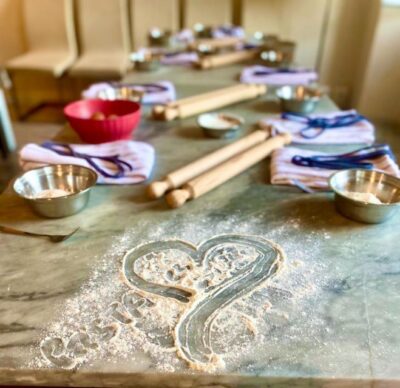 ★ 4.9Pasta Making Class with Wine, Limoncello, and DessertFrom $483,177 reviews
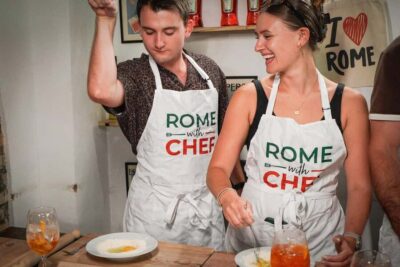 ★ 5.0Rome Cooking Class: Make Pasta and 3 Spritz CocktailsFrom $992,937 reviews
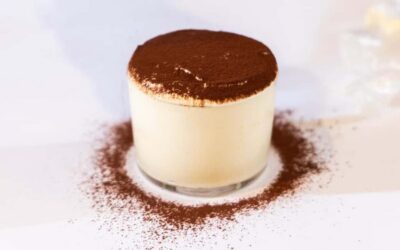 ★ 4.93-in-1 Fettuccine, Ravioli, and Tiramisu Cooking ClassFrom $812,704 reviews
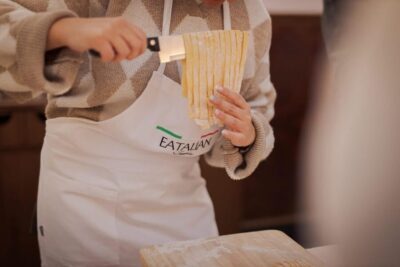 ★ 4.8Fettuccine Pasta Cooking Class in Rome’s City CenterFrom $462,414 reviews
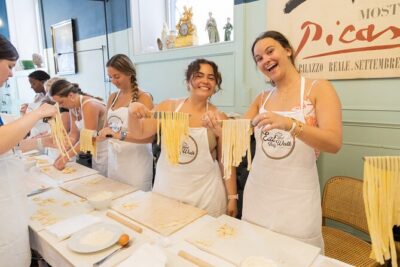 ★ 5.0Learn to Make Pasta & Tiramisu with Wine and Limoncello IncludedFrom $542,345 reviews
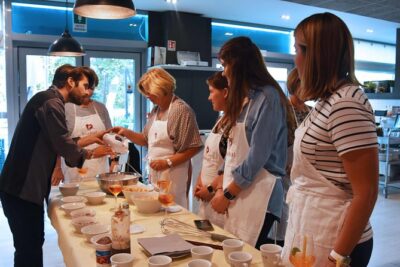 ★ 5.0Become a Masterchef in Rome: Pasta, Ravioli and Tiramisù ClassFrom $472,156 reviews
Browse the lists this tour appears in