
Reviewed · MUSEUMS
Rome: Private Capitoline Museums Tour
Rome stories start at the Capitoline.
This private Capitoline Museums tour strings together art, myth, and viewpoint magic on one smooth walk from Capitoline Square into the museum. The guide helps you see how the pieces connect, so you’re not just looking at statues—you’re figuring out why they matter.
I love how the tour is guided with clear context—guides like Vincenzo (Vincent) and Martina are known for high energy, strong storytelling, and pointing out what to look for first. I also love the payoff at the end: you get to take in views over the Roman Forum right from the museum, so your “where am I in Rome?” question gets answered fast.
One consideration: this tour is not recommended for limited mobility. There’s one elevator, but it doesn’t serve all levels, and the rules also ban large bags.
In This Review
- Key highlights you’ll care about
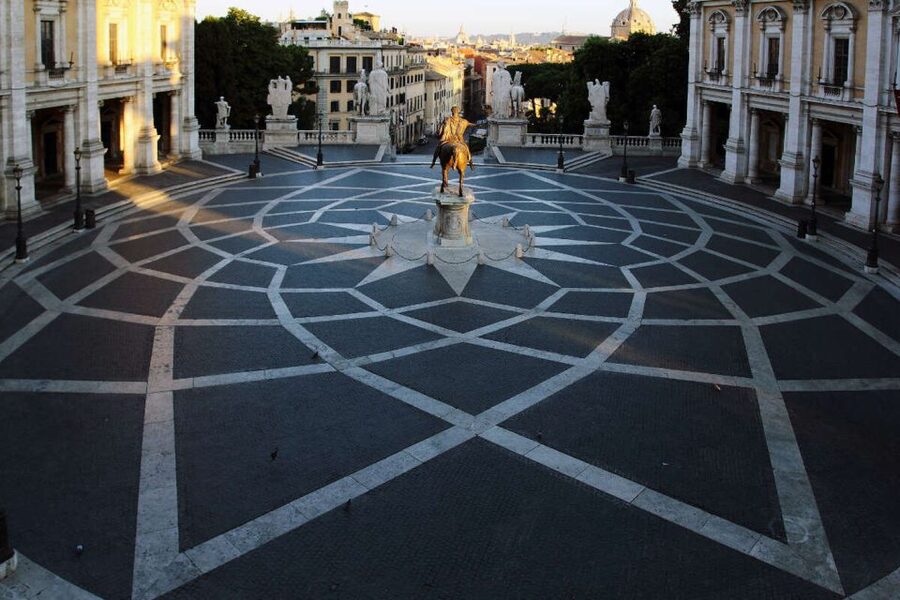
- Meeting the Guide at Marcus Aurelius, Right in the Middle of the Square
- Capitoline Square First: Michelangelo’s Layout Helps You Understand Rome
- Inside the Capitoline Museums: Pope Sixtus IV’s “Make It All Fit” Idea
- The She Wolf: Rome’s Symbol You’ll Keep Seeing in Your Head
- Marcus Aurelius Exedra: A Stage for Power, Not Just a Statue
- Ruins of the Capitoline Temple of Jupiter: The Museum’s Feet in the Real Ground
- Roman Forum Views From the Museum: Finish With a Sense of Place
- How the 2.5 Hours Works in Real Life
- Price and Value: What $135.94 Buys You Here
- Who This Private Capitoline Tour Is Best For (And Who Should Skip It)
- Should You Book This Private Capitoline Museums Tour?
- FAQ
- Where do I meet the guide?
- How long is the tour?
- Is this a private tour?
- What’s included in the price?
- What should I plan for that’s not included?
- What languages are offered?
- Is video recording allowed?
- Is the museum accessible for people with mobility issues?
Key highlights you’ll care about
- Capitoline Square by Michelangelo first, so you get oriented before the museum gets serious
- Entry to one of Europe’s oldest public collections of antiquities, created by Pope Sixtus IV
- Close encounters with the She Wolf, the symbol of Rome
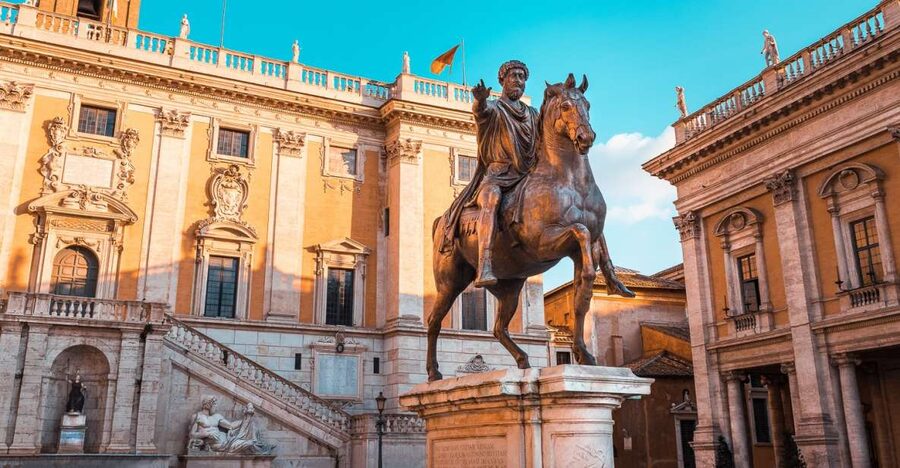
- Stops built around the Marcus Aurelius Exedra and the bronze 2nd-century A.D. statue
- A visit to archaeological ruins connected to the ancient Capitoline Temple of Jupiter
- Roman Forum viewpoints that help you connect the museum to the streets below
Meeting the Guide at Marcus Aurelius, Right in the Middle of the Square
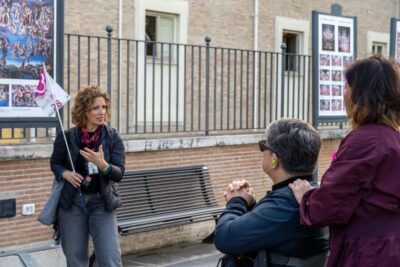
You meet your guide in front of the statue of Marcus Aurelius, positioned in the middle of Capitoline Square. The guide holds a sign with your name and hands you your tickets, which is a small detail, but it saves you the usual “Where do I stand?” stress.
Because this is a private group, you can move at a pace that suits you. If you want a slower look at the most famous pieces, the guide can usually slow down. If you’d rather keep momentum, you’ll likely get a crisp highlights route through the museum.
Practical tip: the meeting point is outdoors and weather in Rome can change quickly. Since the tour runs rain or shine, wear something you can handle on a wet day, and bring a light layer even in warmer months.
Worth a look next to this Rome booking:
- Rome by Golf Cart Private Tour: Beyond the Landmarks
★ 5.0 · 4,361 reviews - Early Morning Vatican, Sistine, St. Peter’s Semi or Private Tour
★ 5.0 · 3,779 reviews - Rome on a Golf Cart Semi-Private Tour Max 6 with Private Option
★ 5.0 · 2,502 reviews - Rome Private Arrival Transfer: Fiumicino Airport to Hotel in Rome
★ 4.5 · 2,492 reviews
Capitoline Square First: Michelangelo’s Layout Helps You Understand Rome
Starting in Capitoline Square, designed by Michelangelo, is a smart choice. Before you ever step inside, you’re placed in a space that’s meant to frame Rome’s power and mythology. That matters because the museum collections aren’t arranged like random highlights. They’re meant to feel like a connected story.
I like this approach because it turns the museum into a map. When you later see statues and architectural fragments, you’re better able to connect them to the city around you. It’s also a good moment to reset your mental bearings: you’ll start the tour knowing where you are in the Capitoline hill area, and you’ll finish with a view that ties it together.
Inside the Capitoline Museums: Pope Sixtus IV’s “Make It All Fit” Idea
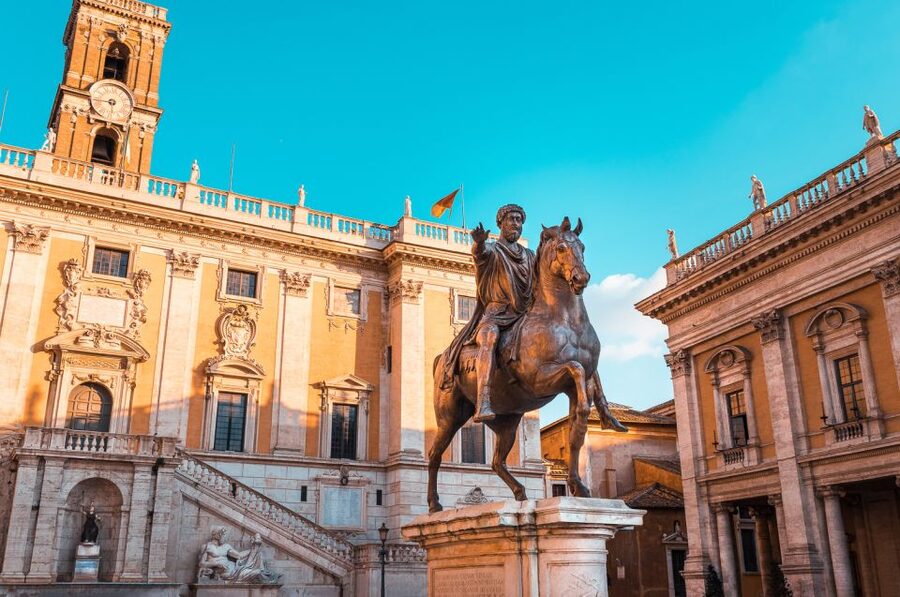
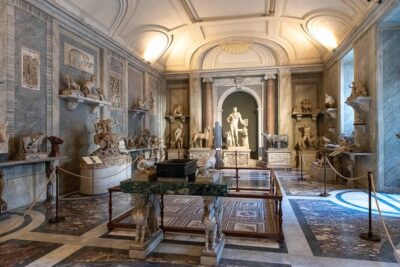
Once you enter, you’re walking into a museum concept created at the end of the 15th century by Pope Sixtus IV. The big idea here is that the museum helps you see older Rome as a coherent world, not as separate, unrelated artifacts.
For you, that means the tour isn’t just a checklist of famous works. The guide will help you connect marble and bronze objects to broader themes—how Roman identity was built, reused, and displayed over centuries, and how later generations curated what they wanted you to learn.
This is one of the reasons a private guide adds real value. When you’re alone in the galleries, you can absolutely enjoy the artwork. But with a guide, you start noticing how each object plays a role in a bigger narrative.
The She Wolf: Rome’s Symbol You’ll Keep Seeing in Your Head
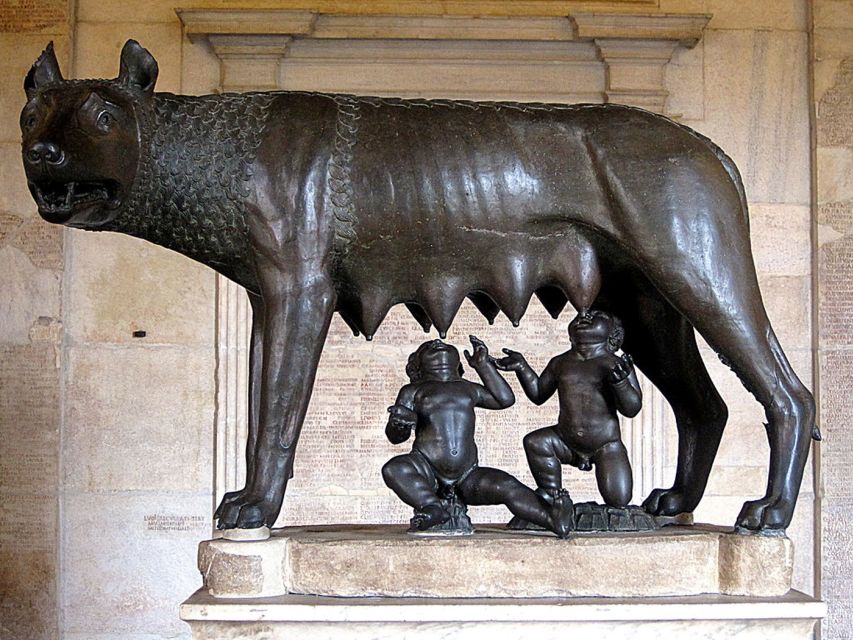
No Capitoline visit feels complete without the She Wolf. It’s the symbol of Rome, and it’s the kind of image you’ve probably seen in books or on souvenirs—but seeing it in person is different.
A good guide helps you catch what makes it more than a famous silhouette. You’ll learn how Rome’s origin stories used powerful visual symbols, and how the city turned those symbols into identity. It also works as a mental anchor: after you see the She Wolf, it becomes easier to interpret other exhibits as parts of Rome’s self-image.
If you’re the type who likes to understand why something is famous, this stop is worth leaning in.
Worth a look next to this Rome booking:
Marcus Aurelius Exedra: A Stage for Power, Not Just a Statue
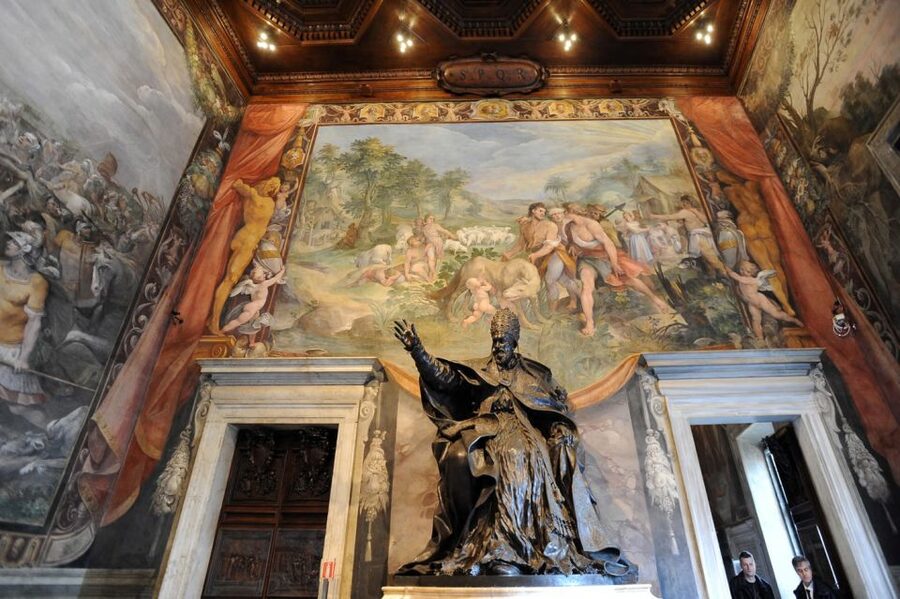
Next up is the Marcus Aurelius Exedra, followed by the bronze statue of Marcus Aurelius dating to the 2nd century A.D. This isn’t the Roman era at its most fragile. It’s Roman confidence—made physical.
What makes this stop especially satisfying is the way the space supports the message. An exedra is designed to feel like a setting, not just a room. So when you’re guided here, you’re not only looking at the bronze; you’re also learning how Roman power was displayed and how later curators kept that power visible.
When a guide like Vincenzo (Vincent) is leading, you tend to get a lot of energy and lots of context. When Martina is leading, you’re more likely to get friendly explanations paired with practical tips for seeing everything efficiently. Either way, your goal should be the same: focus on the details your guide points out, and connect them back to what you already learned about Roman symbolism.
Ruins of the Capitoline Temple of Jupiter: The Museum’s Feet in the Real Ground
After the statues, the tour shifts toward a different kind of history: the archaeological ruins of the ancient Capitoline Temple of Jupiter.
This part is valuable because it breaks the pattern of “look at object, read label.” You start to feel the physical scale of the ancient site and understand why location mattered to Roman religion and politics.
For you, it’s also a reality check. Rome didn’t just survive in museums. It stayed in the ground, showing up in fragments, levels, and remnants. Even if you’re not a hardcore archaeology person, this is the section that helps the museum “land” back in Rome’s actual streets and hills.
Roman Forum Views From the Museum: Finish With a Sense of Place
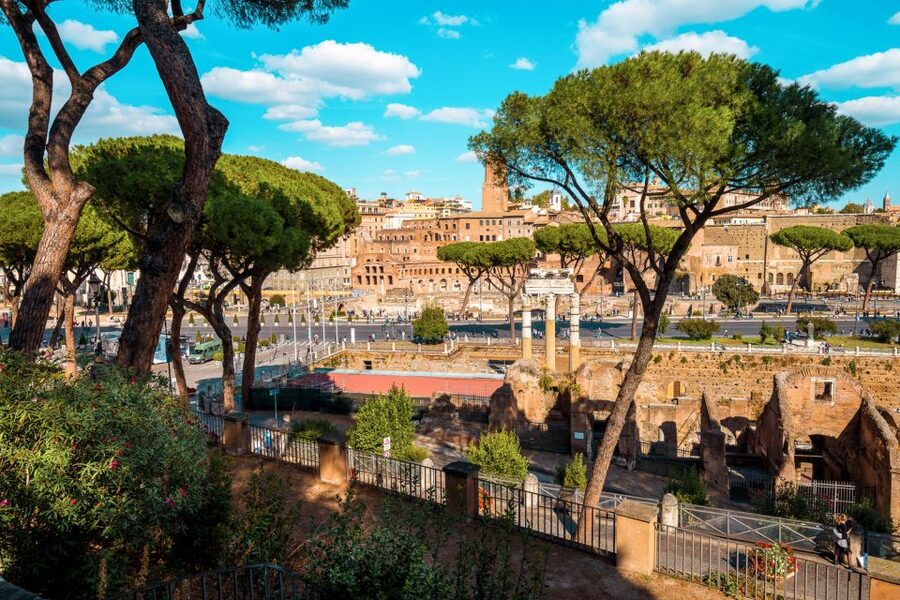
The tour ends with incredible views over the Roman Forum from the museum area. This is one of those moments that changes how your whole day feels.
Why? Because it turns what could be abstract into geography. Suddenly the Forum isn’t just something you’ve heard of. It becomes a place you can actually point at, orient yourself to, and understand from an elevated vantage.
My advice: don’t treat this as a quick photo break. Use it as your mental reset. Look out, then think about the stories you just heard—Roman power, symbolism, and how the city presented itself. Even if you visit the Forum later, you’ll get more from it because you’ll already understand the “shape” of what you’re seeing.
How the 2.5 Hours Works in Real Life
This tour runs about 2.5 hours. That’s enough time to cover the main highlights without dragging you through every gallery nook and cranny.
You’ll likely spend time doing three things in roughly equal measure:
- Getting story context at key artifacts (so the names stick)
- Moving efficiently between the museum’s anchor stops like the She Wolf and Marcus Aurelius areas
- Closing with the Roman Forum viewpoint
On a practical level, the timing also matters because you’ll want room in your day for other Roman classics nearby. Capitoline Square is in the heart of the city’s historic zone, so you can pair this with a later walk through streets that connect back to what you saw.
Also note: there’s one elevator, but it does not serve all levels of the museum. If you have mobility concerns, this matters a lot more than most people expect.
Price and Value: What $135.94 Buys You Here
At $135.94 per person for a private tour lasting about 2.5 hours, you’re paying for a mix of access and interpretation.
Here’s what’s included:
- Tickets
- A professional, local guide
- A private tour
So the guide isn’t an add-on—it’s part of the value. The museum can be confusing without guidance, mainly because the displays and themes are tied together. With a guide, you’re paying for someone to help you make the connections quickly and clearly.
What’s not included:
- Hotel pickup/drop-off
- Private transportation
- Food and drinks
That means the tour fits best if you’re already planning to be in central Rome and comfortable arriving on your own. If you’re staying nearby, the price feels more like “buying time with an expert” than “paying for transportation you won’t use.”
In my opinion, this is a good value choice if you want your visit to feel complete—seeing the famous artifacts and also understanding how they fit into Rome’s story.
Who This Private Capitoline Tour Is Best For (And Who Should Skip It)
This experience is a strong match if you:
- Want a high-efficiency highlights tour with context, not just wandering
- Like mythology and symbolism, especially the She Wolf and Roman power imagery
- Prefer a private group where questions and pace stay flexible
- Enjoy finishing with an actual viewpoint over a major site like the Roman Forum
It’s less suitable if you:
- Need wheelchair access (it’s not suitable for wheelchair users)
- Have limited mobility and expect elevator access to solve the problem (the elevator doesn’t cover all levels)
- Plan to bring luggage or large bags (those aren’t allowed)
- Want to film or record (video recording isn’t allowed)
If you’re on the fence, think about what you’re paying for: the guide’s time plus a clear, structured route. If mobility or baggage constraints make that route uncomfortable, you’ll feel it immediately.
Should You Book This Private Capitoline Museums Tour?
I think you should book this tour if you want a guided, coherent first encounter with the Capitoline Museums—starting in Michelangelo’s Capitoline Square, hitting the big symbols like the She Wolf, spending time at Marcus Aurelius and the Marcus Aurelius Exedra, and ending with a Roman Forum viewpoint that makes Rome feel real and connected.
Skip it if you need full museum-level elevator coverage, if you rely on accessibility features beyond what’s available here, or if you know you’ll be annoyed by rules like no large bags and no video recording.
If your goal is to leave with a mental map of how Roman identity, art, and power were put on display, this private tour is one of the most practical ways to get there in 2.5 hours.
FAQ
Where do I meet the guide?
Meet your guide in front of the statue of Marcus Aurelius in the middle of Capitoline Square. The guide holds a sign with your name and issues your tickets.
How long is the tour?
The tour lasts about 2.5 hours. Starting times vary, so check availability for the schedule.
Is this a private tour?
Yes. It’s a private group experience with a professional local guide.
What’s included in the price?
The tour includes tickets, a professional local guide, and the private tour itself.
What should I plan for that’s not included?
Hotel pickup and drop-off, private transportation, and food and drinks are not included.
What languages are offered?
The live tour guide is available in English and Italian.
Is video recording allowed?
No. Video recording is not allowed during the activity.
Is the museum accessible for people with mobility issues?
The tour is not recommended for people with limited mobility and is not suitable for wheelchair users. There is one elevator, but it does not serve all levels of the museum.
More Private in Rome
- Rome by Golf Cart Private Tour: Beyond the Landmarks
★ 5.0 · 4,361 reviews - Early Morning Vatican, Sistine, St. Peter’s Semi or Private Tour
★ 5.0 · 3,779 reviews - Rome on a Golf Cart Semi-Private Tour Max 6 with Private Option
★ 5.0 · 2,502 reviews - Rome Private Arrival Transfer: Fiumicino Airport to Hotel in Rome
★ 4.5 · 2,492 reviews - Rome Highlights by Golf Cart Private Tour
★ 5.0 · 2,379 reviews - Private Pompeii, Positano & Amalfi coast Tour from Rome
★ 4.5 · 1,888 reviews
More Tours in Rome
- Vatican Museums, Sistine Chapel & St. Peter’s Basilica Tour
★ 4.3 · 73,970 reviews - Vatican Museums, Sistine Chapel & St Peter’s Basilica Guided Tour
★ 4.5 · 39,149 reviews - Rome: Colosseum, Palatine Hill and Roman Forum Guided Tour
★ 4.8 · 32,814 reviews - Rome: Guided Tour of Colosseum, Roman Forum & Palatine Hill
★ 4.7 · 27,897 reviews - Rome: Colosseum, Roman Forum and Palatine Hill Guided Tour
★ 4.5 · 23,903 reviews - Rome: Colosseum Arena Floor, Palatine & Forum Guided Tour
★ 4.5 · 20,180 reviews
More Tour Reviews in Rome
- Vatican Museums, Sistine Chapel & St. Peter’s Basilica Tour
★ 4.3 · 73,970 reviews - Vatican Museums, Sistine Chapel & St Peter’s Basilica Guided Tour
★ 4.5 · 39,149 reviews - Rome: Colosseum, Palatine Hill and Roman Forum Guided Tour
★ 4.8 · 32,814 reviews - Rome: Guided Tour of Colosseum, Roman Forum & Palatine Hill
★ 4.7 · 27,897 reviews - Rome: Colosseum & Forum with Audio Guide App -Optional Arena
★ 4.2 · 24,770 reviews - Rome: Colosseum, Roman Forum and Palatine Hill Guided Tour
★ 4.5 · 23,903 reviews
Just added to our Rome reviews





Museums, compared.
 ★ 4.5Vatican: Museums & Sistine Chapel Entrance TicketFrom $38144,003 reviews
 ★ 4.3Vatican Museums, Sistine Chapel & St. Peter’s Basilica TourFrom $7273,970 reviews
 ★ 4.5Vatican Museums, Sistine Chapel & St Peter’s Basilica Guided TourFrom $2239,149 reviews
 ★ 4.3Vatican Museums, Sistine Chapel and Basilica TourFrom $7316,039 reviews
 ★ 4.4Vatican Museums & Sistine Chapel Skip-the-Line Entry TicketFrom $4313,838 reviews
 ★ 4.7Vatican Museums, Sistine Chapel & Basilica TourFrom $7213,217 reviews
 ★ 4.3Vatican Museums & Sistine Chapel Guided TourFrom $11812,117 reviews
 ★ 4.2Vatican Museums & Sistine Chapel Skip-The-Line TicketFrom $4111,708 reviews