
Reviewed · ROME COOKING CLASSES
Rome: Pizza & Tiramisu Class with Free Flowing Fine Wine
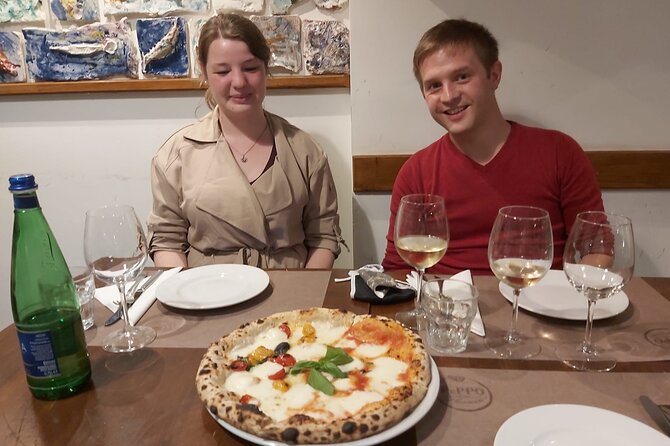
The best souvenir is edible. In a Rome workshop near Trevi, you make pizza dough from scratch, learn the old mozzatura cutting method, and bake your Margherita in a wood-fired oven, all while wine and soft drinks are flowing.
I love the hands-on, you-can-do-this feel, with instructors such as Irene and Julia keeping the energy friendly and organized. One catch: the class follows a traditional recipe with gluten, dairy, and eggs, and they can’t promise a cross-contamination-free setup.
In This Review
- Key moments that make this class worth your time
- Where you start: La Panetteria by Trevi, with a restaurant-first feel
- What you actually cook: Neapolitan dough, Margherita, and tiramisu
- The real value: learning technique you can repeat at home
- Wine, pacing, and the class vibe (without losing control)
- Your chef and guide: how the teaching style shapes the whole evening
- Margherita dough meets wood-fired heat: what to watch for during cooking
- Tiramisu made in class: why the dessert feels like the payoff
- Price and value: why $45 can make sense here
- Who this class suits best (and who should think twice)
- Helpful FAQ
- FAQ
- Where is the meeting point?
- How long does the class last?
- What do I make during the class?
- Are drinks included?
- Is there an English guide?
- Can they accommodate dietary needs?
- Is it suitable for gluten or lactose intolerance?
- Is it suitable for vegans?
- What should I do if I have allergies?
- Should you book this Rome Pizza and Tiramisu Class?
Key moments that make this class worth your time
- Mozzatura dough cutting technique taught as part of the traditional method
- Ancient wood-fired oven baking that changes everything about the crust
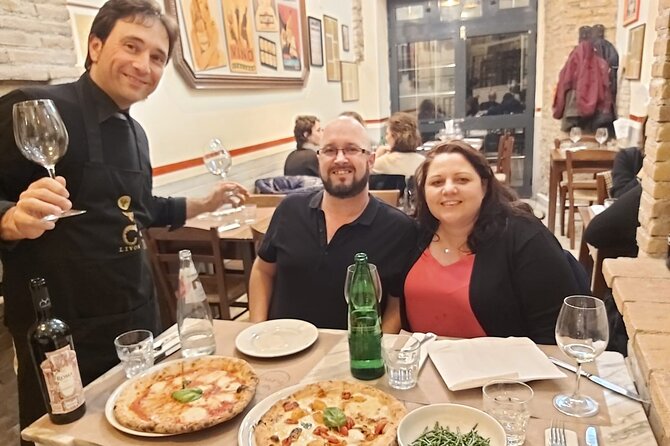
- Free-flowing fine wine plus soft drinks during the meal
- Recipe take-home support (often shared straight to your phone)
- Fun, patient instruction from hosts like Irene, Julia, Matteo, Monica, and Fiammetta
- Margherita pizza plus classic tiramisu you actually eat at the end of the work
Where you start: La Panetteria by Trevi, with a restaurant-first feel
You meet at La Panetteria Restaurant (Via della Panetteria, 13a/14). The location is right in central Rome, close to Trevi, so this is a very easy “add-on” to a sightseeing day instead of a big detour.
What you’re walking into matters. This isn’t some makeshift kitchen room. It’s a working restaurant setup where you’ll put on an apron, take your stations, and cook inside a real flow: prep, dough work, topping, baking, then the sit-down part where you enjoy what you made. That restaurant rhythm is a big part of why the experience feels smoother than DIY cooking classes you’ve tried at home.
The timing is also practical: plan for about 3 hours, and arrive 5 to 10 minutes early so you’re not flustered when the chef starts explaining the first steps.
More aprons-on time in a Roman kitchen
- 3 in 1 Cooking Class near Navona: Fettuccine, Ravioli & Tiramisu
★ 5.0 · 7,376 reviews - Rome: Pasta & Tiramisu Class with Fine Wine by the Vatican
★ 4.9 · 4,852 reviews - Rome: Pasta Making Class with Wine, Limoncello, and Dessert
★ 4.9 · 3,177 reviews - Rome Cooking Class: Make Pasta and 3 Spritz Cocktails
★ 5.0 · 2,937 reviews
What you actually cook: Neapolitan dough, Margherita, and tiramisu
The “pizza” part isn’t about assembling frozen shortcuts. You start with pizza dough from scratch, led by a local chef who explains the ingredients and the method, not just the final shape.
A standout detail here is the 600-year-old mozzatura technique for cutting the dough. That single step says a lot about the class approach: it focuses on the small, traditional processes that affect texture and stretch—stuff you’ll never figure out from a generic recipe blog post.
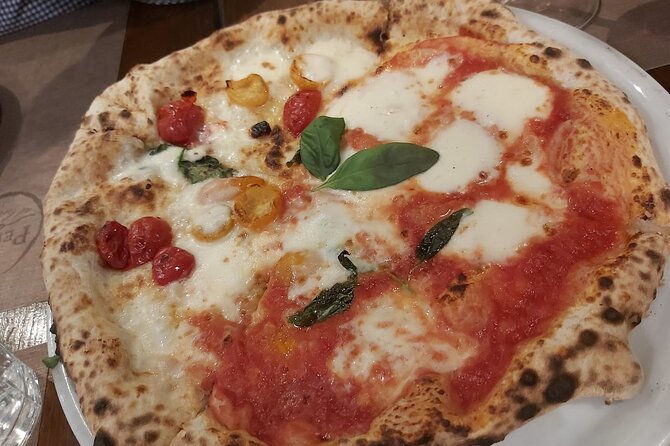
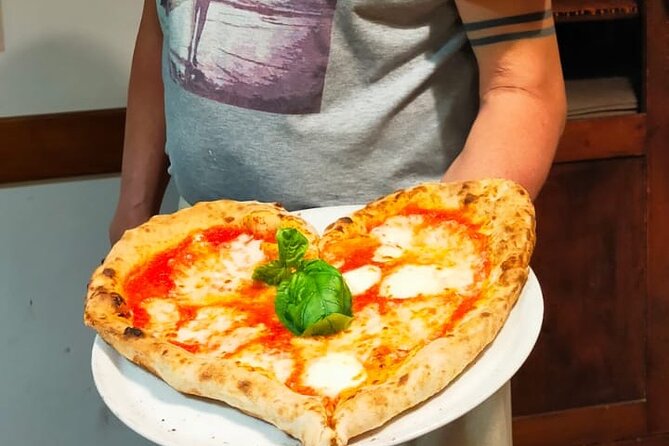
Once your dough is shaped, you add sauce and toppings, then bake it in the ancient wood-fired oven until you get that golden-brown look that tastes like Rome, not like “close enough.” The end result is your own Margherita pizza, served as the centerpiece of the meal.
And then there’s tiramisu, the other half of the class name that many food-focused tours treat like an afterthought. Here, you make it as a proper part of the session. People consistently talk about learning how to get the cream right and how to put it together in the classic style, so you leave with more than just pizza bragging rights.
The real value: learning technique you can repeat at home
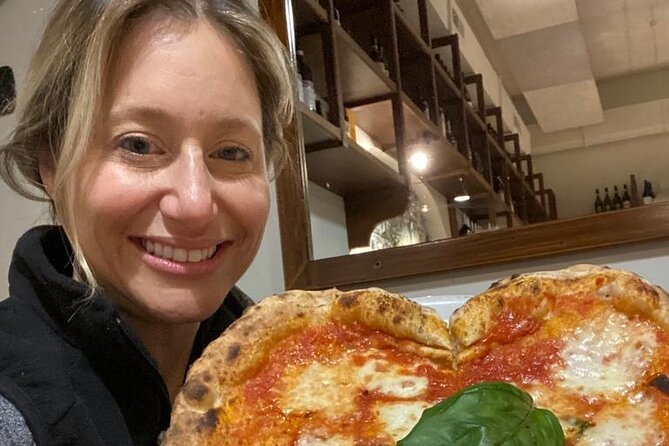
I like classes where you don’t just make food once—you learn the logic behind it. This one leans hard into technique. You’re taught how dough behaves, how to work it, and how traditional steps connect to the final crust.
Here are the “why it matters” skills you’ll take home:
- Dough handling: you learn why the way you cut and shape affects stretch and bite. The mozzatura method is a clue that they care about texture, not speed.
- Using quality ingredients: you get time to taste and understand what goes into the final flavor, instead of dumping toppings and hoping.
- Heat and timing: wood-fired baking isn’t just a gimmick. It changes the crust and helps you understand what “baked” means in a real oven setting.
- Classic tiramisu assembly: you’re shown how to build the cream component and put the dessert together in a traditional way, which makes it easier to recreate later.
If you’re the kind of traveler who wants one “Rome skill” you can practice back home, this works. You’ll likely remember the motions as much as the ingredients. And several instructors in recent sessions—like Irene, Matteo, Monica, and Fiammetta—are praised for clear pacing and patience, which matters if you’re a first-timer.
Wine, pacing, and the class vibe (without losing control)
The food part is the headline, but the how matters. This experience includes wine and soft drinks throughout. It’s described as free-flowing, which means the mood stays relaxed while you cook, eat, and move from one station to the next.
That said, this isn’t a chaotic drinking event. The structure is still a class: apron on, steps explained, then you move. More than one person notes that hosts learn names, keep the group organized, and maintain a fun rhythm—so you’re not left standing around waiting for someone else to finish.
Group size can vary by date. Some recent sessions were described as small group settings (one person called it around 12). In practical terms, that kind of size usually means more hands-on attention and less time watching from the sidelines.
If you want a cooking class that feels social but still serious about technique, this hits that sweet spot.
Worth a look next to this Rome booking:

Your chef and guide: how the teaching style shapes the whole evening
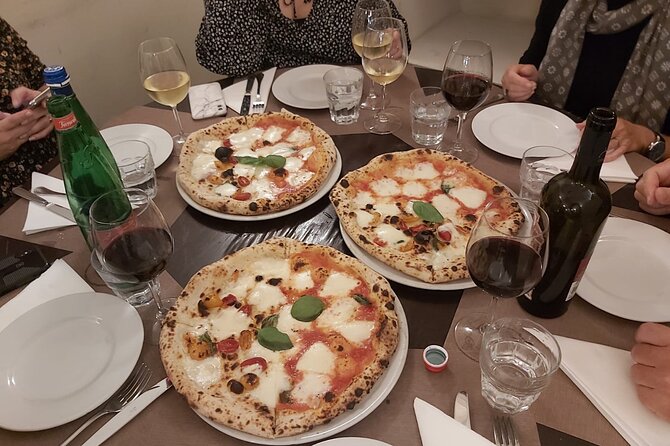
I’ve found that cooking classes live or die based on the instructor. This one has a strong track record in that department, with a repeating theme: hosts are friendly, inclusive, and good at keeping beginners from feeling lost.
You may be guided by instructors who include Irene, Julia (with Joe assisting in at least one class), Matteo, Monica, and Fiammetta/Fiammy (the names show up across multiple sessions). The best sign? People repeatedly describe hosts as patient, fun, and focused on helping everyone understand each step.
Also pay attention to the small details that help you relax:
- People mention instructors remembering names, which sounds minor until you’re in a room with strangers and you want to feel welcome fast.
- You’ll get step-by-step guidance during both dough work and dessert assembly.
- The class tends to end with you eating what you made, not just watching it get served.
If you’re traveling with friends, this is a great “shared project.” If you’re traveling solo, the format also helps because the class naturally gives you a reason to talk to the people next to you while you work.
Margherita dough meets wood-fired heat: what to watch for during cooking
The pizza part is where you’ll feel the difference between pizza made by hand and pizza copied from a cookbook.
Here’s what to pay attention to during your session:
- Dough texture during shaping: you’ll be coached on how it should feel as you work it. If it seems sticky or resistant, that’s normal—ask, don’t guess.
- Sauce and toppings: the class pushes you toward quality ingredients and proper assembly. This matters because too much of the wrong thing makes it soggy instead of crisp.
- Baking in the wood-fired oven: you’ll see how quickly heat does its job. That golden-brown finish is the point, and the oven experience is part of what you’re paying for.
And if you’re wondering about the crust: the whole “traditional technique” approach is designed to get you closer to Neapolitan-style results, not a generic thin-crust imitation.
Tiramisu made in class: why the dessert feels like the payoff
Tiramisu often gets treated like the easiest item in Italian cooking classes. Here, it’s treated like real craft.
You’re guided through making the tiramisu cream and assembling the dessert in the classic format. People highlight that the instructor explains what makes a difference in the cream, including proportions and method. That’s valuable because tiramisu fails in predictable ways at home: too thick, too runny, or flavors that never quite come together.
If you want a take-home win that feels impressive but approachable, tiramisu is the right finish. It’s also the part where you slow down and enjoy what you made, especially after the active work of pizza dough.
Price and value: why $45 can make sense here
At $45 per person for a 3-hour hands-on class, this only feels like good value if you care about the real components: chef instruction, ingredients, cooking equipment (the wood-fired oven), and the included meal with wine and soft drinks.
This is not just “a snack class.” You’re paying for:
- Hands-on teaching with a chef
- Ingredients built into the session
- Pizza baking in a real oven environment
- A full dessert component
- Wine and soft drinks during the meal
- Dietary substitute handling for some needs (with important limits, noted below)
Is it pricey compared to grocery-store cooking at home? Sure. But it’s also cheaper than paying for a multi-course experience plus a paid cooking workshop separately. If you want a Rome activity that ends with you eating high-quality food you made, this price can pencil out well.
Who this class suits best (and who should think twice)
This works best for:
- People who like hands-on cooking and want to learn technique
- Couples who want a shared activity that feels special
- Small groups who enjoy food, conversation, and a guided pace
- Families with kids who are old enough to follow directions (the class is not for children under 3)
There are also clear limitations you should respect:
- The instructions focus on the traditional recipe, which includes gluten, dairy, and eggs.
- The activity notes substitutions for allergies or preferences, but they also say you can’t guarantee 100% cross-contamination-free conditions.
- It’s listed as not suitable for vegans, people with gluten intolerance, and people with lactose intolerance.
So if you’re gluten-free or strictly dairy-free, don’t assume. Ask direct questions when booking.
Helpful FAQ
FAQ
Where is the meeting point?
Meet inside La Panetteria Restaurant, Via della Panetteria, 13a/14, 00187 Roma RM, Italy.
How long does the class last?
The experience runs for 3 hours.
What do I make during the class?
You’ll make traditional pizza dough and a Margherita pizza, and you’ll also make tiramisu.
Are drinks included?
Yes. The class includes wine and soft drinks throughout the experience.
Is there an English guide?
Yes. The live tour guide is English.
Can they accommodate dietary needs?
Dietary options are mentioned, including vegetarian and other diets supported, and the provider offers substitutes for allergies or preferences. However, the traditional recipe focuses on gluten, dairy, and eggs, and cross-contamination can’t be guaranteed.
Is it suitable for gluten or lactose intolerance?
The class is listed as not suitable for people with gluten intolerance and for people with lactose intolerance.
Is it suitable for vegans?
It is listed as not suitable for vegans.
What should I do if I have allergies?
Tell the activity provider about your needs when booking. They can offer substitutes, but they cannot guarantee the food is 100% free from cross-contamination.
Should you book this Rome Pizza and Tiramisu Class?
If you want a Rome activity that’s practical, hands-on, and ends with a meal you helped create, I think this is an easy yes. The combination of dough technique, wood-fired baking, and a proper tiramisu session is exactly the kind of cooking lesson that gives you a real souvenir: skills you can repeat.
I’d book it with confidence if you eat gluten/dairy/eggs and you’re comfortable with a traditional recipe. I’d hesitate or double-check first if you have gluten intolerance, lactose intolerance, or you’re vegan, since the class is built around classic ingredients and cross-contamination cannot be ruled out.
Bottom line: for $45 and about three hours in central Rome, this is one of those rare food experiences where the “learning” part doesn’t feel separate from the eating part.
More Wine Tours in Rome
- Rome: Tuscany & Montepulciano Day Trip with Lunch & Wine Tasting
★ 4.5 · 5,232 reviews - Rome: Pasta & Tiramisu Class with Fine Wine by the Vatican
★ 4.9 · 4,852 reviews - Rome Food Tour: Unlimited Tastings with Fine Wine & Barolo
★ 5.0 · 3,365 reviews - Rome: Pasta Making Class with Wine, Limoncello, and Dessert
★ 4.9 · 3,177 reviews - Rome: Guided Food Walking Tour with Wine in Trastevere
★ 4.9 · 3,105 reviews - Rome: Tuscany & Montepulciano Day Trip with Lunch & Wines
★ 4.7 · 3,004 reviews
More Tour Reviews in Rome
- Vatican Museums, Sistine Chapel & St. Peter’s Basilica Tour
★ 4.3 · 73,970 reviews - Vatican Museums, Sistine Chapel & St Peter’s Basilica Guided Tour
★ 4.5 · 39,149 reviews - Rome: Colosseum, Palatine Hill and Roman Forum Guided Tour
★ 4.8 · 32,814 reviews - Rome: Guided Tour of Colosseum, Roman Forum & Palatine Hill
★ 4.7 · 27,897 reviews - Rome: Colosseum & Forum with Audio Guide App -Optional Arena
★ 4.2 · 24,770 reviews - Rome: Colosseum, Roman Forum and Palatine Hill Guided Tour
★ 4.5 · 23,903 reviews
Learn Another Roman Dish
- 3 in 1 Cooking Class near Navona: Fettuccine, Ravioli & Tiramisu
★ 5.0 · 7,376 reviews - Rome: Pasta & Tiramisu Class with Fine Wine by the Vatican
★ 4.9 · 4,852 reviews - Rome: Pasta Making Class with Wine, Limoncello, and Dessert
★ 4.9 · 3,177 reviews - Rome Cooking Class: Make Pasta and 3 Spritz Cocktails
★ 5.0 · 2,937 reviews - Rome: 3-in-1 Fettuccine, Ravioli, and Tiramisu Cooking Class
★ 4.9 · 2,704 reviews - Rome: Fettuccine Pasta Cooking Class in Rome’s City Center
★ 4.8 · 2,414 reviews
Just added to our Rome reviews

Rome Cooking Classes, compared.
 ★ 5.03 in 1 Cooking Class near Navona: Fettuccine, Ravioli & TiramisuFrom $837,376 reviews
 ★ 4.9Pasta & Tiramisu Class with Fine Wine by the VaticanFrom $414,852 reviews
 ★ 4.9Pasta Making Class with Wine, Limoncello, and DessertFrom $483,177 reviews
 ★ 5.0Rome Cooking Class: Make Pasta and 3 Spritz CocktailsFrom $992,937 reviews
 ★ 4.93-in-1 Fettuccine, Ravioli, and Tiramisu Cooking ClassFrom $812,704 reviews
 ★ 4.8Fettuccine Pasta Cooking Class in Rome’s City CenterFrom $462,414 reviews
 ★ 5.0Learn to Make Pasta & Tiramisu with Wine and Limoncello IncludedFrom $542,345 reviews
 ★ 5.0Become a Masterchef in Rome: Pasta, Ravioli and Tiramisù ClassFrom $472,156 reviews
Browse the lists this tour appears in