
Wood-fired pizza starts with your hands. In this Roman class, you make hands-on dough from water, flour, and yeast, then bake it in a traditional wood-fired oven, with a welcome prosecco included. It’s a fun way to turn an Italy photo memory into real kitchen skills.
I also love the personal coaching vibe, especially from chef Hassan. You get clear steps, and the pizzaiolo bakes the pizza you prepared, which makes the result feel genuinely Italian rather than luck-of-the-oven. One consideration: this experience isn’t suitable if you have food allergies.
In This Review
- Key Things You’ll Notice
- Pizza Class in Rome, Close to the Spanish Steps
- The Master Pizzaiolo Experience: What the Instructor Actually Does
- From Water, Flour, and Yeast to Real Pizza Dough
- Toppings and Assembly: The Part Where You Feel Like a Pizzaiolo
- Wood-Fired Oven Baking: Why This Technique Changes Everything
- Lunch, Prosecco, Coffee: Turning Lesson into a Meal
- Value Check: Is $54.89 Worth It?
- Timing and What 2.5 Hours Actually Feels Like
- Who Should Book This Pizza-Making Class—and Who Might Skip It
- Practical Tips: Simple Ways to Get More Out of the Class
- Should You Book This Pizza-Making Class?
- FAQ
- How long is the Rome pizza making cooking class?
- Where does the class take place?
- What food and drinks are included?
- Is wine or beer included?
- What languages does the instructor speak?
- Is the class wheelchair accessible?
- Is it suitable for children or for people with food allergies?
Key Things You’ll Notice
- Spanish Steps area location makes it an easy Rome stop for a shorter outing
- Wood-fired oven baking gives your pizza a real Roman finish
- Chef Hassan’s clear instruction helps even beginners work with confidence
- Prosecco plus non-alcoholic drinks keeps the meal friendly for all preferences
- Coffee included at the end rounds out the lunch like you’re supposed to in Italy
Pizza Class in Rome, Close to the Spanish Steps
This cooking class happens in a charming pizzeria near the Spanish Steps, which matters more than it sounds. Instead of heading way out of the center and losing time on transit, you can fit this into a day of walking Rome. The setting is warm and welcoming, the kind of place where you don’t feel like you’re “performing” a cooking lesson.
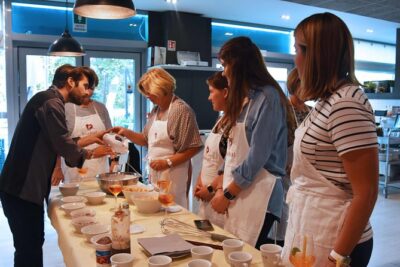
The group experience is hands-on, but it also feels guided. You’re not just watching someone else cook while you take notes. You work the dough, assemble the pizza, and then you sit down to eat what you made. That flow is ideal if you want something practical and tasty without committing to a full day tour.
Also, you get a bit of help with logistics: there’s a separate entrance designed to help you skip the line. That’s a small perk, but in a city where queues can eat time, it helps.
You’ll want comfortable shoes, because you’ll be on your feet more than you think during dough prep and moving around the workspace.
More aprons-on time in a Roman kitchen
- 3 in 1 Cooking Class near Navona: Fettuccine, Ravioli & Tiramisu
★ 5.0 · 7,376 reviews - Rome: Pasta & Tiramisu Class with Fine Wine by the Vatican
★ 4.9 · 4,852 reviews - Rome: Pasta Making Class with Wine, Limoncello, and Dessert
★ 4.9 · 3,177 reviews - Rome Cooking Class: Make Pasta and 3 Spritz Cocktails
★ 5.0 · 2,937 reviews
The Master Pizzaiolo Experience: What the Instructor Actually Does
The star here is an experienced Master Pizzaiolo (pizza maker) who teaches you the basics the way Italians do—simple ingredients, serious technique. The instructor team speaks English and Italian, which is a big deal if you’re not fluent. You can follow the steps without guessing.
A key detail: even after you prepare the pizza, the pizzaiolo finishes the baking in the traditional wood-fired oven. This makes the class more than a DIY snack session. You get the satisfaction of building the pizza yourself, but you still benefit from the person who knows how that oven behaves.
From the way the class is described, the lesson focuses on the essentials: the dough, the toppings, and the moment of baking. That’s what you need if you want to recreate it later at home. No inflated story time. Just pizza craft.
If you’re the type who likes to understand why something works—rather than just memorize a recipe—this setup fits. You’ll learn how to work with basic ingredients like water, flour, and yeast, and the pizza-making rhythm will make more sense than if you were only shown finished results.
From Water, Flour, and Yeast to Real Pizza Dough
The class starts with the fundamentals, and that’s the best part for me. Roman-style pizza dough is not magic, but it does rely on timing and texture. You’ll work with fresh ingredients and learn how the dough should feel as it comes together.
Expect to get practical instruction on:
- how to combine the dough ingredients,
- how to handle the dough once it’s mixed,
- how to work it into the right pizza shape.
You’re not being asked to do complicated culinary gymnastics. The focus is on making dough that’s workable and ready to bake. That means you’ll leave with an understanding of pizza prep that goes beyond toppings and cheese.
And because the class is held in an actual pizzeria setting (not a demo kitchen far away), you also see how the process connects to real baking. In other words, you’re not learning dough in a vacuum—you’re learning dough that will go into a wood-fired oven soon after.
Toppings and Assembly: The Part Where You Feel Like a Pizzaiolo
Once your dough is ready, it’s time to top and assemble. This is where a lot of classes stop at instruction. Here, you do the work. You’ll add toppings in the style taught during the lesson, and you’ll learn what matters visually and structurally so the pizza bakes well.
Even if you’re a beginner, the coaching approach seems designed to keep you moving. Clear demonstrations and step-by-step guidance help you avoid the common mistakes: too much topping, uneven distribution, or rushing the process. The goal is for your pizza to look like it belongs in an Italian shop, not like a kitchen science project.
There’s also a helpful payoff: after you finish building, the pizzaiolo bakes your pizza. That means you’re not fully responsible for wood-fired results, which is good—wood-fired ovens have their quirks. You get the best of both worlds: you do the assembly, and the professional handles the heat.
Worth a look next to this Rome booking:
Wood-Fired Oven Baking: Why This Technique Changes Everything
Wood-fired ovens are part of why Roman pizza is so hard to copy at home. They bring intense, even heat and a distinct style of cooking that affects crust texture and flavor. In this class, the oven isn’t a backdrop—it’s the main event.
You’ll bake (with pizzaiolo support) in a traditional wood-fired oven, which is a big reason the experience is worth it. If you only made dough and ate it, you might feel like you learned a recipe. Baking it in the right environment turns it into something closer to true pizza craft.
This is also where you’ll see why timing matters. Dough that’s ready goes into heat at the right moment. The instructor’s method is meant to help you land that timing rather than guessing. And because you’re there in person, you’ll feel the pace of pizza making the way it’s done in a working shop.
The end result is the pizza you made, baked to a finish that’s meant to taste like it came from a Roman pizzeria.
Lunch, Prosecco, Coffee: Turning Lesson into a Meal
Pizza classes can be tricky: sometimes the food is more like a snack than a meal. Here, you get a full sit-down eating moment. After you create your pizza, you enjoy it as part of the meal at the table.
Drinks are included, and the spread is practical:
- welcome Prosecco
- non-alcoholic beverages
- soft drinks
- coffee to finish
If you want a more classic pairing, wine or beer are available for an additional charge. That’s good because you can keep the included drink plan simple or add something if you’re in the mood.
This meal format is genuinely valuable. Pizza making teaches technique, but eating what you made is what locks the lesson in. You can connect crust texture and bake level to what you did during assembly. It’s also the easiest way to feel like you’re part of the restaurant rhythm instead of just passing through a kitchen room.
And yes, coffee matters. Finishing with coffee is the kind of small Italian habit that makes the whole thing feel like a real pizzeria experience rather than a tourist meal.
Value Check: Is $54.89 Worth It?
Let’s talk value in a grounded way. At $54.89 per person (for about 2.5 hours), you’re paying for far more than ingredients. You’re getting:
- ingredients for dough and pizza
- an instructor (English and Italian instruction)
- Prosecco (plus non-alcoholic beverages)
- soft drinks
- coffee
- pizza baking support in a wood-fired oven
- a skip-the-line style entry via a separate entrance
When you add it up, the price starts to make sense for a few reasons. Rome is full of cooking tours that charge mainly for the activity and don’t include a real meal. Here, you get the meal because you eat what you made. The oven is also a major cost factor—wood-fired pizza isn’t something every casual kitchen can offer.
Is it “cheap”? No. But for a short, centered experience that includes instruction plus lunch plus drinks, it’s a fair deal. It’s especially attractive if you want something interactive that doesn’t require long travel time.
Timing and What 2.5 Hours Actually Feels Like
The class runs about 2.5 hours. That’s a sweet spot in Rome. You get enough time to make dough, assemble, and bake—without using up most of your afternoon.
Because starting times vary, you’ll want to check availability for the exact hour options. If your Rome day is already packed with major sights, this duration helps you add pizza-making without derailing your schedule.
Also, the separate entrance and skip-the-line style setup helps you stay on track. In practice, that means less “waiting around,” more doing.
Who Should Book This Pizza-Making Class—and Who Might Skip It
This is a great fit if you:
- want a hands-on Rome activity that ends with a proper meal,
- like learning practical food skills you can use later,
- enjoy Italian instruction in English and Italian,
- want wood-fired oven experience without being an expert.
It’s also a good pick for couples, since the instruction style includes personal attention—helping you feel comfortable while you work.
But don’t book if:
- you have food allergies (this experience is not suitable for people with food allergies),
- you’re traveling with children under 8 years (not suitable),
- pets are part of your plan (pets aren’t allowed, though assistance dogs are allowed).
If you fall into those categories, it’s better to choose another activity where dietary needs are more flexible.
Practical Tips: Simple Ways to Get More Out of the Class
A few small prep moves make the experience smoother:
- Wear comfortable shoes. You’ll be standing and moving around for more than you’d expect.
- Go in ready to work with your hands. Dough is physical work, not just watching and tasting.
- Ask questions during the steps. The instructor language support (English and Italian) is there for a reason.
- Pace yourself with drinks. Prosecco is included, but the goal is to stay alert for dough timing and assembly.
After class, you’ll leave with the pizza-making know-how tied to the real process: dough basics, topping logic, and what wood-fired baking does to the final result. That’s the best takeaway—confidence, not just a full stomach.
Should You Book This Pizza-Making Class?
I think you should book if you want a short Rome experience that delivers real skills and a real meal, all near the Spanish Steps. The wood-fired oven and the fact that the pizzaiolo bakes the pizza you assembled make it feel authentic without leaving you fully on your own.
Skip it only if your needs don’t match the rules—especially food allergies or traveling with kids under 8. If that’s you, it’s worth finding an alternative with more dietary flexibility.
One last note: the class is listed with flexible planning options like free cancellation up to 24 hours in advance and a reserve-and-pay-later approach. If you’re still building your Rome days, that flexibility lowers the stress.
If you want Rome in a single, delicious lesson—this one is a strong choice.
FAQ
How long is the Rome pizza making cooking class?
The class lasts 2.5 hours. Starting times vary, so it’s best to check the schedule for your preferred day.
Where does the class take place?
It’s held in a pizzeria near the Spanish Steps in Rome, in a warm and inviting Italian setting.
What food and drinks are included?
The price includes ingredients, a welcome Prosecco, soft drinks, coffee, and your lunch meal made from the pizza you prepare.
Is wine or beer included?
Wine or beer are available for an additional charge. Prosecco and non-alcoholic beverages are included.
What languages does the instructor speak?
Instruction is available in English and Italian.
Is the class wheelchair accessible?
Yes, the experience is listed as wheelchair accessible.
Is it suitable for children or for people with food allergies?
It is not suitable for children under 8 years and it is not suitable for people with food allergies.
More Cooking Classes in Rome
- 3 in 1 Cooking Class near Navona: Fettuccine, Ravioli & Tiramisu
★ 5.0 · 7,376 reviews - Rome: Pasta Making Class with Wine, Limoncello, and Dessert
★ 4.9 · 3,177 reviews - Rome Cooking Class: Make Pasta and 3 Spritz Cocktails
★ 5.0 · 2,937 reviews - Rome: 3-in-1 Fettuccine, Ravioli, and Tiramisu Cooking Class
★ 4.9 · 2,704 reviews - Rome: Fettuccine Pasta Cooking Class in Rome’s City Center
★ 4.8 · 2,414 reviews - Fettuccine & Tiramisù: Cooking Class with Wine & Limoncello
★ 4.9 · 2,103 reviews
More Tour Reviews in Rome
- Vatican Museums, Sistine Chapel & St. Peter’s Basilica Tour
★ 4.3 · 73,970 reviews - Vatican Museums, Sistine Chapel & St Peter’s Basilica Guided Tour
★ 4.5 · 39,149 reviews - Rome: Colosseum, Palatine Hill and Roman Forum Guided Tour
★ 4.8 · 32,814 reviews - Rome: Guided Tour of Colosseum, Roman Forum & Palatine Hill
★ 4.7 · 27,897 reviews - Rome: Colosseum & Forum with Audio Guide App -Optional Arena
★ 4.2 · 24,770 reviews - Rome: Colosseum, Roman Forum and Palatine Hill Guided Tour
★ 4.5 · 23,903 reviews
Learn Another Roman Dish
- 3 in 1 Cooking Class near Navona: Fettuccine, Ravioli & Tiramisu
★ 5.0 · 7,376 reviews - Rome: Pasta & Tiramisu Class with Fine Wine by the Vatican
★ 4.9 · 4,852 reviews - Rome: Pasta Making Class with Wine, Limoncello, and Dessert
★ 4.9 · 3,177 reviews - Rome Cooking Class: Make Pasta and 3 Spritz Cocktails
★ 5.0 · 2,937 reviews - Rome: 3-in-1 Fettuccine, Ravioli, and Tiramisu Cooking Class
★ 4.9 · 2,704 reviews - Rome: Fettuccine Pasta Cooking Class in Rome’s City Center
★ 4.8 · 2,414 reviews
Just added to our Rome reviews





Rome Cooking Classes, compared.
 ★ 5.03 in 1 Cooking Class near Navona: Fettuccine, Ravioli & TiramisuFrom $837,376 reviews
 ★ 4.9Pasta & Tiramisu Class with Fine Wine by the VaticanFrom $414,852 reviews
 ★ 4.9Pasta Making Class with Wine, Limoncello, and DessertFrom $483,177 reviews
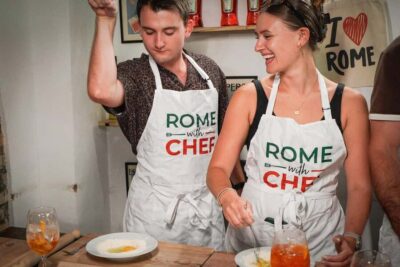 ★ 5.0Rome Cooking Class: Make Pasta and 3 Spritz CocktailsFrom $992,937 reviews
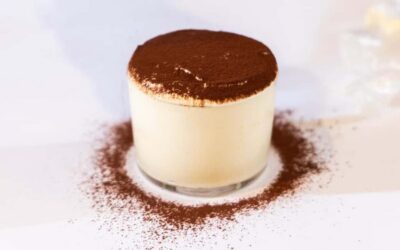 ★ 4.93-in-1 Fettuccine, Ravioli, and Tiramisu Cooking ClassFrom $812,704 reviews
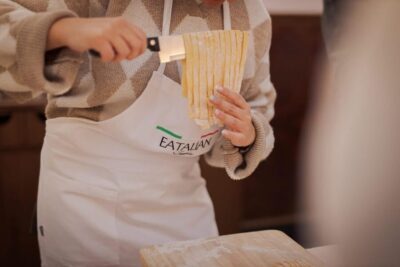 ★ 4.8Fettuccine Pasta Cooking Class in Rome’s City CenterFrom $462,414 reviews
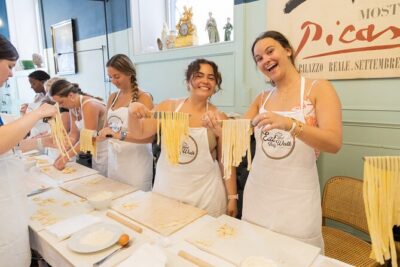 ★ 5.0Learn to Make Pasta & Tiramisu with Wine and Limoncello IncludedFrom $542,345 reviews
 ★ 5.0Become a Masterchef in Rome: Pasta, Ravioli and Tiramisù ClassFrom $472,156 reviews
Browse the lists this tour appears in