
Reviewed · PASTA
Rome: Pasta-Making Class with Italian Spritzes
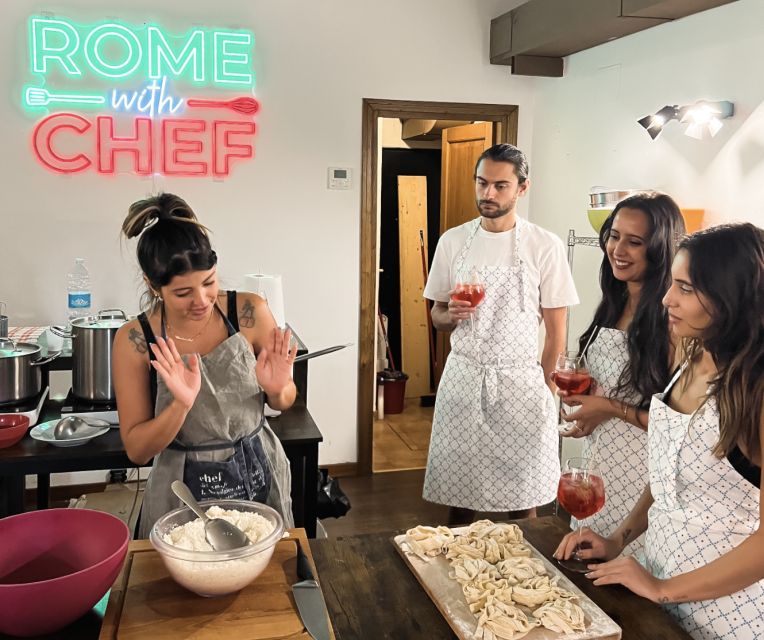
If you want Rome in one evening, this delivers. You’ll learn Roman pasta step-by-step and mix Italian spritzes in a centrally located kitchen just a short walk from the Colosseum. It’s part cooking lesson, part cocktail class, and part social night out.
I especially like how the teaching stays practical: you make the dough, roll the pasta, and get guidance on sauces like Carbonara and Cacio e Pepe. I also like the mixology structure, starting with the classic Aperol Spritz demo before you start cooking. One consideration: this is not for everyone, since there’s no gluten-free or vegan accommodation, and lactose/gluten intolerance and coeliac disease can’t be managed.
In This Review
- Key Things You’ll Actually Care About
- Pasta, Spritz, and a Kitchen Near the Colosseum
- The 3-Hour Flow: Aperol, Fettuccine, and Then More Spritz
- Start With the Aperol Spritz Mixology Demo
- Then You Make Roman Pasta From Scratch
- Two More Cocktails (Hugo Spritz and Limoncello Spritz)
- Sit Down to Eat What You Made
- What Makes the Pasta Lesson Feel Roman (Not Generic)
- The Spritz Side: More Than an Alcohol Token
- Recipes to Take Home: The Real Payoff After the Fun
- Price and Value: Why $69 Can Make Sense
- Dietary Rules: Read This Part Before You Fall in Love
- What I’d Pair This With on Your Rome Evening
- Who Should Book This (And Who Might Not)
- Instructors and Vibe: What the Best Sessions Have in Common
- Should You Book This Rome Pasta and Spritz Class?
- FAQ
- How long is the Rome pasta-making and spritz class?
- Where is it located?
- What drinks are included?
- What pasta do you make?
- Do you learn recipes for Roman classics like Carbonara and Cacio e Pepe?
- Is there a vegetarian option?
- Is it gluten-free or dairy-free friendly?
- Is it suitable for vegans?
- Do you get recipes to take home?
- What language is the instruction in?
Key Things You’ll Actually Care About

- Three spritzes, taught in order: Aperol, Hugo, and Limoncello Spritz, with a guided mixology demo up front.
- You make Roman pasta from scratch: the class centers on homemade fettuccine and classic sauce methods.
- Recipe e-book included: take the steps home so the pasta doesn’t end with the night.
- Small-ish class energy and real interaction: instructors like Jem, Sunny, Marzia, and Gio are repeatedly praised for keeping everyone involved.
- Close to the Colosseum: the kitchen is described as about a 10-minute walk, and meeting points are within a short walk.
Pasta, Spritz, and a Kitchen Near the Colosseum
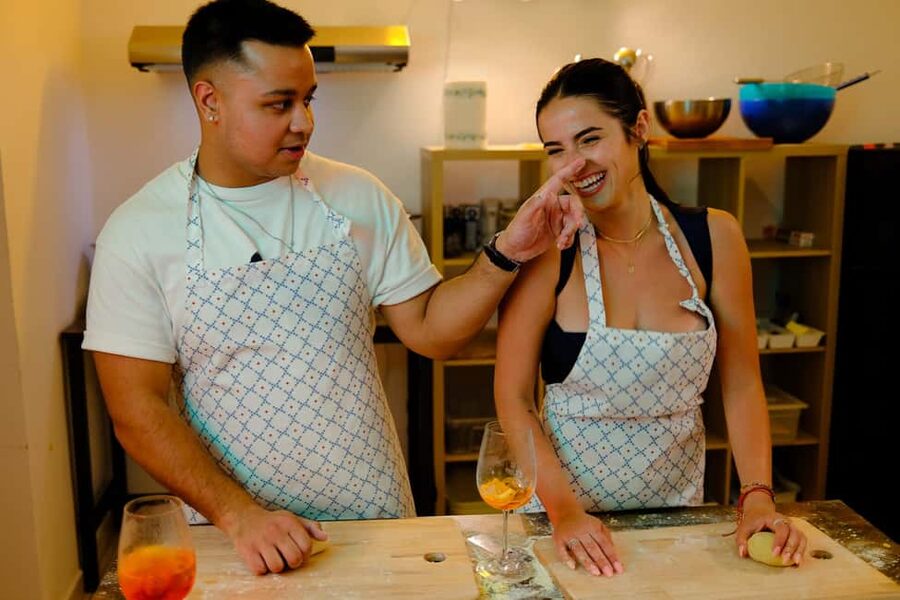
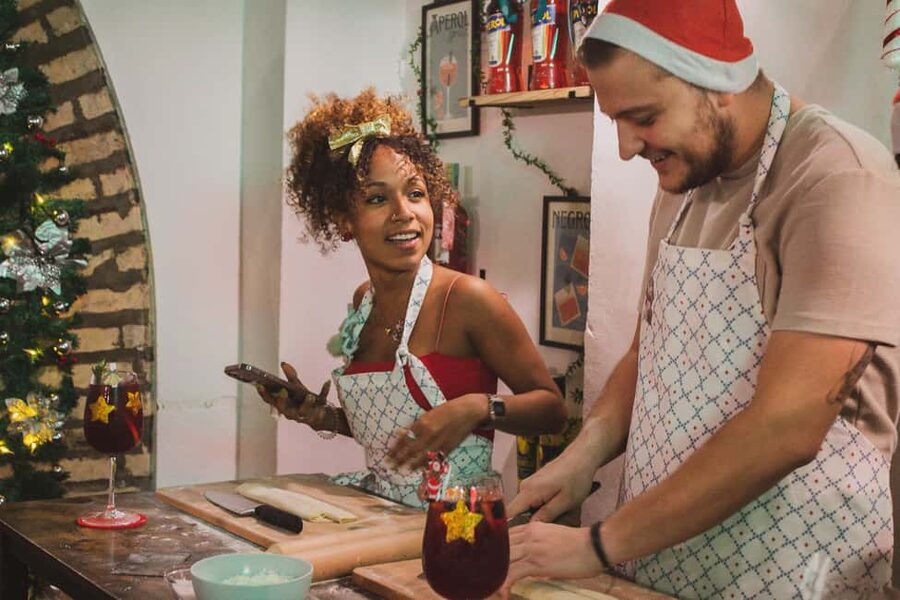
Rome can feel split in two: ancient sights by day, and food and drinks by night. This experience tackles both sides with one plan. You’re not just watching someone cook. You’re in the action, learning how to build Roman dishes and mix three Italian spritz-style cocktails.
It’s also a smart choice if you’re trying to do something authentic without hunting down a restaurant where you’ll never finish learning the how. The goal here is transfer: you leave with the techniques, not just the tasting.
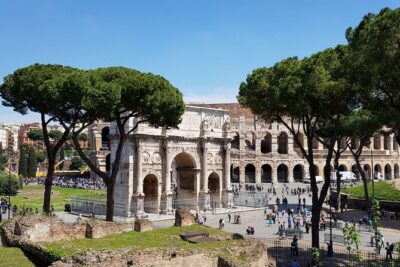
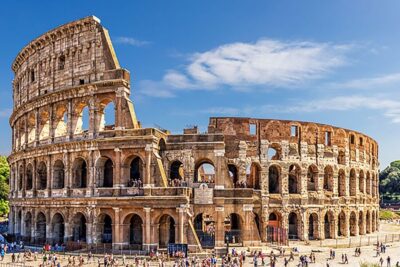
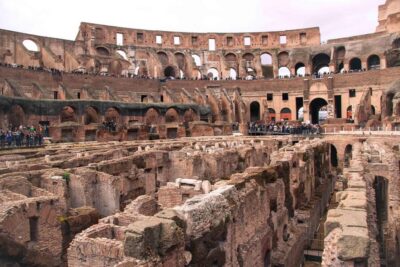
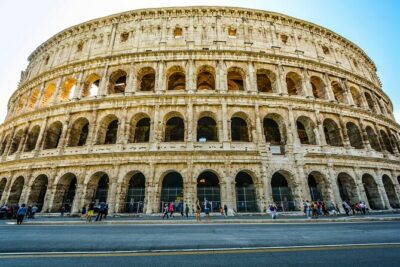
And yes, the location helps. The class takes place in a centrally located kitchen that’s described as about 10 minutes from the Colosseum, and the meeting point can shift but stays within a 5-minute walk between options. That matters because your evening doesn’t get swallowed by transit or “where exactly do we go” stress.
Worth a look next to this Rome booking:
- 3 in 1 Cooking Class near Navona: Fettuccine, Ravioli & Tiramisu
★ 5.0 · 7,376 reviews - Rome: Pasta & Tiramisu Class with Fine Wine by the Vatican
★ 4.9 · 4,852 reviews - Rome: Pasta Making Class with Wine, Limoncello, and Dessert
★ 4.9 · 3,177 reviews - Rome Cooking Class: Make Pasta and 3 Spritz Cocktails
★ 5.0 · 2,937 reviews
The 3-Hour Flow: Aperol, Fettuccine, and Then More Spritz
The timing is simple: you get a full 3-hour block, built around one cooking session and multiple drinks. The sequence matters, because it keeps your hands busy when you might otherwise stall.
Start With the Aperol Spritz Mixology Demo
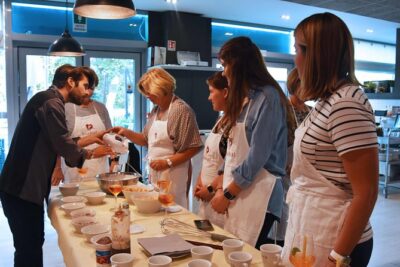
The night begins with a mixology demo focused on Aperol Spritz. This isn’t theory floating in the air; you get the practical template for what makes the drink taste right. After that, you’ll be ready to mix and taste rather than just observe.
If you like the idea of understanding cocktails instead of just ordering them, this first step is the anchor. It also sets the tone. Several instructors across the run of classes—like Jem and Sunny—get praised for keeping energy up and instruction clear.
Then You Make Roman Pasta From Scratch
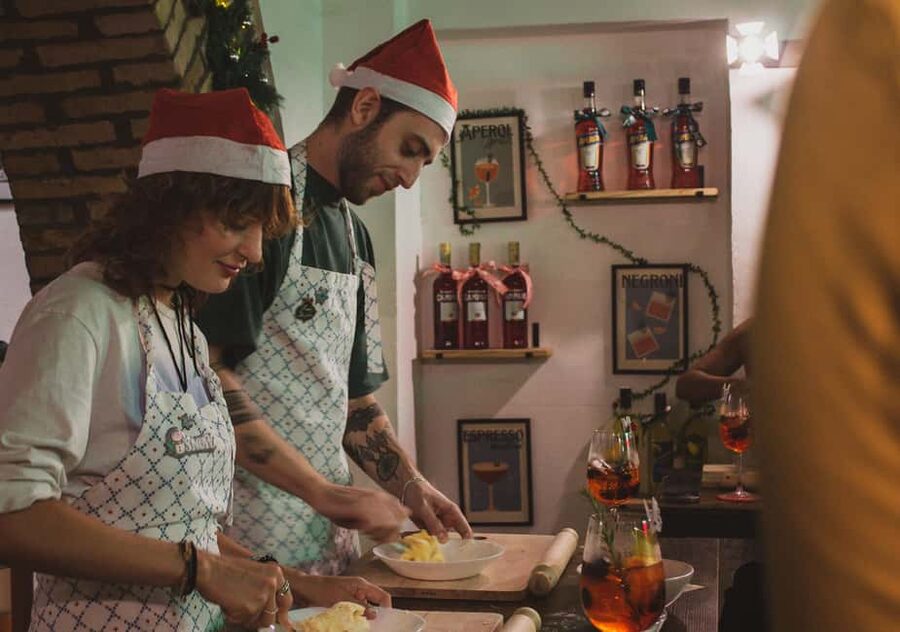
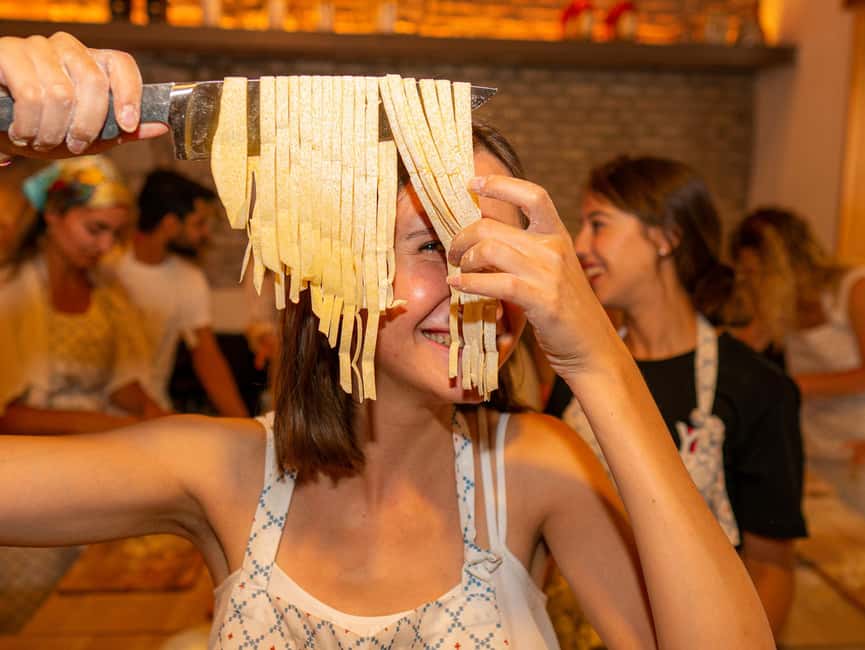
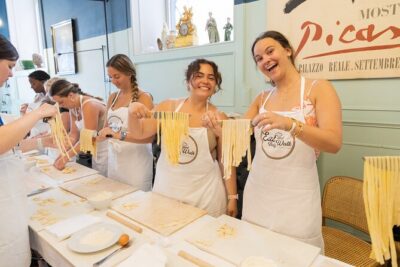
Once the drinks are rolling, the class turns to the main event: making fettuccine from scratch. You’re working with dough, shaping pasta, and learning the process as you go. That’s the part you’ll feel most the next time you try at home, because pasta-making is mostly muscle memory.
This is also where Roman food identity comes through. The recipes you build toward include sauce approaches for Cacio e Pepe (cheesy, pepper-forward) and Carbonara (creamy and savory). The chef shares the “why” behind key moves, like balancing ingredients and timing so the sauce behaves.
Two More Cocktails (Hugo Spritz and Limoncello Spritz)
The plan includes additional spritzes after you’re deep in cooking. The class specifically references Hugo Spritz after the pasta steps, and the included list notes Limoncello Spritz as the third drink you get during the experience.
So you’re not doing one spritz-and-done. You’re learning a rhythm: drink tutorial, pasta action, second cocktail, then the final sit-down meal with another cocktail cap.
Sit Down to Eat What You Made
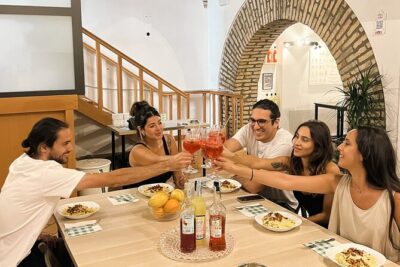
After you’ve cooked, you get to eat your own work. You’ll sit down to enjoy the homemade Roman pasta, and the class wraps with a final cocktail before you head out to keep your night going.
This matters for value. Too many “classes” turn into tasting samples. Here, you end up eating the pasta you made as the main meal.
What Makes the Pasta Lesson Feel Roman (Not Generic)
A lot of pasta classes feel like “Italian-inspired cooking.” This one is more focused on Roman classics and technique.
The big Roman takeaway is how sauces work with pasta shape and timing. When you make fettuccine and then tackle sauces like Carbonara and Cacio e Pepe, you learn that the “secret” isn’t a single ingredient. It’s a chain of choices: how heat is managed, when elements are combined, and how the sauce clings rather than turns slick or separate.
In classes run by instructors such as Marzia, Marcella, Gio, and Giovanni-style hosts (names vary by session, but the teaching style is consistent), people repeatedly point out that instructions are step-by-step and that the vibe is relaxed rather than fussy. That’s important if you’re not a kitchen person. You still get taught, but nobody treats mistakes like a personal flaw.
The Spritz Side: More Than an Alcohol Token
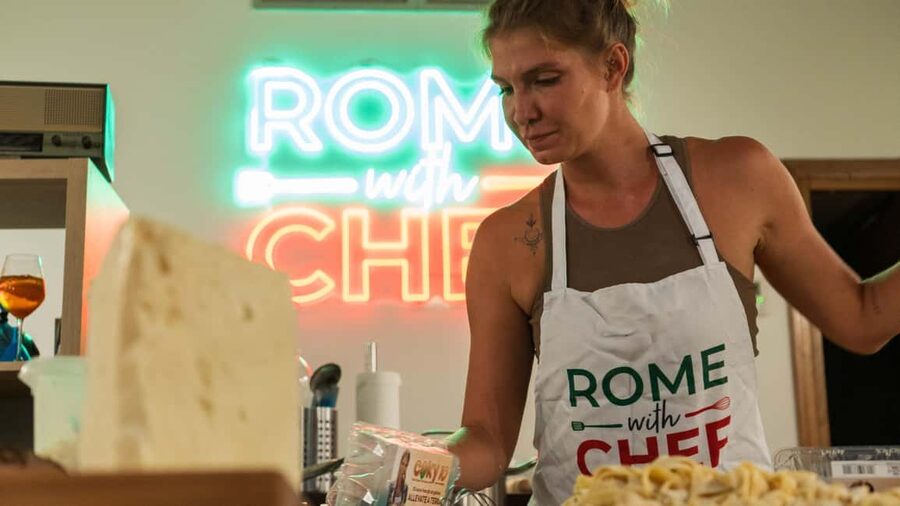
This is a cocktail-forward class, but it doesn’t feel like an afterthought. You get a guided mixology demo for Aperol Spritz, and then you make your way through the Hugo Spritz and Limoncello Spritz included in the price.
In practical terms, you’re learning how to assemble a spritz so it tastes balanced, not watered down. And because you’ll have time to taste as you go, you can connect the drink result to the steps.
Also, several sessions mention that glasses are kept topped up during the experience. That’s a big deal for enjoyment, especially if you’ve ever done an activity where the drinking portion feels stingy or timed like a museum tour.
Recipes to Take Home: The Real Payoff After the Fun
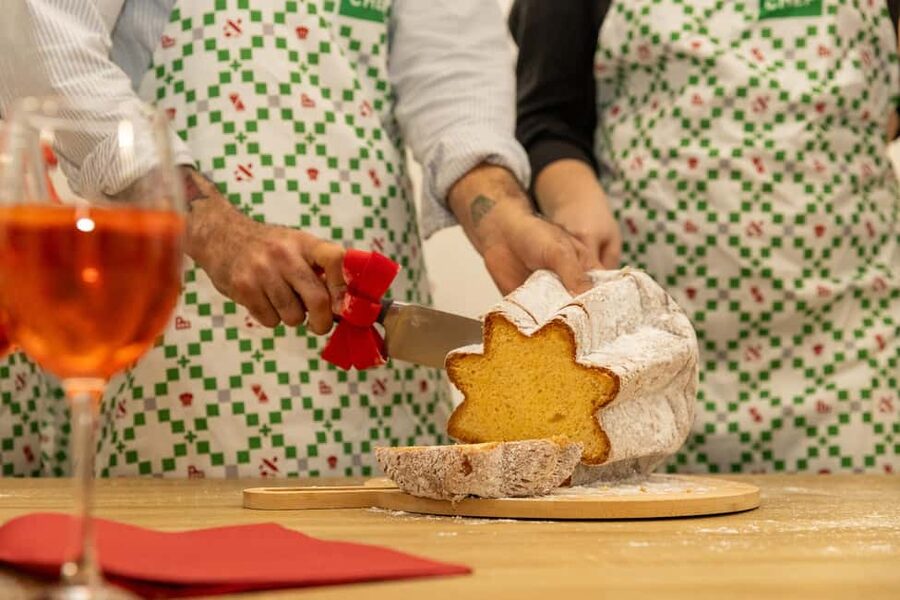
You’ll receive an e-book of recipes after the class. For me, that’s what turns a great night out into a lasting skill.
If you only learn the basics, you’ll still be able to make something decent. But if you’re the type who wants to keep cooking after your trip, having written steps helps you avoid memory drift. It also means you can reproduce the sauces you learned—especially the Roman ones that can vary widely depending on how someone cooks them.
Price and Value: Why $69 Can Make Sense
At $69 per person for 3 hours, you’re paying for three things bundled together:
- Hands-on instruction from an expert chef (and mixology demo)
- Ingredients and fresh components used during the session
- Three cocktails plus the meal made from scratch
If you were doing this as a standalone dinner plus drinks, you’d likely spend a similar amount (and you’d still leave without the technique). The value is in the instruction-to-food ratio: you’re not just eating. You’re learning while eating.
The best fit for your money is simple: if spritz is your thing and you want to bring home usable pasta know-how, this price usually feels fair.
If you’re allergic to alcohol or want a full non-alcoholic lesson plan, the class is still described as alcohol-forward with spritz included. You might find it harder to get the “full experience” if cocktails aren’t for you.
Dietary Rules: Read This Part Before You Fall in Love
This experience is not suitable for vegans and it can’t accommodate:
- coeliac disease or gluten intolerance
- lactose intolerance
- vegan diets
- gluten-free, vegan, or dairy-free options
That’s not a small note—it shapes your ability to participate. The menu includes gluten and dairy, and the class specifically lists the restrictions.
Vegetarian options are available, though. So if you eat dairy and eggs and just want meat-free, you’re likely in good shape.
If you have any uncertainty—especially around dairy—double-check before booking. Don’t assume “light modifications” will be possible here, because the class is built around traditional ingredients.
What I’d Pair This With on Your Rome Evening
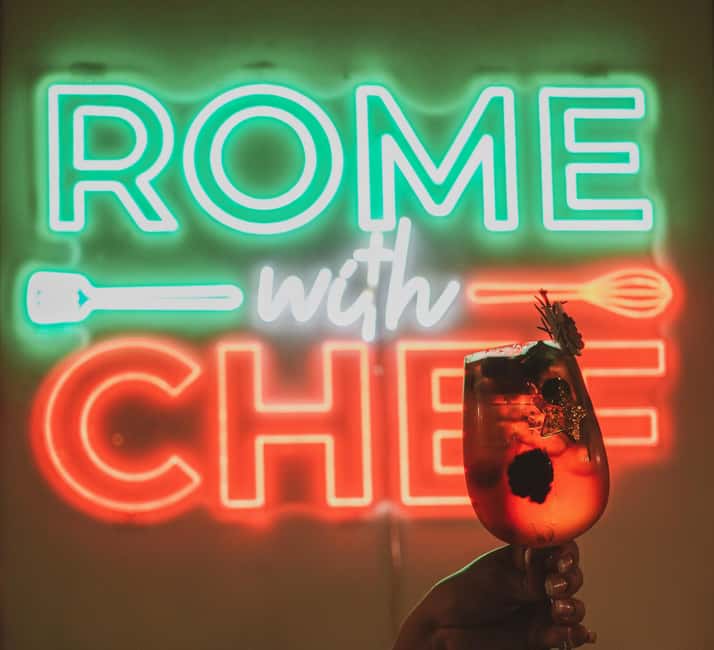
This class is built for an evening out. You’ll end with food and a final cocktail, then you’ll likely want a place to continue the night.
Here’s how I’d structure it so you don’t feel rushed:
- Plan it as an anchor activity on a day when you’ve already seen the big sights or you’re ready to swap sightseeing for food.
- Keep your next stop close, since you’re already near the Colosseum area after class.
It’s also a strong “group night” plan. Lots of instructors and participants talk about meeting people and staying social during the cooking. If you’re traveling solo and want a built-in conversation, this does that well.
Who Should Book This (And Who Might Not)
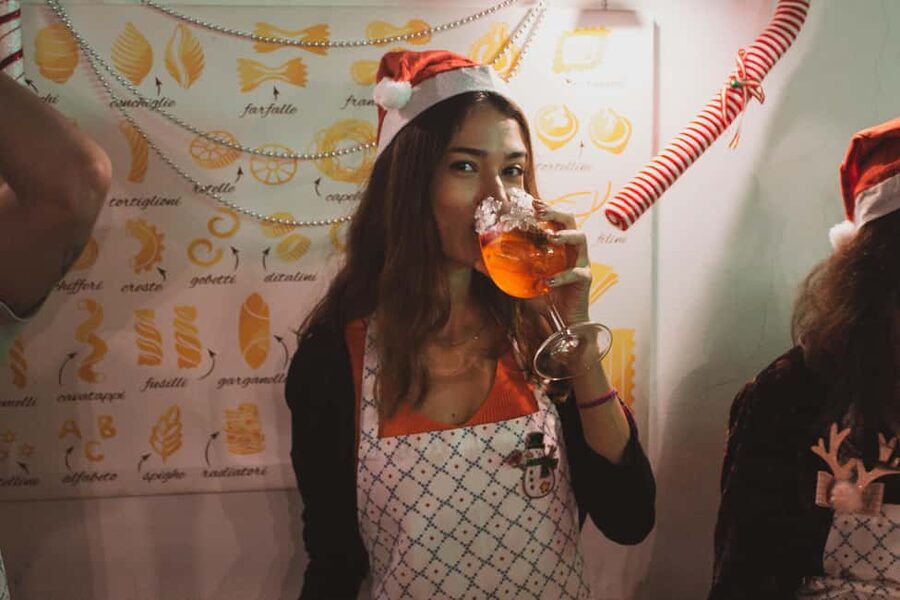
This is a great fit if you:
- Want Roman classics like Carbonara and Cacio e Pepe taught in a hands-on way
- Love spritz cocktails and want to learn the mix, not just drink it
- Like social cooking with other travelers
- Want an evening that feels like real Italian food culture, not a scripted tourist show
You might reconsider if you:
- Need gluten-free, lactose-free, or vegan-friendly options
- Don’t want alcohol involved at all
- Are traveling with very young kids (the experience isn’t suitable for infants, and there’s no separate seat or workspace)
Instructors and Vibe: What the Best Sessions Have in Common
Names pop up again and again in the class feedback, like Jem, Sunny, Marzia, Gio, Gaia, Elli, Angela, Joanna, Cheri, Kim, and Marcella. The consistent theme is teaching style: relaxed, interactive, and upbeat.
Many sessions also mention music playing in the background and a playful energy—people are laughing while still learning. That balance is hard to pull off, but when it works, the class stops feeling like homework.
Should You Book This Rome Pasta and Spritz Class?
If you’re the type who loves food experiences that give you something practical to do after the trip, I’d book it. For $69, you’re getting a full 3-hour hands-on pasta session, three spritzes, and a recipe e-book—plus the fun of cooking with other people in a kitchen near the Colosseum.
My main “don’t book” condition is dietary fit. If you need gluten-free, lactose-free, or vegan, this won’t work based on the stated restrictions. If that’s you, skip it and look for a class designed for your needs.
If you’re good with gluten and dairy and you want an evening that mixes Roman comfort food with cocktail craft, this is one of the easiest decisions you’ll make in Rome.
FAQ
How long is the Rome pasta-making and spritz class?
It lasts 3 hours.
Where is it located?
The kitchen is centrally located and is described as about 10 minutes from the Colosseum. Meeting point locations can vary, but they’re within a 5-minute walk of each other.
What drinks are included?
You get three cocktails: Aperol Spritz, Hugo Spritz, and Limoncello Spritz.
What pasta do you make?
You’ll make homemade Roman pasta, including fettuccine from scratch.
Do you learn recipes for Roman classics like Carbonara and Cacio e Pepe?
Yes. The class includes guidance and secrets for Roman recipes such as Carbonara and Cacio e Pepe.
Is there a vegetarian option?
Yes, vegetarian options are available.
Is it gluten-free or dairy-free friendly?
No. The experience cannot accommodate gluten intolerance/coeliac disease and lactose intolerance, and gluten-free or dairy-free options aren’t listed as available.
Is it suitable for vegans?
No. The experience is marked not suitable for vegans, and vegan diets can’t be accommodated.
Do you get recipes to take home?
Yes. You receive an e-book of recipes after the class.
What language is the instruction in?
The instructor teaches in English.
More Workshops in Rome
- 3 in 1 Cooking Class near Navona: Fettuccine, Ravioli & Tiramisu
★ 5.0 · 7,376 reviews - Rome: Pasta & Tiramisu Class with Fine Wine by the Vatican
★ 4.9 · 4,852 reviews - Rome: Pasta Making Class with Wine, Limoncello, and Dessert
★ 4.9 · 3,177 reviews - Rome Cooking Class: Make Pasta and 3 Spritz Cocktails
★ 5.0 · 2,937 reviews - Rome: 3-in-1 Fettuccine, Ravioli, and Tiramisu Cooking Class
★ 4.9 · 2,704 reviews - Rome: Fettuccine Pasta Cooking Class in Rome’s City Center
★ 4.8 · 2,414 reviews
More Tour Reviews in Rome
- Vatican Museums, Sistine Chapel & St. Peter’s Basilica Tour
★ 4.3 · 73,970 reviews - Vatican Museums, Sistine Chapel & St Peter’s Basilica Guided Tour
★ 4.5 · 39,149 reviews - Rome: Colosseum, Palatine Hill and Roman Forum Guided Tour
★ 4.8 · 32,814 reviews - Rome: Guided Tour of Colosseum, Roman Forum & Palatine Hill
★ 4.7 · 27,897 reviews - Rome: Colosseum & Forum with Audio Guide App -Optional Arena
★ 4.2 · 24,770 reviews - Rome: Colosseum, Roman Forum and Palatine Hill Guided Tour
★ 4.5 · 23,903 reviews
Just added to our Rome reviews

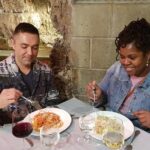
Pasta, compared.
 ★ 4.9Pasta & Tiramisu Class with Fine Wine by the VaticanFrom $414,852 reviews
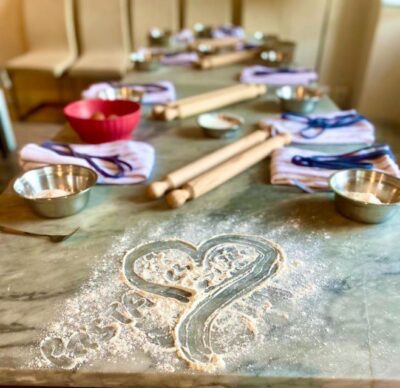 ★ 4.9Pasta Making Class with Wine, Limoncello, and DessertFrom $483,177 reviews
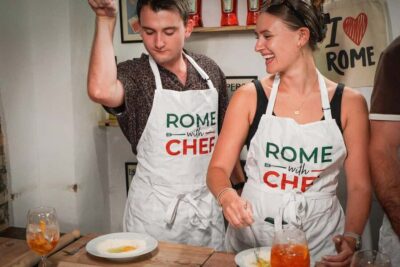 ★ 5.0Rome Cooking Class: Make Pasta and 3 Spritz CocktailsFrom $992,937 reviews
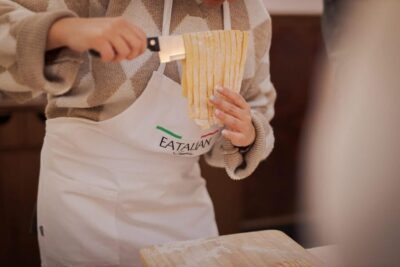 ★ 4.8Fettuccine Pasta Cooking Class in Rome’s City CenterFrom $462,414 reviews
 ★ 5.0Learn to Make Pasta & Tiramisu with Wine and Limoncello IncludedFrom $542,345 reviews
 ★ 5.0Become a Masterchef in Rome: Pasta, Ravioli and Tiramisù ClassFrom $472,156 reviews
 ★ 5.0Pasta Cooking Class Near the Colosseum with 3 Spritz CocktailsFrom $951,686 reviews
 ★ 5.0Enjoy Spritz and Pasta Making in Piazza NavonaFrom $901,681 reviews
Browse the lists this tour appears in