
Reviewed · ROME COOKING CLASSES
Rome: Pasta Cooking Class in a Professional Pasta Laboratory
Fresh pasta in a real pasta factory beats the usual demo. This Rome class is taught in a professional pastificio laboratory, with step-by-step guidance that you can repeat at home. I love that you shape dough by hand into thin sheets and filled ravioli, not just press a button or watch a machine do the work. I also like the way the meal is built in: you taste what you make with Italian wine, right where you cooked it.
One thing to consider: it’s a hands-on format with a real kitchen pace. If you’re hoping for a relaxed sit-and-watch class, you may find yourself moving quickly from dough to filling to shaping and then onto sauces.
In This Review
- Key highlights worth showing up for
- Entering a professional pasta lab on Via dei Latini
- What you learn from three grains (and why that matters)
- Rolling thin sheets and shaping three kinds of ravioli
- Roman sauces: carbonara, cacio e pepe, or gricia
- Knife safety, welcome drinks, and pacing in the real kitchen
- Wine included, then you sit down and eat what you made
- Gluten-free pasta and vegan-friendly technique in the same session
- The Thursday gnocchi option with fresh potatoes
- Price and value for a 3-hour Rome pasta lab class
- Who should book this class in Rome
- Should you book Rome Pasta Cooking Class at Pastificio Faini?
- FAQ
- How long is the Rome pasta cooking class?
- Where is the meeting point?
- How many people are in the class?
- What languages are offered?
- Is gluten-free pasta available?
- Is there a vegan option?
- What pasta and sauces will I make and taste?
- Is wine included?
- Do I need cooking experience?
- Can I get a refund if plans change?
Key highlights worth showing up for
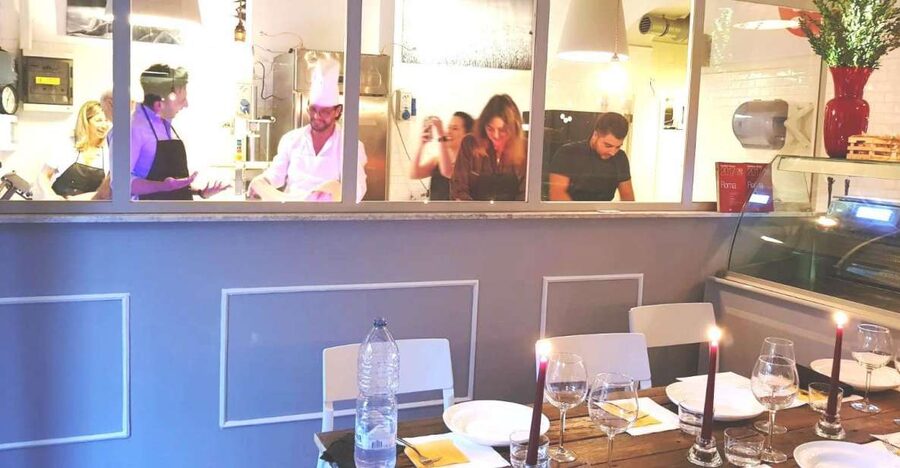
- A real pastificio setting: Pastificio Faini is the lab where professionals work, not a rented kitchen corner.
- Three grains in one session: Triticum Monococcum, Senatore Cappelli (rediscovered), and gluten-free Grano Saraceno (buckwheat) flour.
- Hand-rolled thin sheets: Many rolling-pin techniques, plus guidance on what the dough should feel like.
- Roman classics with choices: Expect sauces like carbonara, cacio e pepe, or gricia paired with wine.
- Diet-friendly training: Gluten-free participants make their own gluten-free pasta, and one egg-free vegan pasta is included.
Entering a professional pasta lab on Via dei Latini
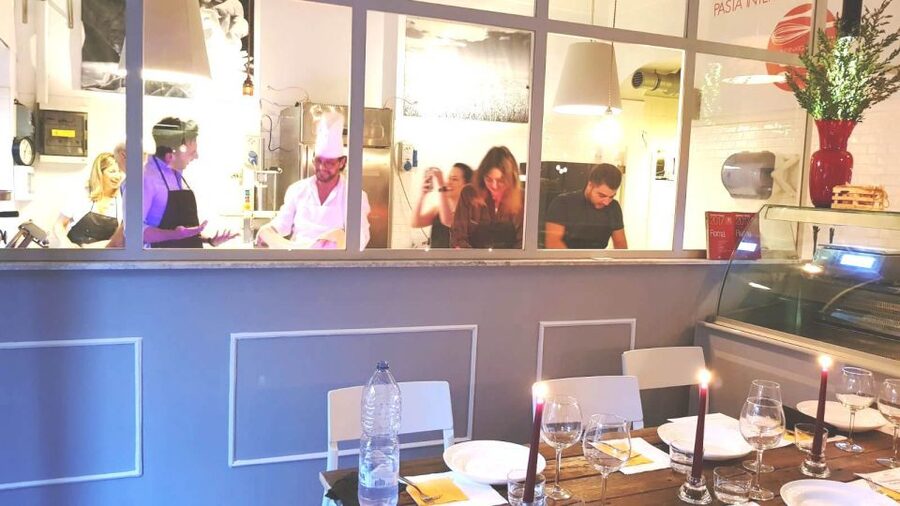
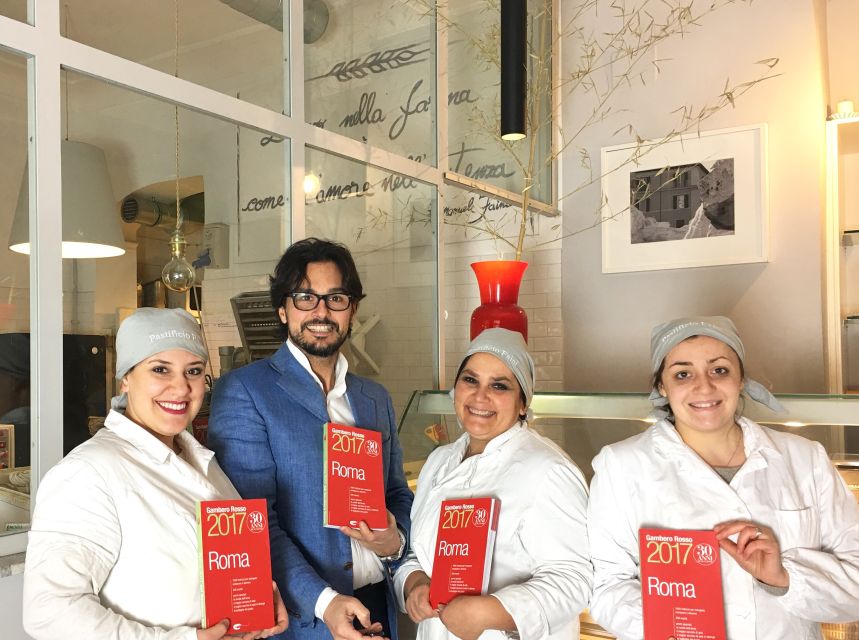
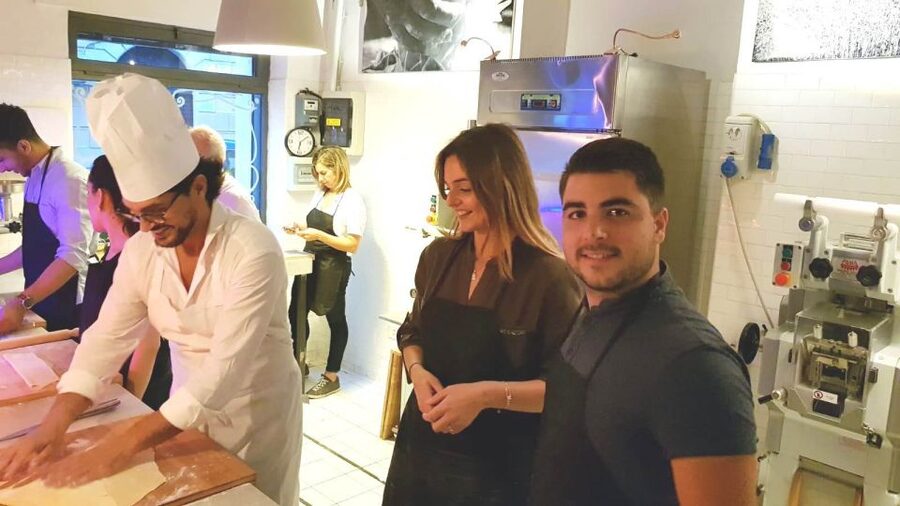
This class starts at Pastificio Faini, 13 Via dei Latini, in Rome (00185). The big idea here is simple: you’re cooking pasta in the kind of place Italians actually make it. That changes the whole vibe. You’re not learning in a show kitchen. You’re learning in the real workflow of a pastificio, with the tools and habits that come with it.
The class is small: limited to 9 participants per class, and maximum 10. For most people, that small size matters more than fancy marketing. It means you get corrections while your dough is still dough—not after you’ve already cut, filled, and moved on.
The workshop is about 3 hours. That’s long enough to make multiple pasta elements, but short enough that you’re not committing your whole day. You’ll also get recipes and the ingredients/equipment to make pasta and sauces, plus a wine-and-water tasting as part of the meal.
More aprons-on time in a Roman kitchen
- 3 in 1 Cooking Class near Navona: Fettuccine, Ravioli & Tiramisu
★ 5.0 · 7,376 reviews - Rome: Pasta & Tiramisu Class with Fine Wine by the Vatican
★ 4.9 · 4,852 reviews - Rome: Pasta Making Class with Wine, Limoncello, and Dessert
★ 4.9 · 3,177 reviews - Rome Cooking Class: Make Pasta and 3 Spritz Cocktails
★ 5.0 · 2,937 reviews
What you learn from three grains (and why that matters)
Here’s a practical reason this class feels different: you’re taught pasta using three different flours, not just one default wheat option.
You start with Triticum Monococcum, described as the ancient cereal first cultivated by humans around 7500 BC. You then use Senatore Cappelli flour—selected in 1915—later said to have disappeared in the 1960s and then rediscovered through a small farmer. The third grain is Grano Saraceno, buckwheat, used for gluten-free pasta.
Why does this matter for you? Because flour isn’t just an ingredient. It changes texture, elasticity, and how your dough behaves while rolling and shaping. If you’ve ever tried to make pasta at home and found it tearing, shrinking, or too dense, this is the kind of training that helps you understand why. Even if you go home with only one flour, you’ll learn the adjustments in handling and dough feel.
Chef instruction is also built around a simple message: you don’t need special pro skills, just attention and love for pasta. That aligns with what you’ll experience in the room—step-by-step guidance, plus help when you hit a snag.
Rolling thin sheets and shaping three kinds of ravioli
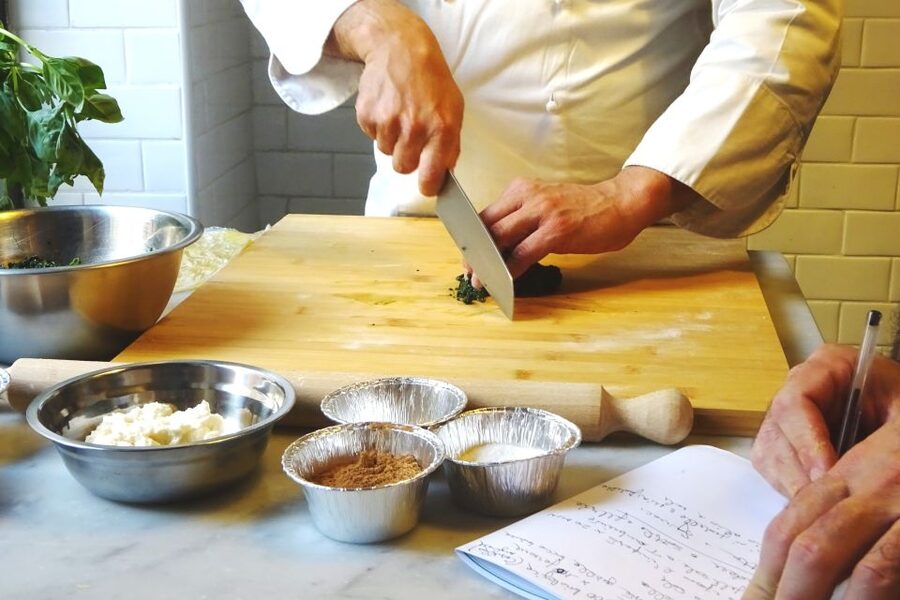
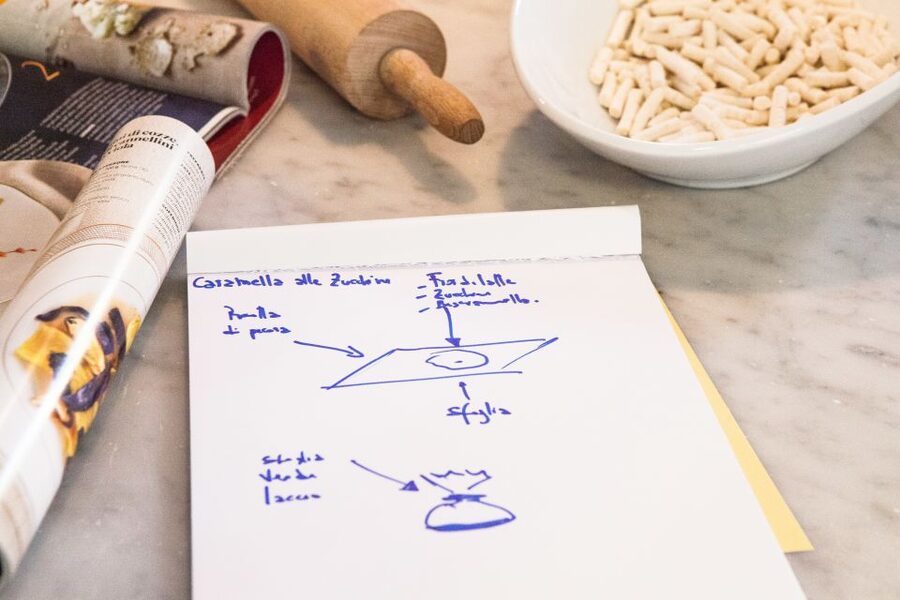
The core of the class is hands-on pasta work. You’ll make thin sheets of dough and then move into ravioli. The specific shapes include three types of ravioli, with instruction on the filling part too.
You’re not just doing one generic ravioli. The point is to learn technique: how to portion, how to seal, and how to work with the dough while it’s still at the right stage. That’s the difference between knowing what pasta looks like and knowing how to make it repeatedly.
One detail I really appreciate: the class is described as using rolling-pin methods rather than relying on a pasta machine for the rolling. That’s a big win if you don’t want to haul a gadget home. A rolling pin is common. Learning to get thin sheets without specialized equipment makes the “repeat it at home” promise feel realistic.
You’ll also make one type of pasta without egg, specifically noted as vegan. That’s helpful if you avoid eggs or you just want to understand how Italian dough can work with different ingredients.
Roman sauces: carbonara, cacio e pepe, or gricia
After dough work comes the part most people remember: sauces that actually match the pasta you made.
You’ll learn how to handle a typical Roman sauce such as carbonara, cacio e pepe, or gricia. You’ll taste the pasta and fillings alongside the sauce, which makes the lesson click. Instead of thinking, I’ll figure out sauce at home, you’ll understand how these flavors behave with your specific pasta texture.
This is where the class earns its reputation. When the sauce is part of the cooking flow—not an afterthought—you end up learning timing and balance, not just ingredients. You also get wine alongside the meal, and the tastings help you connect taste with technique.
Worth a look next to this Rome booking:
Knife safety, welcome drinks, and pacing in the real kitchen
Right at the start, you get a welcome drink and an explanation of safe food cutting procedures. That may sound like a small detail, but it changes how you experience the class. It sets expectations and helps you focus on shaping and filling instead of worrying about basic prep safety.
The pacing is structured. You’ll create dough, roll sheets, shape ravioli, and then move into sauces and tasting within the 3-hour window. Multiple class accounts mention the instruction balancing demonstration with doing it yourself—so you’re not left to guess, but you also aren’t just watching.
In the lab setting, there’s a practical rhythm: you’ll likely work near others at benches, with instructors moving through the group to help with technique. That’s one reason the group size matters. Too many people and it turns into a queue. Here, it’s built to stay coach-led.
Wine included, then you sit down and eat what you made
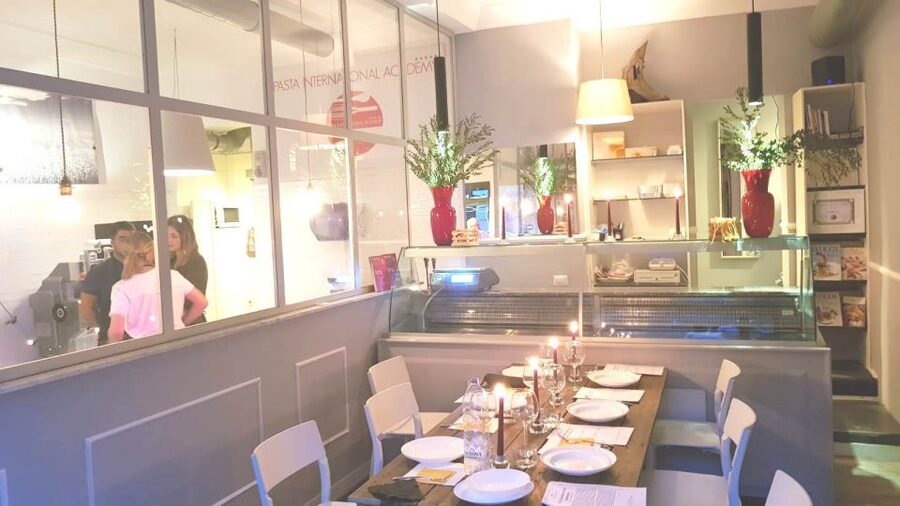
This class doesn’t end with a take-home box. You cook and then you eat together.
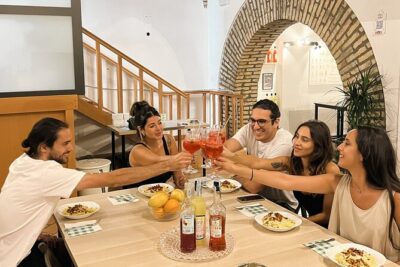
You’ll taste all of the pasta and sauces you’ve made while sipping Italian wine, with wine and water included. That sit-down meal is a key part of why this workshop is worth your evening time. It’s also how you confirm that your dough decisions and shaping choices worked.
A few practical benefits for you:
- You’ll compare textures in one sitting (fresh pasta, filled pasta, and vegan/egg-free pasta).
- You’ll taste Roman sauces in context with fresh dough.
- You’ll get time to ask questions while everyone is seated.
Some participants also mention music and a comfortable room setup, which is a nice bonus when you’re working hands-on for a full stretch. The main point remains: you’re not rushing out the door right after cooking.
Gluten-free pasta and vegan-friendly technique in the same session
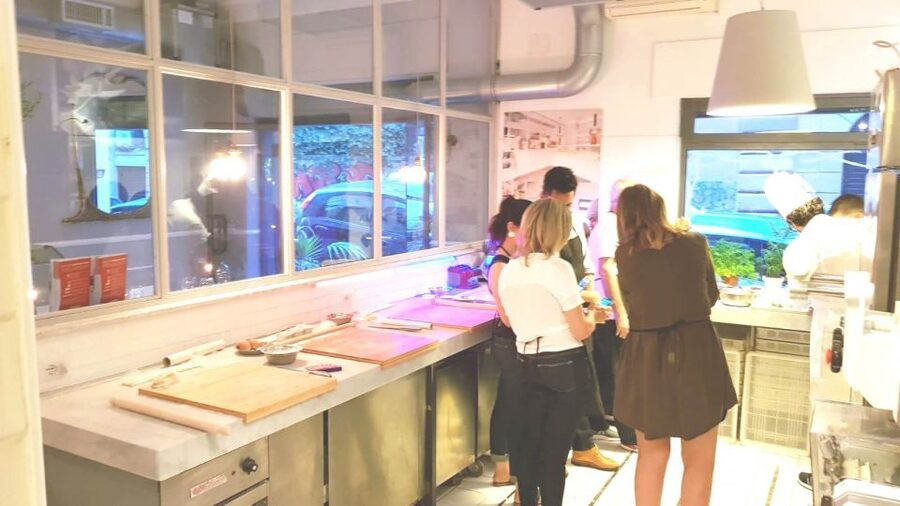
If you’re gluten-free, this class is designed for you, not adapted after the fact. Gluten-free participants are noted as making tasty gluten-free pasta. That matters because gluten-free pasta dough handling is different. If someone simply substitutes flour without teaching the right method, the results can be disappointing.
You’ll also have an egg-free vegan pasta included. That’s another useful learning angle. It shows how ingredients affect elasticity and how the dough behaves when you shape it.
What I like about this approach is the implied takeaway: dough isn’t one-size-fits-all. Whether you’re working with buckwheat flour or avoiding egg, you learn how the process changes rather than memorizing one rigid recipe.
The Thursday gnocchi option with fresh potatoes
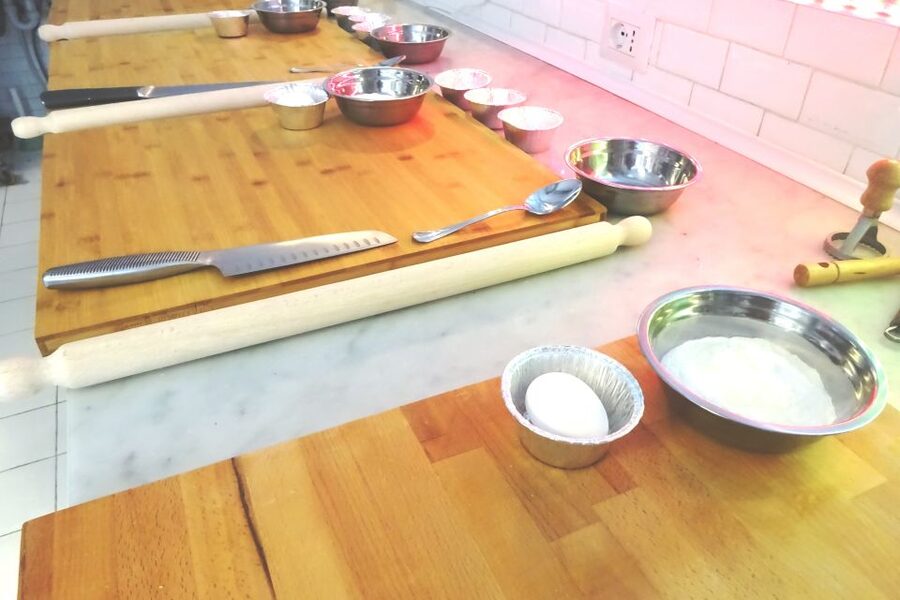
There’s a weekly twist: on Thursdays, the class includes homemade Italian gnocchi made with fresh potatoes.
One participant noted that the Thursday gnocchi can feel more like a quicker demo than as much hands-on feedback as the other pasta elements. That doesn’t make it bad—it just means your expectations should be realistic. If gnocchi is the main reason you booked, consider asking what the hands-on portion looks like for your specific day. If you’re mainly here for ravioli and sauce techniques, Thursday can still be a fun extra.
Price and value for a 3-hour Rome pasta lab class
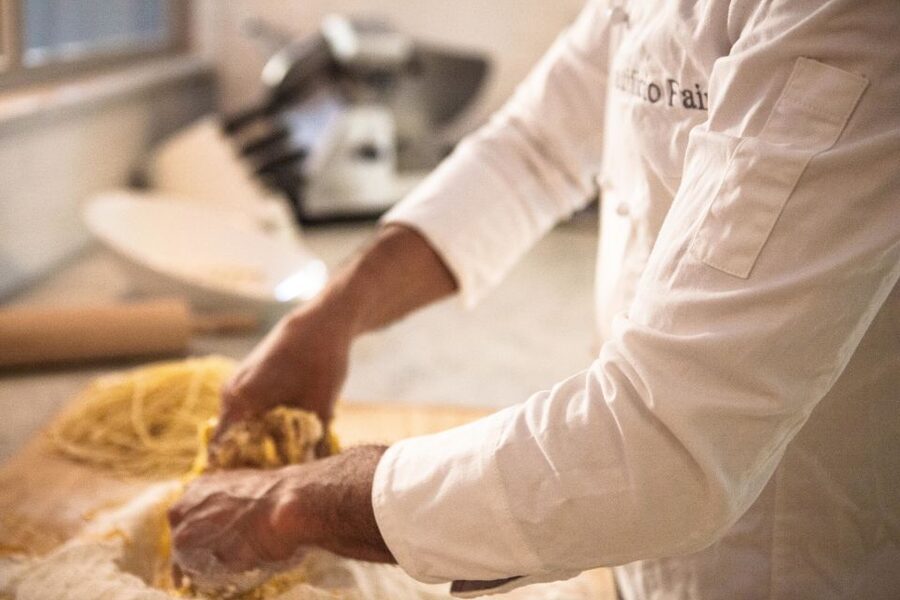
The price is $66.84 per person for about 3 hours. Is it cheap? No. But for Rome, it’s easier to justify than many cooking classes because you’re paying for three big things:
1) A real pastificio environment
You’re learning inside Pastificio Faini, not in a generic classroom kitchen.
2) Multiple pasta components plus wine
You make thin sheets, ravioli (multiple types), and learn Roman sauces like carbonara/cacio e pepe/gricia. Wine and water are included, and you taste what you made.
3) Small-group coaching
With a limit to 9 per class, you get help while the dough is workable. That kind of coaching is hard to replicate at home on your own.
If you want value in the practical sense—something you can take home and cook again—this class is aimed at that. You leave with recipes and a technique foundation, not just an edible souvenir.
Who should book this class in Rome
This is a great fit if:
- you love pasta and want to learn real technique, not just sample Italian food
- you want to cook with a small group and get hands-on guidance
- you care about gluten-free options and want proper method instruction
- you don’t want to rely on specialty machinery at home
It might be less ideal if:
- you prefer a mostly seated experience
- you’re very sensitive to kitchen pacing and prefer slower, more relaxed classes
- you don’t enjoy repetitive hand skills like rolling and sealing dough
Also note: pets aren’t allowed.
Should you book Rome Pasta Cooking Class at Pastificio Faini?
My call: if you’re the type who wants to understand pasta, this is a smart booking. The professional lab setting, small group size, and the fact that you eat what you make are the three ingredients that make the experience feel complete.
Book it if you can spare 3 hours and you’re excited to get your hands involved with dough, ravioli, and Roman sauces. Skip it if you’re only looking for a quick taste of Italian food with minimal cooking. For the rest of you—especially if gluten-free is part of your plan—this is one of those Rome experiences that gives you skills, not just a meal.
FAQ
How long is the Rome pasta cooking class?
The class lasts about 3 hours.
Where is the meeting point?
Meet at Pastificio Faini, 13 Via dei Latini, Roma 00185. The activity ends back at the meeting point.
How many people are in the class?
It’s a small group limited to 9 participants per class (with a maximum of 10).
What languages are offered?
The instructor teaches in English and Italian.
Is gluten-free pasta available?
Yes. Gluten-free participants make their own gluten-free pasta during the class.
Is there a vegan option?
Yes. The class includes one type of pasta made without egg (vegan).
What pasta and sauces will I make and taste?
You’ll make thin sheets of dough, discover three types of ravioli, and work with a typical Roman sauce such as carbonara, cacio e pepe, or gricia. You’ll also taste what you make with wine.
Is wine included?
Yes. Wine and water are included, and you’ll taste your pasta and sauces with Italian wine.
Do I need cooking experience?
No specific professional skills are needed. You just need a love for pasta and you’ll be taught step by step.
Can I get a refund if plans change?
You can cancel up to 24 hours in advance for a full refund.
If you want, tell me your travel dates and whether you need gluten-free or egg-free. I can help you decide if a Thursday booking makes sense for your interests.
More Cooking Classes in Rome
- 3 in 1 Cooking Class near Navona: Fettuccine, Ravioli & Tiramisu
★ 5.0 · 7,376 reviews - Rome: Pasta Making Class with Wine, Limoncello, and Dessert
★ 4.9 · 3,177 reviews - Rome Cooking Class: Make Pasta and 3 Spritz Cocktails
★ 5.0 · 2,937 reviews - Rome: 3-in-1 Fettuccine, Ravioli, and Tiramisu Cooking Class
★ 4.9 · 2,704 reviews - Rome: Fettuccine Pasta Cooking Class in Rome’s City Center
★ 4.8 · 2,414 reviews - Fettuccine & Tiramisù: Cooking Class with Wine & Limoncello
★ 4.9 · 2,103 reviews
More Tour Reviews in Rome
- Vatican Museums, Sistine Chapel & St. Peter’s Basilica Tour
★ 4.3 · 73,970 reviews - Vatican Museums, Sistine Chapel & St Peter’s Basilica Guided Tour
★ 4.5 · 39,149 reviews - Rome: Colosseum, Palatine Hill and Roman Forum Guided Tour
★ 4.8 · 32,814 reviews - Rome: Guided Tour of Colosseum, Roman Forum & Palatine Hill
★ 4.7 · 27,897 reviews - Rome: Colosseum & Forum with Audio Guide App -Optional Arena
★ 4.2 · 24,770 reviews - Rome: Colosseum, Roman Forum and Palatine Hill Guided Tour
★ 4.5 · 23,903 reviews
Learn Another Roman Dish
- 3 in 1 Cooking Class near Navona: Fettuccine, Ravioli & Tiramisu
★ 5.0 · 7,376 reviews - Rome: Pasta & Tiramisu Class with Fine Wine by the Vatican
★ 4.9 · 4,852 reviews - Rome: Pasta Making Class with Wine, Limoncello, and Dessert
★ 4.9 · 3,177 reviews - Rome Cooking Class: Make Pasta and 3 Spritz Cocktails
★ 5.0 · 2,937 reviews - Rome: 3-in-1 Fettuccine, Ravioli, and Tiramisu Cooking Class
★ 4.9 · 2,704 reviews - Rome: Fettuccine Pasta Cooking Class in Rome’s City Center
★ 4.8 · 2,414 reviews
Just added to our Rome reviews





Rome Cooking Classes, compared.
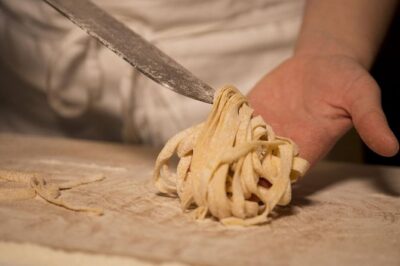 ★ 5.03 in 1 Cooking Class near Navona: Fettuccine, Ravioli & TiramisuFrom $837,376 reviews
 ★ 4.9Pasta & Tiramisu Class with Fine Wine by the VaticanFrom $414,852 reviews
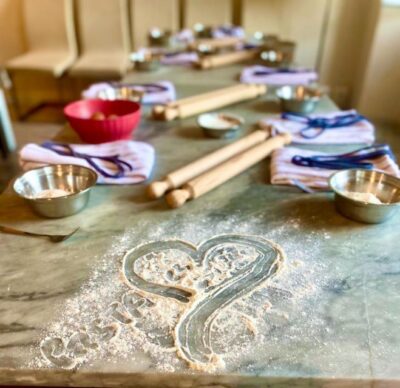 ★ 4.9Pasta Making Class with Wine, Limoncello, and DessertFrom $483,177 reviews
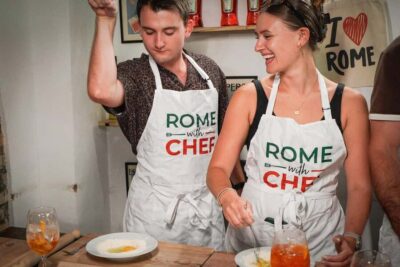 ★ 5.0Rome Cooking Class: Make Pasta and 3 Spritz CocktailsFrom $992,937 reviews
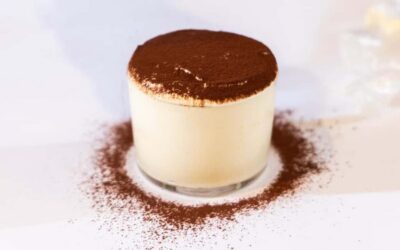 ★ 4.93-in-1 Fettuccine, Ravioli, and Tiramisu Cooking ClassFrom $812,704 reviews
 ★ 4.8Fettuccine Pasta Cooking Class in Rome’s City CenterFrom $462,414 reviews
 ★ 5.0Learn to Make Pasta & Tiramisu with Wine and Limoncello IncludedFrom $542,345 reviews
 ★ 5.0Become a Masterchef in Rome: Pasta, Ravioli and Tiramisù ClassFrom $472,156 reviews
Browse the lists this tour appears in