
Reviewed · ROME COOKING CLASSES
Rome: Pasta Cooking Class, Dinner & Wine in Authentic Restaurant
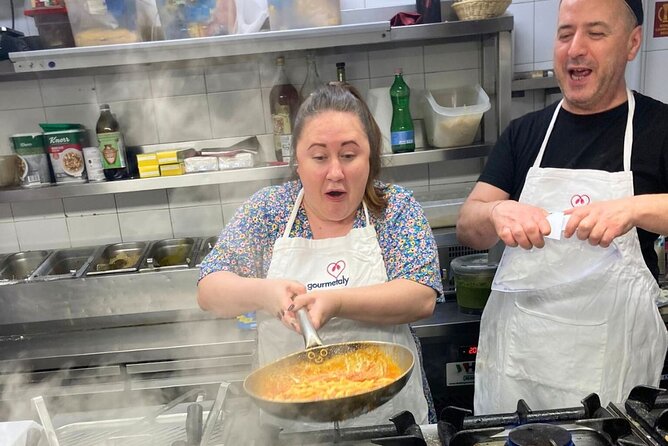
You can taste Rome’s pasta secrets without doing homework first. This is a hands-on evening class in the Jewish Ghetto, with Chef Gabriele guiding you through Roman staples like cacio e pepe and amatriciana.
I also love how the group stays tiny, so you get real coaching while you’re rolling and cooking, not just watching.
One thing to factor in: this is not a kosher experience, and the menu includes items with common allergens like gluten (so it is not recommended for gluten allergies).
In This Review
- Key Things I’d Bet On
- Where Piazza Mattei Sets the Mood for Roman Food
- Inside an Ancient Room: The Class Energy Is the Point
- The Starter Game: Fried Artichokes or Zucchini Flowers
- The Main Course Lessons: Cacio e Pepe and Amatriciana
- Cacio e Pepe
- Amatriciana
- Tonnarelli All’Arrabbiata: The Extra Pasta You’ll Taste
- The Real Skill Test: Your Pasta Under Chef Supervision
- Dessert and the Jewish Ghetto Sweet Spot: Ricotta and Visciole
- Wine, Water, and How the Meal Becomes a Night Out
- Small Group Size: Why It Matters More Than You’d Think
- Vegans, Vegetarians, Kids: Who This Works Best For
- Allergies and Food Reality Checks (Read This Part Carefully)
- Price and Value: What $104.25 Actually Buys You
- What You Leave With: More Than Recipes
- Should You Book This Roman Pasta Class?
- FAQ
- What’s included in the meal?
- How big is the group?
- Is this class suitable for kids?
- Can vegans or vegetarians join?
- Is the experience kosher?
- Is it safe if I have a gluten allergy?
Key Things I’d Bet On
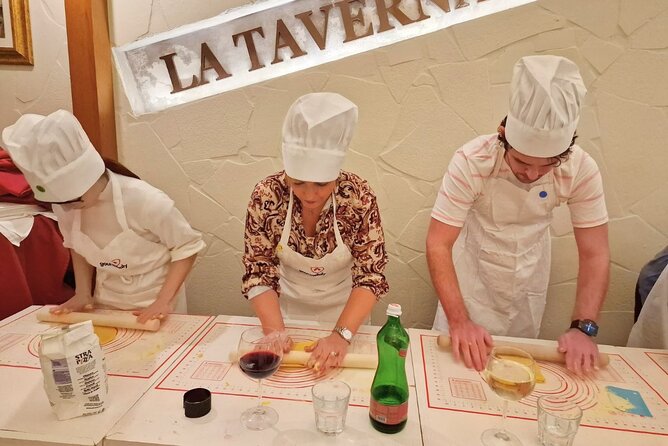
- Tiny class size (max 10) means you actually get hands-on help instead of elbow-to-elbow chaos.
- Chef-led pasta from scratch teaches the how, not just the what, so you can repeat the results at home.
- Two sauce skills plus a pasta challenge: cacio e pepe and amatriciana, then cooking your own pasta under supervision.
- Fried specialties built around the season (zucchini flowers in summer or artichokes in winter).
- Free-flowing wine and water during the class, plus dessert: ricotta and black sour cherry cake.
- Jewish Ghetto food storytelling from your guide, with context on legends and local flavors (food here is shaped by the district).
Where Piazza Mattei Sets the Mood for Roman Food
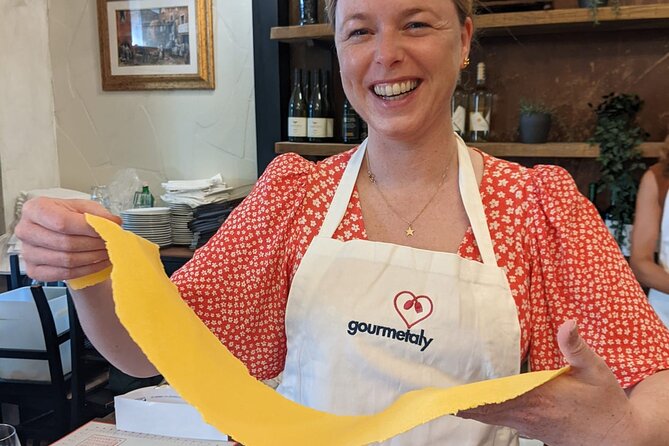
You meet at Via del Portico d’Ottavia, 8, right near Piazza Mattei, in Rome’s Jewish Ghetto. That area works on two levels: it’s scenic, but it’s also meaningful. Your guide sticks with you, translating between you and the chef, and adding food history and local legends as the night goes on.
If you like tours where the food has a place and a reason, this is the kind of evening that clicks. The class isn’t just about learning recipes. It’s also about learning why these dishes make sense in Rome, and why this neighborhood’s food culture is distinctive.
One practical tip: since you’re meeting in a central neighborhood with public transport nearby, you can build an easy plan around it. Pair it with an early dinner elsewhere before class, or do a slower afternoon and treat this as your main meal.
More aprons-on time in a Roman kitchen
- 3 in 1 Cooking Class near Navona: Fettuccine, Ravioli & Tiramisu
★ 5.0 · 7,376 reviews - Rome: Pasta & Tiramisu Class with Fine Wine by the Vatican
★ 4.9 · 4,852 reviews - Rome: Pasta Making Class with Wine, Limoncello, and Dessert
★ 4.9 · 3,177 reviews - Rome Cooking Class: Make Pasta and 3 Spritz Cocktails
★ 5.0 · 2,937 reviews
Inside an Ancient Room: The Class Energy Is the Point
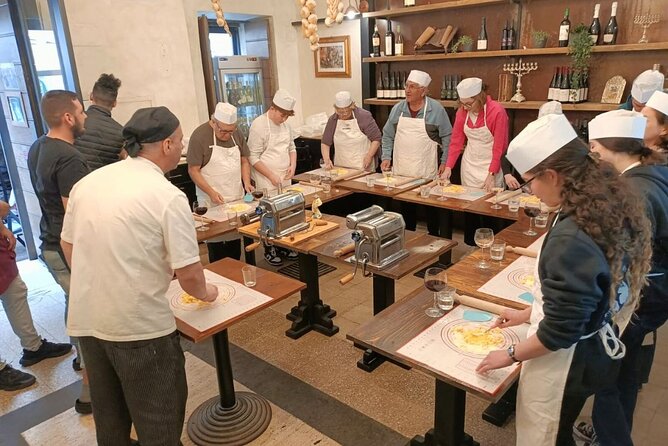
The cooking happens in an ancient eatery inside a 12th-century edifice. In other words, you’re not stuck in a generic classroom kitchen. The setting feels like Rome—older stone, real atmosphere, and a rhythm that matches the food.
The chef is the star, with your host guiding the language and keeping the group moving. In the feedback, Chef Gabriele comes up again and again for being engaging and funny, and that matters. When your chef is relaxed, you don’t feel rushed, even if you’ve never rolled fresh pasta before.
Also, this is built for real participation:
- You clean and prep seasonal vegetables for frying.
- You learn two sauces from fresh ingredients.
- You cook pasta yourself with the chef watching you.
That hands-on format is the difference between a cooking demo and an experience that actually changes what you can cook later.
And yes, wine is part of the flow. You get wine and water served along the class, so it feels like dinner preparation that turns into dinner.
The Starter Game: Fried Artichokes or Zucchini Flowers
Your appetizer is called Fritto Romano and it’s seasonal. In summer, you’ll see stuffed zucchini flowers with mozzarella and anchovie. In winter, it’s fried artichoke.
This is one of my favorite parts to watch—and to eat—because it’s very Roman in spirit: vegetable, stuffed or shaped, then fried and served as a snack that keeps you going while you wait for the pasta part.
If you’re vegetarian or vegan, the experience is designed to accommodate you. The broader program also includes vegan-friendly and vegetarian-friendly options, which is a big deal if you’re traveling with dietary limits. Still, double-check your needs early if you have serious restrictions. The cooking studio notes that allergens like milk, eggs, soya, mustard, nuts, and gluten can be present.
The Main Course Lessons: Cacio e Pepe and Amatriciana
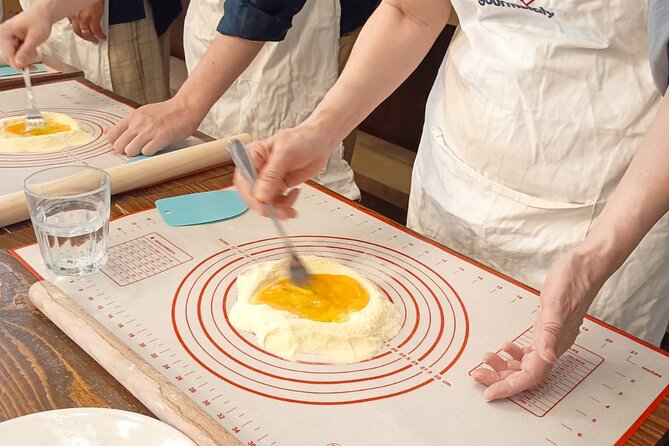
The class centers on traditional Roman sauces, and the two you’ll learn are classics for a reason.
Worth a look next to this Rome booking:
Cacio e Pepe
This one is simple in ingredients and tricky in technique. It’s pecorino romano cheese plus black pepper. The key is getting the texture right—creamy without turning grainy—and learning when to handle the cheese and pasta water so the sauce clings properly.
Amatriciana
This is another Roman favorite: pecorino romano, guanciale, and tomato sauce. If you eat pork, you’ll probably feel like you’re tasting Rome in one bite. If you don’t, your guide can steer you toward an appropriate option during the class, and the program also offers vegetarian pasta options designed with no-pork eaters in mind.
What I like about having both sauces is that you learn two different sauce styles: one cheese-forward and peppery, one deeper and tomato-based.
Tonnarelli All’Arrabbiata: The Extra Pasta You’ll Taste
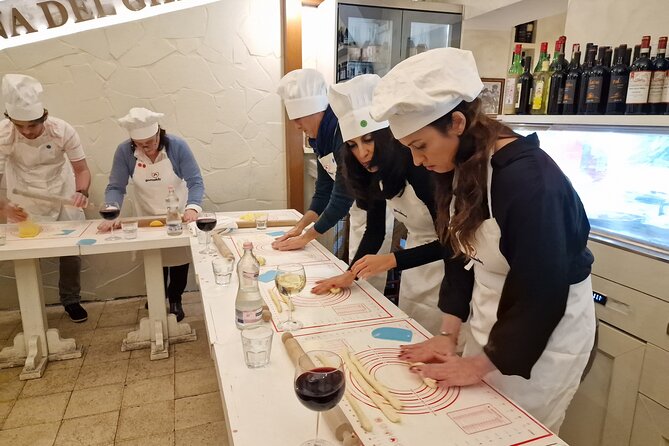
You’ll also have tonnarelli all’arrabbiata in the mix. The version for no-pork eaters includes a vegetarian sauce of tomato, chili, and parsley.
Tonnarelli is a classic shape for Roman cooking, and arrabbiata gives you that welcome heat. It’s a nice palate shift after the cheese sauce and the tomato-and-meat sauce. Even if you don’t cook every component perfectly on your first try, you’ll leave understanding how Rome balances heat, cheese, and tomato.
The Real Skill Test: Your Pasta Under Chef Supervision
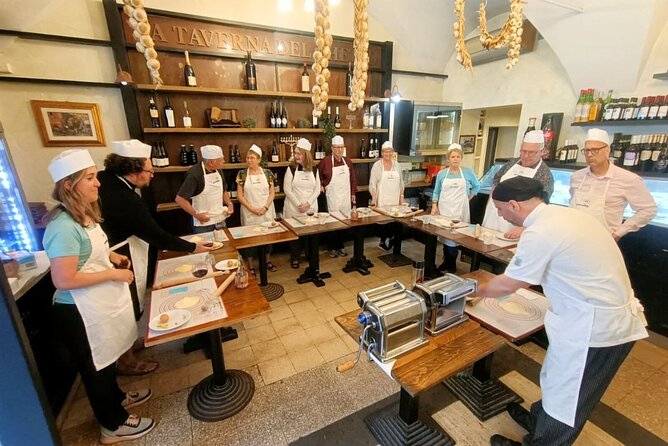
This class isn’t only about watching. After you learn the sauces, you get a chance to cook a perfect pasta yourself, under the chef’s supervision.
That moment is where the value lives. You’re not just collecting recipes; you’re building muscle memory:
- how you portion and combine
- how you time steps
- how you adjust texture and seasoning
- how the sauce should look when it’s right
And because the class is limited to 10 participants, your chef and host can actually guide you instead of speaking from across the room.
Dessert and the Jewish Ghetto Sweet Spot: Ricotta and Visciole
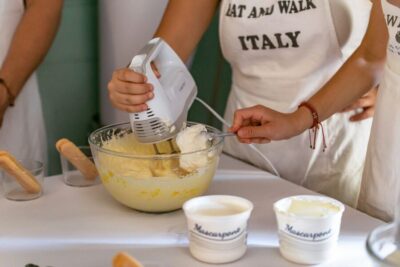
You finish with dessert, and it’s not an afterthought. You’ll taste the chef’s famous ricotta cheesecake with black sour cherry jam: Torta di ricotta e visciole. This cake is also described as one of the most famous Roman Jewish cakes, which ties the food back to the neighborhood story your guide shares.
In practice, it works as a sweet capstone after a savory meal plus wine. And it’s included in the same “this is dinner” package, so you’re not paying extra to feel full.
Wine, Water, and How the Meal Becomes a Night Out
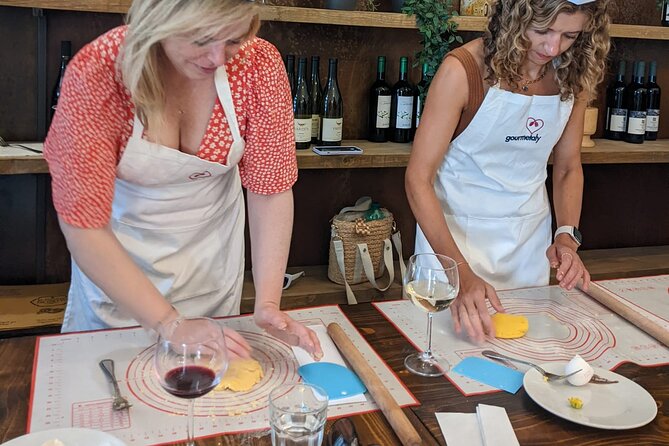
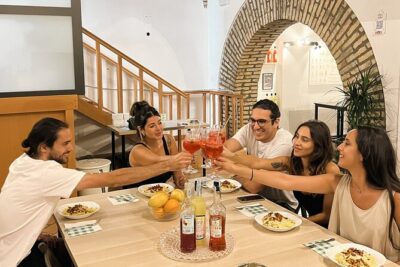
Wine and water are served all along the class, so the pace naturally feels like an evening meal. You’ll still be cooking, but the mood stays social, not stiff.
In several pieces of feedback, people mention the fun energy around the table, including singing. That doesn’t mean it’s a formal performance, but it does suggest the chef brings personality into the room, and that keeps the class from feeling like a chore.
Small Group Size: Why It Matters More Than You’d Think
A max group of 10 travelers changes the experience fast.
Here’s what you gain:
- More personal attention while you cook (not just while you listen).
- Faster help if you get stuck rolling pasta or handling sauce consistency.
- A better chance to ask questions through your host, who translates and adds context.
In the feedback, guides by name show up often, like Lisa, Daniela, Anastasia, Benedetta, and Eleanor. What that tells me is that the host role is central here, not optional. Your host isn’t just translating words. They’re also keeping the history and food legends clear while you’re busy in the kitchen.
Vegans, Vegetarians, Kids: Who This Works Best For
This is suitable for everyone, and the workshop can accommodate vegans and vegetarians. Kids are welcome too, which makes it a solid pick for families who want a real meal that doesn’t involve searching for restaurant options that will work for everyone.
That said, this is still a cooking class with cooking tasks. If your kids are younger and you’re worried about hands-on time, you’ll want to gauge their patience with prep and cooking. The good news is that the program provides equipment and structured steps, so it’s not chaos.
One more important note: the restaurant and food provided is not kosher. If that matters to your family or faith practice, plan accordingly.
Allergies and Food Reality Checks (Read This Part Carefully)
The experience notes that allergens may be present in tastings, including milk, eggs, soya, mustard, nuts, and gluten. It also says it’s not recommended for allergic to gluten.
If you have a severe allergy, don’t assume substitutions will fully eliminate risk. You’re responsible for your health conditions, and the provider can’t guarantee special food requirements beyond what’s described.
If you’re avoiding pork, you can still participate. The program includes vegetarian pasta sauce options with tomato, chili, and parsley for no-pork eaters, but always speak up through your host so your plate matches your needs.
Price and Value: What $104.25 Actually Buys You
At $104.25 per person for about 2 hours 30 minutes, this isn’t the cheapest thing you can do in Rome. But it’s also not a stripped-down activity.
You’re paying for:
- homemade pasta work from scratch
- ingredients and kitchen equipment provided
- two Roman sauces and a pasta you’ll taste
- a seasonal fried starter
- wine and water served during the class
- dessert (ricotta and visciole cake)
- a 100% cotton apron as a souvenir
- a free cookbook and best restaurants guides
Also, remember the group cap. With only 10 participants, you’re getting more attention than many larger classes can offer.
If you compare it to the cost of a dinner plus a serious cooking workshop, it starts looking like a fair deal for a full meal experience.
What You Leave With: More Than Recipes
Beyond the food, you’ll get:
- a cotton apron you can use later as a reminder
- a free cookbook (so you can recreate at home)
- best restaurants guides
The real win, though, is technique. Roman pasta sauces are often about timing and texture. If you learn how cacio e pepe comes together and how amatriciana sauce behaves, you can level up your home cooking fast.
And if you enjoyed the neighborhood story, you’ll likely find yourself looking at the Jewish Ghetto with a different eye afterward—food becomes part of the geography.
Should You Book This Roman Pasta Class?
Book it if you want a small-group cooking night with real teaching time, Roman specialties, and a full meal baked into the price. It’s especially good for first-timers who want guidance, and for families who want something more memorable than a standard dinner.
Skip it or think twice if:
- gluten allergies are a concern (it’s not recommended)
- you need kosher-only food (this is not kosher)
- you want a super quiet, formal class (this one is more lively, with wine and chef personality)
If you’re deciding between a basic cooking demo and a hands-on meal with a chef and local food context, this is the version that gives you something to take home—on your plate, in your photos, and in the way you cook later.
FAQ
What’s included in the meal?
The class includes a fresh homemade pasta meal, a seasonal fried starter, and ricotta and visciole tart. Wine and water are served during the class, and dessert is included.
How big is the group?
The experience has a maximum of 10 travelers.
Is this class suitable for kids?
Kids are welcome.
Can vegans or vegetarians join?
Yes. The workshop can accommodate vegans and vegetarians, and there are vegetarian pasta options for no-pork eaters.
Is the experience kosher?
No. The restaurant and food provided are not kosher.
Is it safe if I have a gluten allergy?
It is not recommended for allergic to gluten. Also, common allergens like milk, eggs, soya, mustard, nuts, and gluten can be present in tastings.
More Cooking Classes in Rome
- 3 in 1 Cooking Class near Navona: Fettuccine, Ravioli & Tiramisu
★ 5.0 · 7,376 reviews - Rome: Pasta Making Class with Wine, Limoncello, and Dessert
★ 4.9 · 3,177 reviews - Rome Cooking Class: Make Pasta and 3 Spritz Cocktails
★ 5.0 · 2,937 reviews - Rome: 3-in-1 Fettuccine, Ravioli, and Tiramisu Cooking Class
★ 4.9 · 2,704 reviews - Rome: Fettuccine Pasta Cooking Class in Rome’s City Center
★ 4.8 · 2,414 reviews - Fettuccine & Tiramisù: Cooking Class with Wine & Limoncello
★ 4.9 · 2,103 reviews
More Tour Reviews in Rome
- Vatican Museums, Sistine Chapel & St. Peter’s Basilica Tour
★ 4.3 · 73,970 reviews - Vatican Museums, Sistine Chapel & St Peter’s Basilica Guided Tour
★ 4.5 · 39,149 reviews - Rome: Colosseum, Palatine Hill and Roman Forum Guided Tour
★ 4.8 · 32,814 reviews - Rome: Guided Tour of Colosseum, Roman Forum & Palatine Hill
★ 4.7 · 27,897 reviews - Rome: Colosseum & Forum with Audio Guide App -Optional Arena
★ 4.2 · 24,770 reviews - Rome: Colosseum, Roman Forum and Palatine Hill Guided Tour
★ 4.5 · 23,903 reviews
Learn Another Roman Dish
- 3 in 1 Cooking Class near Navona: Fettuccine, Ravioli & Tiramisu
★ 5.0 · 7,376 reviews - Rome: Pasta & Tiramisu Class with Fine Wine by the Vatican
★ 4.9 · 4,852 reviews - Rome: Pasta Making Class with Wine, Limoncello, and Dessert
★ 4.9 · 3,177 reviews - Rome Cooking Class: Make Pasta and 3 Spritz Cocktails
★ 5.0 · 2,937 reviews - Rome: 3-in-1 Fettuccine, Ravioli, and Tiramisu Cooking Class
★ 4.9 · 2,704 reviews - Rome: Fettuccine Pasta Cooking Class in Rome’s City Center
★ 4.8 · 2,414 reviews
Just added to our Rome reviews





Rome Cooking Classes, compared.
 ★ 5.03 in 1 Cooking Class near Navona: Fettuccine, Ravioli & TiramisuFrom $837,376 reviews
 ★ 4.9Pasta & Tiramisu Class with Fine Wine by the VaticanFrom $414,852 reviews
 ★ 4.9Pasta Making Class with Wine, Limoncello, and DessertFrom $483,177 reviews
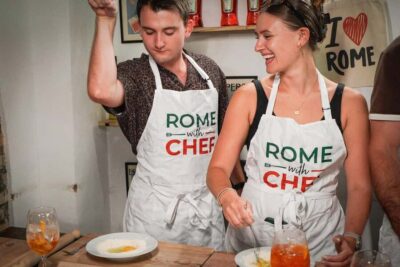 ★ 5.0Rome Cooking Class: Make Pasta and 3 Spritz CocktailsFrom $992,937 reviews
 ★ 4.93-in-1 Fettuccine, Ravioli, and Tiramisu Cooking ClassFrom $812,704 reviews
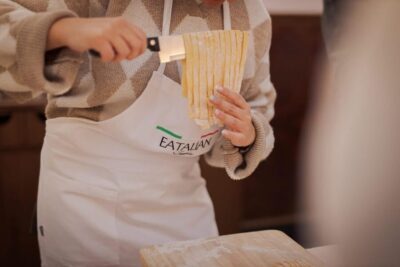 ★ 4.8Fettuccine Pasta Cooking Class in Rome’s City CenterFrom $462,414 reviews
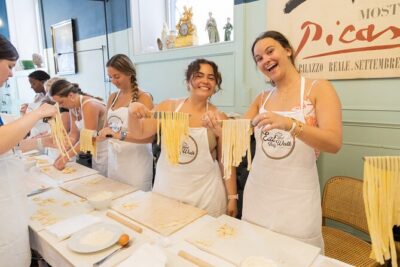 ★ 5.0Learn to Make Pasta & Tiramisu with Wine and Limoncello IncludedFrom $542,345 reviews
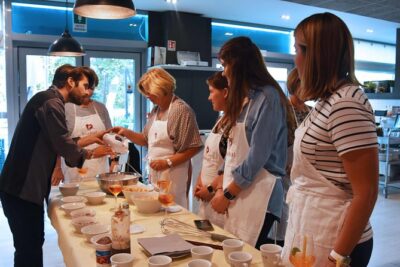 ★ 5.0Become a Masterchef in Rome: Pasta, Ravioli and Tiramisù ClassFrom $472,156 reviews
Browse the lists this tour appears in