
Reviewed · VATICAN MUSEUMS TOURS
Rome: Neapolitan Pizza Cooking Class in Front of the Vatican
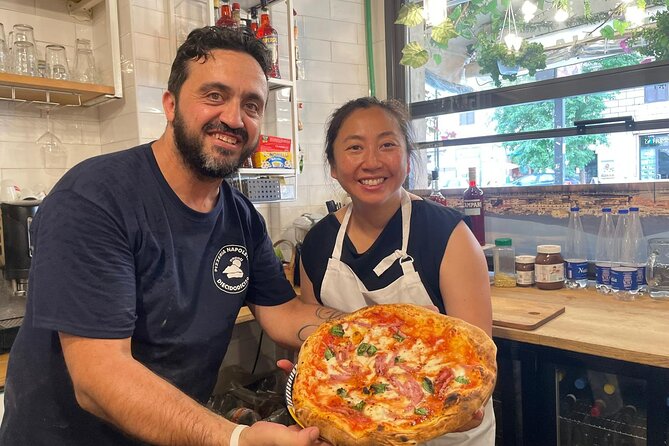
Pizza and the Vatican shouldn’t work. And yet, this hands-on Neapolitan pizza class turns a prime Rome spot near the Vatican into a fun lesson with expert pizzaiolos and a real wood-fired bake. You’re not watching from a bench here.
I especially like that you get real technique time, including dough shaping and toss practice—more than once for some people—and the staff actually answers detailed questions. Hosts like Elisa (and guides such as Andrea) also take plenty of photos while they explain things clearly, from fermentation questions to ingredient choices.
One thing to keep in mind: the Vatican part can be more “right nearby” than a postcard-perfect view from every angle, and the class length may feel shorter than the 1-hour label for some schedules. Still, the hands-on cooking and end-of-class meal are the core value.
In This Review
- Key Highlights Worth Knowing
- Rome Neapolitan Pizza by the Vatican: Why This Class Feels Different
- The “Vatican-front” promise, and how to think about it
- Meeting at Pizzeria Dieci Dodici e 50: Location That Saves You Time
- A smart way to plan your day
- The Dough Lesson: Rolling, Shaping, and Tossing Neapolitan-Style
- What I like about the coaching approach
- Kids and first-timers: expect an active role
- Toppings and Sauce: Using Fresh Ingredients the Right Way
- A practical takeaway for cooking at home
- Baking in a Wood-Fired Oven: The Part That Makes It Real
- What you should expect your pizza to be like
- Eating Your Pizza with Wine: A Simple Meal With Real Pride
- A value point that’s easy to miss
- Languages and Help on the Spot: Italian, English, French
- Photo Moments and Hosting Style: Elisa and the Team
- Price and Value: Is $63 Worth It?
- Timing note
- Who This Is For (and Who Might Want Something Else)
- Should You Book This Neapolitan Pizza Class by the Vatican?
- FAQ
- How long is the Neapolitan pizza cooking class?
- Where is the meeting point?
- What is included in the class?
- How much does it cost?
- What languages are available during the class?
- Is there free cancellation?
- Can I reserve now and pay later?
Key Highlights Worth Knowing
- Wood-fired oven pizza: you bake your own Neapolitan-style pie, not just assemble toppings
- Real dough practice: rolling, shaping, and even toss attempts (often twice)
- Vatican-area location: meet steps from major sightseeing, with easy metro access
- Elisa and team coaching: questions are welcome, including fermentation and ingredient details
- Lots of photos: the guide takes pictures throughout the class
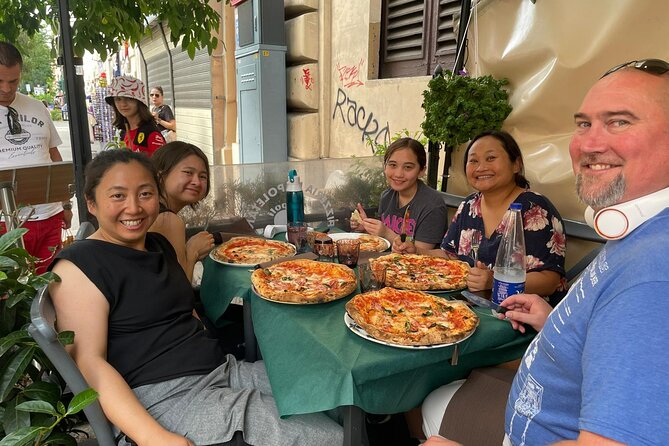
- Eat outside after baking: your work becomes lunch or dinner on the spot, with wine included
Rome Neapolitan Pizza by the Vatican: Why This Class Feels Different
If you’ve done Rome cooking experiences before, you may have noticed a pattern: lots of bread, some “topping,” and then you’re mostly a spectator. This one is built differently. It’s Neapolitan pizza through real technique, using a wood-fired oven, in a location that’s close enough to make the Vatican feel like part of the evening story.
This is a practical class for people who want to leave with more than a nice meal. You learn how the dough behaves, how shaping affects the bake, and what to focus on when you’re working with traditional Neapolitan ingredients. That matters, because pizza at home usually fails for the same reasons: dough handling, fermentation timing, and oven heat.
Other ways through the Vatican Museums
- Vatican Museums, Sistine Chapel & St. Peter’s Basilica Tour
★ 4.3 · 73,970 reviews - Vatican Museums, Sistine Chapel & St Peter’s Basilica Guided Tour
★ 4.5 · 39,149 reviews - Rome: Vatican Museums, Sistine Chapel and Basilica Tour
★ 4.3 · 16,039 reviews - Vatican Museums & Sistine Chapel Skip-the-Line Entry Ticket
★ 4.4 · 13,838 reviews
The “Vatican-front” promise, and how to think about it
The experience is marketed with a Vatican backdrop, and the meeting point is right in the Vatican area. One useful way to think about it: expect the class to be tied to the Vatican neighborhood. For anyone who’s picturing an uninterrupted view while you cook, it may not look like that from every exact spot. The upside is location convenience—easy to pair with a Vatican visit without burning time traveling across Rome.
Meeting at Pizzeria Dieci Dodici e 50: Location That Saves You Time
You meet at Pizzeria Dieci Dodici e 50, in front of the Vatican area. If you’re planning a Rome day that already includes major sights, this is the kind of logistics that helps: you’re not crossing half the city to find a cooking school.
The meeting area is also described as centrally situated with the nearby Ottaviano metro station making arrival simpler. In real-world terms, that means fewer “how do we get there” headaches, especially if you’re stacking it after a museum visit.
A smart way to plan your day
I’d aim to do this after your Vatican time, not before. Pizza classes go best when you’re not rushing, and after sightseeing you’ll appreciate the reset: hands working dough, a warm oven, and a sit-down meal at the end. If you’re traveling with kids, this timing is even more helpful since the activity itself stays active and upbeat.
More aprons-on time in a Roman kitchen

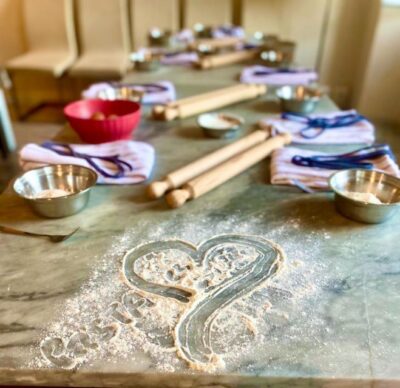
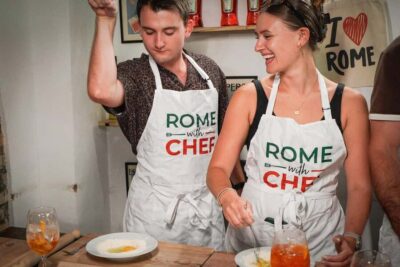
The Dough Lesson: Rolling, Shaping, and Tossing Neapolitan-Style
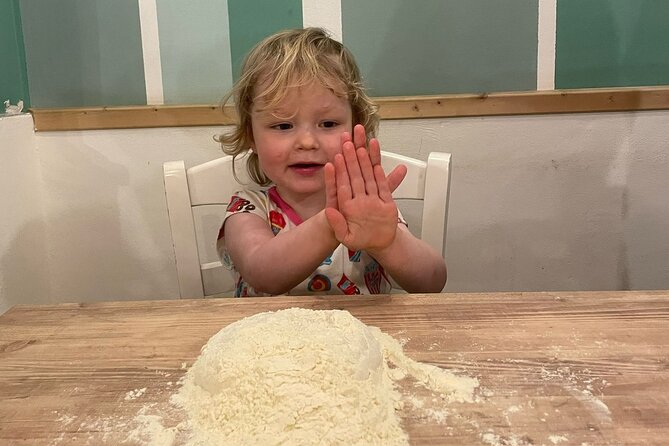
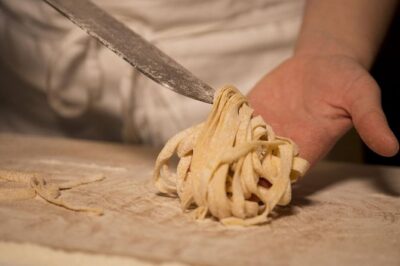
The heart of the class is the dough. That’s what makes a Neapolitan pizza different, and it’s what you’ll be talking about later when you try to recreate the experience.
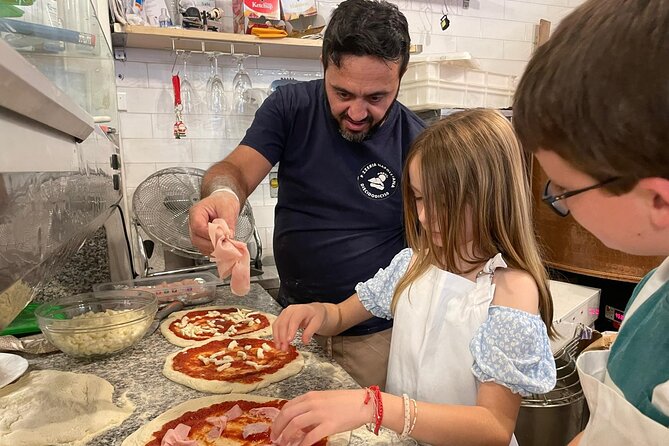
You can expect step-by-step coaching on how to handle the dough and how to shape it. Many participants highlight that they got to roll out and shape or toss the dough, and some even practiced more than once. That repeat matters. The first attempt is about learning movement; the second is about control.
What I like about the coaching approach
The staff doesn’t just say do this and move on. People describe time spent answering technical questions, including fermentation process details and what’s used for produce. If you’re the type who wants to understand why dough acts a certain way—good for you—this is where the class earns its keep.
If you’re nervous and new to cooking, you’ll probably also like the tone. Descriptions of the guides focus on putting people at ease and making the steps feel manageable, even for first-timers.
Kids and first-timers: expect an active role
Families mention that kids were involved through the process, including younger children. The class structure is hands-on enough that it doesn’t turn into a long waiting game. If you’re bringing an 8-year-old (or younger), this is the sort of activity where they can feel like they’re genuinely participating, not just being watched.
Toppings and Sauce: Using Fresh Ingredients the Right Way
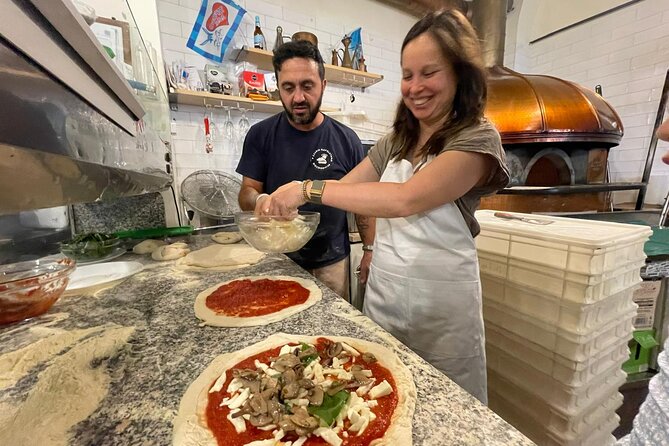
After the dough work, you add toppings—typically tomato and mozzarella—before baking. This part matters more than it sounds. Neapolitan pizza depends on balance: you want flavor that supports the dough and doesn’t drown it.
The class includes fresh, high-quality ingredients, described from fine flour to fresh tomatoes and mozzarella. That’s an important detail because many pizza toppings in tourist settings are prepped for convenience rather than authenticity. Here, the ingredient quality is presented as part of the lesson, not just the meal.
A practical takeaway for cooking at home
Even if your home oven can’t match wood-fired heat, you can copy the priorities: dough handling first, then restrained topping choices. The staff’s explanations, including ingredient selection, are the kind of guidance that helps you avoid the most common at-home mistakes—too much sauce, too much topping, and dough that wasn’t handled with enough care.
Baking in a Wood-Fired Oven: The Part That Makes It Real
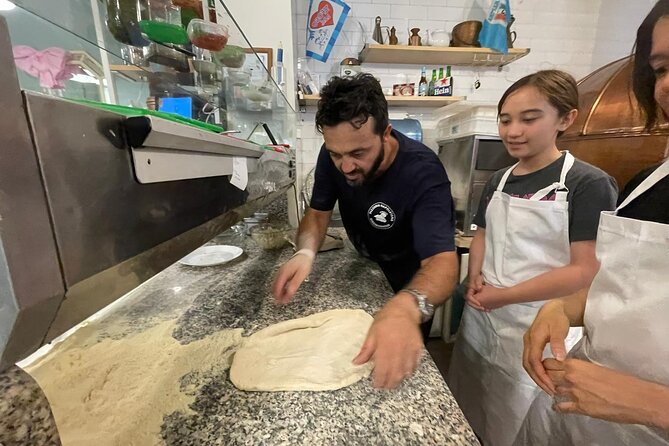
The class culminates with baking your pizza in a wood-fired oven. This is where the experience shifts from cooking class to cooking story. The heat level and the quick bake time are a big part of why Neapolitan pizza exists as a recognizable style.
Some participants mention getting to take the pizza out of the oven, which is a fun moment and also helps you understand what you’re looking for. Even if you don’t get that exact role every time, the overall format aims to make you feel responsible for the final result.
What you should expect your pizza to be like
The class is built around Neapolitan-style technique, and the result is described as delicious and among the best pizza people had in Rome. The key is that the pizza isn’t treated like a souvenir. It’s treated like food you made with care.
Eating Your Pizza with Wine: A Simple Meal With Real Pride
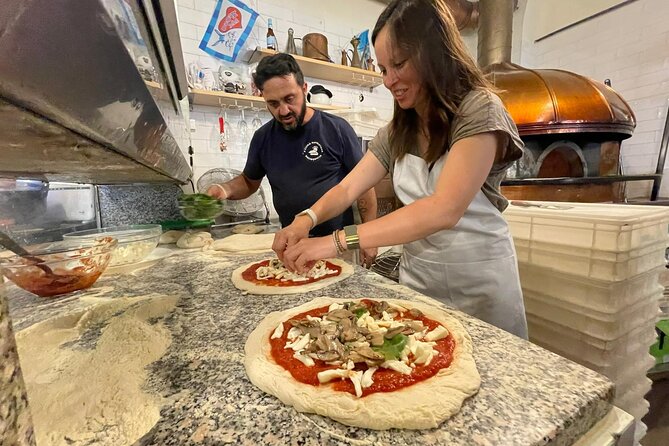
Once baked, you sit down and eat what you made. The activity includes tasting and dining, and the overview specifies a glass of Italian wine with your pizza.
Many people describe the post-bake meal as a pleasant end to the class—often outdoors, with a relaxed vibe. If you’re visiting with friends or family, this is a great moment to share the win: you can compare how each pizza came out and what you learned about shaping and toppings.
A value point that’s easy to miss
A $63 pizza class can sound steep until you compare what you actually get: ingredients, professional guidance, oven access, and the full meal. In central Rome—especially around the Vatican area—that’s part of the value equation. You’re paying for craft, not just calories.
Languages and Help on the Spot: Italian, English, French
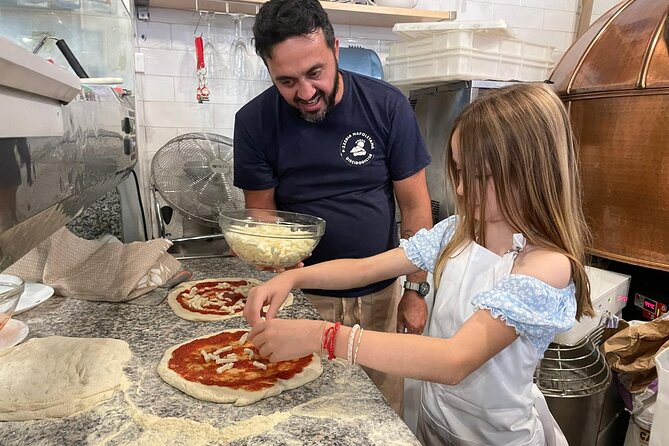
The class runs with instructors who support Italian, English, and French. That’s helpful if your group isn’t all speaking one language, and it also reduces confusion when you’re trying to learn technique.
People also mention translation support and a guide who makes sure everyone understands what’s happening step-by-step. Even if you’re not super confident with Italian food terms, you should be able to follow along.
Photo Moments and Hosting Style: Elisa and the Team
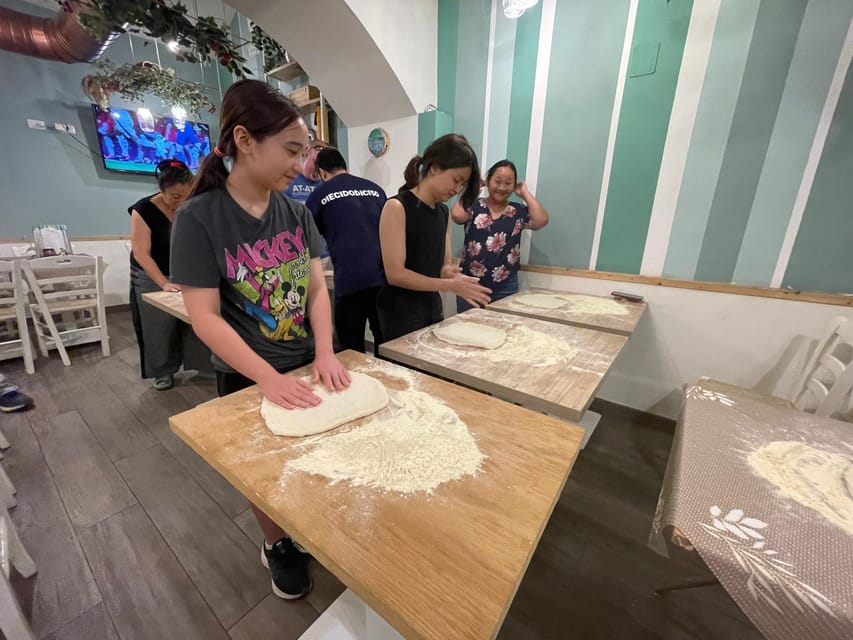
One of the most consistently praised elements is the hosting. Elisa and the team are described as friendly, energetic, and genuinely engaged. A recurring detail: the host takes lots of photos throughout the class, so you don’t end up doing the awkward thing where everyone remembers to take pictures only at the very end.
Guides such as Andrea also show up in people’s memories for keeping kids happy during each step. If you like having a record of the experience without needing to constantly grab your camera, this is a real plus.
Price and Value: Is $63 Worth It?
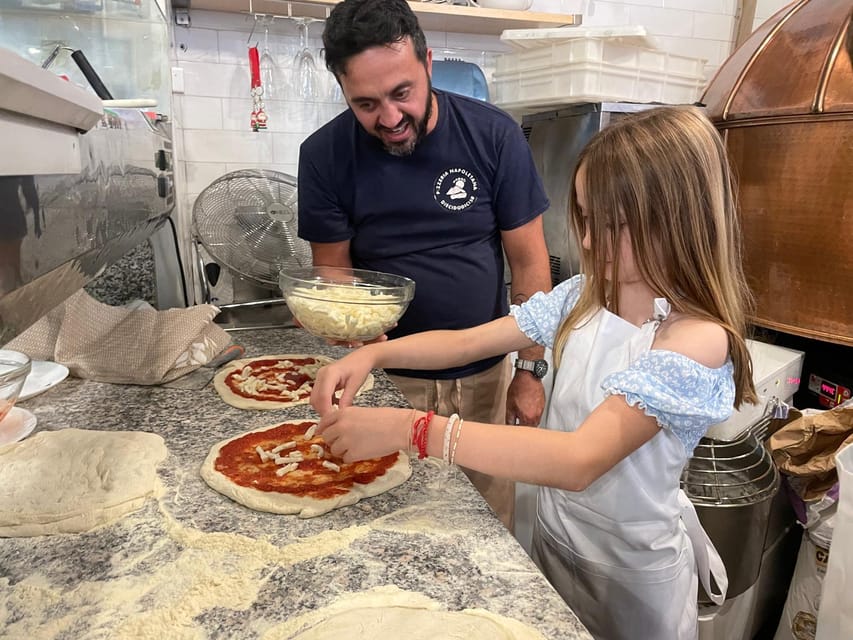
At $63 per person for 1 hour, the value depends on what you’re hoping to get out of Rome.
Here’s how I’d judge it:
- If you want a hands-on class that includes dough work, wood-fired baking, and a meal, the price makes sense. You’re not paying for one bite of pizza—you’re paying for instruction plus ingredients plus oven time.
- If your main goal is “more time sightseeing,” this is shorter. It’s still a great break, but it’s not a half-day food tour.
- If you’re expecting a big dining experience with multiple courses, this is more focused: make pizza, bake pizza, eat pizza.
For many people, the standout value isn’t just the pizza. It’s the technique: the kind you can use later when you try again at home.
Timing note
Even though it’s listed as 1 hour, a participant reported the class ran around 15 minutes in their case. I can’t promise how every slot will feel, but it’s smart to treat it as a short, concentrated session rather than a long cooking workshop. If you’re hungry after Vatican time, plan this as your “activity-meal combo,” not something that stretches into a full evening.
Who This Is For (and Who Might Want Something Else)
This class is a strong fit if you:
- want a hands-on activity right near the Vatican
- are traveling with kids and want them actively involved
- care about technique, not just eating
- like getting photos without asking
It might not be the best fit if you:
- want a long, slow, talk-heavy experience with lots of sitting
- are expecting a perfectly framed view of the Vatican from your work station during the whole session
Should You Book This Neapolitan Pizza Class by the Vatican?
If you’re in Rome and you want one food experience that’s both practical and genuinely fun, I’d book it. The combination of dough practice, wood-fired baking, and an included meal with wine makes the $63 feel fair, especially given the central Vatican-area meeting point. Plus, the hosting style—Elisa’s team coaching and the photo-taking—adds a “we’ll make this easy for you” vibe.
My advice: do it after your Vatican visit, bring your appetite, and come ready to get your hands messy. If you’re the type who likes to understand how fermentation and dough behavior affect results, this class is especially satisfying.
FAQ
How long is the Neapolitan pizza cooking class?
The class duration is listed as 1 hour.
Where is the meeting point?
You meet at Pizzeria Dieci Dodici e 50, right in front of the Vatican area, with the Ottaviano metro station nearby.
What is included in the class?
It includes a guided cooking lesson with expert pizzaiolos, fresh ingredients, cooking tips and tricks, and a tasting/dining time after you bake your pizza. The overview also mentions a glass of Italian wine.
How much does it cost?
The price is $63 per person.
What languages are available during the class?
The instructors are listed as offering Italian, English, and French.
Is there free cancellation?
Yes. You can cancel up to 24 hours in advance for a full refund.
Can I reserve now and pay later?
Yes. The booking offers a reserve now & pay later option, with payment due later.
More Tour Reviews in Rome
- Vatican Museums, Sistine Chapel & St. Peter’s Basilica Tour
★ 4.3 · 73,970 reviews - Vatican Museums, Sistine Chapel & St Peter’s Basilica Guided Tour
★ 4.5 · 39,149 reviews - Rome: Colosseum, Palatine Hill and Roman Forum Guided Tour
★ 4.8 · 32,814 reviews - Rome: Guided Tour of Colosseum, Roman Forum & Palatine Hill
★ 4.7 · 27,897 reviews - Rome: Colosseum & Forum with Audio Guide App -Optional Arena
★ 4.2 · 24,770 reviews - Rome: Colosseum, Roman Forum and Palatine Hill Guided Tour
★ 4.5 · 23,903 reviews
Learn Another Roman Dish
- 3 in 1 Cooking Class near Navona: Fettuccine, Ravioli & Tiramisu
★ 5.0 · 7,376 reviews - Rome: Pasta & Tiramisu Class with Fine Wine by the Vatican
★ 4.9 · 4,852 reviews - Rome: Pasta Making Class with Wine, Limoncello, and Dessert
★ 4.9 · 3,177 reviews - Rome Cooking Class: Make Pasta and 3 Spritz Cocktails
★ 5.0 · 2,937 reviews - Rome: 3-in-1 Fettuccine, Ravioli, and Tiramisu Cooking Class
★ 4.9 · 2,704 reviews - Rome: Fettuccine Pasta Cooking Class in Rome’s City Center
★ 4.8 · 2,414 reviews
The Vatican, A Few More Ways In
- Vatican Museums, Sistine Chapel & St. Peter’s Basilica Tour
★ 4.3 · 73,970 reviews - Vatican Museums, Sistine Chapel & St Peter’s Basilica Guided Tour
★ 4.5 · 39,149 reviews - Rome: Vatican Museums, Sistine Chapel and Basilica Tour
★ 4.3 · 16,039 reviews - Vatican Museums & Sistine Chapel Skip-the-Line Entry Ticket
★ 4.4 · 13,838 reviews - Rome: Vatican Museums, Sistine Chapel & Basilica Tour
★ 4.7 · 13,217 reviews - Skip-the-Line Group Tour of the Vatican, Sistine Chapel & St. Peter’s Basilica
★ 4.5 · 12,779 reviews
Just added to our Rome reviews





Vatican Museums Tours, compared.
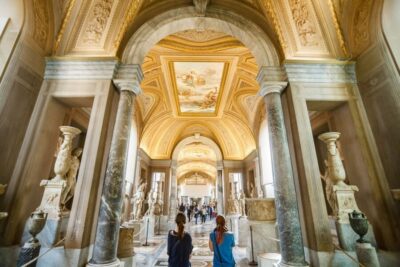 ★ 4.5Vatican: Museums & Sistine Chapel Entrance TicketFrom $38144,003 reviews
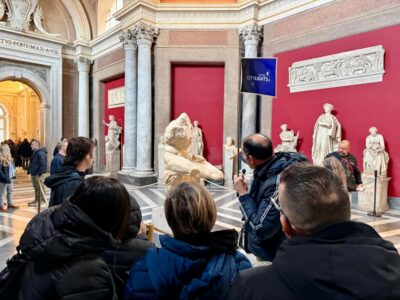 ★ 4.3Vatican Museums, Sistine Chapel & St. Peter’s Basilica TourFrom $7273,970 reviews
 ★ 4.5Vatican Museums, Sistine Chapel & St Peter’s Basilica Guided TourFrom $2239,149 reviews
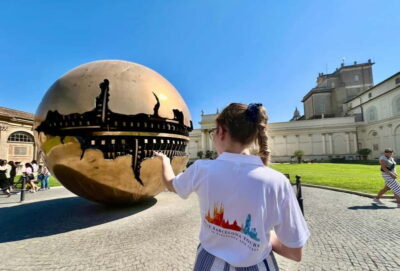 ★ 4.3Vatican Museums, Sistine Chapel and Basilica TourFrom $7316,039 reviews
 ★ 4.4Vatican Museums & Sistine Chapel Skip-the-Line Entry TicketFrom $4313,838 reviews
 ★ 4.7Vatican Museums, Sistine Chapel & Basilica TourFrom $7213,217 reviews
 ★ 4.5Skip-the-Line Group Tour of the Vatican, Sistine Chapel & St. Peter’s BasilicaFrom $3012,779 reviews
 ★ 4.3Vatican Museums & Sistine Chapel Guided TourFrom $11812,117 reviews
Browse the lists this tour appears in