
Reviewed · SELF-GUIDED TOURS
Rome: National Etruscan Museum Ticket & App Audioguide
Most museums show you objects. This one gives you context with Etruscans. Villa Giulia combines Renaissance architecture with major Etruscan art—and the included app audioguide helps you connect what you see to where it came from. I especially like how the museum organizes collections by place, so you can track styles and materials from across southern Etruria; I also love ending in the gardens with the life-size Temple of Alatri reproduction. One thing to consider: the app audio is useful, but people have flagged limits (often Italian or English) and a noticeable comfort issue if you do not have headphones.
In about 2 hours, you can hit the museum’s headline works without feeling rushed. The ticket covers the entry and the digital guide, while the rest is up to you: museum halls only, or add the underground-style areas the museum highlights in its special routes. If you’re the type who just wants the top sights fast, this works well. If you’re hoping for a guided walking tour with a live speaker, you’ll need to look elsewhere.
In This Review
- Key highlights to look for
- Villa Giulia’s Renaissance frame for Etruscan treasures
- Your app audioguide: genuinely helpful, but bring headphones
- Entering the museum: a “where it came from” way to see Etruscans
- Vulci and Veio exhibits: bronzes and terracotta with city-level meaning
- Cerveteri’s Sarcophagus of the Spouses: the emotional center
- Pyrgi Tablets and Castellani jewellery: when writing meets craft
- Underground-style routes: nymphaeum and the Virgin aqueduct
- Gardens and the Temple of Alatri reproduction: a calm finish that sticks
- Price and value for a 2-hour museum visit
- Should you book the National Etruscan Museum ticket?
- FAQ
- Where is the meeting point for this visit?
- Do I need to exchange a voucher to enter?
- What’s included with the ticket?
- How long should I plan for?
- Is the museum wheelchair accessible?
- What language options are available for the audio?
- Can I take photos in the museum?
- Does the audio guide come with earphones?
- Is free cancellation available?
- Can I reserve now and pay later?
Key highlights to look for
- Villa Giulia’s 1550s Renaissance setting (courtyards and frescoed scenes tied to the Seven Hills)
- Topographical exhibits with Etruscan material linked to Vulci and Veio
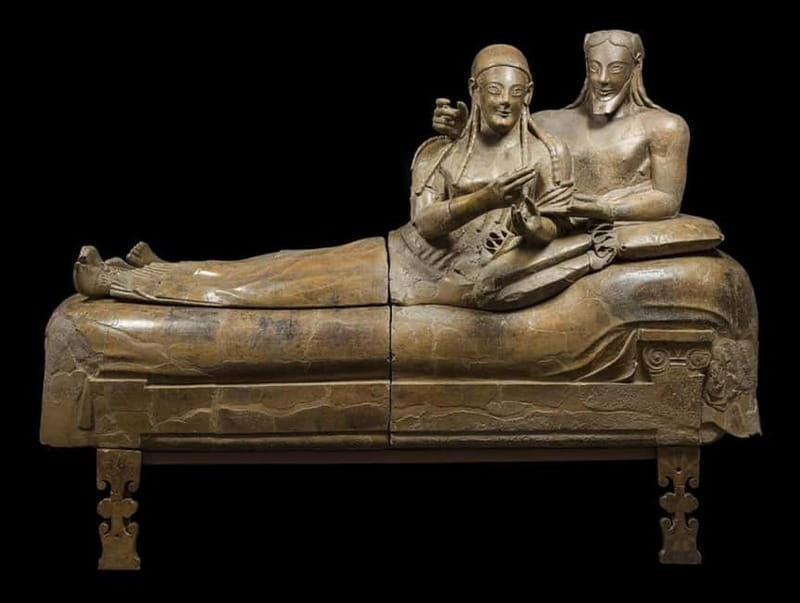
- The Sarcophagus of the Spouses from Cerveteri, a must-see story in stone
- Pyrgi Tablets with inscriptions in both Etruscan and Phoenician
- Castellani collection jewellery, small-scale craftsmanship you can actually appreciate
- Gardens + Temple of Alatri reproduction to close the visit in calm style
Villa Giulia’s Renaissance frame for Etruscan treasures
The National Etruscan Museum of Villa Giulia is not just a “room full of artifacts.” The building itself is part of the experience. Pope Julius III commissioned Villa Giulia in the mid-1500s (1550 to 1555), and the result is a Renaissance showpiece with courtyards, a nymphaeum, and frescoes referencing the Seven Hills of Rome. So even before you hit the first gallery, you’re walking through an environment that’s meant to feel intentional and theatrical.
Then the museum layer kicks in. The museum opened in 1889, and it focuses on artefacts from southern Etruria. That matters because Etruscan culture isn’t one single uniform thing. Different cities had different styles, workshops, and trade connections. This ticket is a good fit if you want a quick but meaningful “big picture” visit rather than a scavenger hunt.
One practical note: the site is museum + gardens. If you plan to see everything, pace yourself. Two hours is enough for highlights, but you’ll feel it if you try to read every label and chase every special route option.
Worth a look next to this Rome booking:
- Rome: Hop-On Hop-Off Panoramic Bus Ticket – Access 3 Routes
★ 4.0 · 18,145 reviews - Vatican Museums & Sistine Chapel Skip-the-Line Entry Ticket
★ 4.4 · 13,838 reviews - Vatican Museums & Sistine Chapel Skip-the-Ticket-Line Tour
★ 4.3 · 10,486 reviews - Rome: Vatican Museums & Sistine Chapel Skip-the-Line Ticket
★ 4.3 · 8,103 reviews
Your app audioguide: genuinely helpful, but bring headphones
The ticket includes a digital audio guide app. You get the instructions with your booking confirmation, and the idea is simple: scan or follow along so you hear commentary while you walk the exhibits. I like audio in a museum setting because it fills in the gaps between objects and meaning—especially when the collection is organized by place and type.
That said, I’m going to flag what you should plan around. Some recent bookings note that the audio is only available in Italian or English, not every language. Others also point out that the audio experience can be awkward if you don’t have your own headphones, since the audio is provided without earphones and the listening quality isn’t great in all situations.
If you want this to feel smooth, do this:
- Bring your own headphones (wired or Bluetooth).
- Make sure your phone is charged enough for a 2-hour museum run.
- Expect to do some deciding: use audio for the major works and themes, and skip audio for sections you can already interpret from the label.
Bottom line: the app adds value, but you’ll get better results if you prepare like you’re listening on a phone, not a guided headset.
Entering the museum: a “where it came from” way to see Etruscans
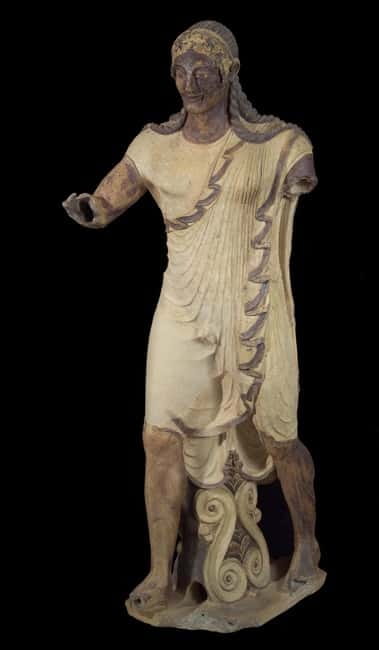
A lot of museum visits go like this: look at objects, move on, forget the connections. Villa Giulia tries to prevent that by structuring the galleries so you can see patterns.
The audio guide approach here is organized by topographical and typological criteria. Translation: you’re not only seeing what an object is (bronze, terracotta, jewellery, inscriptions). You’re also learning where it was associated with—city by city, material by material.
You’ll start building a mental map of southern Etruria. The standout benefit is that you learn to notice differences. Bronze from one place can look different than bronze from another. Terracotta decorations from a specific region often show up with recognizable design habits. Once you start thinking that way, the collection stops being random and starts feeling like a set of conversations across time.
This is also where the museum’s scope becomes clear: you’re not just seeing one famous tomb legend. You’re seeing evidence of crafts, religious symbolism, and trade networks—plus how Etruscans represented status in objects meant for display and ritual.
Vulci and Veio exhibits: bronzes and terracotta with city-level meaning
One of the most satisfying parts of this visit is how quickly you can grasp what “place matters” means. The museum highlights major production areas, including Vulci and Veio.
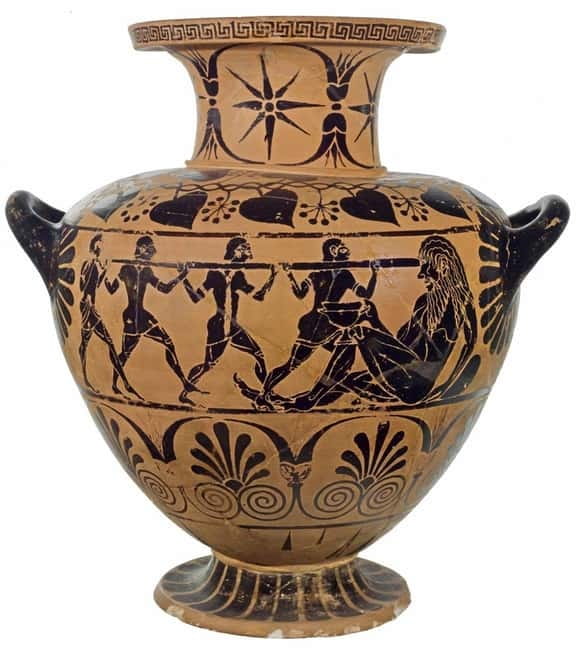
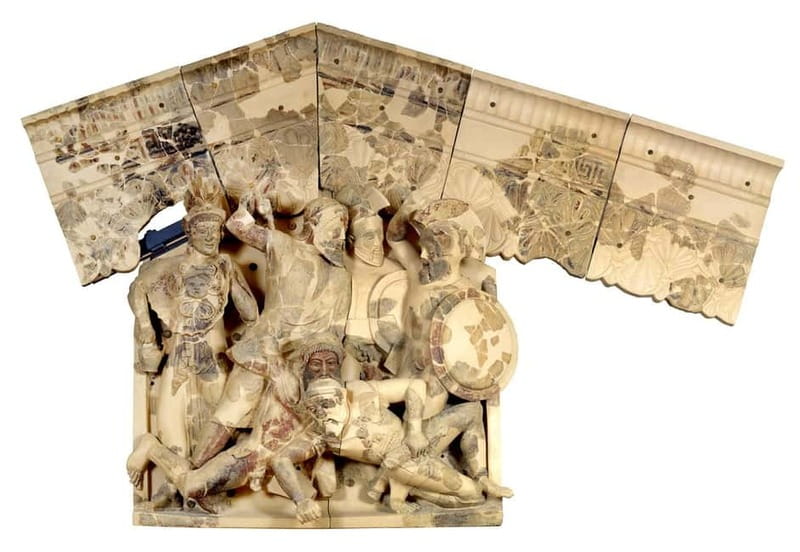
From Vulci, you’ll see bronzes—metalwork where form and technique carry a lot of information. From Veio, you’ll encounter terracotta decorations, where motifs and textures can tell you about workshop traditions and local styles.
Why this is worth your time: bronzes and terracottas aren’t just pretty. They hint at:
- who had the money or connections to commission high-quality work,
- how symbols traveled across regions,
- what kind of public life or ritual life these objects were tied to.
If you’re tempted to rush past these “non-top-shelf” galleries, don’t. This is where the audio guide’s topographical structure pays off. Spend enough time here to let your brain build the comparisons.
The main drawback is simple: reading everything while listening can make the visit feel slower than the 2-hour clock suggests. If you’re short on time, prioritize the pieces your audio guide marks as key anchors, then use the rest of the rooms to confirm patterns you already noticed.
Worth a look next to this Rome booking:
Cerveteri’s Sarcophagus of the Spouses: the emotional center
If there’s one object that pulls a visitor’s attention like a magnet, it’s the Sarcophagus of the Spouses from Cerveteri. Even if you only know Etruscans from schoolbook basics, this piece is memorable because it’s about relationships—posed bodies, closeness, and the idea that status and identity mattered even in death rituals.
This is not just a carved container. It’s a statement. The sarcophagus format gives you a framework to think about funerary customs and how art communicated values. For many people, this is where Etruscan culture shifts from “ancient” to “human.”
How to get more out of it in a short visit:
- Use the app audio here, not just the label text.
- Look for body language and how the figures are arranged, then consider how that would function in the context of burial.
- Take one minute to stand back and then come closer again. From farther away, you see composition. From close, you see craft.
This object alone can justify your ticket timing—then it’s about layering in the other works so the sarcophagus doesn’t feel like an isolated hit.
Pyrgi Tablets and Castellani jewellery: when writing meets craft
Two other high-value stops are the Pyrgi Tablets and the Castellani collection jewellery.
The Pyrgi Tablets bring language into the story. You’ll see inscriptions in both Etruscan and Phoenician, and that bilingual aspect is a big deal. It signals contact, translation, and shared spaces where cultures intersected. Even if you can’t read the inscriptions yourself, the fact that they exist in two languages helps you understand Etruria wasn’t sealed off from the wider Mediterranean world.
Then there’s the jewellery. The Castellani collection is about detail—materials, technique, and visual rhythm. Jewellery is often underestimated in museum visits because people assume it’s “small and decorative.” Here’s the useful twist: small objects can be more informative than big ones. You can learn what kinds of designs symbolized wealth, what kinds of craftsmanship were prized, and how taste could function like a social credential.
If you want to balance your attention, treat this section like two modes:
- language mode (Pyrgi Tablets): context, contact, meaning,
- craft mode (Castellani jewellery): technique, skill, status.
This balance is one reason the museum works in a 2-hour window. You’re not stuck in one type of interpretation.
Underground-style routes: nymphaeum and the Virgin aqueduct
The museum also offers unique itineraries that connect the visitor to areas beyond the standard galleries. Specifically, it highlights routes that let you explore the nymphaeum and the Virgin aqueduct.
This is valuable if you like your museum experience to feel less like a corridor and more like a lived-in place. You also get a shift in sensory feel: gardens and water-related architecture change pacing. And because Villa Giulia is Renaissance in its own right, these added areas help you understand how the site itself carried meaning, not just the objects inside.
A consideration: the details of how these routes run during a visit aren’t spelled out in your basic ticket info here, so you’ll want to check what’s available during your time slot once you exchange your voucher at the ticket office. Plan to move at a steady walk pace so you don’t burn your entire 2 hours in just one area.
Gardens and the Temple of Alatri reproduction: a calm finish that sticks
Your visit ends in the gardens of Villa Giulia, which is a smart way to close an Etruscan art experience. After hours of looking at antiquities, it’s refreshing to have open space and greenery.
In the gardens, you can admire a life-size reproduction of the Temple of Alatri. This is more than a decorative stop. Reproductions can help your brain build scale, especially for architecture-related ideas. It turns what you might have imagined from reading labels into something physical you can walk around and judge.
I also like that the gardens keep the overall visit balanced. You get the intensity of major objects indoors, then you get a slower pace outdoors where you can process what you just saw.
If you only have time for the essentials, you may be tempted to skip the gardens. Don’t. Even 10 to 15 minutes here helps the visit feel complete.
Price and value for a 2-hour museum visit
At about $20 per person for entry plus the app audioguide, this ticket is priced for people who want structure without paying for a live guide. You’re not paying for a long guided tour. You’re paying for access to one of Rome’s standout Etruscan-focused collections plus a self-paced layer of explanation.
Is it worth it? Usually yes, if:
- you like museums but don’t want to spend your time guessing what you’re looking at,
- you’re interested in Etruscans by city and object type,
- you appreciate architecture enough to treat Villa Giulia itself as part of the attraction.
It might not feel like a slam dunk if:
- you’re very label-averse and plan to rush through everything fast (in that case, the app’s value drops),
- you need audioguide audio in a specific language not supported by the app,
- you don’t want to use headphones and the audio experience ends up being uncomfortable.
But for many visitors, the combination of the sarcophagus, the Pyrgi Tablets, jewellery craftsmanship, and the garden finale makes the time and money feel reasonable. Two hours is short enough to fit into a day full of Rome, but long enough to feel like you understood the point of the collection.
Should you book the National Etruscan Museum ticket?
I’d book this if you want a high-impact Etruscan museum visit with an easy, self-paced tool that adds meaning. The big selling points—Sarcophagus of the Spouses, Pyrgi Tablets, the topographical organization, and the Temple of Alatri reproduction—work well even if you’re only in Rome for a few days.
I’d hesitate if you rely on the audioguide but you don’t plan to bring headphones, or if you strongly need audio in a language other than what’s offered. In that case, you can still enjoy the museum using labels and your own research, but you may feel the audio component doesn’t deliver what you want.
FAQ
Where is the meeting point for this visit?
The meeting/check-in point is Piazzale di Villa Giulia 9, 00196 Roma RM, Italy.
Do I need to exchange a voucher to enter?
Yes. You exchange the voucher at the ticket office for an official entry ticket.
What’s included with the ticket?
The ticket includes entrance to the National Etruscan Museum of Villa Giulia plus a digital audio guide app.
How long should I plan for?
Plan on about 2 hours.
Is the museum wheelchair accessible?
Yes, the museum is listed as wheelchair accessible.
What language options are available for the audio?
The audio guide is available in Italian or English.
Can I take photos in the museum?
Photography is allowed, but flash photography is not allowed.
Does the audio guide come with earphones?
Some reviews note the audio guide is provided without earphones, so bringing your own headphones can help your listening experience.
Is free cancellation available?
Yes. Free cancellation is available up to 24 hours in advance for a full refund.
Can I reserve now and pay later?
Yes. The offer includes reserve now & pay later, meaning you can book and pay nothing today.
More Museums in Rome
- Vatican Museums, Sistine Chapel & St. Peter’s Basilica Tour
★ 4.3 · 73,970 reviews - Vatican Museums, Sistine Chapel & St Peter’s Basilica Guided Tour
★ 4.5 · 39,149 reviews - Rome: Vatican Museums, Sistine Chapel and Basilica Tour
★ 4.3 · 16,039 reviews - Vatican Museums & Sistine Chapel Skip-the-Line Entry Ticket
★ 4.4 · 13,838 reviews - Rome: Vatican Museums, Sistine Chapel & Basilica Tour
★ 4.7 · 13,217 reviews - Rome: Vatican Museums & Sistine Chapel Guided Tour
★ 4.3 · 12,117 reviews
More Tickets in Rome
- Rome: Hop-On Hop-Off Panoramic Bus Ticket – Access 3 Routes
★ 4.0 · 18,145 reviews - Vatican Museums & Sistine Chapel Skip-the-Line Entry Ticket
★ 4.4 · 13,838 reviews - Vatican Museums & Sistine Chapel Skip-the-Ticket-Line Tour
★ 4.3 · 10,486 reviews - Rome: Vatican Museums & Sistine Chapel Skip-the-Line Ticket
★ 4.3 · 8,103 reviews - Rome: St. Peter’s Basilica & Dome Entry Ticket & Audio Tour
★ 4.2 · 7,537 reviews - Vatican & Sistine Chapel Ticket with Optional Audio Guide
★ 4.1 · 5,405 reviews
More Tour Reviews in Rome
- Vatican Museums, Sistine Chapel & St. Peter’s Basilica Tour
★ 4.3 · 73,970 reviews - Vatican Museums, Sistine Chapel & St Peter’s Basilica Guided Tour
★ 4.5 · 39,149 reviews - Rome: Colosseum, Palatine Hill and Roman Forum Guided Tour
★ 4.8 · 32,814 reviews - Rome: Guided Tour of Colosseum, Roman Forum & Palatine Hill
★ 4.7 · 27,897 reviews - Rome: Colosseum & Forum with Audio Guide App -Optional Arena
★ 4.2 · 24,770 reviews - Rome: Colosseum, Roman Forum and Palatine Hill Guided Tour
★ 4.5 · 23,903 reviews
Just added to our Rome reviews





Self-Guided Tours, compared.
 ★ 4.2Colosseum & Forum with Audio Guide App -Optional ArenaFrom $4124,770 reviews
 ★ 4.2St. Peter’s Basilica & Dome Entry Ticket & Audio TourFrom $177,537 reviews
 ★ 4.4Colosseum, Roman Forum & Palatine Hill with Audioguide AppFrom $346,291 reviews
 ★ 4.1Vatican & Sistine Chapel Ticket with Optional Audio GuideFrom $465,405 reviews
 ★ 4.1Pantheon Priority Entry Ticket & Interactive AppFrom $145,114 reviews
 ★ 4.3Castel Sant’Angelo Entry Ticket & Audio AppFrom $234,952 reviews
 ★ 4.3Colosseum, Forum, & Palatine Hill with Audio GuideFrom $444,591 reviews
 ★ 4.6Pantheon Priority Entry Tickets with Interactive AppFrom $54,108 reviews
Browse the lists this tour appears in