
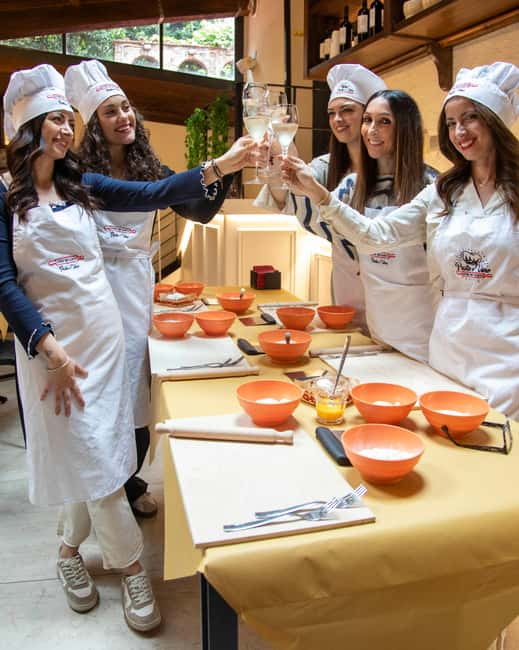
Reviewed · ROME COOKING CLASSES
Rome & Milan: Cooking class & wine pairing at Come Na Vorta
Fresh pasta is easier than you think. At Come Na Vorta in Rome or Milan, you learn by doing, guided by a family tradition, then eat what you make with wine.
I love learning dough and shape cues for fettuccine and gnocchi, not just following steps. I also love the finish: homemade tiramisù served as part of a real meal, with Prosecco and wine at the table.
One thing to plan for: meeting points vary by option and there’s no pickup or drop-off, so you’ll want a little buffer to arrive on time.
In This Review
- Key Things You’ll Notice Right Away
- Rome or Milan: choosing Come Na Vorta’s kitchen
- 3 hours of pasta, Prosecco, and Roman sauces
- What you actually learn: fettuccine, gnocchi, and tiramisù
- Free-flowing Prosecco, bruschette breaks, and wine at the table
- Wine tier value check: what should you choose?
- Guides and the small-group rhythm (Alice, Lorenza, Luciana)
- Practical tips: how to make the 3-hour class feel smooth
- Who should book this pasta and wine class?
- Should you book Come Na Vorta?
- FAQ
- How long is the cooking class at Come Na Vorta?
- Where does the class take place?
- What dishes will I make during the class?
- Is wine included, and how does it work?
- Are Prosecco and bruschette included?
- What is included with the meal after cooking?
- What languages are available?
- Is it wheelchair accessible?
Key Things You’ll Notice Right Away
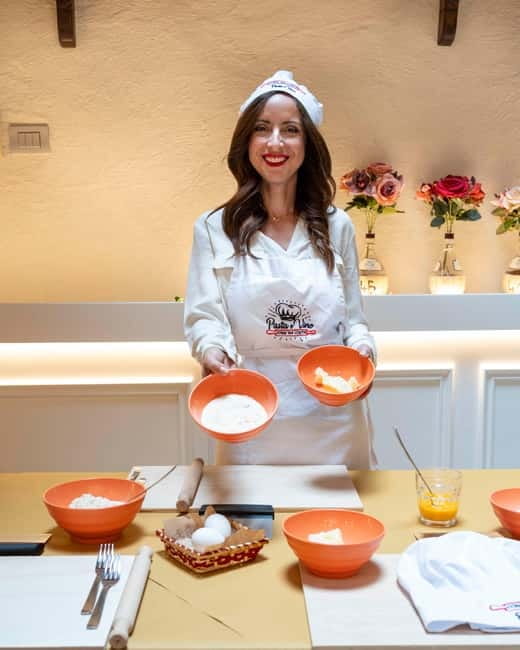
- You make fresh pasta hands-on, including fettuccine and gnocchi, plus tiramisù from scratch
- Free-flowing Prosecco and bruschette keep the class lively between steps
- Roman sauces with your choices means you don’t just eat one flavor—your plate is customizable
- Wine tiers (Bronze, Silver, Gold) let you match what you drink to your budget
- Recipes booklet + participation certificate give you something concrete to take home
- Small group vibe makes it easier to ask questions and get help with the dough
Rome or Milan: choosing Come Na Vorta’s kitchen
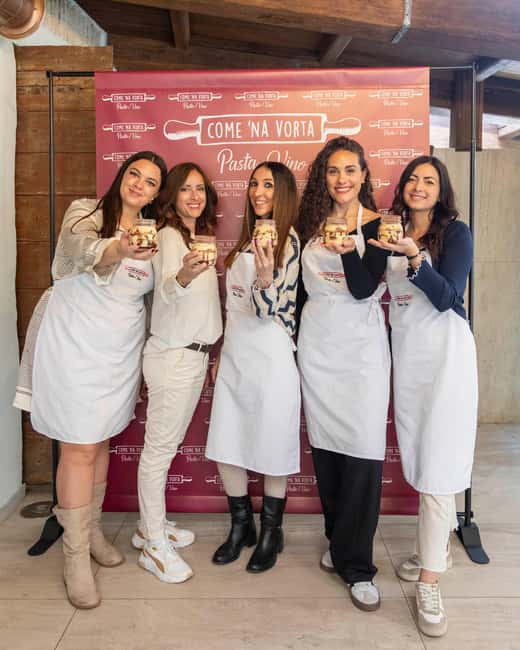
Come Na Vorta runs this experience in two cities, and that choice can shape your night. In Rome, the class happens in the Trastevere area at a family-owned restaurant. In Milan, it shifts to the Navigli area, known for its lively restaurant streets.
Either way, you’re stepping into an Italian setting where the cooking feels like a shared family habit, not a staged demo. The format is built around hands-on prep and then a full sit-down meal afterward, so you get both action and atmosphere.
Before you pick a city, ask yourself one practical question: do you want your class day to start with a walk in a historic neighborhood (Rome) or with an evening plan that pairs well with Navigli’s restaurant scene (Milan)? Both work. Your hotel location will probably decide for you faster than your imagination.
More aprons-on time in a Roman kitchen
- 3 in 1 Cooking Class near Navona: Fettuccine, Ravioli & Tiramisu
★ 5.0 · 7,376 reviews - Rome: Pasta & Tiramisu Class with Fine Wine by the Vatican
★ 4.9 · 4,852 reviews - Rome: Pasta Making Class with Wine, Limoncello, and Dessert
★ 4.9 · 3,177 reviews - Rome Cooking Class: Make Pasta and 3 Spritz Cocktails
★ 5.0 · 2,937 reviews
3 hours of pasta, Prosecco, and Roman sauces
This is a 3-hour experience that generally feels split between cooking and eating. Expect about 2 hours for the hands-on part, with time then to sit down and enjoy your meal.
The timeline usually starts with a glass of Prosecco, then moves into dough and shaping. Along the way, you get bruschette with extra virgin olive oil to keep energy up and to give you a break that still feels like part of the meal.
After your pasta is ready, you cook or finish it with traditional Roman sauces and you get to choose your sauce options. That matters more than it sounds. Many pasta classes teach technique, but the sauce is what makes the finished plate feel like a complete Roman meal.
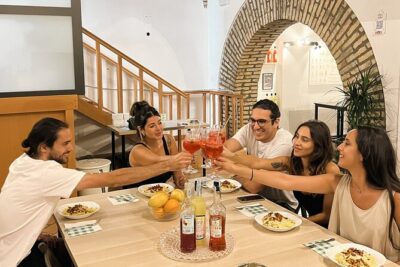
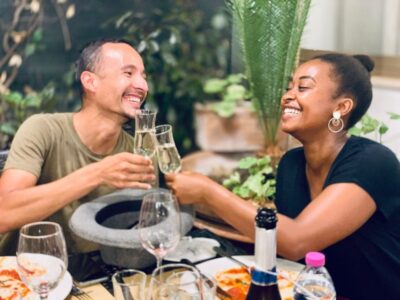
Then comes the real payoff: you all sit down together to eat two pasta dishes plus dessert, and they’re paired with your selected wine option.
What you actually learn: fettuccine, gnocchi, and tiramisù
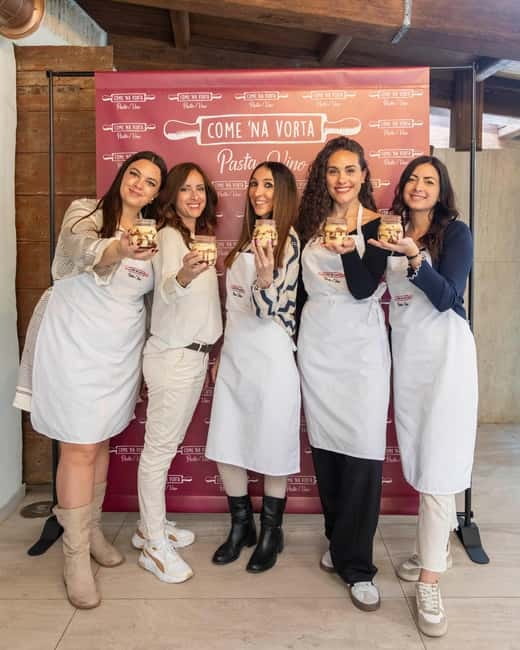
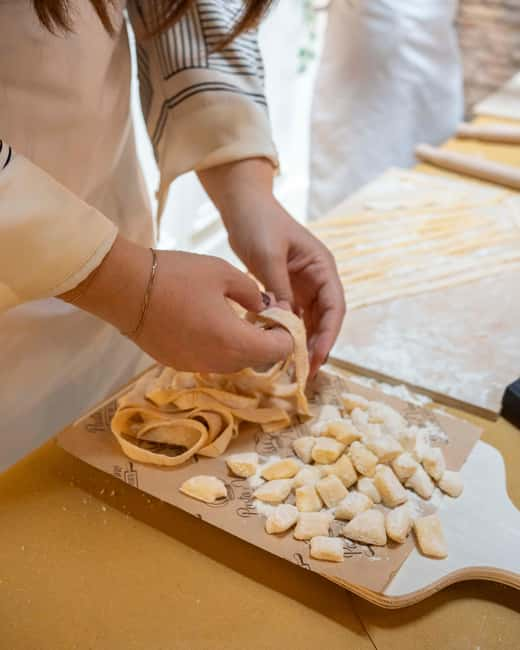
This class is built around three big Italian hits: fresh fettuccine, pillowy gnocchi, and tiramisù—all from scratch.
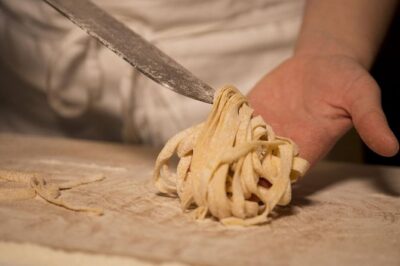
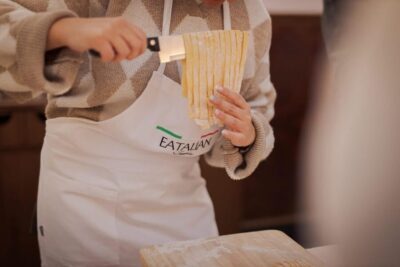
For pasta, the key isn’t only making a shape. You’re taught how to recognize quality ingredients and how to tell when the dough is behaving right. One of the most useful things I look for in any pasta class is guidance that helps you troubleshoot at home, and this one leans that way: you learn cues for texture and timing, not just “do this next.”
You’ll also learn that “pasta shapes” are not just decoration. Different shapes hold sauce differently, and the class helps you recognize what matters when you’re forming fettuccine and shaping gnocchi.
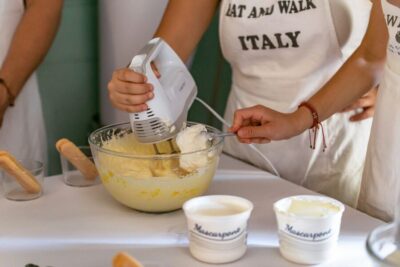
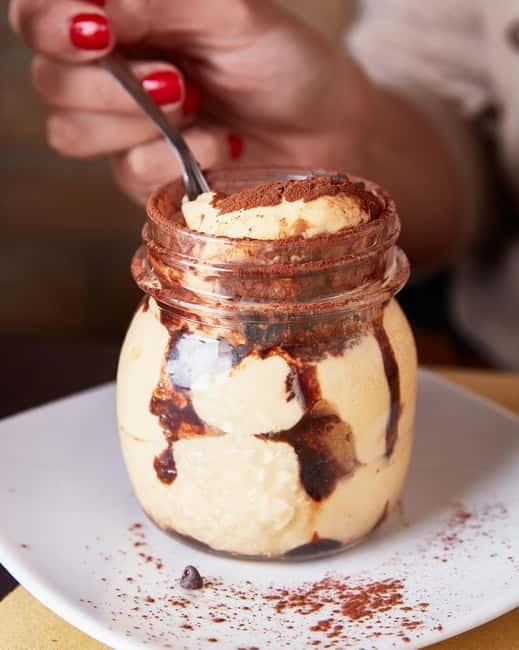
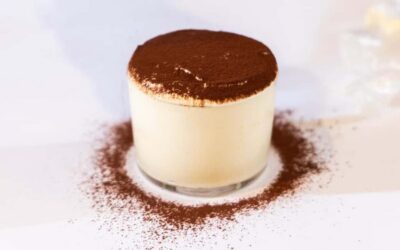
Then you switch gears from savory to dessert. Tiramisù here isn’t an afterthought. You’re shown variations of tiramisù that guests tend to love, and you learn the steps for a homemade version rather than relying on a store-bought shortcut.
If you like the idea of bringing home actual technique, this is the trio to pick. If you mainly want to eat great food with minimal work, you might find the hands-on parts a bit more hands-and-arm workout than you expected.
Free-flowing Prosecco, bruschette breaks, and wine at the table
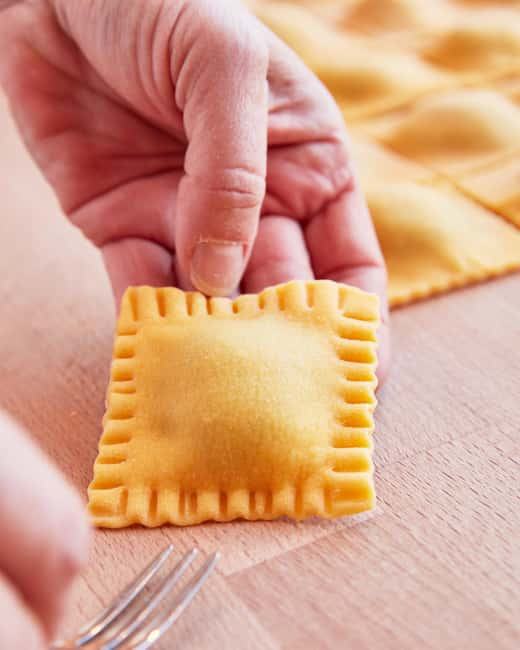
One reason this class works for many budgets and moods: it doesn’t treat drinks like an after add-on. The experience includes Prosecco and bruschette during the class, plus wine pairing with your meal.
Bruschette are served with extra virgin olive oil, which is a smart touch. It’s simple, it’s Roman-friendly, and it refreshes your palate while you’re working with dough and flour.
Wine is handled through three booking tiers:
- Bronze: one glass of locally produced, popular wine
- Silver: two glasses of traditional Italian wines like Chanti and Chardonnay
- Gold: two glasses of more prestigious choices like Brunello di Montalcino and Amarone della Valpolicella
So what’s the real value here? You’re not just getting a random splash with food. You’re getting a structured pairing with choices that can fit your comfort level. If you’re a light drinker, Bronze keeps it controlled. If you’re a wine person, Silver or Gold makes the meal feel like an upgrade, not just compensation for cooking.
Also included: water, plus each guest gets two pasta dishes and one tiramisu.
Worth a look next to this Rome booking:
Wine tier value check: what should you choose?
The tier system is one of the easiest ways to tailor the class to what you care about.
If you want a good meal with the experience and don’t want to overthink wine, Bronze makes sense because you still get the class Prosecco and the food is the main event. It’s also a good option if you’re splitting costs with a partner and want to keep the total predictable.
If you like a classic pairing approach, Silver is the middle sweet spot. Two wine glasses often feel like a real pairing window rather than a quick sip.
If you’re celebrating or you’re a serious red-wine fan, Gold is where the names get more dramatic. Brunello di Montalcino and Amarone della Valpolicella are heavier-hitting bottles, and the class turns them into part of your meal, not something separate.
One caution: the tier you select changes the number and style of glasses. If you’re the person who drives the group decisions, choose based on what you’ll actually drink, not what looks impressive.
Guides and the small-group rhythm (Alice, Lorenza, Luciana)
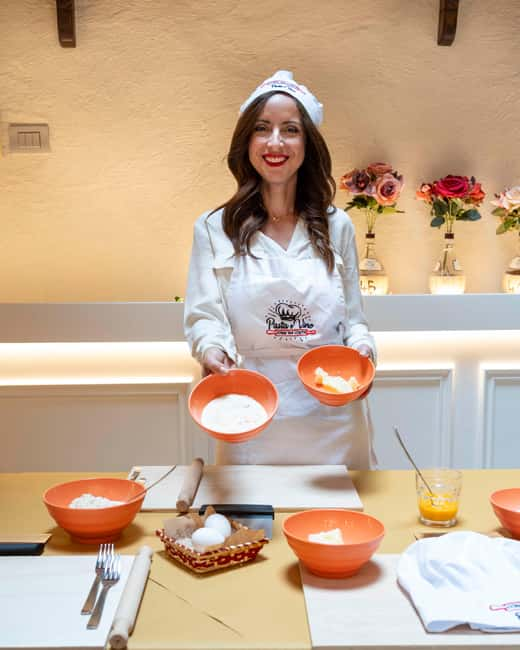
In a cooking class, the guide is everything. Here, the host is part teacher, part translator, and part cheerleader for your dough experiments.
From the class feedback I’ve seen, names like Lorenza and Luciana come up often, with praise for clear English and an easygoing, patient vibe. Another host named Alice is mentioned for professionalism and a friendly, welcoming tone.
What you should care about is how those personalities affect the experience for you. In practice, a guide who stays upbeat helps you avoid the common frustration of cooking classes: you feel behind, the dough dries out, and your confidence drops. This setup is built to keep pace friendly. You work at a guided rhythm, ask questions, and learn what to fix while there’s still time to save your shapes.
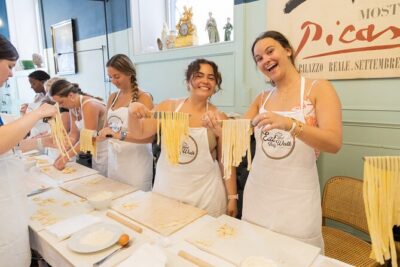
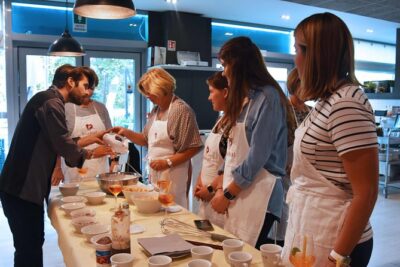
The experience is also described as small group, which is huge for this kind of class. When you have a smaller table, it’s easier to get help with shaping gnocchi or getting fettuccine thickness right.
Practical tips: how to make the 3-hour class feel smooth
You don’t get pickup, and meeting points can vary depending on Rome versus Milan and on your booking option. That means you should plan to arrive a little early, calm-brained, and ready to follow the host to the restaurant.
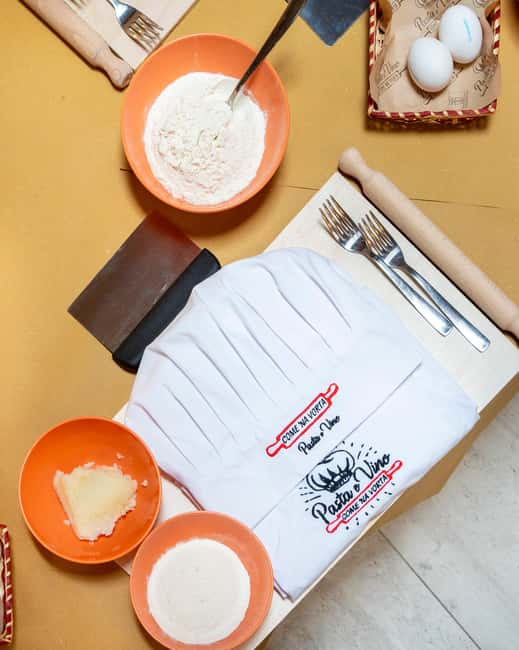
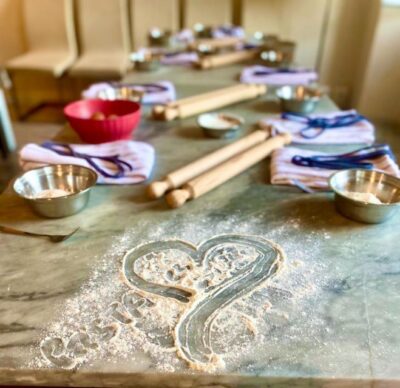
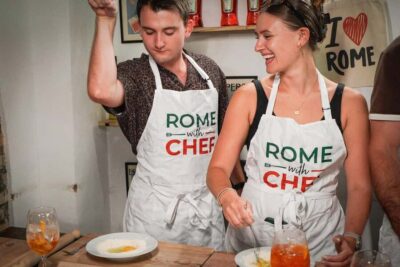
Wear something that forgives flour. Even with an apron and pasta hats provided, you’ll likely end up with a little mess. Bring a mindset of short tasks, not perfection. The class is designed around learning cues, so you’ll benefit more from paying attention than trying to make museum-quality pasta.
Also, think about timing with the rest of your day:
- If you’re doing this near a big museum or cathedral visit, schedule it with breathing room
- If you want dinner afterward, you’re already eating a full meal during the class
- If you’re drinking wine, plan a lighter second half of your day and keep transit simple
The meal is part of the 3 hours, so don’t schedule something that requires you to sprint immediately after dessert.
Who should book this pasta and wine class?
This experience is a strong fit if you want a hands-on Rome or Milan food activity that ends with a proper meal. It’s great for couples on a date night, families looking for a shared project, solo travelers who want conversation, and groups doing team bonding without turning it into a formal event.
It also fits well if you care about learning technique you can use later. You’re not only assembling; you’re understanding how dough should feel, how to shape different pastas, and what sauces do to the final bite.
You might skip it if you prefer a purely observational food tour or if you really dislike cooking work. This isn’t a tasting-only evening. You’ll roll up your sleeves and make pasta and dessert, and you’ll likely spend some time actively shaping and preparing.
Finally, it’s worth noting that language support is planned. Classes can run in English, Italian, and Spanish, and they can automatically be held in English if you’re booking with guests from multiple countries.
Should you book Come Na Vorta?
If your goal is an authentic-feeling Rome or Milan experience that combines technique, food, and wine in one evening, I’d book it. The biggest selling point is how tightly the class connects making pasta to eating it right away, with Prosecco, bruschette, and wine pairing built into the flow.
The value is also practical for $77 per person because you’re getting more than a lesson. You’re leaving with a recipe booklet you can download and a participation certificate, plus you’ve eaten two pasta dishes and tiramisù that you made.
Choose the wine tier that matches your drinking style, arrive early enough to handle variable meeting points, and treat it like a fun cooking night rather than a cooking exam. If you do that, you’ll likely come away with both better pasta confidence and a meal that feels genuinely yours.
FAQ
How long is the cooking class at Come Na Vorta?
The experience lasts around 3 hours, with roughly 2 hours for preparation and then time to enjoy your meal.
Where does the class take place?
It happens in either Rome or Milan. In Rome, it’s at a family-owned restaurant in the Trastevere district. In Milan, it’s in the Navigli area.
What dishes will I make during the class?
You’ll learn to make fresh fettuccine and gnocchi, and you’ll also make tiramisù from scratch.
Is wine included, and how does it work?
Wine is included depending on the booking option. Bronze includes one glass of locally produced wine. Silver includes two glasses of traditional Italian wines. Gold includes two glasses of more prestigious Italian wines.
Are Prosecco and bruschette included?
Yes. The class includes Prosecco and bruschette with extra virgin olive oil throughout the experience.
What is included with the meal after cooking?
After cooking, you’ll sit down and be served two pasta dishes (with sauces of your choice) and one tiramisu per guest.
What languages are available?
The experience is available in English, Italian, and Spanish. If guests from multiple countries book together, the class will automatically be held in English.
Is it wheelchair accessible?
Yes, the experience is wheelchair accessible.
More Cooking Classes in Rome
- 3 in 1 Cooking Class near Navona: Fettuccine, Ravioli & Tiramisu
★ 5.0 · 7,376 reviews - Rome: Pasta Making Class with Wine, Limoncello, and Dessert
★ 4.9 · 3,177 reviews - Rome Cooking Class: Make Pasta and 3 Spritz Cocktails
★ 5.0 · 2,937 reviews - Rome: 3-in-1 Fettuccine, Ravioli, and Tiramisu Cooking Class
★ 4.9 · 2,704 reviews - Rome: Fettuccine Pasta Cooking Class in Rome’s City Center
★ 4.8 · 2,414 reviews - Fettuccine & Tiramisù: Cooking Class with Wine & Limoncello
★ 4.9 · 2,103 reviews
More Tour Reviews in Rome
- Vatican Museums, Sistine Chapel & St. Peter’s Basilica Tour
★ 4.3 · 73,970 reviews - Vatican Museums, Sistine Chapel & St Peter’s Basilica Guided Tour
★ 4.5 · 39,149 reviews - Rome: Colosseum, Palatine Hill and Roman Forum Guided Tour
★ 4.8 · 32,814 reviews - Rome: Guided Tour of Colosseum, Roman Forum & Palatine Hill
★ 4.7 · 27,897 reviews - Rome: Colosseum & Forum with Audio Guide App -Optional Arena
★ 4.2 · 24,770 reviews - Rome: Colosseum, Roman Forum and Palatine Hill Guided Tour
★ 4.5 · 23,903 reviews
Learn Another Roman Dish
- 3 in 1 Cooking Class near Navona: Fettuccine, Ravioli & Tiramisu
★ 5.0 · 7,376 reviews - Rome: Pasta & Tiramisu Class with Fine Wine by the Vatican
★ 4.9 · 4,852 reviews - Rome: Pasta Making Class with Wine, Limoncello, and Dessert
★ 4.9 · 3,177 reviews - Rome Cooking Class: Make Pasta and 3 Spritz Cocktails
★ 5.0 · 2,937 reviews - Rome: 3-in-1 Fettuccine, Ravioli, and Tiramisu Cooking Class
★ 4.9 · 2,704 reviews - Rome: Fettuccine Pasta Cooking Class in Rome’s City Center
★ 4.8 · 2,414 reviews
Just added to our Rome reviews





Rome Cooking Classes, compared.
 ★ 5.03 in 1 Cooking Class near Navona: Fettuccine, Ravioli & TiramisuFrom $837,376 reviews
 ★ 4.9Pasta & Tiramisu Class with Fine Wine by the VaticanFrom $414,852 reviews
 ★ 4.9Pasta Making Class with Wine, Limoncello, and DessertFrom $483,177 reviews
 ★ 5.0Rome Cooking Class: Make Pasta and 3 Spritz CocktailsFrom $992,937 reviews
 ★ 4.93-in-1 Fettuccine, Ravioli, and Tiramisu Cooking ClassFrom $812,704 reviews
 ★ 4.8Fettuccine Pasta Cooking Class in Rome’s City CenterFrom $462,414 reviews
 ★ 5.0Learn to Make Pasta & Tiramisu with Wine and Limoncello IncludedFrom $542,345 reviews
 ★ 5.0Become a Masterchef in Rome: Pasta, Ravioli and Tiramisù ClassFrom $472,156 reviews
Browse the lists this tour appears in