
Reviewed · PIAZZA NAVONA & SPANISH STEPS TOURS
Rome: Jewish Quarter and Campo de’ Fiori Street Food Tour
One bite at a time, Rome starts making sense. This 2.5-hour street food walk links Roman Jewish history with real local flavors, with guided tastings that keep you moving from market to backstreets.
I especially like the mix of Campo de’ Fiori market stops plus the Jewish Ghetto area, because you taste while you understand what you’re eating. The main thing to watch is shopping pressure: after tastings, a few market buys can feel overpriced for what you get, so decide what you really want before you hand over money.
In This Review
- Key things I’d plan around
- Meeting at Campo de’ Fiori: Giordano Bruno and a smart start
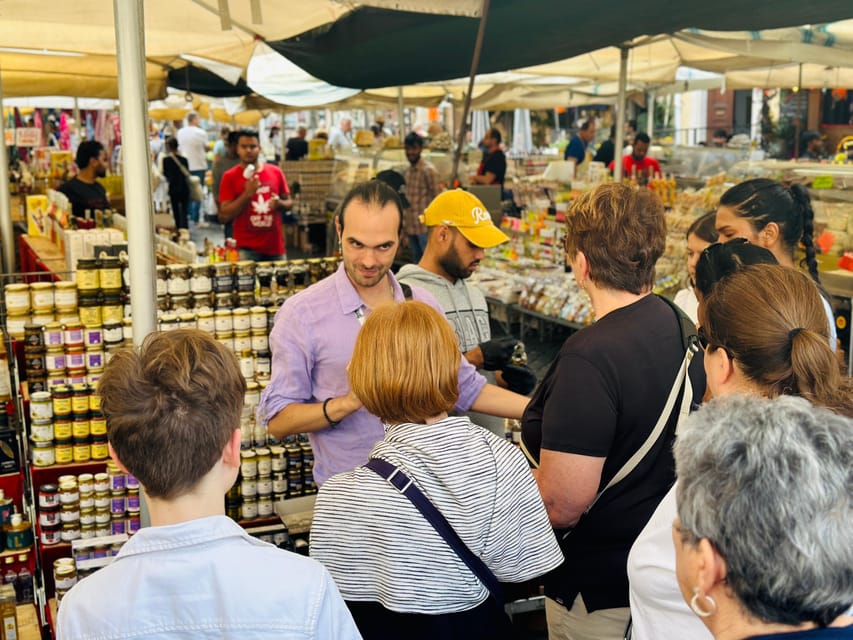
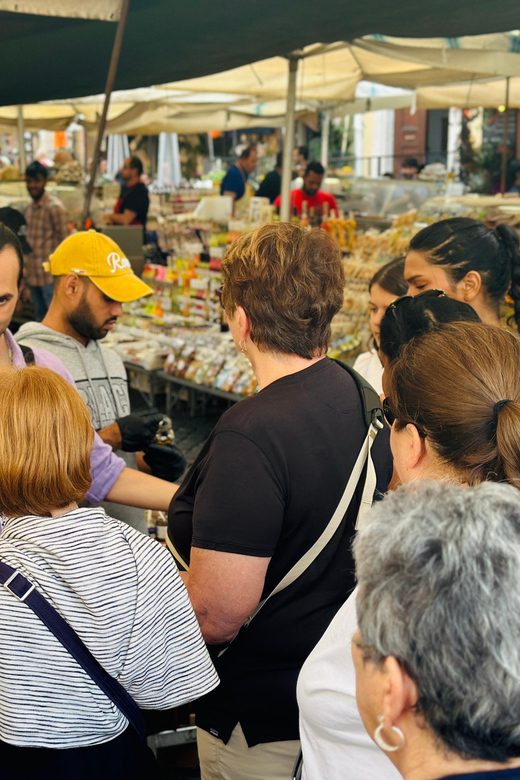
- Campo de’ Fiori tastings: truffles, olive oil, balsamic, and Roman classics
- The wine stop: keeping the market theme without slowing you down
- Pompey’s Theatre area and a quick beer-and-bites moment on Via dei Chiavari
- Portico d’Ottavia, the Great Synagogue area, and the Jewish Quarter story
- The finish at Largo di Torre Argentina: dessert and a satisfying wrap
- Price and value: why $46 can feel fair (if you go in expecting tastings)
- Who should book this tour (and who should skip)
- Tips that make the tour smoother (and keep your budget sane)
- Should you book this Rome Jewish Quarter and Campo de’ Fiori Street Food Tour?
- FAQ
- Where do I meet the guide?
- How long is the tour and is it guided?
- What’s included in the $46 price?
- Can vegetarians join?
- Is the tour suitable for vegans or gluten intolerance?
- Is the Campo de’ Fiori market always open?
Key things I’d plan around
- 5 included tastings that cover iconic Roman street food and Roman-Jewish flavors
- Campo de’ Fiori meeting point at the statue of Giordano Bruno, right in the action
- Jewish Ghetto focus with stops around Portico d’Ottavia, Teatro Marcello, and the synagogue area (from outside)
- Beer and wine samples plus a sweet finish at the end of the walk
- Vegetarian friendly only with advance notice (last-minute swaps may not work)
- Not for vegans or gluten intolerance based on what’s being served on the tour
Meeting at Campo de’ Fiori: Giordano Bruno and a smart start
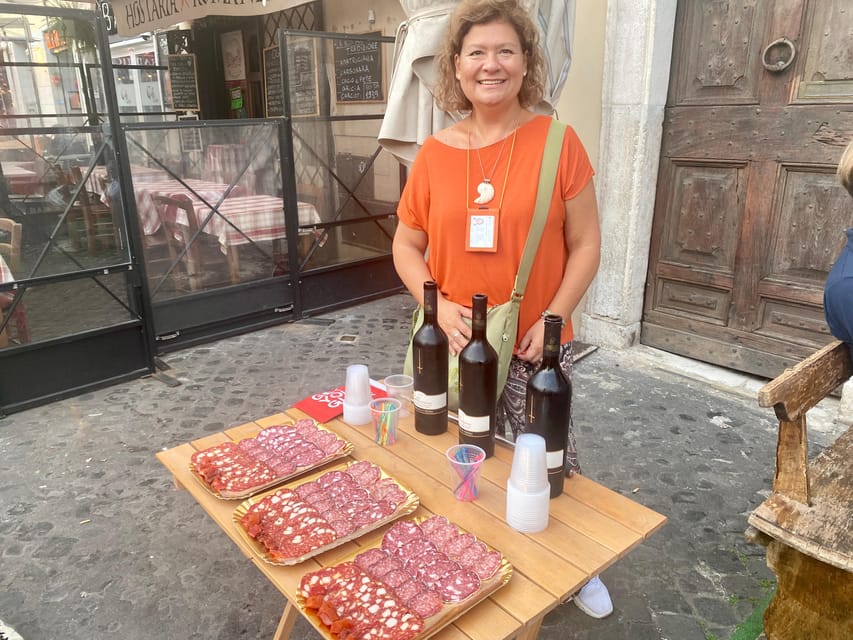
You meet in Campo de’ Fiori square under the statue of Giordano Bruno in the middle of the plaza. It’s a good launch point: you’re already in the neighborhood that feels like Rome on a normal day, not a staged tourist set.
From there, the tour kicks off with your first street-food tasting and an introduction to the food themes you’ll follow. You’ll also hear how Roman street food isn’t just snacking—it’s built on everyday ingredients and old food customs that still show up in what people order today.
One nice detail: the tour is English with a licensed local guide, and names like Martina and Ramona have shown up as guides. In practice, that means you’re not stuck deciphering broken explanations—you can actually enjoy the stories and move through the sites with confidence.
More hours among the great piazzas
- 3 in 1 Cooking Class near Navona: Fettuccine, Ravioli & Tiramisu
★ 5.0 · 7,376 reviews - Rome Food Tour: Campo de’ Fiori, Ghetto, Trastevere Winner 2024
★ 5.0 · 3,205 reviews - Rome: Trastevere & Campo de Fiori Street Food Walking Tour
★ 4.9 · 2,768 reviews - Enjoy Spritz and Pasta Making in Piazza Navona
★ 5.0 · 1,681 reviews
Campo de’ Fiori tastings: truffles, olive oil, balsamic, and Roman classics
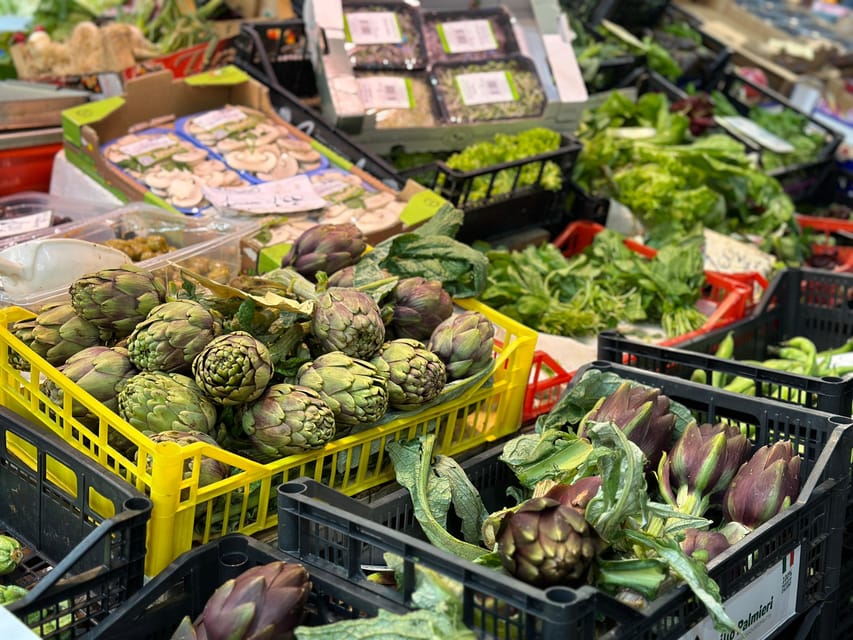
The first main tasting block is tied to the market area. Here’s where you get a sense of how Rome flavors food: simple ingredients, treated with respect, served fast.
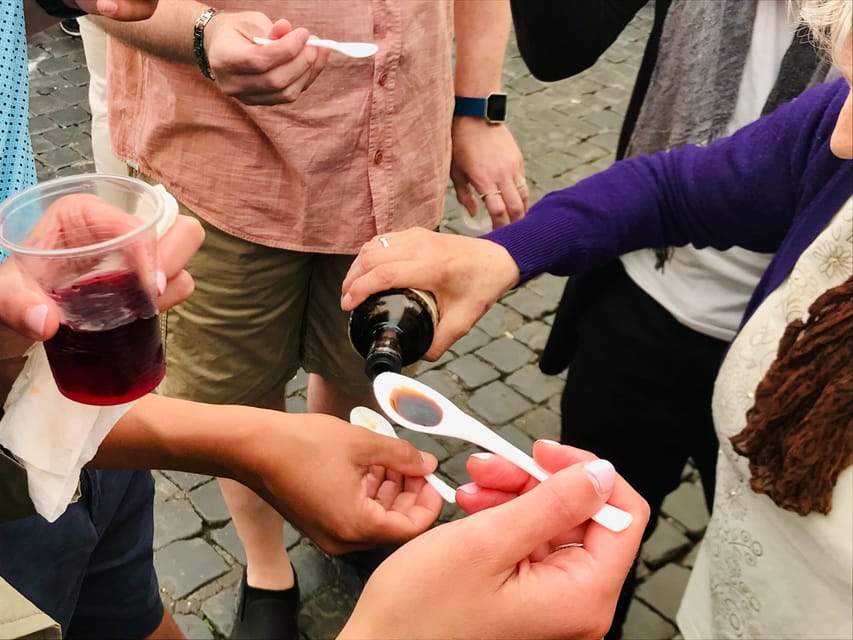
You may taste things like fresh truffles, plus olive oil and balsamic vinegar. If you’ve had those ingredients before, this is still worth it because the tour frames them in context—where they fit in Roman habits and how they show up in street-food style eating.
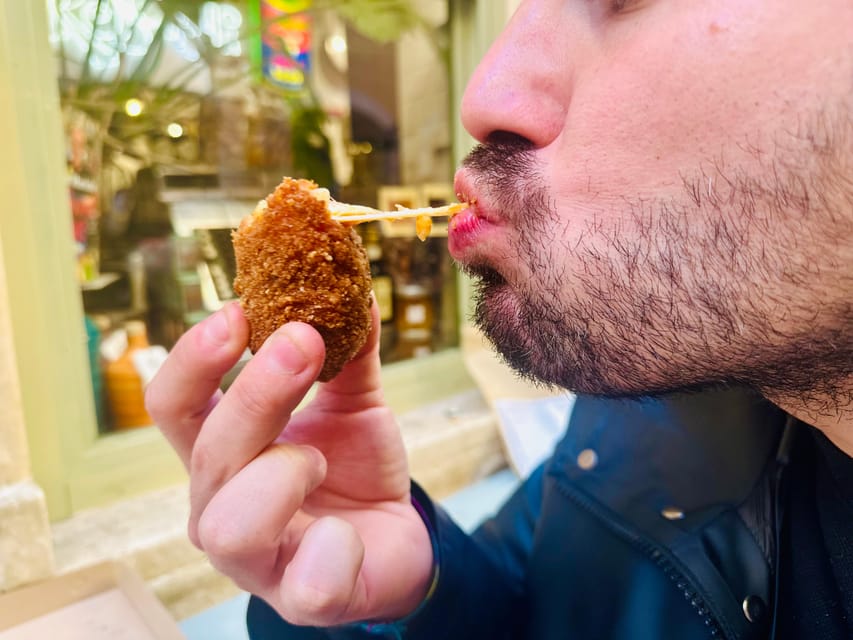
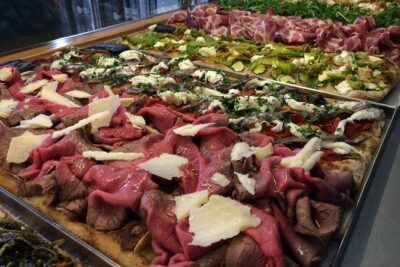
Then the walk turns toward the icons. Expect classics like supplì (rice balls filled with cheese and ragù) and pizza al taglio (Roman-style pizza sold by the slice). These are the foods that make Roman street food instantly recognizable, even if your trip is your first time in the city.
What I like about starting with these: you don’t have to guess what you’re looking at. You learn what to pay attention to (texture, seasoning, what makes Roman-style different), and you stop eating “random bites” and start tasting with purpose.
The wine stop: keeping the market theme without slowing you down
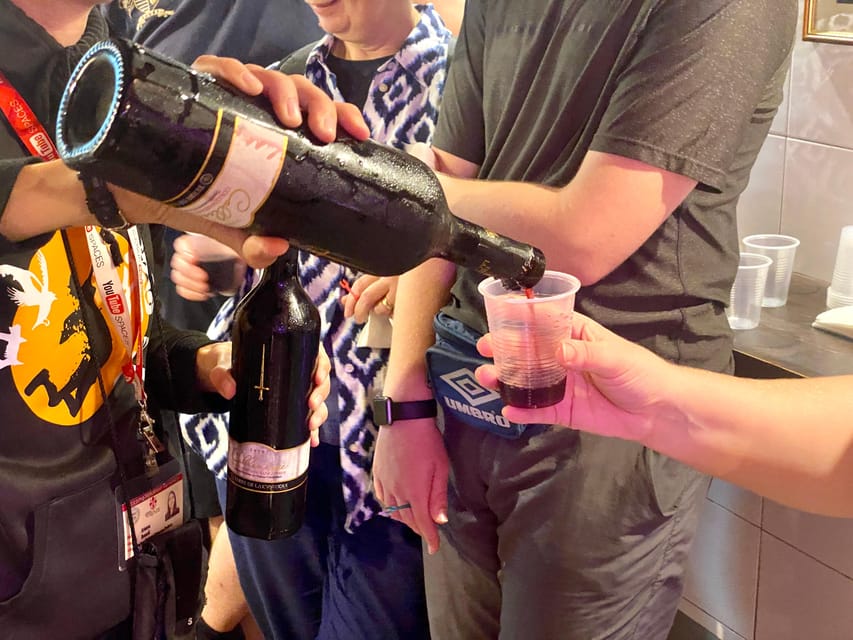
After the first market-focused portion, there’s another stop in the same Campo de’ Fiori area that adds wine alongside food. This is a good pacing choice. The tour is only 2.5 hours, so the guide doesn’t waste time with long lectures. Instead, you get a clear “taste-and-learn” rhythm.
If you’re the type who’s tired of tours that feel like a museum disguised as eating, this format helps. You’re still walking, still looking around, but every stop has a reason. And wine here works as a bridge between ingredients (oil, vinegar, savory items) and the idea of Roman meals as something social, even when it’s handheld.
Practical note: the market is listed as closed in the afternoons, so your tour timing matters if you’re hoping to see the market at full swing.
Pompey’s Theatre area and a quick beer-and-bites moment on Via dei Chiavari
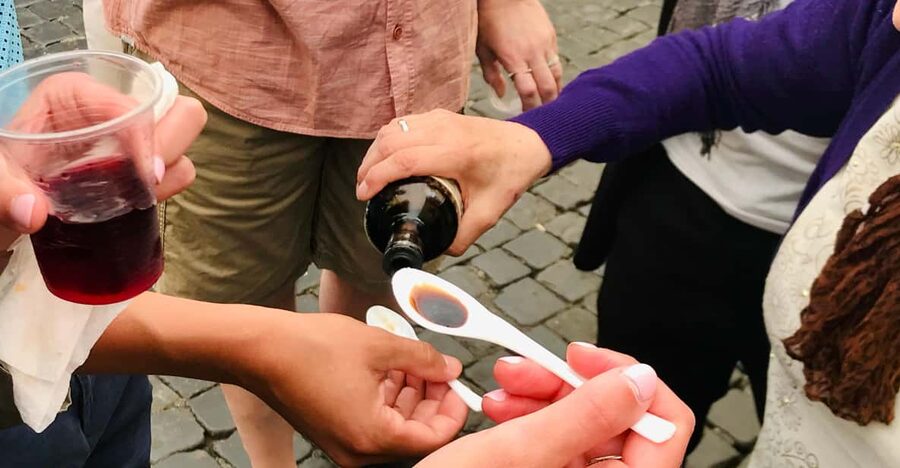
Next you’ll be guided on foot toward the Theatre of Pompey area. You’ll have another short tasting stop here. It’s one of those locations that makes Rome feel layered: you’re eating, but you can also see how the city’s old bones sit right next to everyday life.
Then you move a couple minutes to Via dei Chiavari, where the tour includes beer and another small street-food tasting. This is quick—just enough to keep energy up and keep the pace from dragging.
I like this stop because it breaks up the walking with something that feels distinctly local. A lot of food tours give you drinks, but they don’t always choose ones that match the rhythm of the neighborhood. Here, it fits the “grab, sip, stroll” feel.
Along the way, you’ll also get a sightseeing layer. Even short walks matter because the guide points out what you would otherwise miss—small streets, the placement of historic spaces, and how the neighborhoods relate to the river and older districts.
Still hungry? More Rome food walks
Portico d’Ottavia, the Great Synagogue area, and the Jewish Quarter story
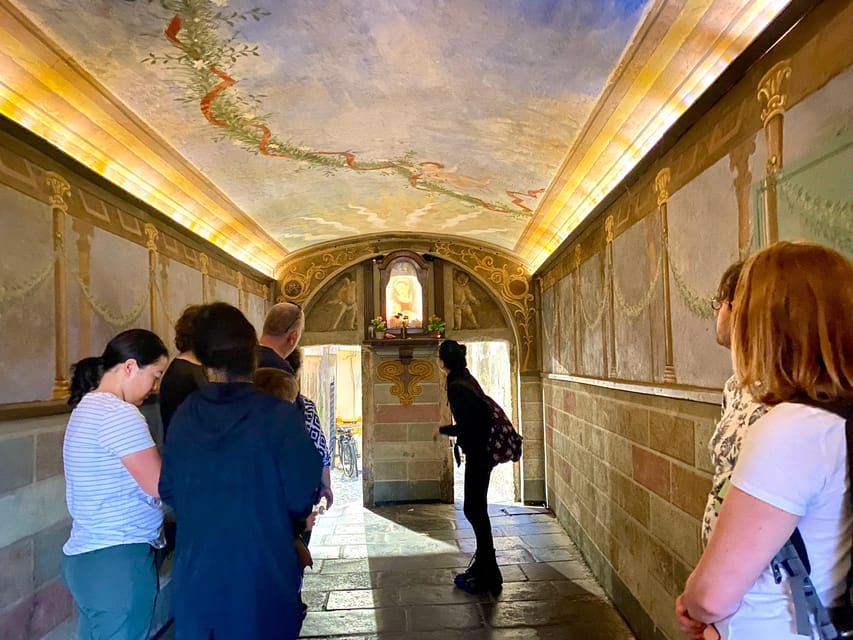
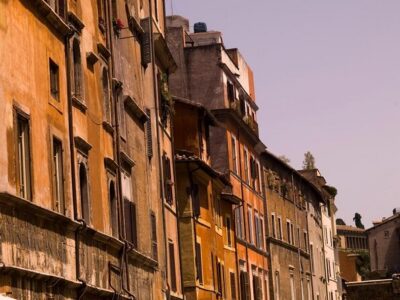
This is the heart of the tour. The Jewish Ghetto portion is centered around Rione Sant’Angelo near the Tiber River, with key viewpoints around Portico d’Ottavia and Teatro Marcello, plus a pass by the Great Synagogue of Rome (from outside).
What makes this section work is that the food doesn’t float in the air by itself. Your guide links the dish choices to Jewish-Roman culture—how traditions shaped what people cooked, and how the same city that produces famous “Roman classics” also holds deeper, less-obvious flavors.
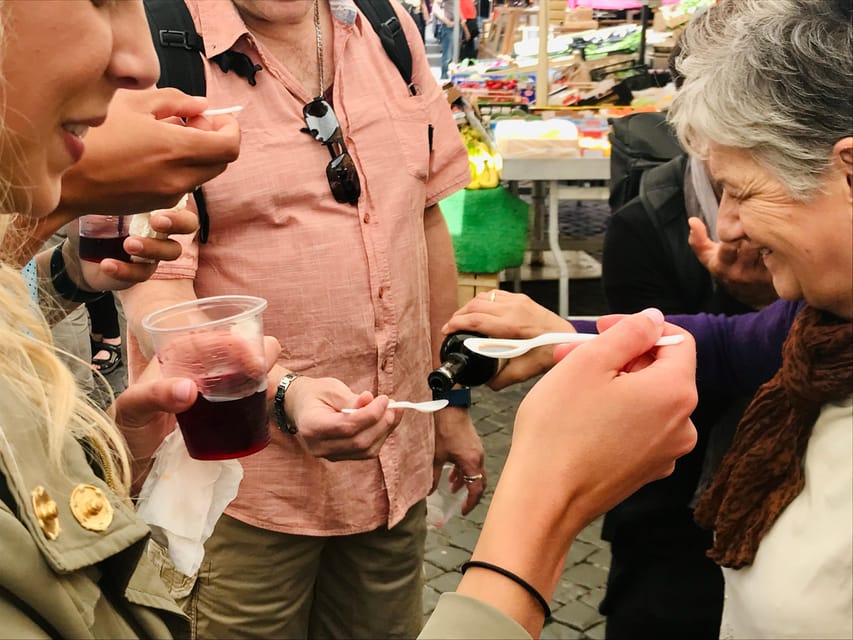
During this part of the walk, you’ll get your Roman-Jewish-focused tasting. The tour description frames it as the most famous Roman-Jewish specialty, served during the walk through the Ghetto streets. Even if you’ve never tried Roman Jewish food before, this stop is designed to give you a clear first impression, not a random sampling.
One reason I think this is especially valuable for many first-time visitors: Rome can be overwhelming. This tour helps you organize the city by taste and story, not by landmarks alone.
And if you care about where history shows up in daily life, pay attention to how the guide ties the neighborhood to food customs. You start to notice that architecture and street life aren’t separate from food—they’re part of the same cultural setting.
The finish at Largo di Torre Argentina: dessert and a satisfying wrap
The tour ends at Largo di Torre Argentina, with a dessert stop along the way at a final tasting point. This is a smart way to close. You’ve already had savory bites, drinks, and the main specialty taste—so dessert helps you end on something light and memorable.
Finishing at this area also gives you options after the tour. You’re not locked into staying near one shop or one market. You’ve been walking through major historic zones, and you can continue exploring nearby on your own with better context than you had at the start.
Price and value: why $46 can feel fair (if you go in expecting tastings)
At $46 per person for a 2.5-hour guided walking tour, the value depends on what you want from the experience.
Here’s what’s included:
- A licensed guide and the full walking route
- 5 different street-food tastings
- Beer and wine samples
- No extra food costs included, so what you eat is planned, portioned, and matched to the stops
If you’ve ever done Rome on your own, you know the hidden cost of “just grabbing a few bites.” Add up drinks, small plates, and the time it takes to find places confidently, and the math often favors a guided plan. This one is built to remove that guesswork. You’re paying for direction, pacing, and the tasting sequence that ties the Jewish Quarter to Campo de’ Fiori street food.
What you should watch: anything beyond the included tastings is on you. And because the market area can tempt you to buy souvenirs or food items, it’s smart to set a spending limit beforehand.
Who should book this tour (and who should skip)
This tour fits best if you:
- Love street food and want Roman classics like supplì and pizza al taglio
- Want a guided walk with historical context, especially around the Jewish Ghetto area
- Prefer a structured eating plan over trying to self-guide your way through neighborhoods
It’s not a fit if you:
- Need a vegan menu (the tour isn’t listed as vegan-friendly)
- Have gluten intolerance (the tour is listed as not suitable)
Vegetarians can be accommodated, but you must advise in advance. Last-minute changes aren’t guaranteed, so don’t count on a quick swap the day of the tour.
Also, plan around walking. This is a walking tour with multiple on-foot segments, so comfortable shoes matter more than you might expect.
Tips that make the tour smoother (and keep your budget sane)
A few practical moves will help you get the most out of it:
- Arrive right on time at Campo de’ Fiori under the Giordano Bruno statue. Late arrivals can knock your tasting schedule off.
- Treat extra shopping like a separate decision, not part of the meal. One caution from experience: some people feel market items purchased after tastings can be overpriced for the amount and quality.
- If you’re vegetarian, message your dietary request early. The tour explicitly notes that last-minute vegetarian requests won’t be accommodated.
- Since the market may be closed in the afternoon, if your dates are flexible, aim for a start time that keeps you from missing the market feel.
- Ask your guide what’s worth buying and what’s not. The guide’s value isn’t only storytelling—it’s helping you avoid unnecessary purchases.
Should you book this Rome Jewish Quarter and Campo de’ Fiori Street Food Tour?
If you want a Rome experience that mixes food with real context, I’d book it. The included tastings, plus beer and wine samples, make it a good deal for a short trip where time matters. The Jewish Ghetto walking portion adds depth without turning the day into a history lecture.
I’d skip it only if you’re vegan, gluten intolerant, or you hate walking. And if you know you’ll be tempted to shop at markets, go in with a plan and a budget so you don’t feel pressured after tasting.
FAQ
Where do I meet the guide?
Please meet your guide at Campo dei Fiori square under the statue of Giordano Bruno located in the middle of the square.
How long is the tour and is it guided?
The tour runs for 2.5 hours and includes a live English licensed local guide.
What’s included in the $46 price?
The tour includes 5 different street food tastings, beer (sample), and wine (sample), plus the walking tour with your guide.
Can vegetarians join?
Yes, vegetarian options can be accommodated, but you need to advise in advance. Last-minute requests won’t be accommodated.
Is the tour suitable for vegans or gluten intolerance?
No. The tour is not suitable for vegans and not suitable for people with gluten intolerance.
Is the Campo de’ Fiori market always open?
No. The information provided notes that the market is closed in the afternoons, so timing matters.
More Tour Reviews in Rome
- Vatican Museums, Sistine Chapel & St. Peter’s Basilica Tour
★ 4.3 · 73,970 reviews - Vatican Museums, Sistine Chapel & St Peter’s Basilica Guided Tour
★ 4.5 · 39,149 reviews - Rome: Colosseum, Palatine Hill and Roman Forum Guided Tour
★ 4.8 · 32,814 reviews - Rome: Guided Tour of Colosseum, Roman Forum & Palatine Hill
★ 4.7 · 27,897 reviews - Rome: Colosseum & Forum with Audio Guide App -Optional Arena
★ 4.2 · 24,770 reviews - Rome: Colosseum, Roman Forum and Palatine Hill Guided Tour
★ 4.5 · 23,903 reviews
More Roman Tables Worth Booking
- Winner 2025 Rome Twilight Trastevere Food Tour by Eating Europe
★ 5.0 · 5,157 reviews - Rome: Street Food Tour with Local Guide
★ 4.8 · 4,077 reviews - Rome Food Tour: Unlimited Tastings with Fine Wine & Barolo
★ 5.0 · 3,365 reviews - Rome Food Tour: Campo de’ Fiori, Ghetto, Trastevere Winner 2024
★ 5.0 · 3,205 reviews - Rome: Guided Food Walking Tour with Wine in Trastevere
★ 4.9 · 3,105 reviews - Rome: Trastevere Food tour with Free-Flowing Fine Wine
★ 5.0 · 2,853 reviews
More of Rome's Grand Piazzas
- 3 in 1 Cooking Class near Navona: Fettuccine, Ravioli & Tiramisu
★ 5.0 · 7,376 reviews - Rome Food Tour: Campo de’ Fiori, Ghetto, Trastevere Winner 2024
★ 5.0 · 3,205 reviews - Rome: Trastevere & Campo de Fiori Street Food Walking Tour
★ 4.9 · 2,768 reviews - Enjoy Spritz and Pasta Making in Piazza Navona
★ 5.0 · 1,681 reviews - Rome: Pasta & Tiramisu Cooking Class near the Spanish Steps
★ 4.8 · 1,395 reviews - Rome: Traditional Pizza Cooking Class near Piazza Navona
★ 4.7 · 1,241 reviews
Just added to our Rome reviews





Piazza Navona & Spanish Steps Tours, compared.
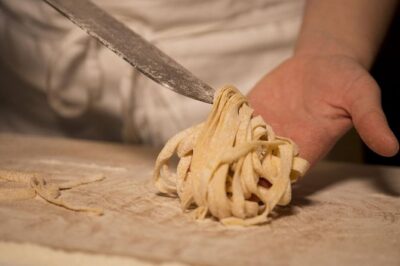 ★ 5.03 in 1 Cooking Class near Navona: Fettuccine, Ravioli & TiramisuFrom $837,376 reviews
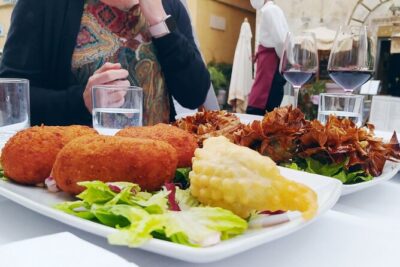 ★ 5.0Rome Food Tour: Campo de’ Fiori, Ghetto, Trastevere Winner 2024From $883,205 reviews
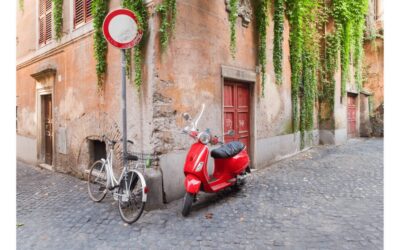 ★ 4.9Trastevere & Campo de Fiori Street Food Walking TourFrom $512,768 reviews
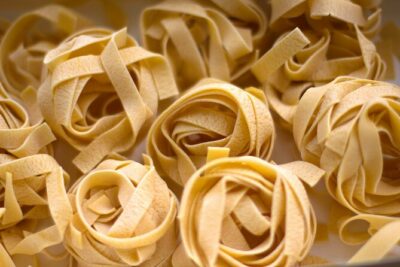 ★ 5.0Enjoy Spritz and Pasta Making in Piazza NavonaFrom $901,681 reviews
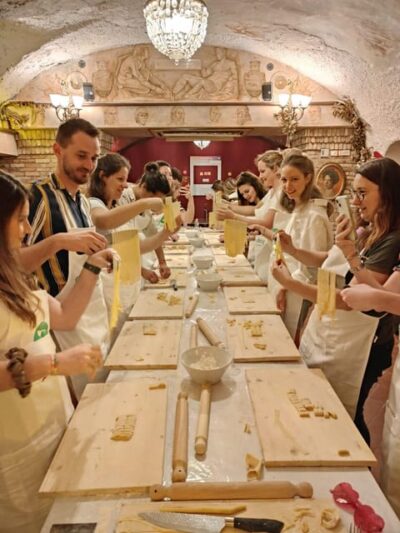 ★ 4.8Pasta & Tiramisu Cooking Class near the Spanish StepsFrom $581,395 reviews
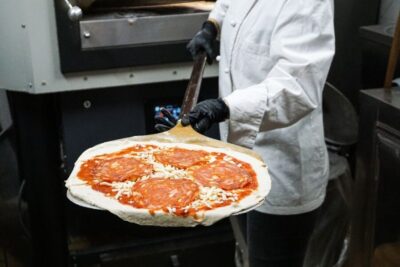 ★ 4.7Traditional Pizza Cooking Class near Piazza NavonaFrom $461,241 reviews
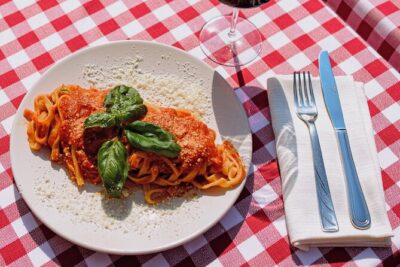 ★ 5.0Pasta Cooking Class in Rome – Fettuccine Class in Piazza NavonaFrom $671,037 reviews
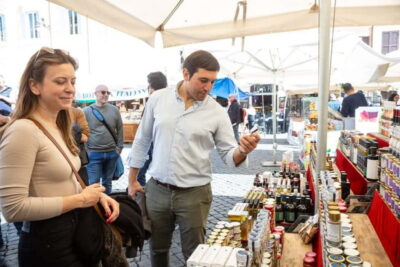 ★ 5.0Eat Like a Roman Ghetto & Campo de’ Fiori Food TourFrom $501,037 reviews
Browse the lists this tour appears in