
Reviewed · ROME COOKING CLASSES
Rome: Homemade Pasta and Tiramisu Cooking Class
Roman cooking is hands-on, not just watching. This 2.5-hour Rome class teaches you how to shape Roman pasta and build tiramisu the traditional way, with a real instructor guiding every step. I like that you get technique (kneading, rolling, and hand-cutting) plus cultural context, but there’s one big catch: it’s not suitable for vegans or for people with gluten or lactose intolerance.
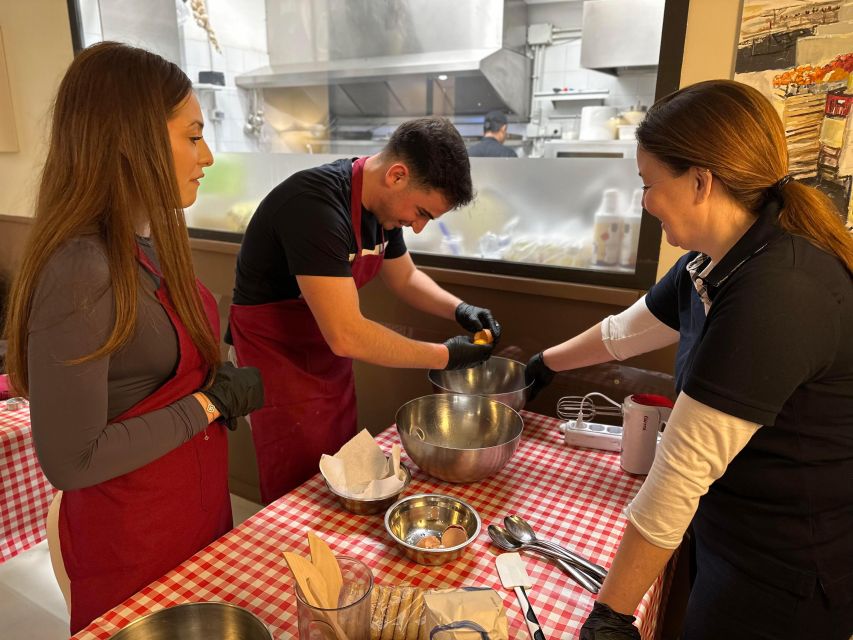
I also like the mix of classroom and dinner. You cook in a traditional Roman osteria, then sit down to eat what you made along with a glass of wine, which makes the whole afternoon feel like a complete meal, not a demo. Many past sessions highlight friendly English-speaking instructors such as Kristian, Luca, Christian Simeoni, and Elisabetta, so you’re likely to get clear explanations and practical tips you can use right after you’re back home.
In This Review
- Key Things to Know Before You Go
- Making Roman Pasta at Osteria San Giorgio: The Main Event
- The Dough Work You’ll Be Able to Repeat at Home
- Pasta Types Explained Simply: Pappardelle vs. Tagliatelle vs. Tonnarelli
- Choosing Ingredients Like a Roman (Without Overthinking It)
- Classic Tiramisu: The Espresso-Dipped Technique
- Eating What You Cook: Wine, Dining, and a Real Osteria Feel
- Price and Value: What $65 Really Buys You
- Who This Is For (and Who Should Skip It)
- Getting Set for the Class: What to Expect Logistically
- Final Verdict: Should You Book This Rome Pasta and Tiramisu Class?
- FAQ
- Where is the meeting point for the Rome pasta and tiramisu cooking class?
- How long is the cooking class?
- Is the class taught in English?
- What are the main dishes you’ll learn to make?
- What’s included in the $65 price?
- Is the class suitable for dietary restrictions like vegan, gluten intolerance, or lactose intolerance?
- What cancellation or payment options are available?
Key Things to Know Before You Go
- You learn real Roman shapes like pappardelle, tagliatelle, and tonnarelli, not just one generic pasta.
- Tiramisu is taught as a process, with the espresso-dipped dessert method and the cream layering that makes it set right.
- Ingredient choice gets attention, including what to look for so your pasta and dessert actually taste like Italy.
- The class ends with your meal, served right after you cook, paired with a glass of wine.
- English instruction is included, and multiple instructors are described as patient and engaging.
- Small-group energy can happen, with at least one booking turning into a private lesson when only two people signed up.
Making Roman Pasta at Osteria San Giorgio: The Main Event
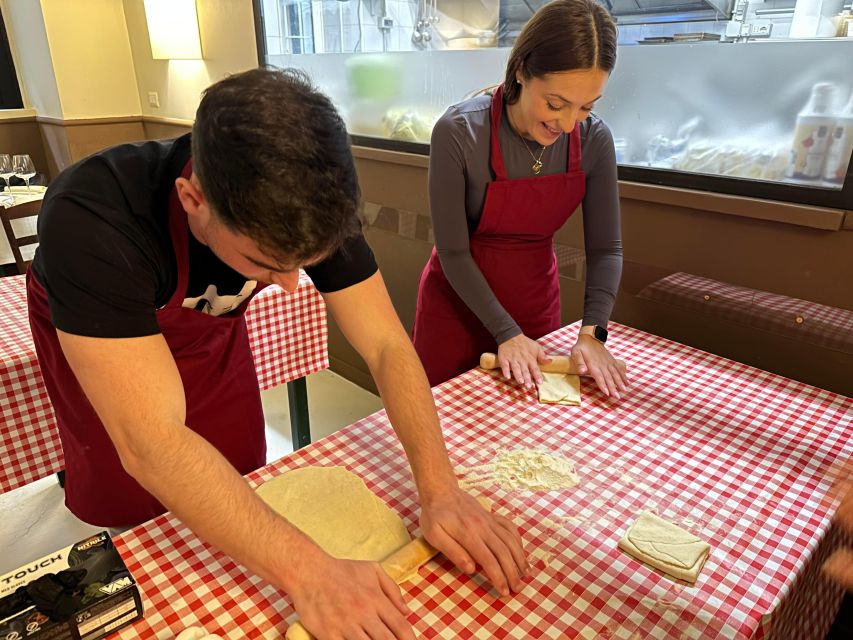
If you want one food activity in Rome that feels more like learning a craft than taking a tour, this is it. The whole class centers on making homemade pasta dough, shaping Roman styles, and then understanding why those shapes matter.
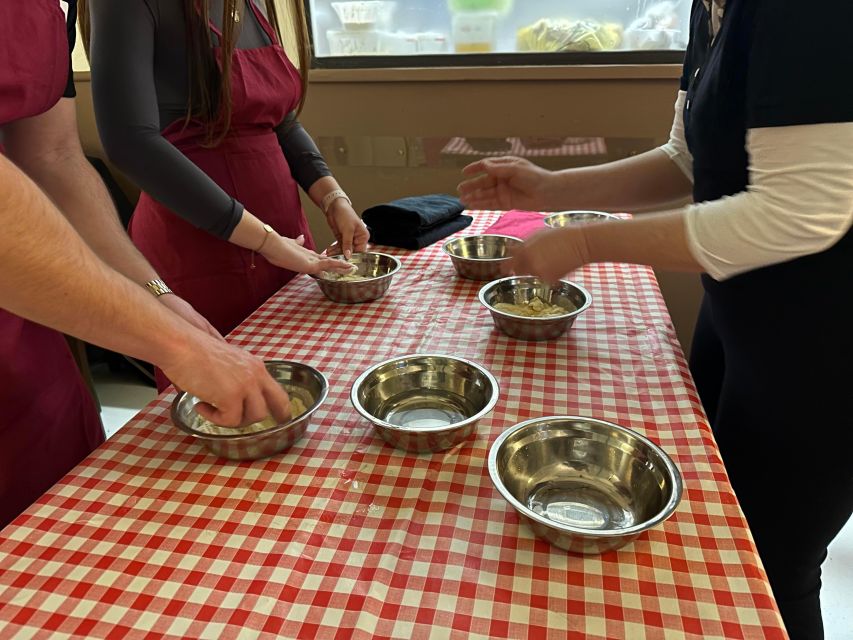
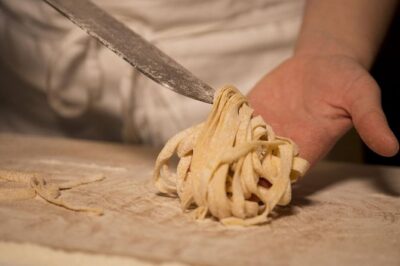
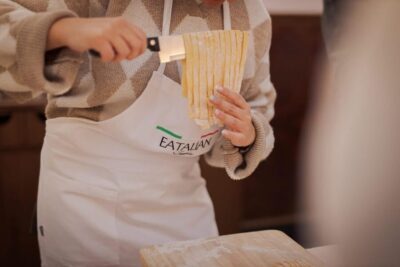
You start with the basics of pasta: mixing flour and water, kneading, and learning what the dough should feel like. That hands-on stage is the point. Once you understand the texture and how to work the dough, the rest makes sense—rolling, cutting, and shaping.
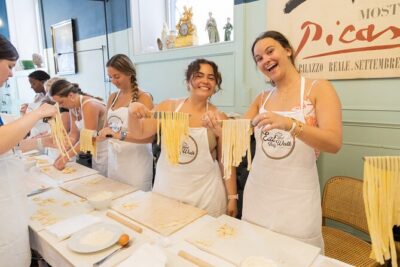
Your instructor walks you through how Roman pasta types differ. You’ll work through shapes such as pappardelle, tagliatelle, and tonnarelli, each with its own look and role on the plate. The takeaway is practical: you’ll stop thinking of pasta as one thing and start thinking of it as a set of formats designed for different sauces and eating styles.
More aprons-on time in a Roman kitchen
- 3 in 1 Cooking Class near Navona: Fettuccine, Ravioli & Tiramisu
★ 5.0 · 7,376 reviews - Rome: Pasta & Tiramisu Class with Fine Wine by the Vatican
★ 4.9 · 4,852 reviews - Rome: Pasta Making Class with Wine, Limoncello, and Dessert
★ 4.9 · 3,177 reviews - Rome Cooking Class: Make Pasta and 3 Spritz Cocktails
★ 5.0 · 2,937 reviews
The Dough Work You’ll Be Able to Repeat at Home
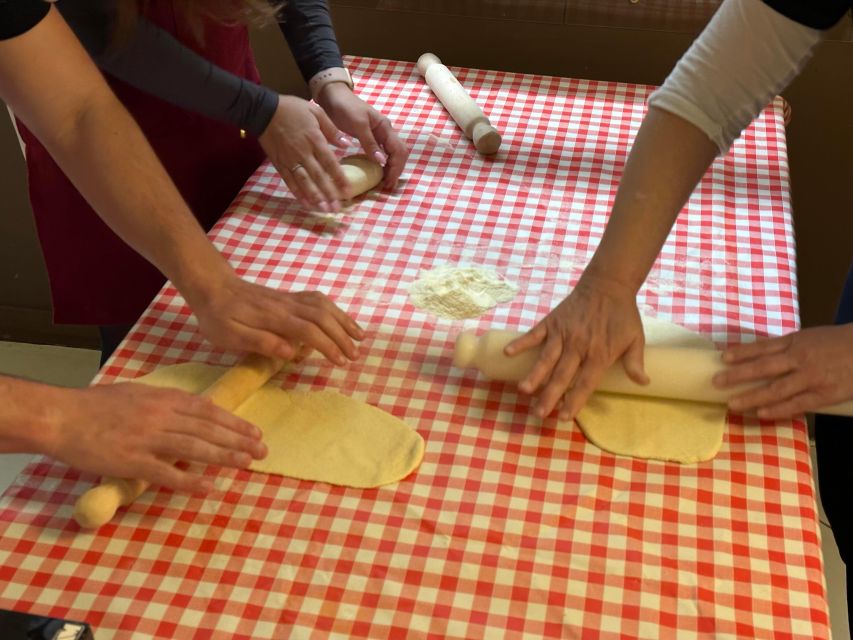
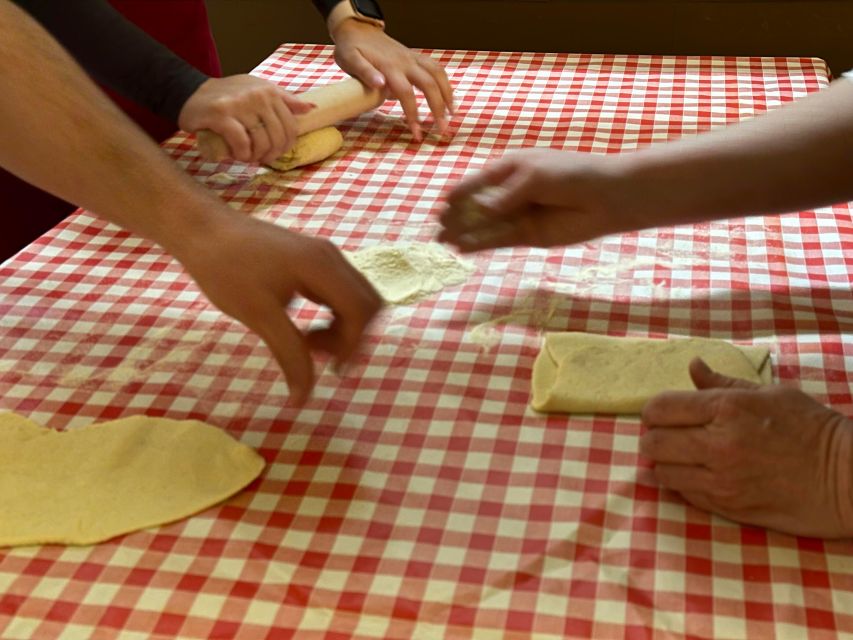
This class spends time on the steps many people struggle with when they try pasta at home. You’ll practice the sequence: mix, knead, roll, and then cut by hand. That means you’re not just learning a recipe—you’re learning a method.
What makes this valuable in Rome is that the instructor can correct the things that usually go wrong. Too dry? Too sticky? Rolls too thick or too thin? Those are the classic pitfalls, and in a cooking class you can adjust in real time instead of guessing later from a video.
Also, hand-cutting matters. It forces you to slow down and pay attention to thickness and shape. And it helps you feel the difference between pasta styles beyond pictures on a package. By the end, you’ll understand why hand-cut pasta looks the way it does and why that texture helps with how it cooks and eats.
Pasta Types Explained Simply: Pappardelle vs. Tagliatelle vs. Tonnarelli
Here’s what I like about the way this class approaches pasta shapes: it doesn’t treat them as trivia. You learn them because they connect to how Roman dishes work.
- Pappardelle are wider ribbons, with a bold presence on the plate. You’ll get a feel for rolling and cutting something broader without turning it into sloppy noodles.
- Tagliatelle are narrower than pappardelle but still ribbon-shaped. You’ll practice precision so the strands cook evenly and keep their shape.
- Tonnarelli are associated with Roman pasta tradition, often linked with specific regional pasta preparations. You’ll learn how that style looks and what “Roman cut” means in practice.
Even if you’ve eaten these pastas many times, the learning moment hits when you make them yourself. It’s the kind of skill that makes you better at ordering pasta later too, because you start noticing shape as part of the dish, not just garnish.
Choosing Ingredients Like a Roman (Without Overthinking It)
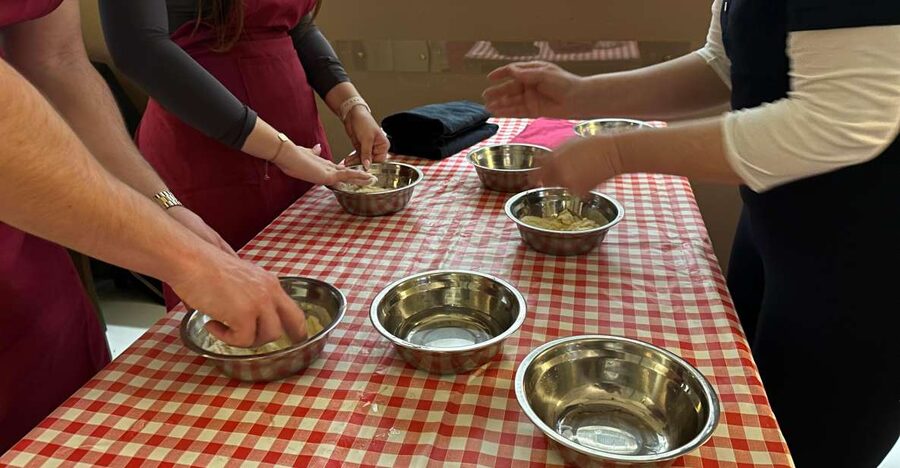
One of the most helpful parts of this class is the focus on ingredient sourcing. You get practical tips for choosing premium ingredients, and that matters more than most people expect.
When you’re making pasta dough, flour quality affects texture. For sauces and pairings, the ingredients you pick determine whether the flavor tastes flat or truly Italian. And with tiramisu, the ingredient details show up fast—especially the espresso and the dairy/cream part (which is also why the class isn’t suitable for lactose intolerance).
You’ll also hear cultural context around the recipes. That doesn’t just sound nice—it helps you cook with confidence later. When you understand what makes the dish Roman, you’re less likely to substitute randomly and end up with something that tastes “close” but not right.
Worth a look next to this Rome booking:
Classic Tiramisu: The Espresso-Dipped Technique
After pasta, you switch gears to dessert: tiramisu. This is where the class earns its keep, because tiramisu is famous for being both simple and easy to mess up.
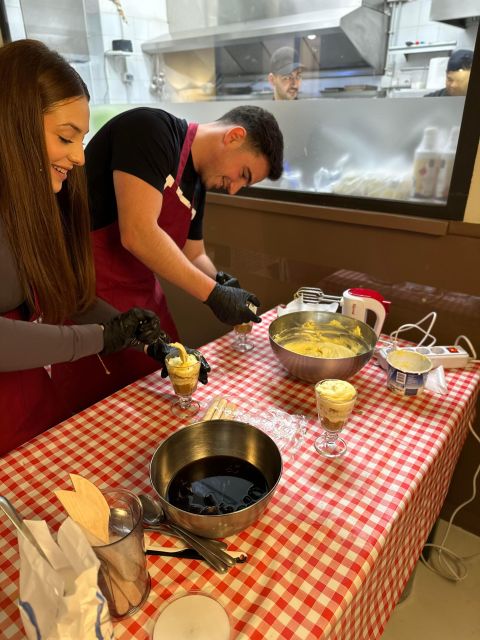
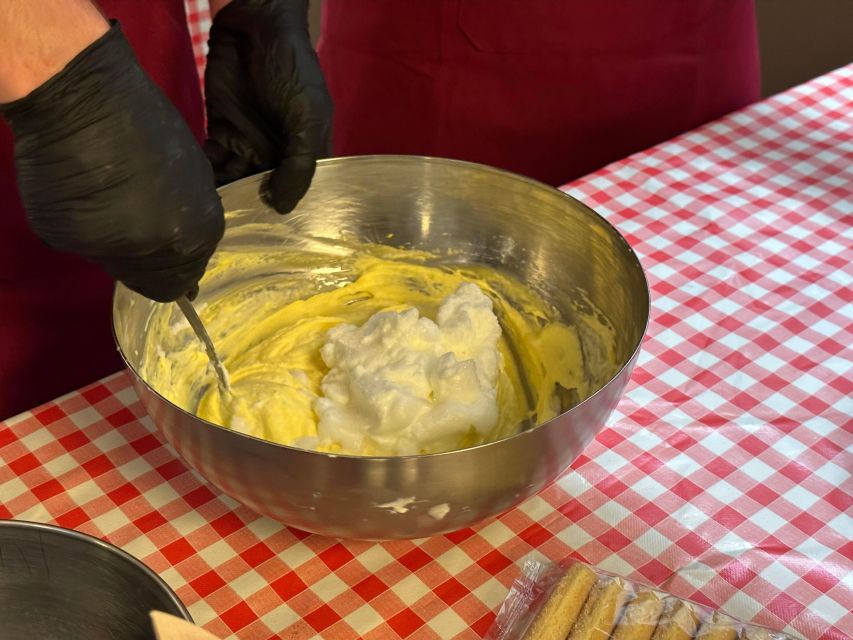
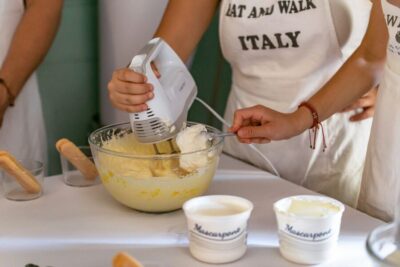
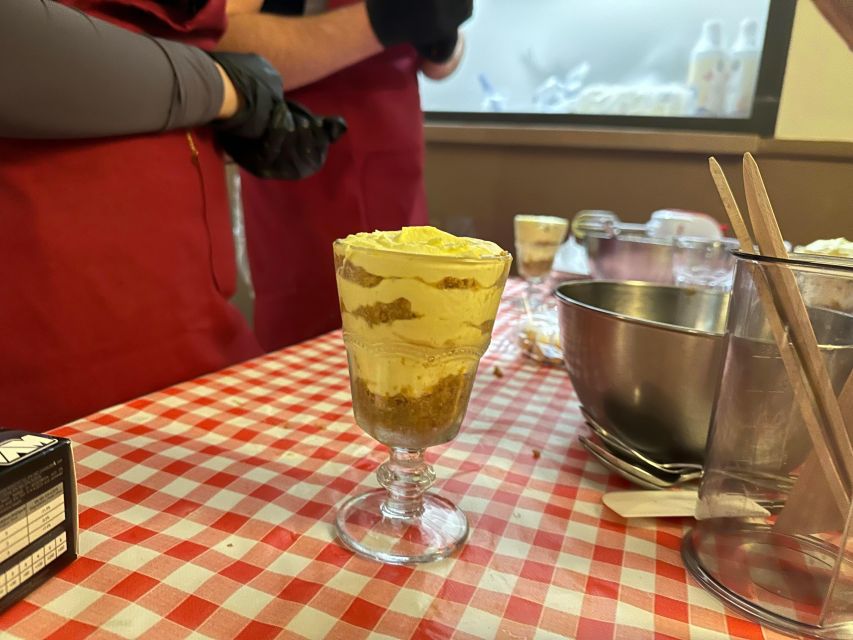
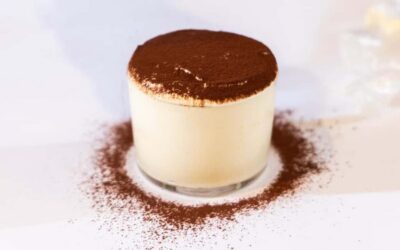
You’ll learn the classic process, centered on espresso-dipped elements and the creamy layers that make tiramisu taste like tiramisu. The key lesson here is how to balance soak and structure. Oversoak and it can get watery. Go too firm and the dessert misses the soft, coffee-kissed bite.
The class approach is hands-on, not theoretical. You’re working through the steps so you can recreate the method at home. By the time you finish, you understand why this dessert is considered timeless: it’s built on texture, temperature, and timing as much as it is on flavor.
Eating What You Cook: Wine, Dining, and a Real Osteria Feel
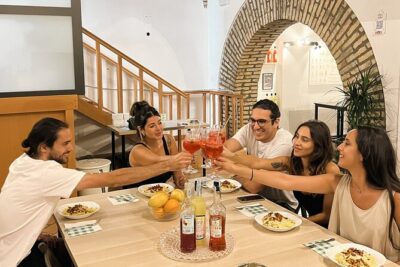
The best cooking classes end with a meal. This one does. Once your pasta and tiramisu are done, you eat your creations at the restaurant, paired with a glass of wine.
That matters for two reasons. First, it closes the feedback loop. You learn what your finished pasta and dessert taste like when they’re fresh and cooked the right way. Second, it makes the afternoon feel like a complete Roman experience rather than a quick workshop you rush through and forget.
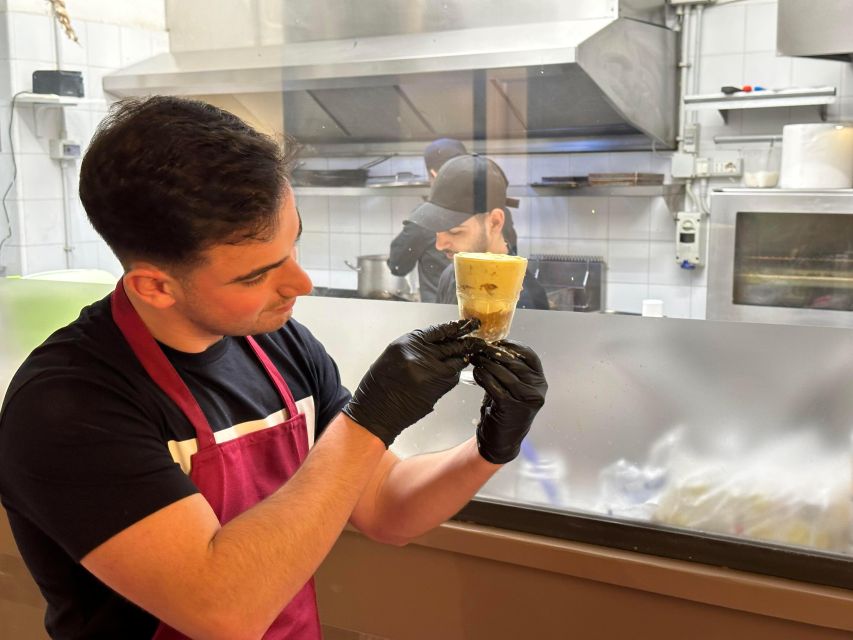
The setting is a traditional restaurant in Rome, and the vibe tends to be friendly and social. Some sessions are described as relaxed, which is ideal because you’ll be focused on technique, not trying to perform. One detail to note: in at least one past class, a participant felt slightly uncomfortable because kitchen staff were watching closely while they cooked. That’s not guaranteed to happen, but it’s a fair consideration if you’re self-conscious in busy kitchens.
Price and Value: What $65 Really Buys You
At $65 per person for 2.5 hours, the value is strongest when you look at what’s included. You get the instructor, all ingredients and utensils, water, and a glass of wine. Plus, you eat what you make—so it’s not just a lesson, it’s also your meal and dessert experience.
In Rome, a “sit down and eat” meal can easily climb fast once wine and dessert are included. Here, you’re getting those same components plus the skill-building. That turns the price into something more like a hands-on cultural activity rather than a pure food tasting.
The other value angle is how it reduces guesswork. Pasta dough and tiramisu are both things people struggle to replicate at home. Paying for guided practice can save you from multiple failed attempts later, especially when you learn what the dough should feel like and how the dessert should be built.
Who This Is For (and Who Should Skip It)
This class is a great fit if you want a practical, hands-on Rome activity. It’s especially good for couples who like doing something together, and it can work for families too—one past class included children who enjoyed learning the process with a patient instructor.
You’ll also get a lot out of it if you like understanding the why behind food. The cultural significance and recipe history you hear during the class can deepen how you think about Roman cooking when you explore the city afterward.
But you should skip this if you’re vegan or need gluten-free or lactose-free food. The class isn’t suitable for those dietary constraints based on the provided info. Pasta dough and tiramisu are ingredient-dependent, and the plan here uses traditional components.
Getting Set for the Class: What to Expect Logistically
You meet at Osteria San Giorgio. That’s your starting point, and it helps to arrive a bit early so you can settle in without stress.
Timing is simple: plan for 2.5 hours. You’ll spend most of the time on pasta dough and shaping, then shift into tiramisu. The pace is built around doing, not waiting around.
Language-wise, the instructor is English-speaking, and that’s a big plus in Rome when you want to ask questions and get real answers instead of nodding politely. One more practical note: since you’ll work with flour and dough, wear clothes you don’t mind getting a little messy.
Final Verdict: Should You Book This Rome Pasta and Tiramisu Class?
I’d book it if you want one activity that teaches you a skill you’ll actually use. You’re not just eating Roman food—you’re making it. The strongest reasons are the hands-on pasta workflow, the clear instruction that multiple instructors are praised for (including Kristian, Luca, Christian Simeoni, and Elisabetta), and the way the class ends with dinner you can savor right away.
Skip it if you need vegan, gluten-free, or lactose-free options. Also skip it if you hate kitchens where you might feel watched while cooking, since at least one participant has mentioned that as a minor discomfort.
FAQ
Where is the meeting point for the Rome pasta and tiramisu cooking class?
The meeting point is Osteria San Giorgio.
How long is the cooking class?
The class lasts 2.5 hours.
Is the class taught in English?
Yes. The instructor speaks English.
What are the main dishes you’ll learn to make?
You’ll learn to make homemade Roman pasta (including pappardelle, tagliatelle, and tonnarelli) and classic tiramisu.
What’s included in the $65 price?
The price includes the cooking class, instructor, all ingredients and utensils, water, and a glass of wine.
Is the class suitable for dietary restrictions like vegan, gluten intolerance, or lactose intolerance?
No. It is not suitable for vegans, or for people with gluten intolerance or lactose intolerance.
What cancellation or payment options are available?
You can cancel up to 24 hours in advance for a full refund, and there’s also a reserve now & pay later option where you pay nothing today.
More Cooking Classes in Rome
- 3 in 1 Cooking Class near Navona: Fettuccine, Ravioli & Tiramisu
★ 5.0 · 7,376 reviews - Rome: Pasta Making Class with Wine, Limoncello, and Dessert
★ 4.9 · 3,177 reviews - Rome Cooking Class: Make Pasta and 3 Spritz Cocktails
★ 5.0 · 2,937 reviews - Rome: 3-in-1 Fettuccine, Ravioli, and Tiramisu Cooking Class
★ 4.9 · 2,704 reviews - Rome: Fettuccine Pasta Cooking Class in Rome’s City Center
★ 4.8 · 2,414 reviews - Fettuccine & Tiramisù: Cooking Class with Wine & Limoncello
★ 4.9 · 2,103 reviews
More Tour Reviews in Rome
- Vatican Museums, Sistine Chapel & St. Peter’s Basilica Tour
★ 4.3 · 73,970 reviews - Vatican Museums, Sistine Chapel & St Peter’s Basilica Guided Tour
★ 4.5 · 39,149 reviews - Rome: Colosseum, Palatine Hill and Roman Forum Guided Tour
★ 4.8 · 32,814 reviews - Rome: Guided Tour of Colosseum, Roman Forum & Palatine Hill
★ 4.7 · 27,897 reviews - Rome: Colosseum & Forum with Audio Guide App -Optional Arena
★ 4.2 · 24,770 reviews - Rome: Colosseum, Roman Forum and Palatine Hill Guided Tour
★ 4.5 · 23,903 reviews
Learn Another Roman Dish
- 3 in 1 Cooking Class near Navona: Fettuccine, Ravioli & Tiramisu
★ 5.0 · 7,376 reviews - Rome: Pasta & Tiramisu Class with Fine Wine by the Vatican
★ 4.9 · 4,852 reviews - Rome: Pasta Making Class with Wine, Limoncello, and Dessert
★ 4.9 · 3,177 reviews - Rome Cooking Class: Make Pasta and 3 Spritz Cocktails
★ 5.0 · 2,937 reviews - Rome: 3-in-1 Fettuccine, Ravioli, and Tiramisu Cooking Class
★ 4.9 · 2,704 reviews - Rome: Fettuccine Pasta Cooking Class in Rome’s City Center
★ 4.8 · 2,414 reviews
Just added to our Rome reviews





Rome Cooking Classes, compared.
 ★ 5.03 in 1 Cooking Class near Navona: Fettuccine, Ravioli & TiramisuFrom $837,376 reviews
 ★ 4.9Pasta & Tiramisu Class with Fine Wine by the VaticanFrom $414,852 reviews
 ★ 4.9Pasta Making Class with Wine, Limoncello, and DessertFrom $483,177 reviews
 ★ 5.0Rome Cooking Class: Make Pasta and 3 Spritz CocktailsFrom $992,937 reviews
 ★ 4.93-in-1 Fettuccine, Ravioli, and Tiramisu Cooking ClassFrom $812,704 reviews
 ★ 4.8Fettuccine Pasta Cooking Class in Rome’s City CenterFrom $462,414 reviews
 ★ 5.0Learn to Make Pasta & Tiramisu with Wine and Limoncello IncludedFrom $542,345 reviews
 ★ 5.0Become a Masterchef in Rome: Pasta, Ravioli and Tiramisù ClassFrom $472,156 reviews
Browse the lists this tour appears in