
Reviewed · PASTA
Rome: Fresh Pasta-Making Class with Wine and Gelato
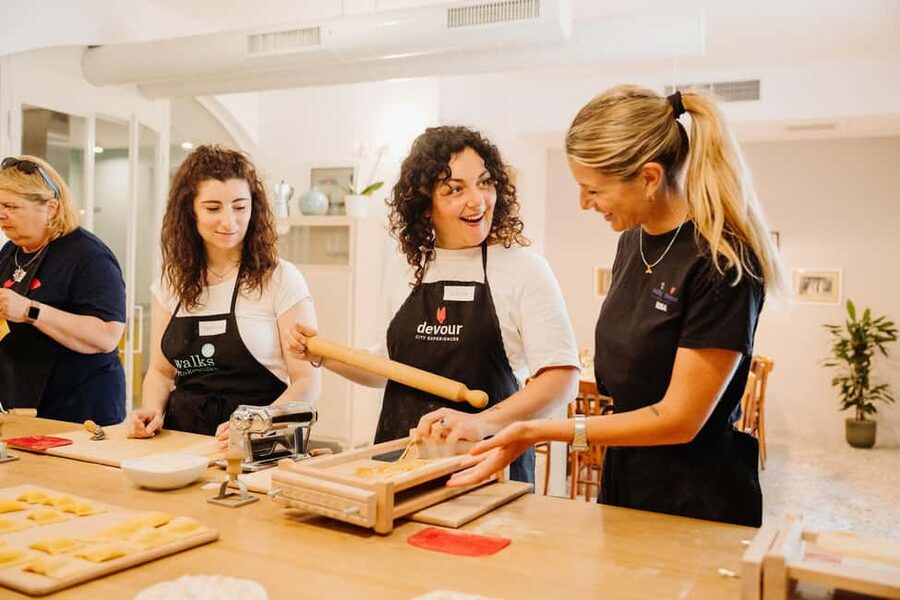
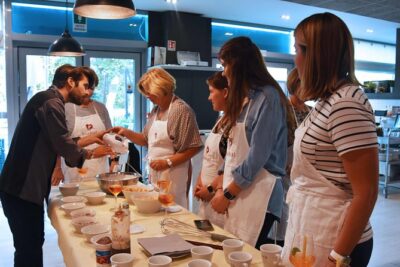
Fresh pasta day beats any souvenir. In a Trastevere home kitchen, you’ll roll, cut, and fill dough with a pro chef while prosecco and bottomless wine keep the night easy and social. You finish by eating what you made, plus homemade gelato for the sweet landing.
I especially love the hands-on feel: you learn the basics of balancing flour, eggs, and olive oil, then you shape two classic types like fettuccine and ravioli. I also like how Roman cooking is treated as a real skill set, not just a demo, with Roman sauces taught using ingredients from local markets.
One drawback to consider: this setup is not suitable for wheelchair users or for strollers, so plan for a standing, hands-on experience and choose wisely if mobility is an issue.
In This Review
- Key things that make this Rome pasta class worth it
- Rome’s Trastevere home kitchen: what you’re really buying with $69
- Meeting at Piazza di San Giovanni della Malva: arrive early, look for the red bag
- Aperitivo and prosecco first: the class starts like a real Roman night
- Pasta dough basics: how the chef teaches you to balance flour, eggs, and olive oil
- Fettuccine and ravioli in one session: two shapes, two different skills
- Roman sauces from market ingredients: amatriciana-style know-how
- The meal: unlimited wine, real group table energy, and what to expect while you eat
- Gelato finish and printed recipe cards: take the skills home, not just the photos
- Value check: is this really worth $69 in Rome?
- Who this Rome pasta and gelato class suits (and who should think twice)
- Practical tips so you enjoy the full 3 hours
- Should you book this Rome fresh pasta and gelato class?
Key things that make this Rome pasta class worth it
- Trastevere home-kitchen setting, not a crowded tourist venue
- Make two pastas from scratch: fresh fettuccine and ravioli
- Unlimited wine with prosecco, plus an aperitivo before cooking
- Roman sauce techniques using seasonal, market-sourced ingredients
- Gelato at the end and printed recipe cards so you can repeat it at home
Rome’s Trastevere home kitchen: what you’re really buying with $69
This Rome pasta-making class is priced at $69 per person for a 3-hour experience, and that price makes more sense when you look at what’s included. You’re not just watching someone cook. You’re making dough, building fillings, shaping pasta, cooking sauces, eating together, and then finishing with gelato.
The value isn’t only the food (though it’s a lot). It’s also the guidance. The chef is there while you’re working with the dough, not after, when it’s too late. A lot of the success of homemade pasta comes from the small adjustments, and that’s where these classes tend to earn their money.
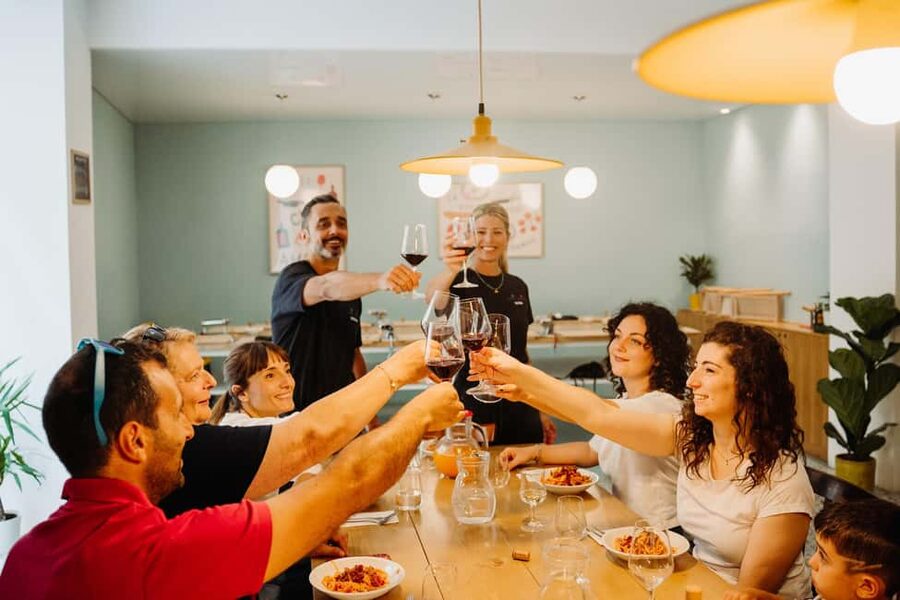
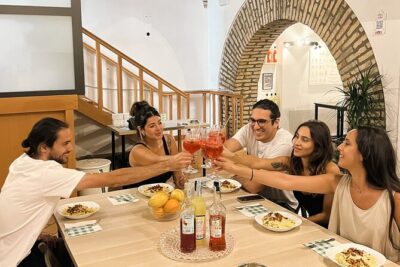
You’ll also get a steady flow of drinks: prosecco at the start, and then unlimited wine with the meal. That changes the vibe. It turns the session into an actual Roman-style dinner night, not a rushed cooking worksheet.
Worth a look next to this Rome booking:
- Rome: Tuscany & Montepulciano Day Trip with Lunch & Wine Tasting
★ 4.5 · 5,232 reviews - Rome: Pasta & Tiramisu Class with Fine Wine by the Vatican
★ 4.9 · 4,852 reviews - Rome Food Tour: Unlimited Tastings with Fine Wine & Barolo
★ 5.0 · 3,365 reviews - Rome: Pasta Making Class with Wine, Limoncello, and Dessert
★ 4.9 · 3,177 reviews
Meeting at Piazza di San Giovanni della Malva: arrive early, look for the red bag
The meeting point is Piazza di San Giovanni della Malva, 00153 Roma RM, in the square in front of the San Giovanni della Malva church. You’ll want to arrive 15 minutes early. The guide will be holding a red bag or a Devour Tours sign.
This matters because the biggest “logistics” complaint isn’t about the class. It’s about people wandering around trying to spot where it starts. One helpful fix for you: head straight to the square, then stand still and scan for that red bag/sign. If you arrive on time, you should link up quickly.
Also note: there’s no pickup or drop-off, so you’ll handle your own way there. Good news: the area around Trastevere is walkable, and this is the sort of activity you can pair with a late afternoon stroll.
Aperitivo and prosecco first: the class starts like a real Roman night
Before pasta dough ever hits the table, you get a traditional Italian aperitivo. Expect to start with a refreshing glass of prosecco as the chef introduces how the night will work.
This is a smart rhythm. Pasta-making is easier when you’re not tense. The aperitivo gives you time to settle in, meet your group, and get comfortable before you start handling flour and egg.
In many sessions, the energy comes from the hosts and their humor. Names that show up again and again in recent bookings include Elisa, Luca, Jamila, and Alessandro, and you’ll likely feel that same mix of teaching plus fun. One family-friendly touch: the instructors often shift pace when kids join in, so younger cooks aren’t left standing around.
Pasta dough basics: how the chef teaches you to balance flour, eggs, and olive oil
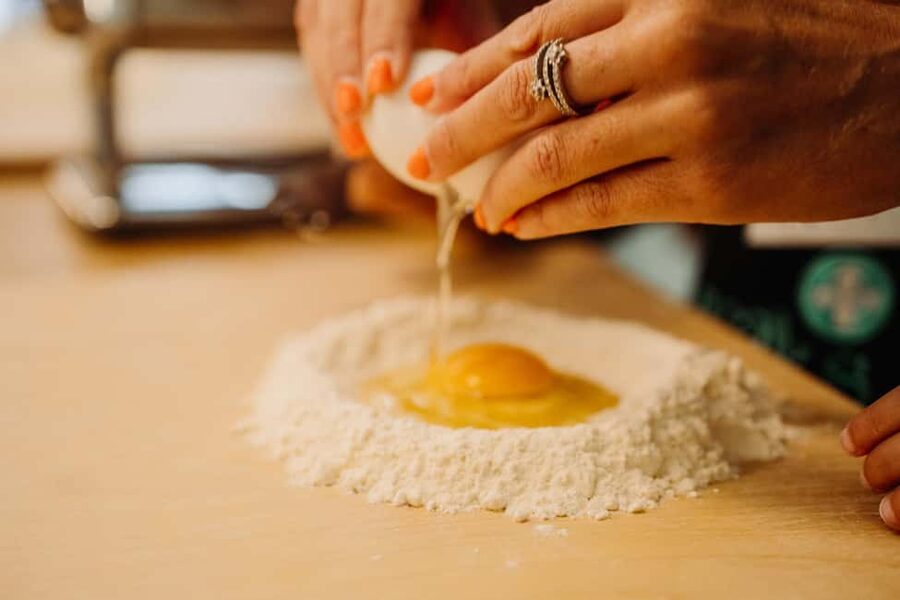
The core lesson is dough: how to balance flour, eggs, and olive oil so it feels right as you knead and rest it. You’re not just told what to do. You’re guided while you do it, and that’s the difference between a dough that rips and a dough that rolls.
You’ll practice the steps that Italian home cooks rely on:
- getting the right texture before you roll
- resting it so it behaves later
- learning what to watch for when the dough is too dry or too soft
If you’re a complete beginner, you’re in good company. People often mention that first-timers felt comfortable because the instructions are clear and the group stays supportive.
If you cook at home already, you’ll still pick up technique. Many instructors focus on consistency and feel—how the dough should look and how it should feel in your hands—things that recipes online can’t fully explain.
Worth a look next to this Rome booking:
Fettuccine and ravioli in one session: two shapes, two different skills
This class is built around making two pastas:
- fresh fettuccine
- ravioli with a made-from-scratch filling
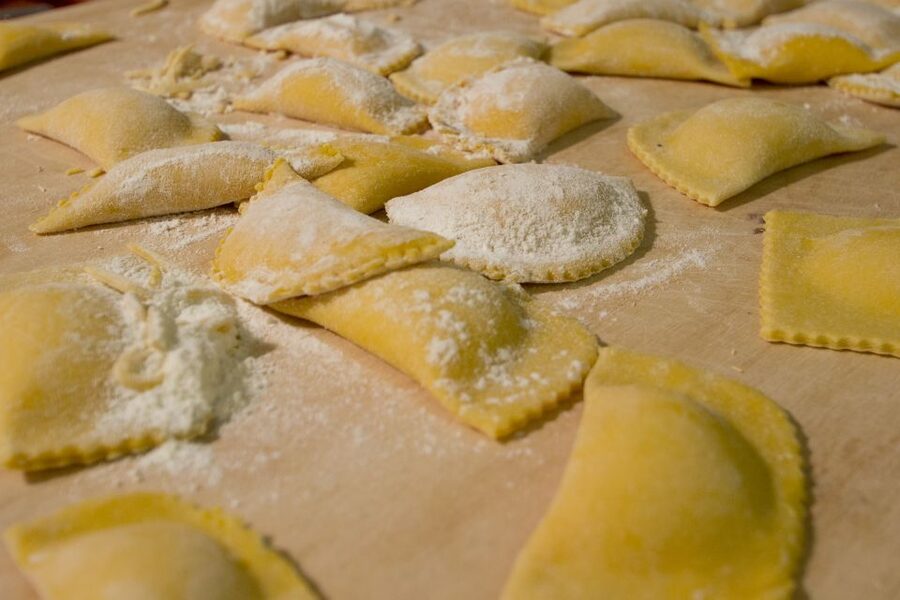
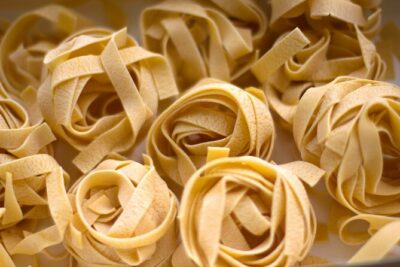
Fettuccine is the “roll and cut” confidence builder. You learn how to roll evenly and cut into clean strips. It’s also a great way to understand gluten development and dough rest, because you see how the sheet changes after resting.
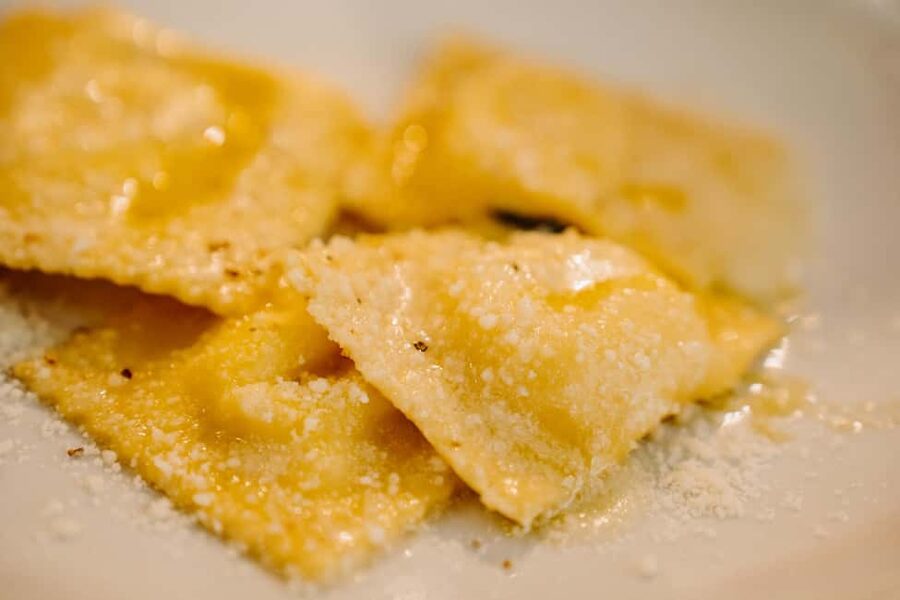
Ravioli is where the precision shows up. You’ll prepare filling, then learn how to shape and fill so they hold together when cooked. A ravioli session can feel fiddly in other workshops, but here it’s set up to be manageable in a 3-hour timeline.
One more practical win: you’re making enough food to actually eat what you made, not just take tiny samples. That matters if you’re booking this as a dinner replacement.
Roman sauces from market ingredients: amatriciana-style know-how
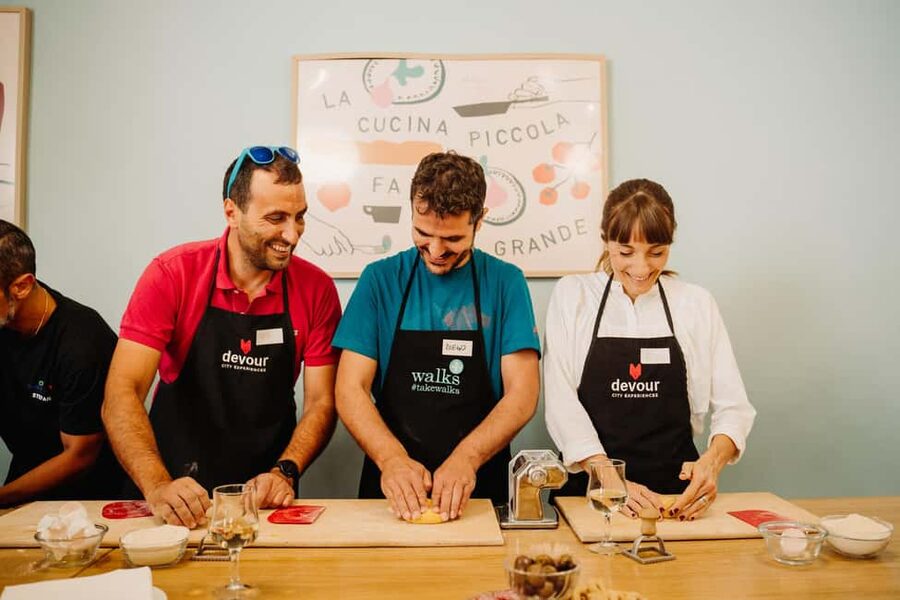
While your pasta rests, you move into Roman sauce techniques. The class emphasizes sauces made with fresh, seasonal ingredients sourced from local markets.
You’ll learn how to build flavor the Roman way, not by dumping in shortcuts. The chef walks you through how the ingredients come together and how the sauce should smell and look while it reduces and thickens.
A name you might hear in the teaching lineup is Stefano, and a sauce you may make is an amatriciana style (it comes up in the class feedback frequently). Even if your version is different by season, you’ll leave with a better sense of how Roman pasta sauce should taste: bold, savory, and not overloaded.
The meal: unlimited wine, real group table energy, and what to expect while you eat
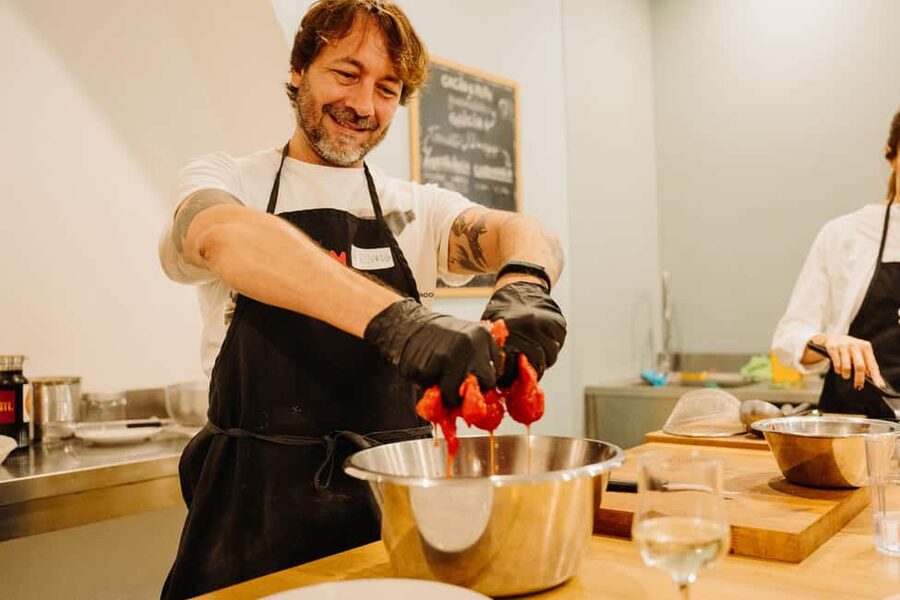
Once the cooking is done, you gather around the table and eat your handmade pastas, paired with carefully selected Italian wines. This is where the experience clicks for a lot of people. You don’t “end” at the kitchen counter. You sit down and actually enjoy a meal you made from start to finish.
The unlimited wine helps keep the mood relaxed, and many hosts lean into that friendly, story-sharing atmosphere. People mention a fun group vibe, with instructors like Fernando, Asia, Gullia, Fernanda, and Gianmaria frequently praised for being engaging and clear.
Just a practical note: unlimited wine means you should pace yourself if you have more plans afterward. If you’re planning a nighttime walk or dinner, start with one glass, then see where you land.
Gelato finish and printed recipe cards: take the skills home, not just the photos
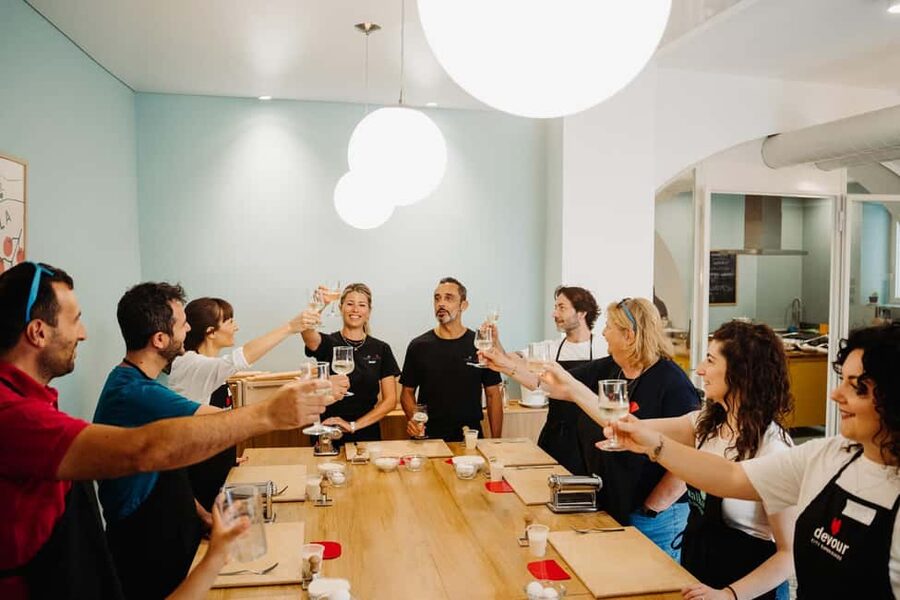
No Italian meal is complete here without dessert. You’ll finish with homemade gelato, served as the sweet ending after the pasta and sauce.
Then comes the part that helps this class stick in your memory: printed recipe cards. They let you recreate what you made without guessing measurements months later.
I like this approach because it turns the class into a real skill upgrade. You can make fresh pasta again at home, with fewer surprises. And if you’ve ever made pasta from an online recipe that just doesn’t match your dough feel, you’ll appreciate having a guide that matches what you practiced in Rome.
Value check: is this really worth $69 in Rome?
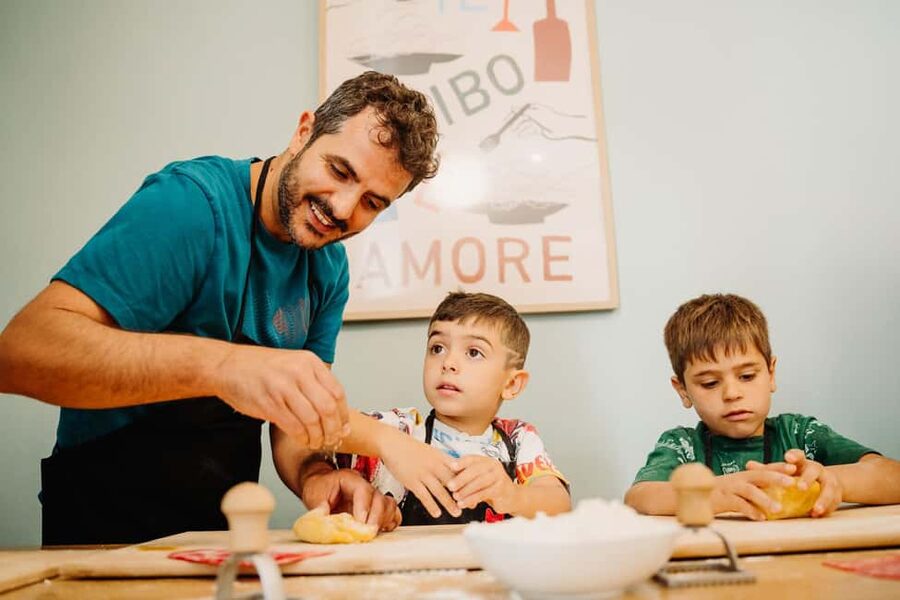
For Rome, $69 for a 3-hour pasta class with two pastas, sauces, gelato, prosecco, and unlimited wine is solid value—especially if you treat it as part of your food plan.
Here’s how I’d frame the math:
- You’re getting a full meal worth of ingredients and cooking.
- You’re paying for expert coaching while you work (the “hands-on” part is often the expensive part).
- You’re also getting drinks that would cost you at a normal bar or wine spot.
And the hidden value is confidence. Once you’ve rolled and shaped pasta with a chef correcting your dough in real time, you’re more likely to cook it again at home. That’s where the cost stops feeling like a “one-time experience” and starts feeling like a lasting skill.
Who this Rome pasta and gelato class suits (and who should think twice)
This works best for people who want more than a meal—they want an activity with guidance and a clear payoff.
It’s a strong fit if:
- you want a hands-on intro to Roman cuisine
- you like social meals and don’t mind meeting fellow cooks
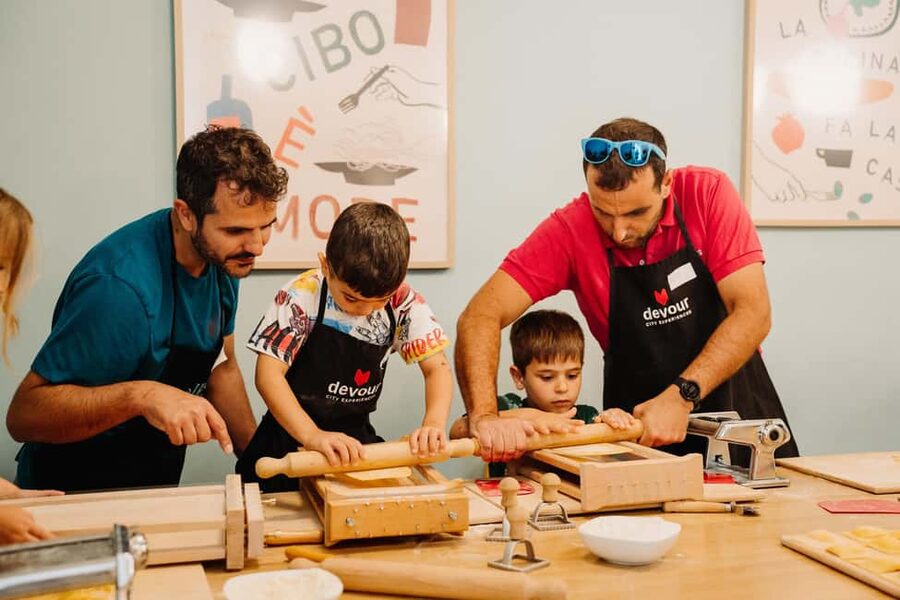
- you’re traveling with kids and want something structured
Families are specifically mentioned as enjoying the class. One parent described bringing an 8- and 12-year-old and said the pace worked for them, with the instructors helping keep kids actively involved. Another booking even mentioned a 4-year-old being engaged throughout, which tells you the teaching approach is flexible.
It might be a less ideal fit if:
- you use a wheelchair (not suitable)
- you need stroller access (not suitable)
- you have celiac needs (the class says it adapts for dietary needs except celiacs, and you should contact them before joining for arrangements)
Practical tips so you enjoy the full 3 hours
A few small choices can make a big difference.
Arrive on time. Meeting in the square means you don’t want to waste time hunting around once the group starts.
Wear comfy clothes. You’ll be rolling dough and possibly getting a bit flour on your sleeves. You don’t need to dress up for a home-kitchen lesson.
Go in hungry, but pace your wine. The gelato is waiting at the end, and you’ll want room for it.
If you’re cooking with dietary needs, message first. The class adapts for many needs, but celiac is treated differently, and it asks for advance contact.
Bring curiosity. The best moments often come from asking why the chef wants the dough to feel a certain way. That’s where Roman cooking becomes real, not just repeatable instructions.
Should you book this Rome fresh pasta and gelato class?
Book it if you want a Rome evening that’s equal parts cooking skill and dinner. The combination of two pastas from scratch, Roman sauce lessons, unlimited wine, and gelato makes it feel like more than just a class.
Skip it or reconsider if mobility is an issue, or if you’re a celiac traveler who needs guaranteed celiac-safe handling and can’t confirm arrangements in advance.
If you’re on the fence, here’s the simple test: if you’d like to spend a few hours learning something you can cook again at home, this is one of the better ways to do it in Rome—hands-on, social, and genuinely satisfying from start to sweet finish.
More Workshops in Rome
- 3 in 1 Cooking Class near Navona: Fettuccine, Ravioli & Tiramisu
★ 5.0 · 7,376 reviews - Rome: Pasta & Tiramisu Class with Fine Wine by the Vatican
★ 4.9 · 4,852 reviews - Rome: Pasta Making Class with Wine, Limoncello, and Dessert
★ 4.9 · 3,177 reviews - Rome Cooking Class: Make Pasta and 3 Spritz Cocktails
★ 5.0 · 2,937 reviews - Rome: 3-in-1 Fettuccine, Ravioli, and Tiramisu Cooking Class
★ 4.9 · 2,704 reviews - Rome: Fettuccine Pasta Cooking Class in Rome’s City Center
★ 4.8 · 2,414 reviews
More Wine Tours in Rome
- Rome: Tuscany & Montepulciano Day Trip with Lunch & Wine Tasting
★ 4.5 · 5,232 reviews - Rome: Pasta & Tiramisu Class with Fine Wine by the Vatican
★ 4.9 · 4,852 reviews - Rome Food Tour: Unlimited Tastings with Fine Wine & Barolo
★ 5.0 · 3,365 reviews - Rome: Pasta Making Class with Wine, Limoncello, and Dessert
★ 4.9 · 3,177 reviews - Rome: Guided Food Walking Tour with Wine in Trastevere
★ 4.9 · 3,105 reviews - Rome: Tuscany & Montepulciano Day Trip with Lunch & Wines
★ 4.7 · 3,004 reviews
More Tour Reviews in Rome
- Vatican Museums, Sistine Chapel & St. Peter’s Basilica Tour
★ 4.3 · 73,970 reviews - Vatican Museums, Sistine Chapel & St Peter’s Basilica Guided Tour
★ 4.5 · 39,149 reviews - Rome: Colosseum, Palatine Hill and Roman Forum Guided Tour
★ 4.8 · 32,814 reviews - Rome: Guided Tour of Colosseum, Roman Forum & Palatine Hill
★ 4.7 · 27,897 reviews - Rome: Colosseum & Forum with Audio Guide App -Optional Arena
★ 4.2 · 24,770 reviews - Rome: Colosseum, Roman Forum and Palatine Hill Guided Tour
★ 4.5 · 23,903 reviews
Just added to our Rome reviews

Pasta, compared.
 ★ 4.9Pasta & Tiramisu Class with Fine Wine by the VaticanFrom $414,852 reviews
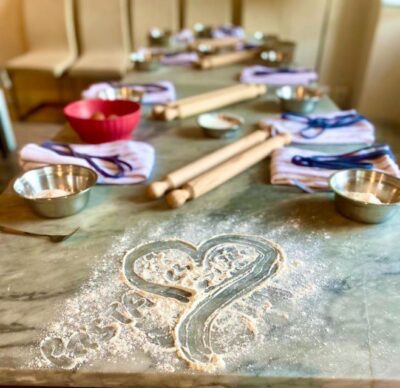 ★ 4.9Pasta Making Class with Wine, Limoncello, and DessertFrom $483,177 reviews
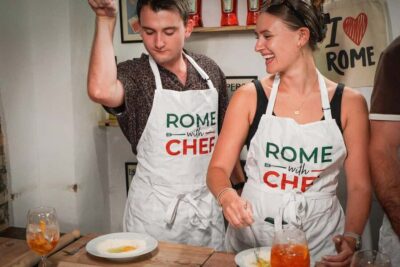 ★ 5.0Rome Cooking Class: Make Pasta and 3 Spritz CocktailsFrom $992,937 reviews
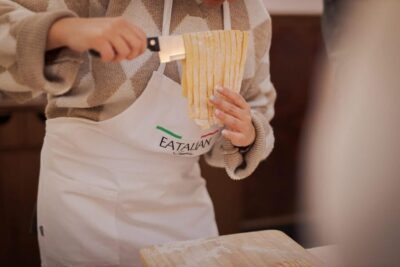 ★ 4.8Fettuccine Pasta Cooking Class in Rome’s City CenterFrom $462,414 reviews
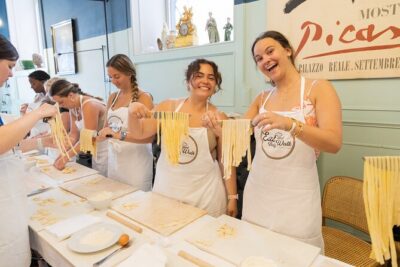 ★ 5.0Learn to Make Pasta & Tiramisu with Wine and Limoncello IncludedFrom $542,345 reviews
 ★ 5.0Become a Masterchef in Rome: Pasta, Ravioli and Tiramisù ClassFrom $472,156 reviews
 ★ 5.0Pasta Cooking Class Near the Colosseum with 3 Spritz CocktailsFrom $951,686 reviews
 ★ 5.0Enjoy Spritz and Pasta Making in Piazza NavonaFrom $901,681 reviews
Browse the lists this tour appears in