
Reviewed · PASTA
Rome: Fresh Pasta-Making Class with Italian Chef and Wine
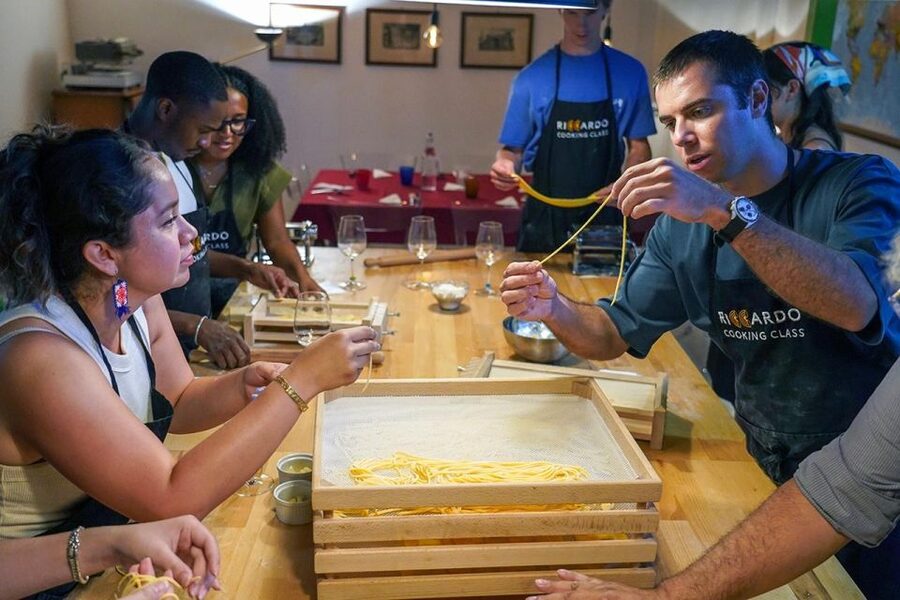
Fresh pasta starts with your hands. In Rome, Chef Riccardo and his team teach you how to make Roman pasta and sauces from scratch in a small group setting. I love the hands-on pace here, where you’re doing the work (not just watching) and picking up practical, repeatable skills.
Second, I really like the mix of pasta styles and Roman sauce know-how, including classics like Carbonara and Cacio e Pepe, plus a real sit-down meal with wine. One possible drawback: in a small class, the vibe can depend on who’s in your group—if others speak another language, the chef may explain parts at a faster pace or with less translation for you.
In This Review
- Key things I’d circle on your Rome map
- Rome fresh pasta in a local rhythm, not a show
- Where you meet: The Cooking Lab near a cafe (and what to look for)
- The 3-hour hands-on session: making pasta you’ll actually recognize
- Kneading and shaping: from long pasta to stuffed pasta
- Don’t worry about being a beginner
- Sauces in Roman style: Carbonara, Cacio e Pepe, and beyond
- Carbonara taught the way it’s meant to taste
- Cacio e Pepe and the philosophy of simple ingredients
- Arrabbiata and other sauce pairings
- The meal: your pasta becomes your 3-course dinner
- Wine tasting and what to pay attention to
- Value check: $97 for 3 hours, 3 courses, and the real skill
- Who this class is best for (and who should reconsider)
- Practical tips to make your 3 hours go smoothly
- Should you book this Rome pasta-making class?
- FAQ
- How long is the Rome fresh pasta-making class?
- Where is the meeting point?
- Is it a small group class?
- What’s included in the experience?
- Is wine tasting included?
- Do they offer vegetarian options?
- Can the class accommodate allergies or dietary restrictions?
- What languages are the instructors?
- Is it wheelchair accessible?
- What is the cancellation policy?
Key things I’d circle on your Rome map
- Small group, up to 10 people, so you’re not shouting over a crowd
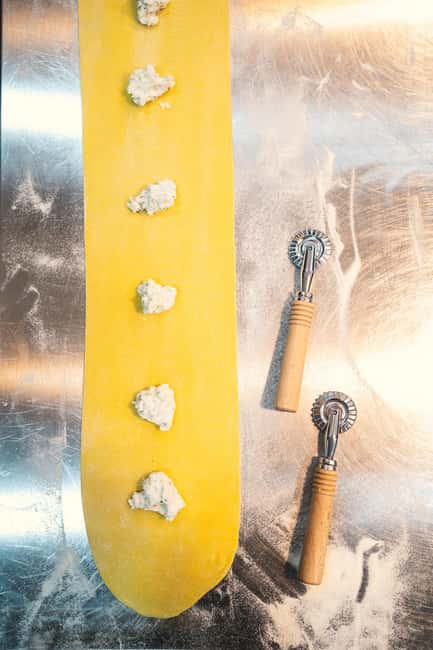
- Real Roman shapes, from ravioli to fettuccine to stuffed pastas and more
- Sauce technique that matches the pasta, not a one-size-fits-all sauce
- Roman classics like Carbonara and Cacio e Pepe, explained in the context of the dish
- Wine tasting with your meal, with selected local bottles served during the class
- A home-style feel, in either Chef Riccardo’s grandma’s place or the studio cooking lab
Rome fresh pasta in a local rhythm, not a show
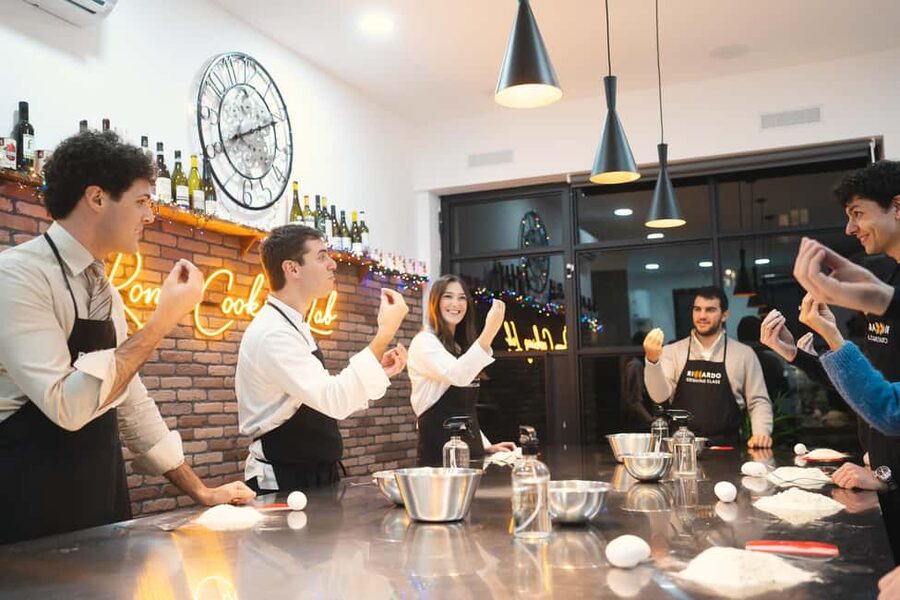
A pasta class in Rome sounds easy to package: flour, dough, fun photos, done. This one is more useful than that, because the teaching is tied to how Romans actually think about food—texture, timing, and pairing pasta with the right sauce.
The big difference is that you’re working in a small group (limited to 10). That matters in real life. When you’re pressing dough, learning kneading, or figuring out how thin is thin enough, you need quick feedback. With a larger class you’d lose that. With this size, you’re more likely to get corrections while you’re still in the moment.
Worth a look next to this Rome booking:
- Rome: Tuscany & Montepulciano Day Trip with Lunch & Wine Tasting
★ 4.5 · 5,232 reviews - Rome: Pasta & Tiramisu Class with Fine Wine by the Vatican
★ 4.9 · 4,852 reviews - Rome Food Tour: Unlimited Tastings with Fine Wine & Barolo
★ 5.0 · 3,365 reviews - Rome: Pasta Making Class with Wine, Limoncello, and Dessert
★ 4.9 · 3,177 reviews
Where you meet: The Cooking Lab near a cafe (and what to look for)
You’ll meet at the cooking lab on the street near a cafe: Circonvallazione Gianicolense 418, 00152 – Roma. Expect a straightforward start—arrive a little early, take a quick look at the street-level location, and then follow the setup into the class space.
One thing I like for practical planning: the instructors operate in English and Italian, so you won’t be stuck guessing. Also, the experience is reported as easy to reach by public transport from the city center, which is helpful if you’re building a day around it.
The 3-hour hands-on session: making pasta you’ll actually recognize
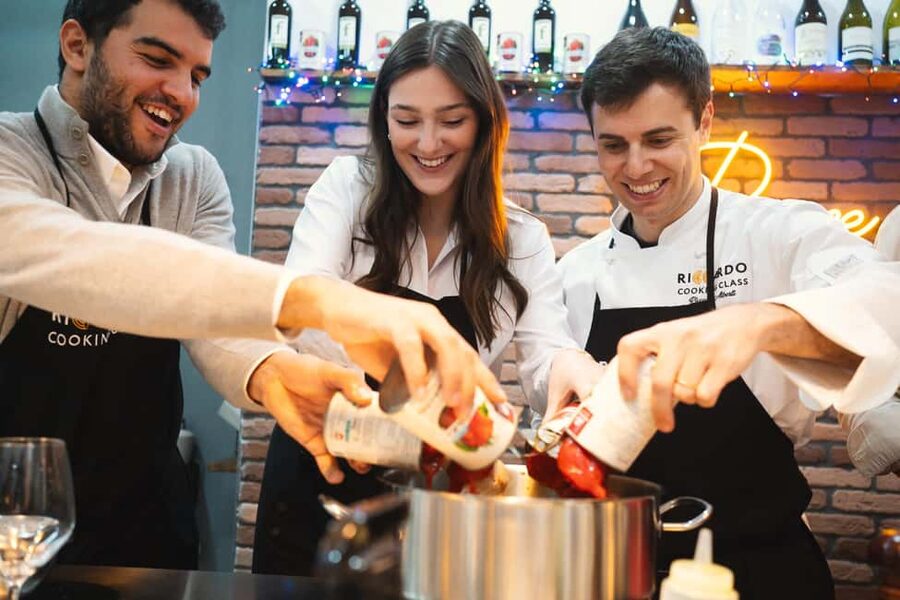
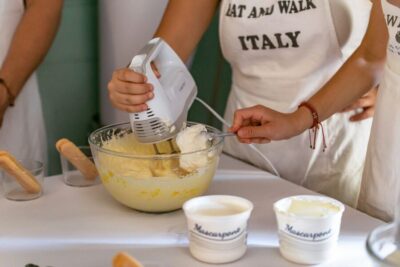
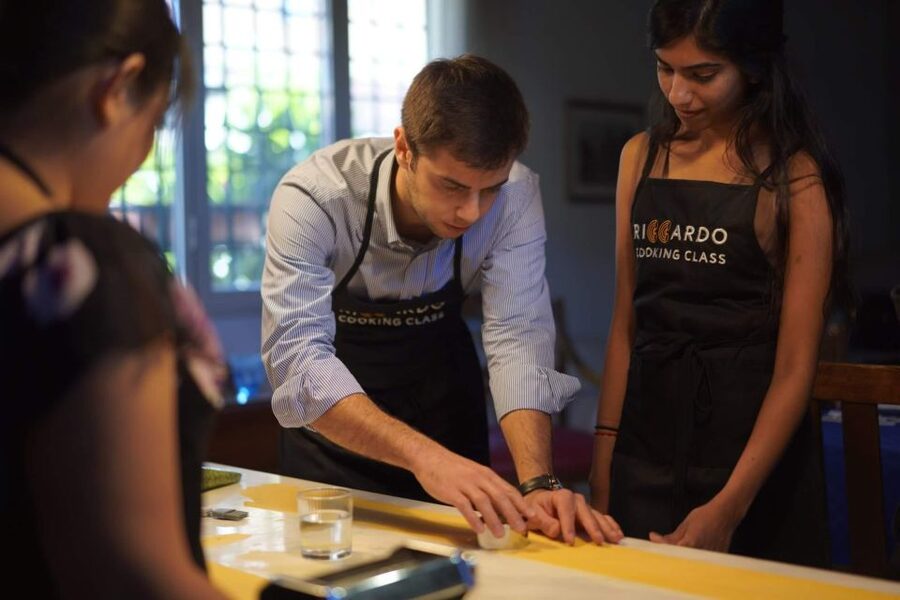
This is a hands-on pasta-making class, not a lecture. You’ll learn how to make fresh pasta from scratch and then prepare sauces from scratch too. The class is designed like a small family workflow, where the rhythm goes: prep ingredients, make dough, form shapes, and learn why each step matters.
Kneading and shaping: from long pasta to stuffed pasta
You’ll get instruction on multiple pasta styles. Depending on the flow of your specific session, you might work on long pastas like fettuccine, and also stuffed options such as ravioli. Other pastas you could see include tortellini and cappelletti, and there’s also mention of Spaghetti alla Chitarra (that’s the style made with a chitarra-style tool for square strands).
What makes this more valuable than generic pasta classes is that you’re learning more than one technique. Long pasta tends to be about rolling thin and getting consistent strips. Stuffed pasta is about filling with the right amount and sealing so it holds together during cooking. When you learn both, you understand why Romans talk about dough like a living thing—stretch, tension, and thickness all affect the final bite.
Worth a look next to this Rome booking:
Don’t worry about being a beginner
The class is built for real travelers, not only people who’ve made pasta at home. Your chef and team demonstrate steps and then guide you through them, with adjustments as you go. In many of the class experiences, you’ll be making two types of pasta plus ravioli, or three different pastas total, depending on the session.
Sauces in Roman style: Carbonara, Cacio e Pepe, and beyond
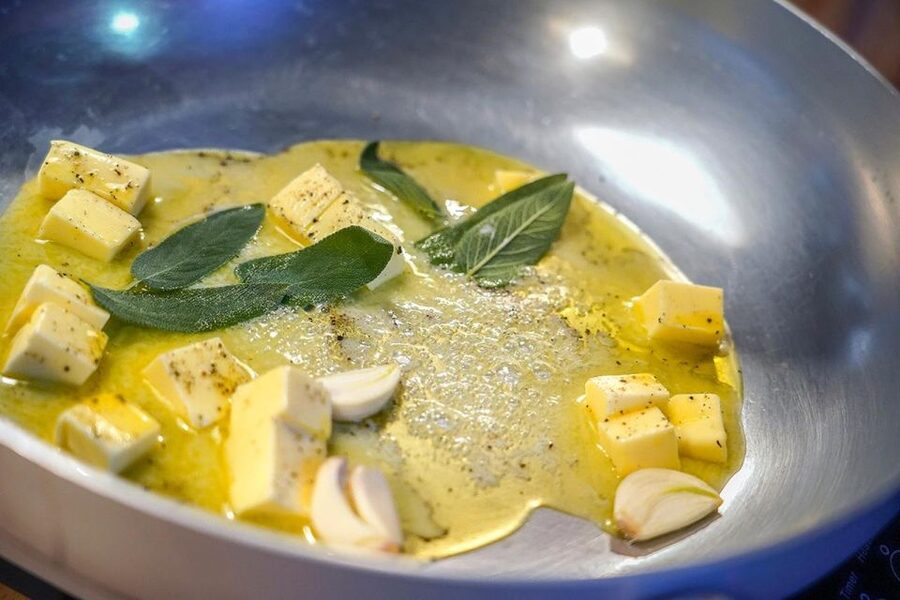
Fresh pasta is only half the win. The other half is the sauce logic—how Romans decide what to pair together and how they build flavor without turning it into heavy cooking theater.
Carbonara taught the way it’s meant to taste
You’ll learn methods for Roman specialties like Carbonara. In practice, that usually means the class focuses on how to handle ingredients and timing so the sauce clings instead of turning oily or flat. One review specifically calls out that the guanciale taste is a big part of why it hits differently from versions they’d had outside Italy.
If you love Carbonara but your homemade attempts always feel like they’re missing something, this is where the course pays off. You’re learning the sauce’s process, not just the ingredients list.
Cacio e Pepe and the philosophy of simple ingredients
You’ll also discover methods for Cacio e Pepe—a sauce built around a short list of ingredients, which is exactly why technique matters. With a sauce this minimal, the difference between good and great often comes down to how you combine things and how you keep the texture smooth.
Even if you think you already know Cacio e Pepe, this is the kind of class where you end up going home with a better method and a better mental checklist.
Arrabbiata and other sauce pairings
You may also make Arrabbiata, and the class structure is designed so the sauce work connects to the pasta you shaped. That pairing is important. A sauce designed for one pasta texture doesn’t automatically behave the same way on another.
The meal: your pasta becomes your 3-course dinner
After the cooking, you eat what you made as a genuine Italian meal together. The overall experience includes a 3-course meal, and wine is part of the event. You might start with selected wine and then continue through the meal, and some sessions mention prosecco served throughout.
This is one of my favorite parts because it’s the moment the teaching locks in. When you taste what you just formed—how thin it is, how it holds filling, how it catches sauce—you finally understand what your chef meant during the steps.
Wine tasting and what to pay attention to
The class includes selected wine and a tasting element. Don’t overthink it. Just pay attention to how the wine works with the pasta and sauces, especially the richer Roman dishes like Carbonara. That’s useful when you recreate the meal back home; wine pairings are part of the full Roman dinner picture.
Value check: $97 for 3 hours, 3 courses, and the real skill
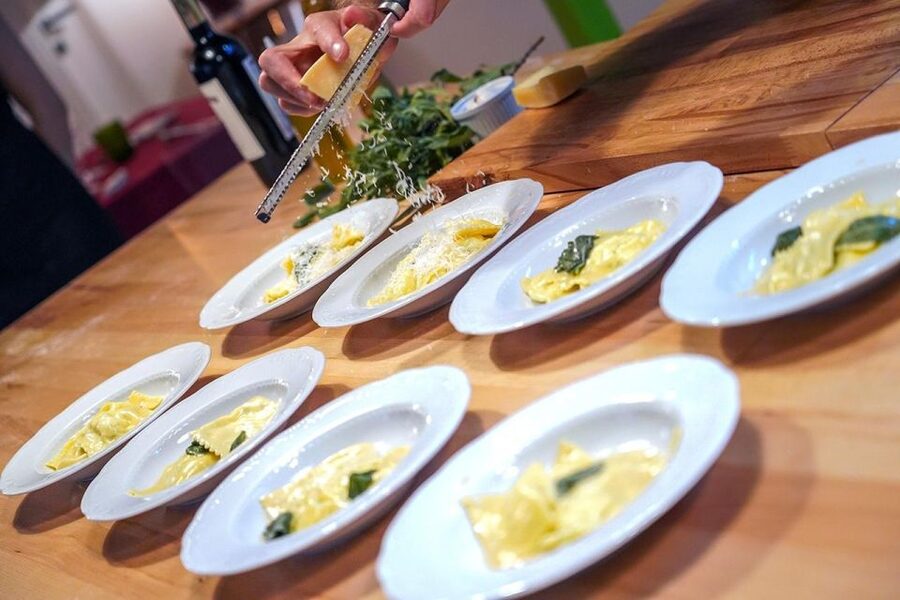
At $97 per person for a 3-hour class, the value depends on what you want from Rome. If you want a quick snack activity, you’ll feel it’s expensive. If you want a skill you’ll use again, it makes more sense fast.
Here’s why this class reads as good value on paper:
- You’re getting hands-on pasta making with actual guidance
- You’re making multiple pasta types and learning multiple sauces
- You sit down for a 3-course meal with wine included
- The class is small group (max 10), which usually improves feedback
- Reviews emphasize that you leave with recipes you can use later
Also, the ingredient quality is called out as top-quality organic ingredients, which matters when you’re tasting the difference between supermarket flour and flour that behaves better in dough.
If you plan to cook at least a few times after your trip, this isn’t just entertainment. It’s basically a crash course you can bring back to your kitchen.
Who this class is best for (and who should reconsider)
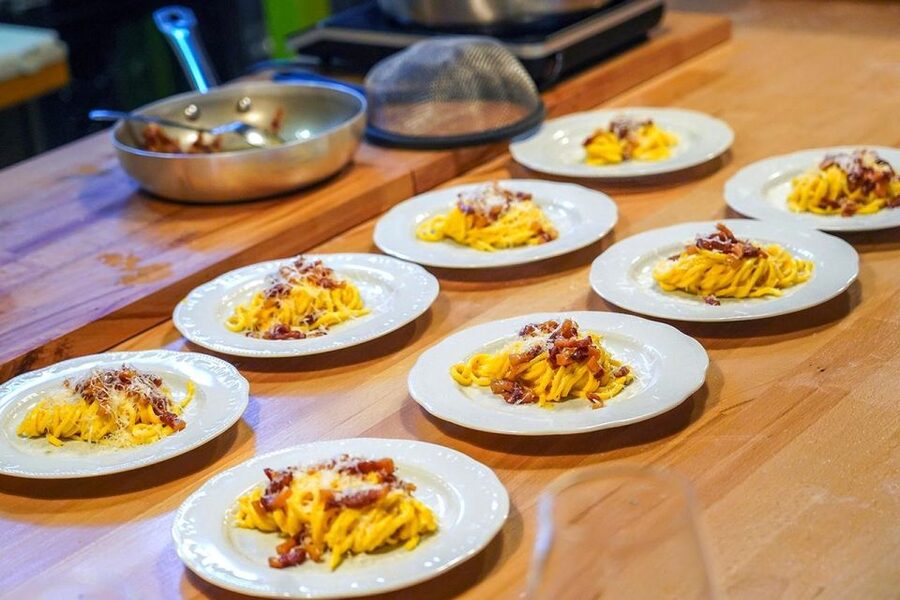
This is a great fit if:
- You want a Roman food experience that’s closer to a home kitchen than a theme-park studio
- You like learning technique—how to shape, not just what ingredients go in
- You’re excited by classics like Carbonara and Cacio e Pepe
- You want a fun group experience without being stuck in a giant room
You might rethink it if:
- You expect everything to be in perfect English at all times. The core instruction is offered in English and Italian, but one review notes that group language dynamics (like other participants speaking French) can affect how much you feel included in stories during parts of the class.
- You’d rather do a tasting menu than cook. This one is work—good work, but still hands-on.
Practical tips to make your 3 hours go smoothly
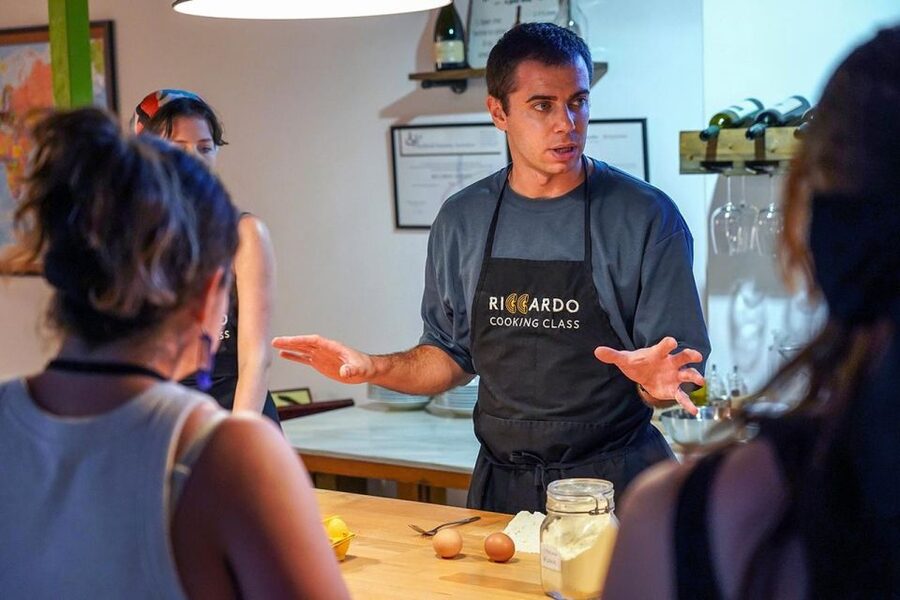
A pasta class runs fast. Use that time well.
- Tell them your dietary needs early. The class mentions vegetarian options, and you can inform them about allergies and dietary restrictions so they can adjust the menu.
- Ask questions while you’re still at the dough stage. That’s when the chef can change something quickly and you’ll feel it right away.
- Don’t be shy about taking notes. You’ll likely want to recreate these dishes later, and at least one review specifically mentions getting recipes to take home.
- Wear something you can get flour on. You’ll use an apron during the class, but your clothes will still be part of the dough universe.
- Plan your timing with Rome reality. This is in Lazio and uses a street-level meeting point near a cafe—give yourself buffer time so you’re not rushing.
Should you book this Rome pasta-making class?
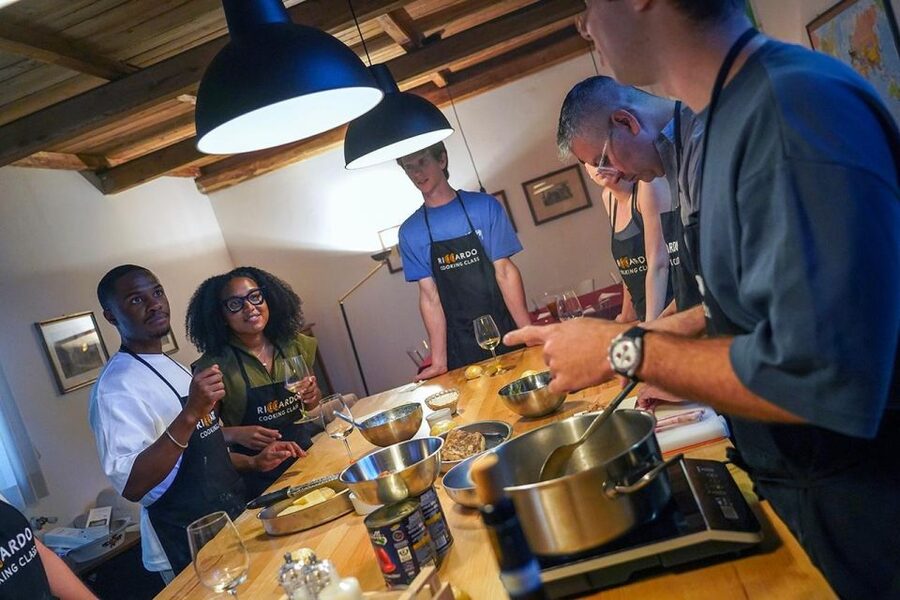
If you want a real skill and a real Roman dinner in the same 3-hour block, I’d book it. The combination of fresh pasta you shape yourself, Roman sauce coaching (including Carbonara and Cacio e Pepe), and a sit-down 3-course meal with wine makes this feel like value, not just a fun stop.
Book it early in your trip if you like learning where to eat next—you’ll come out with stronger instincts for what to order and why. If you’re sensitive to group dynamics or you only want low-effort activities, then you might be happier with a tasting-focused evening instead.
Either way, this is one of the more practical ways to leave Rome with something you can cook, not just something you ate.
FAQ
How long is the Rome fresh pasta-making class?
The class lasts 3 hours.
Where is the meeting point?
The meeting point is Circonvallazione Gianicolense 418, 00152 – Roma, at the cooking lab near a cafe.
Is it a small group class?
Yes. It’s a small group limited to 10 participants.
What’s included in the experience?
It includes a hands-on pasta-making class, top-quality organic ingredients, selected wine, and a meal included. Aprons are provided for use during the class.
Is wine tasting included?
Yes. The experience includes selected wine, and wine is served with your meal.
Do they offer vegetarian options?
Yes. There is a special menu for vegetarian guests.
Can the class accommodate allergies or dietary restrictions?
You should inform them about allergies, intolerance, dietary restrictions, or ingredients you can’t eat. For private classes, there are also options mentioned such as gluten-free, dairy-free, or vegan.
What languages are the instructors?
The instructor speaks English and Italian.
Is it wheelchair accessible?
Yes, the experience is listed as wheelchair accessible.
What is the cancellation policy?
There’s free cancellation up to 24 hours in advance for a full refund.
More Workshops in Rome
- 3 in 1 Cooking Class near Navona: Fettuccine, Ravioli & Tiramisu
★ 5.0 · 7,376 reviews - Rome: Pasta & Tiramisu Class with Fine Wine by the Vatican
★ 4.9 · 4,852 reviews - Rome: Pasta Making Class with Wine, Limoncello, and Dessert
★ 4.9 · 3,177 reviews - Rome Cooking Class: Make Pasta and 3 Spritz Cocktails
★ 5.0 · 2,937 reviews - Rome: 3-in-1 Fettuccine, Ravioli, and Tiramisu Cooking Class
★ 4.9 · 2,704 reviews - Rome: Fettuccine Pasta Cooking Class in Rome’s City Center
★ 4.8 · 2,414 reviews
More Wine Tours in Rome
- Rome: Tuscany & Montepulciano Day Trip with Lunch & Wine Tasting
★ 4.5 · 5,232 reviews - Rome: Pasta & Tiramisu Class with Fine Wine by the Vatican
★ 4.9 · 4,852 reviews - Rome Food Tour: Unlimited Tastings with Fine Wine & Barolo
★ 5.0 · 3,365 reviews - Rome: Pasta Making Class with Wine, Limoncello, and Dessert
★ 4.9 · 3,177 reviews - Rome: Guided Food Walking Tour with Wine in Trastevere
★ 4.9 · 3,105 reviews - Rome: Tuscany & Montepulciano Day Trip with Lunch & Wines
★ 4.7 · 3,004 reviews
More Tour Reviews in Rome
- Vatican Museums, Sistine Chapel & St. Peter’s Basilica Tour
★ 4.3 · 73,970 reviews - Vatican Museums, Sistine Chapel & St Peter’s Basilica Guided Tour
★ 4.5 · 39,149 reviews - Rome: Colosseum, Palatine Hill and Roman Forum Guided Tour
★ 4.8 · 32,814 reviews - Rome: Guided Tour of Colosseum, Roman Forum & Palatine Hill
★ 4.7 · 27,897 reviews - Rome: Colosseum & Forum with Audio Guide App -Optional Arena
★ 4.2 · 24,770 reviews - Rome: Colosseum, Roman Forum and Palatine Hill Guided Tour
★ 4.5 · 23,903 reviews
Just added to our Rome reviews





Pasta, compared.
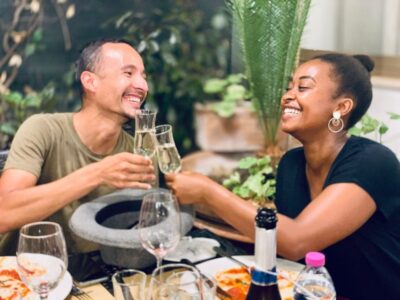 ★ 4.9Pasta & Tiramisu Class with Fine Wine by the VaticanFrom $414,852 reviews
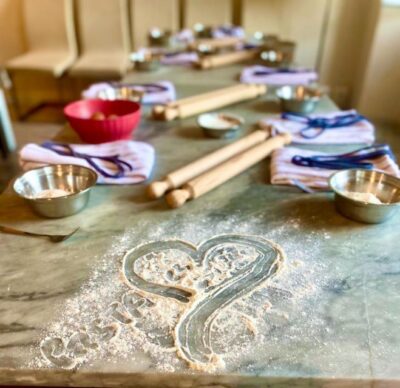 ★ 4.9Pasta Making Class with Wine, Limoncello, and DessertFrom $483,177 reviews
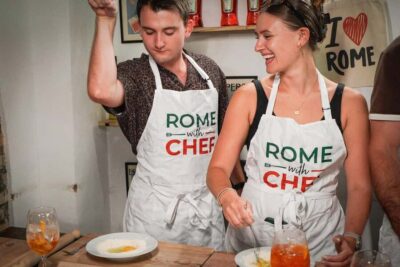 ★ 5.0Rome Cooking Class: Make Pasta and 3 Spritz CocktailsFrom $992,937 reviews
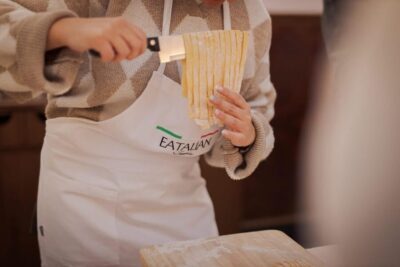 ★ 4.8Fettuccine Pasta Cooking Class in Rome’s City CenterFrom $462,414 reviews
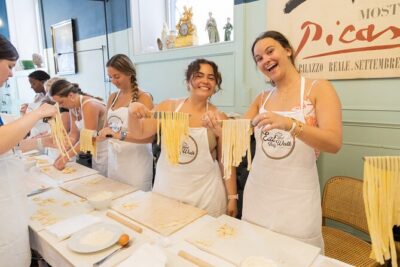 ★ 5.0Learn to Make Pasta & Tiramisu with Wine and Limoncello IncludedFrom $542,345 reviews
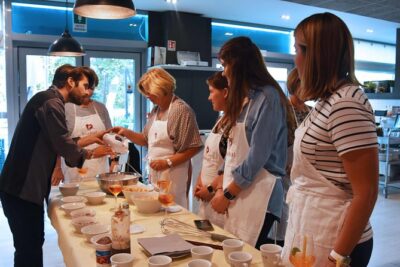 ★ 5.0Become a Masterchef in Rome: Pasta, Ravioli and Tiramisù ClassFrom $472,156 reviews
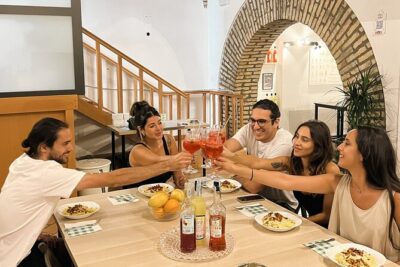 ★ 5.0Pasta Cooking Class Near the Colosseum with 3 Spritz CocktailsFrom $951,686 reviews
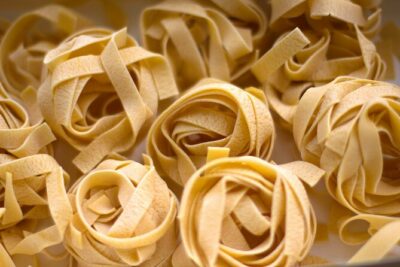 ★ 5.0Enjoy Spritz and Pasta Making in Piazza NavonaFrom $901,681 reviews
Browse the lists this tour appears in