
Reviewed · ROME COOKING CLASSES
Rome: Five Shapes of Pasta Cooking Class in Ancient Tavern
Five pasta shapes, one great Roman night. What makes this class interesting is the mix of hands-on cooking and the theater of an old-school tavern turned school, where you shape iconic Italian pasta from scratch. I love that you make a thin sheet of dough with a wooden rolling pin and then learn several famous formats, not just one. I also love the built-in food plan: prosecco and cheese to start, a full meal pairing your work, and an express tiramisu to close. One consideration: it’s not suitable for people with mobility impairments since you’ll be working at the table during the full session.
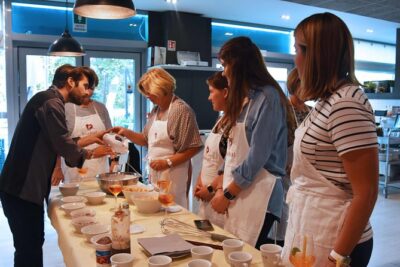
This is a small group setup, capped at 10 participants, taught in English and Italian. You’ll meet at the Old Osteria named Cucina, identified by the original marble sign above the entrance, then get cooking in a setting that feels like past and present in the same room. The operation is HACCP certified for food hygiene and safety (certified in 2020), and everyone gets a complimentary professional chef hat with the Pastificio Faini logo.
In This Review
- Key highlights to know before you go
- The Antica Osteria Setting: Finding Cucina and settling in
- Prosecco and Italian cheese: why the start matters
- Rolling fresh dough with a wooden pin: the skill you’ll remember
- The five pasta shapes: ravioli, agnolotti del plin, tortellini, cappelletti, fettuccine
- Ravioli
- Agnolotti del plin
- Tortellini
- Cappelletti
- Fettuccine
- Two sauces, one real dinner plan
- Express tiramisu: the fast dessert that feels like a skill, not a shortcut
- Chef-led teaching: humor, hands-on help, and real accommodations
- Price and value for a 3-hour Rome food lesson
- Who should book this class, and who should skip it
- Should you book the Rome five-shapes pasta class?
- FAQ
- What pasta types will I make in this class?
- Where does the class start and end?
- How long is the class, and how large is the group?
- What’s included in the price?
- What languages are used during the class?
- Is the class suitable for people with mobility impairments?
- Are pets allowed?
Key highlights to know before you go
- Wooden-pin pasta technique: You learn how to roll dough the Roman way, thin enough for delicate shapes.
- Five pasta formats from scratch: Ravioli, agnolotti del plin, tortellini, cappelletti, plus fettuccine.
- Two sauce pairings plus a full meal: You don’t just taste a sample; you eat what you make.
- Prosecco + cheese start, wine with dinner: The class is built like a real Roman meal, not a demo.
- Chef-led energy (Chef Emanuele and Chef Angelo): Clear steps, humor, and hands-on help when needed.
The Antica Osteria Setting: Finding Cucina and settling in
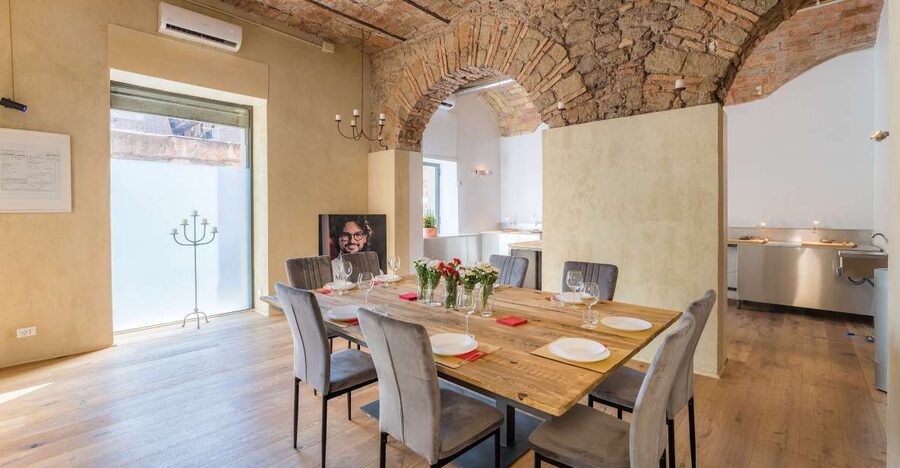
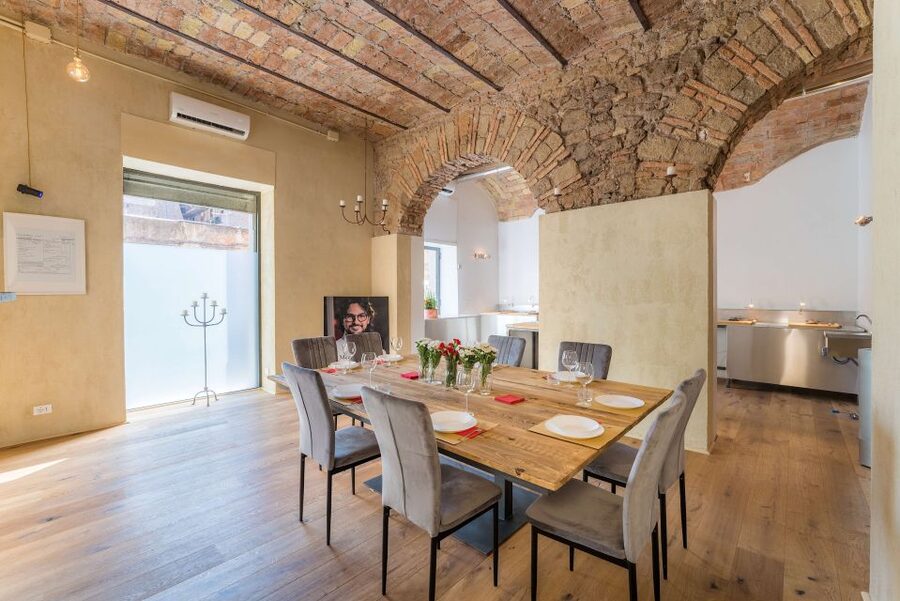
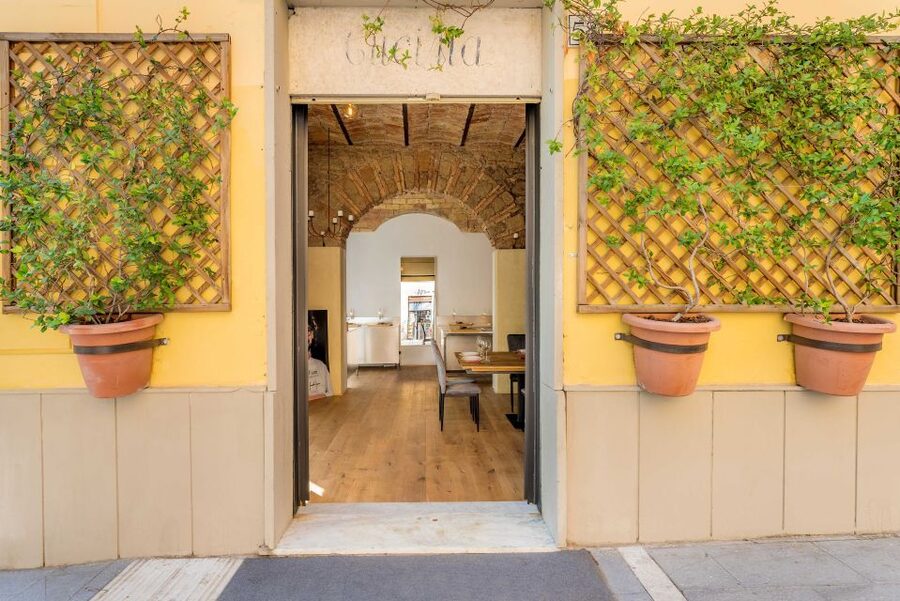
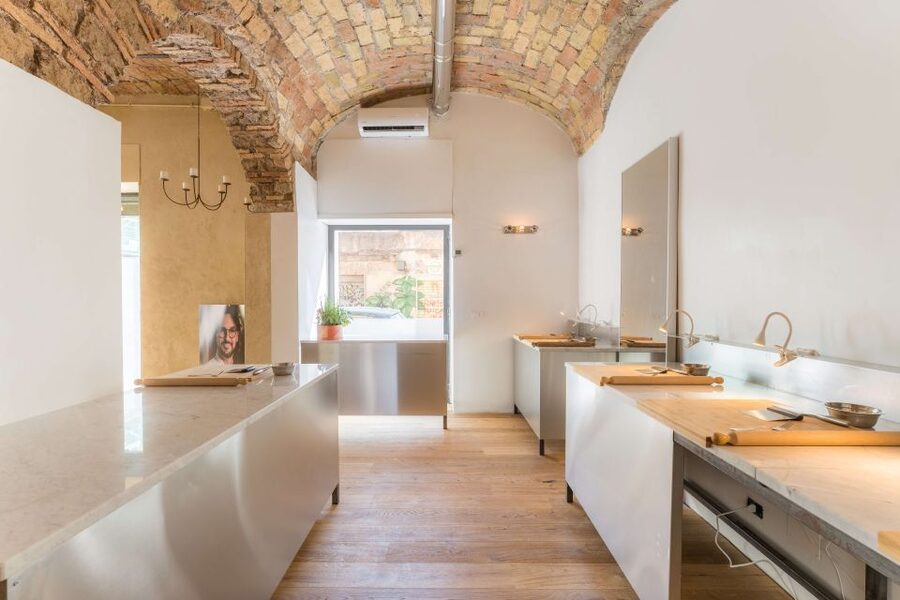
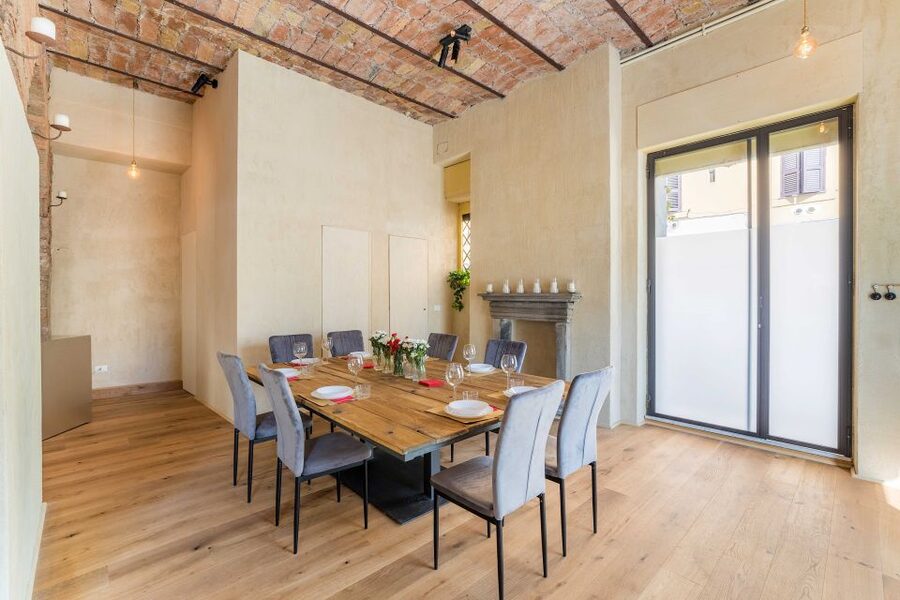
I like that this class starts in a place that already feels like Rome. You meet at the Old Osteria named Cucina, and the giveaway is the original marble sign above the entrance. That matters because you’re not squeezed into a generic classroom. You’re walking into an Antica Osteria founded in the late 1800s, recently converted into a cooking school.
Inside, the setup is both charming and practical. From the way the experience is described, it’s organized and clean, with a table arrangement that lets you cook without feeling in the way. It also helps that the group is small, so the chefs can actually move around and correct details while you’re rolling and shaping.
There’s a “between past and present” vibe here: old tavern atmosphere, modern teaching, and a workflow that keeps you busy instead of waiting around. And if you’re wondering whether it will feel touristy, the answer is usually no. The format feels like a meal with lessons built in.
More aprons-on time in a Roman kitchen
- 3 in 1 Cooking Class near Navona: Fettuccine, Ravioli & Tiramisu
★ 5.0 · 7,376 reviews - Rome: Pasta & Tiramisu Class with Fine Wine by the Vatican
★ 4.9 · 4,852 reviews - Rome: Pasta Making Class with Wine, Limoncello, and Dessert
★ 4.9 · 3,177 reviews - Rome Cooking Class: Make Pasta and 3 Spritz Cocktails
★ 5.0 · 2,937 reviews
Prosecco and Italian cheese: why the start matters
Before flour ever gets near your hands, you start with an appetizer: prosecco and Italian cheese. This isn’t just a perk. It sets the tone and gets you into a relaxed rhythm so you’re ready for the real work.
You’ll also see how the class paces itself. People often talk about the energy during kneading and rolling, including a playful, music-driven mood. That “get moving while you learn” feeling helps, especially if you’re a beginner. Pasta-making is one part technique, one part confidence, and the class gives you both.
If you’re the kind of traveler who worries about eating too lightly before a cooking class, don’t. This experience is designed so the meal is part of the program: you’ll be fed during the process and then eat dinner after you’ve made your pasta.
Rolling fresh dough with a wooden pin: the skill you’ll remember
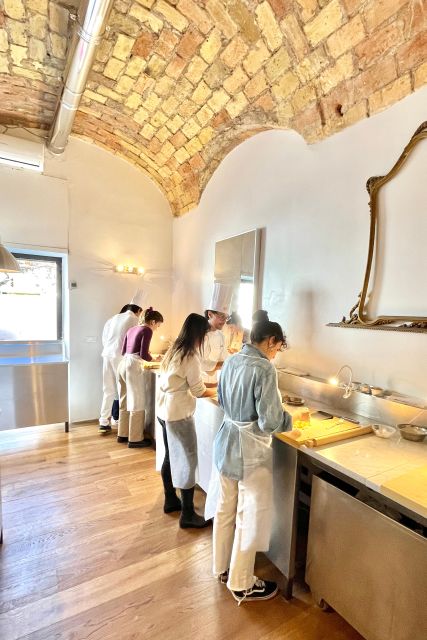
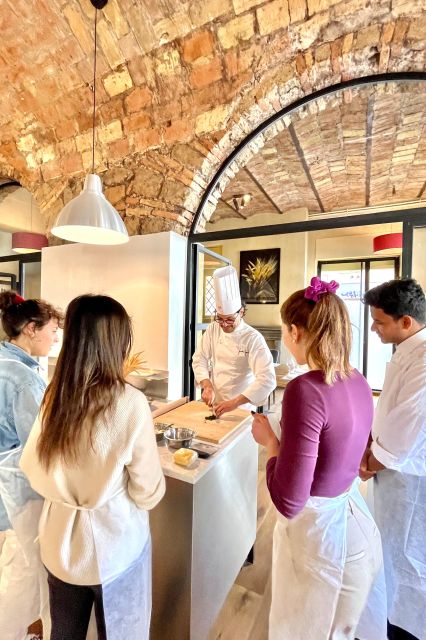
The most useful part for me is the emphasis on technique: you’ll roll the dough sheet using a wooden pin and a professional approach. You’re not just watching someone else do it. You’re doing it, and doing it enough times to understand thickness and tension.
Expect the dough to be the main learning curve. Rolling is where pasta goes from sticky experiment to silky sheet. The class also includes safe food cutting procedures, which may sound small, but it matters when you’re handling dough for shaped pasta.
Here’s the practical takeaway for your own kitchen later: pay attention to consistency, not speed. If the sheet tears, the fix usually isn’t dramatic. Adjust thickness, rest the dough if needed, and slow down your rolling pressure. In a small group, the chefs can spot problems early and help you correct them.
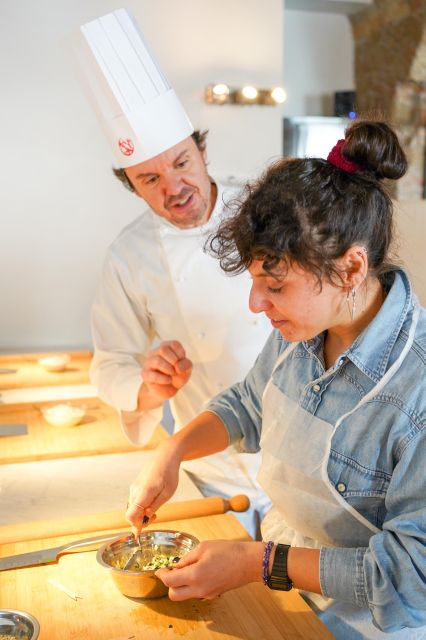
And yes, the chefs are part of the reason this works. Chef Emanuele and Chef Angelo lead the process with humor and hands-on guidance, including encouragement if you’re stuck.
The five pasta shapes: ravioli, agnolotti del plin, tortellini, cappelletti, fettuccine
The headline here is the number of shapes. You’ll make five types of fresh pasta from scratch: ravioli, agnolotti del plin, tortellini, cappelletti, and fettuccine. Each format teaches a different skill—folding, portioning, sealing, or finishing dough into strips.
Let’s break down what you’ll be doing, in a way that helps you picture the learning curve:
Worth a look next to this Rome booking:
Ravioli
Ravioli is a strong “foundation” shape. You’ll learn how to portion filling and seal so it holds its shape during cooking. It’s also a great test of dough thickness because too thick and it feels heavy; too thin and it can be fragile.
Agnolotti del plin
Agnolotti del plin looks like a sibling to ravioli but teaches a more deliberate shaping method. The phrase “del plin” is tied to that pinch-and-form style, and you’ll feel the difference in how the pasta holds together.
Tortellini
Tortellini is the detail-heavy one. From the way the class is described, you’ll get guided help on cutting and shaping so your final pieces look like the real thing, not rough parcels. This is also where patient instruction really pays off.
Cappelletti
Cappelletti is another signature format, built around shaping and finishing. The joy is that once you learn the logic, you can repeat it with less stress. And since you’re making several types in one sitting, each new format builds on the last.
Fettuccine
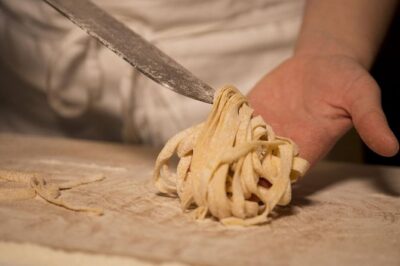
Finally, you’ll make fettuccine. This is a good balance after folded shapes: it’s more about rolling out and cutting evenly. If you’re new, fettuccine can make you feel progress quickly, because you can see the transformation from sheet to ribbons.
Two sauces, one real dinner plan
After you create the pasta, you taste it with two different kinds of Italian fresh sauce. That’s a big deal, because you learn how sauce changes the experience. Same dough, different flavors and textures, different mood on the plate.
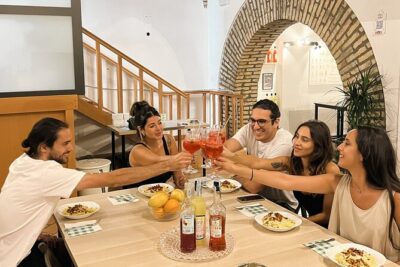
The class also works like a full meal program. You’ll have lunch or dinner depending on the session, plus wine with the meal. The pairing isn’t just about drinking. It helps you understand how Italians build a meal: pasta as the center, sauce as the communicator of flavor, and wine as the bridge.
If you’re a sauce person, pay attention when the chef explains the logic. In real cooking, the sauce isn’t an afterthought. It’s part of how a specific pasta shape performs.
Express tiramisu: the fast dessert that feels like a skill, not a shortcut
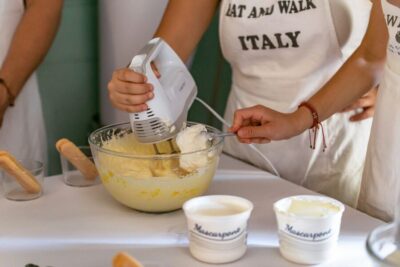
The dessert is an express tiramisu, prepared as part of the end of the class. People describe it as something new, which makes sense: you get the classic idea without a long, drawn-out production schedule.
This is a nice closing contrast to the pasta work. Pasta-making gets hands-on and technical. Tiramisu gets you a different kind of satisfaction: quick assembly, clear steps, and a result that tastes complete.
If you’re bringing someone who worries they won’t enjoy a “cooking lesson,” tiramisu helps. It’s dessert. It’s social. It makes the whole evening feel like a proper celebration.
Chef-led teaching: humor, hands-on help, and real accommodations
What repeatedly shows up in the class experience is the energy of Chef Emanuele and Chef Angelo. They teach with humor, keep steps clear, and jump in when you’re doing something wrong. That’s important. Pasta mistakes happen fast when you’re learning, and you don’t want to feel stuck for the whole session.
One thing I really appreciate from the way this class handles food issues: you can get ingredient adjustments. Examples include garlic allergy accommodations, with altered ingredients for tortellini and ravioli and even a separate sauce preparation so you don’t miss out. There’s also mention of an egg-free adaptation using cocoa tagliatelle for no-egg needs.
Even if you don’t have dietary restrictions, this teaching style is useful. Being able to ask questions and get direct correction makes a huge difference when you’re shaping pasta for the first time.
Also, the small group format helps the chefs remember your name and check in regularly, so you’re not left to figure things out on your own.
Price and value for a 3-hour Rome food lesson
The price is $67.19 per person for a 3-hour class. On paper, that can look “not cheap,” but in practice it’s closer to the cost of a good restaurant meal plus the labor of learning the technique.
Here’s what you’re getting for your money:
- An appetizer with prosecco and Italian cheese
- A full Italian meal, lunch or dinner
- Two homemade pasta plates (your own work)
- Dessert with an express tiramisu preparation
- A small-group hands-on session (limited to 10 participants)
- A complimentary chef hat (Pastificio Faini)
That combination is what makes it feel like value rather than a ticket to watch someone else cook. And because you’re making multiple shapes, you’re leaving with more than one recipe idea. You’ll have a mental map of how dough behaves and how each format changes the eating experience.
The one drawback to keep in mind is practical: it’s only 3 hours. You’ll learn a lot, but you won’t get the deep, day-long training that turns you into a full-time pasta maker. Still, for most visitors, this is a sweet spot.
Who should book this class, and who should skip it
You should consider booking if you want an authentic Rome activity that’s hands-on and social, not another museum shuffle. It’s also a great fit if you like learning through doing. The class is especially friendly for different ages, with adults and teens participating happily, and it can work well for families with older kids who enjoy cooking.
It’s less ideal if you have mobility impairments, since the class isn’t suitable for that. You’ll be standing and working at the table for the full 3 hours, and the setup emphasizes hands-on rolling and shaping rather than seated observation.
If you have allergies or ingredient needs, tell the organizers in advance. This class has shown it can adapt, including separate sauce handling for at least one common allergy example.
Should you book the Rome five-shapes pasta class?
I’d book it if you want a fun, high-satisfaction Rome experience where you eat what you make and learn techniques you can repeat at home. The biggest selling points are the five pasta formats, the wooden rolling-pin technique, and the fact that the meal is part of the program (prosecco, wine, and your own pasta on the plate).
Skip it only if you know you can’t handle hands-on work for 3 hours or if you prefer learning without cooking. Otherwise, show up hungry, wear comfortable clothes for flour, and be ready to laugh at your own shaping attempts while a chef corrects the details.
FAQ
What pasta types will I make in this class?
You’ll make five pasta types from scratch: ravioli, agnolotti del plin, tortellini, cappelletti, and fettuccine.
Where does the class start and end?
You’ll meet at the Old Osteria named Cucina, identified by the original marble sign above the entrance, and the activity ends back at the meeting point.
How long is the class, and how large is the group?
The class lasts about 3 hours. It’s a small group limited to 10 participants.
What’s included in the price?
The experience includes an appetizer with prosecco and Italian cheese, a full Italian meal (lunch or dinner), two plates of different handmade pasta, and dessert with express tiramisu.
What languages are used during the class?
The instructor teaches in English and Italian.
Is the class suitable for people with mobility impairments?
No, it’s not suitable for people with mobility impairments.
Are pets allowed?
No, pets are not allowed.
More Cooking Classes in Rome
- 3 in 1 Cooking Class near Navona: Fettuccine, Ravioli & Tiramisu
★ 5.0 · 7,376 reviews - Rome: Pasta Making Class with Wine, Limoncello, and Dessert
★ 4.9 · 3,177 reviews - Rome Cooking Class: Make Pasta and 3 Spritz Cocktails
★ 5.0 · 2,937 reviews - Rome: 3-in-1 Fettuccine, Ravioli, and Tiramisu Cooking Class
★ 4.9 · 2,704 reviews - Rome: Fettuccine Pasta Cooking Class in Rome’s City Center
★ 4.8 · 2,414 reviews - Fettuccine & Tiramisù: Cooking Class with Wine & Limoncello
★ 4.9 · 2,103 reviews
More Tour Reviews in Rome
- Vatican Museums, Sistine Chapel & St. Peter’s Basilica Tour
★ 4.3 · 73,970 reviews - Vatican Museums, Sistine Chapel & St Peter’s Basilica Guided Tour
★ 4.5 · 39,149 reviews - Rome: Colosseum, Palatine Hill and Roman Forum Guided Tour
★ 4.8 · 32,814 reviews - Rome: Guided Tour of Colosseum, Roman Forum & Palatine Hill
★ 4.7 · 27,897 reviews - Rome: Colosseum & Forum with Audio Guide App -Optional Arena
★ 4.2 · 24,770 reviews - Rome: Colosseum, Roman Forum and Palatine Hill Guided Tour
★ 4.5 · 23,903 reviews
Learn Another Roman Dish
- 3 in 1 Cooking Class near Navona: Fettuccine, Ravioli & Tiramisu
★ 5.0 · 7,376 reviews - Rome: Pasta & Tiramisu Class with Fine Wine by the Vatican
★ 4.9 · 4,852 reviews - Rome: Pasta Making Class with Wine, Limoncello, and Dessert
★ 4.9 · 3,177 reviews - Rome Cooking Class: Make Pasta and 3 Spritz Cocktails
★ 5.0 · 2,937 reviews - Rome: 3-in-1 Fettuccine, Ravioli, and Tiramisu Cooking Class
★ 4.9 · 2,704 reviews - Rome: Fettuccine Pasta Cooking Class in Rome’s City Center
★ 4.8 · 2,414 reviews
Just added to our Rome reviews





Rome Cooking Classes, compared.
 ★ 5.03 in 1 Cooking Class near Navona: Fettuccine, Ravioli & TiramisuFrom $837,376 reviews
 ★ 4.9Pasta & Tiramisu Class with Fine Wine by the VaticanFrom $414,852 reviews
 ★ 4.9Pasta Making Class with Wine, Limoncello, and DessertFrom $483,177 reviews
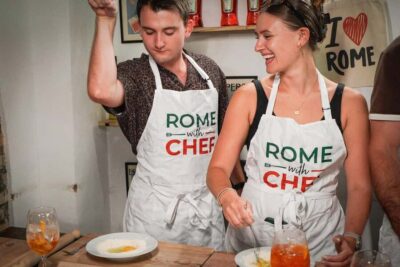 ★ 5.0Rome Cooking Class: Make Pasta and 3 Spritz CocktailsFrom $992,937 reviews
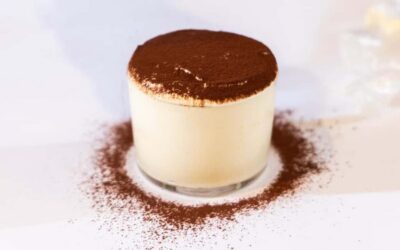 ★ 4.93-in-1 Fettuccine, Ravioli, and Tiramisu Cooking ClassFrom $812,704 reviews
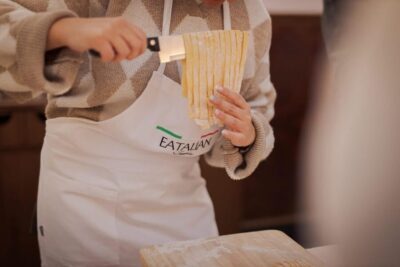 ★ 4.8Fettuccine Pasta Cooking Class in Rome’s City CenterFrom $462,414 reviews
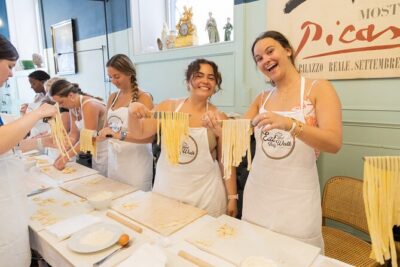 ★ 5.0Learn to Make Pasta & Tiramisu with Wine and Limoncello IncludedFrom $542,345 reviews
 ★ 5.0Become a Masterchef in Rome: Pasta, Ravioli and Tiramisù ClassFrom $472,156 reviews
Browse the lists this tour appears in