

Reviewed · MORNING
Rome: Early Morning Sightseeing and Piazzas with Breakfast
Rome looks totally different before the crowds. You get early-morning calm and an Italian cappuccino-and-cornetto style breakfast as the city wakes up. One watch-out: the breakfast can feel a bit brief (some people expect more than a short stop).
This 3-hour guided walk links the big landmarks in a smart flow, from Piazza del Popolo and the Spanish Steps to Trevi Fountain, the Pantheon, and Piazza Navona. You’ll hear history and practical context in English or Italian, and you’ll be moving on foot the whole time.
You also get a real value-for-time deal at $93 per person: major sights plus breakfast plus water, with no hotel pickup. You’ll want to plan for early starts and comfortable shoes, and remember that Jubilee-related restoration may change some routes.
In This Review
- Key Things I’d Put at the Top
- A 3-Hour Rome Wake-Up Call: When the City Still Has Breathing Room
- Choosing Your Start: Fontana dei Leoni or Flaminio Obelisk
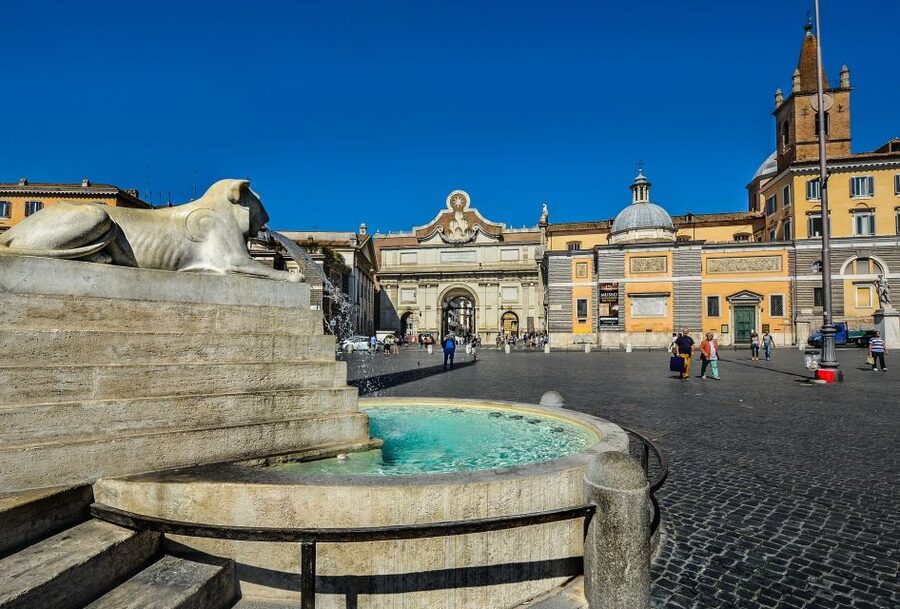
- Piazza del Popolo at First Light: Your Orientation Shortcut
- Spanish Steps in Quiet Morning Light: A Classic You Can Actually Enjoy
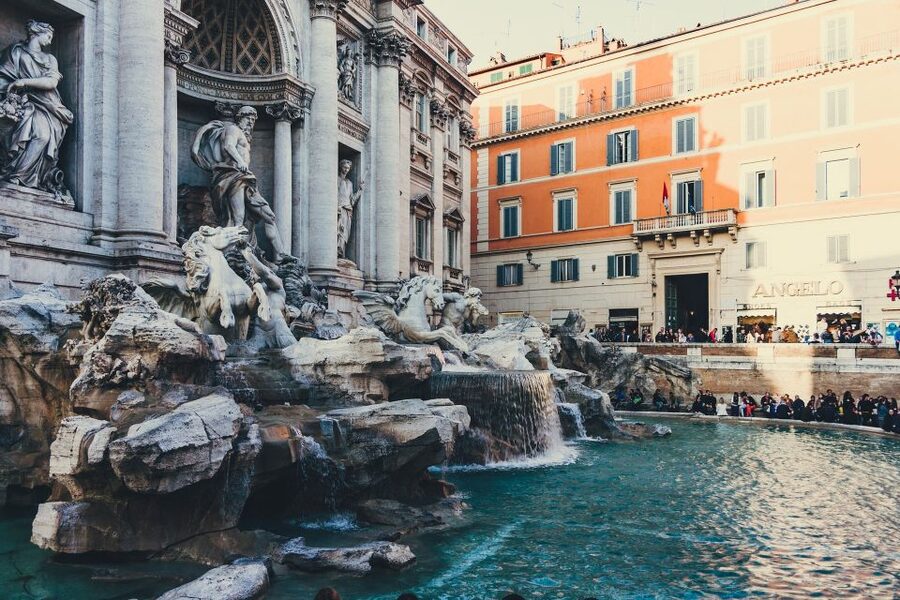
- Trevi Fountain Photo Stop and the Pantheon: Two Icons, Two Different Energies
- Piazza Navona and Campo de’ Fiori: Marble Meets Morning Market Life
- The Breakfast Plan: Cappuccino and Cornetto Style, Plus Water
- The Guide Factor: Clear Explanations, Friendly Pace
- Price and Logistics: Is $93 Worth It?
- Who This Tour Suits Best
- Should You Book This Early Morning Rome Tour?
- FAQ
- How long is the Rome early morning sightseeing and breakfast tour?
- Where does the tour start?
- Which sights are included?
- Is breakfast included, and what is it like?
- What languages are the guides?
- Is the tour wheelchair accessible?
- What if I need to cancel?
Key Things I’d Put at the Top

- First-light viewpoints: You see Rome in softer light, before the day’s noise takes over.
- Major sights in one walk: Piazza del Popolo → Spanish Steps → Trevi → Pantheon → Piazza Navona.
- Trevi gets the photo stop you actually want: Not a drive-by, with a guided moment at the fountain.
- The Pantheon is the centerpiece: You get a guide-led visit right in the heart of it.
- Breakfast ties it together: The finish at Campo de’ Fiori pairs walking with an Italian morning ritual.
- Very small group potential: Some bookings have started with only a couple of people, which changes the whole feel.
A 3-Hour Rome Wake-Up Call: When the City Still Has Breathing Room
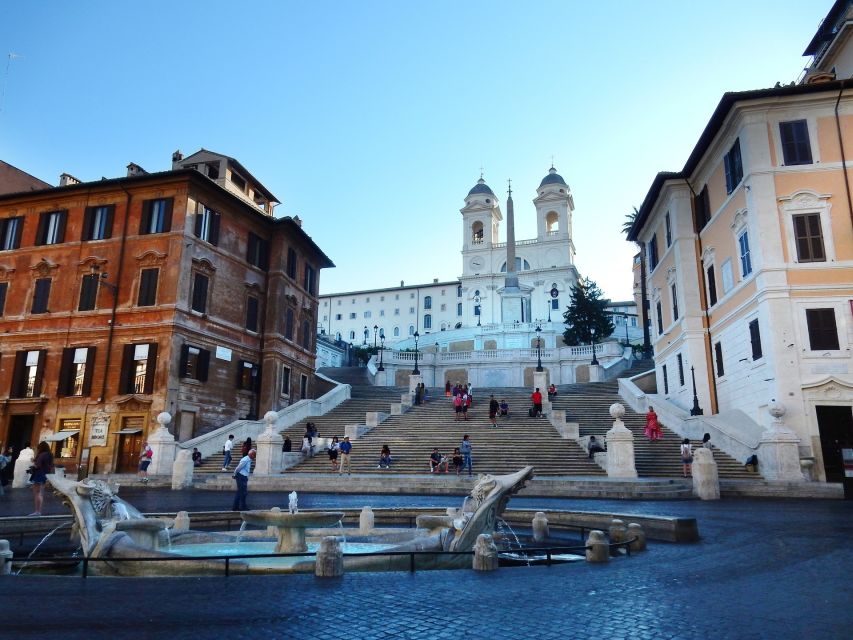
This tour is built for one simple idea: Rome is best when it’s not performing. You start while the streets are quieter, when the light hits stone in a way you just don’t get later, after tour buses unload and selfies start stacking up.
Over about three hours, you’re not rushing through Rome’s highlights with a frantic checklist. Instead, you follow a guided route that moves across some of the most iconic piazzas and monuments. The effect is practical: you get your bearings fast, and you leave with a clear mental map of where major landmarks sit relative to each other.
The pace works especially well in summer and in heat, because you’re handling the longest sightseeing block before the hottest part of the day. It also helps if you hate arriving somewhere and immediately feeling swallowed by crowds. Here, you get the opposite: the morning version of Rome.
The biggest trade-off is that it’s early and you’re walking. If you don’t do mornings well, plan for a slower night before or aim for an early bedtime. And if your idea of breakfast is a full spread, mentally reset: this is a morning bite and food tasting style stop, not a long brunch feast.
Worth a look next to this Rome booking:
- Early Morning Vatican, Sistine, St. Peter’s Semi or Private Tour
★ 5.0 · 3,779 reviews - Rome: Complete Early Morning Vatican Tour | Small Group
★ 5.0 · 2,254 reviews - Rome: Early-Morning Vatican Museums and Sistine Chapel Tour
★ 4.7 · 1,778 reviews - Rome Morning Vespa Sidecar Tour in Rome with Cappuccino
★ 5.0 · 1,771 reviews
Choosing Your Start: Fontana dei Leoni or Flaminio Obelisk
Your starting point can vary depending on the option you book. One option is around Fontana dei Leoni near the Flaminio Obelisk area. Another meeting point is listed as Fontana dei Leoni itself, so the exact spot can differ.
Why this matters: your best way to enjoy a morning tour is to avoid spending time crossing the city before you even start walking. If you’re staying near central Rome, one start option may be a short walk or quick transit. If you’re farther out, it may determine whether you arrive relaxed or stressed.
Also, the tour ends at Campo de’ Fiori, so you can plan your next move around that. After the walking and guided stops, Campo de’ Fiori is a natural place to continue with coffee, shopping, or a casual lunch later.
One more real-life note: because of the Jubilee, some monuments may be under restoration, and access routes can change. You’ll get updates by message, so check your phone before you go and expect the guide to adjust smoothly if something is fenced off.
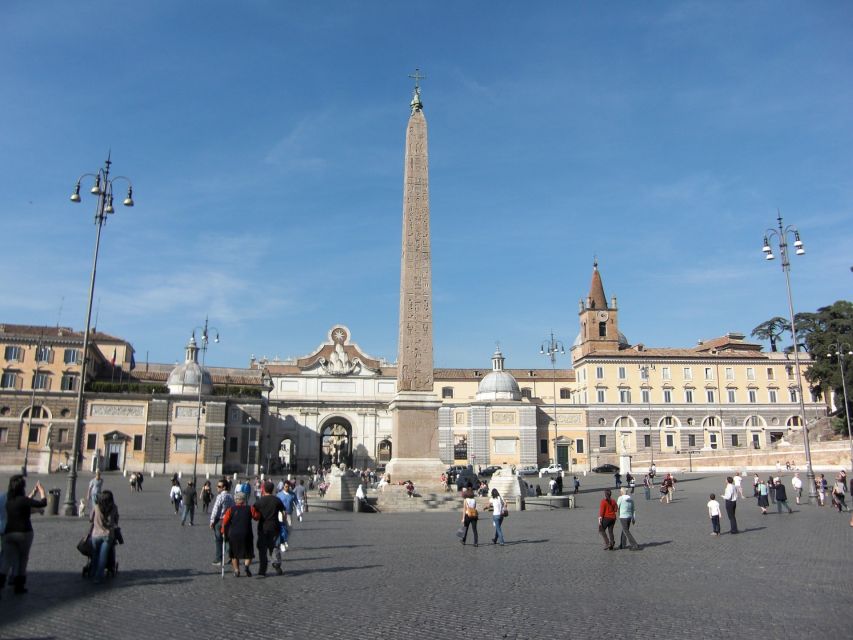
Piazza del Popolo at First Light: Your Orientation Shortcut

Most Rome days start with wandering and guesswork. This one starts with a landmark that does the job of both: it’s dramatic, and it helps you orient the rest of your day.
You begin at Piazza del Popolo and get a guided walk through it. This is one of those squares where you can feel the city’s structure—major streets, grand sightlines, and connections to other key areas. If you’ve only seen photos, you’ll recognize the shapes immediately in person.
What I like about starting here early: you get space to actually look. In daytime crowds, Piazza del Popolo can be hard to enjoy because it becomes a traffic bottleneck for tourists trying to move in every direction at once. In the morning, it’s more like a place you can study. You’ll notice details on the buildings and the way the square frames views toward other major points.
The guide’s role is especially useful at this stop. A good guide doesn’t just tell you what things are called. They help you understand what to look for so you can enjoy it without feeling lost.
Expect walking and stairs around the area, and bring comfortable shoes. This tour is wheelchair accessible, but like any sight-focused Rome walk, you’ll still want to wear footwear that works well on stone and uneven surfaces.
Spanish Steps in Quiet Morning Light: A Classic You Can Actually Enjoy

Next comes the Spanish Steps—one of the most photographed spots in Rome. In the middle of the day, it can be chaotic. In the morning, it’s calmer enough that you can experience it like a real place, not just a backdrop.
You get a guided stop and walk here. That matters because the Spanish Steps aren’t only about the famous staircase. The area has layers: street connections, viewpoint angles, and historic context that makes the place feel less like a postcard and more like a piece of living city fabric.
This is also a great moment for photos. Early lighting helps your images too. Plus, you’re there before the biggest rush, so you don’t have to fight for a clear shot of the steps or the surrounding façades.
One practical tip: since the tour includes multiple major sites in a short window, try to be mentally ready to keep moving. You’ll want to stop and look, but your best Rome experience comes when you let the guide’s pacing carry you from one iconic view to the next.
If you’re the kind of traveler who likes to understand the logic behind a route, you’ll appreciate how this stop fits between Piazza del Popolo and the later fountain-and-temple cluster.




Trevi Fountain Photo Stop and the Pantheon: Two Icons, Two Different Energies
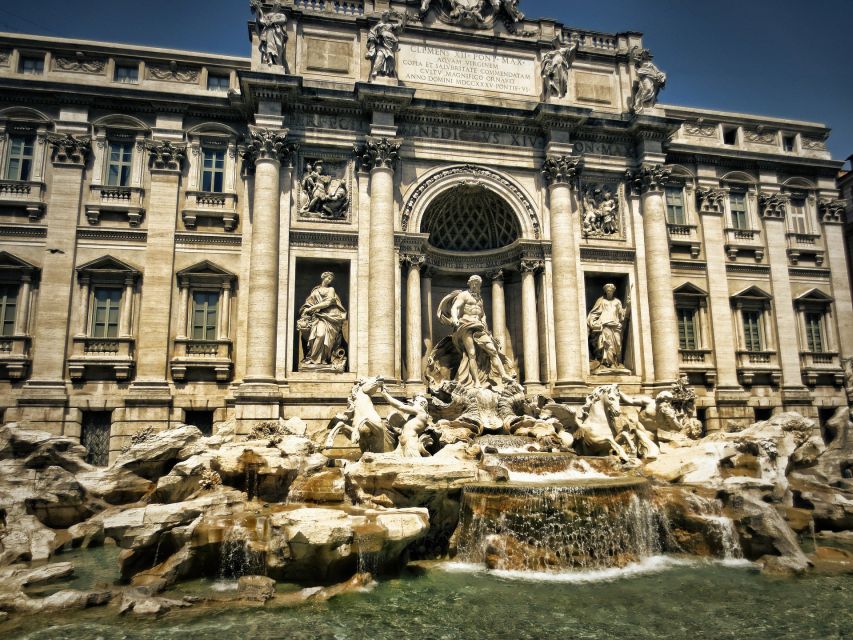
Then you hit Trevi Fountain. You get a photo stop plus guided tour time. That’s important because Trevi is one of those places where timing can make or break the experience. The fountain is so famous that it often feels like everyone is there for the same snapshot.
Early in the day, the vibe changes. You can actually take a moment with the fountain instead of treating it like a timed obstacle. The guide helps you notice what you might otherwise miss—details and context that make the fountain feel more like an artwork than a tourist magnet.
After Trevi, you move to the Pantheon for a guided visit. The Pantheon is the kind of monument that rewards attention. Even if you’ve seen it in pictures, the scale hits you differently in person.
The guide-led time is what you’ll value most here. You’re not just standing in front of a famous dome; you’re learning what to pay attention to while you’re there. And because the tour is early, you can see it with fewer crowds than the typical daytime crush—which makes the interior experience feel more human.
A small warning, though: the Pantheon and surrounding areas can be affected by access changes, especially during periods when parts of the city are under restoration for the Jubilee. If you hear about route changes the day of, trust that your guide is working around it.
Piazza Navona and Campo de’ Fiori: Marble Meets Morning Market Life
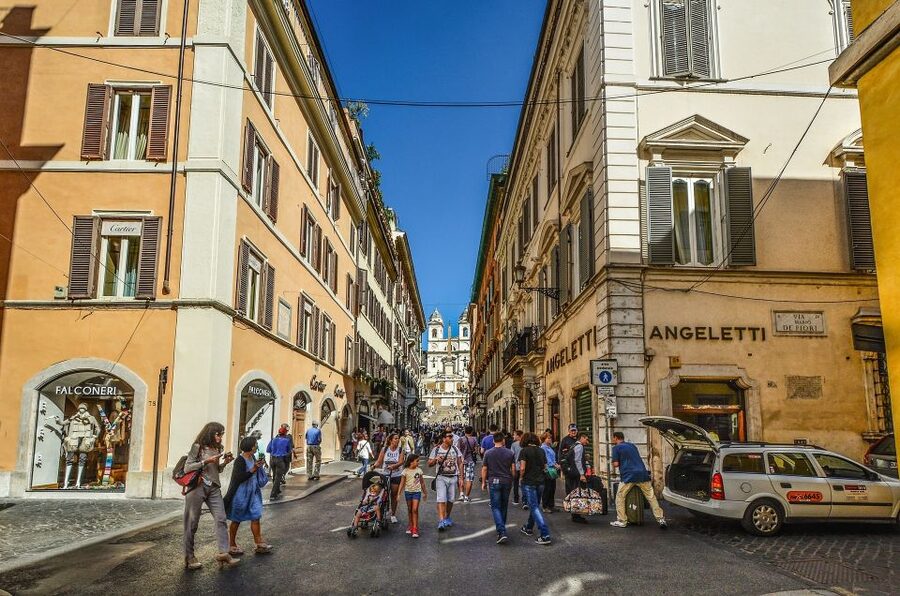
By the time you reach Piazza Navona, you’ve already covered the major architectural hits. Piazza Navona feels different in a good way. It has that lively square energy, but on this schedule it’s still calm enough to enjoy it rather than sprint through it.
You get a guided walk here. That’s useful because Navona’s layout can confuse people who come expecting one view. The guide helps you see how the piazza works as a space—what angles matter, what features connect, and why it looks the way it does.
Then comes Campo de’ Fiori, where the day’s focus turns toward food. This is where you finish and where the breakfast happens, paired with a food tasting moment. Campo de’ Fiori isn’t just a name on a map—it’s a real place with an active market feel and a neighborhood vibe.
You end in the same area you’re eating, which is a smart design. After walking and sightseeing, you don’t want to negotiate transit or hunt for your own meal. You’re already in position to keep your morning going.
If you’re someone who likes to experience Rome as both monuments and street life, this ending hits the sweet spot. You get history and then you get the daily rhythm of the city.
The Breakfast Plan: Cappuccino and Cornetto Style, Plus Water
The breakfast is the payoff. The tour leans into a classic Italian morning rhythm: cappuccino and cornetto. The smell of coffee early in the morning really does help the whole experience feel special, because it matches the moment—Rome waking up, you waking up, and the city moving at human speed.
What you receive includes an Italian breakfast and water. The breakfast happens at Campo de’ Fiori, and the format includes breakfast and a food tasting component.
Here’s the balanced truth: a few people have found the breakfast lighter than they expected, especially if they were aiming for a larger meal. Your best approach is to treat it like a true Italian morning break—short, satisfying, and designed to keep you fueled for the rest of your day—not as a full brunch-style feast.
Still, even when people describe it as brief, the consensus is that the breakfast itself is the right kind of Rome. And if you care about getting the simple classics instead of a complicated tourist meal, you’re likely to love it.
Also, since you’re walking for several stops before you eat, you’ll appreciate that you’re not stuck waiting for breakfast at the end of the day. You’re eating when it still feels like breakfast time.
The Guide Factor: Clear Explanations, Friendly Pace
The tour lives or dies with the guide. The good news is that this experience has a strong reputation for guides who are engaging and informative, with a friendly style that makes the morning feel like conversation, not lecture.
One name you may see associated with the guiding team is Catia. Another is Katia. If you end up with a guide like that, you’re likely to get insider-style explanations and a smooth flow between stops, including practical notes about what you’re looking at and why it matters.
A small group can also change everything. There have been bookings where only two people were on the tour, and that kind of group size typically means more flexibility and more personal attention. Even when it’s not that small, the tour is designed for an intimate feel rather than a big bus-crowd vibe.
What you should expect from the guide, based on the format: short guided segments at each main site, walking guidance between them, and help turning landmark names into real places in your mind.
If you like tours where you leave feeling oriented—where the city makes more sense rather than just looking pretty—this guide-led structure is a good match.
Price and Logistics: Is $93 Worth It?
At $93 per person for a 3-hour tour, the cost isn’t the cheapest way to see Rome. But it can be good value if you price it against what you actually get: guided time at multiple major landmarks plus breakfast plus water, all in one run.
The early morning aspect is where the value really shows up. It’s not just a marketing line. Showing up before the crowds changes how monuments feel. It also changes your energy level—you’re not spending the day in frustration trying to see famous sites while everyone else is blocking your view.
The trade-off is that there’s no hotel pickup and drop-off, and meeting point locations can vary depending on the starting option. That means you need to be comfortable getting yourself to the meeting spot on time. It’s a small planning step, but it’s part of the deal.
Add in the possibility of Jubilee restoration affecting access routes, and you’ll want to stay flexible. If you enjoy Rome best when you’re rolling with real city life, you’ll probably find the logistics totally manageable.
Who This Tour Suits Best
This is a great fit for you if:
- You want a first-day Rome introduction that helps the city click into place.
- You hate crowd chaos and prefer seeing the big names before the wave hits.
- You like walking tours with a guide who explains what you’re seeing at each stop.
- You care about a classic breakfast experience and don’t want a separate food hunt.
It may be less ideal if:
- You strongly dislike early starts.
- You expect a large, multi-course breakfast.
- You want long sit-down time at any single monument (this is a multi-stop morning).
Should You Book This Early Morning Rome Tour?
I’d book it if your goal is to get the best version of Rome in a short window: calm streets, iconic landmarks, and an Italian breakfast finish at Campo de’ Fiori. The biggest selling points are the morning timing and the guided flow that links major sites in a way that actually helps you understand the city.
If you’re the type who wants to linger for hours in one place, or you’re booking mainly for a big breakfast, you might feel underwhelmed. But if you want a practical, high-impact Rome morning that makes the rest of your day easier, this is a smart choice.
FAQ
How long is the Rome early morning sightseeing and breakfast tour?
It runs for 3 hours.
Where does the tour start?
There are two starting options: Fontana dei Leoni (near the Flaminio Obelisk) and another option that lists Fontana dei Leoni as the starting point. The meeting point can vary depending on what you book.
Which sights are included?
You’ll visit Piazza del Popolo, the Spanish Steps area, Trevi Fountain, the Pantheon, and Piazza Navona, with the tour finishing at Campo de’ Fiori.
Is breakfast included, and what is it like?
Yes. You get an Italian breakfast (with food tasting at Campo de’ Fiori) plus water.
What languages are the guides?
The live guide speaks English or Italian.
Is the tour wheelchair accessible?
Yes, the tour is listed as wheelchair accessible.
What if I need to cancel?
You can cancel up to 24 hours in advance for a full refund.
More Morning in Rome
- Early Morning Vatican, Sistine, St. Peter’s Semi or Private Tour
★ 5.0 · 3,779 reviews - Rome: Complete Early Morning Vatican Tour | Small Group
★ 5.0 · 2,254 reviews - Rome: Early-Morning Vatican Museums and Sistine Chapel Tour
★ 4.7 · 1,778 reviews - Rome Morning Vespa Sidecar Tour in Rome with Cappuccino
★ 5.0 · 1,771 reviews - Express Early Morning Sistine Chapel Tour with Max 6 People
★ 5.0 · 362 reviews - Rome: Vatican, Sistine Chapel, St. Peter Early Morning Tour
★ 4.9 · 227 reviews
More Tour Reviews in Rome
- Vatican Museums, Sistine Chapel & St. Peter’s Basilica Tour
★ 4.3 · 73,970 reviews - Vatican Museums, Sistine Chapel & St Peter’s Basilica Guided Tour
★ 4.5 · 39,149 reviews - Rome: Colosseum, Palatine Hill and Roman Forum Guided Tour
★ 4.8 · 32,814 reviews - Rome: Guided Tour of Colosseum, Roman Forum & Palatine Hill
★ 4.7 · 27,897 reviews - Rome: Colosseum & Forum with Audio Guide App -Optional Arena
★ 4.2 · 24,770 reviews - Rome: Colosseum, Roman Forum and Palatine Hill Guided Tour
★ 4.5 · 23,903 reviews
Just added to our Rome reviews





Morning, compared.
 ★ 5.0Early Morning Vatican, Sistine, St. Peter’s Semi or Private TourFrom $2403,779 reviews
 ★ 5.0Complete Early Morning Vatican Tour | Small GroupFrom $1312,254 reviews
 ★ 4.7Early-Morning Vatican Museums and Sistine Chapel TourFrom $931,778 reviews
 ★ 5.0Rome Morning Vespa Sidecar Tour in Rome with CappuccinoFrom $1631,771 reviews
 ★ 5.0Express Early Morning Sistine Chapel Tour with Max 6 PeopleFrom $180362 reviews
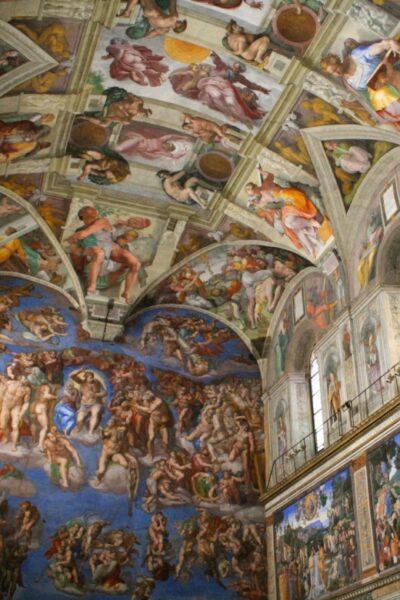 ★ 4.9Vatican, Sistine Chapel, St. Peter Early Morning TourFrom $225227 reviews
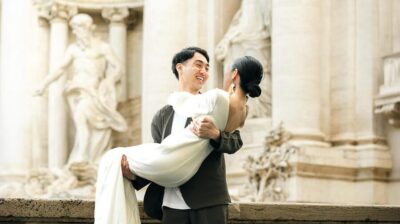 ★ 5.0Early Morning Private Photoshoot at Iconic LandmarksFrom $61206 reviews
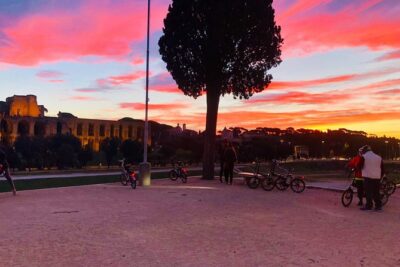 ★ 5.0Sunrise in Rome: Small Group E-Bike tour with Italian BreakfastFrom $95179 reviews