
Reviewed · VATICAN MUSEUMS TOURS
Rome: Vatican, Sistine Chapel, St. Peter Early Morning Tour
Beat the Vatican rush with art first. This early-morning semi-private tour gets you into the Vatican Museums before most people arrive, then guides you to the Sistine Chapel while the air is still calm. You also get skip-the-line style entry, so your time goes to Michelangelo’s ceiling and St. Peter’s instead of waiting.
I really like the small-group feel (you’re capped at 6), because the guide can pace the day and adjust on the fly. Guides highlighted in recent experiences, like Marty, Sarah, Luca, and Claudia, tend to keep the story clear and the stops moving in a way that actually helps your brain catch up. One caution: access to the Raphael Rooms can depend on crowding and guard-regulated routes, so you may not get exactly the same timing every day.
In This Review
- Key takeaways before you go
- The best reason for an early slot: you trade lines for meaning
- Meeting point and entry basics: small details that prevent big headaches
- Courtyards and classic sculpture: where the Vatican’s “stage” starts
- Gallery time: Maps, Tapestries, and the Vatican as a visual machine
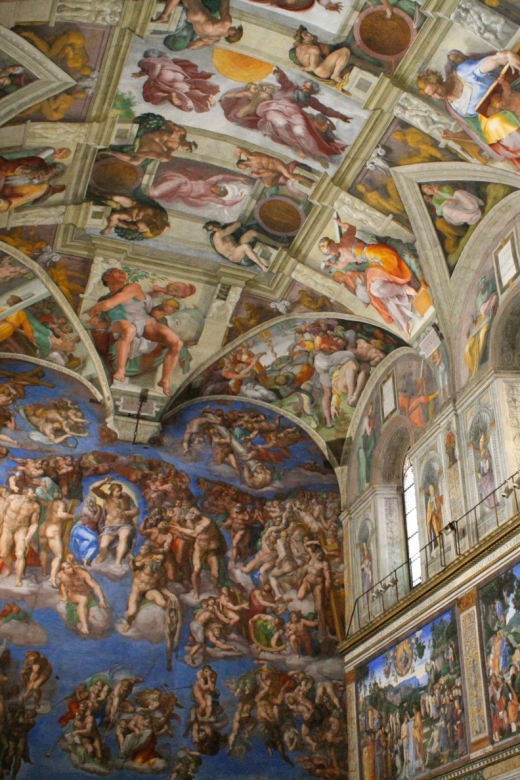
- Sistine Chapel before the rush: Michelangelo’s ceiling with room to breathe
- Raphael Rooms: what you’ll see when access cooperates
- St. Peter’s Basilica with VIP-style entry: art up close, logistics handled
- Piazza San Pietro and the walk-out: how the tour ends in the right mood
- What makes this tour feel worth it (beyond just the headline sites)
- Who should book this, and who might want another option
- Should you book this early-morning Vatican tour?
- FAQ
- FAQ
- How long is the Vatican, Sistine Chapel, and St. Peter early morning tour?
- Where do I meet the tour group?
- Do I need a passport or photo ID?
- Do I skip the line for the Vatican Museums and St. Peter’s Basilica?
- Are photos allowed in the Sistine Chapel?
- Is there a dress code?
- Will I definitely visit the Raphael Rooms?
- What if St. Peter’s Basilica is closed?
- Are backpacks allowed in the museums?
Key takeaways before you go
- Early entry means more breathing room in the Vatican Museums and Sistine Chapel.
- Small-group pacing (up to 6) helps you understand what you’re seeing without sprinting.
- Courtyard-to-chapel flow covers the highlights in a smart order, not a random stampede.
- Sistine Chapel rules matter: silence inside, and no photos once you’re in.
- St. Peter’s timing can change (especially with 2025 Jubilee activity), and the guide may revise the plan to protect value.
The best reason for an early slot: you trade lines for meaning
The Vatican is huge, and your biggest enemy is not history—it’s time. This early-morning format is designed to beat the crowd wave. You enter the Vatican Museums in the first hours of the day, when long lines are still forming and corridors aren’t yet packed wall-to-wall. That’s what makes a big difference in how the art lands. If you walk in already stressed, you’ll miss the point. If you arrive fresh, you can actually look.
Price is about $225.44 per person, which isn’t cheap. But value here comes from three things you can’t easily replicate on your own: (1) early entry, (2) guided interpretation that points out what matters, and (3) time saved with skip-the-line access into key areas. For me, it’s the kind of spend that pays off if you only have a half-day (or less) for Vatican City.
The tour runs roughly 2 to 3.5 hours depending on start time and how fast Vatican access moves on that day. Plan to treat it as a focused, “greatest hits” morning, not a full-day museum marathon.
Other ways through the Vatican Museums
- Vatican Museums, Sistine Chapel & St. Peter’s Basilica Tour
★ 4.3 · 73,970 reviews - Vatican Museums, Sistine Chapel & St Peter’s Basilica Guided Tour
★ 4.5 · 39,149 reviews - Rome: Vatican Museums, Sistine Chapel and Basilica Tour
★ 4.3 · 16,039 reviews - Vatican Museums & Sistine Chapel Skip-the-Line Entry Ticket
★ 4.4 · 13,838 reviews
Meeting point and entry basics: small details that prevent big headaches
You start in front of Caffè Vaticano, on Viale Vaticano 100, across the street from the Vatican Museums entrance. It’s easy to spot and convenient if you’re already walking around that side of the Vatican.
Bring photo ID (passport or government-issued ID card). Vatican entry can require it, and you’re told it’s needed to guarantee admission. Also keep an eye on dress rules. Shoulders and knees must be covered, so leave shorts, short skirts, and sleeveless shirts at the hotel. This is not the place for “I’ll just be careful” clothing.
Two other practical restrictions: no backpacks inside the museums, and in the Sistine Chapel you must keep quiet and you can’t take photos. Flash is prohibited elsewhere too.
Courtyards and classic sculpture: where the Vatican’s “stage” starts
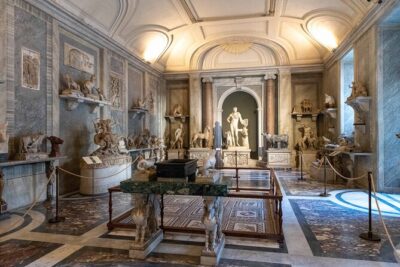
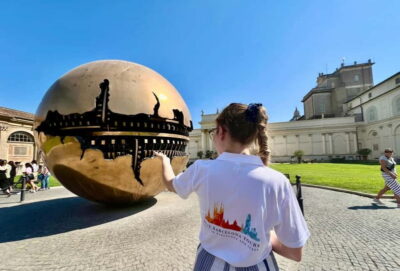
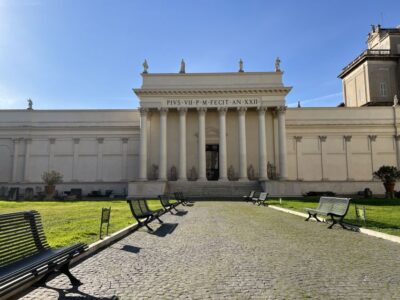
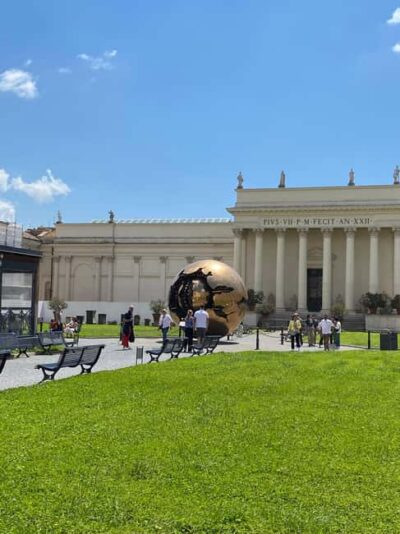
Your tour kicks off at the Cortile della Pigna area, moving through the Pinecone Courtyard and Octagonal Courtyard. This matters because these spaces are not just pretty rooms. They set up how Vatican art collection works: you’re stepping into a building that treats sculpture, architecture, and storytelling like one big exhibit.
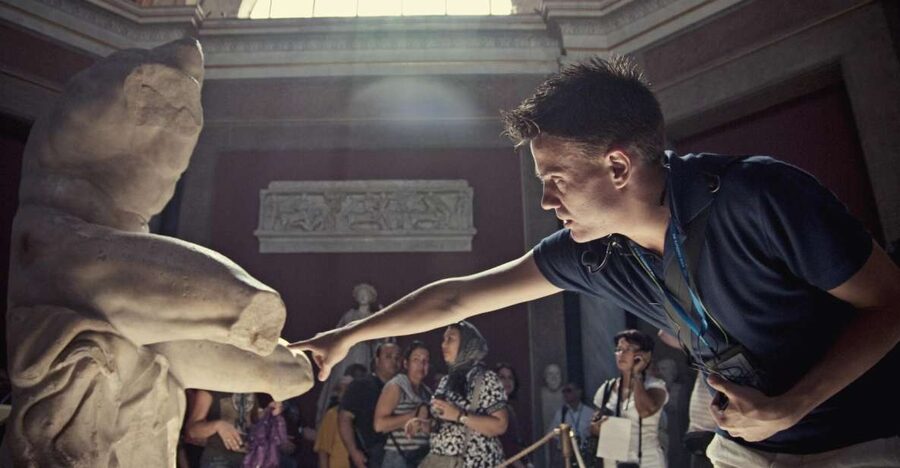
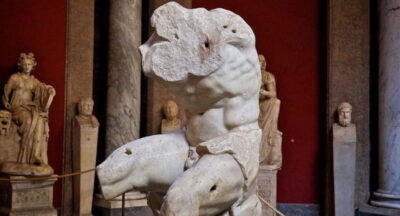
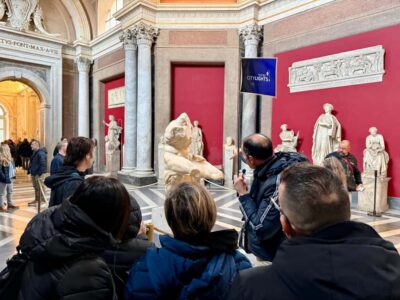
In the classical stops, the guide points out major antiquities and why artists later copied them. You’ll get attention on works connected to the Greek and Roman tradition, including the Laocoon, the Apollo Belvedere, and the Belvedere Torso. Even if you only know these names from school, seeing them in person changes the impact. The torsos and dramatic figures are about anatomy, movement, and “how to make stone feel alive.”
One underrated benefit here: in 15–30 minutes, you’ll get a sense of the Vatican’s visual language. After the courtyards, the later paintings feel less like random masterpieces and more like part of a continuing conversation across centuries.
Gallery time: Maps, Tapestries, and the Vatican as a visual machine
Next up are museum galleries that help you understand how the Vatican thinks about power and place.
You’ll stop at the Gallery of Maps and the Gallery of Tapestries (and you’re guided through key decorative areas along the way). This part is especially good if you’re the type who likes details but doesn’t want to get lost wandering alone. The guide doesn’t just say what you’re looking at; they connect it to why those images were chosen and what they were meant to communicate.
The Gallery of Maps is a strong “wait, that’s all one room?” moment. It’s visually busy, but with direction you start noticing scale, geography themes, and how art can act like information. The Tapestries add another layer: instead of static images, you get a sense of pattern, craft, and how grand rooms were dressed to impress.
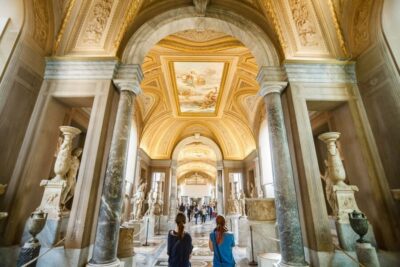
Then there are sculpture corridors and display areas like the Gallery of Candelabra, which help bridge you from antiquity to Renaissance masterpieces. The tour keeps this movement logical: you build context, then the ceiling comes next.
More time under Michelangelo's dome
Sistine Chapel before the rush: Michelangelo’s ceiling with room to breathe
This is the big target. And timing is everything.
You enter the Sistine Chapel after moving through the earlier museum highlights, and the early slot is what lets you actually look up without feeling pushed. You’ll spend time here learning how to read what you see—especially Michelangelo’s ceiling frescoes. The guide points out details so you’re not just staring at a “wow ceiling,” but understanding what’s happening across it.
The plan includes time to appreciate major scenes, including the Last Judgement. With a good guide, this isn’t only impressive—it’s readable. You start connecting figures, themes, and the emotional tone of the composition.
There’s also the reality check: no photography, and you’ll need silence inside. It can feel awkward at first, but it improves the experience. You hear fewer phones and fewer accidental conversations, which makes the chapel feel more like a sacred space than a photo set.
One more important factor: the Sistine Chapel may open late for religious reasons. If that happens, museum time is extended accordingly. That’s still workable, but it’s part of how Vatican logistics operate.
If your number one goal is Michelangelo with a calm head, this early approach is one of the best ways to do it.
Raphael Rooms: what you’ll see when access cooperates
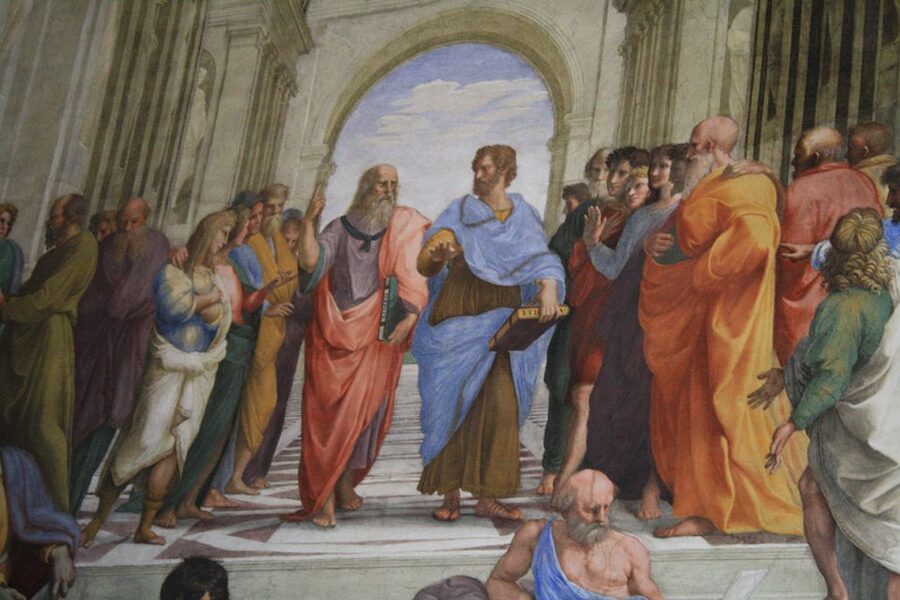
After the Sistine Chapel, you’ll go to the Raphael Rooms—specifically works associated with the pope’s private apartments. You’ll likely see standout pieces such as The School of Athens.
Here’s the key catch: access depends on crowding, timing, and guard-regulated routes, and inclusion isn’t guaranteed. The guide can adjust the itinerary to maintain quality. That means you should treat the Raphael Rooms as a likely bonus, not a promise.
When you do get in, this is where you see how Renaissance painting was used like a message system. You learn the stories behind the scenes and how symbolism ties into the era’s thinking. The best moments are the small explanations—why certain figures are placed where they are, and how the painting works as an argument about learning, faith, or authority.
Also note the tempo: the time inside is shorter than the museum sections before it, so you’ll want to be mentally ready to absorb quickly. If you leave the Sistine Chapel already full, the Raphael Rooms can feel like an intense follow-up—this is why having a guide who can steer your attention matters.
St. Peter’s Basilica with VIP-style entry: art up close, logistics handled
Once you’re finished with the Vatican Museums section, the tour continues into St. Peter’s Basilica using VIP access that helps you skip the line. The Basilica is massive, and arriving with a plan saves your energy.
Inside, you’ll see major highlights close up, including Michelangelo’s Pietà and Bernini’s Baldacchino. Those names get thrown around online, but in person they hit differently. The Pietà has a quiet intensity. The Baldacchino feels like theater—bold bronze form, meant to frame the sacred center.
Your guide also shares what to look for in other elements, like the Pap al Tombs area and how you can access the dome of St. Peter’s (the tour doesn’t promise dome time itself, but you’ll be told the route and approach).
One thing to keep in mind: due to the 2025 Jubilee, St. Peter’s Basilica may close unexpectedly for religious or liturgical events. If that happens, the guide revises the tour to maintain full value, but there’s no refund tied to closures. This is rare, but you should know it can be a reality check.
In practice, the Basilica is also where your dress code really matters. If you’re under-covered, security can be strict. You’ll want shoulders and knees fully covered before you arrive.
Piazza San Pietro and the walk-out: how the tour ends in the right mood
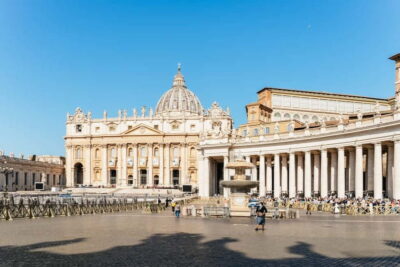
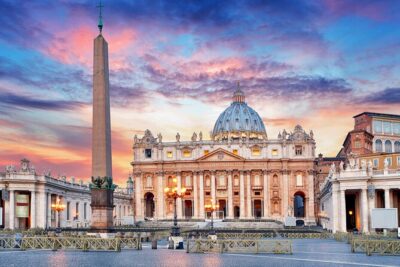
The tour concludes with time around Piazza San Pietro (St. Peter’s Square) and a look at the grandeur of the Basilica setting. You’ll finish near Cortile della Pigna and then return to the meeting area.
That final square walk is useful because it resets you. You go from the intensity of the Sistine Chapel and the Basilica’s scale to open space. It helps you process what you just saw without adding another crowded line problem.
What makes this tour feel worth it (beyond just the headline sites)
A lot of Vatican tours sound the same on paper: Museums, Sistine Chapel, St. Peter’s. The difference is how the day is managed.
This one pushes a smart order: courtyards and classical sculpture first, then galleries, then Sistine Chapel before crowd pressure builds, then Raphael Rooms, then St. Peter’s. That sequencing makes learning easier. If you hit the Sistine Chapel too late, you get trapped by noise and impatience. If you hit St. Peter’s without context, you miss why the art is arranged the way it is.
The most praised part in recent experiences is the guide. People repeatedly highlight that guides like Sarah and Serafina keep things clear and energetic, while guides like Max or Massimo bring humor and an easy pace. I also like when a guide keeps the group moving without turning it into a race—several people note the day felt timed well and not rushed, especially during the Sistine Chapel stop.
If you’re a first-time Vatican visitor, that’s huge. The Vatican can overwhelm. A guide gives you a mental map so your photos aren’t just proof you were there—they become anchors for what you understood.
Who should book this, and who might want another option
This tour is a great match if:
- you want the top highlights without spending an entire day inside
- you care about art context, not just checklist photos
- you’re okay following chapel rules (silence, no photos)
- you prefer a small-group pace (up to 6)
It’s likely not a great fit if:
- you need long time in any one room (this is a focused morning)
- you can’t meet dress requirements
- you rely on mobility access that doesn’t fit standard routing. The info says it’s not suitable for wheelchair users, though it suggests booking a private tour for accessible routing.
If you’re traveling with kids, it can work, but you’ll want to bring a flexible attitude. The day moves, and some kids may need more breaks than a 2–3.5 hour structure allows. The benefit is that a good guide can keep things lively—names like Claudia and Valentina come up for exactly that style.
Should you book this early-morning Vatican tour?
Yes—if your Vatican goal is “see the big masterpieces and understand them a bit,” this early morning is a strong value. The biggest payoff is timing: you get to the Sistine Chapel and major museum spaces before the crush. The second payoff is the small group size, which makes the explanations feel practical instead of scripted.
Don’t book it if you’re the type who wants to wander independently for hours with no structure. This tour is about guidance and efficiency. Also keep one expectation set: the Raphael Rooms are not guaranteed, because routes and crowding can shift.
If your schedule allows, I’d choose an early slot. Bring ID, dress modestly, and go in with the mindset that you’re here to look up and learn a few key stories—not to see every square meter.
FAQ
FAQ
How long is the Vatican, Sistine Chapel, and St. Peter early morning tour?
The duration is listed as about 2 to 3.5 hours, with starting times varying based on availability.
Where do I meet the tour group?
You meet in front of Caffè Vaticano at Viale Vaticano 100, right across the street from the Vatican Museums entrance.
Do I need a passport or photo ID?
Yes. You’re required to bring government-issued photo ID to guarantee entry.
Do I skip the line for the Vatican Museums and St. Peter’s Basilica?
Yes. The experience includes skip-the-line entry through a separate entrance for the Vatican Museums and VIP access for St. Peter’s Basilica.
Are photos allowed in the Sistine Chapel?
No. Photography is not allowed in the Sistine Chapel. Flash is prohibited elsewhere.
Is there a dress code?
Yes. You must cover shoulders and knees. Shorts, short skirts, and sleeveless shirts are not allowed.
Will I definitely visit the Raphael Rooms?
Access to the Raphael Rooms depends on crowding, timing, and guard-regulated routes, and inclusion is not guaranteed.
What if St. Peter’s Basilica is closed?
Due to the 2025 Jubilee, St. Peter’s Basilica may close unexpectedly. If it happens, the guide revises the tour to maintain value; no refunds apply.
Are backpacks allowed in the museums?
No. Backpacks are not allowed in the Vatican Museums.
If you want, tell me your travel dates and whether you’re visiting in the morning or afternoon elsewhere that day, and I’ll help you map the timing so you don’t feel rushed afterward.
More Tour Reviews in Rome
- Vatican Museums, Sistine Chapel & St. Peter’s Basilica Tour
★ 4.3 · 73,970 reviews - Vatican Museums, Sistine Chapel & St Peter’s Basilica Guided Tour
★ 4.5 · 39,149 reviews - Rome: Colosseum, Palatine Hill and Roman Forum Guided Tour
★ 4.8 · 32,814 reviews - Rome: Guided Tour of Colosseum, Roman Forum & Palatine Hill
★ 4.7 · 27,897 reviews - Rome: Colosseum & Forum with Audio Guide App -Optional Arena
★ 4.2 · 24,770 reviews - Rome: Colosseum, Roman Forum and Palatine Hill Guided Tour
★ 4.5 · 23,903 reviews
More at St. Peter's Basilica
- Vatican Museums, Sistine Chapel & St. Peter’s Basilica Tour
★ 4.3 · 73,970 reviews - Vatican Museums, Sistine Chapel & St Peter’s Basilica Guided Tour
★ 4.5 · 39,149 reviews - Rome: Vatican Museums, Sistine Chapel and Basilica Tour
★ 4.3 · 16,039 reviews - Rome: Vatican Museums, Sistine Chapel & Basilica Tour
★ 4.7 · 13,217 reviews - Skip-the-Line Group Tour of the Vatican, Sistine Chapel & St. Peter’s Basilica
★ 4.5 · 12,779 reviews - Rome: St. Peter’s Basilica, Papal Tombs, and Dome Climb Tour
★ 4.5 · 10,099 reviews
The Vatican, A Few More Ways In
- Vatican Museums, Sistine Chapel & St. Peter’s Basilica Tour
★ 4.3 · 73,970 reviews - Vatican Museums, Sistine Chapel & St Peter’s Basilica Guided Tour
★ 4.5 · 39,149 reviews - Rome: Vatican Museums, Sistine Chapel and Basilica Tour
★ 4.3 · 16,039 reviews - Vatican Museums & Sistine Chapel Skip-the-Line Entry Ticket
★ 4.4 · 13,838 reviews - Rome: Vatican Museums, Sistine Chapel & Basilica Tour
★ 4.7 · 13,217 reviews - Skip-the-Line Group Tour of the Vatican, Sistine Chapel & St. Peter’s Basilica
★ 4.5 · 12,779 reviews
Just added to our Rome reviews


Vatican Museums Tours, compared.
 ★ 4.5Vatican: Museums & Sistine Chapel Entrance TicketFrom $38144,003 reviews
 ★ 4.3Vatican Museums, Sistine Chapel & St. Peter’s Basilica TourFrom $7273,970 reviews
 ★ 4.5Vatican Museums, Sistine Chapel & St Peter’s Basilica Guided TourFrom $2239,149 reviews
 ★ 4.3Vatican Museums, Sistine Chapel and Basilica TourFrom $7316,039 reviews
 ★ 4.4Vatican Museums & Sistine Chapel Skip-the-Line Entry TicketFrom $4313,838 reviews
 ★ 4.7Vatican Museums, Sistine Chapel & Basilica TourFrom $7213,217 reviews
 ★ 4.5Skip-the-Line Group Tour of the Vatican, Sistine Chapel & St. Peter’s BasilicaFrom $3012,779 reviews
 ★ 4.3Vatican Museums & Sistine Chapel Guided TourFrom $11812,117 reviews
Browse the lists this tour appears in