
Reviewed · ROME COOKING CLASSES
Rome cooking: Gelato & Tiramisu with savoiardi Baking class
Dessert lessons beat souvenir sugar. This Rome cooking class teaches you tiramisu from scratch and gelato sorbet too, with a real kitchen session and tasting at the end.
I love that you do hands-on work, starting with the base biscuits, not just watching. I also like the small-group pace and the patient teaching people connect to instructors like Camilla and Federica, plus you leave with recipes you can actually use at home. Main drawback: the activity notes it is not suitable for vegans and for people with lactose intolerance, so if you’re managing allergies or diet, plan on requesting a private gluten or lactose-free option before you go.
In This Review
- Key highlights at a glance
- A hands-on Rome dessert class in a real tiramisù shop
- Gelato sorbet: fruit choices and the water-based difference
- Savoiardi baking: why the biscuit base matters
- Alcohol-free tiramisù assembly and the tasting payoff
- Small-group coaching, aprons, and take-home recipes you’ll use
- Price and value: what you get for $80 in Rome
- Who should book this gelato sorbet and tiramisù class
- Should you book the Rome Gelato and Tiramisu with Savoiardi Baking class?
- FAQ
- Where is the meeting point?
- How long is the cooking class?
- Is the class taught in English?
- Is the tiramisù alcohol-free?
- Can I request a gluten or lactose-free private class?
- What is the cancellation policy?
Key highlights at a glance
- Tiramisu from the biscuit up: you bake the base and assemble the layers
- Gelato sorbet practice: learn what makes it different from regular gelato
- Alcohol-free tiramisù: vegetarian-friendly style of dessert
- Small-group coaching: hands-on steps with time for questions
- Take-home recipes: plus kitchen-friendly tips for making it later
A hands-on Rome dessert class in a real tiramisù shop
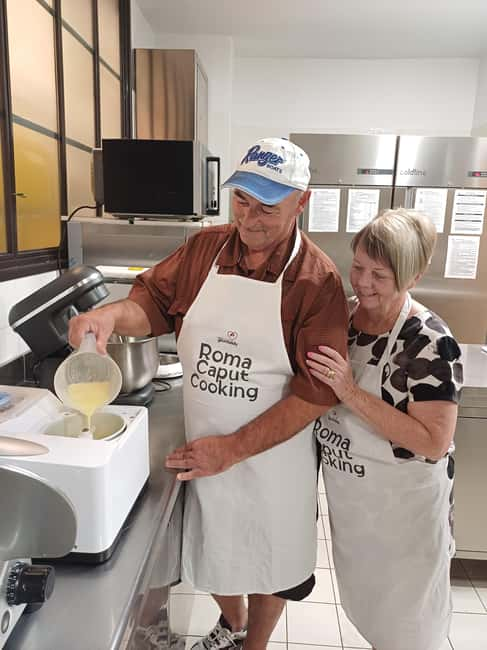
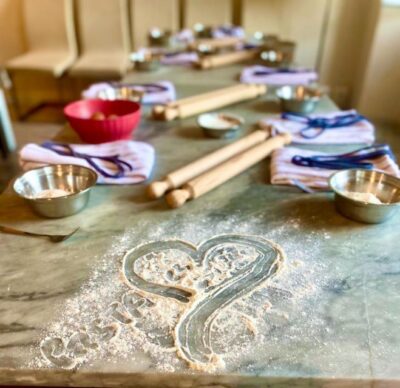
This experience is built for food lovers who want more than a plate in front of them. You’re in a kitchen setting tied to a real tiramisù shop, and the focus stays practical: learn the process, build the skills, then taste what you made.
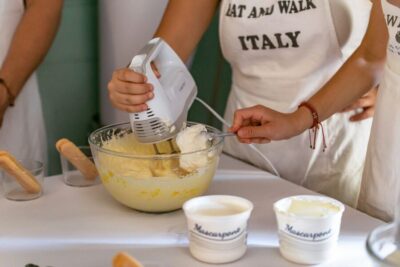
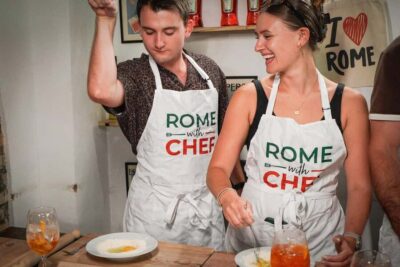
You’ll spend about 2 hours in the kitchen, plus time for tasting and wrap-up. Expect a step-by-step rhythm where you’re not just a spectator. You’ll wear the apron and headwear, then get pulled into the work as the instructor walks you through each stage, from choosing ingredients to finishing the desserts.
Two details make this feel “worth it” in Rome. First, you’re making a famous dessert (tiramisu) while also learning the method behind it, including biscuit basics. Second, you’re pairing it with gelato sorbet, so you get two dessert styles with clear differences in ingredients and texture.
On the practical side, you meet at the corner with via Natale del Grande, and the class is in English. It runs daily except Sundays, so you’ve got plenty of chances to slot it into a sightseeing schedule without feeling rushed.
More aprons-on time in a Roman kitchen
- 3 in 1 Cooking Class near Navona: Fettuccine, Ravioli & Tiramisu
★ 5.0 · 7,376 reviews - Rome: Pasta & Tiramisu Class with Fine Wine by the Vatican
★ 4.9 · 4,852 reviews - Rome: Pasta Making Class with Wine, Limoncello, and Dessert
★ 4.9 · 3,177 reviews - Rome Cooking Class: Make Pasta and 3 Spritz Cocktails
★ 5.0 · 2,937 reviews
Gelato sorbet: fruit choices and the water-based difference
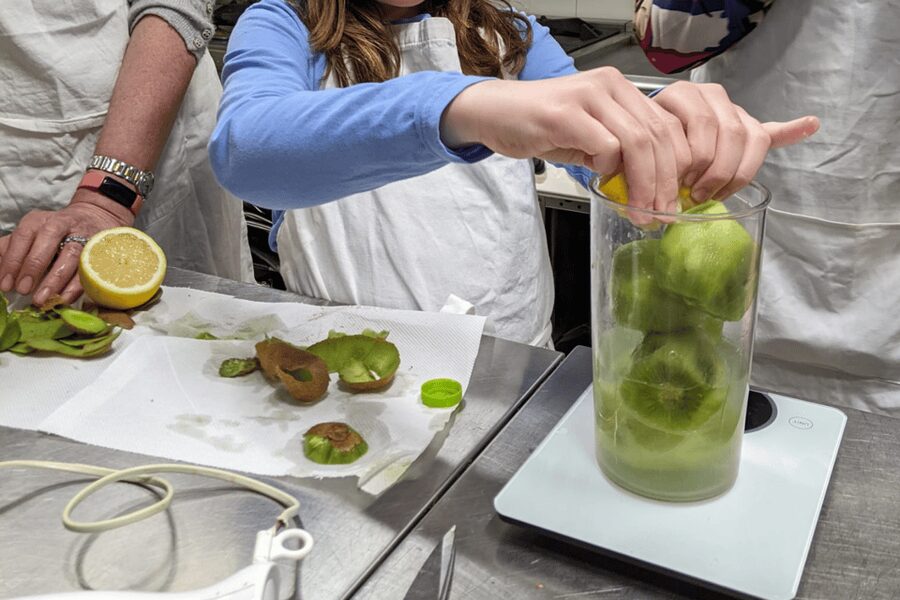
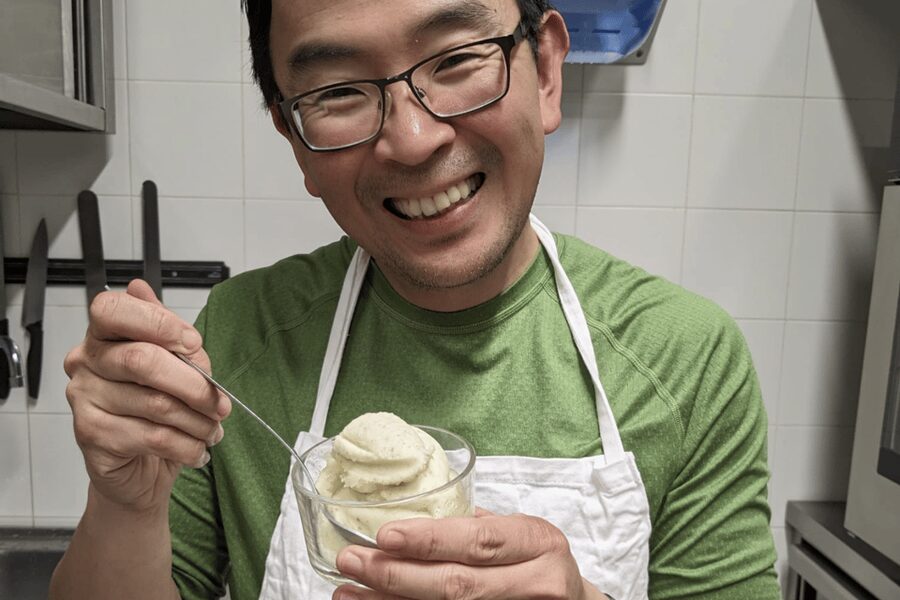
Gelato sorbet is one of those Italian sweets that sounds simple until you learn what makes it work. Here, you start with the idea that sorbet is water-based, which is presented as the main difference from gelato. That framing matters because it changes how you think about ingredients and texture.
In the class, you’re introduced to the “world of gelato” first, with an emphasis on spotting quality foods. Then you move toward the hands-on portion, where ingredient choice becomes the main lesson. The goal isn’t only to taste good dessert. It’s to understand how to pick ingredients that behave well when chilled and served.
If you want lactose-free options in your life, this part is especially relevant. The class description explains that sorbet is water-based and notes it can be a better fit for people who avoid lactose. That said, the booking rules also say it’s not suitable for lactose intolerance and vegans, and private arrangements for gluten or lactose-free customers are offered by request. So treat sorbet as a starting point for discussion, not an automatic guarantee. Email or message ahead and ask what substitutions are possible for your needs.
One more thing I’d watch for: quality fruit in season. The class description highlights selecting fresh, organic ingredients and choosing fruit that’s at its best. That’s a transferable skill. Even after you leave Rome, you can rebuild the logic with whatever seasonal fruit is available where you live.
Savoiardi baking: why the biscuit base matters
Tiramisu is famous, but the results can be wildly different depending on the base. This is where the class gets serious in the best way. You’re not just assembling ladyfingers; you’re learning how the biscuit stage fits into the whole dessert.
You start from the biscuit process, and the class is designed so you understand the step-by-step flow. The lesson is about more than following instructions. It’s about learning the timing and handling that make the final tiramisù work.
You’ll hear the same theme over and over: ingredient quality and correct technique. The training emphasizes an eye for fresh and organic ingredients, plus the idea that small choices in the base change the final texture. If you’ve ever had tiramisu that felt soggy or heavy, this is your chance to learn what avoids that outcome.
In practice, this stage is also a confidence-builder. Beginners often worry they can’t do desserts. Baking the base helps you see that you’re capable of real results when the process is explained clearly and you get to do the work yourself.
And yes, the end result matters. Several people in the class feedback highlight that the tiramisù goes beyond what they’ve had in restaurants, including one person who said it was the best tiramisù of their entire life. That kind of feedback usually points to technique plus ingredient care, not just sweetness.
Alcohol-free tiramisù assembly and the tasting payoff
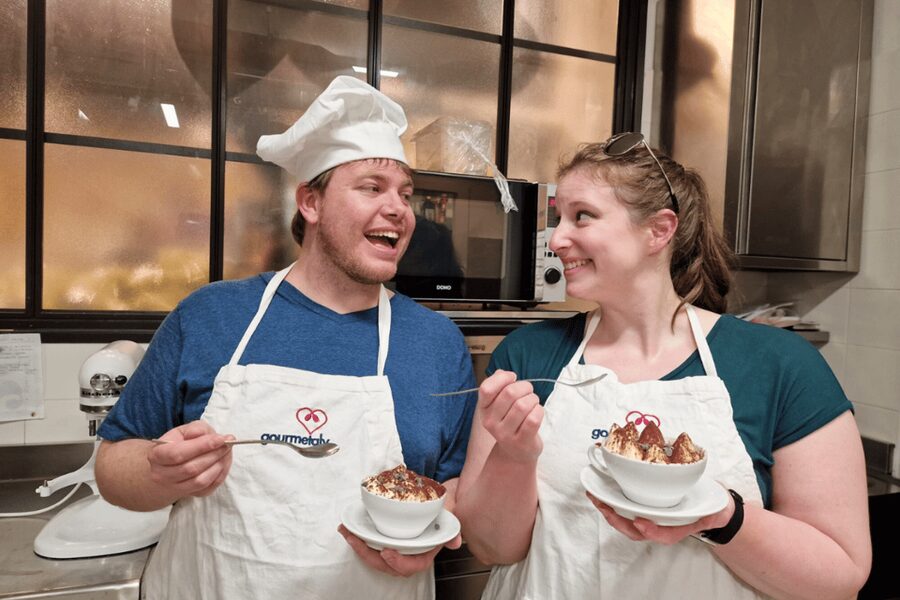
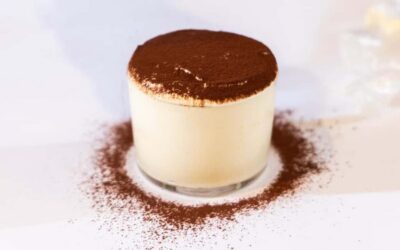
The class description makes one point crystal clear: the tiramisù is alcohol-free and suitable for vegetarians. That makes it easier for a lot of people to enjoy, and it also keeps the flavor profile focused on coffee, cream, and structure rather than spirits.
During assembly, you’ll go step-by-step like a chef, not a spectator. You’ll put together the layers after the biscuit work, then taste at the end. The tasting portion is where the class earns its keep, because you immediately connect technique with outcome: texture, balance, and how flavors come together when the dessert is finished.
Another benefit is how the class prepares you for making it later. You don’t just get recipes. You get tips and recommendations that help you recreate the method, not just the ingredients. That’s a big deal if you’ve ever followed a tiramisu recipe at home and wondered why it doesn’t feel right.
The teaching style also comes up in feedback. People highlight instructors like Camilla for being fun, considerate, and patient, especially when teaching beginners. Others credit Federica for providing clear, technique-heavy instruction and for keeping the class hands-on enough that you actually learn rather than just snack.
One more practical note: the experience includes a food tasting, but it also lists that food and drinks aren’t included unless specified. So if you have a low appetite or snack habits, plan to arrive ready for dessert work. You’ll be tasting what you make, which is the point, but don’t assume extra drinks are part of the price.
Worth a look next to this Rome booking:
Small-group coaching, aprons, and take-home recipes you’ll use
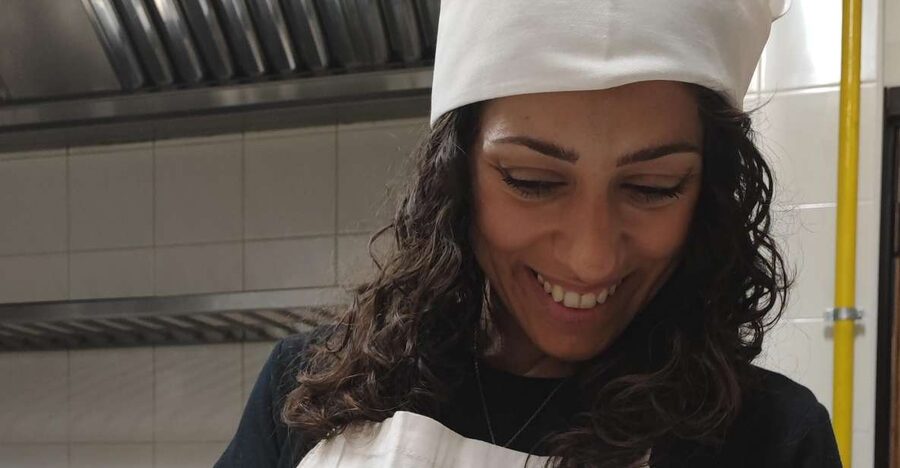
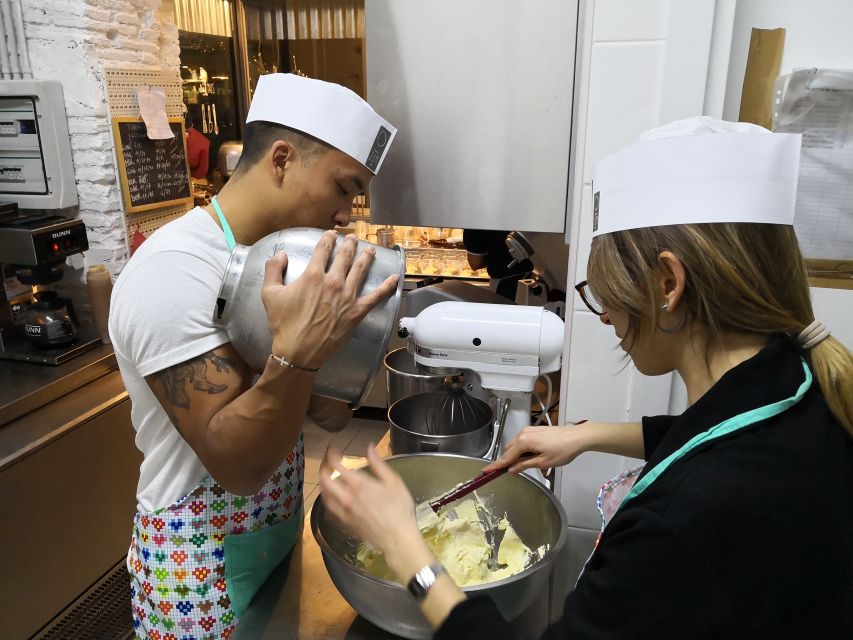
This is set up as a small-group tour, and that size makes a difference. When the group is smaller, you’re more likely to get direct feedback and help during the messier moments—mixing, layering, handling ingredients, and adjusting to how the dessert behaves in the moment.
People also mention getting more than just education. Feedback notes items like a certificate and an apron, along with recipes at the end. Even if you don’t care about certificates, take-home recipes are what keep the class alive after you return from Rome.
English instruction is offered by a live guide. That matters because cooking classes can be hard when you can’t ask the one question that would fix your final results. Here, you should be able to follow along, then clarify anything confusing before you finish the desserts.
What you walk away with is practical knowledge: how to treat tiramisù as a set of steps with specific functions, and how to think about sorbet as a texture problem tied to water-based ingredients and fruit choice. That combination is why this class can feel more useful than a generic “try this and move on” experience.
Price and value: what you get for $80 in Rome
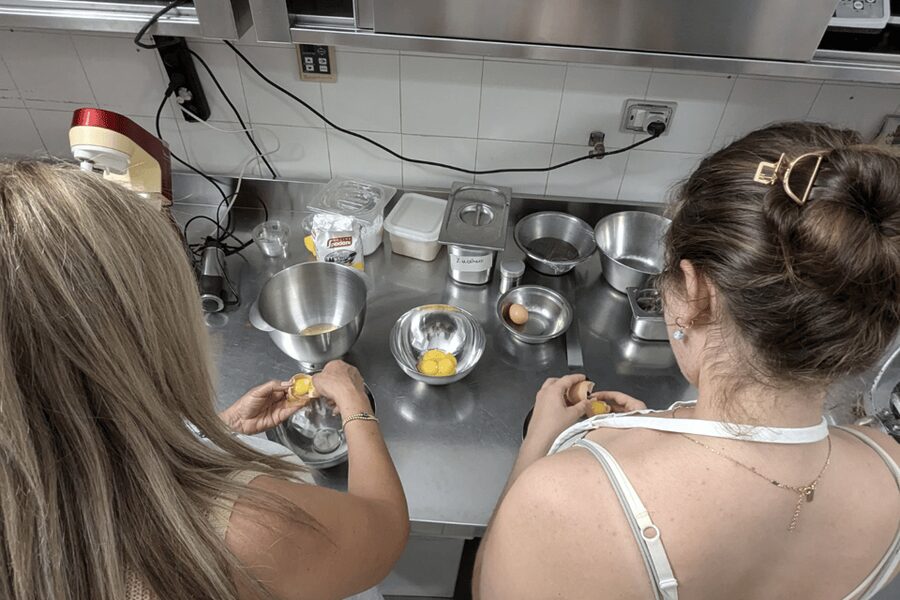
At $80 per person for about 2.5 hours, this isn’t a cheap impulse buy. You’re paying for a full hands-on setup: a professional chef, a small group format, ingredient work in a kitchen environment, food tasting, and recipes to take home.
The value calculation changes if you compare it to doing this solo. Buying ingredients is only step one. You also need the technique, timing, and feedback that helps you avoid common tiramisù mistakes and sorbet texture problems. In a guided class, you’re paying for the shortcut of learning the right way the first time.
Another value point: the tiramisù is alcohol-free and vegetarian-friendly. That means you’re not stuck figuring out “will I like it?” before you even taste. Plus, you leave with recipes, so you can recreate it again without hunting down instructions later.
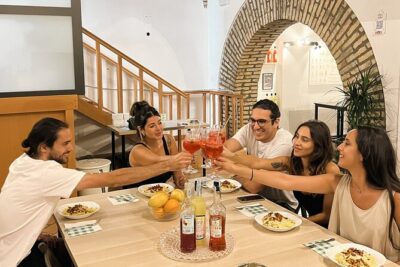
If you’re traveling with family or friends, the small-group format makes it a shared memory that’s not locked behind a reservation window for a restaurant. You’re participating. That usually feels better than paying for a meal where you just watch someone else do the work.
Who should book this gelato sorbet and tiramisù class
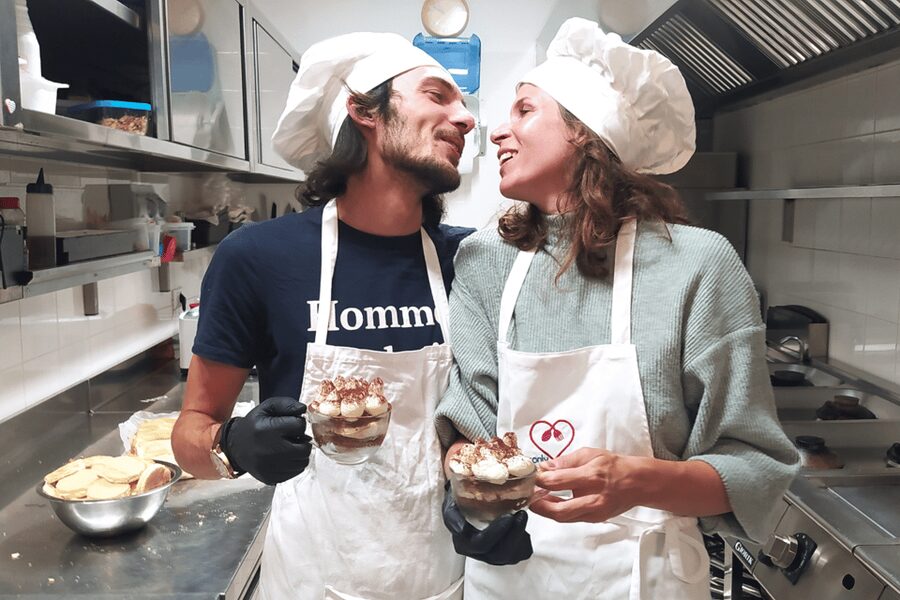
This works best for you if you like hands-on activities and you want a skill you can repeat. If you enjoy Italian desserts and you’ve ever thought, I love this, but I don’t know how to make it well, this class is a direct answer.
It also fits foodies who care about ingredient quality. The lesson pushes you to distinguish quality foods and to focus on fresh and organic ingredients, especially when fruit is involved for the sorbet.
Here are the main cautions you should check before booking:
- Dietary needs: the class notes it is not suitable for vegans and for people with lactose intolerance. At the same time, it says private classes may be possible for gluten or lactose-free customers if you request a quote. So your best move is to message ahead and ask what can be changed for your situation.
- Not for certain groups: the activity info says it’s not suitable for people with mobility impairments, wheelchair users, people with epilepsy, and children under 3 (with kids needing adult accompaniment).
- No large bags or luggage: plan light. This is a kitchen experience, not a museum stop.
If those points don’t apply to you, you’ll likely enjoy the pacing. Reviews repeatedly connect the experience to instructors being patient and fun, which is exactly what you want in a class where you might be learning biscuit baking and dessert layering for the first time.
Should you book the Rome Gelato and Tiramisu with Savoiardi Baking class?
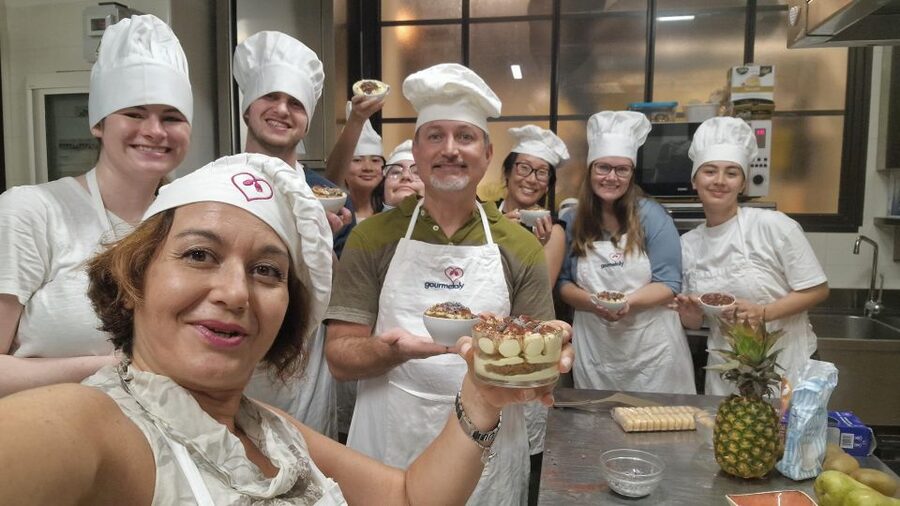
Book it if you want a true dessert skill session in Rome: tiramisù built from the biscuit base, plus gelato sorbet, with recipes and tasting at the end. The format suits beginners because the instruction is step-by-step and hands-on, and the best feedback emphasizes patient teaching from instructors like Camilla and Federica.
Skip or ask lots of questions first if you’re vegan or need to avoid lactose, since the activity’s own suitability notes conflict with the sorbet concept. If you’re gluten or lactose-free, check whether a private class can be arranged before you arrive.
If you’re the type who likes to bring something home that you can actually make again, this is one of those Rome experiences that turns into a real memory. Not just a photo. A dessert you can recreate.
FAQ
Where is the meeting point?
You meet at the corner with via Natale del Grande.
How long is the cooking class?
The experience lasts about 2.5 hours, and the kitchen lesson is approximately 2 hours.
Is the class taught in English?
Yes. The tour is delivered with a live guide in English.
Is the tiramisù alcohol-free?
The class states the tiramisù is alcohol-free and suitable for vegetarians.
Can I request a gluten or lactose-free private class?
Yes. The experience notes that for gluten or lactose free customers, a private class is possible if you contact them to request a quote.
What is the cancellation policy?
You can cancel up to 24 hours in advance for a full refund.
More Cooking Classes in Rome
- 3 in 1 Cooking Class near Navona: Fettuccine, Ravioli & Tiramisu
★ 5.0 · 7,376 reviews - Rome: Pasta Making Class with Wine, Limoncello, and Dessert
★ 4.9 · 3,177 reviews - Rome Cooking Class: Make Pasta and 3 Spritz Cocktails
★ 5.0 · 2,937 reviews - Rome: 3-in-1 Fettuccine, Ravioli, and Tiramisu Cooking Class
★ 4.9 · 2,704 reviews - Rome: Fettuccine Pasta Cooking Class in Rome’s City Center
★ 4.8 · 2,414 reviews - Fettuccine & Tiramisù: Cooking Class with Wine & Limoncello
★ 4.9 · 2,103 reviews
More Tour Reviews in Rome
- Vatican Museums, Sistine Chapel & St. Peter’s Basilica Tour
★ 4.3 · 73,970 reviews - Vatican Museums, Sistine Chapel & St Peter’s Basilica Guided Tour
★ 4.5 · 39,149 reviews - Rome: Colosseum, Palatine Hill and Roman Forum Guided Tour
★ 4.8 · 32,814 reviews - Rome: Guided Tour of Colosseum, Roman Forum & Palatine Hill
★ 4.7 · 27,897 reviews - Rome: Colosseum & Forum with Audio Guide App -Optional Arena
★ 4.2 · 24,770 reviews - Rome: Colosseum, Roman Forum and Palatine Hill Guided Tour
★ 4.5 · 23,903 reviews
Learn Another Roman Dish
- 3 in 1 Cooking Class near Navona: Fettuccine, Ravioli & Tiramisu
★ 5.0 · 7,376 reviews - Rome: Pasta & Tiramisu Class with Fine Wine by the Vatican
★ 4.9 · 4,852 reviews - Rome: Pasta Making Class with Wine, Limoncello, and Dessert
★ 4.9 · 3,177 reviews - Rome Cooking Class: Make Pasta and 3 Spritz Cocktails
★ 5.0 · 2,937 reviews - Rome: 3-in-1 Fettuccine, Ravioli, and Tiramisu Cooking Class
★ 4.9 · 2,704 reviews - Rome: Fettuccine Pasta Cooking Class in Rome’s City Center
★ 4.8 · 2,414 reviews
Just added to our Rome reviews





Rome Cooking Classes, compared.
 ★ 5.03 in 1 Cooking Class near Navona: Fettuccine, Ravioli & TiramisuFrom $837,376 reviews
 ★ 4.9Pasta & Tiramisu Class with Fine Wine by the VaticanFrom $414,852 reviews
 ★ 4.9Pasta Making Class with Wine, Limoncello, and DessertFrom $483,177 reviews
 ★ 5.0Rome Cooking Class: Make Pasta and 3 Spritz CocktailsFrom $992,937 reviews
 ★ 4.93-in-1 Fettuccine, Ravioli, and Tiramisu Cooking ClassFrom $812,704 reviews
 ★ 4.8Fettuccine Pasta Cooking Class in Rome’s City CenterFrom $462,414 reviews
 ★ 5.0Learn to Make Pasta & Tiramisu with Wine and Limoncello IncludedFrom $542,345 reviews
 ★ 5.0Become a Masterchef in Rome: Pasta, Ravioli and Tiramisù ClassFrom $472,156 reviews
Browse the lists this tour appears in