
Reviewed · TRASTEVERE TOURS
Rome – Cooking Experience in a Roman family in Trastevere
A Roman kitchen beats a classroom every time. This 3.5-hour small-group pasta workshop with Ilaria Sparla in Trastevere feels like you’re learning in a real family home, with fresh market ingredients and hands-on coaching. You’ll make three different pastas—fettuccine, ravioli, and orecchiette—then sit down to eat what you made, with local wine and espresso.
Two things I love: you do the work yourself (kneading dough, rolling, filling, shaping), and the food is built around classic Roman flavors like cacio e pepe and Norma sauce. One consideration: the exact menu and sauces can vary by season and what’s freshest at the farmers market, so don’t book expecting one perfectly fixed set of ingredients.
In This Review
- Key Points to Know Before You Go
- Finding Via Garibaldi 39 in the Heart of Trastevere
- Your First Sip: Aperitivo in a Family Home Kitchen
- Making Fettuccine and Cacio e Pepe Like a Local
- Ravioli With Fresh Tomato Sauce: Rolling, Filling, Sealing
- Orecchiette and Norma Sauce: A Different Shape, Another Lesson
- The Best Part: Sitting Down Together With Wine
- Tiramisù Finish: Sweet Ending While the Pasta Sets
- Price and Value: Why $134.81 Can Make Sense
- What I Like About the Teaching Style (and What You’ll Likely Notice)
- Quick Tips to Make This Class Fit Your Rome Day
- Should You Book Ilaria’s Trastevere Pasta Workshop?
- FAQ
- How long is the Rome cooking experience?
- Where is the meeting point, and how do I find it?
- Does the class end back where it starts?
- What pasta dishes will we make?
- Is wine included?
- What dessert is included?
- Do I need prior cooking experience?
- What languages are offered?
- Can dietary restrictions be accommodated, including vegetarian?
- Does the menu stay exactly the same?
Key Points to Know Before You Go
- Small group, max 8 people means you get attention while you learn dough, shaping, and sauce timing.
- A full Roman-style aperitivo starts the class, with mozzarella, bruschette, dry tomatoes, panzanella, and homemade fried vegetables.
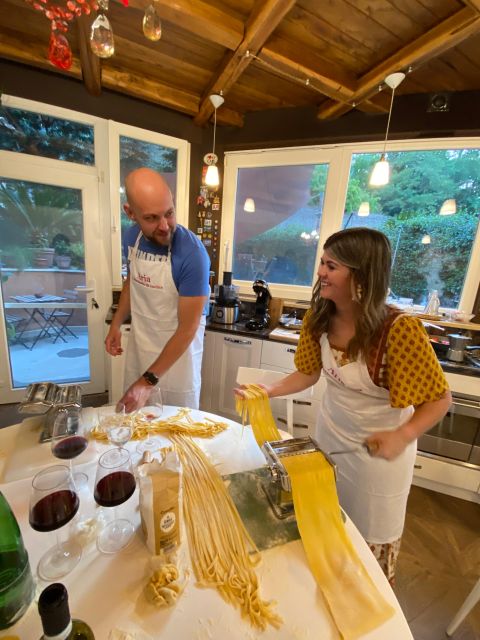
- Three pasta types from scratch: fettuccine, ravioli, and orecchiette—each with its own sauce lesson.
- Wine pairing is included, plus water and espresso, so the meal feels complete, not just a tasting.
- Vegetarian option can be requested after you reserve (and dietary needs can be accommodated).
Finding Via Garibaldi 39 in the Heart of Trastevere
You start at Via Garibaldi 39, in front of a green door. When you arrive, ring the intercom Sparla. The location is also practical: it’s about a 10-minute walk from Campo de’ Fiori, so you can pair this with a stroll before or after you eat your way through Rome.
The class runs right from your start point and ends back there too, which keeps the evening simple. It’s taught by Ilaria in Italian and English, and the group stays small (up to 8), so you’re not competing for space or getting lost in the crowd.
One more good detail: the activity is HACCP certified for hygiene and food safety in 2024. That matters in a home kitchen, because you want confidence when you’re handling dough, sauces, and wine at the same time.
More lanes worth losing an evening in Trastevere
- Winner 2025 Rome Twilight Trastevere Food Tour by Eating Europe
★ 5.0 · 5,157 reviews - Rome Food Tour: Campo de’ Fiori, Ghetto, Trastevere Winner 2024
★ 5.0 · 3,205 reviews - Rome: Guided Food Walking Tour with Wine in Trastevere
★ 4.9 · 3,105 reviews - Rome: Trastevere Food tour with Free-Flowing Fine Wine
★ 5.0 · 2,853 reviews
Your First Sip: Aperitivo in a Family Home Kitchen
Before you touch flour, you’ll be welcomed with an aperitivo built for appetite. Expect mozzarella, bruschette, dry tomatoes, panzanella, and homemade fried vegetables, plus wine. This isn’t a sad starter plate designed to stretch time—it’s an actual pre-meal feast that also helps you understand the food’s rhythm.
Aperitivo is part of how Italians slow down and talk. In your class, it also works as a warm-up for the later lesson, because you’ll taste the building blocks of the sauces you’ll make: salty cheese, tangy tomato notes, herbal touches, and the comfort of fried seasonal vegetables.
Bring yourself hungry. The hands-on pasta portion is work, and the aperitivo is meant to get you ready to taste, learn, and then eat again.
Making Fettuccine and Cacio e Pepe Like a Local
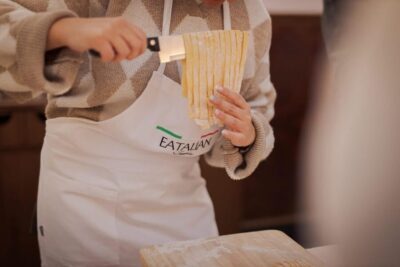
Once introductions are done, you move into the pasta work. You’ll learn to make fettuccine and then build the cacio e pepe sauce. This is one of those Roman staples where technique matters more than fancy ingredients.
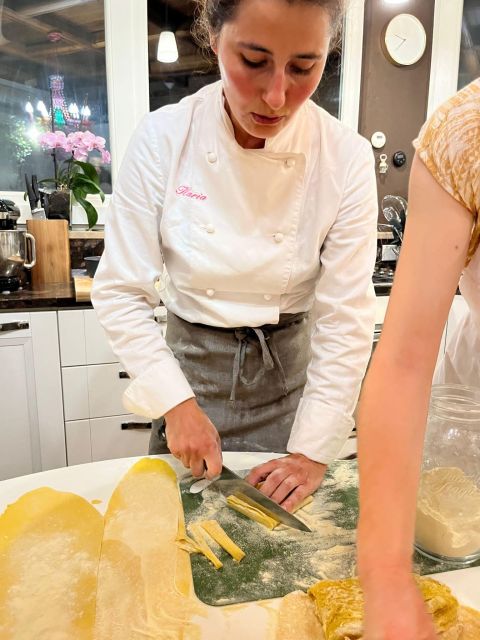
On a practical level, you’ll work through the full process: mixing the dough ingredients, kneading until it behaves right, and then shaping. You’ll also learn what to look for as you go—how the dough should feel and how sauce timing affects the final bite.
I love that the class doesn’t treat sauce like an afterthought. You’re taught how to pair pasta with sauce, and I found that pairing logic makes it easier to cook on your own later. You also get take-home tricks, including notes on flour choices and useful substitutes you can find at home.
Ravioli With Fresh Tomato Sauce: Rolling, Filling, Sealing
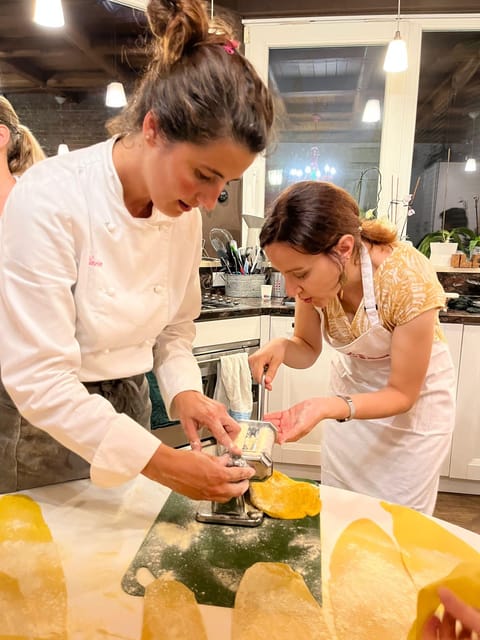
Next up is ravioli, paired with a fresh handmade tomato sauce (the version listed is cherry tomato sauce). Ravioli tends to sound intimidating, but the whole point of this class is that you don’t need prior experience. Ilaria guides you through the steps while you do them yourself.
This is where you’ll get real practice with dough handling and filling. Making ravioli means you’ll learn how to portion, how to close without tearing, and how to keep everything in balance so the pasta cooks evenly. It’s also a good reminder that Italian cooking is about patience and feel more than strict measurements.
And because the sauce is tomato-forward, you taste the contrast between fresh pasta and a simple, vibrant topping. Even if you don’t become a ravioli pro by the end, you’ll leave with a method you can repeat.
Worth a look next to this Rome booking:
Orecchiette and Norma Sauce: A Different Shape, Another Lesson
Then comes orecchiette, made from scratch and paired with Norma sauce. Orecchiette is fun because the shape does some of the work for you—the little ear-like form helps catch sauce and gives a satisfying bite.
The lesson here is less about one complicated trick and more about understanding pasta identity. Different pasta shapes ask for different sauce behavior, and Norma sauce gives you a chance to see how well the sauce clings when the pasta is made right.
You’ll keep learning through doing: mixing, shaping, and then cooking in the class’s pacing. The group moves through everything in an organized way, and because the class is small, you can ask questions in real time rather than hoping you’ll catch the next instruction.
The Best Part: Sitting Down Together With Wine
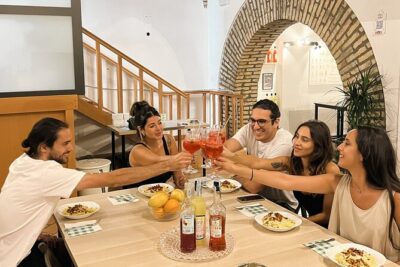
After shaping and cooking, you finally get to the payoff: gathering around the table with Ilaria’s family—her husband Samuel and their three children—to enjoy your hard work. This is the moment where the experience turns from lesson into dinner.
It’s also where you’ll taste the full arc of the class: the aperitivo first, then the three pasta courses, and finally dessert. In the home setting, conversation tends to happen naturally, and you’ll likely pick up extra tips just by watching how they eat and talk about food.
If you’re a cat person, keep an eye out. The setup includes the family and even cats in the home vibe, so the atmosphere can feel even more like a real Roman evening than a staged activity.
Tiramisù Finish: Sweet Ending While the Pasta Sets
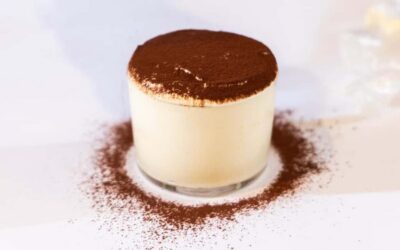
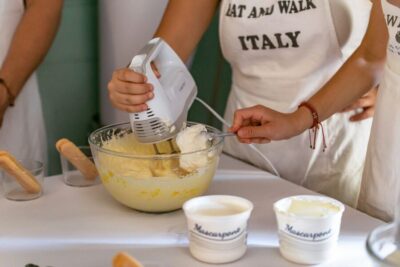
At the end, you get homemade tiramisù. The timing is smart: you’re served dessert as the pasta finishes settling, so you’re not waiting around or rushed into eating. It’s a classic close, and it also gives you a second dessert reference point beyond just pasta technique.
For me, the tiramisù moment matters because it turns the class into a full meal you can remember, not a quick workshop snack. You leave with that clear feeling of doing things step-by-step and then enjoying the result at the same table.
And yes, wine is part of the meal. Wine, water, and espresso are included, so you’re not suddenly scrambling for drinks after the last course.
Price and Value: Why $134.81 Can Make Sense
At $134.81 per person for about 3.5 hours, this isn’t the cheapest way to learn pasta in Rome. But value is not only about price—it’s about what you’re actually getting.
You’re paying for:
- A small-group setting (max 8), with hands-on instruction rather than watching.
- Three pasta types from scratch (not one single dish).
- Multiple menu components: aperitivo, three pasta courses, and tiramisù.
- Local wine pairing, plus water and espresso.
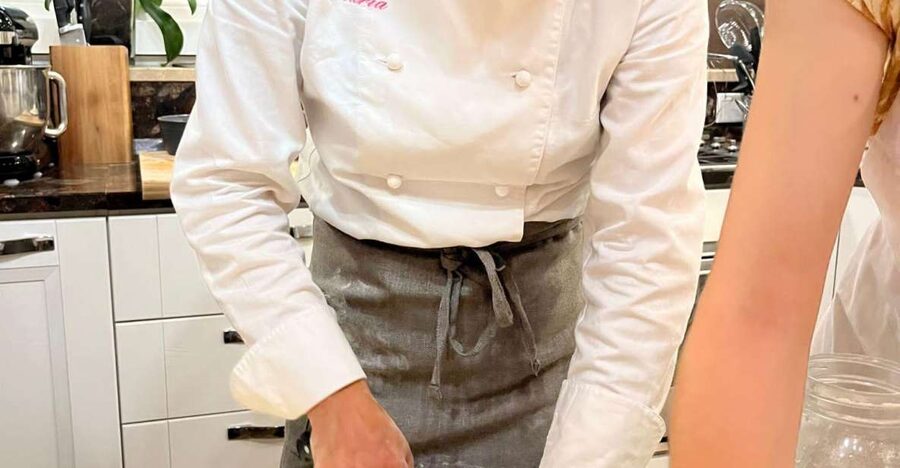
- A chef-led experience in a real home kitchen, with Ilaria teaching alongside her family.
If what you want is a food memory you can recreate—dough, sauce pairings, and practical technique—this format is hard to beat for the money. If you only want light tasting or you’re looking for quick, low-effort entertainment, you might find it a bit more work (and cost) than you planned.
What I Like About the Teaching Style (and What You’ll Likely Notice)
Ilaria’s background shows in how the class runs. She graduated from an Italian cooking school and started working in the family restaurant when she was 15, so you get both formal training and lived-in family technique.
The teaching approach is hands-on and step-by-step. There’s no previous experience required, and it’s designed to work for seasoned cooks, first-timers, and even children (the class description specifically calls out bambini). That mix tells me the guidance stays clear and adaptable.
Also, I like that the class is practical about flour and ingredients. You’ll learn the different uses of various flours, how to pair pasta with sauce, and what substitutes can work when you’re shopping at home instead of Italy’s market scene.
Quick Tips to Make This Class Fit Your Rome Day
Plan to go in hungry and ready to work. You’ll be making dough and shapes by hand, and you’ll taste along the way.
If you have dietary needs, this class can accommodate them. The experience also specifically mentions that you can request a vegetarian option after reservation by writing. Do it early enough that the kitchen can adjust the menu.
Since the menu can vary based on availability and seasonality, keep your expectations flexible. You’re booking the pasta-making experience with the specific dishes as anchors (fettuccine, ravioli, orecchiette), but the sauces and details can shift to match what’s best that day.
Should You Book Ilaria’s Trastevere Pasta Workshop?
Yes, if you want a Rome experience that feels like a real evening in the city: small group, real instruction, a full meal, and flavors you can actually cook again at home. I’d especially recommend it if you’re excited by Italian technique—dough texture, shaping, and sauce pairing—and you like eating while you learn.
You might skip it if you prefer big-group entertainment, you want a purely observational tour, or you’re not interested in getting your hands flour-dusted for a few hours. Also consider that the menu can change with the season, so it’s best for people who care more about learning methods than locking into one exact ingredient list.
If you’re comparing options, this is the kind of booking that tends to stick in your memory because it ends with you sitting down at the table and eating what you made.
FAQ
How long is the Rome cooking experience?
It lasts about 3.5 hours.
Where is the meeting point, and how do I find it?
You meet at Via Garibaldi 39, in front of a green door. Ring the intercom labeled Sparla.
Does the class end back where it starts?
Yes, the activity ends back at the meeting point.
What pasta dishes will we make?
You’ll make fettuccine, ravioli, and orecchiette from scratch, with cacio e pepe sauce, fresh cherry tomato sauce, and Norma sauce.
Is wine included?
Yes. Wine is included, along with water and espresso.
What dessert is included?
Homemade tiramisù is included.
Do I need prior cooking experience?
No. The chef will guide you step-by-step, and you don’t need previous experience.
What languages are offered?
The instructor teaches in Italian and English.
Can dietary restrictions be accommodated, including vegetarian?
Dietary needs and restrictions can be accommodated, and a vegetarian option is available if you write after reservation.
Does the menu stay exactly the same?
The menu may vary based on availability and seasonality of the ingredients, so you might see adjustments depending on what’s fresh at the farmers market.
More Cooking Classes in Rome
- 3 in 1 Cooking Class near Navona: Fettuccine, Ravioli & Tiramisu
★ 5.0 · 7,376 reviews - Rome: Pasta Making Class with Wine, Limoncello, and Dessert
★ 4.9 · 3,177 reviews - Rome Cooking Class: Make Pasta and 3 Spritz Cocktails
★ 5.0 · 2,937 reviews - Rome: 3-in-1 Fettuccine, Ravioli, and Tiramisu Cooking Class
★ 4.9 · 2,704 reviews - Rome: Fettuccine Pasta Cooking Class in Rome’s City Center
★ 4.8 · 2,414 reviews - Fettuccine & Tiramisù: Cooking Class with Wine & Limoncello
★ 4.9 · 2,103 reviews
More Tour Reviews in Rome
- Vatican Museums, Sistine Chapel & St. Peter’s Basilica Tour
★ 4.3 · 73,970 reviews - Vatican Museums, Sistine Chapel & St Peter’s Basilica Guided Tour
★ 4.5 · 39,149 reviews - Rome: Colosseum, Palatine Hill and Roman Forum Guided Tour
★ 4.8 · 32,814 reviews - Rome: Guided Tour of Colosseum, Roman Forum & Palatine Hill
★ 4.7 · 27,897 reviews - Rome: Colosseum & Forum with Audio Guide App -Optional Arena
★ 4.2 · 24,770 reviews - Rome: Colosseum, Roman Forum and Palatine Hill Guided Tour
★ 4.5 · 23,903 reviews
Still in Trastevere? Keep Going
- Winner 2025 Rome Twilight Trastevere Food Tour by Eating Europe
★ 5.0 · 5,157 reviews - Rome Food Tour: Campo de’ Fiori, Ghetto, Trastevere Winner 2024
★ 5.0 · 3,205 reviews - Rome: Guided Food Walking Tour with Wine in Trastevere
★ 4.9 · 3,105 reviews - Rome: Trastevere Food tour with Free-Flowing Fine Wine
★ 5.0 · 2,853 reviews - Rome: Trastevere & Campo de Fiori Street Food Walking Tour
★ 4.9 · 2,768 reviews - Rome: Award Winning Trastevere Group Food Tour with Wine
★ 5.0 · 2,273 reviews
Just added to our Rome reviews





Trastevere Tours, compared.
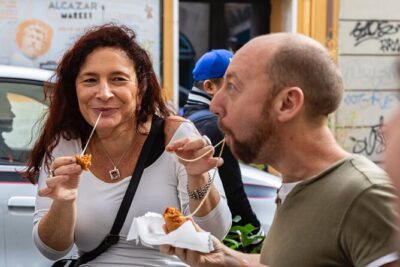 ★ 5.0Winner 2025 Rome Twilight Trastevere Food Tour by Eating EuropeFrom $1255,157 reviews
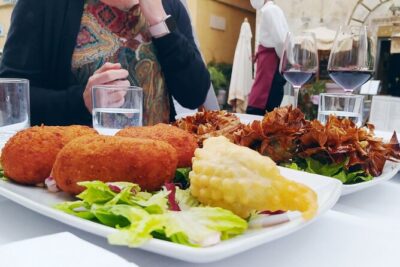 ★ 5.0Rome Food Tour: Campo de’ Fiori, Ghetto, Trastevere Winner 2024From $883,205 reviews
 ★ 4.9Guided Food Walking Tour with Wine in TrastevereFrom $1003,105 reviews
 ★ 5.0Trastevere Food tour with Free-Flowing Fine WineFrom $1022,853 reviews
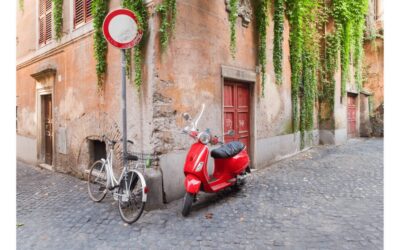 ★ 4.9Trastevere & Campo de Fiori Street Food Walking TourFrom $512,768 reviews
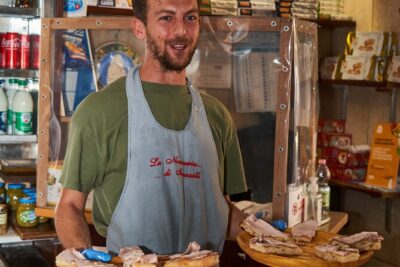 ★ 5.0Award Winning Trastevere Group Food Tour with WineFrom $812,273 reviews
 ★ 4.8Trastevere Street Food Walking Tour with Local ExpertFrom $571,784 reviews
 ★ 4.5Jewish Ghetto and Trastevere Tour RomeFrom $41,729 reviews
Browse the lists this tour appears in