
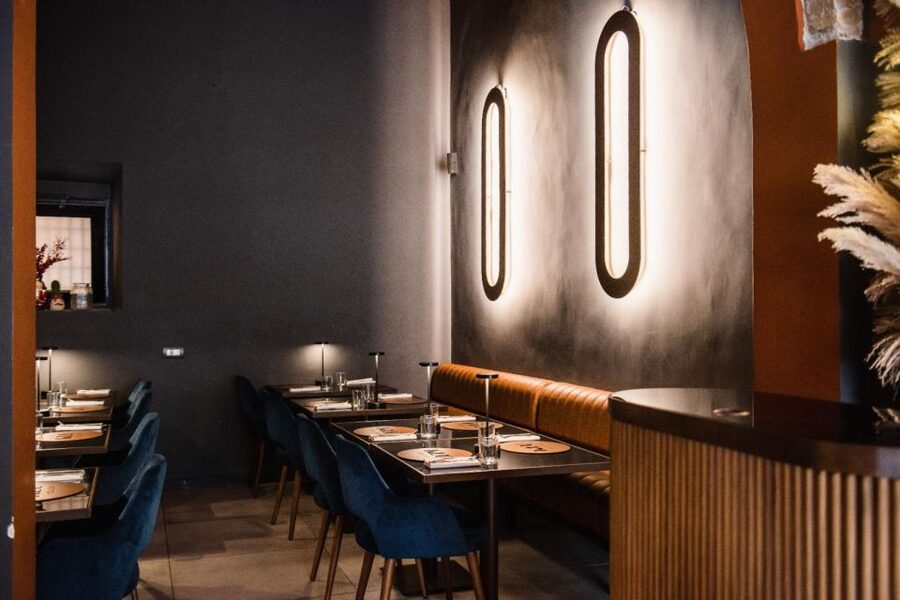
Reviewed · ROME COOKING CLASSES
Rome: Cooking Class with a Master Neapolitan Pizzaiolo
Fresh pizza starts with your hands. This Rome cooking class turns you into a mini pizzaiolo, kneading dough and baking a pie in a wood-fired oven. I especially love the hands-on coaching from a Neapolitan pizzaiolo and the way the class connects pizza-making to the traditions behind it. One thing to plan for: the whole experience is only about an hour, so you’ll get a focused hit of pizza skills, not an all-afternoon feast.
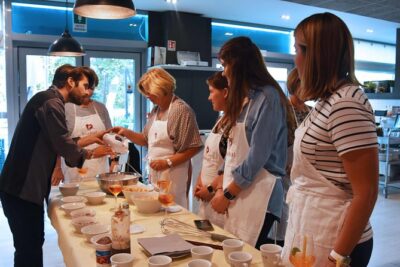
You’ll start in front of a pizzeria in the center of Rome, then head in through a separate entrance so the session doesn’t get slowed down. The room has that real Italy food-energy: warm oven smell, active prep, and plenty of chances to meet other travelers. Expect to leave with a pizza you made yourself, plus a glass of local wine or craft beer to go with it.
Come dressed in clothes that can get flour and sauce on them. Vegetarian options are available if you let the organizer know ahead of time, and the instructor works in English and Italian. I’d also plan to arrive about 15 minutes early so you can get settled without rushing.
In This Review
- Key things you’ll notice right away
- Meeting A Neapolitan Pizzeria In Central Rome
- The 1-Hour Structure That Keeps You Focused
- Hands-On Dough Work With A Real Neapolitan Pizzaiolo
- Choosing Fresh Ingredients That Actually Matter
- Baking Your Pizza In A Traditional Wood-Fired Oven
- Wine Or Craft Beer With Your Slice
- The Traditions Lesson: Why Pizza Is More Than Food
- Price And Value: What $52 Buys You In Rome
- Who This Class Is Best For (And Who Should Skip It)
- Final Thoughts: Should You Book This Pizza Class?
- FAQ
- How long is the pizza cooking class?
- What’s included in the experience?
- Do I need to bring anything?
- Are vegetarian options available?
- What languages is the instructor speaking?
- Is it in central Rome, and do I need transport?
- Is the experience wheelchair accessible?
Key things you’ll notice right away
- You knead and stretch your own dough with guidance, not just watch
- Wood-fired oven baking so you taste what the process is really aiming for
- A short history-and-tradition lesson that explains why the method matters
- A real sit-down tasting right after baking, paired with local wine or craft beer
- Skip-the-line access via a separate entrance that keeps the class on track
- Friendly, social group vibe that works well even if you’re traveling with kids
Meeting A Neapolitan Pizzeria In Central Rome
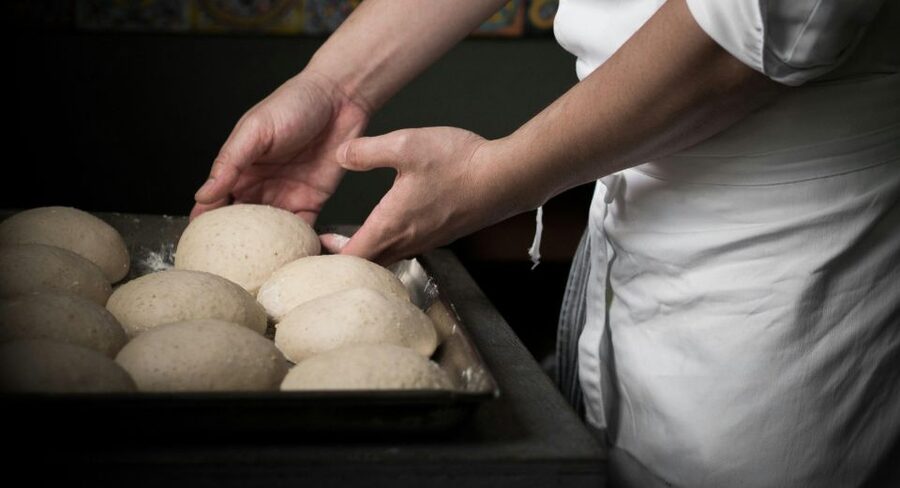
This class begins right at the pizzeria door in central Rome. That simple start matters. You’re not spending time hunting for a spot or figuring out confusing transit routes—you’re dropping into the setting where pizza is the main event.
After meeting the team, you enter through a separate entrance. That means less waiting and more time on the actual work: dough, toppings, and oven time. The atmosphere is exactly what you want for a hands-on class. You’ll be in a real pizzeria setting with that mix of warm equipment, flour on the air, and people talking about food.
One practical tip: wear something you’re okay with getting messy. Flour tends to travel, and Neapolitan dough is soft, stretchy, and very willing to share its texture with your sleeves. I treat this kind of class like a cooking workshop, not a formal dinner dress rehearsal.
More aprons-on time in a Roman kitchen
- 3 in 1 Cooking Class near Navona: Fettuccine, Ravioli & Tiramisu
★ 5.0 · 7,376 reviews - Rome: Pasta & Tiramisu Class with Fine Wine by the Vatican
★ 4.9 · 4,852 reviews - Rome: Pasta Making Class with Wine, Limoncello, and Dessert
★ 4.9 · 3,177 reviews - Rome Cooking Class: Make Pasta and 3 Spritz Cocktails
★ 5.0 · 2,937 reviews
The 1-Hour Structure That Keeps You Focused
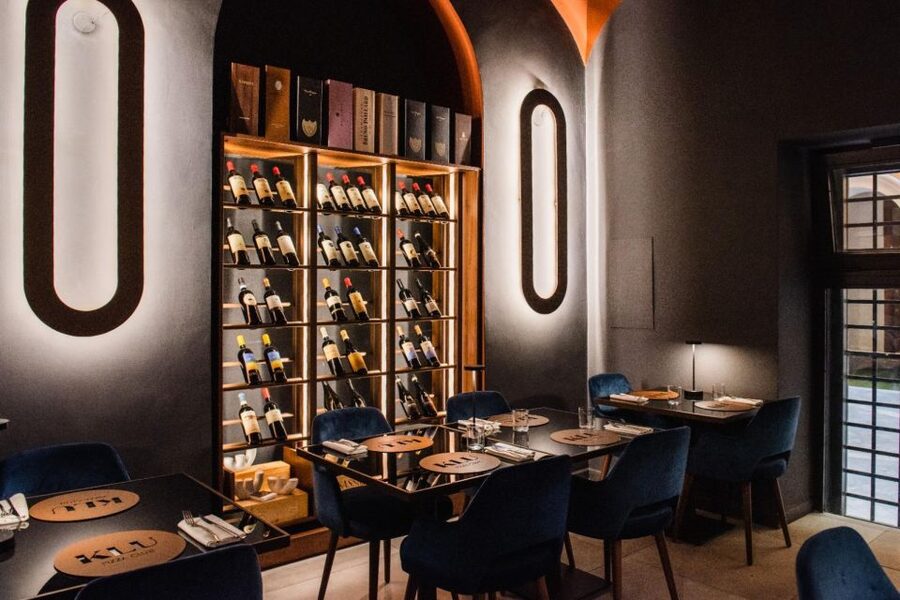
The session runs about 1 hour. That short window is not a downside as long as you know what to expect. In an hour, you’ll learn the core steps and actually do them—kneading, stretching, assembling, and baking. What you won’t get is a long, slow tasting menu or a multi-course cooking marathon.
In other words: this is a skills-first class. The pace pushes you to stay present, listen, and repeat what the instructor shows. If you’re the kind of traveler who likes doing rather than just watching, this timing can feel perfect.
You’ll also want to arrive about 15 minutes early. Not because you’ll be bored waiting, but because you want time to settle and get your station ready. When you start with a clear head, the dough feels easier to work with.
Hands-On Dough Work With A Real Neapolitan Pizzaiolo
This is where the class earns its value. You’re not handed a pre-made dough and told to decorate it. You knead and stretch dough as part of the lesson, with a pizzaiolo-style instructor guiding technique.
Neapolitan pizza is all about the dough’s behavior. When the dough is right, it stretches instead of tearing, and it bounces back in a way that tells you you’re on track. Kneading and stretching might sound basic, but in practice it’s where most people learn something new. Even if you’ve never made pizza before, you’ll get clear, practical coaching in what to do and what to watch for.
The dough lesson also teaches you a mindset. Pizza-making isn’t about rushing. It’s about gentle pressure, timing, and paying attention to how the dough changes as you work it. You’ll feel the difference between flour-and-water play and serious technique by the time you’re stretching for a real pie shape.
Choosing Fresh Ingredients That Actually Matter
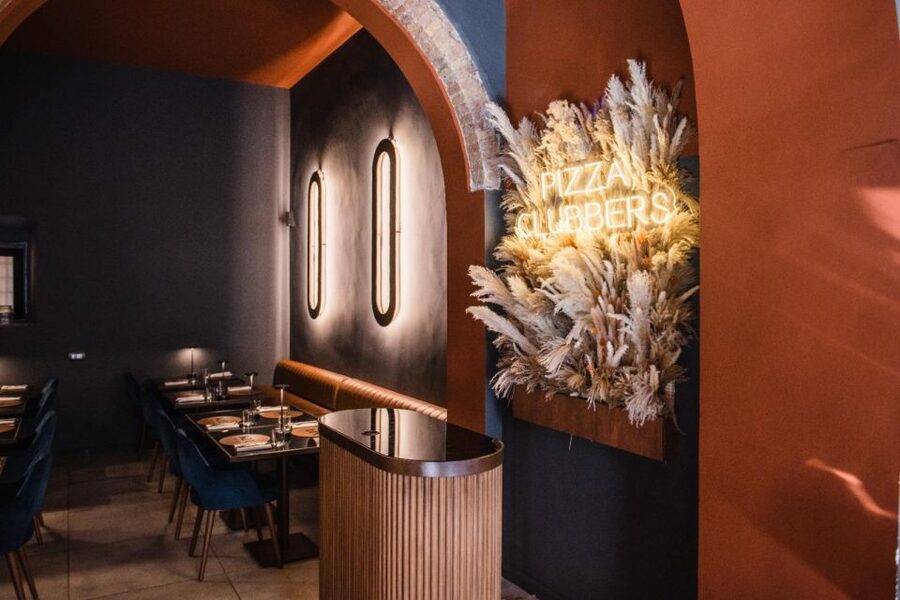
A big part of great pizza is the ingredients—and this class treats them like the center of the story. You’ll have a selection of fresh, high-quality ingredients, and you’ll use them as you build your pizza.
This is one of those classes where you’ll probably stop thinking of toppings as decorations. You’ll start thinking of them as flavors that work with the dough and bake method. The oven cooks fast, so ingredients need to behave well under heat. The instructor’s guidance helps connect the dots: dough texture and ingredient freshness aren’t separate topics. They’re one system.
There’s also a lesson in simplicity. Neapolitan-style pizza is about letting a few things do the job. When you assemble your own pie, you get a better feel for how restraint can taste richer than going heavy on everything.
Worth a look next to this Rome booking:
Baking Your Pizza In A Traditional Wood-Fired Oven
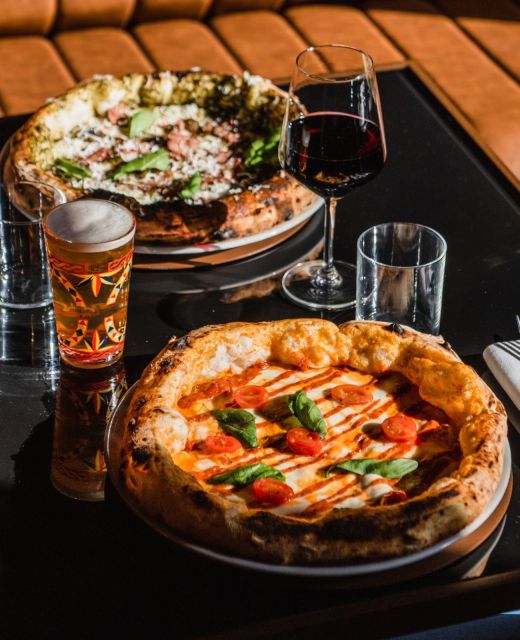
Once your pizza is assembled, it goes into a traditional wood-fired oven. This is where Rome earns your attention. Wood-fired ovens create a cooking environment that’s hard to replicate at home, and you’ll taste the difference immediately.
Even though the class is only an hour, the bake is the payoff moment. Watching your pizza transform is part of the fun, but the real point is learning what quick, intense heat does to dough and toppings. You’ll see how a well-made dough holds its structure and how the crust develops from raw to ready.
Then comes the best part: your pizza comes out and you taste it while it’s still fresh. That timing matters. Pizza tastes different depending on the minute you try it—this class aims for the moment when texture and aroma are at their peak.
Wine Or Craft Beer With Your Slice
After baking, you get to enjoy what you made. You’ll taste freshly prepared pizza and have one glass of local wine or craft beer included.
This pairing is more than a perk. In a good pizza class, you’re learning flavors and balance as much as technique. A glass of wine or beer gives you a calmer rhythm to focus on what’s working: crust chew, tomato flavor, and how ingredients blend.
It also turns the activity into something social. You’re sitting down with other participants, comparing what your pizzas look like, and asking the kind of food questions you’d normally only ask in a busy restaurant.
And yes, this format can be good for families too. Some people bring kids and still find it enjoyable, largely because the pace is structured and the payoff comes quickly: you bake and you eat within the session.
The Traditions Lesson: Why Pizza Is More Than Food
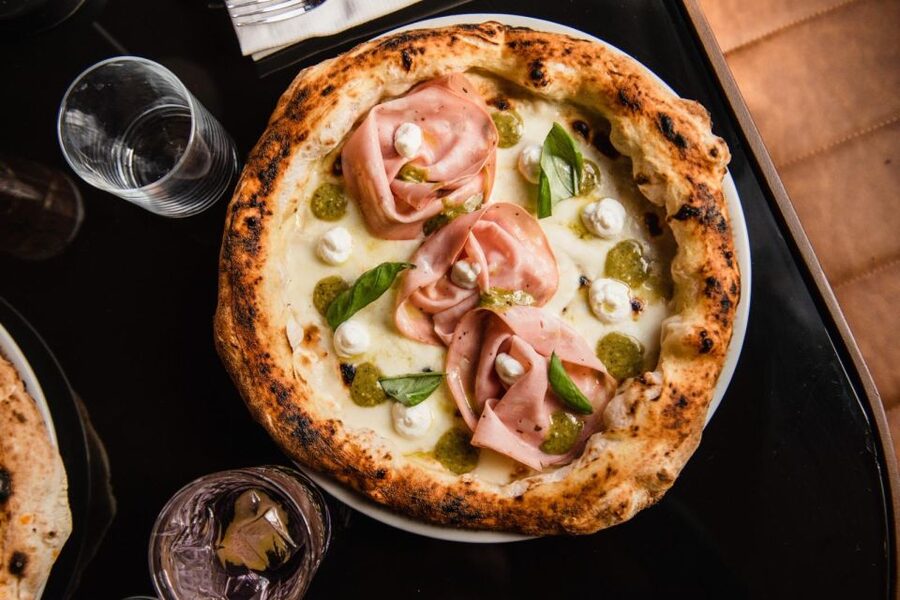
Alongside the hands-on cooking, the class includes an explanation of pizza history and traditions. It’s not presented like a lecture you’d fall asleep through. It’s woven into the process, so the story connects to what you’re doing with your hands.
This matters because pizza can feel like a mystery if you only focus on ingredients. The traditions lesson helps you understand why the method exists. For Neapolitan pizza, technique and ingredient quality aren’t arbitrary. They’re how you get the classic result: a crust that cooks properly and a flavor that feels balanced.
If you like travel experiences where you leave with something practical and something cultural, this is a nice blend. You don’t just walk away full; you walk away with better reasons for how pizza works.
Price And Value: What $52 Buys You In Rome
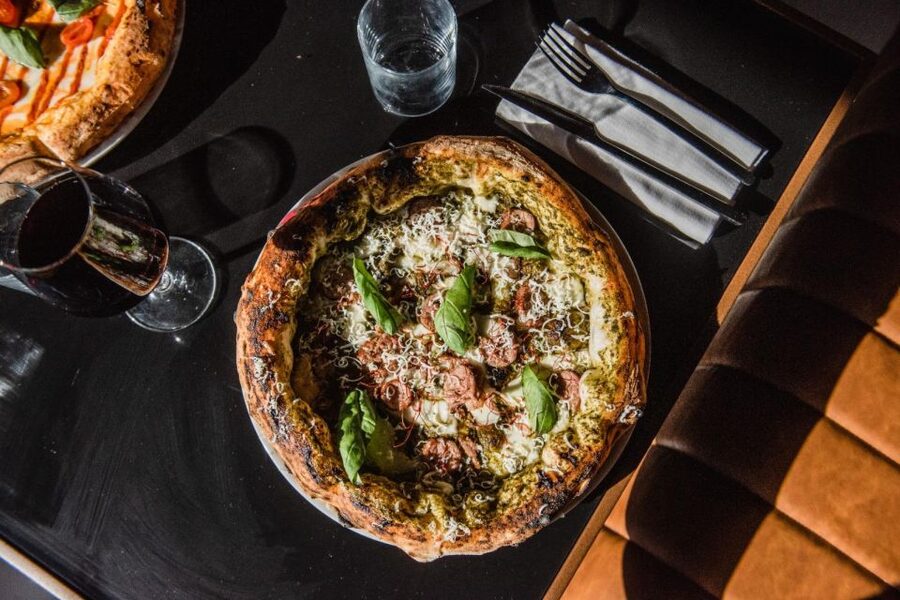
At $52 per person, this class sits in the mid-range for Rome activities, but you should judge it by what’s included: professional guidance, fresh ingredients, equipment, oven baking, and a tasting with a drink.
In real terms, you’re paying for three things:
- Instruction from a pizza expert who shows you technique you can’t guess
- Access to the wood-fired oven setup that you won’t replicate easily on your own
- The full experience cycle: knead/stretch → bake → eat with wine or beer
So the value comes from doing the real work, not from a fancy location or long performance. If you’ve been eating your way through Rome and want one experience that’s both edible and educational, this price can feel fair.
It also helps that the session is short. One hour is easy to schedule. You’re not burning a half-day to get a single dinner event.
One more practical note: it’s wheelchair accessible, which makes it a solid option when you’re trying to pick something workable in Rome’s older urban layout.
Who This Class Is Best For (And Who Should Skip It)
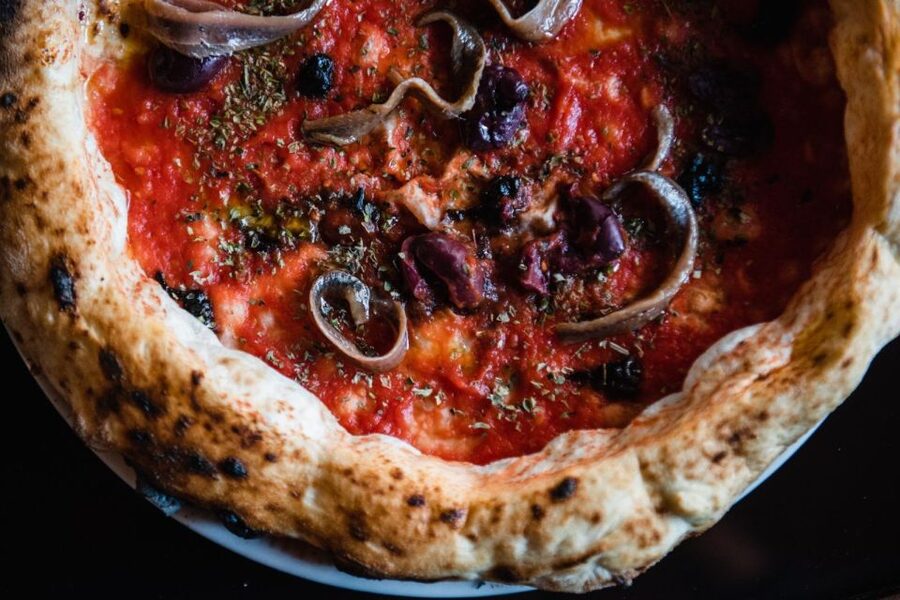
I think this is best for you if you want:
- A hands-on Rome cooking experience with clear steps
- Pizza skills you can actually practice later
- A fun group activity with a quick, satisfying end point
It also fits well if you’re traveling with kids who like making things and eating the results. The activity is structured, friendly, and ends with a tangible reward.
You might want to choose something else if you’re looking for a long, detailed culinary journey. This is one hour. You’ll learn the core process, but you won’t leave like you mastered a whole pizza studio operation.
Final Thoughts: Should You Book This Pizza Class?
If you want one activity in Rome that’s hands-on, culturally grounded, and immediately rewarding, I’d book this. It’s built around the essentials: dough work, ingredient quality, a real wood-fired bake, and a tasting you can enjoy while it’s fresh. For the money, you’re getting actual technique plus the kind of oven access most visitors can’t get without a kitchen of their own.
Before you go, pack the right mindset. Wear clothes that can get messy, arrive early, and treat it like practice, not perfection. You’ll likely leave with a better feel for what Neapolitan pizza is trying to do—and with a meal you made yourself.
FAQ
How long is the pizza cooking class?
The class lasts 1 hour.
What’s included in the experience?
You get a practical lesson with professional equipment and fresh ingredients, kneading and stretching dough, assembling your pizza, baking in a traditional wood-fired oven, and a tasting of freshly prepared pizza. A beverage is included as one glass of local wine or craft beer.
Do I need to bring anything?
Wear clothes that you don’t mind getting dirty, since you’ll be working with dough.
Are vegetarian options available?
Yes. Vegetarian options are available, but you need to notify the organizer in advance.
What languages is the instructor speaking?
The instructor provides guidance in English and Italian.
Is it in central Rome, and do I need transport?
You’ll meet in front of the pizzeria in the center of Rome. Transportation to and from the pizzeria is not included.
Is the experience wheelchair accessible?
Yes, it is wheelchair accessible.
Should You Book It Today? If your idea of the perfect Rome day includes getting your hands floury and your stomach happily full, this one-hour Neapolitan pizza class is a solid choice. Just make sure you show up ready to work and eat.
More Cooking Classes in Rome
- 3 in 1 Cooking Class near Navona: Fettuccine, Ravioli & Tiramisu
★ 5.0 · 7,376 reviews - Rome: Pasta Making Class with Wine, Limoncello, and Dessert
★ 4.9 · 3,177 reviews - Rome Cooking Class: Make Pasta and 3 Spritz Cocktails
★ 5.0 · 2,937 reviews - Rome: 3-in-1 Fettuccine, Ravioli, and Tiramisu Cooking Class
★ 4.9 · 2,704 reviews - Rome: Fettuccine Pasta Cooking Class in Rome’s City Center
★ 4.8 · 2,414 reviews - Fettuccine & Tiramisù: Cooking Class with Wine & Limoncello
★ 4.9 · 2,103 reviews
More Tour Reviews in Rome
- Vatican Museums, Sistine Chapel & St. Peter’s Basilica Tour
★ 4.3 · 73,970 reviews - Vatican Museums, Sistine Chapel & St Peter’s Basilica Guided Tour
★ 4.5 · 39,149 reviews - Rome: Colosseum, Palatine Hill and Roman Forum Guided Tour
★ 4.8 · 32,814 reviews - Rome: Guided Tour of Colosseum, Roman Forum & Palatine Hill
★ 4.7 · 27,897 reviews - Rome: Colosseum & Forum with Audio Guide App -Optional Arena
★ 4.2 · 24,770 reviews - Rome: Colosseum, Roman Forum and Palatine Hill Guided Tour
★ 4.5 · 23,903 reviews
Learn Another Roman Dish
- 3 in 1 Cooking Class near Navona: Fettuccine, Ravioli & Tiramisu
★ 5.0 · 7,376 reviews - Rome: Pasta & Tiramisu Class with Fine Wine by the Vatican
★ 4.9 · 4,852 reviews - Rome: Pasta Making Class with Wine, Limoncello, and Dessert
★ 4.9 · 3,177 reviews - Rome Cooking Class: Make Pasta and 3 Spritz Cocktails
★ 5.0 · 2,937 reviews - Rome: 3-in-1 Fettuccine, Ravioli, and Tiramisu Cooking Class
★ 4.9 · 2,704 reviews - Rome: Fettuccine Pasta Cooking Class in Rome’s City Center
★ 4.8 · 2,414 reviews
Just added to our Rome reviews





Rome Cooking Classes, compared.
 ★ 5.03 in 1 Cooking Class near Navona: Fettuccine, Ravioli & TiramisuFrom $837,376 reviews
 ★ 4.9Pasta & Tiramisu Class with Fine Wine by the VaticanFrom $414,852 reviews
 ★ 4.9Pasta Making Class with Wine, Limoncello, and DessertFrom $483,177 reviews
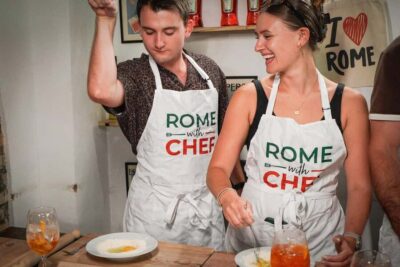 ★ 5.0Rome Cooking Class: Make Pasta and 3 Spritz CocktailsFrom $992,937 reviews
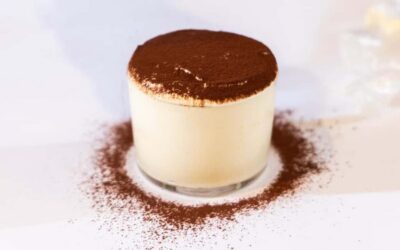 ★ 4.93-in-1 Fettuccine, Ravioli, and Tiramisu Cooking ClassFrom $812,704 reviews
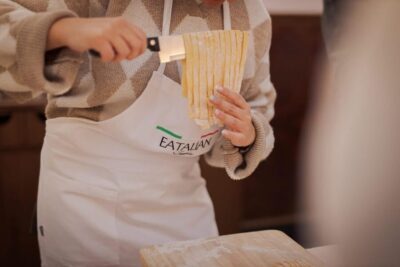 ★ 4.8Fettuccine Pasta Cooking Class in Rome’s City CenterFrom $462,414 reviews
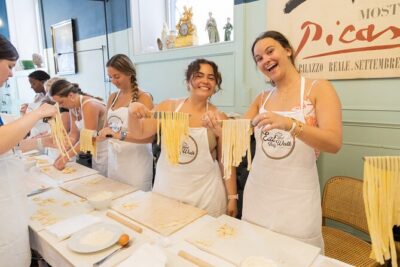 ★ 5.0Learn to Make Pasta & Tiramisu with Wine and Limoncello IncludedFrom $542,345 reviews
 ★ 5.0Become a Masterchef in Rome: Pasta, Ravioli and Tiramisù ClassFrom $472,156 reviews
Browse the lists this tour appears in