
Reviewed · ROME COOKING CLASSES
Rome Cooking Class: Handmade Tonnarelli Pasta & Tiramisu
Fresh pasta beats tourist pasta every time. This hands-on Rome class teaches handmade tonnarelli and tiramisu in an osteria wine-bar setting, with you doing the work and learning why Roman technique matters. I love that you leave with real skills you can repeat at home, and I also love the social part: you make food together, then sit down to eat it.
One thing to consider: you won’t enter the actual kitchen where pasta is cooked and seasoned. For safety, you’ll work at the station while staff handles the hot, final cooking steps, so it’s hands-on cooking without the kitchen chaos.
In This Review
- Key Highlights Worth Your Time
- Rome Cooking Class: Handmade Tonnarelli Pasta & Tiramisu
- Why This Class Works Better Than a Typical Food Tour
- Meeting in Front of Osteria San Giorgio: The Start Matters
- Tonnarelli From Scratch: Rolling, Cutting, and Getting Real Results
- Cacio e Pepe Flavor: The Sauce Side You Don’t Have to Risk
- Tiramisu Workshop: Coffee-Soaked and Built With Confidence
- Eating Together in the Osteria: Where the Value Really Shows
- Price and Value: What $64 Actually Buys You
- Who This Is For (and Who Should Skip It)
- What You’ll Learn You Can Use at Home
- Practical Tips to Make Your Class Smooth
- Should You Book This Rome Handmade Pasta and Tiramisu Class?
- FAQ
- What do I make in the class?
- How long is the class?
- Where is the meeting point?
- Is wine included?
- Is the class taught in English?
- Are vegan, gluten-free, or lactose-free options available?
- Do I need to enter the kitchen?
- Is it wheelchair accessible?
Key Highlights Worth Your Time

- Tonnarelli cacio e pepe basics taught with step-by-step pasta handling
- Tiramisu technique focused on getting the texture right before serving
- An osteria wine-bar atmosphere where the lesson and meal feel connected
- English-speaking instructors who can explain clearly for complete beginners
- A sit-down meal with wine included after you finish cooking
Rome Cooking Class: Handmade Tonnarelli Pasta & Tiramisu
More aprons-on time in a Roman kitchen
- 3 in 1 Cooking Class near Navona: Fettuccine, Ravioli & Tiramisu
★ 5.0 · 7,376 reviews - Rome: Pasta & Tiramisu Class with Fine Wine by the Vatican
★ 4.9 · 4,852 reviews - Rome: Pasta Making Class with Wine, Limoncello, and Dessert
★ 4.9 · 3,177 reviews - Rome Cooking Class: Make Pasta and 3 Spritz Cocktails
★ 5.0 · 2,937 reviews
Why This Class Works Better Than a Typical Food Tour
Rome has a talent for making food feel like culture. This cooking class leans into that. You’re not just tasting Roman dishes; you’re making them, starting from dough and ending with a dessert that looks like it came from a serious Italian bakery.
The two centerpieces are tonnarelli and tiramisu. Tonnarelli is among Rome’s most traditional handmade pastas—served often with cacio e pepe, a famously simple, no-drama dish where technique matters. Tiramisu is the dessert you already know, but when you assemble it yourself, you understand what gives it that creamy, coffee-soaked balance.
The best part for me is the “transfer value.” After 2.5 hours, you’re not walking away with a vague memory. You’re walking away with muscle memory: how to roll, cut, and shape fresh pasta; how to assemble tiramisù with the right pacing.
Meeting in Front of Osteria San Giorgio: The Start Matters
You meet in front of the Osteria San Giorgio. That’s useful because it keeps things straightforward once you’re in the neighborhood—no long rides, no complicated pickup choreography.
The class is taught by an English-speaking instructor, and the vibe is very “host-led.” In real terms, that means you’re guided like a class, not just dropped into a cooking station. Many people love that hosts are patient with beginners. Names that come up in participant stories include Kristian, Jamila, Shula, Luca, and Elisabeth/Elisabetta, and the common theme is that the instruction stays friendly and clear.
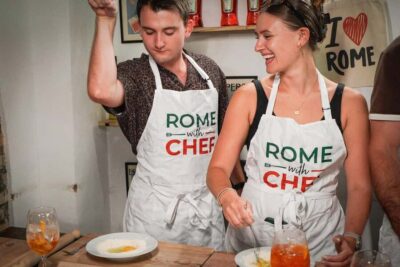
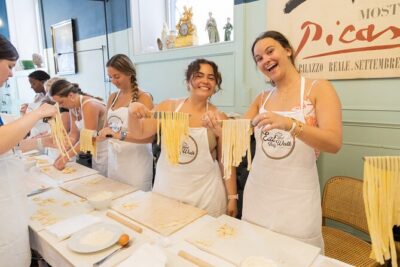
Also, group size can be flexible. Some sessions can end up small—even as intimate as two participants plus the host. That’s great if you want questions answered quickly, and it helps the cooking feel personal instead of rushed.
Tonnarelli From Scratch: Rolling, Cutting, and Getting Real Results
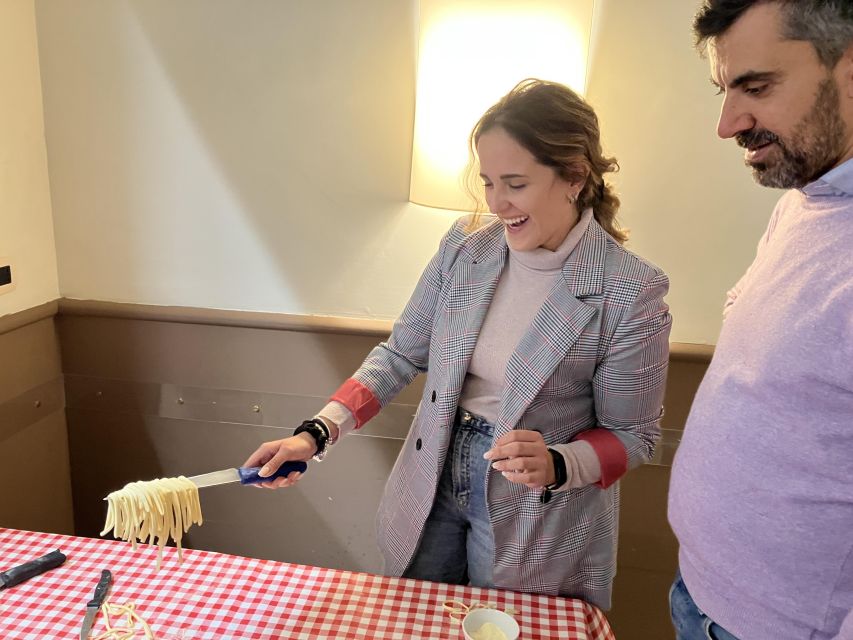
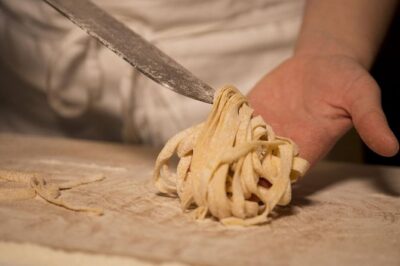
This is the heart of the workshop: you learn to make fresh handmade tonnarelli from scratch.
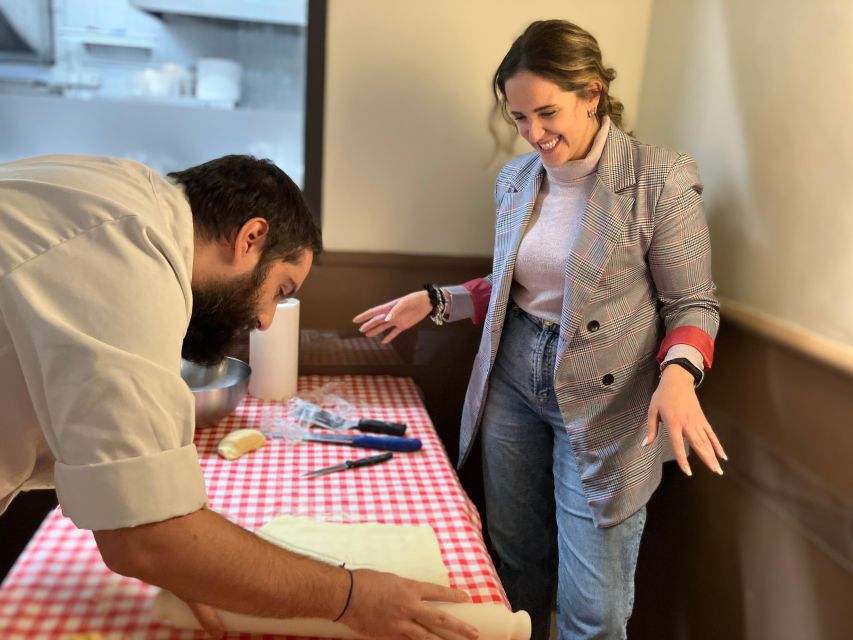
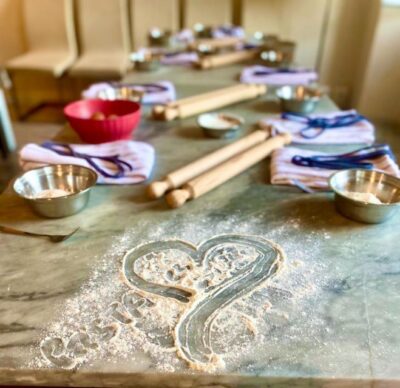
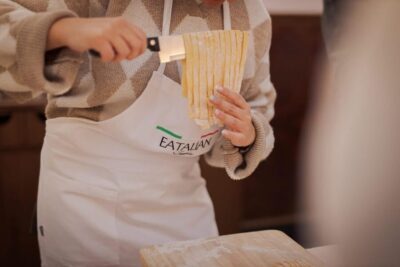
You’ll start with dough prep under the instructor’s guidance. The lesson follows the physical rhythm of pasta-making: mix and work the dough, then move into rolling it out. The training emphasizes handling—what the dough should feel like, and how to shape it properly so it’s not just edible, but genuinely good.
Then comes the part that makes people grin: cutting. Tonnarelli is cut into pasta strands with a specific look and bite, and you get practice doing it yourself. It’s not only a recipe lesson; it’s a technique lesson. You learn how small differences in thickness or cutting can affect how pasta feels when it lands on the fork.
One helpful detail: while you’re doing the hands-on work, there’s a safety boundary. For safety reasons, you will not enter the actual kitchen where the pasta is cooked and seasoned. So expect a workflow where you prepare and shape the pasta, and staff takes over the hot, final cooking steps.
Worth a look next to this Rome booking:
Cacio e Pepe Flavor: The Sauce Side You Don’t Have to Risk
The class centers on tonnarelli, often paired with cacio e pepe. What’s smart here is that you learn the pasta process without being forced to manage the most time-sensitive, high-heat steps.
You’ll enjoy a homemade meal at the end, with a sauce prepared for you. The data also points out that the sauce comes as part of your meal experience rather than as a chaotic “everybody in the kitchen” situation. That matters because the goal isn’t just to say you cooked. The goal is to sit down and actually taste what you made—correctly cooked and seasoned.
Think of it like this: you get the craft (making the pasta), and you still get the payoff (tasting the dish). It’s a good balance for beginners who want success without feeling like they need restaurant-level gear and timing.
Tiramisu Workshop: Coffee-Soaked and Built With Confidence
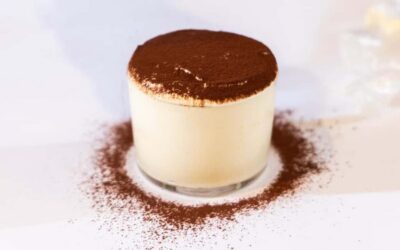
After pasta, you switch to dessert. You’ll learn how to craft tiramisu—a classic coffee-soaked, creamy dessert.
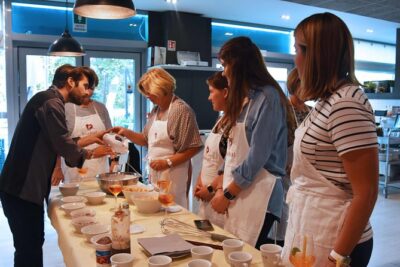
The class is hands-on through the main prep steps: rolling up your sleeves, whipping/working the ingredients, and assembling the dessert correctly. Even if you’ve made tiramisù before, this kind of guided practice can change everything—especially around texture and how you handle soaking so it stays creamy rather than soggy.
This is where many participants say the class becomes memorable. In participant experiences, instructors like Kristian and Christian (including Kristian/Kristiano variants) and others are described as funny, patient, and genuinely helpful—so even when the steps feel a little intimidating at first, the pace stays manageable.
Eating Together in the Osteria: Where the Value Really Shows
Cooking is fun, but eating is where the class proves itself. After you finish both pasta and dessert, you sit down in the osteria setting and enjoy your creations.
A glass of wine is included, which adds a Roman touch without turning it into a long evening event. You don’t just watch staff plate food—you eat what you made, and you do it in a relaxed atmosphere that supports conversation.
If you pick the morning slot—one participant chose 10:30am so they could eat the pasta by lunchtime. That’s a practical advantage. You get a morning “activity block,” then you’re not stuck waiting until late dinner time to enjoy the results of your work.
Another real-world perk: the host often shares Rome food ideas and practical suggestions. Some instructors recommend other things to taste and do during your stay. If you book early enough, those pointers can help you shape the rest of your trip.
Price and Value: What $64 Actually Buys You
At $64 per person for about 2.5 hours, this class can feel like a splurge—until you break down what you’re really paying for.
You’re included in:
- the cooking class and instructor time
- all necessary ingredients and equipment
- a meal featuring what you made
- a glass of wine
The value comes from the combination. A basic food tasting might cost similar money, but it doesn’t teach you a repeatable skill. Here, you’re paying for instruction plus ingredients plus a meal, and you’re leaving with recipes and technique you can use again at home.
Also, beginners get a lot of mileage. Multiple participant notes point out that the host makes “even extreme beginners” comfortable. If you’ve never kneaded pasta dough or assembled tiramisù, that coaching time is where the price starts to make sense.
Who This Is For (and Who Should Skip It)
This class is a strong match if you want a hands-on Rome experience that’s still friendly for first-timers.
You’ll likely enjoy it if you:
- like food and want real technique, not just tasting
- enjoy social settings with small groups (and possibly smaller if other guests cancel)
- want a memorable activity for a birthday or a day out with friends
But it’s not for everyone. The experience is not suitable for:
- vegans
- people with gluten intolerance
- people with lactose intolerance
- visually impaired people
Even though it’s wheelchair accessible, that doesn’t automatically make it ideal for everyone who has mobility or sensory needs. The safety boundary around the kitchen also means the experience focuses on guided stations rather than open access to every area.
What You’ll Learn You Can Use at Home
The most valuable part isn’t just the meal. It’s what you can recreate.
For pasta, you’ll take away a process you can repeat: dough work, rolling, and cutting handmade shapes. Once you’ve done it once with guidance, your next try tends to feel less like guesswork and more like following a rhythm.
For tiramisù, you’ll get a practical method for assembling it with coffee-soaked texture and creamy structure. That usually means you’ll stop “eyeballing” and start building with a clearer sense of timing and texture.
And because the class includes recipes, you’re not stuck with a vague memory. You’ll have a blueprint to cook again, share with friends, and impress people who think fresh pasta only belongs in Italy.
Practical Tips to Make Your Class Smooth
A few choices can make the experience feel easier from the first minute:
Wear something comfortable. You’ll be handling dough and tools, and pasta-making isn’t delicate work.
Show up hungry. The meal is included, and it’s one of the payoffs for your time in the room.
Plan your schedule. The class lasts 2.5 hours, and it’s timed by availability slots. If you want your lunch to be the pasta you made, look for earlier starting times.
Ask your host questions. Many instructors share Rome food and activity recommendations. If you do this early in your trip, you can use those suggestions while the rest of your itinerary is still flexible.
If you’re planning to cook at home immediately afterward, consider picking up basics like flour if that’s available on-site. One participant mentioned buying flour after the class to try pasta-making again.
Should You Book This Rome Handmade Pasta and Tiramisu Class?
If you want a Rome experience that mixes skill-building with a genuinely satisfying meal, I’d book it.
This is especially worth it when:
- you enjoy cooking and want a structured lesson
- you’re traveling with friends, a partner, or even solo and want an easy shared activity
- you want hands-on tonnarelli plus tiramisu without needing culinary experience
I wouldn’t book it if you need vegan, gluten-free, or lactose-free options, or if you’re visually impaired. Also, go in with the right expectation: you’ll be hands-on at your station, but you won’t enter the actual kitchen where pasta is cooked and seasoned.
If your goal is a practical, authentic, skill-based food memory from Rome—this checks the boxes.
FAQ
What do I make in the class?
You make handmade tonnarelli pasta (including tonnarelli cacio e pepe) and you also learn to make tiramisù.
How long is the class?
The duration is 2.5 hours.
Where is the meeting point?
Meet in front of the Osteria San Giorgio.
Is wine included?
Yes. You get a complimentary glass of wine with your meal.
Is the class taught in English?
Yes, the instructor teaches in English.
Are vegan, gluten-free, or lactose-free options available?
No. Vegan, gluten-free, and lactose-free options are not included.
Do I need to enter the kitchen?
No. For safety reasons, clients will not enter the actual kitchen where the pasta is cooked and seasoned.
Is it wheelchair accessible?
Yes, the experience is wheelchair accessible.
More Cooking Classes in Rome
- 3 in 1 Cooking Class near Navona: Fettuccine, Ravioli & Tiramisu
★ 5.0 · 7,376 reviews - Rome: Pasta Making Class with Wine, Limoncello, and Dessert
★ 4.9 · 3,177 reviews - Rome Cooking Class: Make Pasta and 3 Spritz Cocktails
★ 5.0 · 2,937 reviews - Rome: 3-in-1 Fettuccine, Ravioli, and Tiramisu Cooking Class
★ 4.9 · 2,704 reviews - Rome: Fettuccine Pasta Cooking Class in Rome’s City Center
★ 4.8 · 2,414 reviews - Fettuccine & Tiramisù: Cooking Class with Wine & Limoncello
★ 4.9 · 2,103 reviews
More Tour Reviews in Rome
- Vatican Museums, Sistine Chapel & St. Peter’s Basilica Tour
★ 4.3 · 73,970 reviews - Vatican Museums, Sistine Chapel & St Peter’s Basilica Guided Tour
★ 4.5 · 39,149 reviews - Rome: Colosseum, Palatine Hill and Roman Forum Guided Tour
★ 4.8 · 32,814 reviews - Rome: Guided Tour of Colosseum, Roman Forum & Palatine Hill
★ 4.7 · 27,897 reviews - Rome: Colosseum & Forum with Audio Guide App -Optional Arena
★ 4.2 · 24,770 reviews - Rome: Colosseum, Roman Forum and Palatine Hill Guided Tour
★ 4.5 · 23,903 reviews
Learn Another Roman Dish
- 3 in 1 Cooking Class near Navona: Fettuccine, Ravioli & Tiramisu
★ 5.0 · 7,376 reviews - Rome: Pasta & Tiramisu Class with Fine Wine by the Vatican
★ 4.9 · 4,852 reviews - Rome: Pasta Making Class with Wine, Limoncello, and Dessert
★ 4.9 · 3,177 reviews - Rome Cooking Class: Make Pasta and 3 Spritz Cocktails
★ 5.0 · 2,937 reviews - Rome: 3-in-1 Fettuccine, Ravioli, and Tiramisu Cooking Class
★ 4.9 · 2,704 reviews - Rome: Fettuccine Pasta Cooking Class in Rome’s City Center
★ 4.8 · 2,414 reviews
Just added to our Rome reviews





Rome Cooking Classes, compared.
 ★ 5.03 in 1 Cooking Class near Navona: Fettuccine, Ravioli & TiramisuFrom $837,376 reviews
 ★ 4.9Pasta & Tiramisu Class with Fine Wine by the VaticanFrom $414,852 reviews
 ★ 4.9Pasta Making Class with Wine, Limoncello, and DessertFrom $483,177 reviews
 ★ 5.0Rome Cooking Class: Make Pasta and 3 Spritz CocktailsFrom $992,937 reviews
 ★ 4.93-in-1 Fettuccine, Ravioli, and Tiramisu Cooking ClassFrom $812,704 reviews
 ★ 4.8Fettuccine Pasta Cooking Class in Rome’s City CenterFrom $462,414 reviews
 ★ 5.0Learn to Make Pasta & Tiramisu with Wine and Limoncello IncludedFrom $542,345 reviews
 ★ 5.0Become a Masterchef in Rome: Pasta, Ravioli and Tiramisù ClassFrom $472,156 reviews
Browse the lists this tour appears in