
Reviewed · ROMAN CATACOMBS & CRYPTS TOURS
Rome: Catacombs of Domitilla Entry Ticket & Guided Tour
Stone air tells a 2000-year story. The guided trip to Rome’s Catacombs of Domitilla mixes pagan and Christian frescoes with a guide who can explain why this burial ground mattered so much to early martyrs. I also love the small group setup (limited to 10), which makes it easier to ask questions without feeling rushed. One drawback to plan for: photography is not allowed inside, so you’ll have to rely on what you see and what your guide tells you.
You’ll head out to via delle Sette Chiese and then descend into one of the largest underground cemeteries in Rome, dropping down to the cool stone levels that preserve centuries of stories. In about 30 minutes, the tour walks you through the layout and key spaces—so even if you’re short on time, you still get the main beats: the Flavians’ underground world, the shift to Christianity, and the burial reverence around martyrs like Nereus and Achilleus.
In This Review
- Key Highlights You’ll Care About
- Domitilla Catacombs: One Place Where Faith Changed, Underground
- Your 30-Minute Game Plan Underground
- The Flavians Background: Why One Family’s Underground Life Matters
- Pagan Frescoes Meet Christian Sanctity
- The Restoration Lesson: Why You Don’t Get Photos
- Logistics That Actually Matter: Getting There and Wearing the Right Stuff
- Price and Value: Is $16 Worth It
- Who This Tour Suits Best (and Who Might Feel Restless)
- Should You Book the Catacombs of Domitilla Tour?
- FAQ
- How long is the Catacombs of Domitilla tour?
- Where is the Catacombs of Domitilla located?
- What languages are available for the guided tour?
- Is photography allowed inside the catacombs?
- How much does the entry ticket and guided tour cost?
- What is the meeting point?
- What should I wear or bring?
- Is the tour suitable for wheelchair users or people with mobility impairments?
Key Highlights You’ll Care About
- Two levels, one layered story: pagan origins later reshaped for Christian use
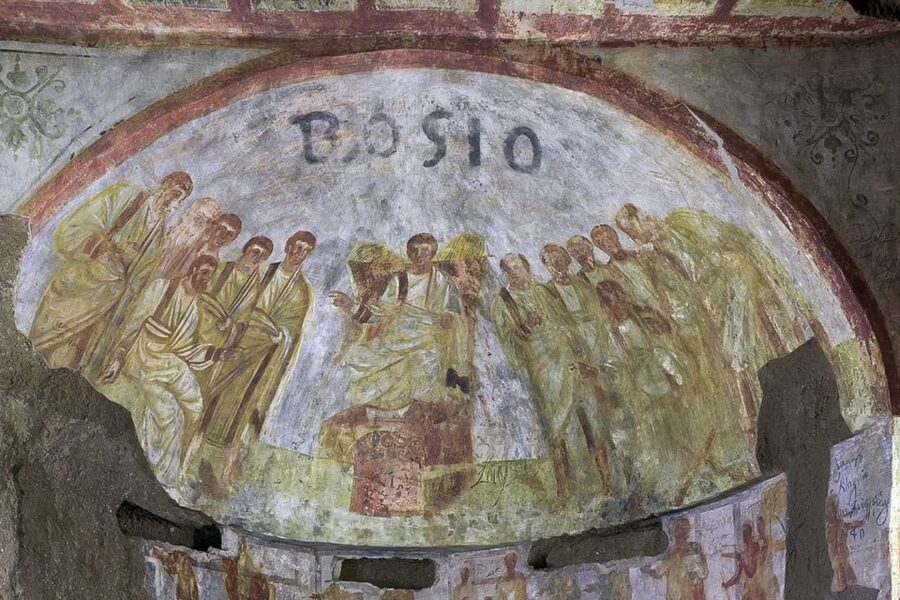
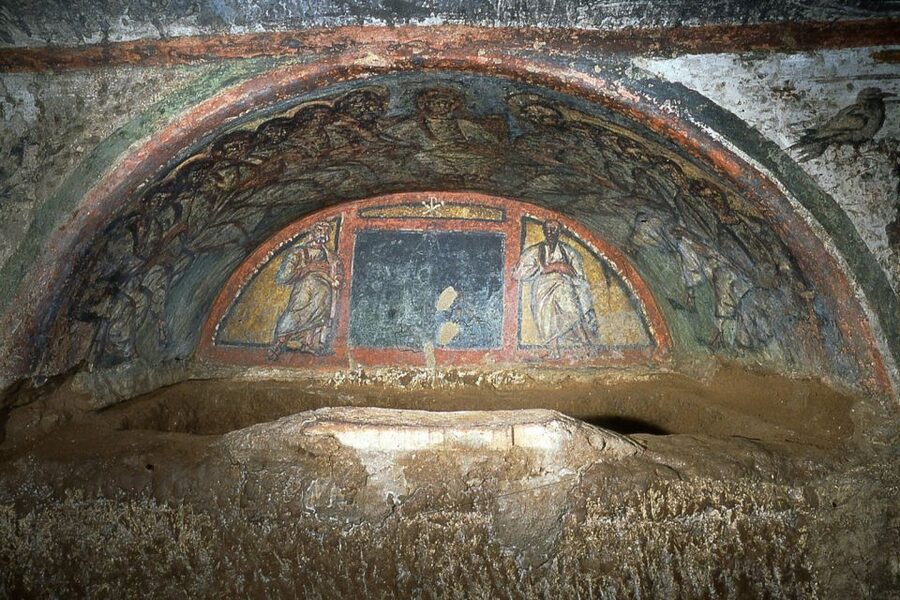
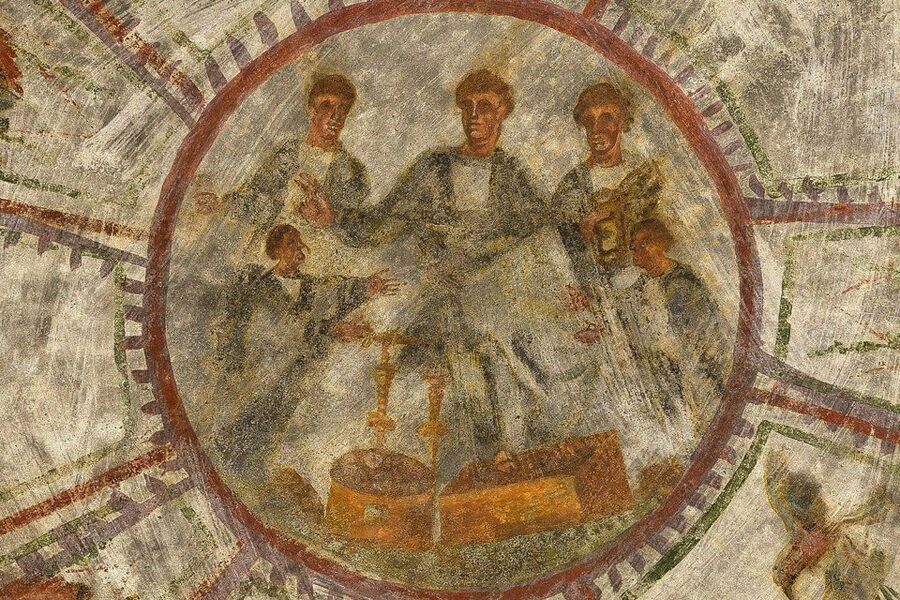
- Pagan-to-Christian fresco mix: artwork that shows change, not a clean break
- Flavians and imperial connections: Flavia Domitilla’s family ties and exile background
- Martyrs and a basilica space: Nereus and Achilleus linked to later sacred expansion
- Restoration explained in plain language: why preserving fragile paint and stone is delicate
- Up to 10 people: more time to ask questions, fewer people blocking your view
Domitilla Catacombs: One Place Where Faith Changed, Underground
If you only visit the surface sights in Rome, you miss the city’s quieter brain. The Catacombs of Domitilla show you how people processed death, memory, and belief when the streets above were loud with daily life.
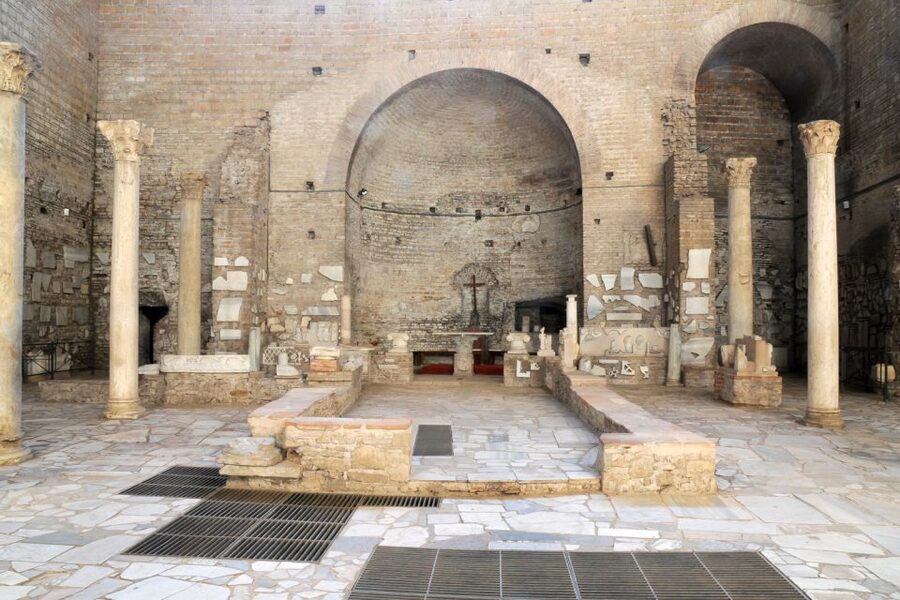
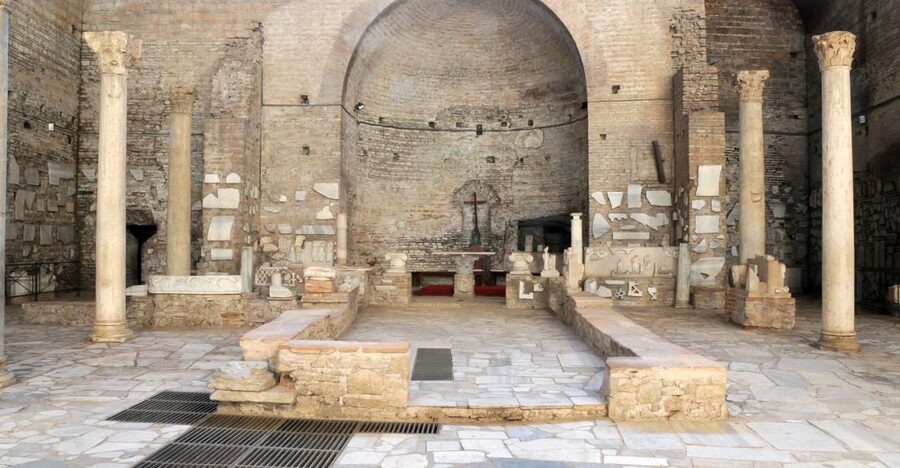
What makes Domitilla compelling is the layered timeline. This is not just one single period of underground burial. The space started as a pagan hypogeum (dated to the end of the 2nd century and beginning of the 3rd), then became Christian later on, with enlargement occurring mid-3rd century. That means you’re looking at a site that reflects transition—people didn’t just erase the past; they repurposed and reinterpreted it.
You’ll also get context for why burial grounds mattered. Christian martyrs weren’t treated like random historical footnotes. Burial spaces were considered sacred, and later popes helped shape what those spaces became. In Domitilla, that sacred evolution is tied to a shift from family burial associations (the Flavians) to places connected with martyrs—especially Nereus and Achilleus.
This tour keeps that story clear, despite the underground setting and short duration. That’s the real value: a fast but coherent explanation of what you’re looking at.
Deeper underground: more crypts and catacombs
- Rome: Capuchin Crypts and Catacombs Tour with Transfers
★ 4.6 · 6,456 reviews - The Original Roman Crypts and Catacombs Tour with Transfers
★ 4.5 · 4,896 reviews - Rome: Catacombs of St. Callixtus Entry Ticket & Guided Tour
★ 4.6 · 3,037 reviews - Rome: Guided Roman Catacombs Tour with Transfers
★ 4.6 · 1,830 reviews
Your 30-Minute Game Plan Underground
The visit is designed for a 30-minute guided tour, in Italian or English, with a live guide and entrance included. There’s a reason the timing is tight: catacomb spaces can feel disorienting, and the ground is uneven and stone-cold. A guide helps you keep your bearings fast, so you don’t spend the whole time wondering what you’re seeing.
In practice, you can expect a guided walk through the reachable parts of the catacombs with focus on the key spaces your guide highlights. The highlights you’ll hear about typically center on:
- the two main levels of the catacomb complex
- the Flavian-associated space often referred to as the Hypogeum of the Flavians
- the later Christian transformations that follow the pagan-to-Christian shift
- areas linked with the martyrs Nereus and Achilleus
- how restoration work protects fragile surfaces for future visitors
Because only a portion of the full underground network is accessible to visitors, the guide’s selection matters. You’re not trying to see everything. You’re trying to see the “why it matters” pieces, and Domitilla does that well.
The Flavians Background: Why One Family’s Underground Life Matters
One of the strongest parts of this tour is the human story behind the stones. The catacombs tie back to burial grounds on land associated with Flavia Domitilla, who donated that land to her freedmen. That connection helps explain why Domitilla feels different from catacombs that are purely anonymous.
Here’s the historical scaffolding your guide may connect:
- Flavia Domitilla is described as connected to the imperial family.
- She was the related to Flavio Clemente, consul in 95 AD, and part of the Flavian circle.
- As a Christian, she was exiled by Domitian to the island of Ponza, where she died.
Even if you don’t memorize every name, the point lands: Domitilla wasn’t only a burial site. It was tied to real people who lived inside Rome’s power structures and later experienced punishment because of faith.
On the underground side, you’ll also hear about what’s called the Hypogeum of the Flavians. One belief was that it could identify tombs of Christian members of the Flavia Domitilla family. At the same time, your guide will frame the reality that this hypogeum began as pagan and later became Christian—and that conversion shaped how the space was used and expanded.
This is the kind of context that makes the catacombs feel like history you can understand, not just spooky rock rooms.
Pagan Frescoes Meet Christian Sanctity
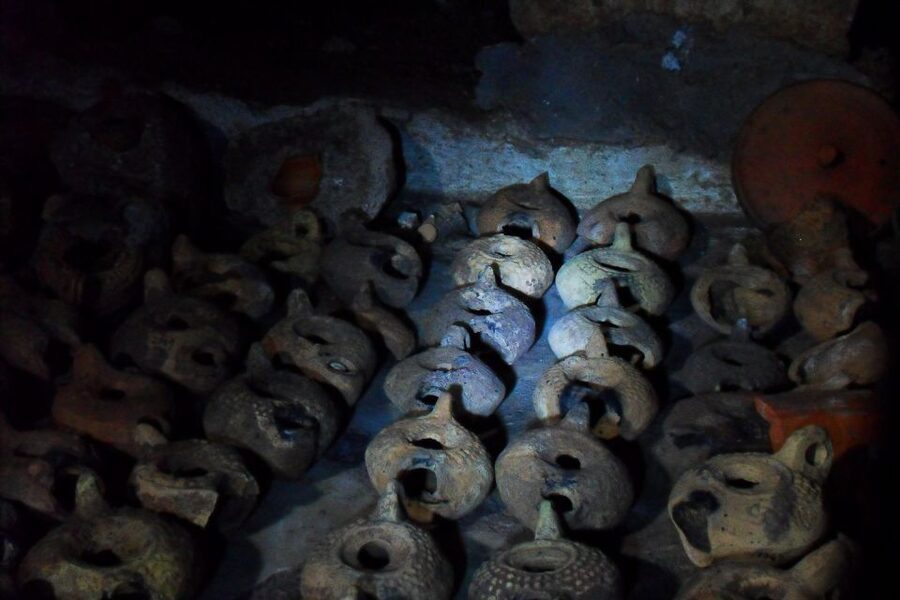
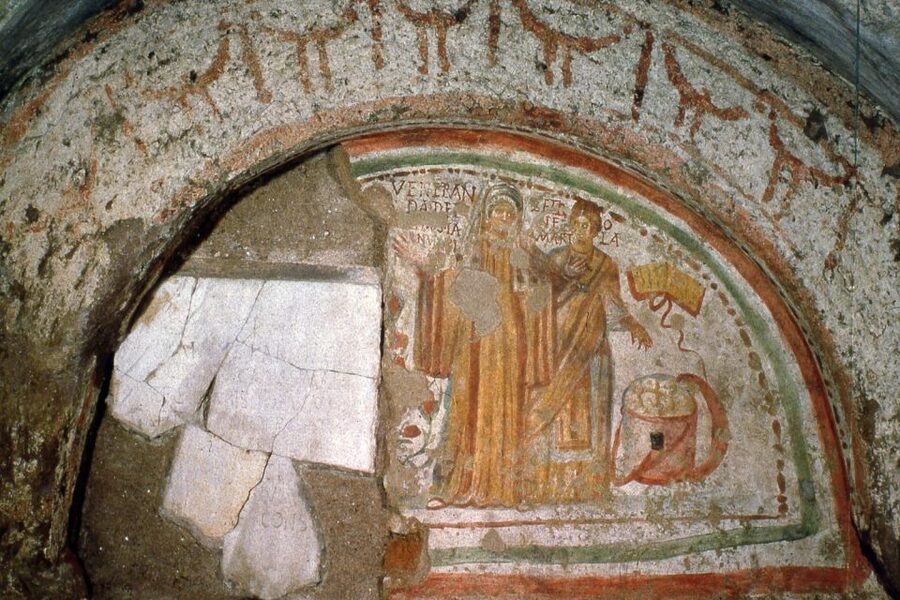
Domitilla’s fresco story is one of the best reasons to choose it. Many visitors expect a single-style Christian underground world. Domitilla gives you a stronger lesson: the artistic and spiritual world evolved right here.
Your tour highlights the unique mixture of pagan and Christian frescoes. That matters because it shows how symbols and spaces can transition over time. The underground setting helps too. When you see artwork on cold stone, it stops feeling like “museum art” and starts feeling like people speaking to one another across generations.
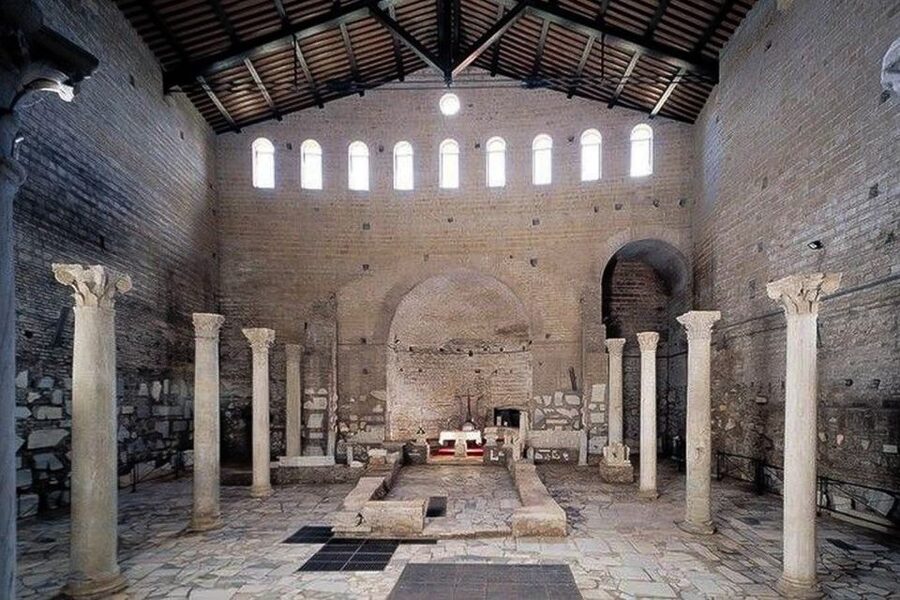
The guide also connects these artworks to burial sanctity—especially where martyr burial is involved. Toward the end of the third century, the bodies of the martyrs Nereus and Achilleus were placed in a crypt on the second floor. Later, Pope Damasus (366–384) transformed that area into a small basilica, and Pope Siricius expanded it between 390 and 395 until it reached its current size.
That sequence is important. It turns the catacomb from a private family burial ground into a space with broader religious meaning—an underground site shaped by both faith and official church attention.
If you love art and religious history, this is where the tour clicks. You’ll understand why a burial place could become a landmark in Rome, even below street level.
Worth a look next to this Rome booking:



The Restoration Lesson: Why You Don’t Get Photos
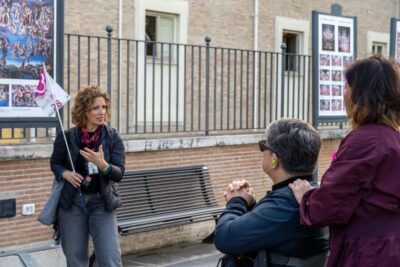
One of the most praised parts of this experience is how the guide explains the delicate restoration process. In a place like this, preserving paint and stone isn’t just about cleaning and fixing. It’s about controlling risk: moisture, handling, and light exposure can cause long-term damage.
That’s also why the rules are what they are. No photography inside means you can’t treat the catacombs like a social media photo stop. You’ll want to watch your guide’s face and listen closely, because that’s what will stick. This is also why a small group works well—people can shift positions without causing chaos, and the guide can point without crowding your view.
If you enjoy learning how preservation decisions shape what you’re allowed to do, Domitilla’s restoration discussion is worth your attention. It makes the constraints feel intentional, not annoying.
And if your group gets a guide like Andrea, you’ll likely notice a strong mix of warmth and professionalism. One English-speaking experience specifically highlighted Andrea as friendly, passionate about history and art, and good at answering questions at a calm pace.
Logistics That Actually Matter: Getting There and Wearing the Right Stuff
This tour is short, so logistics can either sharpen the experience or ruin your mood. The meeting instruction is simple: go directly to the Catacomb ticket office and show your reservation at least 10 minutes before the scheduled tour.
That early buffer matters because you’re descending into a timed experience. If you’re late, the visit can slip away from you quickly.
You should also plan for the physical reality. The tour is not suitable for people with mobility impairments or wheelchair users, and that’s not just a paperwork note. Catacombs involve uneven surfaces, stone steps, and tight walking routes. Even without mobility issues, wear comfortable clothes and expect a cool underground temperature.
Group size helps. Limited to 10 participants, you’ll typically get a more personal guide experience than on huge bus tours. You’ll also have a better chance of hearing details, especially when the guide is explaining fresco context, the Flavians, or the martyrs timeline.
Price and Value: Is $16 Worth It
At about $16 per person, this is a straightforward price for a guided underground visit that includes entrance. The bigger question isn’t just the cost. It’s what you get for your time.
For 30 minutes, you’re paying for:
- a live guide (Italian or English)
- entrance into one of Rome’s largest underground cemeteries
- explanations that connect history, family background, and Christian sanctity
- guidance through the available portion of the catacomb complex
- art and restoration context, which turns the visit from sightseeing into understanding
If you’re the type of traveler who likes your Roman history with names, dates, and meaning, this price feels fair. If you want long wandering self-guided exploration, the short duration might feel limiting. But the guide’s job here is to keep the story coherent so you leave with a real sense of what the chambers represent.
Also, the no-photo rule nudges value back toward the guide. You’re not paying for “content capture.” You’re paying for a focused lesson in what this place is and why it changed over time.
Who This Tour Suits Best (and Who Might Feel Restless)
This is a good match if you:
- want a guided Roman history experience underground rather than a quick walk-through
- care about how religious identity and art can shift over centuries
- like learning about burial sanctity and why specific spaces mattered
- prefer small groups where questions are welcome
You might feel less satisfied if you:
- want lots of photos for memories (because photography inside isn’t allowed)
- need fully accessible routes (the tour isn’t suitable for wheelchair users or mobility impairments)
- expect a very long visit—30 minutes is designed to be focused, not exhaustive
One practical tip: bring a notebook app or a phone note to jot down names like Flavia Domitilla, Nereus and Achilleus, Pope Damasus, and Pope Siricius. You’ll get more from the tour if you can review details afterward.
Should You Book the Catacombs of Domitilla Tour?
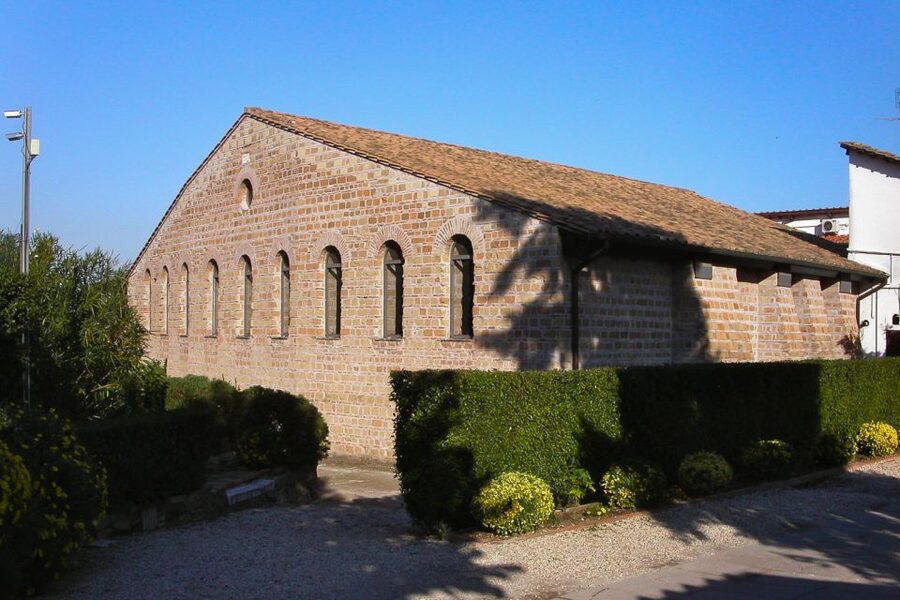
I think you should book if you want a tight, guided introduction to one of Rome’s most layered underground sites. The combination of the pagan-to-Christian transition, the fresco mix, and the story tied to the Flavians and martyrs gives you real substance in a short visit.
Skip it (or choose something else) if photography is essential for you, or if you need wheelchair-friendly access. In that case, the experience rules and the physical format won’t fit.
If you’re on the fence, here’s the easiest decision tool: if you enjoy history that connects people, art, and religious meaning, this is the kind of guided underground stop that actually pays off. Get there early, dress comfortably, and treat the guide’s restoration explanations as part of the attraction.
FAQ
How long is the Catacombs of Domitilla tour?
The tour duration is 30 minutes.
Where is the Catacombs of Domitilla located?
It’s located on via delle Sette Chiese, in Rome (Lazio, Italy).
What languages are available for the guided tour?
The live tour guide is available in Italian and English.
Is photography allowed inside the catacombs?
No, photography is not allowed inside.
How much does the entry ticket and guided tour cost?
The price is listed as $16 per person.
What is the meeting point?
Go directly to the ticket office of the catacomb and show your reservation at least 10 minutes before the scheduled tour.
What should I wear or bring?
Wear comfortable clothes.
Is the tour suitable for wheelchair users or people with mobility impairments?
No. It is not suitable for people with mobility impairments or wheelchair users.
More Tours in Rome
- Vatican Museums, Sistine Chapel & St. Peter’s Basilica Tour
★ 4.3 · 73,970 reviews - Vatican Museums, Sistine Chapel & St Peter’s Basilica Guided Tour
★ 4.5 · 39,149 reviews - Rome: Colosseum, Palatine Hill and Roman Forum Guided Tour
★ 4.8 · 32,814 reviews - Rome: Guided Tour of Colosseum, Roman Forum & Palatine Hill
★ 4.7 · 27,897 reviews - Rome: Colosseum, Roman Forum and Palatine Hill Guided Tour
★ 4.5 · 23,903 reviews - Rome: Colosseum Arena Floor, Palatine & Forum Guided Tour
★ 4.5 · 20,180 reviews
More Tour Reviews in Rome
- Vatican Museums, Sistine Chapel & St. Peter’s Basilica Tour
★ 4.3 · 73,970 reviews - Vatican Museums, Sistine Chapel & St Peter’s Basilica Guided Tour
★ 4.5 · 39,149 reviews - Rome: Colosseum, Palatine Hill and Roman Forum Guided Tour
★ 4.8 · 32,814 reviews - Rome: Guided Tour of Colosseum, Roman Forum & Palatine Hill
★ 4.7 · 27,897 reviews - Rome: Colosseum & Forum with Audio Guide App -Optional Arena
★ 4.2 · 24,770 reviews - Rome: Colosseum, Roman Forum and Palatine Hill Guided Tour
★ 4.5 · 23,903 reviews
Further Below Rome
- Rome: Capuchin Crypts and Catacombs Tour with Transfers
★ 4.6 · 6,456 reviews - The Original Roman Crypts and Catacombs Tour with Transfers
★ 4.5 · 4,896 reviews - Rome: Catacombs of St. Callixtus Entry Ticket & Guided Tour
★ 4.6 · 3,037 reviews - Rome: Guided Roman Catacombs Tour with Transfers
★ 4.6 · 1,830 reviews - Rome: Catacombs Guided Tour with Transfer
★ 4.2 · 1,808 reviews - Rome EBike Tour: Appian Way, Catacombs & Roman Aqueducts
★ 5.0 · 1,766 reviews
Just added to our Rome reviews





Roman Catacombs & Crypts Tours, compared.
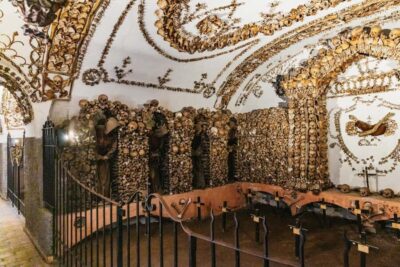 ★ 4.6Capuchin Crypts and Catacombs Tour with TransfersFrom $606,456 reviews
 ★ 4.5The Original Roman Crypts and Catacombs Tour with TransfersFrom $664,896 reviews
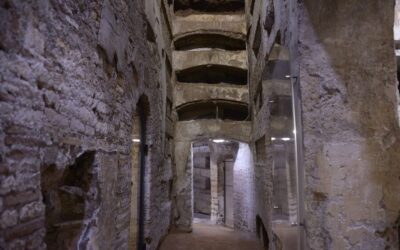 ★ 4.6Catacombs of St. Callixtus Entry Ticket & Guided TourFrom $163,037 reviews
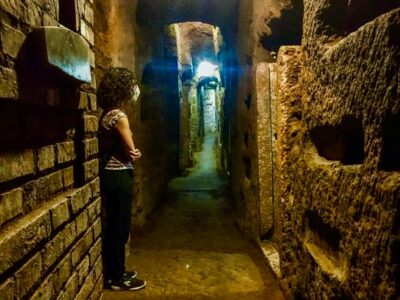 ★ 4.6Guided Roman Catacombs Tour with TransfersFrom $651,830 reviews
 ★ 4.2Catacombs Guided Tour with TransferFrom $541,808 reviews
 ★ 5.0Rome EBike Tour: Appian Way, Catacombs & Roman AqueductsFrom $1021,766 reviews
 ★ 4.6Catacombs and Capuchin Crypt Guided Tour with TransferFrom $411,606 reviews
 ★ 4.7St. Peter’s Basilica Priority Access Tour with Dome & CryptFrom $701,504 reviews
Browse the lists this tour appears in